What to see
Visiting Les Rousses: what to see and do in the High Jura
We may earn a commission when you book through links on this page, at no extra cost to you. We don't visit or try the places we cover: we summarize published sources. How we work
In short
- Les Rousses sits at about 1,100 m (3,610 ft) near the Swiss border and forms the Les Rousses resort with Prémanon, Lamoura and Bois-d'Amont.
- A weekend covers the fort and its Comté cellars, the lake, the village and a forest walk; three to four days add La Dôle, a ski or hiking day and Morez or Saint-Claude.
- Winter means cross-country skiing, snowshoeing and modest alpine skiing; summer brings the lake, hiking and cool air. A car is the simplest way to link the villages.
- Morez is about 10 km (6 mi) away; Saint-Claude a little under an hour by road.
When you climb into the High Jura, the air becomes sharper, the fir trees closer together and the meadows wider. Les Rousses is there, at about 1,100 meters (3,610 ft) above sea level, right next to the Swiss border. A mountain village, a lake, spruce forests, a former military fort turned into a Comté cellar: the municipality shows a very different face from the vineyards or the reculées, and people come as much for cross-country skiing as for a cool summer stay.
This guide helps you decide what to see and do in Les Rousses: the village, the fort, the lake, the summits, the neighboring villages of the resort, the specialties to taste, and practical advice for choosing the right season. It complements our guide to hikes, waterfalls and lakes in the Jura and our article on cross-country skiing and snowshoeing in the High Jura.
Les Rousses at a glance: location and atmosphere
Les Rousses is in the Jura department, in the heart of the High Jura, and is part of the Haut-Jura Regional Natural Park. The municipality is one of the four villages of the Les Rousses resort, with Prémanon, Lamoura and Bois-d’Amont. Together they form a large mountain area devoted to Nordic skiing, alpine skiing, hiking and cycling.
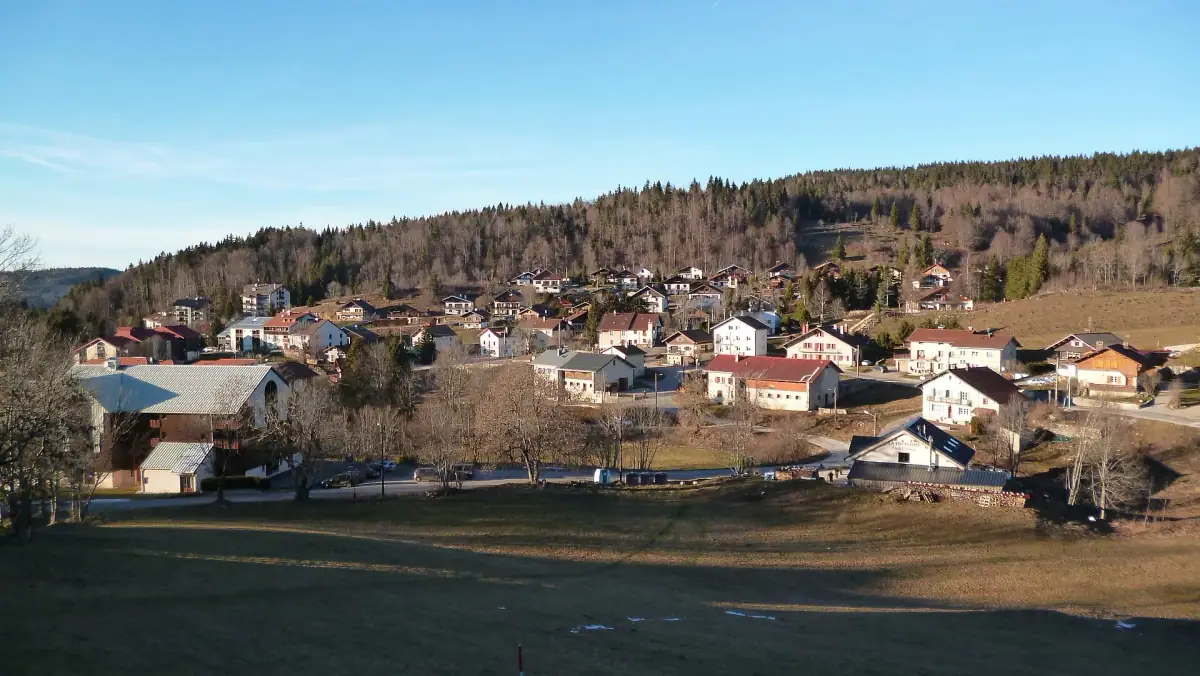
The atmosphere is that of a small family resort, simpler and more modest than the big Alpine areas. The houses are low and sturdy, suited to long winters. The streets are lively in high season, calm between seasons. The closeness of Switzerland shows in the architecture, the license plates and the clientele.
Getting there
A car is the simplest way to reach Les Rousses and move between the villages. The road crosses landscapes of forests and plateaus, with sometimes difficult conditions in winter: special equipment and caution are in order. To compare transport options depending on your starting point, see our guide to getting around the Jura.
Plan your trip to the Jura
Compare flights and transport options to reach the region.
The village of Les Rousses
The town can be visited on foot in an hour or two, with no set program. It stretches along a main street lined with shops, restaurants, producer shops and sports stores. It is the ideal place for a first contact: a coffee on a terrace in summer, a hot chocolate in winter, then a tour of the shops to spot the cheeses and specialties of the High Jura.
The church and the center
The village church, simple and bright, is an easy landmark for finding your way. It does not claim to rival the great churches of the region, but it illustrates well the sober style of mountain villages. Opening hours vary: ask there.
Shops and local products
The shops offer Comté of several ages, Morbier, cancoillotte, smoked sausages and Jura wines. Taste before you buy and do not hesitate to ask for advice: cheesemongers like to explain the differences between a young Comté, milder, and a longer-aged Comté, more powerful. To go further, read our guide to the gastronomic specialties of the Jura.
The Fort des Rousses and its Comté cellars
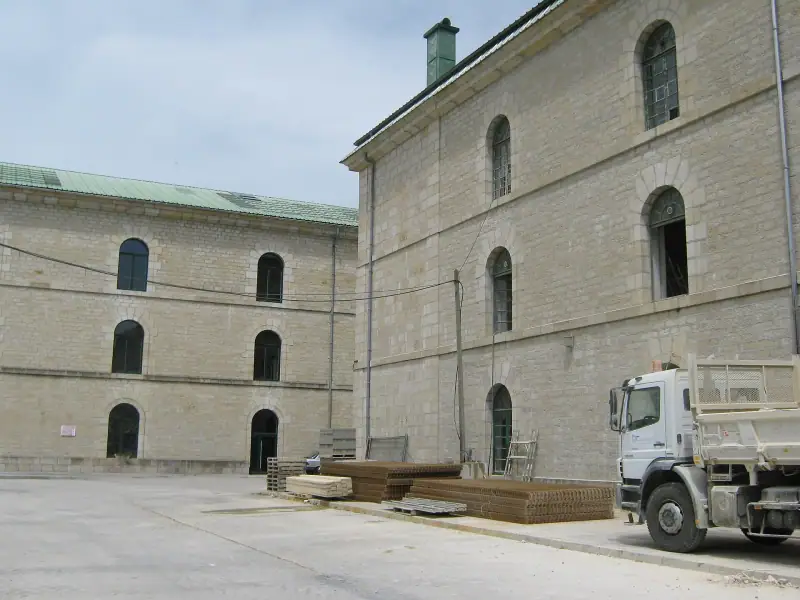
The Fort des Rousses is one of the most distinctive sites in the resort. This former 19th-century military fortress, built to watch the border, is one of the largest in France. Its galleries and casemates, cool and damp, offer ideal conditions for aging cheese: the fort now holds tens of thousands of wheels of Comté maturing.
The visit
The visit lets you discover the history of the fort, its impressive galleries and the work of the cheese agers. It generally ends with a tasting of several Comtés of different ages, and that is where you grasp the aromatic richness of this cheese: fruity, hazelnut, caramel, spices. Formulas and hours change with seasons and years: check the official website or the tourist office before you come.
A few tips
- Bring a jacket: it is cool in the galleries, even in midsummer.
- Wear comfortable shoes, as the floor can be damp.
- Book in high season if the visit requires it.
- Buy your Comté there to compare the agings.
Lake Les Rousses
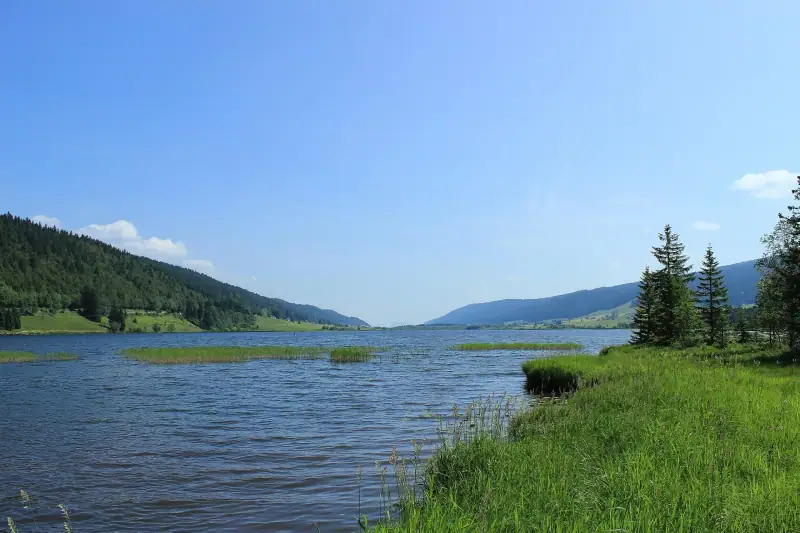
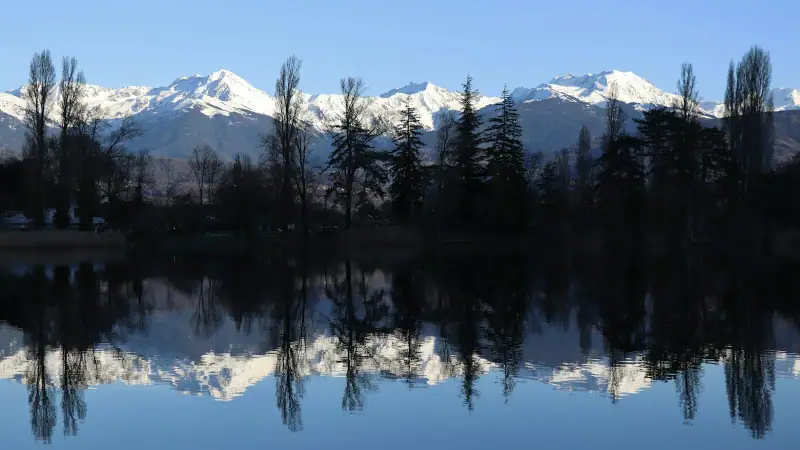
A short distance from the village, Lake Les Rousses is the largest body of water in the resort and one of families’ favorite sites. Surrounded by meadows and forests, it offers an open view of the Jura ridges. In summer, you walk, swim when the weather allows, picnic and do light water activities depending on what is organized at the time. In winter, the scene changes: the snow-covered shores become a space for walking or cross-country skiing.
Walking around the lake
An easy walk circles the lake on a flat route suited to strollers and children. Allow one to two hours depending on your pace and breaks. On fine days, the light on the water and the mountains in the background make superb photos, especially early or late in the day.
Swimming: check first
The water of a mountain lake stays cool, even in midsummer. Swimming conditions, supervised areas and opening periods can change: ask the tourist office before getting in the water.
Summits and viewpoints
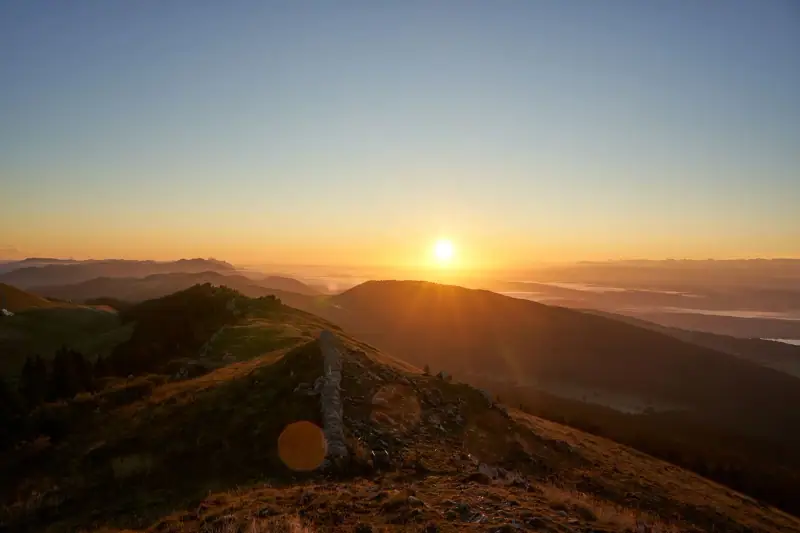
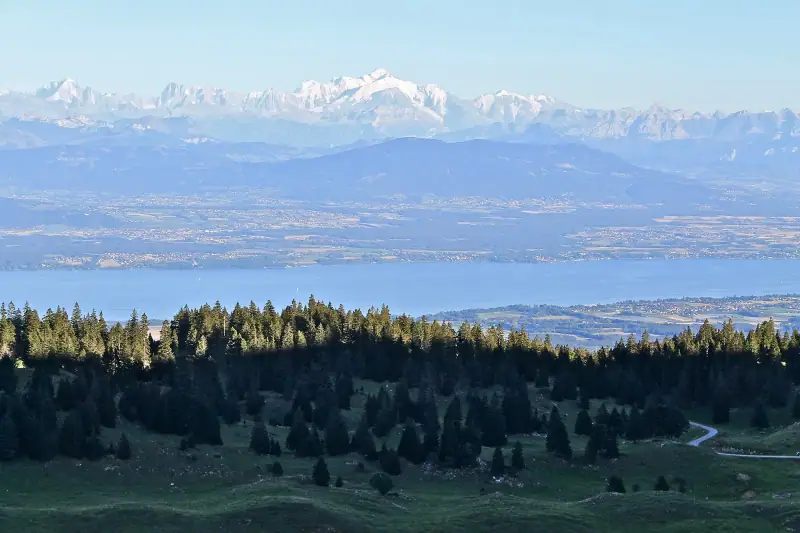
Around Les Rousses, several summits offer very fine panoramas. The best known is La Dôle, which overlooks Lake Geneva on the Swiss side and whose highest point is at an altitude of about 1,700 meters (5,580 ft), near the border. In clear weather, the view extends far over Lake Geneva and, beyond, the Alps, sometimes with Mont Blanc on the horizon.
La Dôle
The climb is on foot from the neighboring areas, by hiking trails accessible to regular walkers. Bring good shoes, water, a windproof jacket and check the weather: conditions change quickly at altitude. For safety, do not set out if the clouds are low or a storm is forecast.
Le Noirmont and the ridges
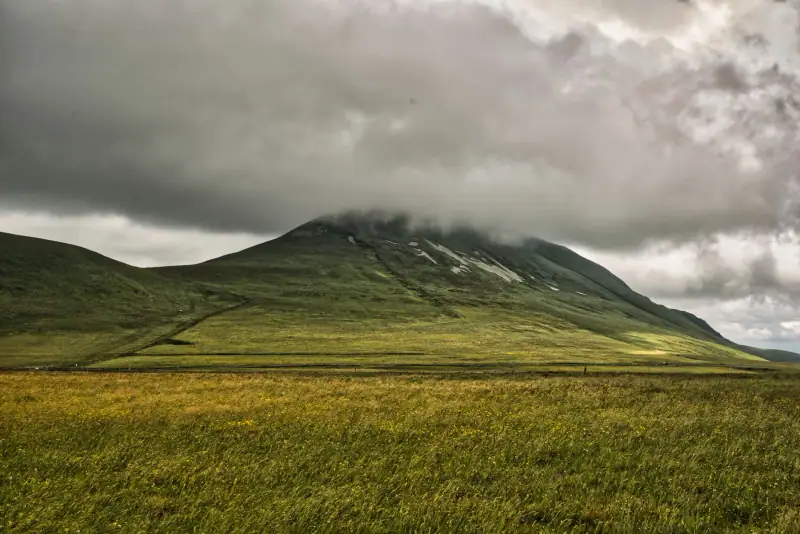
Le Noirmont, next to La Dôle, offers quieter walks, with mountain pastures, forests and panoramas over the resort. The High Jura ridges can be hiked in a day or as a multi-day trek. For other route ideas, see our selection of Jura hikes.
Activities and excursions in the High Jura
Guided walks, nature outings and activities to book in advance.
Prémanon and the Espace des Mondes polaires
A few kilometers from Les Rousses, Prémanon is home to the Espace des Mondes polaires Paul-Émile Victor, a venue devoted to the Arctic and Antarctic regions. The French explorer Paul-Émile Victor lived and worked in the Jura, and this institution pays tribute to his work. The place offers an exhibition space, activities and a setting designed for families.
A visit for children and adults alike
The exhibitions tell of the life of polar peoples, wildlife, expeditions and climate issues. It is a good outing idea on rainy or foggy days, when panoramas are less visible. Hours, activities and prices vary by season: confirm them before you go.
The village of Prémanon
The village itself is a starting point for walks and cross-country trails. It is quieter than Les Rousses, with an authentic mountain atmosphere. It is also a good choice for sleeping if you want calm.
Lamoura and Bois-d’Amont: the other villages of the resort
Lamoura
Lamoura is known for its lake, smaller and wilder than the one at Les Rousses, and for its forests. It is a pleasant destination for quiet walks and picnics.
Bois-d’Amont
Bois-d’Amont is the most northerly village of the resort, facing the forest of the Vallée de Joux. It is tied to the tradition of wood and crafts: spruce, the emblematic material of the High Jura, has long been worked there. A visit helps you understand the importance of the forest in daily life and the local economy.
Les Rousses in winter: cross-country skiing, alpine skiing and snowshoeing
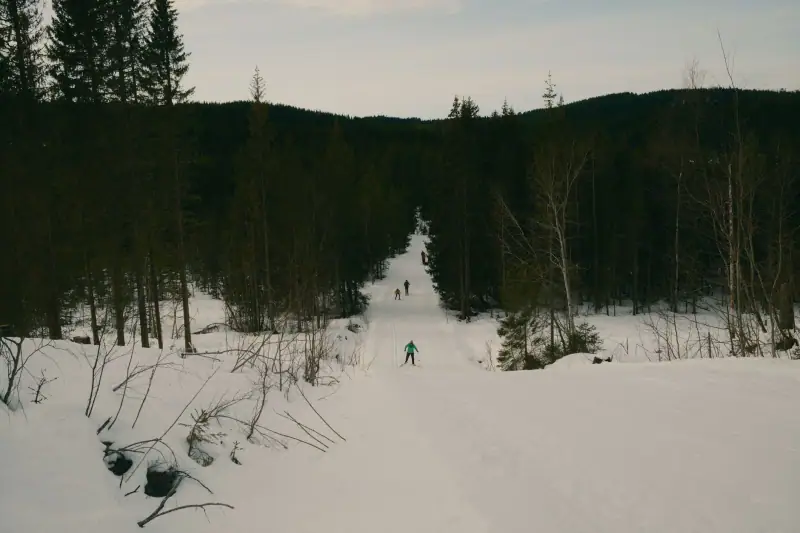
The resort is best known for Nordic skiing. The area offers a vast network of cross-country trails, laid out in forests and meadows, suited to beginners and experienced athletes alike. The High Jura is cross-country country: spruce landscapes under snow, silence and light make it a very pleasant activity, even without sporting ambitions.
Cross-country skiing and snowshoeing
If you have never tried, equipment rental is generally possible there, and lessons are offered. Snowshoes are another, simpler option for walking in the snow on marked routes. We detail the possibilities in our guide to cross-country skiing and snowshoeing in the High Jura.
Alpine skiing and sledding
For alpine skiing, the area is more modest than in the Alps, but its slopes suit families and beginners well. Sledding areas and children’s activities complete the offer. Snow conditions vary from year to year: check the resort’s bulletin before you book. For dates, passes and a comparison with Métabief, see our guide to alpine skiing in the Jura.
Getting ready for winter
- Bring warm clothes in layers, gloves and a hat.
- Bring sunglasses: snow dazzles.
- Check the mandatory road equipment (winter tires or chains depending on regulations).
- Book early during school holidays.
Les Rousses in summer and autumn
When the snow melts, the resort changes its face. The meadows fill with flowers, the forests become cool and the trails open to hiking and mountain biking. Summer is a good time to escape the heat of the lowlands: nights are cool, the air is crisp and days are long.
Hiking and mountain biking
The trail network is very dense. You can choose a quiet walk around the lake, a forest loop or a climb to the ridges. Mountain biking is also very popular, with routes for all levels. Tourist offices and rental shops provide maps and advice.
Autumn
In autumn, the forests take on warm colors, crowds drop and so do prices. It is an ideal season for quiet walks, cultural visits and cheese tasting. Some seasonal activities close: check before you come. To choose your period, see our guide when to go to the Jura.
Where to stay in Les Rousses?
Hotels, chalets and gîtes in the heart of the High Jura.
Day trips around Les Rousses
Morez
About 10 kilometers (6 mi) away, Morez is known for its eyeglass-making tradition and its museum devoted to eyeglasses. The town center, crossed by a spectacular railway viaduct, can be visited in half a day.
Saint-Claude
Saint-Claude, further south, is the capital of pipes and diamonds. It is home to the Saint-Pierre-Saint-Paul-Saint-Claude cathedral and a pipe and diamond museum, and occupies a spectacular site at the confluence of two rivers. It is a classic High Jura excursion, to be completed with a visit of the town. Allow a little under an hour by road.
Neighboring Switzerland
The Vallée de Joux and the Geneva region are within driving range. If you cross the border, check the entry rules for your passport, as well as the customs rules for products you buy.
What to do in Les Rousses depending on the length of your stay
A weekend
On the first day, visit the village and the Fort des Rousses, then taste Comté. On the second day, walk around the lake or climb to a viewpoint, depending on the season. Add the Espace des Mondes polaires if the weather is bad.
Four days
Add a day of cross-country skiing or hiking, a trip to Morez and Saint-Claude, and time to explore Lamoura or Bois-d’Amont. To fit the resort into a broader stay, see our 3-day itinerary in the Jura.
One week
Combine Les Rousses with the other facets of the Jura: waterfalls and lakes, reculées, vineyards. The High Jura is a very good base for the first half of the stay, before heading down to the Revermont and its wines.
Where to stay and eat
Accommodation
The resort offers hotels, chalets, apartments, gîtes, campsites and guesthouses. The busiest periods are the winter school holidays and the height of summer: book early. To compare areas and types of accommodation, read our guide where to stay in the Jura.
Dining
In the resort’s restaurants, you will find hearty mountain cooking: fondue, raclette, Morbier, Morteau sausage, a Comté platter, cancoillotte, chicken with vin jaune. The food is generous and comforting, perfect after a day outdoors. Book for evenings in high season. Closing days vary from one place to another.
Budget and practical tips
The budget depends mostly on the season, the accommodation and the activities chosen. Winter is the most expensive period because of equipment, passes and demand. Summer and autumn are more affordable and very pleasant.
- Getting around: car recommended, notably to link the resort’s villages.
- Weather: the mountain climate is changeable: always bring a jacket.
- Winter equipment: follow the regulations on tires and chains.
- Hours: confirm that sites are open before you go.
- Altitude: bring water and pace yourself if you hike high.
Guided hikes and nature outings
Discover the High Jura with a local guide, in summer and in winter.
Key takeaways
Les Rousses is an accessible, authentic and varied mountain destination. People come for the snow, but stay for the fort, the Comté, the lake, the forests and the panoramas over the Alps. Allow at least a weekend, preferably four days if you want to add La Dôle, the Espace des Mondes polaires and a trip to Morez or Saint-Claude. Then combine the High Jura with the rest of the department for a complete stay between mountains, waterfalls and vineyards.
Frequently asked questions
What should you absolutely see in Les Rousses?
The essentials are the Fort des Rousses and its Comté aging cellars, Lake Les Rousses, the village and its main street, the Espace des Mondes polaires in Prémanon and a viewpoint over the range, such as La Dôle. Depending on the season, add cross-country skiing, alpine skiing, hiking or cycling.
How long do you need to visit Les Rousses?
A two-day weekend lets you see the essentials: fort, lake, village and a forest walk. With three to four days, you can add the neighboring villages of the resort, La Dôle, a day of skiing or hiking and a trip to Morez or Saint-Claude.
Is Les Rousses only for winter?
No. The resort is known for its cross-country trails and slopes, but summer is very pleasant: lake, hiking, mountain biking, forest walks and welcome coolness when the lowlands swelter. Autumn is calm, with forest colors. Always check that sites are open before you come.
How do you get to Les Rousses without a car?
It is possible but less practical. Rail and road links serve the area from neighboring stations, but timetables change with the season. Once there, a car remains the simplest way to link the resort's villages, trailheads and surrounding sites. Check official timetables before you leave.
Is Les Rousses close to Switzerland?
Yes, the municipality is right next to the Swiss border, in the Jura range, and the neighboring Vallée de Joux is easy to reach. If you plan to cross the border, check the entry rules for your passport and the rules on goods you bring back.
Is Les Rousses suitable for families with children?
Yes. The lake, easy walks, sledding and skiing in winter, and fun visits such as the Espace des Mondes polaires appeal to children. To organize a complete stay, see our 4-day family itinerary in the Jura.
Where can you taste Comté in Les Rousses?
The Fort des Rousses offers visits of its aging cellars, usually followed by a tasting. Fruitières and cheese shops in the area also sell Comté of different ages. Visiting hours vary by period: confirm them with the tourist office.
More Jura guides
Keep reading
Visiting Arbois: what to do in the capital of Jura wine country
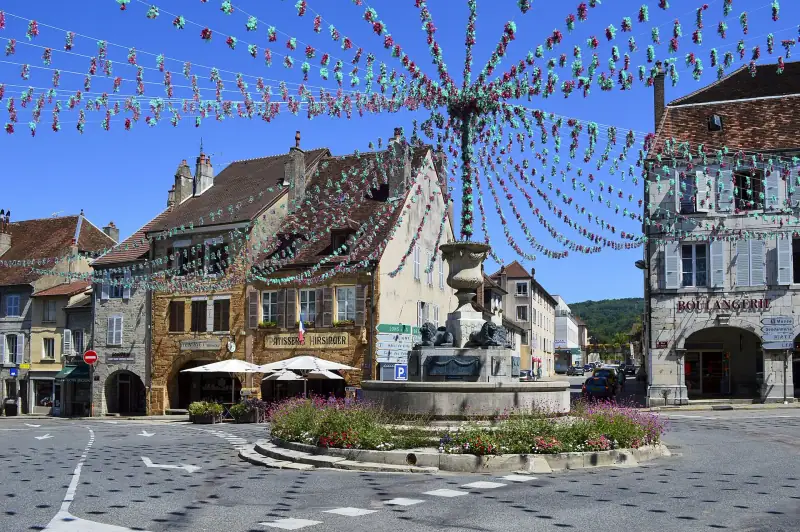
What to see and do in Arbois: Pasteur's house, vineyards, vin jaune, the Planches reculée and Pupillin. A guide to planning your visit in the Jura.
What to see in the Doubs next to the Jura: Pontarlier, Mouthe and the Haut-Doubs
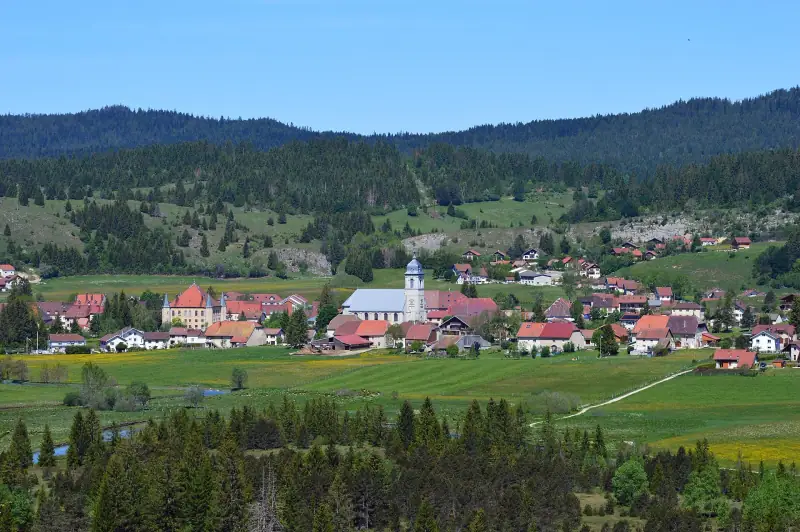
What to see in the Doubs next to the Jura: Pontarlier, Fort de Joux, the source of the Doubs at Mouthe, Lake Saint-Point and Métabief.
Visiting Dole: what to see and do in the former capital of Franche-Comté
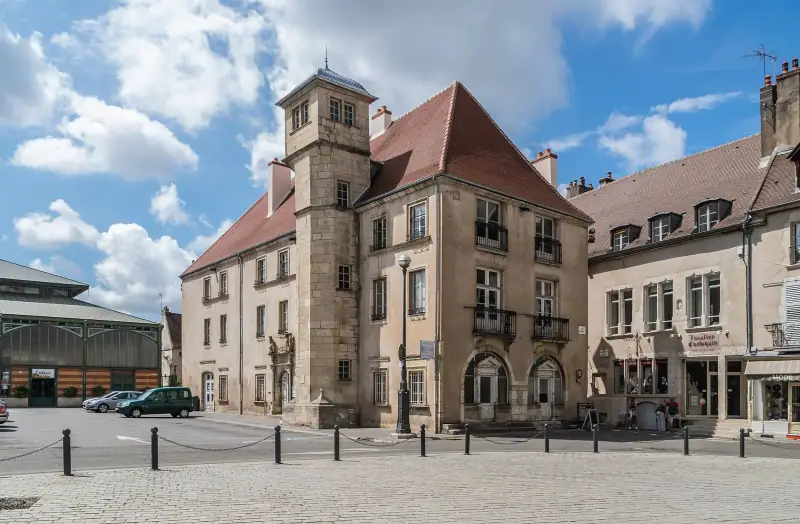
What to see in Dole: Canal des Tanneurs, Pasteur's birthplace, Notre-Dame collegiate church, Mont-Roland and the Chaux forest. Plan your visit.
Ready-made
Jura itineraries
3 days
The Jura in 3 days without a car: a realistic itinerary by train, on foot and by bike
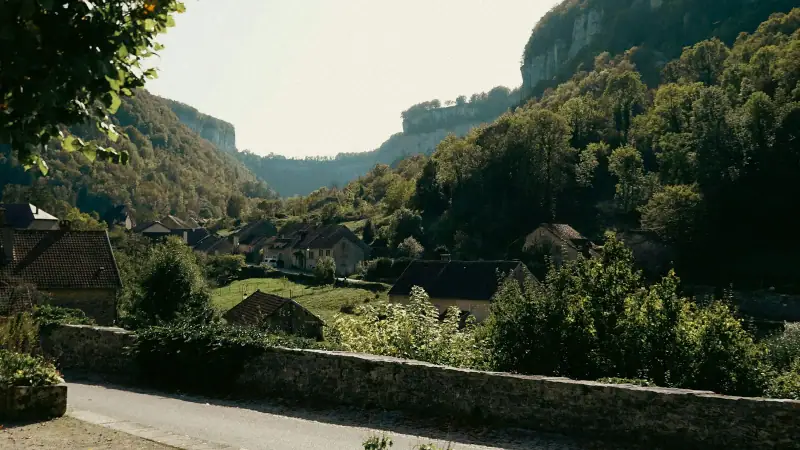
Visiting the Jura in 3 days without a car: a base in Arbois, trains from Mouchard, Salins-les-Bains, Lons-le-Saunier. Stages, distances, times and limits.
3 days
3 days in the Jura: a day-by-day itinerary through vineyards, waterfalls and the High Jura
A 3-day Jura itinerary by car: Arbois and the vineyards, Baume reculée, Hérisson waterfalls, lakes and the High Jura. Detailed plan and tips.
4 days
The Jura with kids: a 4-day family itinerary through waterfalls, lakes and caves
A 4-day Jura itinerary with children: Hérisson waterfalls, lake swimming, Baume reculée and the High Jura. Pace, tips and practical advice.