What to see
Visiting Dole: what to see and do in the former capital of Franche-Comté
We may earn a commission when you book through links on this page, at no extra cost to you. We don't visit or try the places we cover: we summarize published sources. How we work
In short
- Half a day covers the Canal des Tanneurs, Pasteur's birthplace and the collegiate church; a full day adds a museum, lunch and a walk to Mont-Roland or along the canal.
- The old center is walkable and Dole has a train station; a car helps for the Chaux forest (over 20,000 hectares), the Royal Saltworks and the Arbois vineyards.
- The Royal Saltworks of Arc-et-Senans is about 30 minutes by road; Arbois is a little over half an hour away; Lons-le-Saunier under an hour.
- Dole has about 23,000 residents; the collegiate church bell tower is about 75 m (245 ft) high.
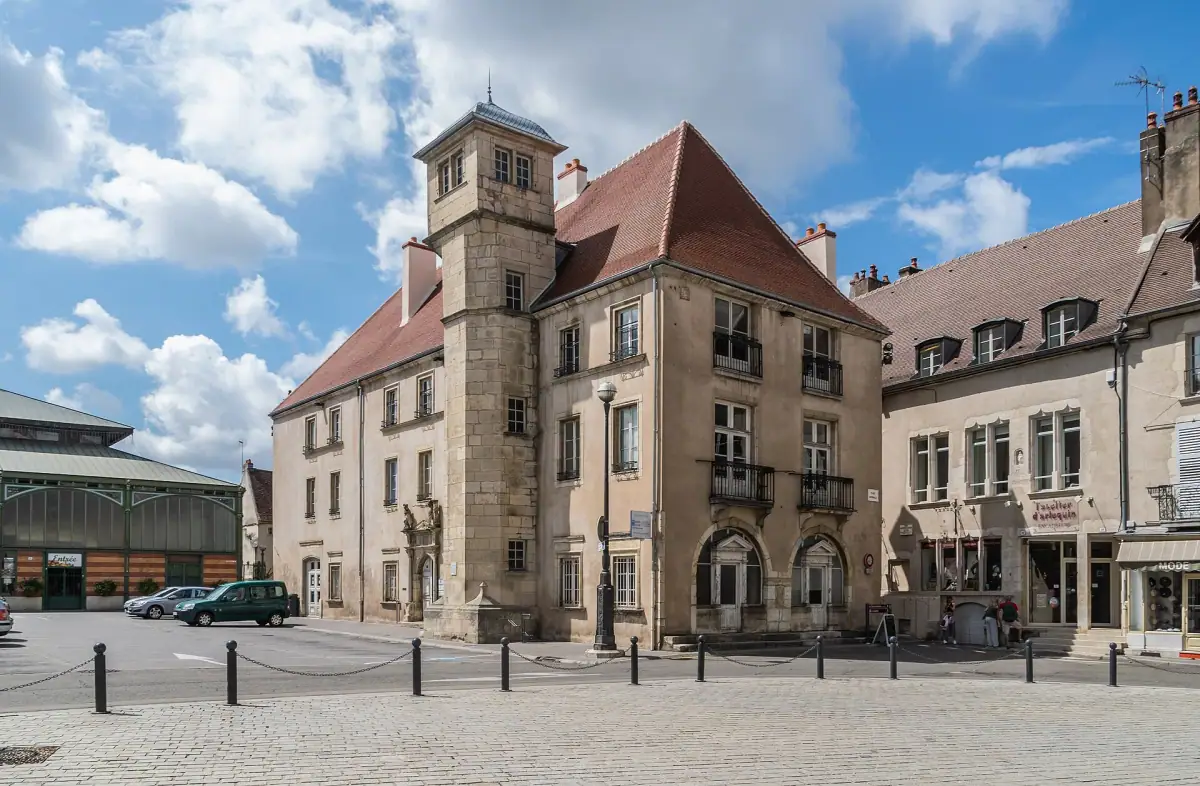
In the north of the department, where the Saône plain meets the first Jura hills, Dole is one of the most endearing towns in the region, and yet one of the least known to visitors in a hurry to reach the waterfalls. A former capital of Franche-Comté, a town of art and history, the birthplace of Louis Pasteur, it unrolls a very well preserved old center on the bank of the Doubs, dominated by the bell tower of its collegiate church. The cobbled streets, the mansions, the canal lined with houses and the waterways around it earned it the slightly exaggerated but charming nickname “little Venice of the Jura”.
This guide helps you decide what to see, how to organize your visit and which excursions to combine. It complements our guide to visiting Lons-le-Saunier, the one on Arbois and our 3-day itinerary in the Jura.
Dole at a glance: history and atmosphere
Dole has a little over 23,000 residents. It spreads along the right bank of the Doubs, at the foot of a hill crowned by the collegiate church, and its center is laid out on a gentle slope around narrow lanes, squares and passages. You can do everything on foot, but bring good shoes: the historic center goes up and down.
A fallen capital turned quiet town
Dole’s history is one of political and intellectual influence. An important town of the County of Burgundy, it was the capital of Franche-Comté until its conquest by Louis XIV in 1674-1678, and it housed a university founded in the 15th century. After the region was joined to France, the parliament and the university were moved to Besançon, and the town regained a more peaceful pace. This loss of rank had an unexpected effect: the center was not disfigured by major works, and the stone houses, mansions and lanes have come through the centuries almost intact.
Getting there
The town lies on the main routes between Dijon, Besançon and Lons-le-Saunier, and has its own train station. If you are coming from elsewhere, the simplest is to combine train and rental car. To prepare the whole trip to the region, compare options before you book.
Plan your trip to the Jura
Compare flights and transport options to reach the region.
Once there, the center is visited on foot. For everything else, our article on getting around the Jura details solutions depending on your pace and budget.
The Canal des Tanneurs and the tanneries quarter
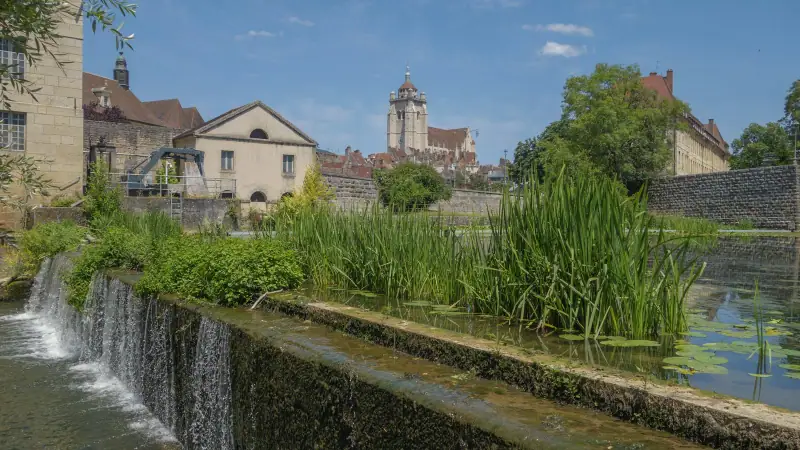
This is Dole’s postcard, and it is where you should start. The Canal des Tanneurs is a waterway branching off the Doubs that runs alongside a quarter of former craftsmen. In the past, tanners needed plenty of water to work hides: they settled here, along the current, and gave the quarter its name and its look.
A walk worth taking
Today, former tanners’ houses with stone and timber facades line the canal, with their windows, galleries and stairs going down to the water. The best time for the walk is in the morning, when the light is soft, or at the end of the day, when reflections on the water enhance the facades. Restaurants and cafés have taken over several banks: it is a good place for a break on a terrace.
How to fit it into your visit
The canal is a few minutes’ walk from the center. It combines naturally with Pasteur’s birthplace, right next to it, and with the climb to the collegiate church.
Louis Pasteur: the birthplace
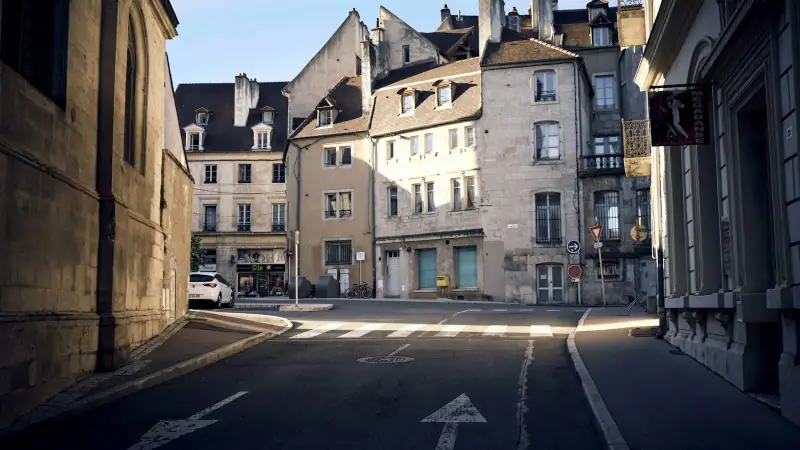
Louis Pasteur was born in Dole in 1822 into a family of tanners, and his birthplace is here, in the heart of the Tanneurs quarter. He left the town very young, but the town has made it one of its most visited landmarks.
What you discover there
The house is now a museum. The visit tells the scientist’s childhood, the daily life of a craftsman family in the 19th century and the main stages of his work: fermentation, pasteurization, vaccines. The place keeps the charm of a modest home, and it is precisely this contrast between the simple setting and the importance of the work that moves many visitors.
Who is it for?
Those curious about the history of science will enjoy it, and families with children a good pretext to talk about microbes, vaccines and hygiene. Hours, prices and visiting conditions change with the season: check the tourist office website before you go. To extend the theme, our article on Arbois covers the house where Pasteur worked and stayed for many years.
The Notre-Dame collegiate church and the historic center
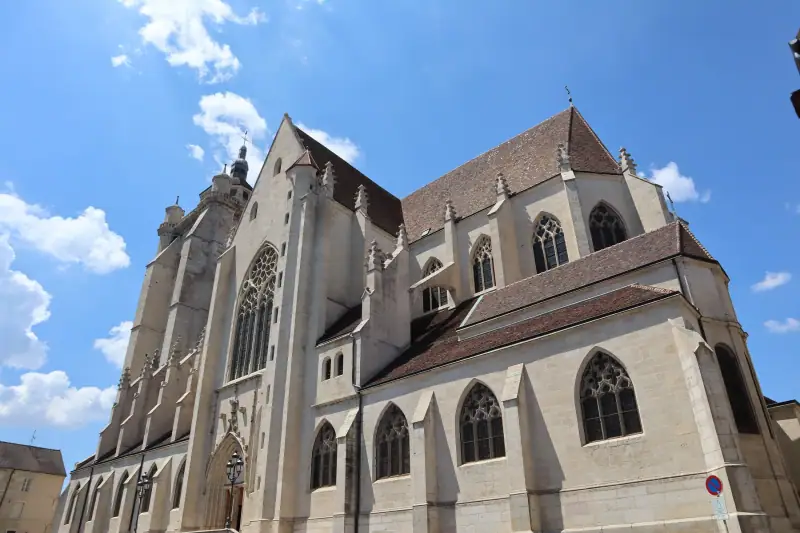
The Notre-Dame collegiate church is Dole’s most visible monument. Built in the 16th century, it rises at the top of the town with a bell tower about 75 meters (245 ft) high that can be seen from far across the plain and serves as a landmark for any visitor lost in the lanes.
The interior
Inside, you admire a spacious nave, side chapels, furnishings and works that recall the religious and political importance of the town in the past. A half-hour visit is enough to appreciate its scale. Access to the bell tower is occasional: ask the tourist office whether a visit is possible during your stay.
Wandering the lanes
Around the collegiate church, let the lanes carry you: inner courtyards, 16th- and 17th-century mansions, carved doors, spiral staircases and vaulted passages. The signs of the “Town of Art and History” circuit help spot the most remarkable buildings, and the tourist office offers guided tours in season.
Squares, the Cours Saint-Mauris and the promenades
Dole is not only a stone backdrop: it is also a town where people like to stroll and sit. The Cours Saint-Mauris, a promenade planted with tall trees, is a relaxation spot popular with locals, as is the more intimate Place aux Fleurs, with its terraces.
A break on a terrace
Downtown, several cafés and brasseries let you taste regional products. For what to order (Comté, Morbier, Morteau sausage, vin jaune, chicken with morels), our guide to the gastronomic specialties of the Jura gives you the essential landmarks.
The market
The town has a well-regarded market with cheeses, cured meats, fruit, vegetables and seasonal products. It is the best time to buy local products and chat with producers. Days and hours vary by season: confirm them with the tourist office.
Visits and activities in the Jura
Tastings, guided visits and excursions to book in advance.
The Fine Arts Museum and other cultural venues
If the weather is rainy or you like museums, Dole offers several options. The Fine Arts Museum presents collections of paintings, sculptures and decorative objects that trace the artistic history of the region. It takes about an hour and is easy to combine with the collegiate church and Pasteur’s birthplace.
Guided tours
Like all towns of art and history, Dole offers tours with a guide-lecturer, sometimes themed: architecture, the history of the town, Pasteur, old quarters. These tours add real value for understanding the town’s role as a capital. Ask the tourist office about dates and reservations.
Events
The town organizes events throughout the year: markets, exhibitions, shows and concerts, with more activity from spring to autumn. Programs change each season: the most reliable approach is to check the tourist office calendar before settling on your dates.
Mont-Roland: a viewpoint nearby
A few minutes from the center, the Mont-Roland hill holds a pilgrimage sanctuary and a viewpoint. The view extends over the town, the Doubs valley and the plain. It is an easy outing, preferably in the late afternoon, when the light settles on the roofs. You reach it by car or bike from town, and walkers can enjoy the paths around it.
A place with a spiritual dimension
The site has long been known for its religious dimension, with a historic pilgrimage. Even if you are not a believer, the calm of the place and the view are worth the detour.
The Doubs, the canal and the Chaux forest
Water is everywhere in Dole: the Doubs, the Canal des Tanneurs, but also the Rhône-Rhine canal, whose towpath is very popular with walkers and cyclists. It is easy to ride on flat ground, in a setting of greenery and old bridges.
The Chaux forest
East of Dole, the Chaux forest is one of the largest forests in France, with more than 20,000 hectares (49,000 acres). Oaks, beeches and cool undergrowth stand side by side. You walk, cycle and watch wildlife there. It is a perfect half-day excursion, especially in summer, when the coolness of the trees relieves the heat.
A playground for the whole family
With its marked trails, the forest allows short and long walks alike. Take a map, good shoes and water, and bring insect repellent in summer.
The Royal Saltworks of Arc-et-Senans
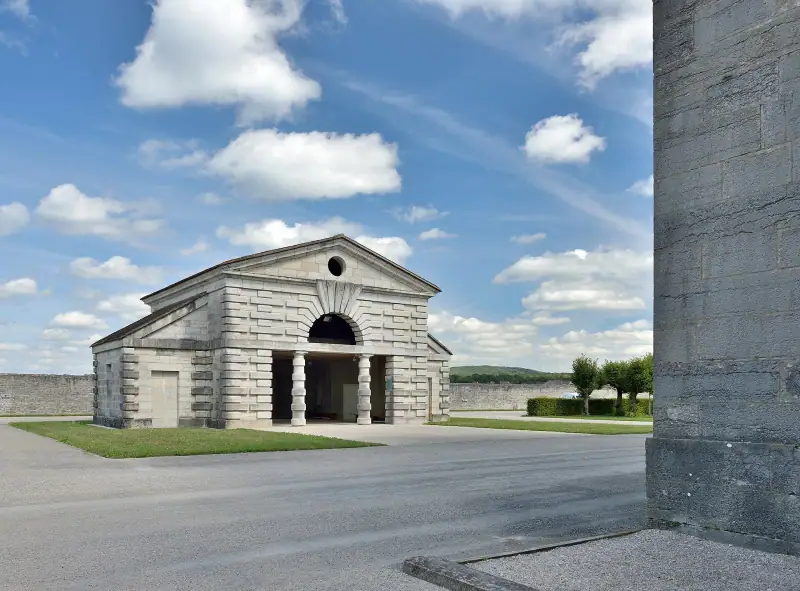
About thirty minutes by road from Dole, on the edge of the Chaux forest, the Royal Saltworks of Arc-et-Senans is a UNESCO World Heritage site. This 18th-century industrial complex, designed by the architect Claude-Nicolas Ledoux to produce salt, impresses with its semicircular layout and classical architecture, rare for a production site.
Why go from Dole
It is the most obvious cultural excursion from town. Allow half a day there, more if you like to take your time or are interested in temporary exhibitions. Hours and prices vary by season: check them before you go.
Where to stay in Dole?
Hotels, guesthouses and gîtes for a pleasant base.
Dole and the vineyards: a base for the north of the Jura
Dole is also a good base for exploring the vineyards. In a little over half an hour by road, you reach Arbois, capital of Jura wines, with its cellars, Pasteur’s house and the Planches reculée. Our guide to visiting Arbois helps you organize the day, and our article on the Jura wine route details the villages, grape varieties and tips for tasting safely.
And toward the south?
Further south, Lons-le-Saunier (see our guide visiting Lons-le-Saunier) is a little under an hour by road. The two towns complement each other well in a stay of at least three days.
What to do in Dole depending on the length of your stay
Half a day
A walk along the Canal des Tanneurs, a visit to Pasteur’s birthplace, then the climb to the collegiate church and lunch downtown.
One day
In the morning, historic center, Pasteur’s house and the market if it is the right day. After lunch, the Fine Arts Museum or a walk to Mont-Roland. At the end of the day, a break on a terrace by the canal.
Two days
Add an excursion day: the Chaux forest in the morning, the Royal Saltworks of Arc-et-Senans in the afternoon. Or choose Arbois and the vineyards if you prefer tastings. Cycling fans can also devote half a day to the towpath.
Where to stay in Dole
The town offers hotels, guesthouses, gîtes and campsites in the urban area and nearby. Staying downtown or near the canal lets you do everything on foot and enjoy the evenings. The surroundings, quieter, often have lower prices and simpler parking. To compare areas, see our guide where to stay in the Jura.
- Historic center: ideal for walking visits and restaurants.
- Around the canal: picturesque setting, perfect for a romantic stay.
- Outskirts and neighboring villages: more calm, a car is essential.
When to visit Dole
- Spring: bright vegetation, few people, nice walks by the water.
- Summer: terraces, cycling on the towpath, the coolness of the Chaux forest.
- Autumn: forest colors, grape harvest in the region.
- Winter: calm town, museums and comforting food.
To refine your dates, see our guide when to go to the Jura.
Budget and practical tips
Dole is an affordable stop: the center can be visited for free, museums generally charge moderate prices and restaurants often offer set menus of the day. The budget depends mostly on accommodation and excursions. For an overview, read our budget for a stay in the Jura.
- Getting around: on foot downtown, car or bike for excursions.
- Shoes: comfortable, as the streets are cobbled and sloping.
- Hours: confirm the opening of museums and tours before you go.
- Parking: favor car parks on the edge of the historic center.
- Booking: in summer and on long weekends, book accommodation in advance.
Key takeaways
Dole has neither the fame of the Hérisson waterfalls nor that of the wines of Arbois, but it offers a rare mix: remarkable heritage, a picturesque canal, the imprint of Pasteur and easy excursions to the Chaux forest, the Royal Saltworks and the vineyards. Allow a day for the town, two days with the excursions, and enjoy a stop that is calmer and more authentic than the department’s big sights. To complete your preparation, browse our complete guide to the Jura.
Frequently asked questions
Why visit Dole?
Dole is a town of art and history with very uniform heritage: sloping lanes, mansions, the Notre-Dame collegiate church overlooking the plain, and the picturesque Canal des Tanneurs. It is also Louis Pasteur's birthplace. Its position, at the gates of the vineyards and the Chaux forest, makes it an ideal stop.
How long do you need to visit Dole?
Half a day lets you see the Canal des Tanneurs, Pasteur's birthplace and the collegiate church. With a museum, lunch and a walk toward Mont-Roland or along the canal, allow a full day. To add the Chaux forest and the Royal Saltworks, plan two days.
Where is Louis Pasteur's birthplace?
It is in the Tanneurs quarter, along the canal, on the street named for the craftsmen who worked there. Louis Pasteur was born there in 1822 into a family of tanners. The house can be visited; check current hours and prices with the tourist office before you come.
Can you visit Dole without a car?
Yes. The historic center can be covered entirely on foot and the town has a train station, with connections to Dijon and Besançon among others. A car is still useful for the Chaux forest, the Royal Saltworks of Arc-et-Senans or the Arbois vineyards.
What can you do in Dole when it rains?
The town's museums (Pasteur's birthplace, the Fine Arts Museum), the collegiate church and the downtown shops are the simplest options. You can also plan an indoor guided visit and lunch in a downtown brasserie.
What excursions can you make from Dole?
The Chaux forest, one of the largest forests in France, and the Royal Saltworks of Arc-et-Senans, a UNESCO site, are about thirty minutes away by road. Arbois and its vineyard are a little over half an hour away. Mont-Roland is reachable from town in a few minutes.
What is the best time to visit Dole?
From spring to autumn: terraces along the canal, bike rides on the towpath and the Chaux forest in full leaf. Autumn adds forest colors and the grape-harvest atmosphere of the region. Winter is quieter, but the town remains pleasant.
More Jura guides
Keep reading
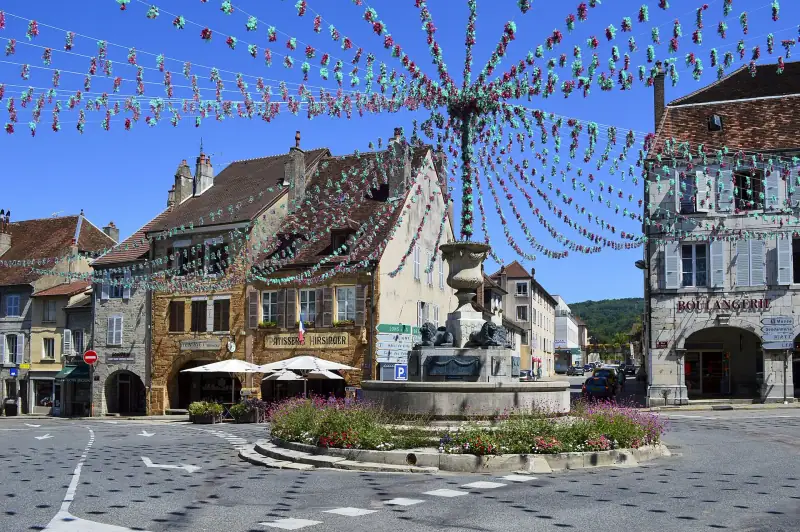
Visiting Arbois: what to do in the capital of Jura wine country
What to see and do in Arbois: Pasteur's house, vineyards, vin jaune, the Planches reculée and Pupillin. A guide to planning your visit in the Jura.
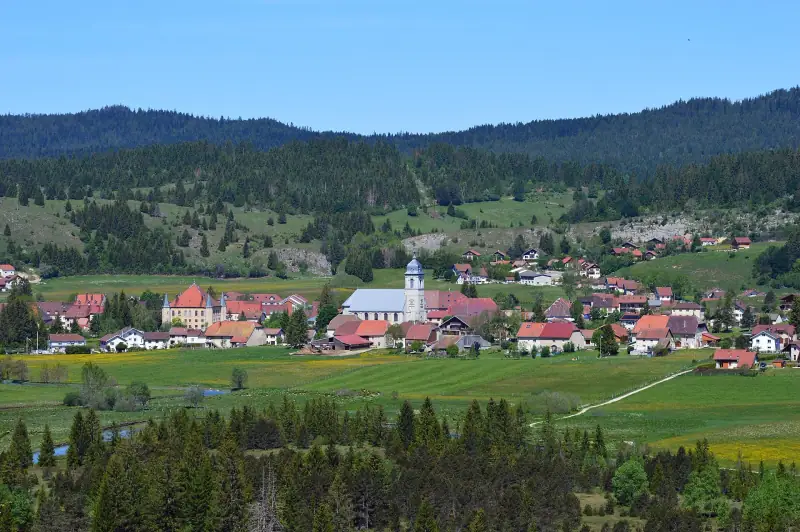
What to see in the Doubs next to the Jura: Pontarlier, Mouthe and the Haut-Doubs
What to see in the Doubs next to the Jura: Pontarlier, Fort de Joux, the source of the Doubs at Mouthe, Lake Saint-Point and Métabief.
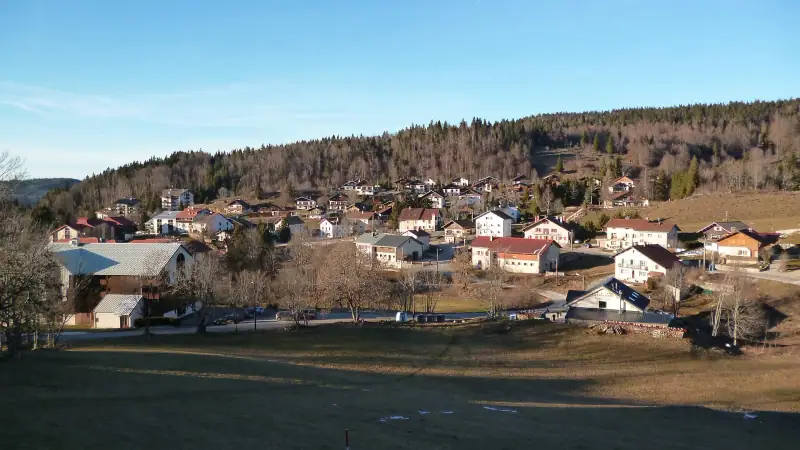
Visiting Les Rousses: what to see and do in the High Jura
What to see and do in Les Rousses: fort, lake, La Dôle, Espace des Mondes polaires, Comté and cross-country skiing. A guide to the High Jura resort.
Ready-made
Jura itineraries
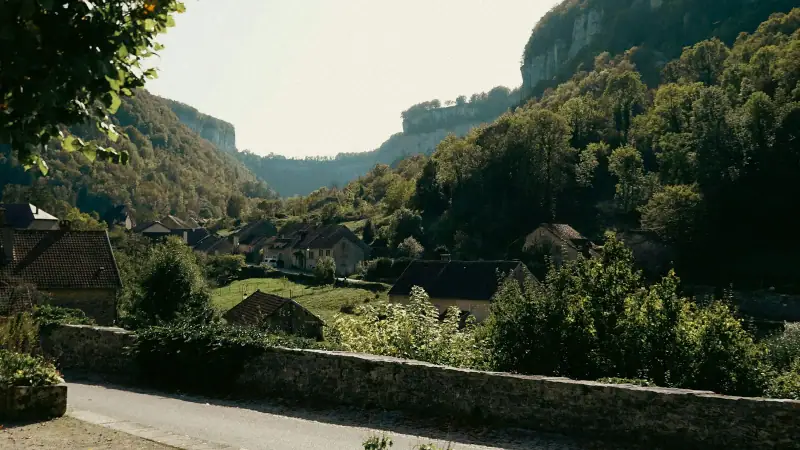
3 days
The Jura in 3 days without a car: a realistic itinerary by train, on foot and by bike
Visiting the Jura in 3 days without a car: a base in Arbois, trains from Mouchard, Salins-les-Bains, Lons-le-Saunier. Stages, distances, times and limits.
3 days
3 days in the Jura: a day-by-day itinerary through vineyards, waterfalls and the High Jura
A 3-day Jura itinerary by car: Arbois and the vineyards, Baume reculée, Hérisson waterfalls, lakes and the High Jura. Detailed plan and tips.
4 days
The Jura with kids: a 4-day family itinerary through waterfalls, lakes and caves
A 4-day Jura itinerary with children: Hérisson waterfalls, lake swimming, Baume reculée and the High Jura. Pace, tips and practical advice.