What to see
Visiting Arbois: what to do in the capital of Jura wine country
We may earn a commission when you book through links on this page, at no extra cost to you. We don't visit or try the places we cover: we summarize published sources. How we work
In short
- Half a day covers the historic center, Pasteur's house and a tasting; a full day adds the Planches reculée and Pupillin; a weekend lets you visit several cellars.
- Arbois has about 3,500 residents and the AOC Arbois dates from 1936. The nearest train station is Mouchard, about 10 km (6 mi) away.
- Vin jaune is aged at least six years and three months and sold in a 62 cl (21 fl oz) bottle called a clavelin.
- The Biou festival takes place in early September: book accommodation early and check the year's program.
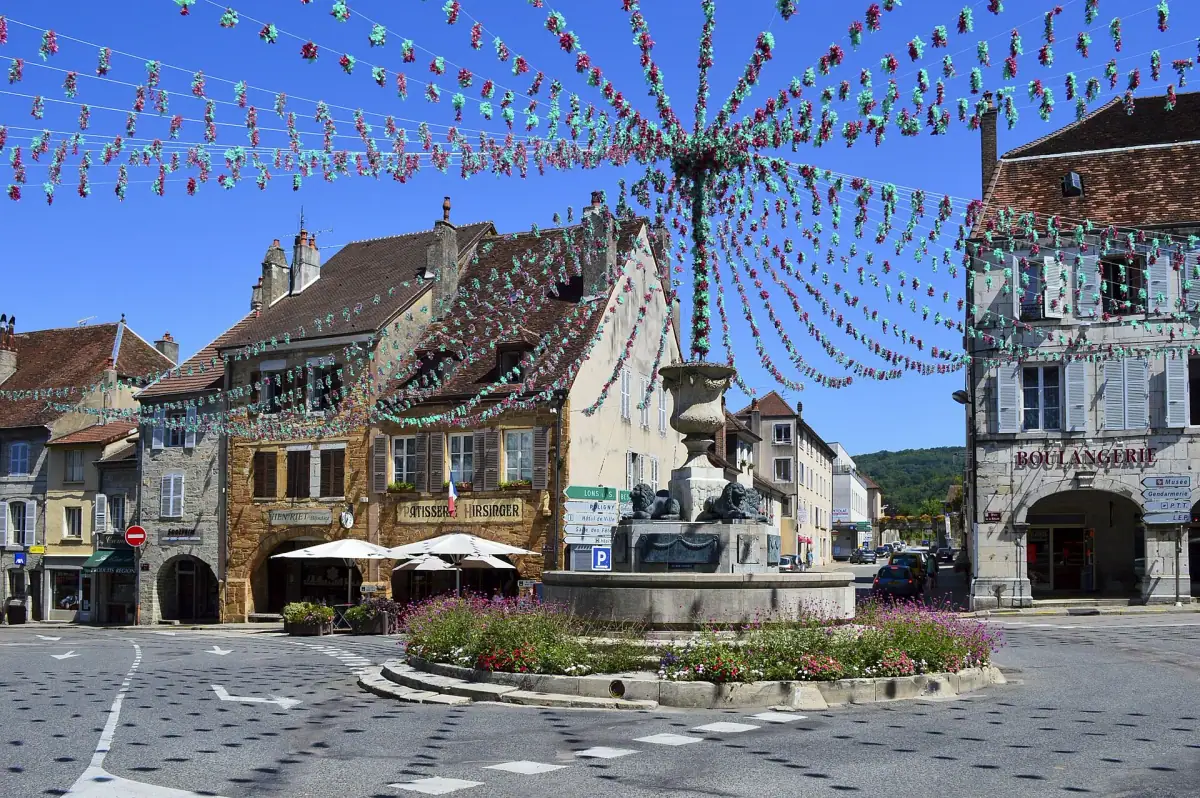
At the foot of the Revermont, where the vines almost touch the houses, Arbois is a small town of quiet charm. A river through the center, lanes with old facades, a bulbous bell tower, cellars on every corner: you quickly understand why the town is considered the capital of the Jura vineyards. Arbois was also the boyhood town of Louis Pasteur, who kept a house and a vineyard there all his life, and whose benevolent shadow still hangs over the town.
This guide helps you plan a visit to Arbois: what to see in town, the cellars and museums to know, the villages and natural sites nearby, and practical advice for choosing the right season, getting there easily and where to sleep. It complements our 3-day itinerary in the Jura and our guide to the gastronomic specialties of the Jura.
Arbois at a glance: location and atmosphere
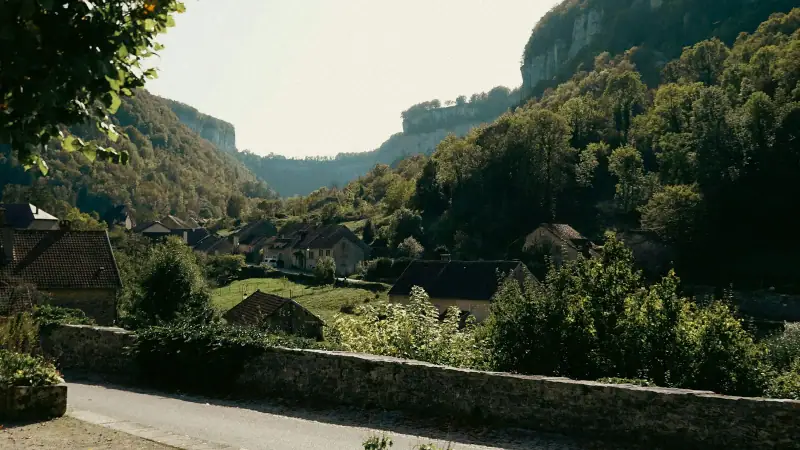
Arbois is in the Jura department, in Bourgogne-Franche-Comté, on the west side of the range. The town has about 3,500 residents. It lies in the Revermont, the band of hills that borders the Bresse plain and holds most of the Jura vineyards. Behind it, the plateau begins quickly and is cut into reculées, the dead-end valleys typical of the region.
The atmosphere is that of a small town with character: a quiet pace on weekdays, livelier on market days and during wine festivals. Many visitors come for the day from Dole, Besançon or Lons-le-Saunier, but Arbois deserves more than a quick stop. Staying overnight lets you enjoy the center once the tour buses have left, meet winemakers and extend the evening at the table.
Getting there
The simplest way to reach Arbois is by car. The town is about 35 to 45 kilometers (22 to 28 mi) from Dole, Besançon and Lons-le-Saunier. By train, the nearest station is Mouchard, about ten kilometers (6 mi) away, where you need to plan a transfer, a taxi or a bike to finish the trip. If you are coming from far away, compare the options for reaching the Jura before you book.
Plan your trip to the Jura
Compare flights and transport options to reach the region.
The historic center of Arbois
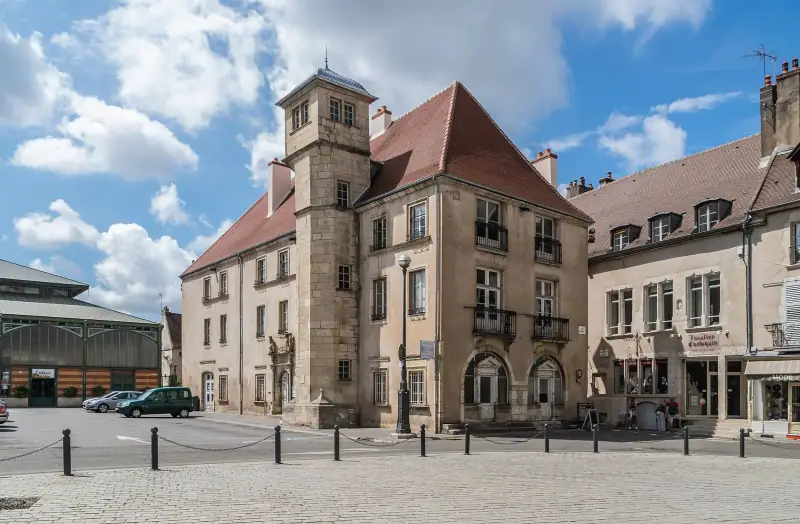
The heart of the town can be visited on foot in one to two hours, with no set route. The nicest approach is to let the river, the Cuisance, guide you; it crosses the town and runs alongside several stone houses. The bridges, old mills and riverside terraces make an ideal setting for a quiet stroll.
Saint-Just church and the bell tower
Saint-Just church dominates the center with its bulbous bell tower, typical of Franche-Comté architecture. It is the easiest landmark to find when walking around. Its sober interior is worth a short detour if it is open. Hours vary by period: ask there.
The streets and squares
Around the church and the Place de la Liberté, the streets offer a mix of producer shops, cheese shops, pastry shops and cellars. It is the best place to buy a clavelin of vin jaune (see our price guide and addresses), a wheel of Comté or a piece of Morbier. Take the time to taste before buying: Jura shopkeepers are generally happy to advise.
The market
Arbois regularly hosts a market with local products, cheeses, cured meats and fruit. Days and hours change with the season and the year: confirm them with the tourist office before planning your visit.
In the footsteps of Louis Pasteur
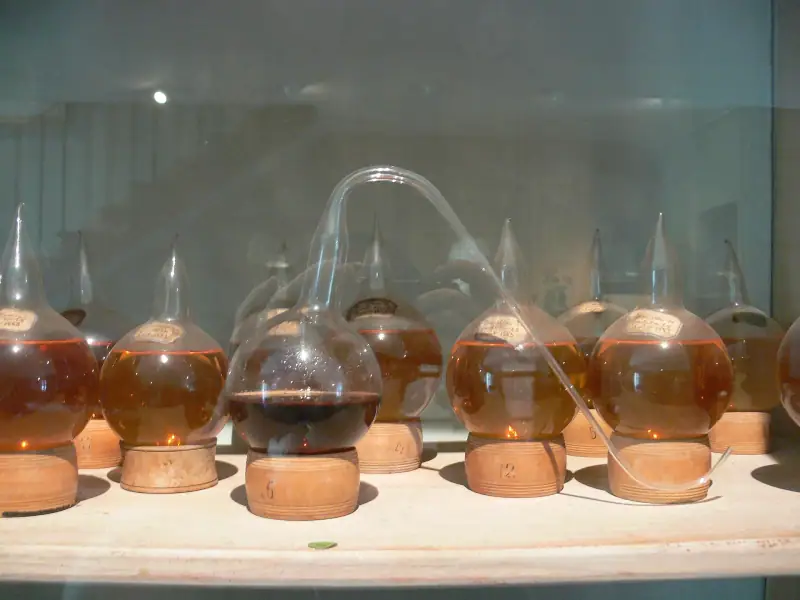
Louis Pasteur was born in Dole in 1822, but it was in Arbois that he grew up and to which he returned regularly throughout his life. The scientist carried out work there on fermentation, notably on wine, which led him to understand the role of microorganisms in turning must into wine. He even owned a vineyard in the area.
Pasteur’s house
Pasteur’s family house is one of the most visited sites in town. Located on the banks of the Cuisance, it is a bourgeois residence where you discover the family’s daily life, period furniture, the laboratory the scientist set up and many personal mementos. The visit helps you understand Pasteur’s attachment to the town and place his research in context.
Like many house museums, it generally offers guided or self-guided visits depending on the season. Hours, closing periods and prices change: check them before you go.
Pasteur’s vineyard
The vineyards in the area have a special place in the scientist’s story. Several estates highlight this link with him during tastings. It is a chance to understand why his work left a lasting mark on viticulture and winemaking.
The Arbois vineyard and vin jaune
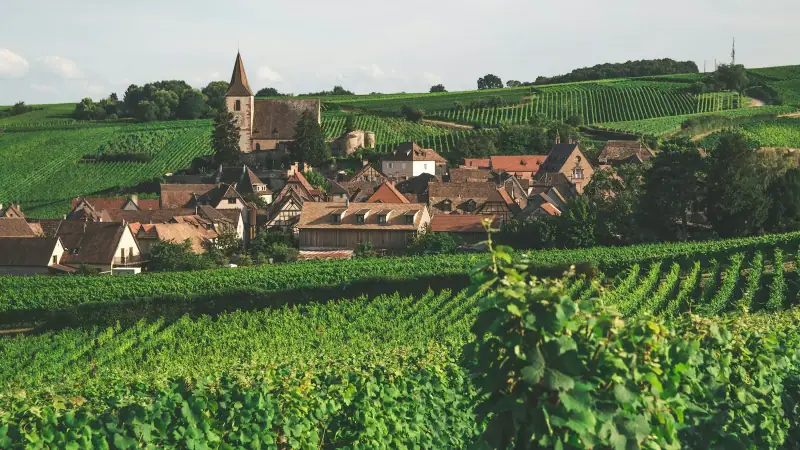
Arbois is one of the oldest appellations in France: the AOC Arbois was recognized as early as 1936 and is considered the country’s first AOC. The vineyard spreads over the Revermont hills, on clay-limestone and marl soils that give the wines their own identity.
The grape varieties
The Arbois vineyard offers a surprising palette of grape varieties. The most emblematic are:
- Poulsard: a very pale red, delicate and fruity, often surprising to lovers of classic red wines.
- Trousseau: a more structured red, with spicy and dark fruit notes.
- Pinot noir: the Burgundy grape also grown in the vineyard.
- Chardonnay: a white that winemakers make in fresh or more oxidative versions.
- Savagnin: a Jura white grape, the origin of the famous vin jaune.
Vin jaune, unusual and fascinating
Vin jaune is the emblematic wine of the Jura. Aged for at least six years and three months in barrels without topping up, it develops a veil of yeast that gives it aromas of walnut, spices and curry. It is sold in a special 62 cl (21 fl oz) bottle, the clavelin. Arbois is one of its strongholds, but vin jaune is produced in other Jura appellations, such as Château-Chalon, which you can discover on a day trip.
Macvin and other products
Jura macvin is a liqueur wine made by blending grape must and marc brandy. Served chilled as an aperitif or with dessert, it is found in most cellars. Straw wines, crémants and marcs complete the range. To go further on the products, see our article on Jura gastronomy.
Visits and tastings around Arbois
Cellars, guided walks and activities to book in advance.
Museums and cellars to visit
The Vine and Wine Museum
Housed in a castle at the entrance to the town, the Jura Vine and Wine Museum traces the history of regional winegrowing, from old tools to winemaking techniques. It is a good introduction before heading out to taste, as it helps you understand the specifics of the Jura vineyard and better appreciate what you taste afterward.
The wine fruitière
Arbois is home to a wine cooperative, the fruitière vinicole, heir to a tradition of pooling resources typical of the Jura, where winemakers group together to make and sell their production. It generally offers a wide range of cuvées at accessible prices, making it a good starting point for beginners.
Winemakers’ cellars
Beyond the cooperative, many family estates welcome the public. Some receive visitors without an appointment, others only by reservation. Do not hesitate to ask the tourist office for an up-to-date list of open estates. Favor two or three tastings rather than ten: vin jaune in particular is powerful and is tasted slowly.
Tasting: a few tips
- Appoint a designated driver or spread the visits over several days: the vineyard roads are winding.
- Spit: it is allowed and perfectly polite in a cellar.
- Ask to taste the local grape varieties before the better-known ones.
- Bring bottles home carefully protected in your suitcase or in a box.
Pupillin, village of poulsard
A few kilometers from Arbois, Pupillin is a small wine village often presented as the capital of poulsard. It is surrounded by vines and groups many producers in a small area. The atmosphere is more rural and more private than in the neighboring town. It is an excellent addition for a drive, a bike ride or a walk through the vines, with a stop at a cellar.
The vineyard paths around the village offer fine views over the plain and the hills. Keep in mind that the weather can change quickly: bring good shoes and a jacket, even in summer. Our article on when to go to the Jura will help you choose the right season.
The Planches-près-Arbois reculée
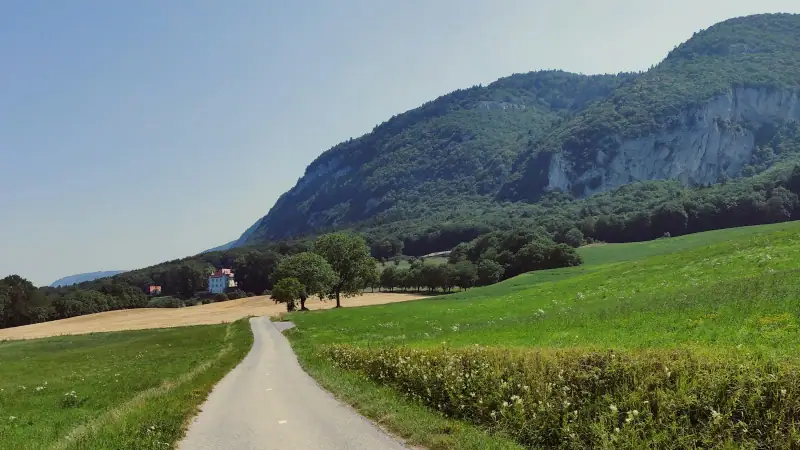
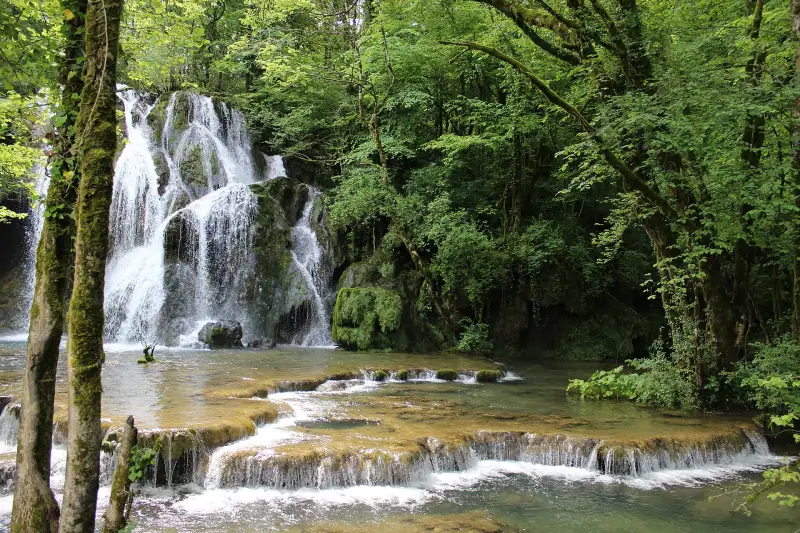
A short distance from Arbois, the Planches reculée is one of the most spectacular landscapes in the area. This dead-end valley, hemmed in by limestone cliffs, ends in a waterfall where the river gushes from the rock. The vegetation is dense, the atmosphere cool and damp, which makes the visit particularly pleasant on hot days.
The site also has a developed cave that can be visited, with concretion formations and play of light. Access conditions, hours and prices change with the season: check before you leave.
An easy walk
A path links the village to the waterfall and lets you enjoy the reculée atmosphere without special equipment. Bring shoes with good grip, as stretches can be slippery after rain. For other walking ideas, see our guide to hikes, waterfalls and lakes in the Jura.
Day trips around Arbois
Salins-les-Bains
About twelve kilometers (7 mi) away, Salins-les-Bains is known for its saltworks, listed as a UNESCO World Heritage site together with the Royal Saltworks of Arc-et-Senans. The town, nestled in a narrow valley, has a distinctive charm and is easily visited in half a day.
Château-Chalon
Perched on a promontory overlooking the Baume-les-Messieurs reculée, Château-Chalon is a medieval village listed among the most beautiful villages of France, and the birthplace of a vin jaune appellation. It is a classic excursion to round out your wine stay. Allow about three quarters of an hour of driving from Arbois.
Dole and Lons-le-Saunier
Dole, Pasteur’s birthplace, offers an old center and pleasant canals. Lons-le-Saunier, the department’s prefecture, is a practical base for day trips to the reculées. Both towns are easily reached by car from Arbois.
Where to stay in Arbois?
Charming hotels, guesthouses and gîtes in the heart of the vineyard.
What to do in Arbois depending on your stay
Half a day
A walk in the center, a visit to Pasteur’s house, lunch at a restaurant downtown, then a tasting in a cellar. This is the minimum to appreciate the town.
One day
In the morning, downtown and Pasteur’s house. At noon, a lunch of local products. In the afternoon, the Planches reculée or a walk in the vines of Pupillin, then a tasting at the end of the day.
A weekend
Add the Vine and Wine Museum, a second wine estate, a day trip to Salins-les-Bains or Château-Chalon, and a gourmet dinner. Our 3-day itinerary in the Jura includes Arbois and its surroundings in a more complete route.
Where to stay and eat
Accommodation
Arbois offers hotels, guesthouses, gîtes and campsites in town and nearby. Book early for harvest weekends and the September festivals, which are very popular. To compare areas and types of accommodation, read our guide where to stay in the Jura.
Dining
Restaurants in the town center serve generous regional cooking: chicken with vin jaune and morels, fondue, raclette, a Comté platter, cancoillotte. When in doubt, choose a set menu of the day with local products. Book for evenings and weekends, as many tables are small. Closing days vary from one place to another.
When to visit Arbois
- Spring: the vineyard turns green again, there are fewer visitors, walks are pleasant.
- Summer: terraces, walks in the reculée, festivals and events, with more people.
- September and October: grape harvest, the Biou festival in early September, autumn colors in the vines.
- Winter: calm atmosphere, comforting dishes and warm tastings. Some seasonal activities are closed.
The Biou festival
The Biou festival is Arbois’s big traditional celebration, held in early September. It includes a procession, an offering of grapes at the church and events in town. If you want to attend, book your accommodation very early and check the year’s program.
Budget and practical tips
Arbois remains an affordable destination. Budgets vary mostly with accommodation and the number of tastings. Many cellars offer free or moderately priced tastings, but vin jaune and old cuvées cost more, in proportion to their aging time.
- Getting around: the center is done on foot; car or bike for the surroundings.
- Drinking: plan a designated driver.
- Shoes: comfortable, for cobbled streets and trails.
- Clothing: a jacket, even in summer, since the Jura climate is changeable.
- Hours: always confirm the opening of cellars and museums before you go.
Key takeaways
Arbois is a small town that concentrates the essence of the Jura’s charm: an old vineyard, distinctive wines, a Pasteur heritage and reculée landscapes within walking reach. Allow at least a day, preferably a weekend, and combine discovering the town with Pupillin, Les Planches and Salins-les-Bains for a complete visit.
Frequently asked questions
Why visit Arbois?
Arbois brings together in one small town a renowned vineyard, Louis Pasteur's family home, a vine and wine museum, a river through the center and reculée landscapes a few minutes away. It is one of the best bases for discovering the Jura wine country.
How long do you need to visit Arbois?
Half a day is enough for the historic center, Pasteur's house and a tasting. A full day lets you add the Planches reculée and the village of Pupillin. A two-day weekend is ideal for taking your time and visiting several cellars.
What is the best time to visit Arbois?
September is a very lively month with the grape harvest and the Biou festival, held in early September. Summer is perfect for walks and terraces, spring for quiet and vines in leaf. Check festival dates before you book.
Can you visit Arbois without a car?
The center can be covered entirely on foot. However, to reach the nearest train station, Mouchard, and to explore the neighboring villages, a car or bike is much more practical. Ask the tourist office about shuttles and transport services available.
What should you taste in Arbois?
Wines from the Arbois vineyard: poulsard, trousseau, savagnin, chardonnay and pinot noir, as well as vin jaune and macvin. On the plate, Comté, Morbier, cancoillotte and chicken with vin jaune and morels are regional classics.
Is Arbois suitable for children?
Yes. Walks along the Cuisance, the Planches reculée and its waterfalls, and picnics in the vineyard appeal to families. Tastings are for adults, but many producers also offer grape juice.
Do you need to book for cellar visits?
Some cellars welcome visitors without an appointment, others ask you to book, especially in high season and on weekends. Hours vary a lot: contact the producer or the tourist office before you go.
More Jura guides
Keep reading
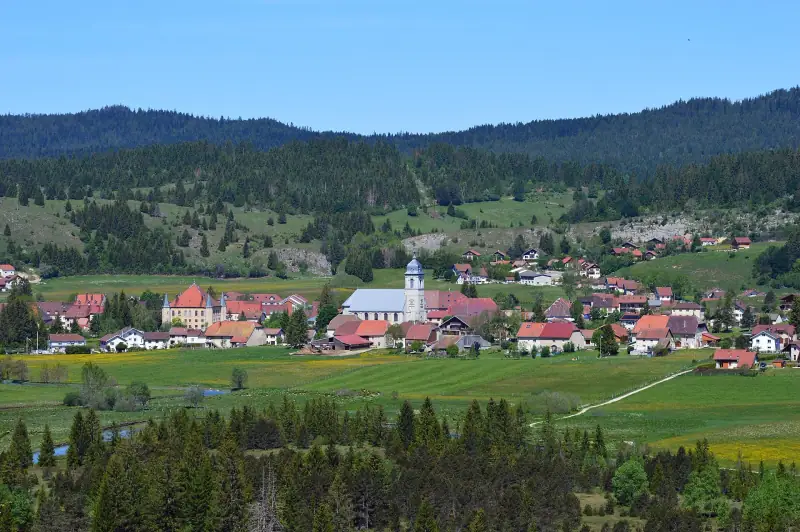
What to see in the Doubs next to the Jura: Pontarlier, Mouthe and the Haut-Doubs
What to see in the Doubs next to the Jura: Pontarlier, Fort de Joux, the source of the Doubs at Mouthe, Lake Saint-Point and Métabief.
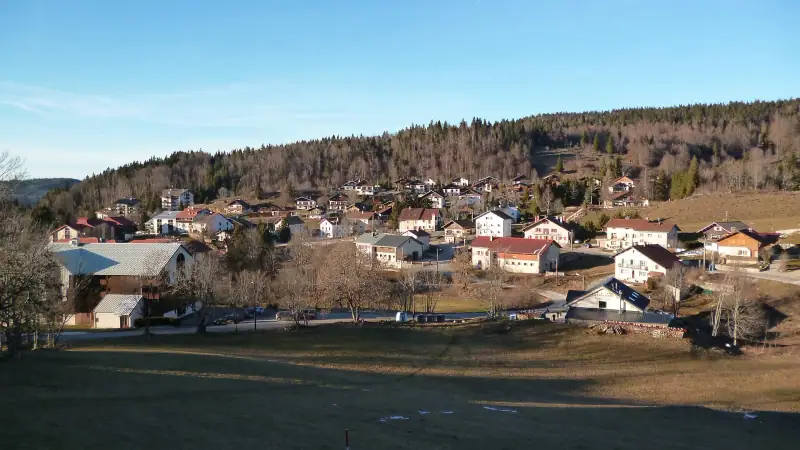
Visiting Les Rousses: what to see and do in the High Jura
What to see and do in Les Rousses: fort, lake, La Dôle, Espace des Mondes polaires, Comté and cross-country skiing. A guide to the High Jura resort.
Visiting Dole: what to see and do in the former capital of Franche-Comté
What to see in Dole: Canal des Tanneurs, Pasteur's birthplace, Notre-Dame collegiate church, Mont-Roland and the Chaux forest. Plan your visit.
Ready-made
Jura itineraries
3 days
The Jura in 3 days without a car: a realistic itinerary by train, on foot and by bike
Visiting the Jura in 3 days without a car: a base in Arbois, trains from Mouchard, Salins-les-Bains, Lons-le-Saunier. Stages, distances, times and limits.
3 days
3 days in the Jura: a day-by-day itinerary through vineyards, waterfalls and the High Jura
A 3-day Jura itinerary by car: Arbois and the vineyards, Baume reculée, Hérisson waterfalls, lakes and the High Jura. Detailed plan and tips.
4 days
The Jura with kids: a 4-day family itinerary through waterfalls, lakes and caves
A 4-day Jura itinerary with children: Hérisson waterfalls, lake swimming, Baume reculée and the High Jura. Pace, tips and practical advice.