Plan your trip
When to visit the Amalfi Coast: weather, seasons and crowds month by month
We may earn a commission when you book through links on this page, at no extra cost to you. We don't visit or try the places we cover: we summarize published sources. How we work
In short
- May, June and September offer the best compromise: generally mild to warm weather, ferries running, and villages lively but less saturated than in midsummer.
- Swimming is pleasant from June to September, when the sea is warmest. July and August are the busiest, with packed buses and the highest lodging rates.
- Winter is quiet but many seasonal hotels and restaurants close, ferries are reduced and the sea can be rough.
- For hiking, spring and early fall are the most comfortable; in midsummer, leave early and avoid rainy days, when stone passages turn slippery.
On the Amalfi Coast, the time of travel changes everything: the color of the sky, the temperature of the sea, but also the number of packed buses, the price of rooms and even whether restaurants are open. Between a July afternoon when the corniche road turns into a parking lot and a May morning when you have lunch in the shade of a lemon-tree pergola, the gap is considerable. Here is how to choose your moment, season by season, according to what you are looking for: beach, hiking, tranquility or a tight budget.
The Amalfi Coast climate in brief
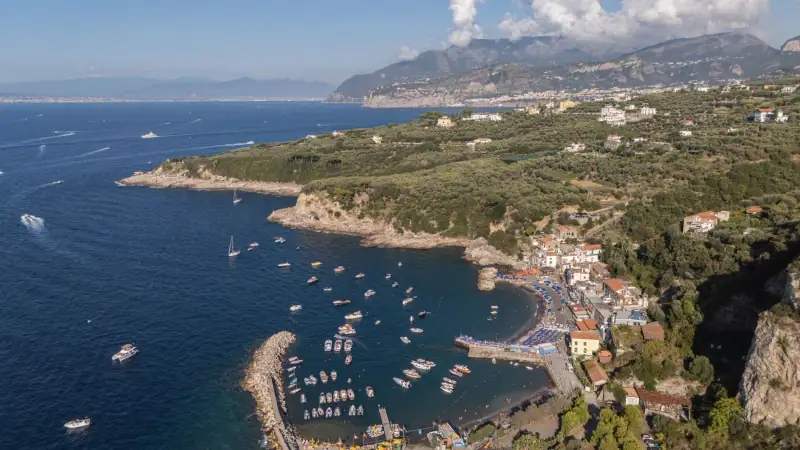
The coast has a Mediterranean climate: hot, dry summers, mild but wet winters, and two generally pleasant shoulder seasons. The cliffs plunging into the sea protect much of the shoreline from northern winds, which explains the vegetation of terraced lemon trees and the relative mildness of the winters.
A few useful guidelines to organize yourself:
- Summer (June to August): hot, sunny and often dry. Afternoons can be very hot in the lanes and on the stairs.
- Winter (December to February): cool temperatures, frequent rain, sometimes gusts of wind and a rough sea.
- Spring and fall: mild temperatures, but variable from one day to the next. A shower remains possible, especially in fall.
- Sea: it warms gradually through the summer and stays pleasant until September, before cooling clearly in fall.
These trends remain general: conditions vary from year to year. Always check the forecasts a few days before leaving.
Hotels on the Amalfi Coast
Compare the hotels and rooms available for your dates, with free cancellation depending on the offer.
Spring: April and May, the coast waking up
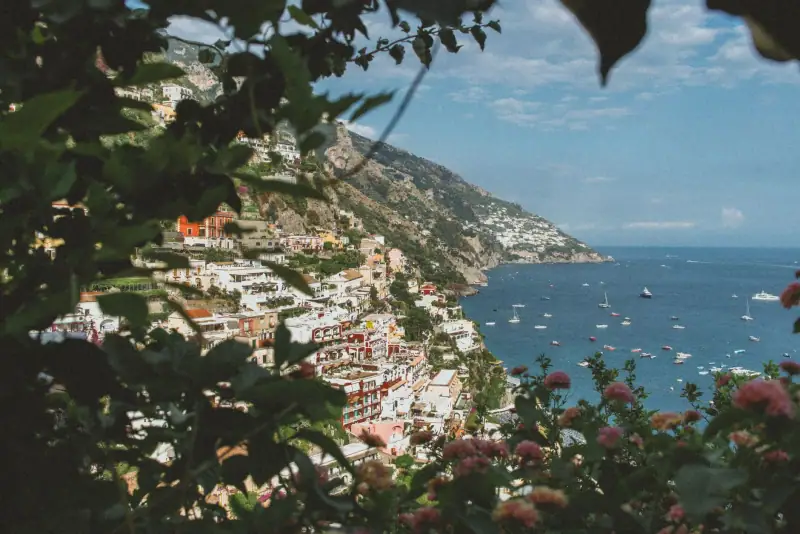
Spring is an excellent season for those who want to see the coast without the crowd. The lemon trees, gardens and terraces bloom, the light is beautiful and temperatures suit both visiting villages and walking.
April is a transition period. Seasonal businesses gradually reopen, but not everything is in service yet: some hotels, restaurants or boat connections may still run at reduced capacity. Easter dates raise the crowds, and the weather stays capricious, with bright days followed by showers. Bring layers and a light raincoat.
May is often considered one of the best months. Ferries are generally back, trails are passable and villages are lively without being saturated. Swimming is only for the bravest, because the sea is still cool, but a day exploring Amalfi, Ravello or Positano is a pleasure.
This season is ideal if your priority is hiking. Our guide to the Path of the Gods details the route, which is especially enjoyable when the heat is not yet beating down on the cliffs.
Summer: June to August, peak season and warm sea
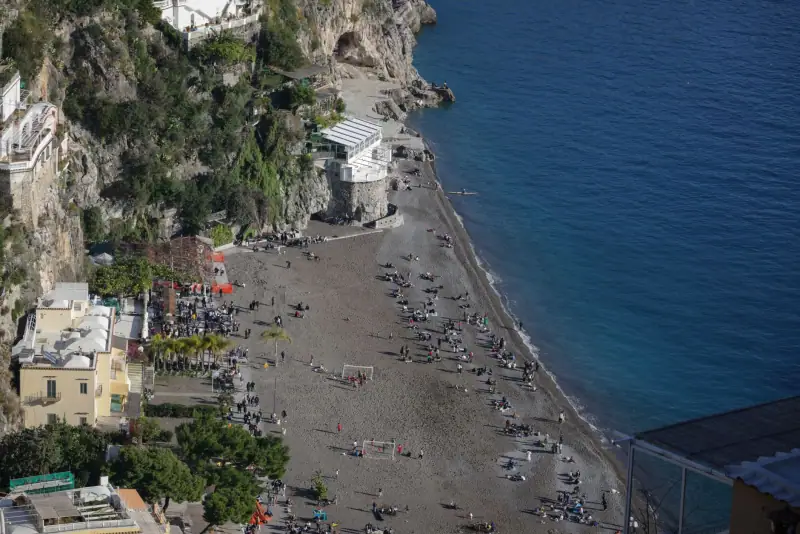
Summer is the postcard Amalfi Coast: the sun, the intensely blue sea, boats crisscrossing the gulf, terraces lively late into the evening. It is also the period when everything is pricier and more crowded.
June is a very good compromise. Days are long, the sea becomes pleasant, all services are in place, and the crowds have not yet reached their peak. It is a good choice for a first stay mixing sightseeing and swimming.
July and August are the busiest months. Buses are often full at the main stops, traffic on the corniche road slows sharply, and parking lots are scarce. Lodging is at its most expensive and fills up long in advance. If you travel then, a few habits help a lot:
- Book lodging, ferries and popular excursions early.
- Leave at dawn for visits: the light is softer, and the sites are calmer.
- Take a break in the early afternoon: beach, nap or lunch in the shade, then resume at the end of the day.
- Favor the boat at road peak hours, as explained in our guide to getting around the Amalfi Coast.
Around August 15, a public holiday in Italy (Ferragosto), crowds climb even more: it is the week to avoid if you hate queues.
Boat excursions
Discover cruises and trips at sea along the Amalfi Coast, ideal in the warm season.
Fall: September and October, mildness after the crowds
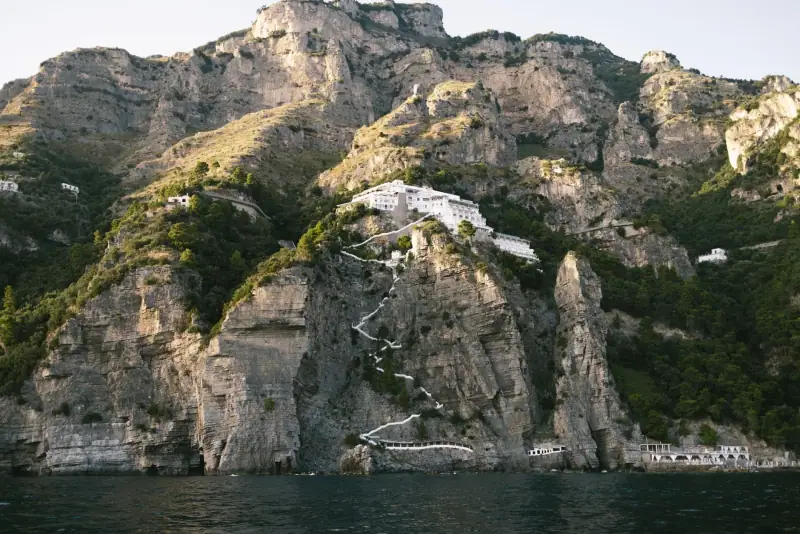
For many experienced travelers, September is the best month of the year. The sea has stored the summer’s heat, swimming is still very pleasant, and crowds start to drop after schools reopen. Services still run fully, and the evening light is superb. Lodging prices nevertheless remain high early in the month.
October is more contrasted. The start of the month often offers beautiful days, with calmer villages and lower rates. Rain, however, becomes more likely, and the sea cools. Toward the end of the month, some hotels, restaurants and ferry services reduce activity or close for the season. If you aim for October, check that your lodging and favorite restaurants are open.
Fall suits cultural visits well. A site like Ravello and its villas is savored in a quieter atmosphere, and an excursion to the ancient ruins, detailed in our article on Pompeii and Herculaneum, is far more comfortable than in midsummer, when it is very hot on the little-shaded archaeological sites.
Winter: November to March, calm and authenticity
Winter is not the classic season of the Amalfi Coast, but it has its fans. The villages regain their daily life, residents take back the squares, and you meet very few tourists.
In return, you have to accept several constraints:
- Seasonal closures: many hotels, restaurants and shops close from November to March, some earlier, others later.
- Reduced ferries: the sea offer is very limited, and crossings can be canceled in rough seas.
- Changeable weather: rain, wind and cool days are frequent. Swimming is off the agenda.
- Trickier hiking: stone paths are slippery in the rain, and days are short.
The advantages are nevertheless real: prices often clearly lower, peaceful villages, and very photogenic winter light when the sky clears. Fans of local cuisine also find a more authentic table, aimed at residents rather than visitors. The year-end holidays also bring a special atmosphere in some villages, with lights and local events.
For sleeping in winter, it is better to choose a base that stays open all year. Our comparison on choosing where to stay on the Amalfi Coast helps you compare villages by atmosphere and access.
Flights to Naples
Compare flights to Naples, the main airport for reaching the Amalfi Coast.
Which period to choose for your plan?
Rather than looking for a perfect month in general, start from your priority:
- Beach and swimming: from late June to September, preferring June and September to avoid the peak crowds.
- Hiking: April-May and September-October, when the heat is less punishing.
- Tight budget: off-season (April, October, and winter), accepting more uncertain weather and some closures.
- Photography and calm: May, September and early October, to combine beautiful light and moderate crowds.
- Food: all year, but the season of lemons and fresh produce is in full swing in spring and summer. Our guide to Amalfi Coast food details the specialties to try.
- Family trip: June and early September, to enjoy the sea without the August crush.
- Capri excursions: spring and summer are the most favorable, because the sea is calmer and connections more numerous. Find our advice in the article on the Capri excursion.
If you hesitate between two periods, remember that May-June and September offer the best overall balance between weather, open services and crowds.
Practical tips to prepare your stay
Whatever the season, a few habits make travel easier:
- Book ahead: lodging is limited in the tiniest villages. The more you aim for high season, the more you must plan ahead, preferably with a cancellable option.
- Watch the weather: in rough seas, boats can be canceled. Keep a bus fallback.
- Pack the right shoes: lanes, stairs and trails are steep and sometimes slippery. Comfortable hiking shoes are better than thin sandals.
- Protect yourself from the sun: a hat, sunscreen and water are essential from spring on.
- Bring a warm layer: even in summer, evenings on a boat or at altitude, for example in Ravello, can be cooler.
- Check openings: off-season, contact your lodging or restaurants directly before traveling.
To structure your stay once the date is chosen, our Amalfi Coast in 3 days itinerary offers a realistic sequence of the villages and main visits.
Cooking classes and tastings
Book a local food experience: cooking class, tasting or a discovery of the lemon groves.
Summary
If you could keep only one period, choose May, June or September. You will enjoy long days, fully open services and crowds more bearable than in midsummer. July and August suit fans of warm sea and a festive atmosphere, provided you accept the crowd and high prices. Winter appeals to those seeking calm, provided they accept closures and changeable weather.
Whatever date you choose, the key remains planning ahead: book early, stay flexible on boat times and keep free time. The Amalfi Coast has to be earned, but it always rewards those who take the time to tame it.
Frequently asked questions
What is the best time to visit the Amalfi Coast?
May, June and September offer the best compromise: generally mild to warm weather, ferries running, villages lively but less saturated than in midsummer. Early October can also work if you accept a risk of rain.
Can you swim on the Amalfi Coast?
Swimming is pleasant from June to September, when the sea is warmest. In May and October it remains possible for the hardy, but the water is clearly cooler.
What is the busiest month on the Amalfi Coast?
July and August concentrate the most visitors, with saturated roads, full buses and lodging rates at their highest. Book very early if you travel then.
What is there to do on the Amalfi Coast in winter?
Winter is quiet: many seasonal hotels and restaurants close, ferries are reduced and the sea can be rough. In return, the villages are peaceful and prices lower; bring warm clothes and a raincoat.
When should you hike the Path of the Gods?
Spring and early fall are the most comfortable. In midsummer, leave early in the morning to avoid the heat, and avoid hiking in the rain, because the stone passages become slippery.
Do the ferries run all year?
Service is mostly concentrated from spring to early fall. In winter, connections are very reduced and can be canceled in rough seas: check timetables before planning a trip.
More Amalfi Coast guides
Keep reading
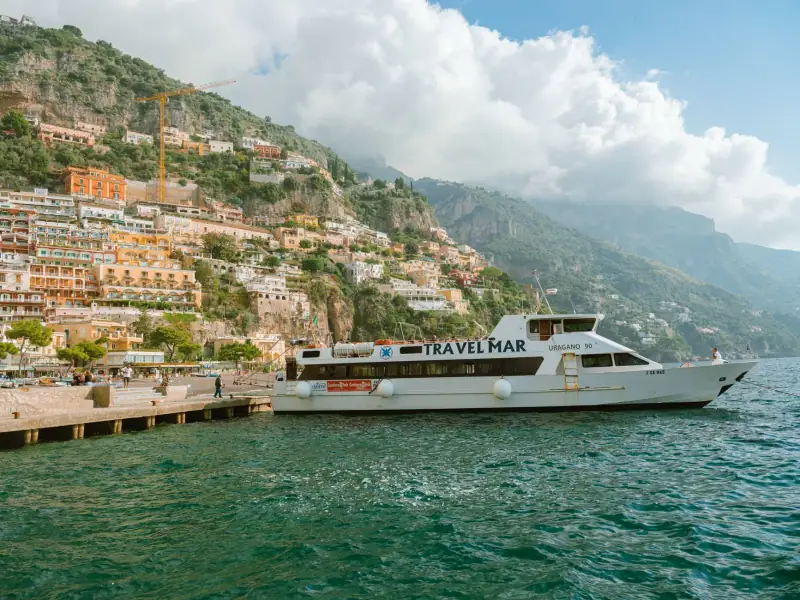
Getting around the Amalfi Coast: bus, ferry, car or scooter?
How to get around the Amalfi Coast: buses on the SS163, ferries from Salerno and Sorrento, car, taxi and tips to reach Positano, Amalfi and Ravello.
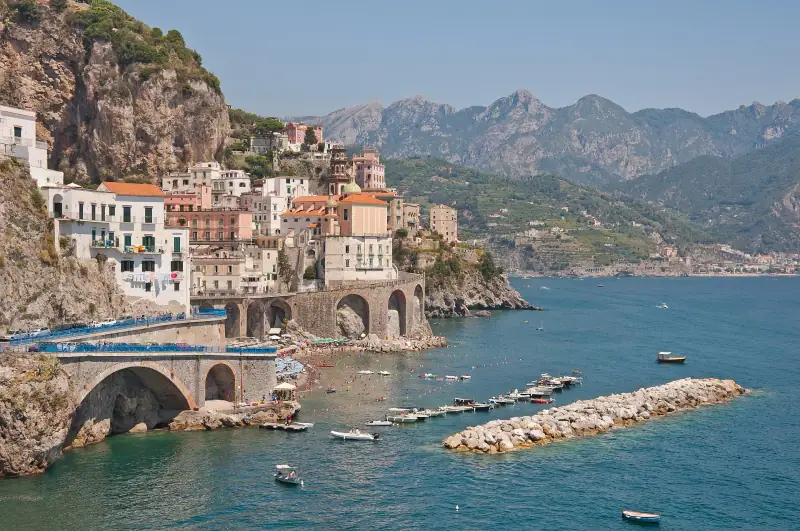
Is Atrani worth the detour from Amalfi? A half-day walking visit
Is Atrani worth the detour from Amalfi? Walking access, churches, beach, stairs to the Santuario del Bando, where to eat and visit length for half a day.
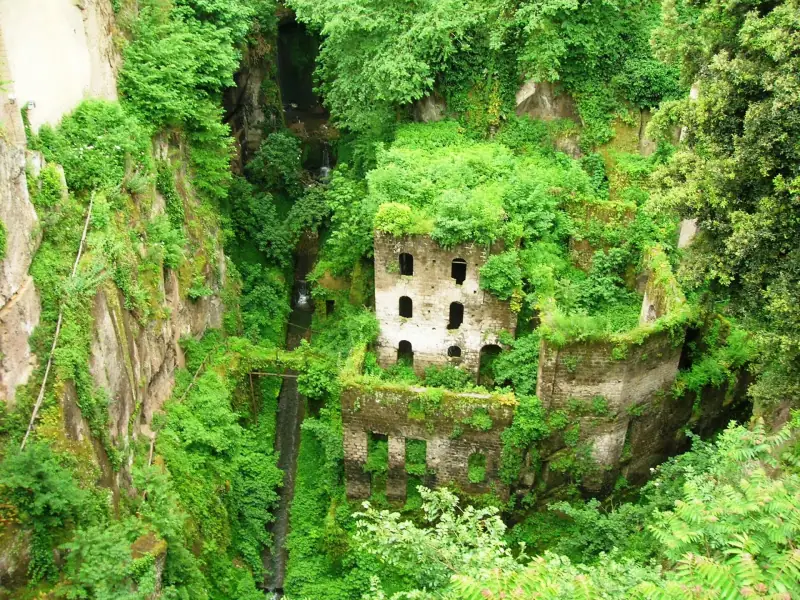
Valley of the Mills and Valle delle Ferriere in Amalfi: hiking without a guide, time, access and difficulty
Valley of the Mills and Valle delle Ferriere above Amalfi: hiking without an agency, duration, access to Pontone, difficulty, Paper Museum and FAQ.
Ready-made
Amalfi Coast itineraries
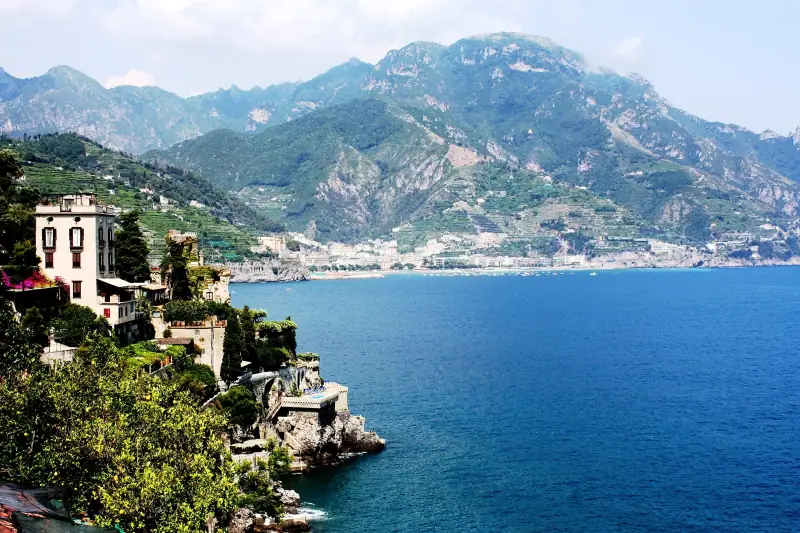
3 days
Amalfi Coast in 3 days: a day-by-day itinerary without a car
Plan 3 days on the Amalfi Coast without a car: Amalfi, Ravello, the Path of the Gods and Positano, with bus, ferry and practical tips for each day.
5 days
Amalfi Coast road trip by car: a Sorrento to Salerno itinerary
Drive the Amalfi Coast from Sorrento to Salerno on the SS163: stops in Positano, Amalfi and Ravello, parking, and tips for narrow roads.
5 days
Amalfi Coast without a car: a 5-day itinerary by bus, ferry and train
Visit the Amalfi Coast without a car in 5 days: day-by-day itinerary by bus, ferry and train, with Amalfi, Ravello, Positano, Capri, Pompeii and tips.