What to see
Visiting Ubud: Rice Fields, Temples and Culture in the Heart of Bali
We may earn a commission when you book through links on this page, at no extra cost to you. We don't visit or try the places we cover: we summarize published sources. How we work
In short
- Two to three nights cover the main sights: Monkey Forest, rice fields, a water temple and a dance show; four or five nights add hikes, a cooking class or farther trips.
- Ubud is inland, about one to one and a half hours by road from Denpasar airport; the nearest beaches are about an hour away.
- Visit Tegallalang and the temples early: groups arrive mid-morning. Shoulders and knees must be covered in temples.
- A driver by the day is often the best compromise for farther sites; the center can be covered on foot.
Ubud is the cultural capital of Bali. This small town, set inland among rice fields, gorges and craft villages, built its reputation on painting, dance, wood carving and a spiritual life that is still very visible: offerings placed on the sidewalks every morning, processions, temples in almost every lane. It is also one of the busiest places on the island, so you need to plan well to enjoy it.
This article presents what to see in Ubud and its immediate surroundings, how to divide your days and how to avoid the classic traps. To place the town in a broader trip, see our 10-day itinerary in Bali or our complete guide to visiting Indonesia.
Central Ubud: palace, market and Monkey Forest

The heart of the town can be visited on foot in half a day. The Ubud palace, Puri Saren Agung, is the former residence of the local royal family. Its courtyards and carved-stone pavilions can be explored freely during the day, and the venue regularly hosts dance shows in the evening. Right across the street, Ubud market mixes stalls for tourists with shops for residents: in the craft section (baskets, sarongs, carvings) you can negotiate, while early in the morning you mostly see fresh produce and offerings.
At the south end of the main street is the Monkey Forest, a sacred forest with temples and a large population of macaques. The monkeys are used to visitors but remain wild animals. A few simple rules limit nasty surprises: carry nothing visible (glasses, bottles, open bags), do not hold out food, do not stare at them and never touch them. If something is stolen, do not fight to get it back: the site staff will step in.
One detail that surprises people: Ubud’s streets are narrow and traffic is heavy. Plan to walk early, when the air is cooler and the streets are calmer, and keep car trips for the farther sites.
🏨 Where to stay in Ubud
Compare hotels, villas and guesthouses in Ubud, from the center to the quieter areas surrounded by rice fields.
The rice fields: Tegallalang and Campuhan Ridge
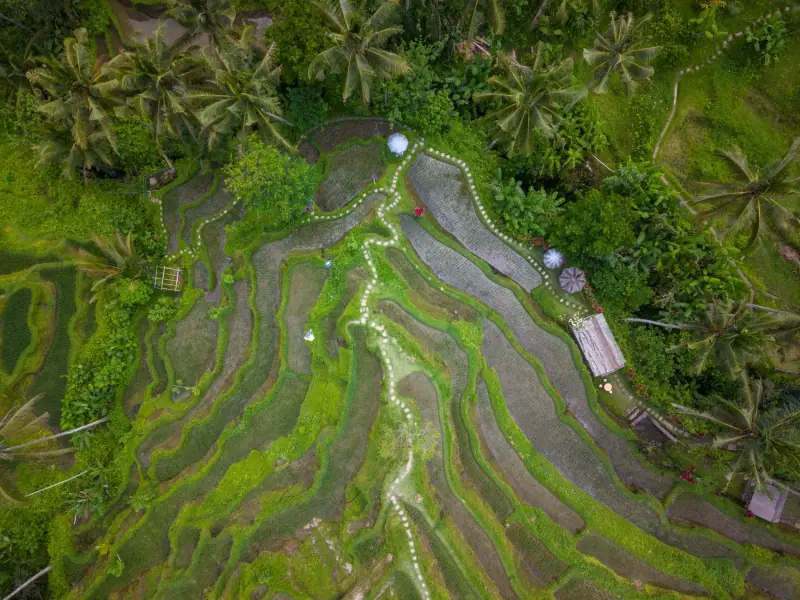
The terraced rice fields of Tegallalang, north of Ubud, are the region’s signature view. They lie about ten kilometers (6 mi) from the center, which means more time than distance because of traffic. The site is heavily photographed: swings, frames and paid viewpoints have multiplied. Come early, as soon as the cafes open, to enjoy the soft light and fewer people. If the paid stands do not interest you, the trails that descend between the terraces allow a quiet walk, as long as you respect the crops: these are working fields. A small donation is sometimes requested at the trail entrances.
For a gentler, free walk, the Campuhan Ridge starts on the edge of Ubud and follows a grassy line between two valleys. The walk is short, accessible to most people in good shape, and very pleasant at sunrise or sunset. It leads to villages and cafes where you can stop. Bring water and a hat, as shade is rare.
The rice fields vary by season. During planting, the plots are flooded and reflect the sky. As harvest approaches, they turn golden. Between two cycles they can look bare: so do not expect a postcard image all year round. Our guide to the best time to go to Indonesia details the seasons.
Temples and sacred sites around Ubud
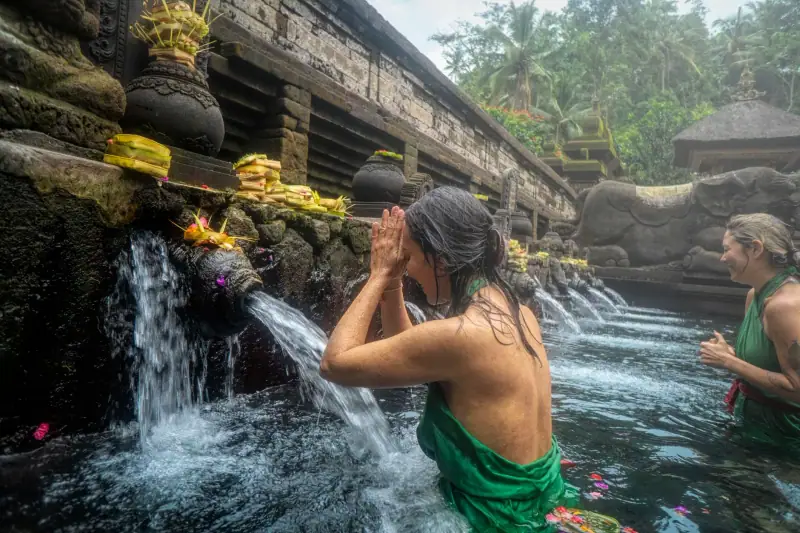
Several religious sites can be visited in the area. Tirta Empul, in Tampaksiring, is a Hindu temple built around sacred springs. Worshippers come to purify themselves in pools, passing under fountains in a set order. Visitors can take part if they respect the required dress and the staff’s instructions. Observe first, ask before you join in, and do not photograph people at prayer without their consent.
Goa Gajah, the “Elephant Cave,” is an ancient complex near Ubud, with a carved cave entrance, pools and a garden. It is popular for its calmer atmosphere and its age. Gunung Kawi, also near Tampaksiring, is known for its shrines cut into the rock at the bottom of a valley reached by a staircase. Bring comfortable shoes: the climb back is done in the heat.
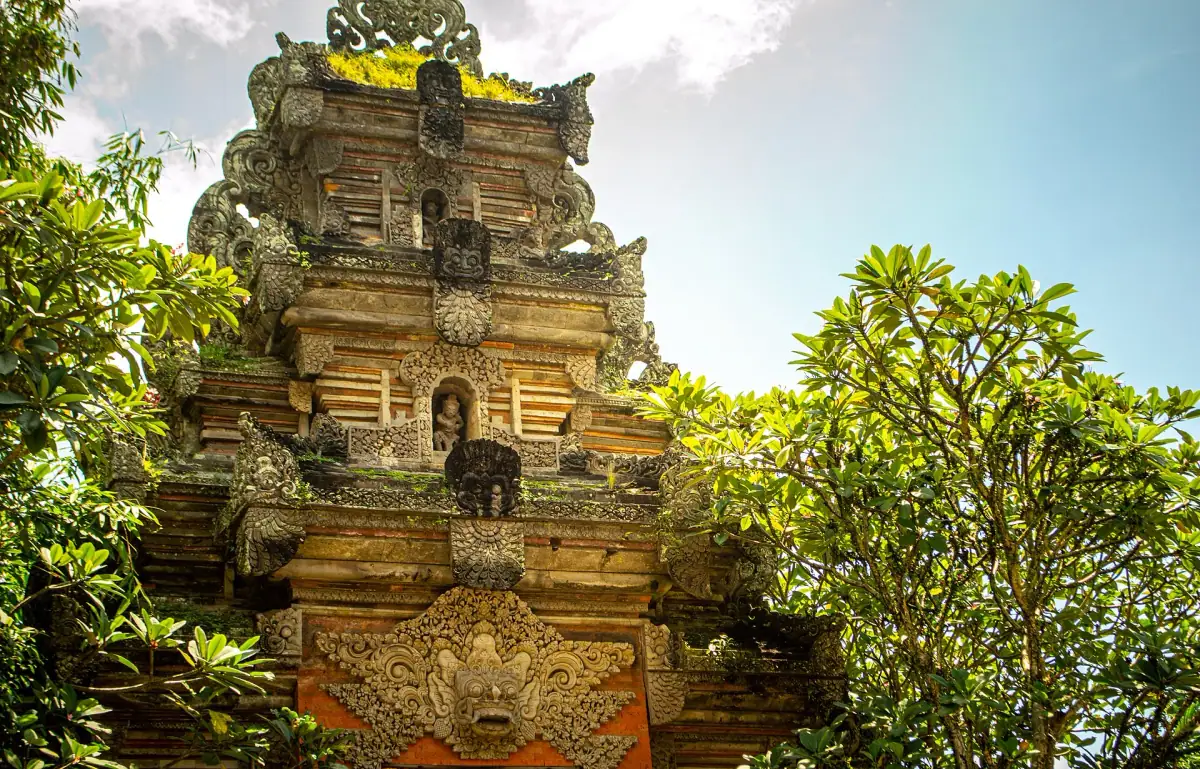
In the center of Ubud, the Saraswati temple, dedicated to the goddess of knowledge and the arts, is surrounded by a lotus pond. It is heavily photographed, but the visit is brief. Each temple has its own visiting rules: sarong required, areas reserved for worshippers, closures during ceremonies. Respect these limits.
🛕 Excursions around Ubud
Compare guided visits of Ubud: rice fields, water temples and craft villages, with a driver and transport from your accommodation.
Dance, painting and crafts
What sets Ubud apart from the rest of Bali is the density of its arts. Every evening, several venues offer shows: the legong, a graceful dance performed by young dancers; the barong, which stages the fight between good and evil; or the kecak, a men’s chorus without an orchestra. Tickets are bought on the spot, at the venues’ ticket offices or through your accommodation. Compare schedules: some are more geared to visitors, others closer to ceremonies. Arrive a little before the start to choose your seat.
Galleries and workshops abound, especially in the neighboring specialized villages: wood carving, painting, silver, batik. Visiting a workshop lets you see the techniques and understand the prices. If you buy, ask how the object was made and compare with nearby shops. Prices for market souvenirs can be negotiated, those in galleries less so.
To go further, some places offer classes: batik, painting, cooking, yoga, dance. Our article on Balinese cooking classes in Ubud details this option, very popular with travelers who want to understand the dishes they taste.
Eating in Ubud
The town offers a very wide choice: family warungs, vegetarian cafes, Balinese restaurants, more modern places. Warungs serve simple dishes (nasi campur, mie goreng, satay) at moderate prices. Cafes aimed at travelers offer extra comfort, at higher prices. Vegetarian and vegan food is easy to find, a big advantage for those who avoid meat.
For a first dive into the country’s flavors, see our article on dishes to try in Indonesia and the one on coffee and traditional drinks. On hygiene, favor places frequented by locals, drink bottled or filtered water and be wary of ice in small establishments.
How many days and what plan?
Here is a simple outline for three days, to adapt to your pace:
- Day 1: central Ubud in the morning (market, palace, Saraswati), Monkey Forest in the afternoon, dance show in the evening;
- Day 2: early start for the Tegallalang rice fields, then Tirta Empul and possibly Gunung Kawi with a driver;
- Day 3: Campuhan Ridge at daybreak, workshop or class (cooking, batik), free afternoon.
With one more day, add a farther excursion, for example to the coast or other parts of the island, which we detail in our 10-day itinerary in Bali.
✈️ Flights to Bali
Compare flights to Denpasar, Bali's airport, by dates and stopovers.
Getting there and getting around
Ubud has no airport. You reach it from Denpasar international airport, in the south of the island, by road: allow about one to one and a half hours depending on traffic, sometimes more at rush hour. Private transfers, bookable in advance or through local apps, are the simplest solution after a long flight.
Once there, the center can be covered on foot. For farther sites, a driver by the day is often the best compromise: the driver knows the schedules and routes to avoid traffic jams. Scooters are very common, but driving in Bali is demanding: a suitable license, a helmet and insurance are essential. Be sure to check that your policy covers this case.
Entry rules depend on your passport. Check the official travel advice of your government before you book: travel.state.gov (US), GOV.UK (UK), travel.gc.ca (Canada), Smartraveller (Australia) (checked November 2026). See also our articles on entry formalities for Indonesia and on the budget for a trip to Indonesia.
Practical tips
- Dress: shoulders and knees covered in temples, sarong provided or rented at the entrance;
- Hours: visit popular sites as soon as they open, groups arrive mid-morning;
- Heat and rain: bring water, a hat and a light waterproof jacket in the wet season;
- Monkeys: nothing visible, no food, do not provoke them;
- Money: keep a little cash for warungs, small entrance fees and offerings;
- Respect: do not step on offerings placed on the ground and do not climb on sacred structures.
Ubud is best discovered without too tight a schedule. Leave time to stroll through the lanes, step into a workshop, watch a ceremony from afar and let the locals guide you. That is often where the most lasting memories are found, a few steps from the noise of the center.
Frequently asked questions
How long do you need to visit Ubud?
Two to three nights are enough to see the main sights: the monkey forest, the rice fields, a water temple and a dance show. With four or five nights, you can add hikes, a cooking class or trips farther to the north or east of the island.
Is Ubud on the sea?
No. Ubud is inland, in south-central Bali, among rice fields and valleys. The nearest beaches are about an hour away by road, depending on traffic. Many travelers therefore combine Ubud with a stay on the coast.
What is the best time to visit Ubud?
The dry season, from April to about October, offers the most stable days. The rainy season makes the rice fields very green but showers are frequent, especially in the afternoon. See our article on the best time to go to Indonesia.
How do you get around in Ubud?
The center can be covered on foot, but the sidewalks are uneven and the heat is heavy. For farther sites, people use a private driver by the day, a scooter if they are used to it and have the right license, or local ride-hailing apps. Riding a two-wheeler without experience is not recommended.
Do you need to cover up to enter temples?
Yes. Temples are active places of worship. A sarong and a sash are generally required, often lent or rented at the entrance. Also avoid stepping on offerings and putting your feet on altars.
Is Ubud too touristy?
The center is very busy, especially in high season. By moving a few kilometers away, leaving early in the morning or choosing neighboring villages, you find a much calmer atmosphere and less-visited rice-field landscapes.
More Indonesia guides
Keep reading
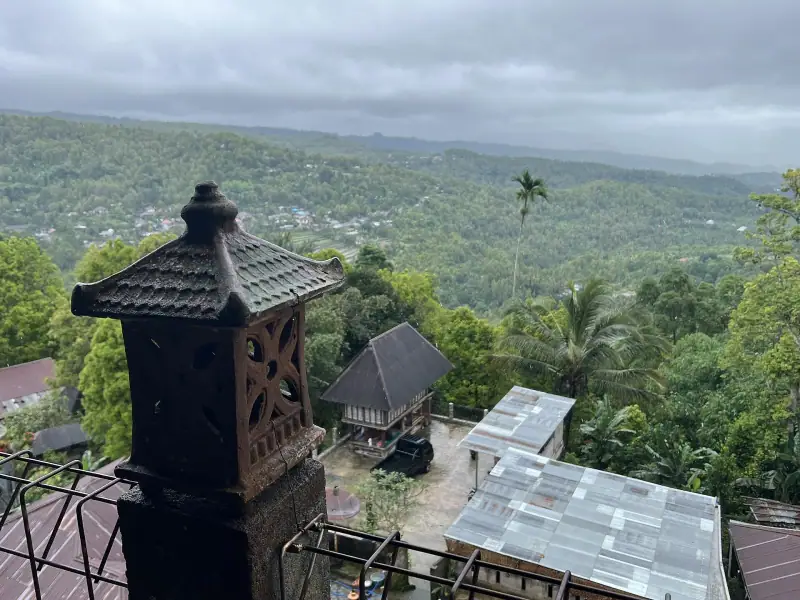
Munduk, Bali: Waterfalls, Lakes and Mountain Coffee, Is It Worth the Detour?
Munduk, a mountain village in northern Bali: waterfalls, twin lakes, drive time from Ubud, ideal length of stay, budget and tips for getting there.
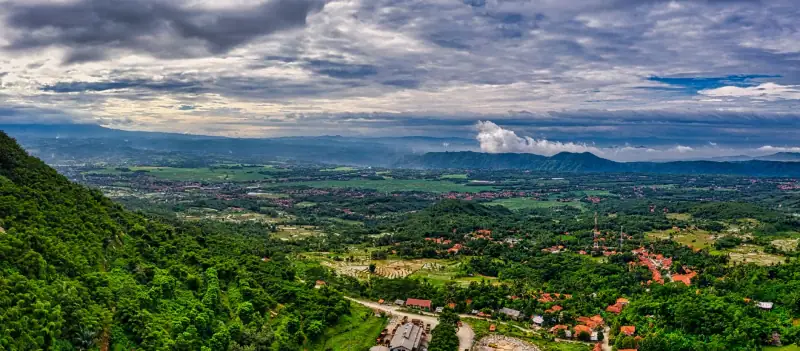
Complete Guide to Visiting Indonesia: Bali, Java, Lombok, Komodo and Raja Ampat
Bali, Java, Bromo, Lombok, Komodo, Flores, Sulawesi, Raja Ampat: a complete guide to planning an Indonesia trip, from season to budget and itineraries.
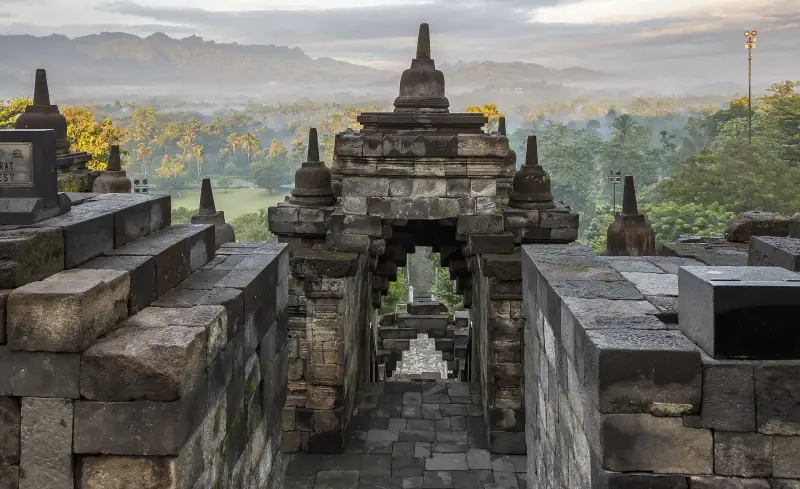
Visiting Yogyakarta, Borobudur and Prambanan: The Cultural Center of Java
Borobudur at sunrise, Prambanan temples, the kraton and Malioboro: how to plan your stay in Yogyakarta, with transport, tips and mistakes to avoid.
Ready-made
Indonesia itineraries
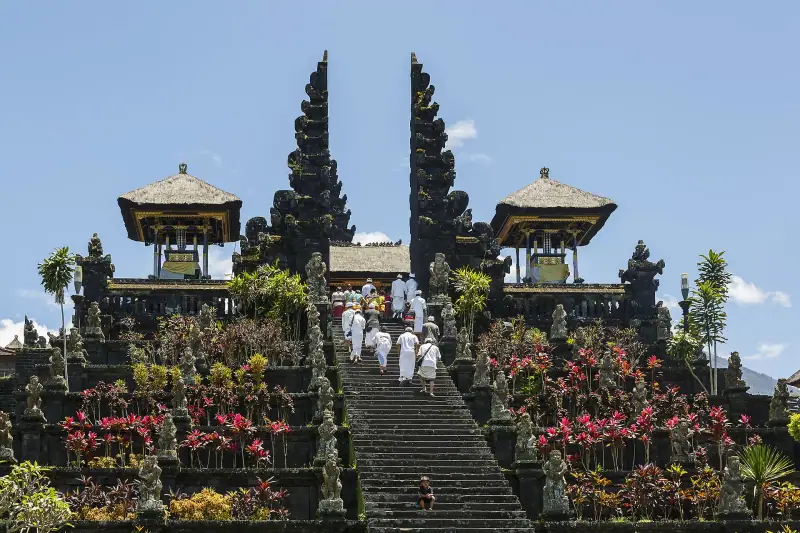
10 days
10 Days in Bali: Ubud, the North, the East and the South Coast Day by Day
Bali in 10 days: a detailed itinerary through Ubud, the rice terraces, the north, the east coast, Nusa Penida and the south. Stops, drive times and tips.
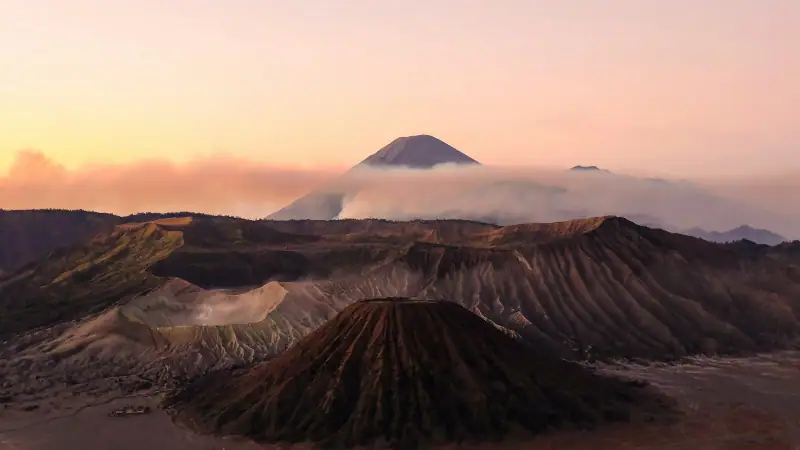
6 days
Yogyakarta to Bali Without a Car: Bromo, Ijen and the Ferry in 6 Days
Yogyakarta, Bromo, Ijen then Bali by train, minibus and ferry: stages, distances, realistic travel times and pitfalls to avoid on this car-free route.
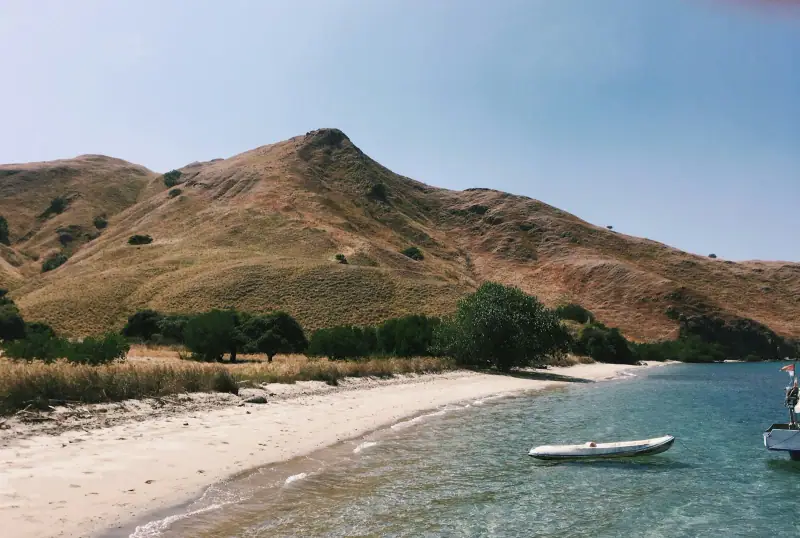
8 days
Flores Itinerary: From Labuan Bajo to Kelimutu Volcano in 8 Days
Flores in 8 days: Labuan Bajo, Komodo, spiderweb rice fields, Ruteng, Bajawa, Ende and the Kelimutu lakes. Stops, drive times, pace and tips.