What to see
Visiting Debrecen: what to see and do in eastern Hungary's big city
We may earn a commission when you book through links on this page, at no extra cost to you. We don't visit or try the places we cover: we summarize published sources. How we work
In short
- Debrecen is about 220 km (137 mi) east of Budapest, a little over two hours by direct train. The pedestrian center is easy to walk.
- Main sights: Kossuth Square and the Great Reformed Church, the Reformed College, the Déri Museum, Nagyerdő park and the Aquaticum baths.
- Hortobágy National Park, about 40 km (25 mi) west, is the classic day trip into the puszta.
- One day covers the center; two days is the ideal formula; three days add Hortobágy, Hajdúszoboszló or Tokaj.
When people talk about Hungary, they think of Budapest, Lake Balaton or the vineyards of Tokaj. In the east, near the Romanian border, Debrecen is nonetheless one of the most interesting cities in the country, and one of the least visited by tourists. The second-largest city in Hungary by population, it charms with its airy pedestrian center, its singular Protestant history, its immense urban park and its thermal baths. It is also the gateway to the Great Plain, the famous Hortobágy puszta.
Here is how to organize your stay: what to see first, how to get there, where to extend the excursion and how much time to allow.
Debrecen in brief: Hungary’s “Calvinist Rome”
Debrecen is a plain city, wide and flat, built at the crossroads of trade routes that once linked Transylvania, Poland and Western Europe. Its great period of influence begins in the 16th century, when the Reformation took lasting hold there. The Reformed College, created at that time, became a major intellectual center, and the city earned its nickname “Calvinist Rome”.
This identity can still be read in the landscape: sober churches, open squares, not much of the flamboyant Baroque found in Eger. Debrecen also played an important political role in the 19th century. During the revolution of 1848-1849, it housed the institutions of the revolutionary government, and it was in its great church that Lajos Kossuth proclaimed Hungary’s independence from the Habsburgs in April 1849.
Today the city is also a lively university center. This gives it a young atmosphere: cafés, terraces, festivals and a quiet but real nightlife. For a first trip, Debrecen combines easily with a three-day itinerary in Budapest, to mix the capital and inland Hungary.
How to get to Debrecen
Debrecen is about 220 km (137 mi) east of Budapest. Several options are available:
- By train: this is the simplest solution. Direct trains from Budapest reach Debrecen in a little over two hours, with regular departures. The station is at the end of a wide avenue that leads in a straight line to Kossuth Square, within walking distance or a few tram stops away.
- By car: the motorway serves the east of the country and the trip takes about two and a half hours depending on traffic. A car becomes useful if you want to link Hortobágy, Tokaj and the villages of the plain.
- By bus: services also exist, but the train is generally faster and more comfortable.
- By plane: the city has an international airport. Services there are limited and change from one season to the next: check airlines and destinations before booking.
Our guide to getting around Hungary by train, bus or car details booking tips and the differences in comfort between the modes of transport.
Flights to Hungary
Compare flights to Budapest or the region before booking your stay.
Kossuth Square and the Great Reformed Church
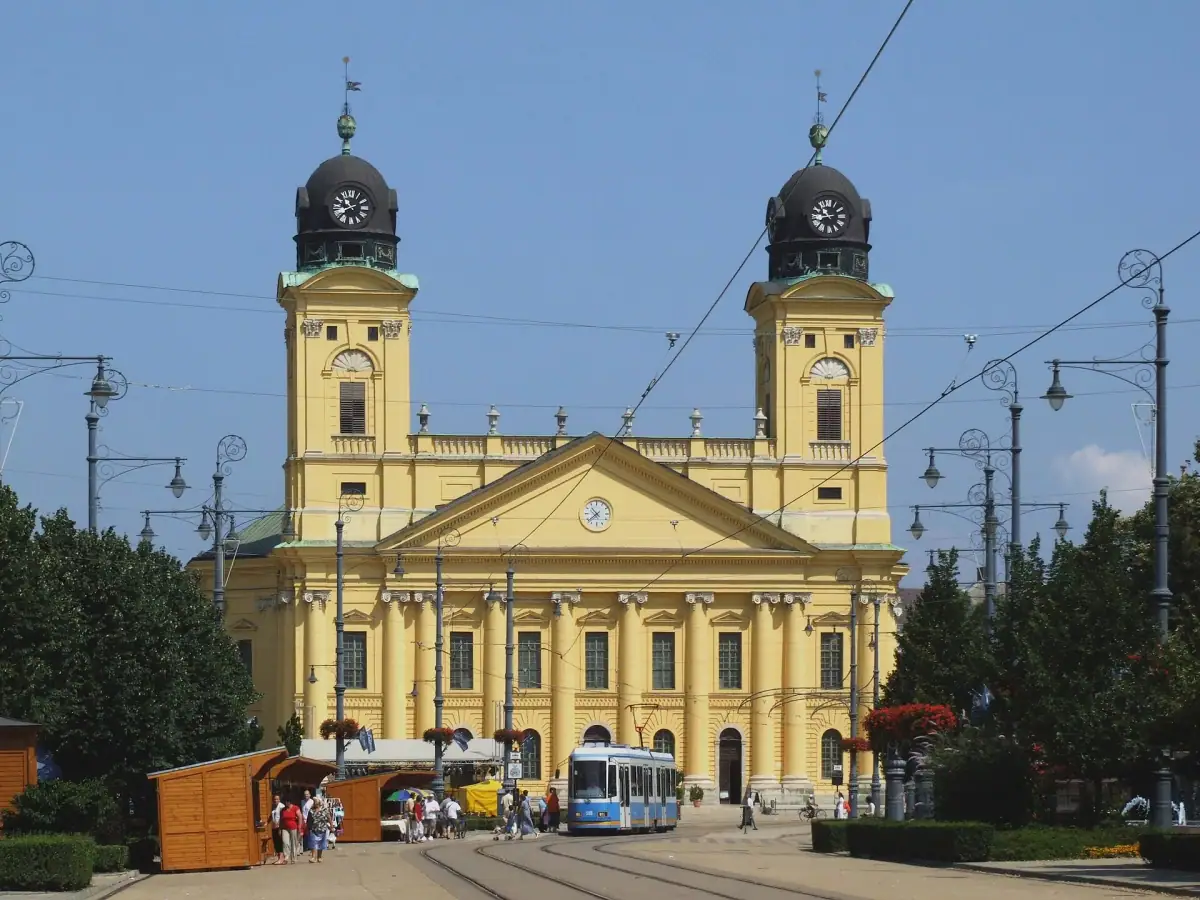
The heart of the city is Kossuth Square, a vast pedestrian esplanade lined with 19th-century buildings. This is where Debrecen’s most emblematic monument stands: the Great Reformed Church, with its pale yellow neoclassical facade and two towers. It was built in the early 19th century and is considered the largest Protestant church in the country.
The interior is deliberately bare, in keeping with the Calvinist tradition: light walls, wooden benches, a central pulpit, no exuberant decoration. The whole impresses with its proportions and acoustics more than with ornaments. Depending on the period, it may be possible to climb a tower for a panorama of the city and the plain: ask there about access conditions, which may vary.
This is where Kossuth proclaimed independence in 1849, a founding event in Hungarian national memory. A statue of the revolution’s leader stands not far away, on the square that bears his name.
Allow a short hour for the church visit and a break on the square. In summer, the terraces of the surrounding cafés offer an ideal vantage point to watch city life.
The Reformed College and the historic quarter
Right next door, the Reformed College extends the visit. Founded in the 16th century, it played a key role in educating the Hungarian Protestant elite. The current building, in neoclassical style, houses a library, a museum and historic rooms. A visit helps you understand why this institution mattered so much in the city’s history.
Around the square, the historic quarter is easy to walk. You will find:
- pedestrian shopping streets, lined with 19th-century buildings,
- squares decorated with fountains, statues and flower beds,
- traditional cafés where you can taste Hungarian pastries,
- small museums and art galleries.
The center is compact: in half a day you can go around it without rushing. If you like photographing architecture, favor late afternoon, when the light warms the facades of the main square.
The Déri Museum: ancient Egypt and the Christ trilogy
A few steps from the Great Reformed Church, the Déri Museum is one of the most interesting museums in eastern Hungary. It takes its name from the collector who bequeathed his collections to the city. You discover a very varied ensemble: art, archaeology, ethnography, objects from around the world.
Two highlights stand out in particular. First, the section devoted to ancient Egypt, surprising in a plain city. Then the famous Christ trilogy by painter Mihály Munkácsy, one of Hungary’s best-known 19th-century artists. These large religious canvases, which rank among the major works of Hungarian painting of that era, justify the visit on their own.
Allow at least an hour and a half to two hours to enjoy the collections. Opening hours and prices change: check the museum’s website before going, and do not hesitate to check for any closures for works or room refurbishment.
Sleep in Debrecen
Hotels and apartments in the pedestrian center or near the park: compare prices for one or two nights.
Nagyerdő park: the city’s great forest
North of the center, Nagyerdő (literally “the great forest”) is Debrecen’s green lung. It is a vast wooded park, protected since the late 1930s, where locals come to run, walk, picnic or enjoy the terraces. It also holds several facilities: the university campus, a zoo, a botanical garden, a stadium and sports facilities.
To get there from the center, the simplest way is to take the tram, which reaches the park quickly. A walk along the shaded paths is especially pleasant in summer, when the plain gets hot. In autumn, the foliage gives lovely colors, which makes the late season a very good time for photography.
Families will appreciate the relaxed atmosphere of the place and its playgrounds. If you travel with children, the zoo is an easy activity to add to the day. Check opening hours before leaving, as they change with the seasons.
Aquaticum and the thermal baths
Hungary is the land of thermal waters, and Debrecen is no exception. In the heart of Nagyerdő, the Aquaticum complex offers hot-water pools, whirlpool baths and relaxation areas. Its particularity is a large covered space with a tropical atmosphere, with vegetation and palm trees: pleasant especially in winter, when it is cold outside.
If you have already tried the establishments of the capital described in our guide to Budapest’s thermal baths, you will find a more local atmosphere here, with clientele made up largely of residents of the region. It is a good way to end a day of walking.
A few practical tips:
- bring a swimsuit, a towel and sandals, or ask about rentals there,
- allow two to three hours to fully enjoy the pools,
- avoid busy weekends if you are looking for calm,
- check the official prices and hours before coming.
Other thermal resorts exist in the region. About twenty kilometers (12 mi) from Debrecen, the town of Hajdúszoboszló is known throughout Hungary for its baths and large water park. It can replace or complement a visit to Aquaticum if you want a whole day devoted to bathing.
Museums and culture in Debrecen
Beyond the Déri Museum, the city offers a varied cultural scene for a town of this size. The Csokonai Theatre, in neoclassical style, dominates one of the squares of the center. It hosts theater, opera and dance performances, and its facade remains one of the city’s fine buildings. Check the program if you like shows: even without speaking Hungarian, a concert or a ballet is easily enjoyed.
Debrecen is also a festival city. The best known is the Flower Carnival, held around August 20, Hungary’s national holiday. Floats decorated with flowers parade through the streets and the center fills with spectators. If your trip coincides with this date, book your lodging well in advance: rooms fill up quickly.
For history lovers, the Protestant tradition offers a common thread: churches, the college, the library and museums tell how the Reformation shaped the city. Art lovers will appreciate the local galleries, which present contemporary Hungarian artists.
Excursion to Hortobágy: the puszta within reach
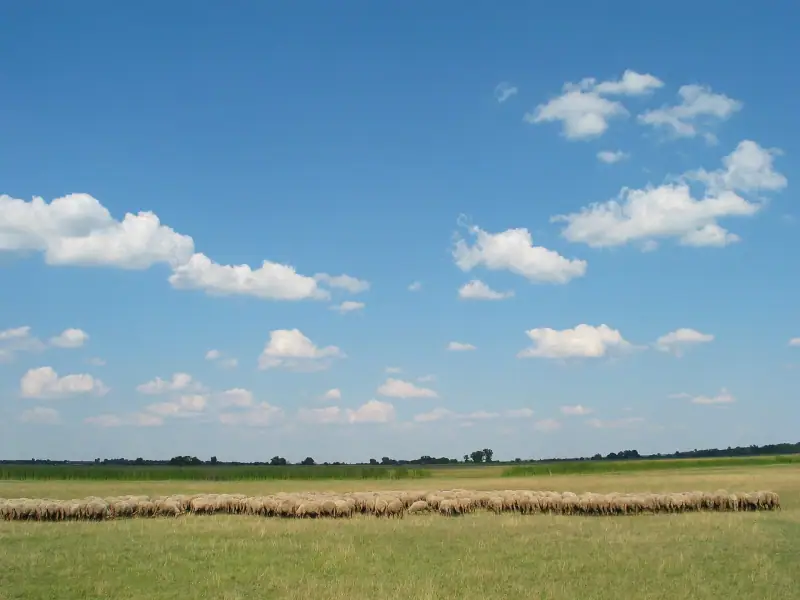
This is the must-do excursion from Debrecen. About 40 km (25 mi) west of the city lies Hortobágy National Park, the oldest and largest national park in Hungary. Its steppe expanses, called puszta, are listed as a UNESCO World Heritage cultural landscape.
You will discover a centuries-old pastoral way of life: herders, herds of Hungarian gray cattle, sheep with spiral horns, horses raised semi-free. The landscapes are flat, with an immense horizon and spectacular skies at sunset. For bird lovers, the region is also a recognized observation site, notably during the spring and autumn migrations, when large groups of waterbirds stop in the wetlands.
What you can do there:
- visit the village of Hortobágy and its famous old multi-arched bridge, one of the region’s symbols,
- watch an equestrian demonstration, often offered in season,
- take a cart ride in the puszta,
- watch birds from developed paths,
- taste the traditional cooking of herders’ inns.
The best period runs from late spring to early autumn. In midsummer, the heat can be strong: set out early in the morning and bring water and a hat. Allow a full day if you do not want to rush.
Excursions on the Great Plain
Tours, guided visits and activities around Debrecen and the puszta: book in advance.
What to eat in Debrecen
The city has its specialties, starting with the Debrecen sausage, a smoked sausage spiced with paprika, often served with mustard and bread. You will find it in many restaurants and at street stands. The cooking of the Great Plain is generous: meats, stews, fish soups, filled crepes and pastries.
In the traditional restaurants of the center, taste the cooking of the plain, which draws on the great classics described in our article on Hungarian specialties to try. For a sweet break, the confectioners and cafés of the pedestrian center offer cakes and ice cream in summer.
Another good tip: the small restaurants frequented by students, often more affordable than those on the main square. You will eat heartily for a reasonable budget. To estimate your overall spending, see our guide to the budget for traveling in Hungary.
Extending the trip: Tokaj, Eger and beyond
Debrecen is well placed to extend the trip north. The Tokaj wine region, famous for its sweet wines, is about 100 km (62 mi) away. Eger, a Baroque town and renowned vineyard, is a little further west. Our article on the wine route between Eger and Tokaj will help you build a coherent itinerary.
One possible loop, over a week, is to leave Budapest, go through Eger, then head down to Tokaj, reach Debrecen, visit Hortobágy, then return to Budapest by train. It offers a very complete panorama of inland Hungary, far from the capital’s crowds.
For a big circuit through Central Europe, Hungary combines very well with its neighbors, such as Austria and Poland, ideal for linking Vienna, Budapest and Krakow.
Rent a car for the Great Plain
To link Hortobágy, Tokaj and the villages of the plain, compare rental companies.
When to go and how long to allow
The best period to visit Debrecen runs from May to September. Days are long, Nagyerdő park is at its best and the Hortobágy excursion is more pleasant. July and August can be very hot: the plain offers little shade. Spring and early autumn combine mild temperatures and smaller crowds. Our article on when to go to Hungary details the climate and events season by season.
Winter is cold, sometimes snowy, but the thermal baths then come into their own. The city is calm, which suits travelers who prefer quiet atmospheres.
As for length:
- 1 day: Kossuth Square, Great Reformed Church, Reformed College, Déri Museum. This is enough for an overview, notably as a stop from Budapest.
- 2 days: add Nagyerdő, Aquaticum and an evening in town. This is the ideal formula.
- 3 days: add a full day at Hortobágy, or an excursion to Hajdúszoboszló or Tokaj.
Staying overnight is recommended: the city comes alive in the evening and the last train to Budapest leaves relatively early depending on the day.
Practical tips for your stay
A few pointers to prepare your visit calmly:
- Currency: Hungary uses the forint, not the euro. Bank cards are widely accepted in town, but keep a little cash for small stalls and villages.
- Language: few visitors speak Hungarian. English is understood by young people and in hotels, less in the countryside. A few polite words are much appreciated.
- City transport: the tram and buses cover the city well. Ask locally about tickets.
- Entry rules: they depend on your passport. Check the official travel advice of your government before you book: travel.state.gov (US), GOV.UK (UK), travel.gc.ca (Canada), Smartraveller (Australia) (checked November 2026).
- Insurance: for a stress-free trip, consider looking into travel insurance.
Debrecen does not try to rival Budapest, and that is all its charm. It is a lively, welcoming and authentic city, which lets you discover another side of Hungary, between Protestant history, spa culture and the horizons of the puszta.
Frequently asked questions
Is Debrecen worth the trip from Budapest?
Yes, if you are looking for a less touristy Hungary. Debrecen is one of the largest cities in the country, with a very pleasant pedestrian center, a unique Protestant heritage, a thermal park and the Hortobágy puszta nearby. It can be reached by train from Budapest in a little over two hours.
How long does it take to visit Debrecen?
One day is enough for the historic center, the Great Reformed Church and the Déri Museum. With two days, you add Nagyerdő park, the baths and an excursion to the Hortobágy puszta. Three days let you continue to Tokaj or the neighboring thermal resorts.
How do you get from Budapest to Debrecen?
The direct train is the simplest option: allow a little over two hours from Budapest, with regular departures during the day. The road is about 220 km (137 mi) by motorway. Check the day's timetables and fares on the Hungarian rail companies' sites.
Why is Debrecen called the "Calvinist Rome"?
Because from the 16th century the city became the main center of Reformed Protestantism in Hungary. Its Reformed College, founded in the 16th century, trained generations of pastors and intellectuals, and the Great Reformed Church is its symbol today.
Can you visit Hortobágy without a car?
It is possible: the national park is about 40 km (25 mi) west of Debrecen and train and bus services exist. Organized tours remain practical for seeing the herds and equestrian shows without depending on timetables. Check frequencies before you leave, as they are reduced off season.
What is the best time to visit Debrecen?
From May to September to enjoy Nagyerdő park, the terraces and the puszta. The Flower Carnival, around August 20, is the summer's big event. Winter is cold but ideal for the thermal baths, with a very quiet city.
More Hungary guides
Keep reading
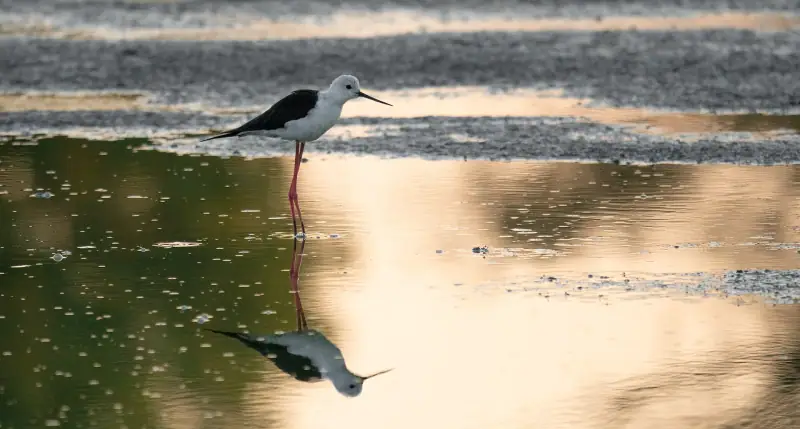
What to see on the Great Hungarian Plain: Hortobágy, Kecskemét, Szeged and Debrecen
What to see on the Great Plain (Alföld) in Hungary: Hortobágy puszta, Kecskemét's Art Nouveau, Szeged, thermal baths and tips for planning your circuit.
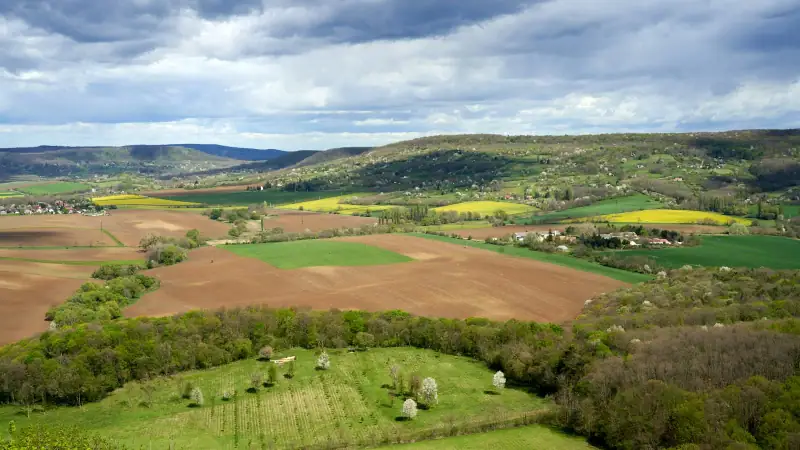
What to see in northern Hungary: villages, caves and mountains
Hollókő, Aggtelek caves, Lillafüred, Szilvásvárad, Sárospatak: what to see in northern Hungary beyond Eger and Tokaj, with journeys and tips.
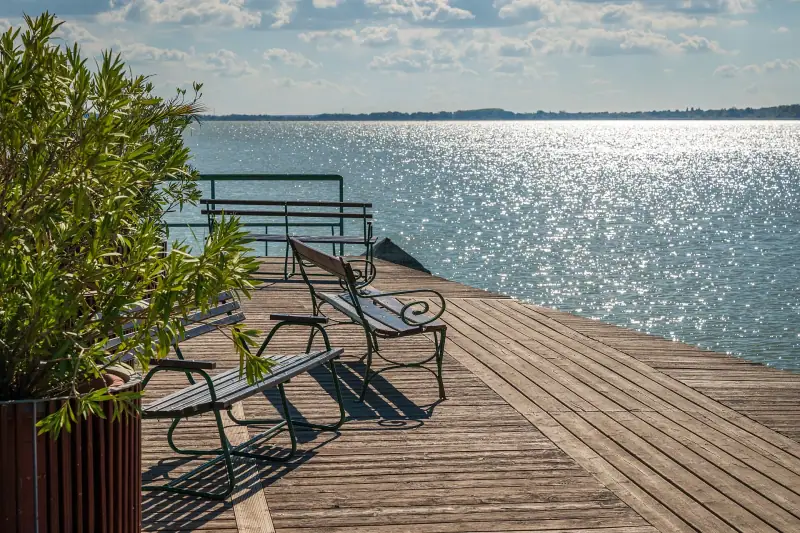
Lake Balaton: what to see and do around the "Hungarian sea"
Lake Balaton in Hungary: Siófok, Tihany, Balatonfüred, Badacsony, Keszthely and Hévíz. What to see, how to get there from Budapest and where to stay.
Ready-made
Hungary itineraries
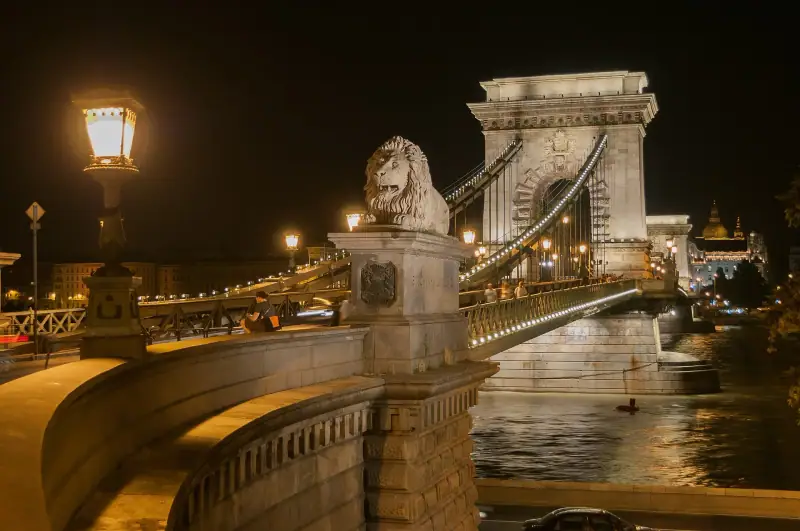
7 days
A week in Hungary by car: a 7-day road trip from Budapest to Pécs
BudapestTihany or BalatonfüredKeszthelyPécs
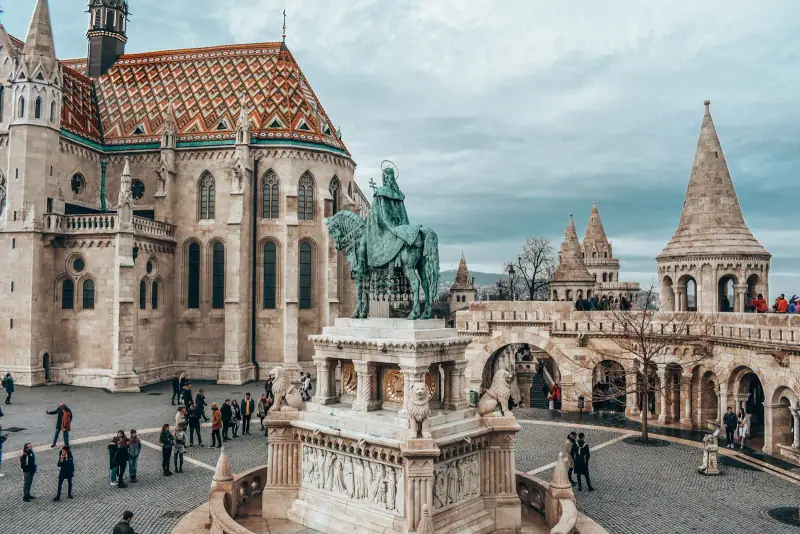
3 days
Budapest in 3 days: a day-by-day itinerary for a first stay
Budapest in 3 days: a detailed plan across Buda and Pest, Parliament, the castle, thermal baths, the Great Market Hall and a Danube stroll.
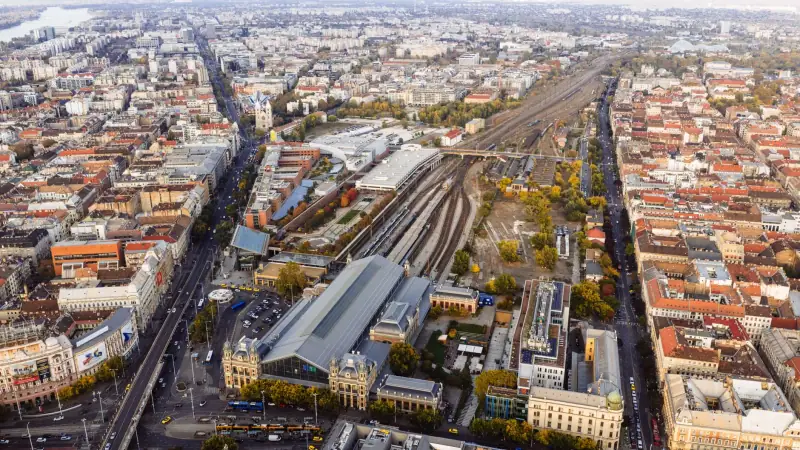
7 days
Hungary in 7 days without a car: a realistic itinerary by train and bus
BudapestEgerSiófok