Plan your trip
When to go to Hungary: seasons, weather and events month by month
We may earn a commission when you book through links on this page, at no extra cost to you. We don't visit or try the places we cover: we summarize published sources. How we work
In short
- Spring (April to June) and early autumn (September-October) offer the best compromise of pleasant temperatures, reasonable crowds and cultural programming.
- Summer suits Lake Balaton, with frequent highs above 30 °C (86 °F) on the plain and in Budapest; winter suits thermal baths and Christmas markets.
- Swimming in Lake Balaton is mostly from June to early September; Christmas markets run from late November to late December.
- Prices are generally lowest in January and February, and in November outside holidays; event weekends and year-end holidays push lodging rates up.
Choosing the right season really changes the experience of a trip to Hungary. The country has a continental climate: cold winters, hot summers, contrasting shoulder seasons. But above all, each season offers a different face. Budapest is best explored on foot in spring, Lake Balaton comes alive in summer, the wine hills of Tokaj and Eger turn golden in autumn, and the thermal baths make the most sense when the temperature drops. This guide helps you choose your dates according to what you want to do.
Hungary’s climate in brief
Hungary is a country of plains and hills, with no coastline, away from oceanic influences. The result is a continental climate with large temperature swings between winter and summer. In winter, days are cold, with frequent frosts and sometimes snow, especially in the north of the country. Summer is hot, often dry, with possible heat waves in July and August. Spring and autumn are milder, but variable: always bring a jacket and rain gear.
Another useful point: day length. In December, night falls early, which is perfect for the city’s lights but reduces the time available for outdoor visits. In June, days are long and let you enjoy the Danube terraces late into the evening.
For a first stay, keep this principle in mind: Hungary can be visited all year, but the choice of season should depend on your plan. An urban weekend in Budapest has different constraints than a nature stay around Balaton or a wine getaway in the north.
Spring in Budapest: the walking season
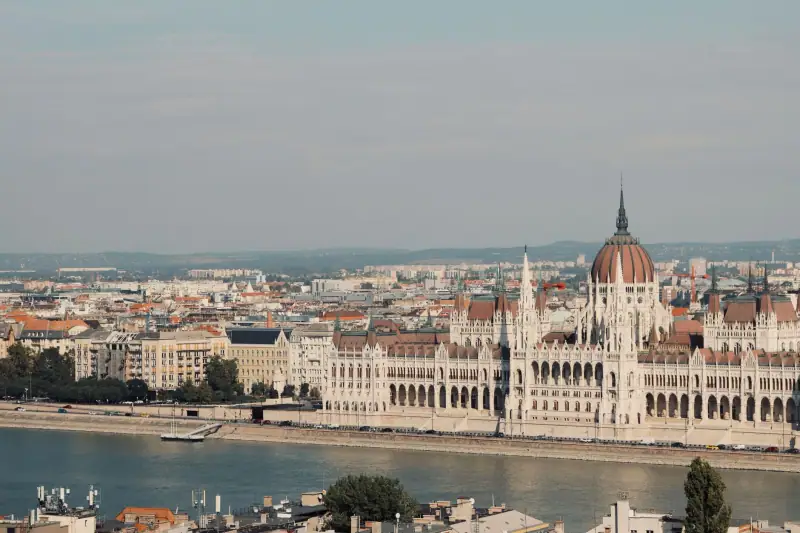
From April to June, Budapest is at its best. Temperatures let you walk all day between the castle district, the Danube banks and Andrássy Avenue, without the summer heat. Terraces reopen, parks turn green again, and Margaret Island becomes a favorite spot for walks among residents.
It is also a cultural season: the city hosts its spring festival, with concerts, opera and shows in several venues of the capital. The March 15 national holiday and the Easter period bring events and markets. For a first stay, it is the period suited to combining sightseeing and comfortable temperatures; our Budapest in 3 days itinerary fits it perfectly.
The drawbacks? Spring rains can surprise, and long weekends attract crowds. Book your lodging a few weeks ahead.
Hotels in Budapest
Compare lodging for your dates: prices vary strongly between summer, the year-end holidays and winter.
Summer: heat, festivals and Lake Balaton
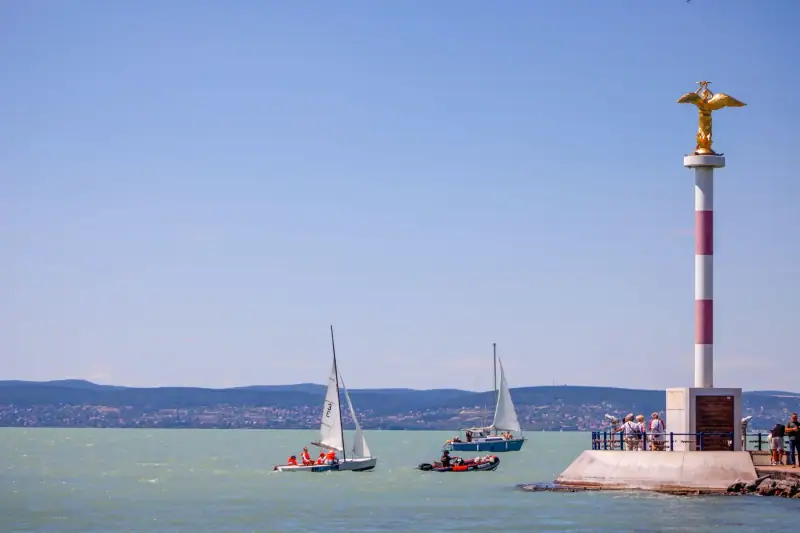
Summer is high season. Budapest can be very hot, and monuments in full sun become tiring in the middle of the day. Adapt your pace: visits early in the morning, a break in the shade or in a thermal bath at midday, a walk by the Danube in the evening.
It is festival season. Sziget, a big music festival held on a Danube island, draws an international crowd in August, and the August 20 national holiday is marked by a large fireworks display over the river. The Hungaroring Formula 1 circuit, near the capital, also hosts its Grand Prix in summer. These events push lodging prices up: book early.
Summer is above all the time for Lake Balaton, the largest lake in Central Europe. Swimming, bike rides, boats and terraces set the rhythm of many Hungarians’ holidays. The Tihany peninsula, Balatonfüred, Badacsony and Hévíz, with its thermal lake, are the best-known stops. Note that the lake gets very busy on weekends: favor weekdays if you can.
Autumn: the Tokaj grape harvest and golden light
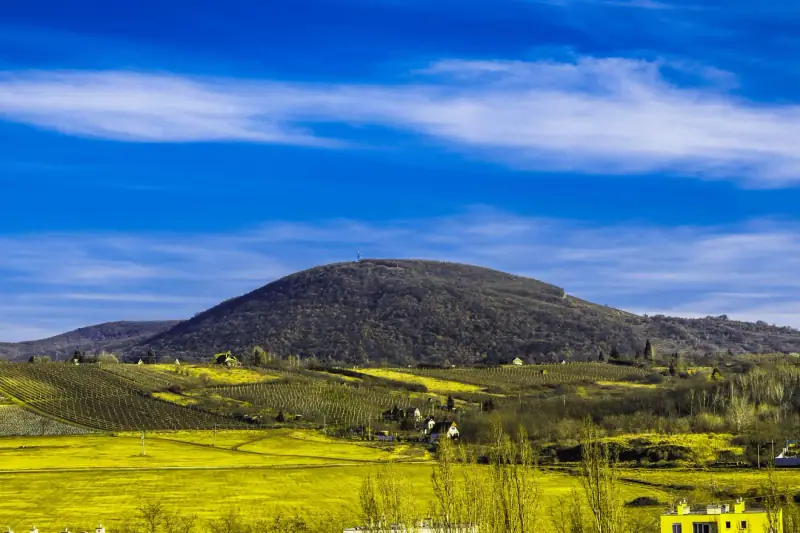
September and October are, for many travelers, the best time to go. Temperatures turn mild again, the light is beautiful, and the summer crowd has gone. In Budapest, the Danube takes on golden tints and Gellért Hill is covered with colorful foliage.
It is also the grape harvest season. The wine regions of the north, around Tokaj and Eger, come alive with wine festivals, tastings and cellar visits. If food is your priority, this is the time to combine a cellar visit with regional dining; see our guide to Hungarian cuisine and specialties to try. The Hortobágy plain, for its part, is known for autumn bird migrations, a good argument for nature lovers.
Wine tastings around Budapest
Tastings and cellar visits: autumn, the grape harvest season, is the best time.
The October 23 national holiday commemorates the 1956 revolution and brings ceremonies in the capital. From November, the weather cools markedly, days shorten, and the tourist season calms down.
Winter: thermal baths and Christmas markets
Winter is cold, but Budapest knows how to make the most of it. Several baths, such as Széchenyi, have heated outdoor pools open all year: splashing in warm water when the air is icy is one of the most memorable experiences in the city. To choose your establishment, read our guide to Budapest’s thermal baths.
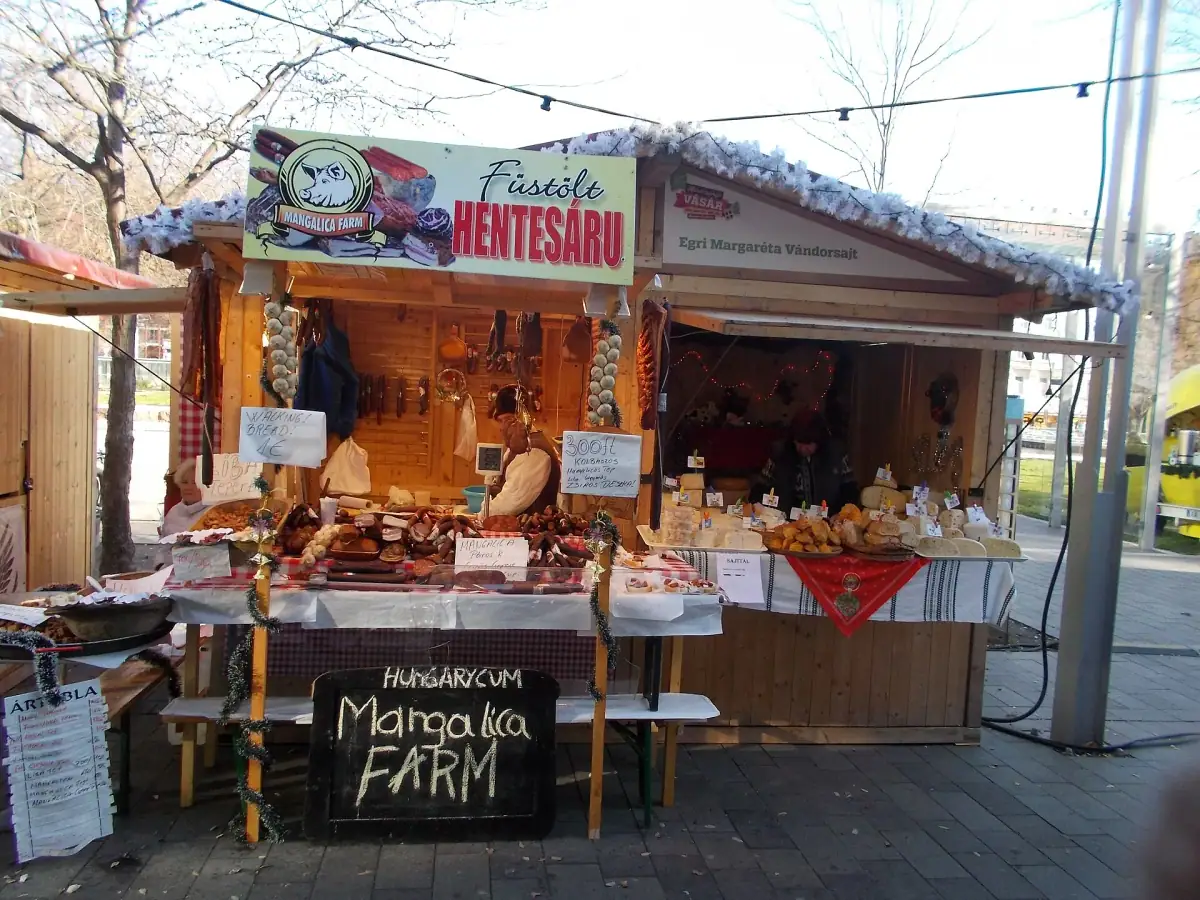
From late November to late December, Christmas markets take over the center of Pest, notably around St. Stephen’s Basilica and Vörösmarty Square. You will find crafts, mulled wine and local specialties. The lights make the city especially photogenic.
January and February are the quiet months: fewer tourists, lodging prices often lower, but short days and sometimes sharp cold. It is the ideal period for a wellness weekend, less so for a very outdoors-oriented visit. Some tourist facilities at Balaton then run at a slower pace.
Which season to choose for your plan?
To ease your choice, here are a few simple pointers:
- First stay in Budapest: April to June, or September-October, to walk comfortably.
- Thermal baths: all year, with a special charm in winter.
- Lake Balaton: June to early September for swimming; May and September for calm.
- Wine and food: September-October, at harvest time, in Tokaj and Eger.
- Christmas markets: from late November to late December.
- Small budget: January, February and November outside holidays.
- Festivals: summer, especially August, booking very early.
If you want to avoid both heat and crowds, aim for the second half of September.
Flights to Budapest
Compare flights to Budapest according to the season you choose.
Booking: when and how
Flights to Budapest are generally cheaper outside school holidays and major events. For lodging, the rule is the same: the more your stay falls on an event weekend or during the year-end holidays, the earlier you need to book. To choose the right part of the city, see our guide where to stay in Budapest.
Also allow some flexibility: many guided tours, notably of the busiest monuments, are booked in advance in high season. In low season, you can often decide at the last moment.
What to pack according to the season
- Spring and autumn: stackable layers, a waterproof jacket, comfortable walking shoes for the cobblestones.
- Summer: light clothing, a hat, sunscreen, swimsuit, and bath sandals for the thermal pools.
- Winter: a warm coat, gloves, a hat, non-slip shoes. Do not forget your swimsuit: the outdoor baths are one of the great pleasures of the season.
Whatever the season, bring a swimsuit and a light towel if you plan to go to the baths: some establishments rent them, others do not.
Extending the trip in Central Europe
Hungary fits well into a circuit between Central European capitals, such as Vienna and, further north, Poland. If you combine several countries, choose a season that suits every stop: spring and early autumn are generally the most versatile.
Tours and cruises in Budapest
Danube cruises, guided tours, thermal baths: activities suited to every season.
Recommendation
If you could keep only one period, choose September: summer is not quite over, the heat has eased, the grape harvest is beginning, and Budapest breathes. For a winter stay, accept the cold and bet everything on the thermal baths and Christmas markets. And if summer is your only option, organize your days around water, the Danube and Balaton.
Frequently asked questions
What is the best time to visit Hungary?
Spring (April to June) and early autumn (September-October) offer the best compromise of pleasant temperatures, reasonable crowds and cultural programming. Summer suits Balaton, winter the thermal baths and Christmas markets.
Is it very hot in Hungary in summer?
The climate is continental: summer can be hot, with frequent peaks above 30 °C (86 °F) on the plain and in Budapest. Plan to sightsee early in the morning or late in the day and enjoy the baths or the lake in the hot hours.
Can you go to the thermal baths in winter?
Yes, it is even one of the great pleasures of the season. Several baths, including Széchenyi, have heated outdoor pools open all year: bathing in warm water in cold weather is a typical Budapest experience.
When can you swim in Lake Balaton?
Swimming is mostly from June to early September, when the water is warmest. The rest of the year, many lakeside facilities are closed or run at a slower pace.
When are the Budapest Christmas markets?
They generally set up from late November to late December, notably around St. Stephen's Basilica and Vörösmarty Square. Check the exact dates for the year before booking.
What is the cheapest period?
Prices are generally lower in January and February, and in November outside holiday periods. Weekends of major events and the year-end holidays, on the other hand, push lodging rates up.
More Hungary guides
Keep reading
Budget for a trip to Hungary: real costs and 3 priced profiles
How much does a trip to Hungary cost? Real 2026 prices by item (lodging, transport, meals, activities), three priced budgets and tips to spend less.
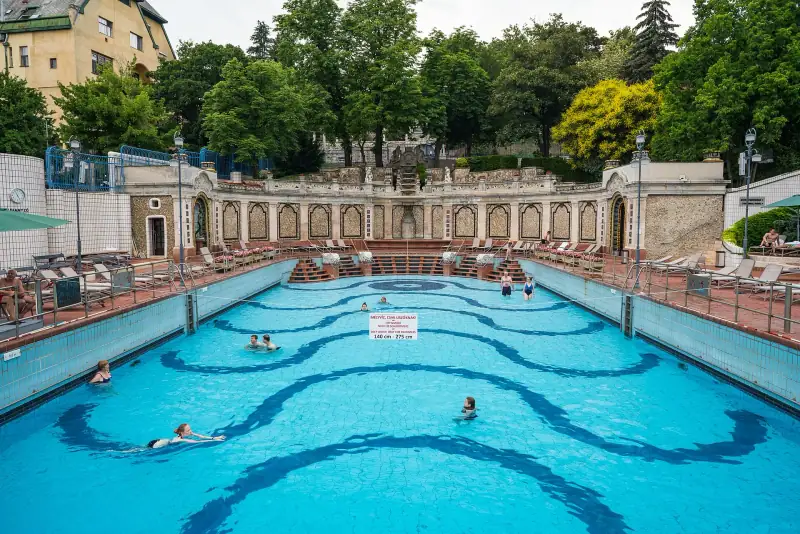
Hungary with kids: trip ideas and activities with children
Traveling in Hungary with children: thermal baths, zoo, Children's Railway, Danube, Balaton and open-air museum. Activity ideas, pace and practical tips.
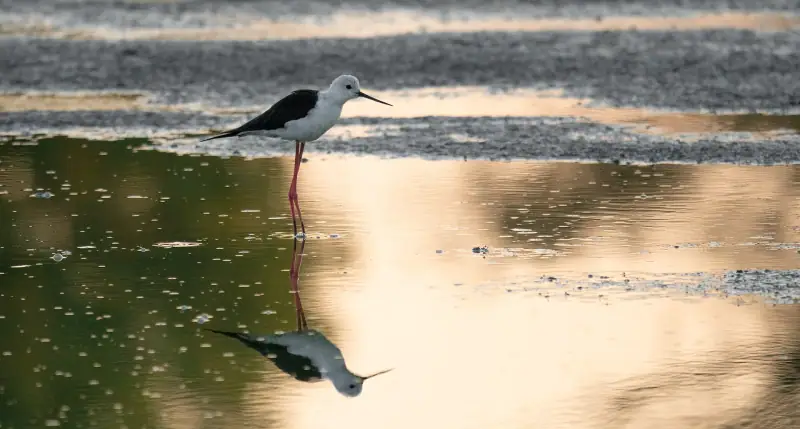
What to see on the Great Hungarian Plain: Hortobágy, Kecskemét, Szeged and Debrecen
What to see on the Great Plain (Alföld) in Hungary: Hortobágy puszta, Kecskemét's Art Nouveau, Szeged, thermal baths and tips for planning your circuit.
Ready-made
Hungary itineraries
7 days
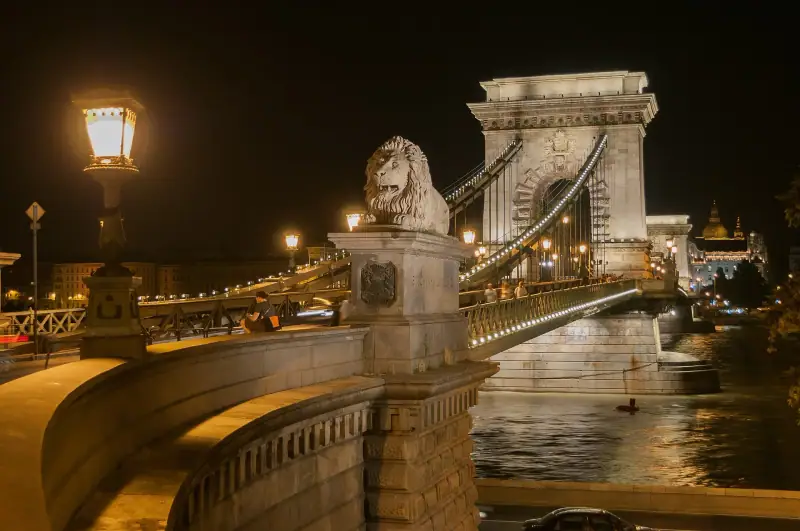
A week in Hungary by car: a 7-day road trip from Budapest to Pécs
BudapestTihany or BalatonfüredKeszthelyPécs
3 days
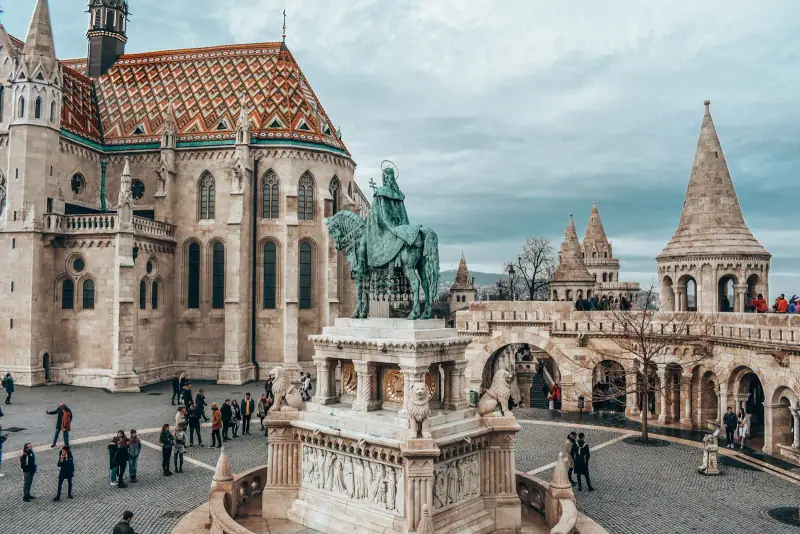
Budapest in 3 days: a day-by-day itinerary for a first stay
Budapest in 3 days: a detailed plan across Buda and Pest, Parliament, the castle, thermal baths, the Great Market Hall and a Danube stroll.
7 days
Hungary in 7 days without a car: a realistic itinerary by train and bus
BudapestEgerSiófok