What to see
Lake Balaton: what to see and do around the "Hungarian sea"
We may earn a commission when you book through links on this page, at no extra cost to you. We don't visit or try the places we cover: we summarize published sources. How we work
In short
- Lake Balaton is the largest lake in Central Europe, about 75 km (47 mi) long. The south shore is flat and lively, the north shore hilly with villages and vineyards.
- From Budapest allow about 1 h 15 to 1 h 30 by car to Siófok and about 2 h to Keszthely and Hévíz.
- June and September offer the best compromise of mild weather, pleasant water and fewer crowds; July and August are peak season.
- Two nights are enough for one area of the lake; three or four nights let you combine the north shore and the western end.
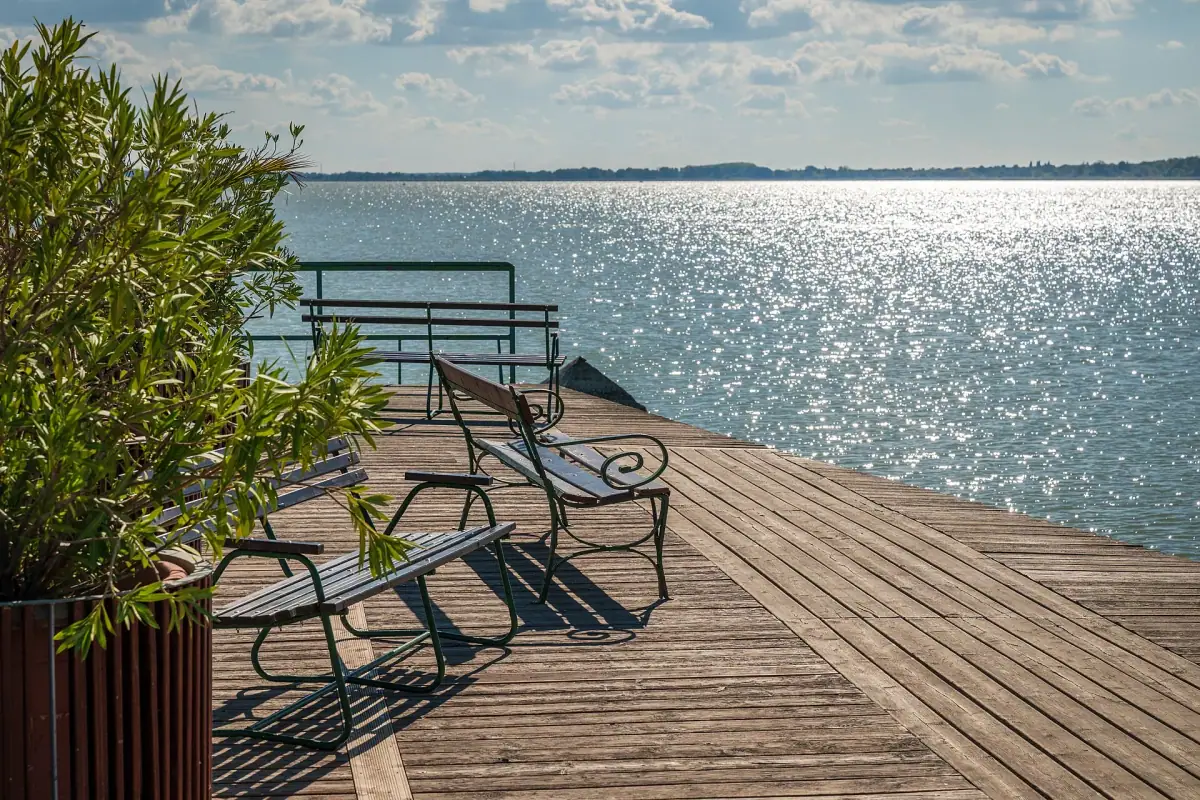
Nicknamed the “Hungarian sea”, Lake Balaton is the largest lake in Central Europe. It stretches about 75 kilometers (47 mi) long for a width that rarely exceeds ten kilometers (6 mi), and its shallow depth warms it quickly once the good weather arrives. For Hungarians, it is the holiday destination par excellence, with beaches, vineyards, stone villages and spa towns.
For a traveler coming from Budapest, it is the natural complement to a city stay. This guide presents the main stops on each shore, the journeys to plan and tips for organizing two to four days without piling up the kilometers.
Understanding the lake: north shore, south shore and western end
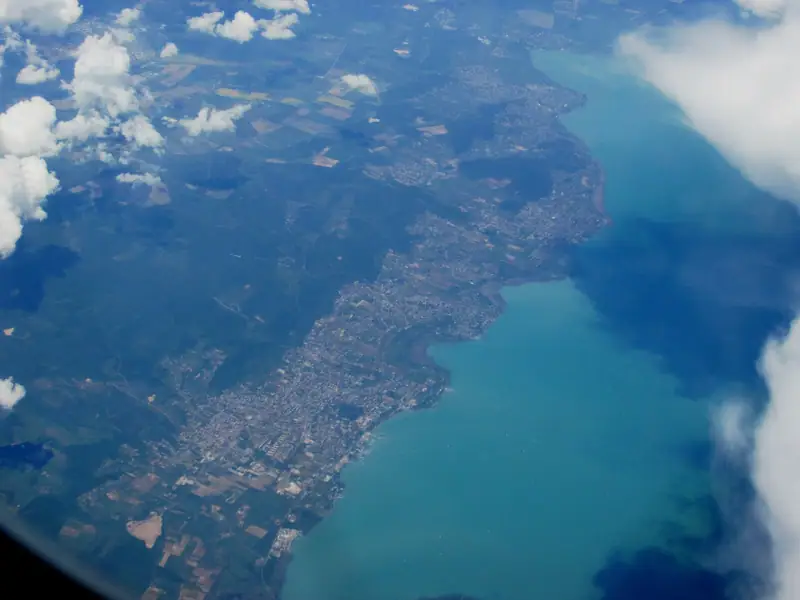
Balaton does not have a single face. Each shore has its own atmosphere, and the choice of base shapes the whole trip.
- The south shore, flat, with shallow-water beaches, is that of the big lively resorts, with Siófok as the flagship. It suits families and those looking for swimming and evenings out.
- The north shore, hilly, offers historic villages, wine hills and the finest panoramas. This is where you find the Tihany peninsula, Balatonfüred and the Badacsony region.
- The western end, around Keszthely and Hévíz, mixes Baroque heritage and thermal cures.
A practical rule: if you like parties and the beach, head south; if you are after calm, food and landscapes, favor the north.
From Budapest: journeys and transport
The lake is about 1 h 15 by road from the capital for the south shore, and about 2 h for the western end. In summer, busy weekends on the M7 motorway can noticeably lengthen these times: avoid Friday evening and Sunday evening if possible.
- By train: services leave Budapest-Déli station for Siófok and for the stations of the north shore. The journey is longer than by car, but the fare remains moderate and the railway runs along the lake for long stretches.
- By car: this is the most flexible option for linking villages and vineyards. Compare rental prices in advance, especially in July and August.
- By boat: in season, lake services link several shores, notably between the south shore and the Tihany peninsula. Check the day’s timetable, which changes with the season.
If you arrive in the capital first, our three-day itinerary in Budapest combines well with two or three nights at Balaton.
Flights to Budapest
Balaton is reached from Budapest airport: compare flights before booking.
Siófok: the big resort of the south shore
Siófok is the liveliest of the lake’s resorts. It lines up organized beaches, promenades, terraces and nightlife, and attracts a young crowd in high season. It is also the most accessible base from Budapest, whether by train or by car.
What you do there: swim in shallow water, stroll along the harbor, rent a bike or enjoy water sports. Off season, the town is much calmer and some establishments close, which completely changes the experience.
Siófok suits a short, car-free stay well. However, if you are looking for villages with character and hilly landscapes, you will have to reach the other shore: the Tihany peninsula is not far and makes an excellent next stop.
Tihany: the abbey peninsula
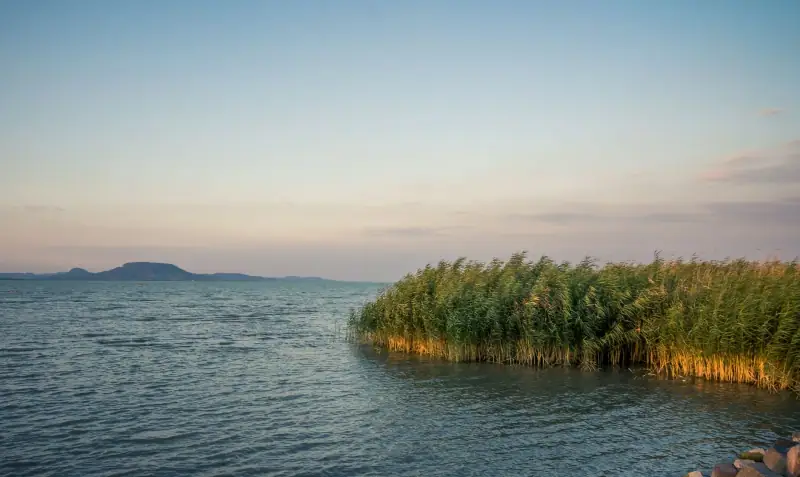
The Tihany peninsula juts into the lake like a finger of volcanic land and is one of Balaton’s most emblematic sites. The Benedictine abbey, founded in the 11th century, overlooks the village and offers one of the finest views of the lake. The town, with its low, flowered houses, is very busy in summer: arrive early in the morning or late in the day to enjoy its lanes.
The area is also known for its lavender fields, which generally bloom in early summer, and for the products made from them. Trails let you walk around the peninsula and reach viewpoints over the water.
To get there from the south shore, a ferry links the peninsula to the opposite shore: the crossing is short and practical if you travel by car, but the wait can get longer in high season.
Accommodation around Lake Balaton
Compare hotels, guesthouses and apartments in Siófok, Balatonfüred, Keszthely or Hévíz.
Balatonfüred and the north shore
Balatonfüred is a historic spa town on the north shore, appreciated for its elegant waterside promenade, its old villas and an atmosphere more relaxed than Siófok’s. It is a pleasant base for anyone who wants to combine swimming and sightseeing, with Tihany nearby.
Along the north shore, villages follow one another, each with its cellars, small squares and viewpoints. The road is beautiful, but it takes time: allow long stops for panoramas and tastings.
This shore is ideal for a relaxed approach to Balaton: lodging in a village, a morning walk by the water, a lunch of lake fish, then an afternoon devoted to discovering local heritage.
Badacsony and the Balaton wines
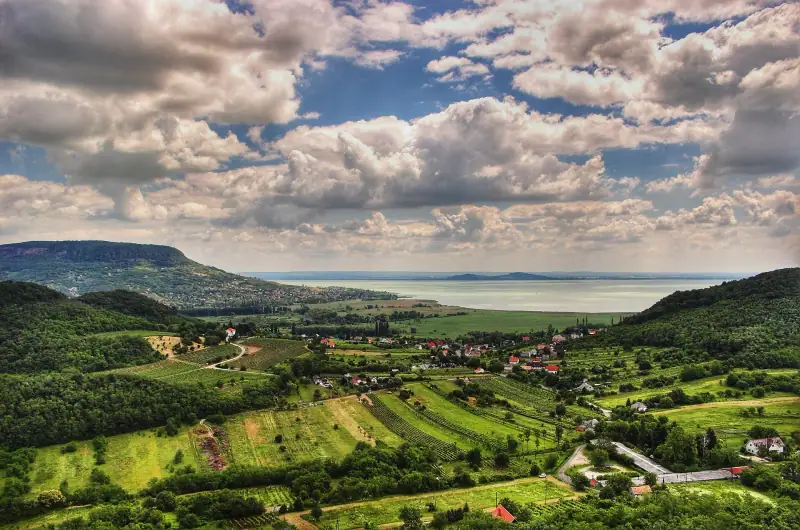
Around Badacsony, old volcanoes with vine-covered slopes overlook the lake. The hill is the heart of a renowned wine region, which produces notably white wines. It is one of the most recommended stops for those who like to combine landscape and food.
You walk the trails that climb between the vines, with open views over the water, then stop at a cellar for a tasting. If you are driving, name a designated driver or choose a supervised tasting: in Hungary, the tolerance for alcohol behind the wheel is zero.
The ruins of nearby Szigliget Castle round out the visit for those who like viewpoints over the lake. To learn more about the country’s flavors before tasting the local wines, see our guide to Hungarian specialties to try.
Excursions and tours around Balaton
Wine tastings, boat rides and guided tours to book in advance.
Keszthely: Baroque heritage
At the western end of the lake, Keszthely is a town with character more than a simple seaside resort. Its main monument is the Festetics Palace, the Baroque residence of one of Hungary’s great aristocratic families, surrounded by gardens. The visit combines easily with a walk in the pedestrian center and along the lakeshore.
The town is an excellent base for anyone who wants to explore the western part of Balaton without moving every day. It offers beaches, cultural life and immediate proximity to Hévíz.
Hévíz: swimming in a thermal lake
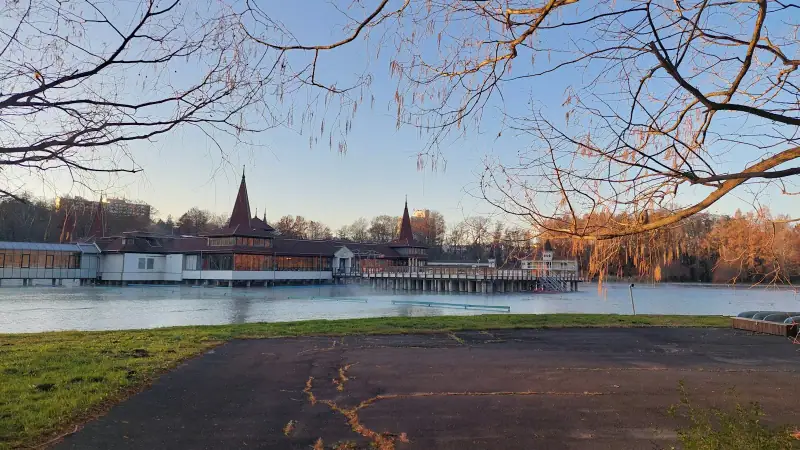
Hévíz, a few kilometers from Keszthely, is famous for its natural thermal lake, one of the largest in Europe, whose water stays pleasant for swimming even when the temperature drops. Water lilies float on its surface and you swim in a green setting, often as part of a cure.
It is a different alternative to the large establishments of the capital: if you liked the atmosphere described in our guide to Budapest’s thermal baths, Hévíz offers a more natural version. Check hours and prices on the official website before your visit, as they vary with the season.
When to go and how long to stay
- June and September: pleasant weather, water already mild, moderate crowds. This is the period recommended for most travelers.
- July and August: peak season, ideal swimming, but higher prices, busy roads and booking advised well in advance.
- Spring and autumn: calm landscapes, grape harvest in autumn on the north shore, but some seasonal businesses are closed.
- Winter: the lake sometimes freezes over, tourism is reduced; Hévíz nonetheless remains a popular thermal destination.
As for length, two nights are enough to discover one area of the lake; three or four nights let you combine the north shore and the western end. Balaton also fits into a wider circuit, combining easily with other Central European stops.
Sample 3-day itinerary
Day 1: Budapest to Siófok or Tihany. Leave the capital in the morning, arrive at the lake early in the afternoon. Swimming or a walk, then dinner by the water.
Day 2: north shore. Tihany peninsula in the morning, lunch in Balatonfüred, then the road to Badacsony for a walk in the vines and a tasting at the end of the day.
Day 3: Keszthely and Hévíz. Visit the Festetics Palace in the morning, thermal bath in Hévíz in the afternoon, then return to Budapest in the evening. Allow about 2 h of driving.
This pace means a reasonable drive each day, well under 200 kilometers (124 mi), and leaves time for swimming.
Practical tips
- Currency: the forint (HUF) is the country’s currency; keep a little cash for small shops and beaches.
- Beaches: many access points are paid; ask at the entrance.
- Booking: in July and August, book lodging well in advance.
- Travel insurance: for a stay abroad, consider travel insurance.
- Cycling: a cycle path goes around the lake, with easy sections and hillier ones.
Lake Balaton is best enjoyed by taking your time: choose an area, settle in, and let the landscapes and the wines do the rest.
Frequently asked questions
How long does it take to get from Budapest to Lake Balaton?
Allow about 1 h 15 to 1 h 30 by car to Siófok, on the south shore, and about 2 h to reach Keszthely and Hévíz at the western end. The train from Déli station takes a little longer but remains simple for Siófok and Balatonfüred.
What is the best time to visit Lake Balaton?
July and August are the swimming season, but also the busiest. June and September offer a good compromise between mild weather, pleasant water and reduced crowds. Off season, many businesses in the resort towns close.
Can you do Balaton in a day from Budapest?
It is possible for a single stop, for example Siófok or Tihany, but the journeys are long. Two nights there let you combine one shore of the lake, a village and a wine tasting without rushing.
Is Lake Balaton suitable for swimming?
Yes, it is the country's main leisure lake. The water is shallow on the south shore, which warms it quickly in summer and suits families. Access is often through organized beaches, sometimes paid.
Do you need a car to visit Balaton?
It is useful for linking the villages of the north shore and the Badacsony region. Without a car, the train runs along both shores and buses or boats complete the network, with reduced schedules off season.
More Hungary guides
Keep reading
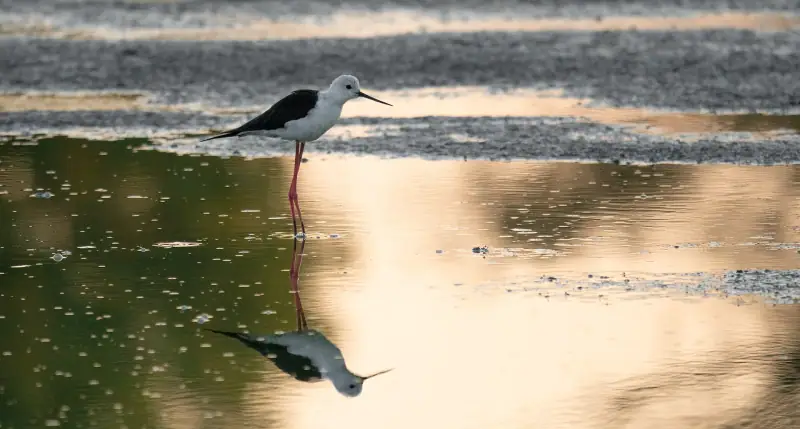
What to see on the Great Hungarian Plain: Hortobágy, Kecskemét, Szeged and Debrecen
What to see on the Great Plain (Alföld) in Hungary: Hortobágy puszta, Kecskemét's Art Nouveau, Szeged, thermal baths and tips for planning your circuit.
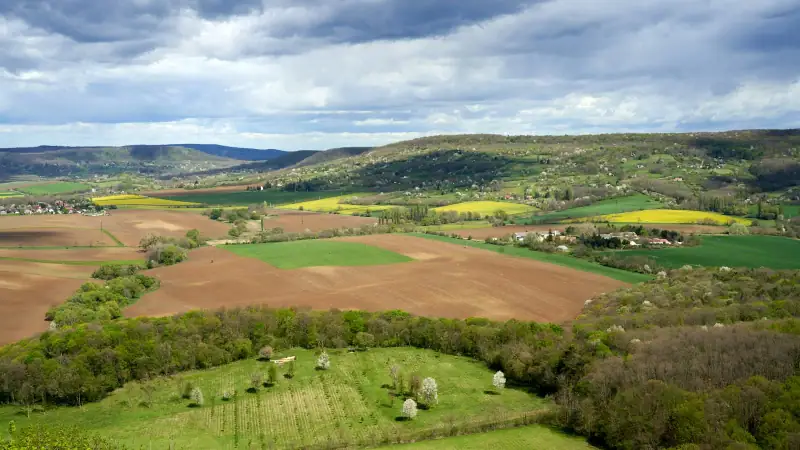
What to see in northern Hungary: villages, caves and mountains
Hollókő, Aggtelek caves, Lillafüred, Szilvásvárad, Sárospatak: what to see in northern Hungary beyond Eger and Tokaj, with journeys and tips.
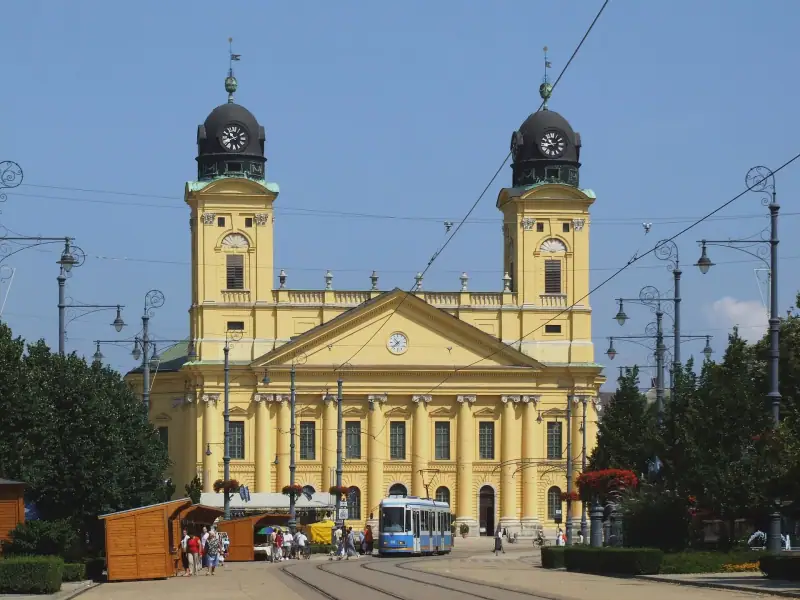
Visiting Debrecen: what to see and do in eastern Hungary's big city
Debrecen in Hungary: Great Reformed Church, Déri Museum, Nagyerdő park, Aquaticum baths and the Hortobágy puszta. Access from Budapest and tips.
Ready-made
Hungary itineraries
7 days
A week in Hungary by car: a 7-day road trip from Budapest to Pécs
BudapestTihany or BalatonfüredKeszthelyPécs
3 days
Budapest in 3 days: a day-by-day itinerary for a first stay
Budapest in 3 days: a detailed plan across Buda and Pest, Parliament, the castle, thermal baths, the Great Market Hall and a Danube stroll.
7 days
Hungary in 7 days without a car: a realistic itinerary by train and bus
BudapestEgerSiófok