Itineraries
Budapest in 3 days: a day-by-day itinerary for a first stay
We may earn a commission when you book through links on this page, at no extra cost to you. We don't visit or try the places we cover: we summarize published sources. How we work
Day by day
- Day 1Buda: Chain Bridge, castle, Matthias Church, Fisherman's Bastion, Gellért Hill
- Day 2Parliament, St. Stephen's Basilica, Great Market Hall, Jewish Quarter
- Day 3Andrássy Avenue, Heroes' Square, City Park, Széchenyi baths
Weather through the year on this route
| Jan | Feb | Mar | Apr | May | Jun | Jul | Aug | Sep | Oct | Nov | Dec | |
|---|---|---|---|---|---|---|---|---|---|---|---|---|
| High °F (°C) | 362 | 415 | 5010 | 6217 | 7021 | 7926 | 8228 | 8329 | 7323 | 6116 | 489 | 373 |
| Low °F (°C) | 24-4 | 26-3 | 331 | 415 | 5010 | 5815 | 6217 | 6116 | 5211 | 436 | 352 | 27-3 |
Normals 1991–2020 at Budapest and Balatonfüred: averages over 30 years, not a forecast. Source: NASA POWER (MERRA-2), grid of about 50 km. Figures computed by us in November 2026. Rain is shown only where a weather station confirms the figures.
In short
- Three days are enough for the essentials: Buda and the castle on day 1, central Pest on day 2, Andrássy Avenue, City Park and a thermal bath on day 3.
- The whole itinerary can be done on foot, by metro, tram or bus. A car is only useful for trips outside the capital.
- The currency is the forint (HUF), not the euro. Book the Parliament tour ahead, especially in high season.
- A fourth day works well for a trip around the Danube Bend: Szentendre, Visegrád and Esztergom.
Budapest is ideal for a short stay. The center is compact, the Danube is a constant landmark, and the major sights fall naturally between Buda, on the right bank, and Pest, on the left bank. In three days you can see the essentials without rushing, as long as you group visits by area.
This itinerary is designed for a first stay, on foot and by public transport. It alternates monuments, walks and breaks, and leaves room for a thermal bath, almost a must-do in the Hungarian capital.
Before you go: organizing your stay
To limit travel time, choose accommodation in central Pest, from where most stops are reachable on foot or in a few metro stations. Our guide to choosing a neighborhood in Budapest details the pros and cons of each area.
A few useful points:
- The metro, trams and buses cover the whole city; Deák Ferenc tér station is the junction of the metro lines.
- A multi-day travel pass quickly pays off if you make many trips: compare the options on the transport network’s official site before you leave.
- Bring good shoes: the cobblestones of Buda and the climbs up Castle Hill are more tiring than you might expect.
- The currency is the forint (HUF), not the euro, even though some tourist businesses accept euros at a rate that is often unfavorable.
Day 1: Buda, the castle and the heights
Accommodation in Budapest
Compare hotels and apartments for three nights in the center of the capital.
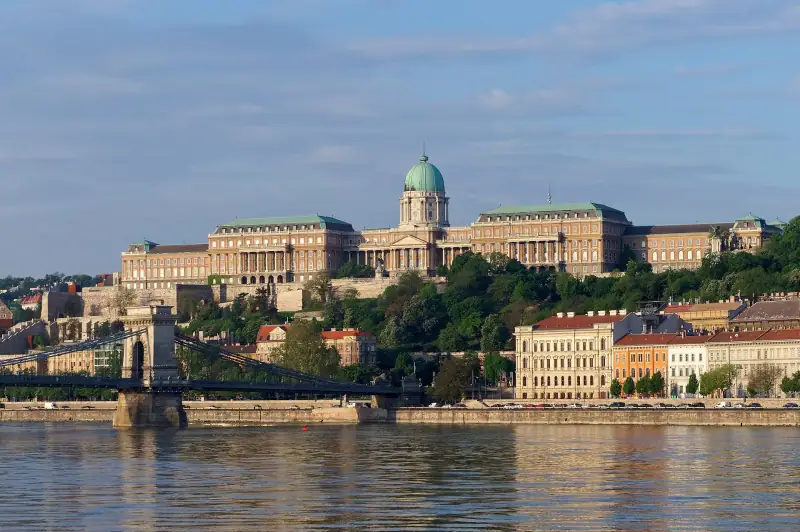
Start the day on the Buda side, preferably early, before the groups arrive. The castle district, a UNESCO site along with the Danube embankments, overlooks the river from its hill. You can climb up on foot by the stairs and lanes, or take the funicular from the foot of the Chain Bridge.
The morning plan
- The Chain Bridge: cross it on foot from Pest to take in the scale of the Danube right away and see the view of the castle.
- The Royal Palace and its terraces: the complex now houses museums and the national library. A walk along the terraces gives fine panoramas.
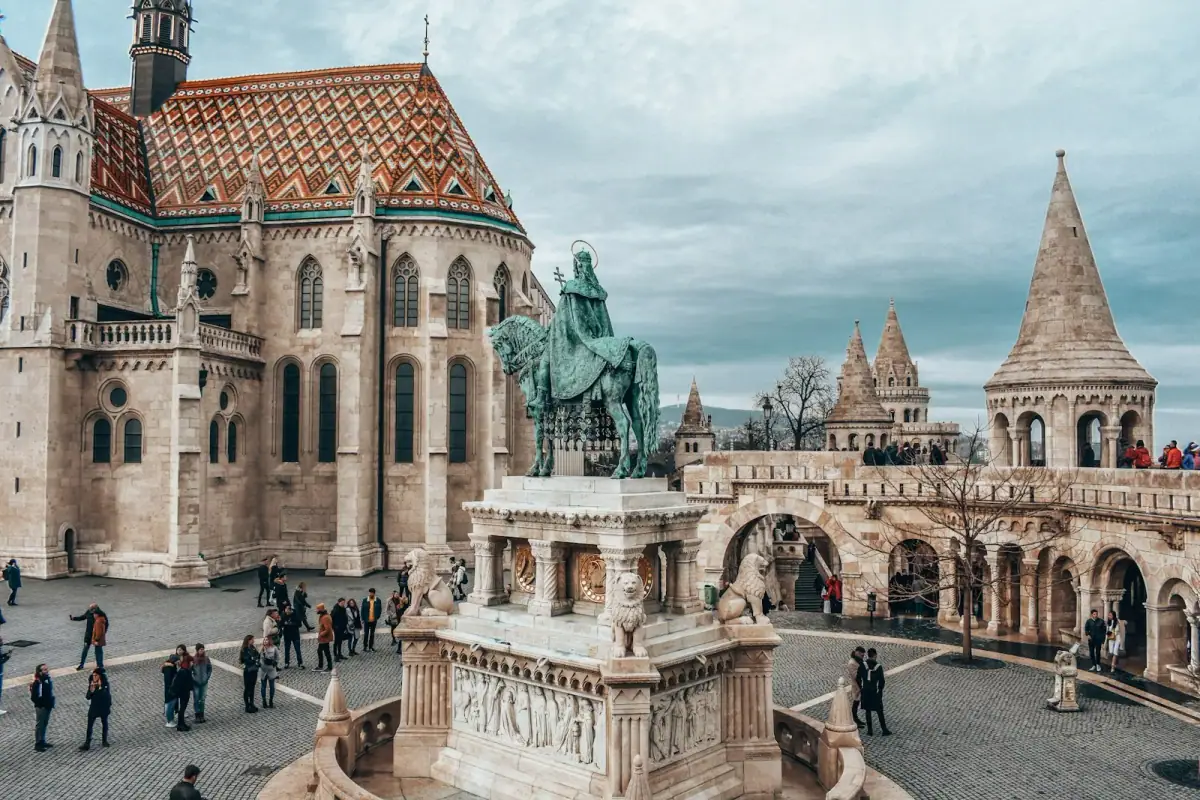
- Matthias Church: recognizable by its colorful tiled roof, it is one of the city’s emblematic monuments.
- Fisherman’s Bastion: its white turrets offer a spectacular view of the Danube and Parliament. The area is very busy during the day: early morning or late afternoon are quieter.
Have lunch in the lanes of the district or head back down toward the river: places near the most visited sights mainly target passing visitors, so do not hesitate to walk a few streets away.
The afternoon: Gellért Hill
Head to Gellért Hill and its citadel, which offers one of the best viewpoints over the city, especially at the end of the day. The climb is by paths from the embankments. At the foot of the hill are the famous Gellért baths, which you will find in our guide to Budapest’s thermal baths.
Finish with a walk along the embankment on the Pest side to see the castle and the bridges light up at nightfall: it is one of the finest sights in the city.
Day 2: the heart of Pest, from Parliament to the Great Market Hall
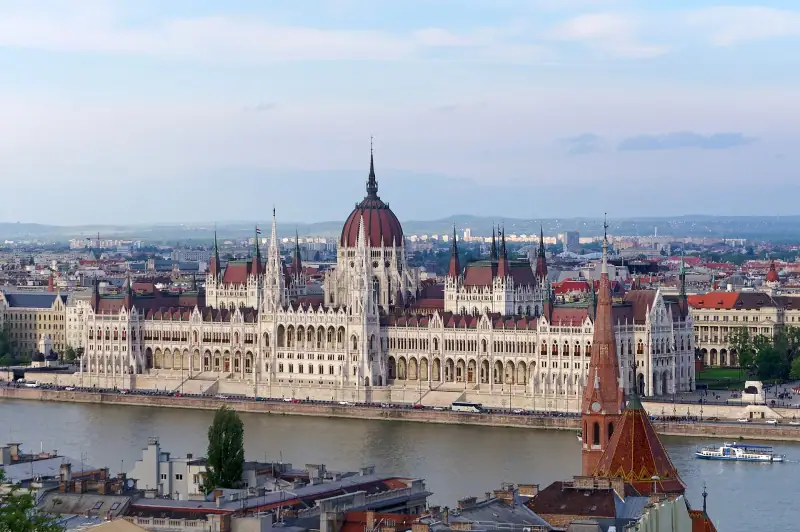
The second day is devoted to the left bank, where the great 19th-century buildings are concentrated. You can do everything on foot, following the Danube roughly from north to south.
Parliament and its surroundings
The Hungarian Parliament, in neo-Gothic style, is one of the largest of its kind in Europe and the most famous image of Budapest. The interior can only be visited on a guided tour: book ahead, especially in high season, and check opening days on the official site. Even without going in, the facade seen from the embankments or from the Buda bank is worth the detour.
Not far away, on the riverbank, the Shoes on the Danube Bank memorial honors the Jewish victims murdered during World War II. It is a sober and moving place that deserves a moment of reflection.
St. Stephen’s Basilica and Belváros
Continue to St. Stephen’s Basilica, whose dome offers a view over the city. Then walk through the old town of Belváros, its pedestrian streets and squares, to the Great Market Hall.
The Great Market Hall
The Great Market Hall, set in a vast late 19th-century hall, is an excellent place to have lunch and try local specialties: cured meats, paprika, seasonal produce and hot snacks upstairs. Our article on Hungarian food helps you recognize the dishes to try, and our guide to the Great Market Hall in Budapest gives opening hours and prices.
Guided tours and cruises in Budapest
Walking tours, Danube cruises and experiences to book in advance.
The Jewish Quarter at the end of the day
In the afternoon, explore the Jewish Quarter, around the great synagogue on Dohány Street, one of the largest in Europe. In the evening the streets come alive: bars set in old buildings, decorated courtyards, restaurants and street food. An evening in this area is a simple way to feel the energy of the city.
Day 3: Andrássy Avenue, City Park and the baths
For the last day, head up Andrássy Avenue, a grand boulevard lined with elegant buildings and listed by UNESCO. It links the center to Heroes’ Square and City Park (Városliget).
Andrássy Avenue
You can walk it or take metro line M1, the oldest in the network, which runs underneath. Along the way, the opera house, cafés and shops invite you to slow down. If 20th-century history interests you, the House of Terror offers an exhibition on totalitarian regimes.
Heroes’ Square and City Park
Heroes’ Square, with its Millennium Monument, opens onto City Park: a lake (an ice rink in winter), Vajdahunyad Castle with its mix of architectural styles, and large lawns. It is the ideal spot for a midday break.
Ending with a thermal bath
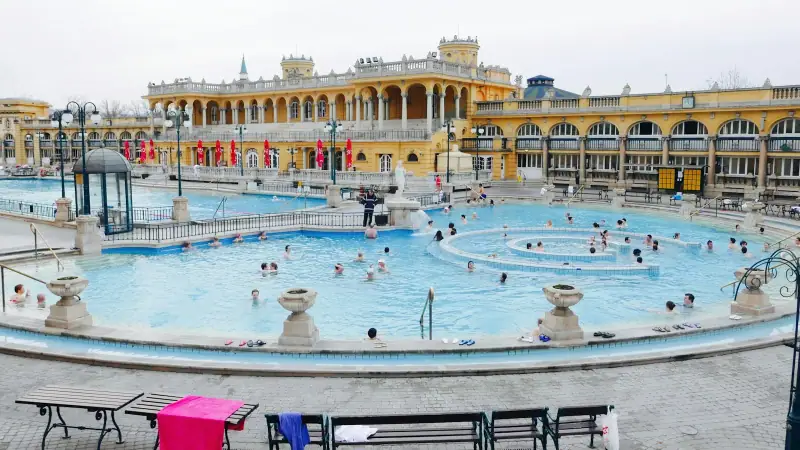
The Széchenyi baths are in the park. After three days of walking, nothing beats a soak in warm water, including in winter, when the cool air contrasts with the temperature of the pool. Bring a swimsuit, a towel and sandals, and check hours and prices on the official sites. Our guide to thermal baths compares the main establishments and the rules to know before you go.
A fourth day: a trip outside Budapest
If you have one more day, the Danube Bend is close by. Szentendre, a small artists’ town with colorful lanes, can be reached from Budapest by the suburban train (HÉV) in a little under an hour. Visegrád and Esztergom, further north, complete the loop with their fortresses and basilica.
To roam more freely around the country (Eger, Lake Balaton, Tokaj), a rental car becomes worthwhile. You will find rental offers at the bottom of the page.
Flight, train or car: arriving and leaving
Budapest’s international airport is the main gateway for flights into the city. Compare options before booking, and leave a margin if you are connecting to another country.
Flights to Budapest
Compare airlines and schedules for your weekend or longer stay.
Combining Budapest with Central Europe
Budapest is a natural stop on a trip through Central Europe. Vienna is only a few hours away by train, and Poland lies further north. These destinations form a coherent circuit over one to two weeks.
Practical tips for this stay
- Book ahead the Parliament visit and, in high season, the busiest baths.
- Beware of unofficial taxis: prefer ride-hailing apps or recognized companies, and check the fare before getting in.
- Watch your belongings in tourist spots and crowded transport, as in any large European city.
- Allow free time: a café terrace or a walk by the river is also part of the stay.
Frequently asked questions
Are three days enough to see Budapest?
Yes, three days let you see the essentials: the castle district, Parliament, St. Stephen's Basilica, the Great Market Hall, Andrássy Avenue and a thermal bath. A fourth day is useful for a trip around the Danube Bend.
Do you need a car for this itinerary?
No. The whole itinerary can be done on foot, by metro, tram or bus. Parking is difficult in the center: a car is only useful for trips outside the capital.
In what order should you visit Buda and Pest?
A simple approach is to give one day to Buda (castle, Fisherman's Bastion, Gellért Hill), one day to the heart of Pest (Parliament, basilica, Great Market Hall) and one day to Andrássy Avenue, City Park and the baths.
Do you need to book the Parliament visit?
The interior can only be visited on a guided tour, and slots can be full in high season. It is wise to book ahead on the official site and to check opening days, which vary with parliamentary sessions.
What is the best time for this stay?
Spring and early autumn offer pleasant temperatures for walking. Summer can be hot, and winter, which is cold, is ideal for combining Christmas markets with outdoor thermal baths.
Can you add Vienna or Krakow to this stay?
Yes, Budapest combines easily with Austria and Poland for a trip through Central Europe. Vienna is linked to Budapest by direct trains; allow about 2 h 30 to 3 h.
More Hungary guides
Keep reading
Budget for a trip to Hungary: real costs and 3 priced profiles
How much does a trip to Hungary cost? Real 2026 prices by item (lodging, transport, meals, activities), three priced budgets and tips to spend less.
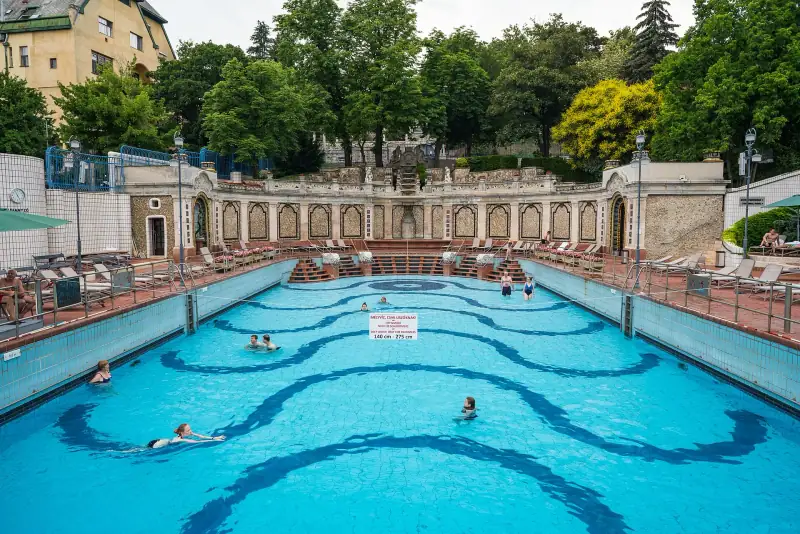
Hungary with kids: trip ideas and activities with children
Traveling in Hungary with children: thermal baths, zoo, Children's Railway, Danube, Balaton and open-air museum. Activity ideas, pace and practical tips.
What to see on the Great Hungarian Plain: Hortobágy, Kecskemét, Szeged and Debrecen
What to see on the Great Plain (Alföld) in Hungary: Hortobágy puszta, Kecskemét's Art Nouveau, Szeged, thermal baths and tips for planning your circuit.
Ready-made
Hungary itineraries
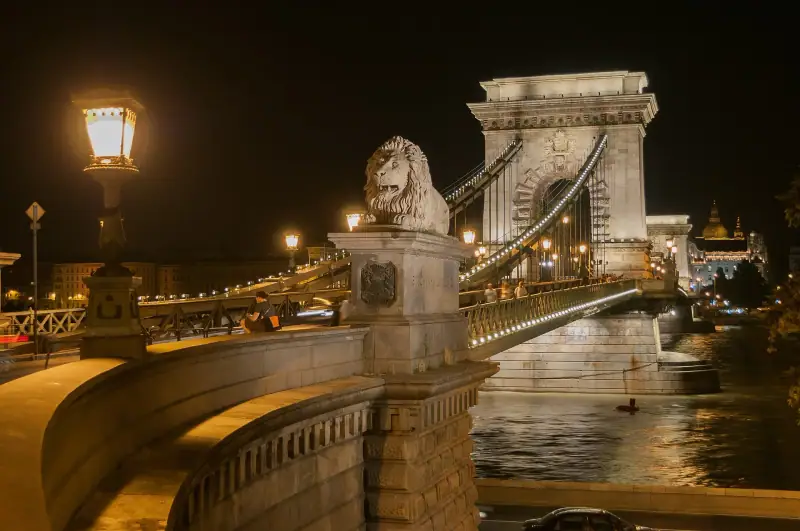
7 days
A week in Hungary by car: a 7-day road trip from Budapest to Pécs
BudapestTihany or BalatonfüredKeszthelyPécs
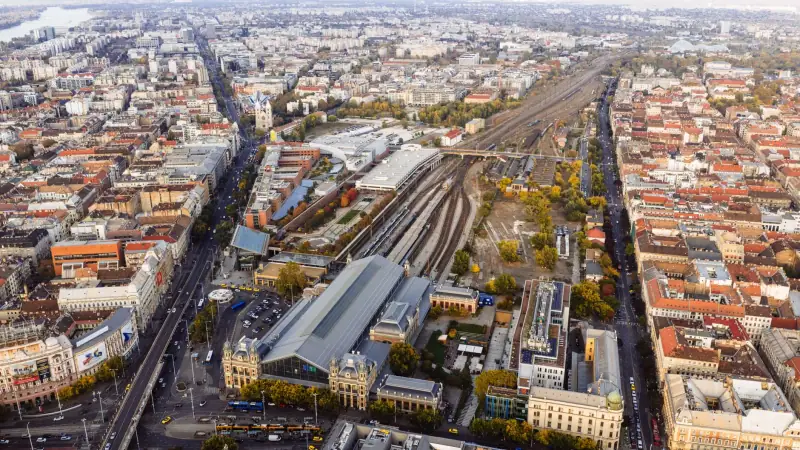
7 days
Hungary in 7 days without a car: a realistic itinerary by train and bus
BudapestEgerSiófok