What to see
Visiting Boulogne-sur-Mer: what to see and do in 1 to 2 days
We may earn a commission when you book through links on this page, at no extra cost to you. We don't visit or try the places we cover: we summarize published sources. How we work
In short
- One day covers the upper town, the harbor and part of Nausicaá; two days are more comfortable, with Nausicaá taking half a day to a full day.
- Boulogne is about 40 km (25 mi) from Calais and about 30 km (19 mi) from Le Touquet; Cap Gris-Nez is roughly half an hour by car.
- The upper town is on a hill: the climb is noticeable with young children or reduced mobility.
- Book Nausicaá online in high season and during school holidays; bring a windbreaker in any season.
Boulogne-sur-Mer does not have the postcard reputation of Le Touquet or the photogenic quality of the capes, and that is precisely what makes it interesting. This Opal Coast town is above all a working port, the leading fishing port in France, which has kept a remarkable historic center behind its ramparts and houses one of the largest aquariums in Europe. People come for a day and often stay two.
This guide helps you plan your visit: the history of the town in a few lines, what to see and in what order, how to get around, what to do when it rains and how to fit Boulogne into a wider stay on the coast.
Boulogne-sur-Mer in brief
Boulogne-sur-Mer is a town in the Pas-de-Calais department, in the Hauts-de-France, set at the mouth of the Liane. Its history is very old: the Romans made it a strategic port for the crossing to Britannia (present-day Great Britain), and later Napoleon gathered his army there with the idea of a landing across the Channel. The town also suffered greatly in the Second World War, which explains the contrast between the largely rebuilt lower town and the upper town, which kept its medieval walls.
It is organized into two easy-to-understand parts:
- the upper town, perched and fortified, at the core of the historic heritage;
- the lower town, turned toward the port, the beach, the shops and Nausicaá.
Good to know: the two districts are linked on foot, but the climb to the upper town is noticeable. If you visit with young children or people with reduced mobility, plan the route (car, city bus or taxi to go up, a walk on foot to come back down).
To place Boulogne in its regional context, see our guide to the Opal Coast, which also presents the capes, Wissant and Le Touquet.
Getting there and getting around
Getting there
Boulogne-sur-Mer is about 40 km (25 mi) from Calais and about thirty kilometers (19 mi) from Le Touquet. From Lille, allow about an hour and a half to two hours by road depending on traffic. The town is served by train (Boulogne-Ville station), with regional links and trips from Lille: check schedules before you leave, they vary by day.
Getting around locally
- On foot: the town center, the port, the beach and the upper town can be visited on foot. The cobblestones of the upper town call for good shoes.
- By city bus: useful for going up to the upper town or reaching more distant districts; ask about the local network.
- By car: practical for getting around the area (capes, Wimereux, Le Touquet).
- By bike: the coast is lovely to ride, but the town’s terrain and the wind call for a minimum of effort.
Where to stay in Boulogne-sur-Mer
Summer weekends and school holidays fill up fast. Compare accommodation in the center, the port and the upper town.
The upper town: ramparts, belfry and basilica
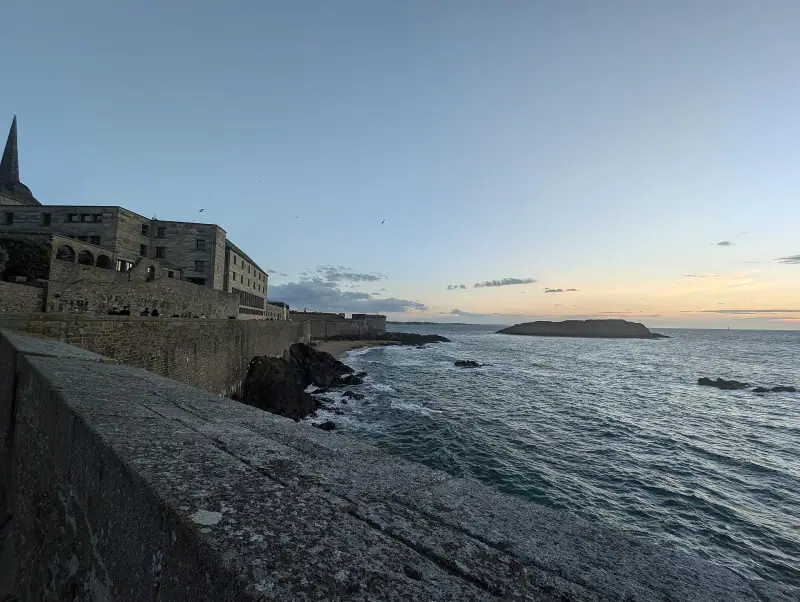
The upper town is the historic heart of Boulogne and the best way to start the visit. It is encircled by a medieval wall that can be walked for the most part: the walk on the ramparts offers views of the lower town, the port and, in fine weather, the sea.
The ramparts and their gates
The wall, of medieval origin, has kept several gates and towers. Walking along the rampart is a free and pleasant stroll that helps you understand the layout of the town. Allow about an hour for a leisurely loop, more if you stop to take photos.
The belfry
Boulogne’s belfry is among the belfries of northern France and Belgium listed as UNESCO World Heritage. It dominates the upper town and can be spotted from afar. Ask the tourist office about visiting and opening conditions, because they vary with the seasons.
Notre-Dame basilica and its dome
It is hard to miss the dome of Notre-Dame basilica, which dominates the whole town. The present basilica dates from the 19th century: it replaced the old cathedral, destroyed after the Revolution. The spacious interior is worth the detour, as is the crypt, which keeps remains from older periods. Visiting hours for the crypt and the dome depend on the period: check them before you come.
The castle-museum
The medieval castle, backed against the ramparts, houses a museum with very varied collections: notably a set of Greek antiquities, Egyptian pieces and a collection of Arctic objects, rare in a town of this size. It is an excellent visit in the rain. As always, check hours and rates on the official website before you come.
How much time to allow? Allow half a day for the upper town, more if you visit the castle-museum and the crypt.
Nausicaá, the national sea center
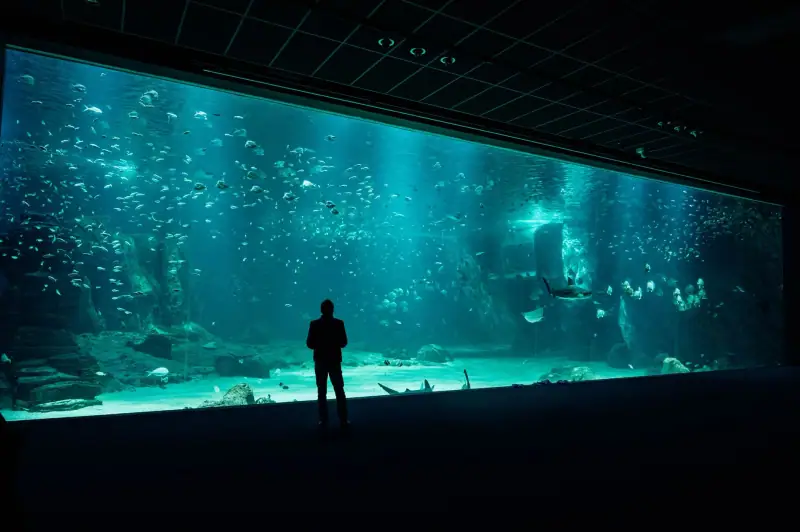
Nausicaá is the big attraction of Boulogne-sur-Mer. Opened at the end of the 20th century, this national sea center ranks among the largest aquariums in Europe and offers a route devoted to the relationship between humans and the ocean: tropical fish tanks, sea lions, sharks, jellyfish, mangroves and immersive spaces. A large tank devoted to the “open sea” is among the most spectacular parts.
Preparing your visit well
- Book online in high season and during school holidays to limit the wait.
- Arrive early: crowds build up in the middle of the day.
- Allow three to six hours depending on your pace and interests, especially with children.
- Check the program of presentations (animals, keepers) on the day of your visit: their times vary.
The site is ideal in rain or wind, both frequent on the Opal Coast. For hours, rates and ticket options, always refer to the official website.
Activities and tours in Boulogne-sur-Mer
Guided tours, excursions and experiences around Boulogne and the Opal Coast: compare the offers available.
The fishing port and the lower town
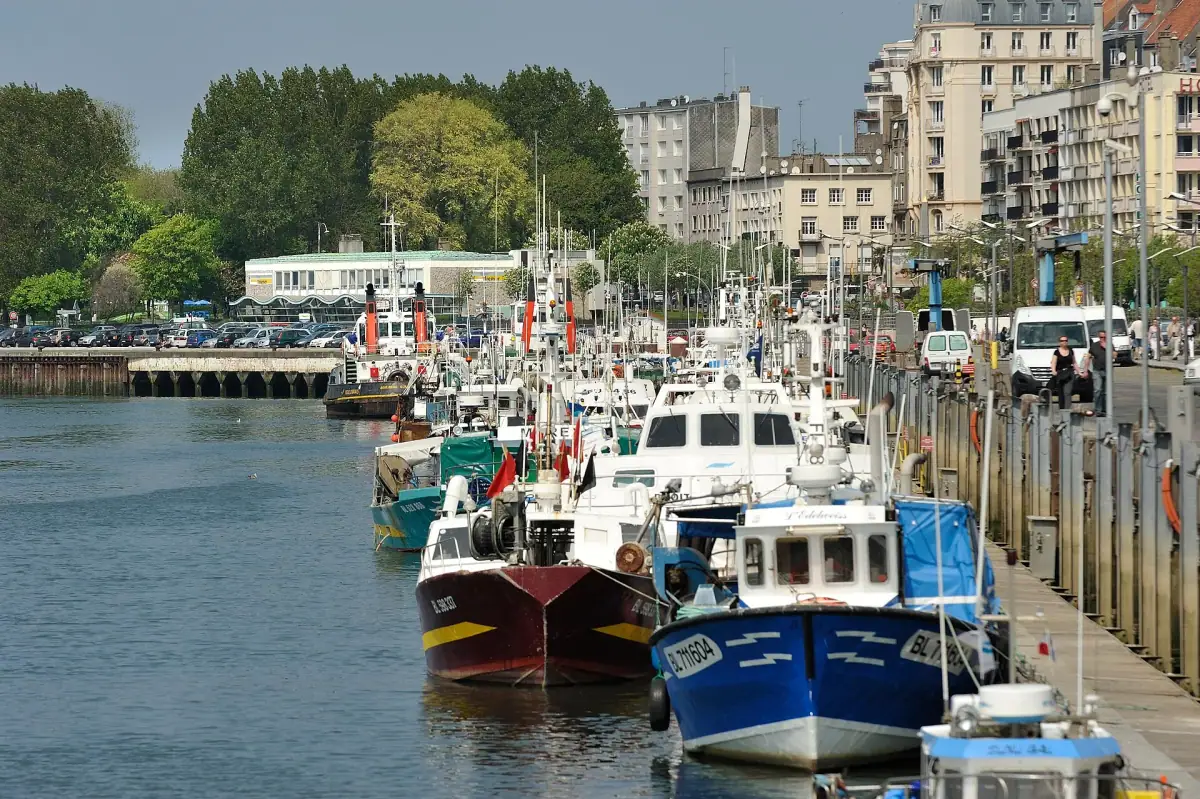
Boulogne-sur-Mer is the leading fishing port in France, and even if you do not necessarily see the boats coming in at all hours, the activity of the port is felt everywhere: in the restaurants, in the markets, in the seafood processing companies set around the docks.
The quays
The walk along the quays, notably in the Quai Gambetta area, is one of the highlights of a day in Boulogne. You find outdoor cafes, fish and seafood restaurants, shops and a port-town atmosphere. A few moored fishing boats recall the town’s maritime vocation.
Fish and seafood
The restaurants of the port and the town center logically put fish in the spotlight. Rather than looking for a specific address, favor short menus, which adapt to the day’s catch. For dishes to try on this coast, our guide to the culinary specialties of the Bay of Somme gives a good overview of the products of the Picardy coast, neighboring the Opal Coast.
The shopping district and the pedestrian streets
The center of the lower town groups shopping streets and lively squares. It is the right place to stroll, take a break and head up to the upper town in the late afternoon.
The beach and the seafront
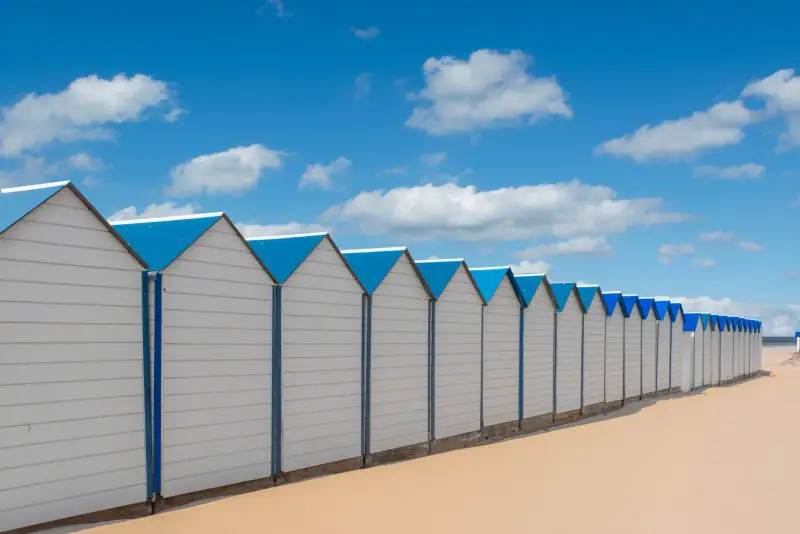
The Boulogne-sur-Mer beach is a large stretch of sand accessible from the town center. A promenade runs along the seafront, very pleasant for a walk after Nausicaá. Wind is frequent there: it is a spot appreciated by board sports and sand yachting fans depending on conditions, and family walks are more pleasant at low tide, when the sand is uncovered.
- Tides: check the times before you leave, the beach changes look with the tide coefficients.
- Swimming: ask about the supervised zones and lifeguard hours in season.
- Weather: the weather can change fast; always keep a windbreaker in your bag.
Around Boulogne: where to continue your visit
Boulogne-sur-Mer is an excellent base for exploring the Opal Coast. Several sites are a short drive away:
- Wimereux, a seaside resort a few kilometers north, known for its seawall promenade and Belle Époque villas;
- The Colonne de la Grande Armée, in Wimille, which recalls the military camp Napoleon set up near Boulogne at the beginning of the 19th century;
- Cap Gris-Nez, a natural site of cliffs and sea panoramas, about half an hour by road;
- Le Touquet-Paris-Plage, to the south, a chic resort with long beaches and pine groves;
- Calais and Cap Blanc-Nez, a little further north, to complete a day.
For a wider route across the whole region, see our 5-day road trip in the Hauts-de-France, which includes the Opal Coast.
Explore from Boulogne or Wimereux
Compare hotels on the coast to choose the most practical base between Boulogne, Wimereux and the capes.
Suggested itinerary: 1 day and 2 days
One day
- Morning: upper town, ramparts, basilica and belfry.
- Lunch: fish restaurant in the upper town or on the quays.
- Afternoon: Nausicaá (short version) or the castle-museum, then a walk on the seafront.
- End of the day: a drink or dinner facing the port.
Two days
- Day 1: upper town in the morning, castle-museum in the afternoon, dinner at the port.
- Day 2: Nausicaá in the morning, lunch then beach and promenade, with an optional trip to Wimereux or Cap Gris-Nez at the end of the day.
If you want to go further, our guide where to stay on the Opal Coast will help you choose between Boulogne, Wimereux, Wissant and Le Touquet.
Budget and practical tips
Boulogne-sur-Mer is generally more affordable than the chicer resorts of the coast, notably Le Touquet, particularly off season and on weekdays. The main expenses are accommodation, admission to Nausicaá and fish meals. To estimate your whole stay in the region, see our guide to the budget in the Hauts-de-France.
A few useful tips:
- Shoes: bring comfortable shoes for the cobblestones and the ramparts.
- Wind and rain: a windbreaker is essential in any season.
- Bookings: book Nausicaá and restaurants on weekends and in the holidays.
- Hours: museums, belfry and crypt have variable hours by season; check them there or with the tourist office.
- Gear: to prepare your bags, our article on useful accessories in the Hauts-de-France sums up the essentials.
When to visit Boulogne-sur-Mer
- Spring (April to June): pleasant light, moderate crowds, a good time for the upper town and the beaches.
- Summer (July-August): the busiest season, with more people at Nausicaá and on the seafront. Book ahead.
- Fall (September-October): calm, still mild temperatures and beautiful light on the coast.
- Winter: a calmer atmosphere, ideal for Nausicaá, the museums and the fish restaurants, but the days are short and the wind sharper.
Key takeaways
Boulogne-sur-Mer charms with its authenticity: a working port, a fortified upper town, a large aquarium and a fine beach, all within walking distance. To enjoy it, allow at least one day, ideally two, and use the town as a base to reach the capes, Wimereux and Le Touquet. For an overview of the region, our complete guide to the Hauts-de-France will help you build your stay.
Frequently asked questions
How long do you need to visit Boulogne-sur-Mer?
One day lets you see the upper town, the harbor and part of Nausicaá, but two days are more comfortable: one for the historic center and the seafront, the other for the national sea center, which can easily take half a day to a full day depending on your pace.
What should you see first in Boulogne-sur-Mer?
The essentials are the upper town and its ramparts, the belfry, Notre-Dame basilica and its dome, the castle-museum and Nausicaá. The fishing port and the seaside promenade round out the day well.
Can you visit Boulogne-sur-Mer without a car?
Yes, for the most part. The station is served by train, the lower and upper towns can be covered on foot (with a few climbs), and Nausicaá is on the seafront. To reach Cap Gris-Nez or the neighboring villages, a car is however much more practical.
Is Nausicaá suitable for children?
Yes, it is one of the most popular family outings on the Opal Coast. Allow time, especially during school holidays, and check the official website for hours, rates and online booking, which vary with the period.
What is the best time to visit Boulogne-sur-Mer?
From May to September, the weather is milder for walks and the beach. Off season, the town remains very pleasant: Nausicaá, the museums and the fish restaurants suit rainy days well. Wind is frequent all year, so bring a windbreaker.
Where should you eat in Boulogne-sur-Mer?
The port and Quai Gambetta area concentrates many fish and seafood restaurants, and the upper town has more traditional places. Favor short menus that highlight local catch, and book on weekends.
Can you combine Boulogne-sur-Mer with Cap Blanc-Nez and Cap Gris-Nez?
Yes, it is even one of the best bases for it. Cap Gris-Nez is about thirty minutes by road, and Wimereux, Wissant and Le Touquet are also close. See our Opal Coast guide to build an itinerary.
More Hauts-de-France guides
Keep reading
What to see in Artois: Lens, Vimy, Béthune, Azincourt and beyond Arras
What to see in Artois? Louvre-Lens, twin slag heaps, Vimy, Notre-Dame-de-Lorette, Béthune, Azincourt: 8 stops beyond Arras and a 2 to 3 day plan.
Visiting Arras: what to see and do in 1 to 2 days
What to see in Arras? Grand'Place, Place des Héros, belfry, boves, citadel, fine arts museum and memorial sites: a guide to plan your visit.
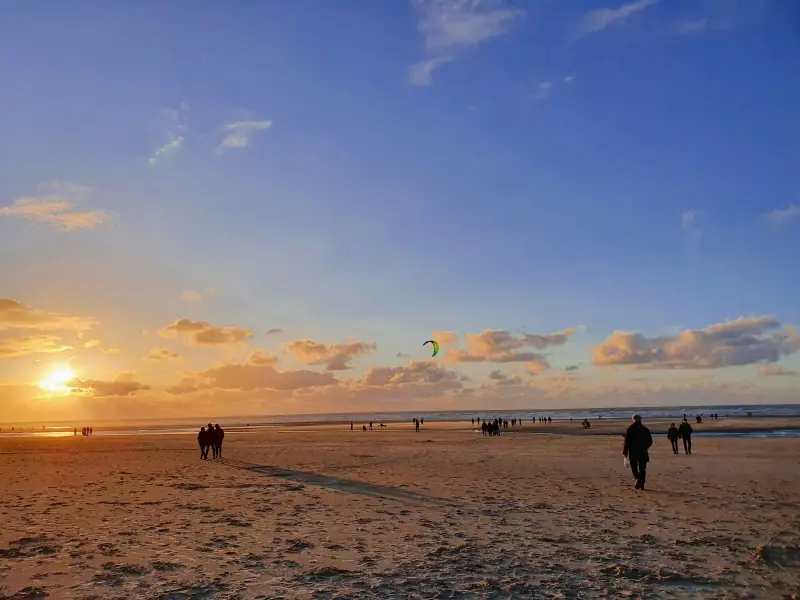
Visiting Le Touquet-Paris-Plage: what to see and do in 1 to 3 days
What to see and do in Le Touquet-Paris-Plage: beach, forest, villas, market, sand yachting, lighthouse and Canche Bay on the Opal Coast.
Ready-made
Hauts-de-France itineraries
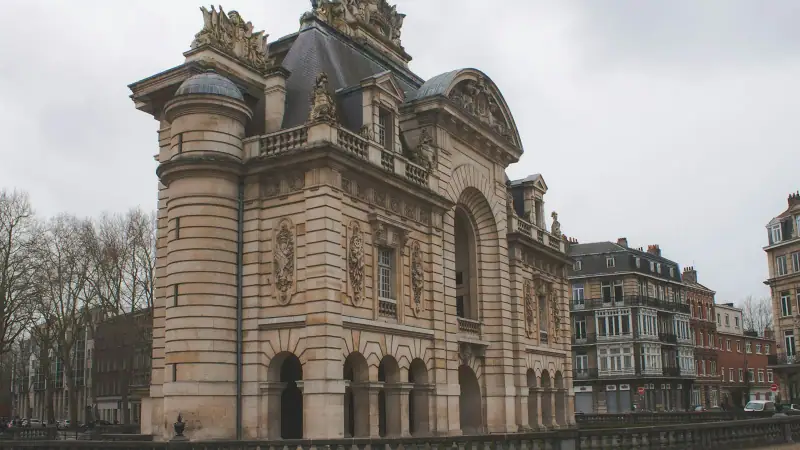
2 days
Weekend in Lille: what to see and do in 2 days
A weekend in Lille in 2 days: Old Lille, Grand'Place, Vieille Bourse, museums, the Citadelle, local dishes and practical tips for planning your stay.
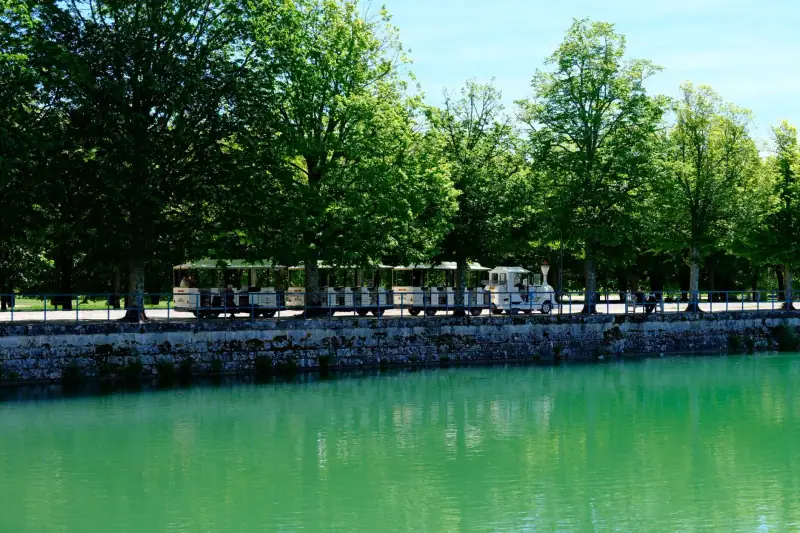
2 days
Car-free weekend in the Bay of Somme: train, bike and tourist train
A weekend in the Bay of Somme without a car: arrive by train, stay in Saint-Valery or Le Crotoy, get around by tourist train and bike. Program and tips.
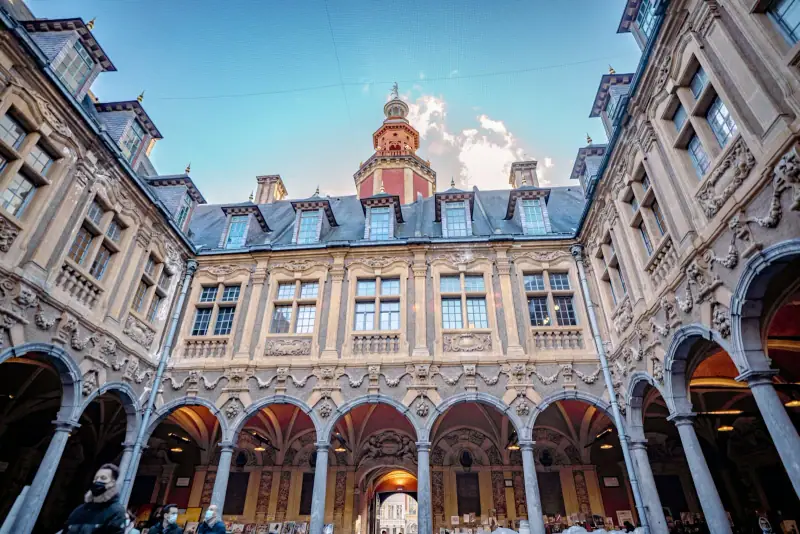
5 days
Hauts-de-France road trip in 5 days: from Lille to the Bay of Somme
CalaisBoulogne-sur-MerLe Touquet-Paris-PlageLe Crotoy
Can be adapted in the planner