Itineraries
Hauts-de-France road trip in 5 days: from Lille to the Bay of Somme
We may earn a commission when you book through links on this page, at no extra cost to you. We don't visit or try the places we cover: we summarize published sources. How we work
Day by day
- Day 1Lille, then Dunkirk and Malo-les-Bains, night in Calais
- Day 2Calais, Cap Blanc-Nez, Wissant, Cap Gris-Nez, Wimereux, Boulogne-sur-Mer
- Day 3Boulogne-sur-Mer old town and Nausicaá, then Le Touquet-Paris-Plage
- Day 4Berck, Marquenterre bird park, Le Crotoy
- Day 5Saint-Valery-sur-Somme, Le Hourdel, Cayeux-sur-Mer, drive back to Lille
Where to sleep
- Calais1 night
- Boulogne-sur-Mer1 night
- Le Touquet-Paris-Plage1 night
- Le Crotoy1 night
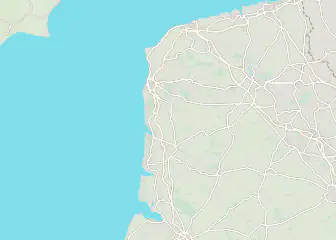
Opens the trip planner with these stops and nights already filled in. Add a stop, drop one or change the nights.
Weather through the year on this route
| Jan | Feb | Mar | Apr | May | Jun | Jul | Aug | Sep | Oct | Nov | Dec | |
|---|---|---|---|---|---|---|---|---|---|---|---|---|
| High °F (°C) | 436 | 457 | 5110 | 5613 | 6317 | 6719 | 7021 | 7021 | 6619 | 5915 | 5010 | 457 |
| Low °F (°C) | 341 | 341 | 373 | 405 | 468 | 5111 | 5513 | 5513 | 5111 | 468 | 405 | 362 |
Normals 1991–2020 at Boulogne-sur-Mer, Le Touquet-Paris-Plage and Le Crotoy: averages over 30 years, not a forecast. Source: NASA POWER (MERRA-2), grid of about 50 km. Figures computed by us in November 2026. Rain is shown only where a weather station confirms the figures.
In short
- Five days cover Lille, Dunkirk, Calais, the two capes, Boulogne-sur-Mer, Le Touquet and the Bay of Somme: about 300 to 350 km (186 to 217 mi) of driving, not counting the return to Lille.
- No day is longer than about 130 km (81 mi), and most legs take under an hour.
- Book Le Touquet, Boulogne-sur-Mer and the Bay of Somme ahead in summer, during school holidays and on long weekends.
- Pack a windbreaker, walking shoes, binoculars and a tide calendar for the Bay of Somme.
The Hauts-de-France can be driven like a long ribbon that links a big northern city to landscapes at the edge of the world: belfries and red brick in Lille, the ports of Dunkirk and Calais, the chalk cliffs of Cap Blanc-Nez and Cap Gris-Nez, then the endless sands of the Bay of Somme. In five days you cross all of this without ever driving very long, which makes it an ideal road trip for a first visit, as a couple, with friends or with family.
This itinerary starts in Lille and follows the sea southwest along the Opal Coast (Côte d’Opale) to the Bay of Somme. Each day has one or two main stops, ideas for breaks, pacing tips and alternatives if the weather does not cooperate. The distances given are approximate: they vary with the exact route, traffic and the season.
Before you go: organizing your road trip
How much time and how much driving?
The circuit totals about 300 to 350 km (186 to 217 mi) of road, not counting the return to Lille, over five days, with short legs, often under an hour. This is deliberate: on this coast, the best moments come from unplanned stops, a view over the sea, a market or a windswept beach. Do not try to see everything: choose and enjoy.
What car and what gear?
An ordinary car is more than enough: the roads are good and parking lots are plentiful. In the resorts and at the capes, parking can be full in summer, so it is better to arrive early. In the trunk, pack:
- a windbreaker and a small fleece, even in summer;
- walking shoes for the cape trails and the pebble beaches;
- binoculars, very useful for birds and seals;
- a tide calendar, essential for the Bay of Somme.
If you do not have a car, renting one in Lille is easy. For the Bay of Somme in particular, our article on getting around the Bay of Somme details the local options.
When to go
May to September is the most pleasant period, but the coast stays appealing all year, with dramatic skies and almost empty beaches in fall. For tides and weather in the bay, see our guide to the best time to visit the Bay of Somme.
Book your stops in advance
Boulogne-sur-Mer, Le Touquet and the Bay of Somme fill up fast in summer and on weekends. Compare hotels and stay flexible with free cancellation.
Day 1: Lille and Dunkirk, from Old Lille to the dunes of Malo-les-Bains
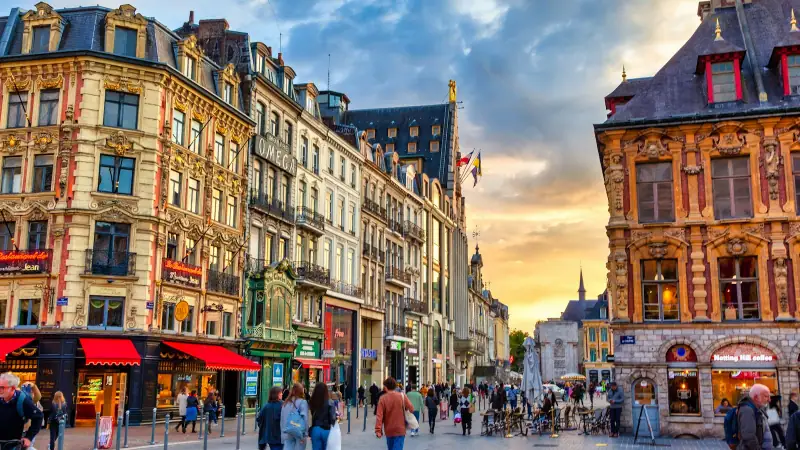
Morning: strolling through Lille
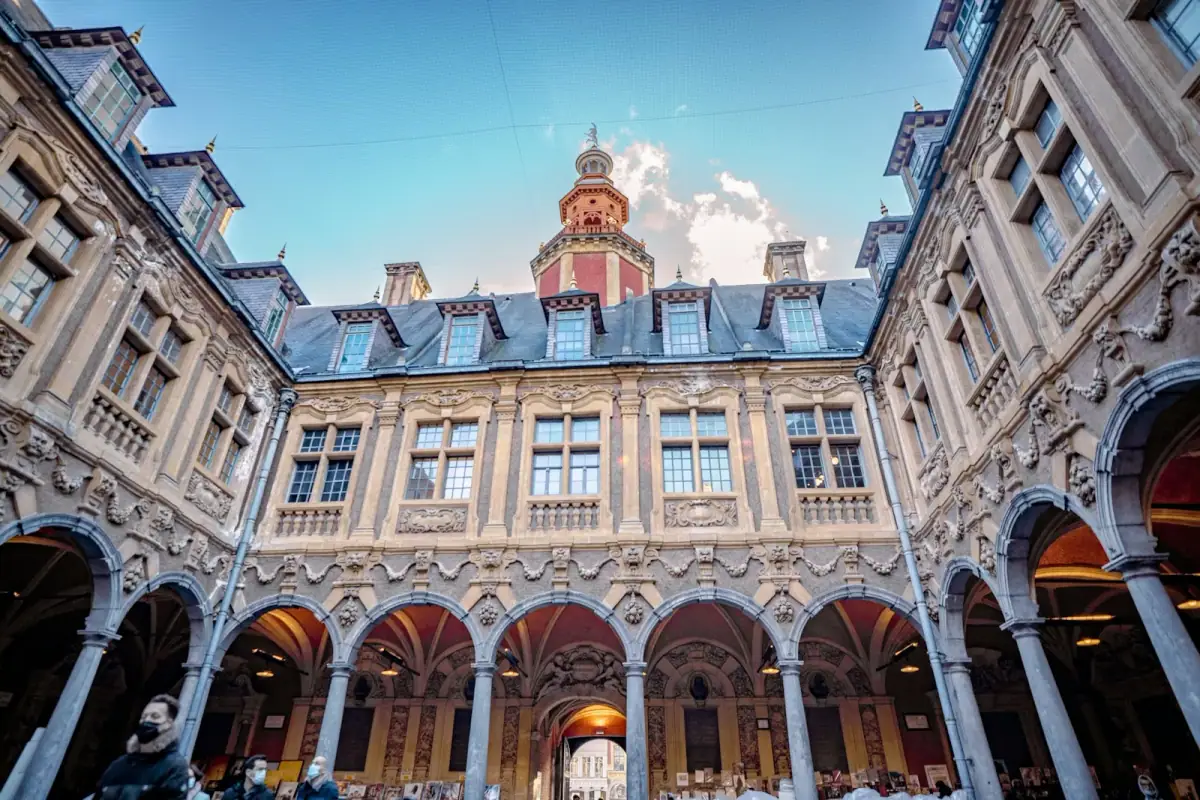
Start the trip with a morning in Lille, if you arrive the evening before or early in the morning. The Grand’Place, the Vieille Bourse, the town hall belfry and the cobbled streets of Old Lille can be covered on foot in a few hours. It is the ideal setting for a Flemish breakfast, with a waffle or a coffee on a lively square. If you have more time, our article on a weekend in Lille in two days details the essentials.
Drive to Dunkirk
Head for the sea: Dunkirk is about 75 km (47 mi) from Lille, roughly an hour’s drive on the highway. The landscape changes gradually, the plain of the North giving way to the wateringues, the canals that drain the low-lying land, then to the port and big maritime horizons.
Afternoon: Dunkirk and Malo-les-Bains
Dunkirk is a large port city whose character is shaped by its maritime history. The belfry dominates the center, and the port and its museums tell the story of sailors and privateers. Then continue to Malo-les-Bains, the seaside resort, with its wide sandy beach, its seawall and its early 20th-century villas. It is the ideal spot for a first walk facing the North Sea, with wind and fine sand.
Evening: on to Calais
Dunkirk and Calais are about 45 km (28 mi) apart, roughly 45 minutes by road. Settle in Calais for the night, or sleep right near the capes if you prefer landscapes to an urban setting. With this stage, the day comes to about 120 km (75 mi) of driving, very comfortable.
Tip: the wind is often present on this coast. Even in bright sun, keep a windbreaker for your walks on the seawall and on the beach.
Day 2: Calais, Cap Blanc-Nez and Cap Gris-Nez, the classic of the Opal Coast
Morning: a tour of Calais
In Calais, the center can be seen quickly: the Tour du Guet (watchtower), the town hall and its belfry, and the Dragon, a large mechanical creature that brings the seafront to life. The city is also famous for its lace: the Cité internationale de la dentelle et de la mode (International Lace and Fashion Center) tells this industrial story in a former factory building. An hour or two is enough for an overview.
Cap Blanc-Nez and Escalles
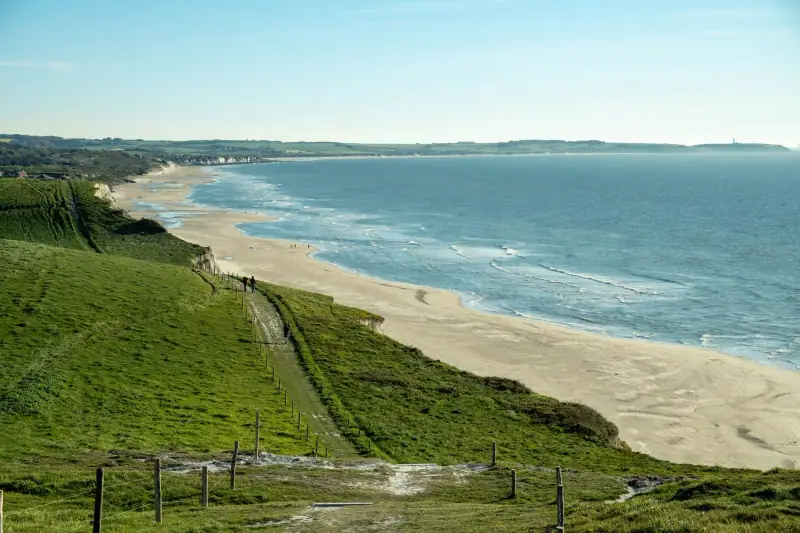
Leave Calais by the coast road toward Cap Blanc-Nez, about 15 km (9 mi) away. This white chalk headland overlooks the Channel and, in clear weather, gives a view of the English cliffs. The trails of the Grand Site des Deux Caps are developed, waymarked and open to all levels: allow one or two hours on foot, keeping your distance from the cliff edge, which can crumble.
Further on, the village of Wissant stretches an immense sandy beach between the two capes, popular with kitesurfers and sand-yacht fans when the wind allows. It is also a perfect stop for lunch facing the sea.
Cap Gris-Nez
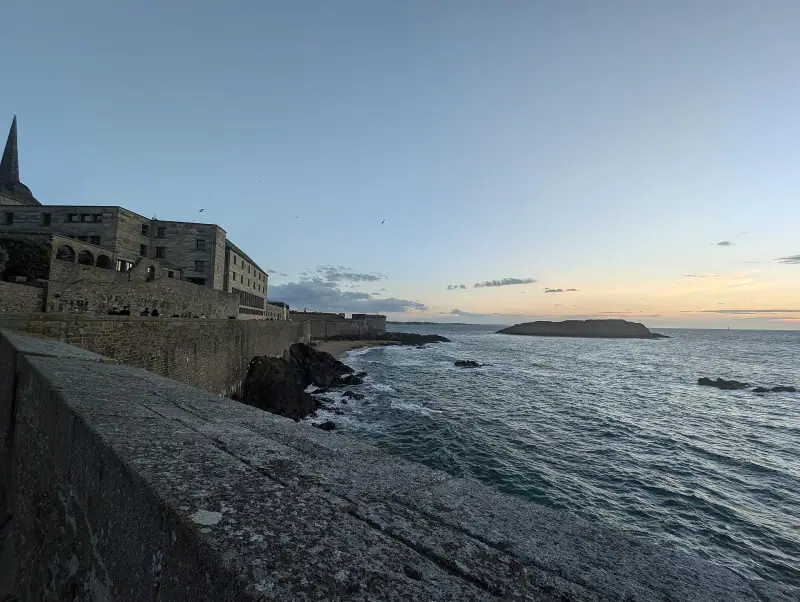
Continue to Cap Gris-Nez, the point in France closest to England, about 30 km (19 mi) from the British coast. It is a spectacular scenic site, with its lighthouse, its dark cliffs and the remains of Second World War blockhouses. It is also a passage point for many migratory birds: bring your binoculars. To go deeper into this area, read our guide to visiting the Opal Coast.
Hikes and outings on the Opal Coast
Guided walks, excursions and visits: find the activities that suit your pace.
Evening: Wimereux and Boulogne-sur-Mer
Then head down to Wimereux, an elegant seaside resort with its seawall and Anglo-Norman style villas. It makes a pleasant stop for a coffee before you reach Boulogne-sur-Mer, a few kilometers further south, where you will spend the night. The day comes to about 60 to 70 km (37 to 43 mi) of driving, which leaves plenty of time for walking.
Day 3: Boulogne-sur-Mer and Le Touquet-Paris-Plage
Morning: the upper town of Boulogne-sur-Mer
Boulogne-sur-Mer is one of the main towns on the coast and France’s leading fishing port. Start with the upper town, surrounded by its ramparts and dominated by the Notre-Dame basilica, before heading back down to the harbor. The view from the ramparts is an excellent way to understand the geography of the town.
Nausicaá, the aquarium to put on your list
Nausicaá, the national sea center, is one of the largest aquariums in Europe. Children and adults alike enjoy it, and it works in sun or bad weather. Allow half a day depending on your pace. Book ahead in high season and check opening hours on the official website. To choose where to sleep in the area, read our guide to staying on the Opal Coast.
Lunch: fish at the harbor
Boulogne’s harbor is the perfect place to eat fresh fish: herring, sole, mackerel, mussels or fish soup, depending on the season. There are many restaurants along the quay, and you can eat well without searching long. Book in summer and on weekends.
Afternoon: Le Touquet-Paris-Plage
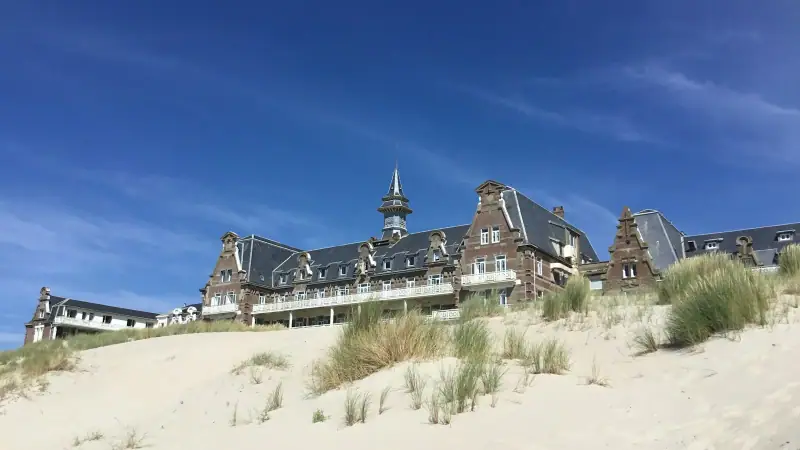
Head south: Le Touquet-Paris-Plage is about 30 km (19 mi) from Boulogne, around thirty minutes by road. This chic seaside resort, set between the sea and a large pine forest, is known for its long sandy beach, its Anglo-Norman villa architecture and its elegant shops. You walk on the beach, stroll along rue Saint-Jean, and can also explore the forest on foot or by bike.
In the evening, settle in Le Touquet for the night. Prices are higher there than elsewhere, especially in summer, so book early. Étaples, the neighboring fishing town, offers a more affordable and more authentic alternative.
Day 4: from Berck to the Bay of Somme, Le Crotoy and Marquenterre
Morning: Berck and its seals
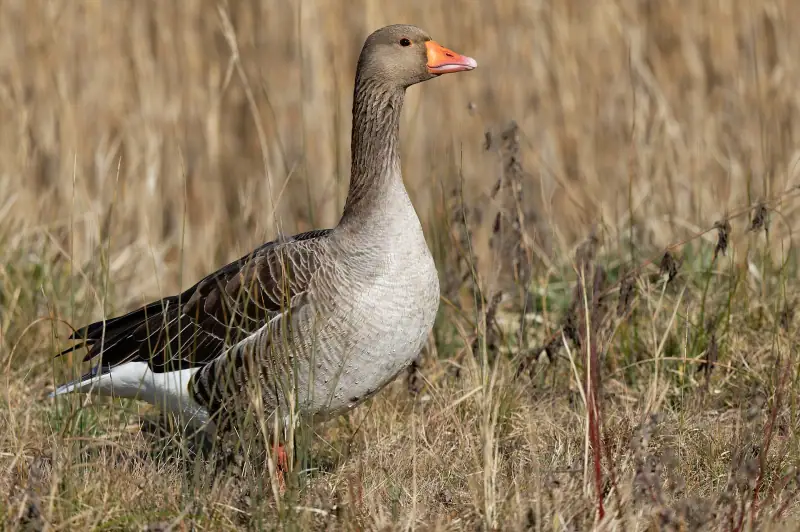
South of Le Touquet, Berck-sur-Mer is a seaside resort with an immense flat beach, perfect for sand yachting and long walks. The nearby Authie Bay shelters a seal colony that can sometimes be seen at low tide. For general watching tips, see our guide to seal watching in the Bay of Somme, whose rules of caution and distance apply here too.
Drive to the Bay of Somme
Continue south toward the Bay of Somme. Between Berck and Le Crotoy it is about 35 to 40 km (22 to 25 mi), or 40 to 45 minutes by road. The landscapes become more rural, dotted with meadows, brick villages and dunes. You thus cross the boundary between the Opal Coast and the Bay of Somme.
Afternoon: Marquenterre park
Stop at the Marquenterre ornithological park, in Saint-Quentin-en-Tourmont, on the north shore of the bay. Its trails and observation hides let you see many birds, resident or migratory, in a setting of dunes and marshes. Allow two to three hours. All the practical details are in our article on visiting Marquenterre park.
Evening: Le Crotoy
Le Crotoy is a family resort with a large sandy beach, a harbor and a seafront made for strolling. The sunsets over the bay, facing Saint-Valery-sur-Somme, are particularly beautiful. Spend the night here, or cross the bay to Saint-Valery if you prefer to sleep in the old town. In total, this day comes to about 60 to 70 km (37 to 43 mi) of driving.
Where to sleep in the Bay of Somme
Le Crotoy, Saint-Valery or Cayeux: compare accommodation, especially if you travel in summer or on a weekend.
Day 5: Saint-Valery-sur-Somme, Le Hourdel and the return to Lille
Morning: Saint-Valery-sur-Somme
Head to Saint-Valery-sur-Somme, on the other side of the bay. The road goes around the estuary: allow about twenty minutes to half an hour from Le Crotoy. The upper town, with its ramparts and cobbled lanes, overlooks the estuary, while the quay of the lower town gathers restaurants, shops and activity. For all the details, see our guide to visiting Saint-Valery-sur-Somme.
Le Hourdel and Cayeux-sur-Mer
Finish with the Pointe du Hourdel and Cayeux-sur-Mer, about 15 km (9 mi) from Saint-Valery. The point is one of the best places to watch seals at low tide. Come with binoculars, keep your distance and follow the instructions there. Cayeux-sur-Mer has a long pebble beach and its famous row of bathing huts. If you have more time, our article on a three-day stay in the Bay of Somme offers a more detailed program.
Lunch: flavors of the bay
The restaurants of the bay serve salt-meadow lamb (agneau de pré-salé), fish, shellfish and ficelle picarde. Our article on the culinary specialties of the Bay of Somme helps you choose.
Back to Lille
The return to Lille is about 180 to 200 km (112 to 124 mi), roughly two to two and a half hours by road depending on traffic. If you have a train or a flight to catch, leave a margin, especially at the end of a weekend or of school holidays.
A guided outing in the bay
Walking in the bay is always done with a guide who knows the tides. Compare the outings on offer.
What budget to plan
The budget depends on the season, the accommodation you choose and how you eat. The main items are:
- Accommodation, by far the biggest expense, with higher rates in Le Touquet and the Bay of Somme in high season;
- Fuel and tolls, moderate given the total distance;
- Meals, anywhere between a seaside friterie and a fish restaurant in a harbor;
- Admissions, such as Nausicaá or Marquenterre park, to check on the official websites.
To keep costs down, favor lunches, which are cheaper than dinners, and sleep outside the most expensive resorts (Étaples rather than Le Touquet, for example). Always check rates before you go.
Itinerary summary
| Day | Main stops | Approximate drive | Sleep |
|---|---|---|---|
| 1 | Lille, Dunkirk, Malo-les-Bains | about 120 km (75 mi) | Calais |
| 2 | Calais, Cap Blanc-Nez and Cap Gris-Nez, Wimereux | about 60 to 70 km (37 to 43 mi) | Boulogne-sur-Mer |
| 3 | Boulogne, Nausicaá, Le Touquet | about 30 km (19 mi) | Le Touquet |
| 4 | Berck, Marquenterre, Le Crotoy | about 60 to 70 km (37 to 43 mi) | Le Crotoy |
| 5 | Saint-Valery, Hourdel, return | about 200 km (124 mi) on the way back | — |
This road trip does not claim to show everything in the Hauts-de-France: Amiens, Arras, Chantilly and the Avesnois each deserve their own trip. But in five days it gives a faithful picture of the region: a warm north, powerful seascapes and villages that take their time. Stay flexible, watch the sky, and let the coast set the pace.
Frequently asked questions about this road trip
The answers to the most common questions are in the FAQ above. In short: drive little, stop often, book your accommodation early in high season, keep a windbreaker in your bag and always check the tides before the Bay of Somme. If your schedule changes, keep the geographical order of the route, north to south, and simply shorten a stop rather than turning back: the coast lends itself very well to improvisation.
Sources
- Nausicaá: figures checked November 2026
Frequently asked questions
Are five days enough for a road trip from Lille to the Bay of Somme?
Yes. Five days let you cover the whole Hauts-de-France coastline without rushing: Lille, Dunkirk, Calais, the two capes, Boulogne-sur-Mer, Le Touquet and the Bay of Somme. Daily distances stay modest, which leaves time for walks, meals and weather surprises.
How far do you drive on this circuit?
Expect about 300 to 350 km (186 to 217 mi) of driving over the whole trip, not including the return to Lille. Apart from that return, no day is longer than about 130 km (81 mi), and most legs take less than an hour, with plenty of stops along the way.
What is the best time of year for this road trip?
From May to September the days are long and the beaches pleasant, but July and August are busy. May, June and September are a good compromise. The coast is still beautiful in fall, as long as you bring a windbreaker: the weather changes fast by the sea.
Do you need to book accommodation in advance?
It is strongly recommended for Le Touquet, Boulogne-sur-Mer and the Bay of Somme in summer, during school holidays and on long weekends. Booking early lets you choose well-located hotels, often with free cancellation, which keeps you flexible if the weather turns.
Can you do this circuit by train, without a car?
Only in part. Lille, Dunkirk, Calais, Boulogne, Le Touquet-Paris-Plage (Étaples-Le Touquet station) and Saint-Valery are served, but Cap Blanc-Nez, Cap Gris-Nez and the sites around the bay are much easier to visit by car. For a car-free stay, read our guide to the Bay of Somme without a car.
What can you do if it rains on the Opal Coast?
The Nausicaá aquarium in Boulogne-sur-Mer, the museums of Lille, the Cité de la dentelle in Calais or the fish restaurants on the harbor are all good fallbacks. Save the seaside walks for the breaks in the clouds, which often return quickly.
More Hauts-de-France guides
Keep reading
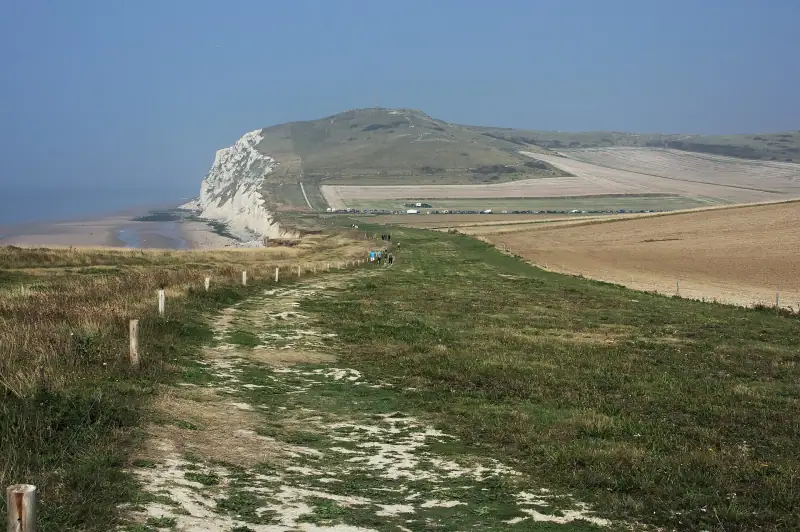
Hiking Cap Blanc-Nez without an agency: loops from Escalles, timing and tides
Hike Cap Blanc-Nez without a guide: a 10 km loop from Haute-Escalles, 1-hour variants, free parking, tides, shoes and safety.
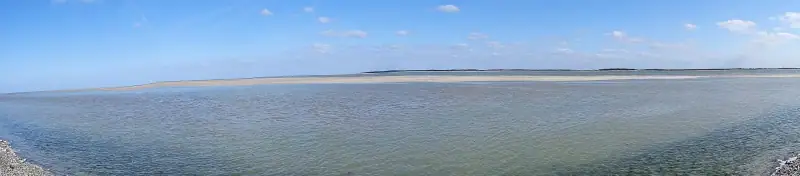
When to go to the Bay of Somme: seasons, tides and weather
What is the best time to visit the Bay of Somme? Seasons, big tides, weather, crowds and tips to plan your stay calmly.
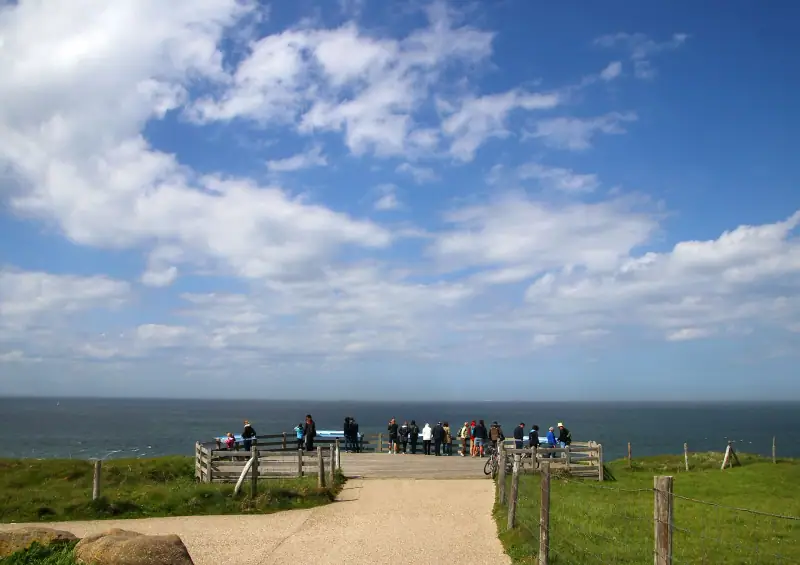
Where to park at Cap Gris-Nez: Audinghen parking lot, viewpoints and walks
Where to park for Cap Gris-Nez: access via Audinghen, viewpoints 15 min away, loops of 5 to 12 km from the Maison du Site, bus 427 and practical tips.
Ready-made
Hauts-de-France itineraries
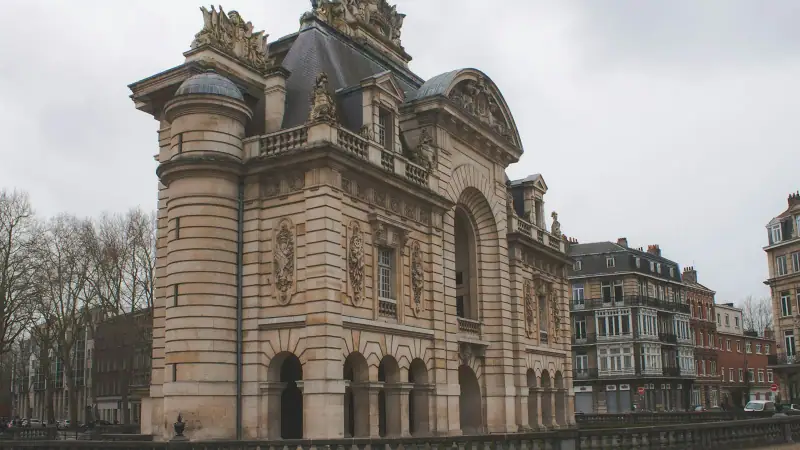
2 days
Weekend in Lille: what to see and do in 2 days
A weekend in Lille in 2 days: Old Lille, Grand'Place, Vieille Bourse, museums, the Citadelle, local dishes and practical tips for planning your stay.
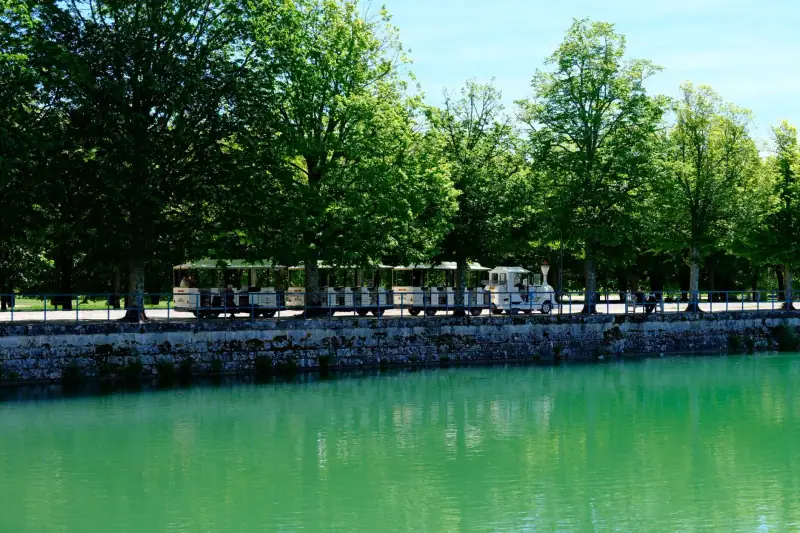
2 days
Car-free weekend in the Bay of Somme: train, bike and tourist train
A weekend in the Bay of Somme without a car: arrive by train, stay in Saint-Valery or Le Crotoy, get around by tourist train and bike. Program and tips.