Itineraries
Car-free weekend in the Bay of Somme: train, bike and tourist train
We may earn a commission when you book through links on this page, at no extra cost to you. We don't visit or try the places we cover: we summarize published sources. How we work
Day by day
- Day 1Saint-Valery-sur-Somme old town, lunch, tourist train to Le Crotoy
- Day 2Bike loop around the estuary, optional detour to Marquenterre park
Weather through the year on this route
| Jan | Feb | Mar | Apr | May | Jun | Jul | Aug | Sep | Oct | Nov | Dec | |
|---|---|---|---|---|---|---|---|---|---|---|---|---|
| High °F (°C) | 436 | 457 | 5211 | 5815 | 6418 | 6921 | 7323 | 7323 | 6720 | 5915 | 5010 | 447 |
| Low °F (°C) | 331 | 331 | 373 | 394 | 468 | 5111 | 5513 | 5513 | 5010 | 468 | 394 | 352 |
| Rain in (mm) | 2.565 | 2.155 | 2.050 | 1.950 | 2.565 | 2.565 | 2.565 | 2.770 | 2.460 | 2.870 | 3.075 | 3.285 |
Normals 1991–2020 at Lille and Saint-Valery-sur-Somme: averages over 30 years, not a forecast. Source: NASA POWER (MERRA-2), grid of about 50 km. Figures computed by us in November 2026.
In short
- A two-day program built for arriving by train and getting around by tourist train, bike and on foot, centered on Saint-Valery-sur-Somme, Le Crotoy and Noyelles-sur-Mer.
- Abbeville is the practical arrival station; Noyelles-sur-Mer links the main rail network to the Bay of Somme tourist railway. Check official timetables a few days before leaving.
- The terrain is flat; wind is the main obstacle for cyclists, and tides decide everything in the bay.
- Le Hourdel, Cayeux-sur-Mer and Fort-Mahon-Plage need more organization or a complementary means of transport.
Many travelers imagine the Bay of Somme as a weekend destination by car: you load the trunk, race to the coast, park the car wherever you find space. Yet the area lends itself remarkably well to the opposite. There is almost no relief, distances between villages are short, a tourist railway links several towns on the estuary and bike rental shops are plentiful. The result: a car-free weekend is not only possible, but often more pleasant, less stressful and more in keeping with the spirit of the place.
This article offers a two-day program, designed for arriving by train and getting around by tourist train, bike and on foot. It does not replace our 3-day itinerary in the Bay of Somme, which assumes a vehicle, but it is aimed at those who want to travel light, avoid summer traffic jams and focus on the heart of the bay.
Understanding what is (and is not) accessible without a car

Before building the program, we need to be honest about the limits. The area divides into two kinds of places.
What is easy without a car:
- Saint-Valery-sur-Somme, with its old town, its quay and its tourist train station;
- Le Crotoy, on the north shore, with its seafront, beach and station;
- Noyelles-sur-Mer, the connection point between the main rail network and the tourist railway;
- the flat paths around the estuary, very well suited to cycling;
- walks on foot on the dikes, promenades and coastal paths.
What takes more organization:
- the Pointe du Hourdel and Cayeux-sur-Mer, further west, farther from the stations in the heart of the bay;
- Fort-Mahon-Plage, to the north, harder to reach without a vehicle;
- excursions with fixed times, which mean fitting your schedule around the tides.
For an overview of the geography and transport, our guide to getting around the Bay of Somme details each option. Just remember this: you do not cross the bay in a straight line. The road, like the railway, goes around the estuary, which noticeably lengthens a trip that looks short on a map. The tourist train does not shorten anything: it is valuable because it turns this detour into a ride, without a car.
Arriving by train: the right entry point
For a car-free weekend, the choice of arrival station determines everything else.
Abbeville is the most practical station for arriving from a major city: it is the classic gateway to the bay. From there, you can continue toward the coast by local means, checking the connections available on the day of your trip.
Noyelles-sur-Mer is the station to choose if you want to board the tourist train quickly: it is where the main rail network meets the bay’s tourist railway. Depending on your times, you can arrive by the main network then change to reach Saint-Valery-sur-Somme or Le Crotoy.
Rue, further north, is a station close to the Le Crotoy and Marquenterre area. It can serve as an entry point if you want to favor the north shore.
Our tips:
- Check the official timetables a few days before departure, because frequencies and connections vary by day of the week and season.
- Travel light: a backpack or a small travel bag makes train changes and bike rides much easier.
- Avoid booking accommodation too far from a station: five hundred meters with a suitcase is easy; several kilometers without transport, much less so.
Where to stay when you have no car
Without a vehicle, the choice of accommodation becomes strategic. Two bases are particularly suitable.
Saint-Valery-sur-Somme: the most versatile base
The upper town, the lower town and the quay form a compact whole covered on foot. Shops, restaurants and bike rental shops are plentiful, and the tourist train station is close to the center. It is the simplest choice for a first weekend. Our article visiting Saint-Valery-sur-Somme details what you can do there on foot.
Le Crotoy: the “seafront” base
Le Crotoy offers a long beach, a lively seafront and easy access to the north shore of the bay. It is a good option if you want a more seaside atmosphere, with the beach a stone’s throw away and the possibility of reaching Marquenterre by bike.
To compare neighborhoods, types of accommodation and price ranges, read our guide where to stay in the Bay of Somme. In every case, book early for a summer weekend: capacity is limited and the good spots go fast.
Stay near the station and the seafront
Compare accommodation in Saint-Valery-sur-Somme and Le Crotoy, the two ideal bases for a car-free stay.
Day 1: Saint-Valery-sur-Somme and the tourist train
Morning: settling in and discovering the town
Arrive early if possible. Drop your bags at your accommodation (many properties agree to keep them before check-in time, to confirm when booking), then set out on foot to discover Saint-Valery-sur-Somme.
Start with the quay, where you take in the scale of the estuary at a glance. Depending on the tide, the bay is full of water or largely uncovered: the same landscape shows two very different faces. Then climb to the upper town, with its lanes, ramparts and viewpoints over the bay. Allow two to three hours to stroll without rushing, step into a local products shop and have a coffee on a terrace.
Lunch
Saint-Valery is full of tables serving the products of the bay. To know what to order and what to avoid, see our guide to the culinary specialties of the Bay of Somme. A paper cone of brown shrimp, a flamiche or a fish of the day make excellent lunches. Off season, check closing days before you go.
Afternoon: a tourist train ride
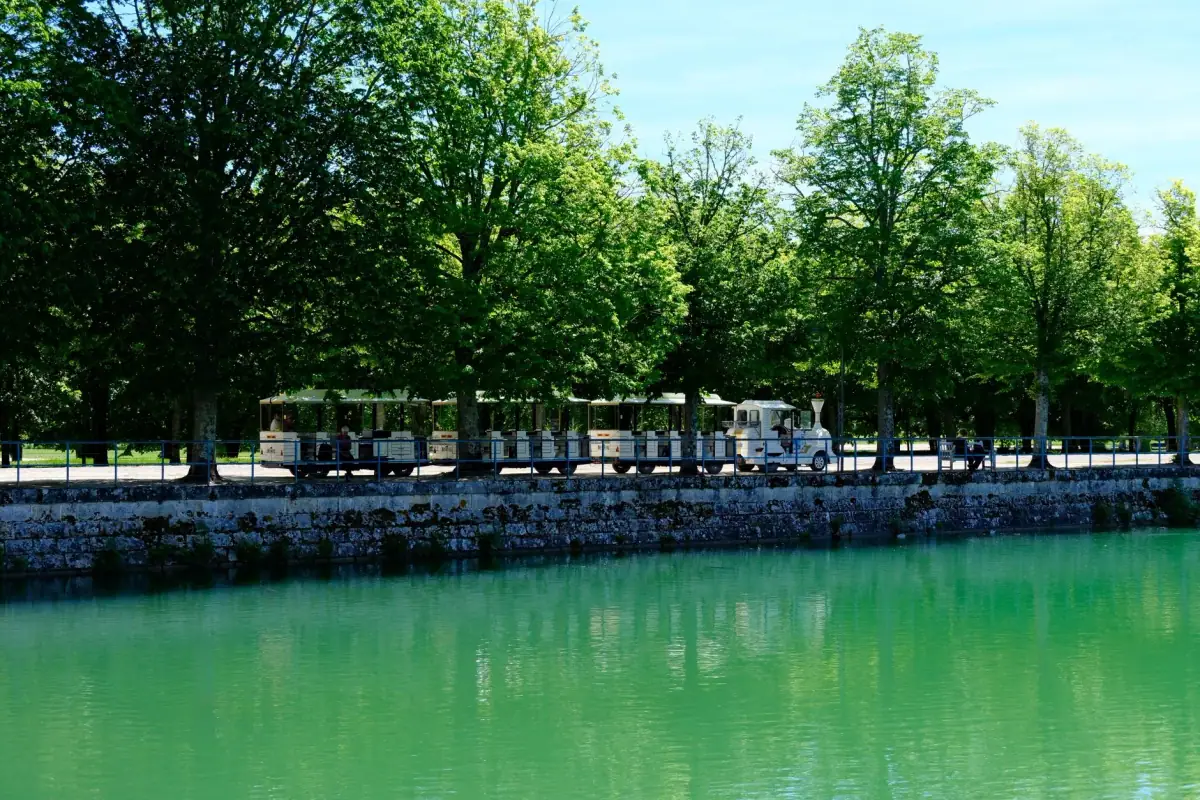
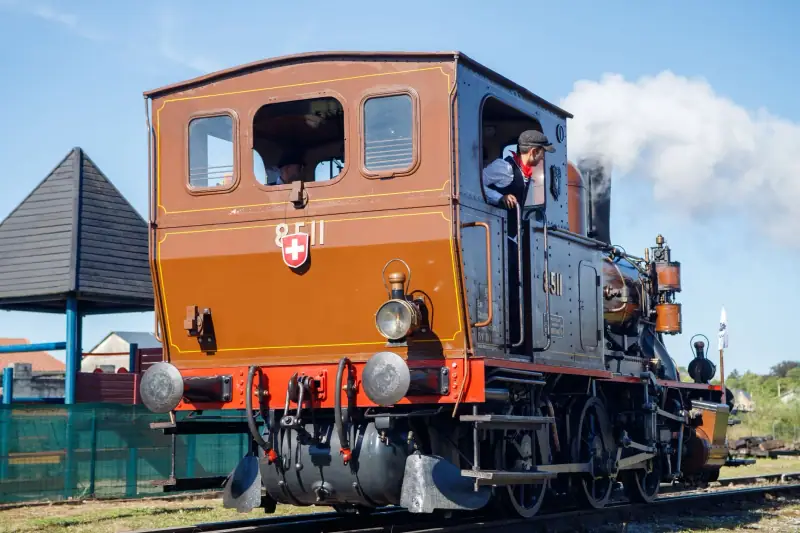
The Bay of Somme railway is both a means of transport and an attraction. It crosses marshes, salt meadows and estuary landscapes at a leisurely pace, letting you look at the bay without having to watch the road. Depending on the season, steam trains run, which adds to the charm of the trip.
For this weekend, we suggest using the tourist train to reach Le Crotoy, on the other shore. The trip goes around the head of the bay via Noyelles-sur-Mer: it is no faster than the road, but it feels like a ride, without having to drive. Be sure to check the times and running days before building your program, because they depend on the season.
Evening: dinner facing the bay
Depending on your base, dine in Saint-Valery or Le Crotoy. Restaurants facing the bay fill up fast, especially on Saturday night: book. After dinner, a walk by the water as the light fades is one of the best moments of the stay.
A guided outing in the bay
Low-tide hikes, seal watching, commented walks: find the outing that suits you.
Day 2: a bike loop around the estuary
Renting your bike
The second day lends itself to cycling. Rental shops are plentiful in the main towns of the bay. Consider comparing a standard bike and an electric-assist bike: on flat ground, a standard bike is plenty, but a headwind can make the electric very welcome, especially if you are not used to pedaling for several hours.
Before renting, check:
- the condition of the brakes and tires;
- whether a lock, a helmet and a rack or basket are included;
- the return conditions, notably closing hours;
- whether you can return the bike in another town, if your program involves it.
Choosing your route
There are many developed routes around the bay and the terrain is flat. Depending on your level and your wishes, here are three options, to adapt to the day’s conditions:
- The easy ride (about two hours): a short loop around Saint-Valery-sur-Somme, with a few photo stops on the dikes and by the water. Ideal with young children.
- The food-focused half day: a ride to a neighboring town for lunch, then a return at your own pace. It is the most balanced option.
- The ambitious day: a big loop around the estuary, with a stop on the way, for regular cyclists.
Whatever the option, consult an up-to-date cycling map (available from the tourist office or on local authority websites) and avoid relying only on your phone: mobile coverage can be uneven in some open areas.
Combining bike and tourist train
This is the cleverest option. Do the outward trip by tourist train, then the return by bike, or the reverse. You enjoy the ride without fatigue, avoid a loop that is too long and keep energy for the visit. Find out about bike carriage conditions with the operator before counting on it, because they can depend on the trains and periods.
A detour to Marquenterre
If you are staying in Le Crotoy, the Marquenterre ornithological park is reachable by bike on flat ground. It is a very pleasant visit, notably in spring and fall during the migrations. All the details are in our article visiting Marquenterre park. Leave margin in your schedule: between the trip, the visit and the return, the day is full, and the wind can slow the way back.
Seals: go with a guide
Watching seals is one of the great moments of a stay in the Bay of Somme, but it is not an activity to improvise on foot without knowledge of the tides. Our guide to seal watching in the Bay of Somme explains why guided outings are recommended, what gear to bring and which rules to respect. If you have no car, a guided outing with an accessible starting point is often the best solution.
Pedal, sail, explore
Bike, kayak, walks: activities accessible without a car, with or without a guide.
Tides: the real driver of the weekend
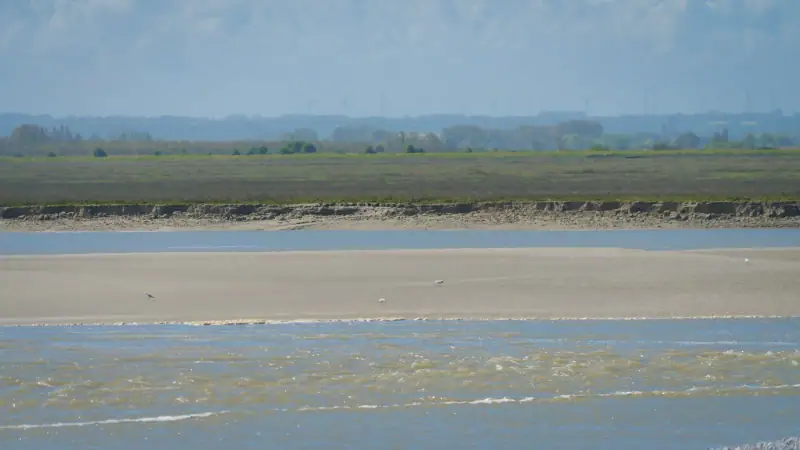
In this bay, the tide decides everything. It changes the look of the landscape, makes some walks possible or dangerous, and varies the light and atmosphere from one hour to the next. Before leaving, check:
- the high and low tide times for each of the two days;
- the coefficients: the higher they are, the higher the sea rises and the further it pulls back, with stronger currents;
- the tourist office notices on the day’s conditions.
A rule of caution applies: never venture alone onto the uncovered areas if you do not know the bay perfectly. The sea comes back fast and the sand can be quicksand in places. For walks on foot in the estuary, use a specialized guide.
To know which season to choose for your stay, see our article on when to go to the Bay of Somme: weather, crowds and tourist train services are not the same from month to month.
What to put in your bag when traveling without a car
Traveling without a car forces choices. Here is a minimal list, to adapt to the season.
- A windproof and waterproof jacket: wind is frequent, even in summer.
- Layers: a fleece or a light sweater, because the weather changes fast.
- Comfortable closed shoes, suited to walking and cycling.
- Sunglasses, sunscreen and a hat: on the bay, the light is intense and the wind masks the feeling of heat.
- Light binoculars if you like watching birds or seals.
- A water bottle and a small snack for bike rides.
- An external battery for the phone, which serves as map, timetable and camera.
- A small backpack for the day, in addition to your main luggage.
Avoid traveling with several suitcases: train changes and walks quickly become tiresome.
What if you finally want to add a car?
Even if this program is done without a vehicle, you may want, for half a day, to reach the Pointe du Hourdel, Cayeux-sur-Mer or Fort-Mahon-Plage. Several solutions exist: a carpool, a taxi for a one-off trip, or a one-day car rental. The latter limits the cost while opening up access to distant sites. It is detailed in our guide to getting around the Bay of Somme, with a “train plus a two-day car rental” option that works well.
What budget to plan for a car-free weekend
Prices vary greatly with the season, the type of accommodation and your wishes. Here are the main items to anticipate, without fixed figures, because rates change:
- The train to reach the bay: the most variable item, depending on your departure city and early booking;
- Accommodation: the main expense, higher in summer, on weekends and during school holidays;
- The tourist train: to budget as an activity more than as simple transport;
- Bike rental: a moderate budget for a day, with a surcharge for electric assist;
- Dining: very flexible, from a cone of shrimp bought on the quay to a full meal facing the bay;
- A guided outing (seals, walk in the bay): to plan for if you want to enjoy the area’s signature experience.
A car-free stay saves fuel and parking, but not necessarily lower spending overall: the saving is mostly in peace of mind.
Classic mistakes to avoid
- Not checking the tourist train times. It does not run every day all year: build your program from the official calendar.
- Underestimating the wind. A 20 km (12 mi) loop can become difficult in a headwind: set out against the wind on the way out, and it will push you on the way back.
- Booking too far from a station. Without a car, proximity to the center and transport is essential.
- Forgetting to book restaurants and bikes in high season and on sunny weekends.
- Neglecting the tides. Even by bike or on foot, they determine your safety and the beauty of what you will see.
- Trying to see everything. A car-free weekend is savored slowly: better to see less, but well.
In summary: why this format works
A car-free weekend in the Bay of Somme rests on a simple idea: stay within the perimeter where the area is naturally accessible, use the tourist train to go around the estuary, the bike to explore at your own pace and your legs for the rest. You gain serenity, avoid traffic jams and the search for parking, and leave more room for the essentials: the landscape, the birds, the seals and the seafood.
If you feel like staying longer or going further afield, our 3-day itinerary will offer a complementary program. And if you still hesitate over the ideal period, take a look at our guide to the best season to go.
Frequently asked questions about the car-free weekend in the Bay of Somme
The answers to the most common questions are in the FAQ section of this article. In short: arrive by train at Abbeville or Noyelles-sur-Mer, stay in Saint-Valery-sur-Somme or Le Crotoy, cover the head of the bay by tourist train, explore by bike and always keep an eye on the tides. With these few pointers, you will enjoy the bay fully without ever touching a steering wheel.
Sources
- Chemin de Fer de la Baie de Somme: figures checked November 2026
Frequently asked questions
Is it possible to visit the Bay of Somme without a car?
Yes, provided you stay on the Saint-Valery-sur-Somme, Le Crotoy and Noyelles-sur-Mer axis, well served by the Bay of Somme railway and very flat for cycling. More distant sites, such as Le Hourdel, Cayeux-sur-Mer or Fort-Mahon-Plage, need more organization or a complementary means of transport.
Which station should you choose to arrive in the Bay of Somme?
Abbeville is the most practical station to get there from a major city, and Noyelles-sur-Mer lets you continue by tourist train to Saint-Valery or Le Crotoy. Rue is also an option on the Marquenterre side. Connections vary by day and season: check the official timetables before booking.
Does the tourist train run all year?
The Bay of Somme railway has a calendar that depends on the season, with more services in summer and during school holidays. Always check the operator's calendar before building your program around it.
Can you rent a bike there?
Yes, rental shops are set up in the main towns of the bay, notably around Saint-Valery-sur-Somme and Le Crotoy. In high season and on sunny weekends, it is better to book ahead, especially if you want a child's bike or an electric-assist bike.
How many kilometers can you cycle in a day?
The terrain is flat, so a loop of 20 to 40 km (12 to 25 mi) is within reach of most people in good shape. The main obstacle is the wind, which can turn an easy ride into a sustained effort. Plan breaks and do not count on high speed.
Where should you stay to do without a car?
Saint-Valery-sur-Somme and Le Crotoy are the most practical bases, since they have a tourist train station, shops, restaurants and bike rental. The choice depends on the atmosphere you want: old town and quay in Saint-Valery, seafront and beach in Le Crotoy.
Do you need to watch the tides even without a car?
Yes, it is essential. Tides determine the look of the bay, walks on the estuary and some strolls. Check the times and coefficients before leaving, and never go onto the uncovered areas without a guide if you do not know the place.
More Hauts-de-France guides
Keep reading
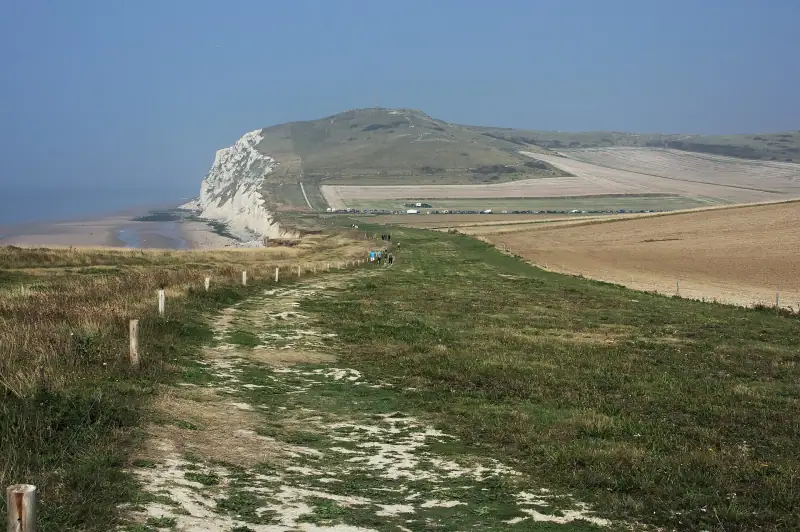
Hiking Cap Blanc-Nez without an agency: loops from Escalles, timing and tides
Hike Cap Blanc-Nez without a guide: a 10 km loop from Haute-Escalles, 1-hour variants, free parking, tides, shoes and safety.
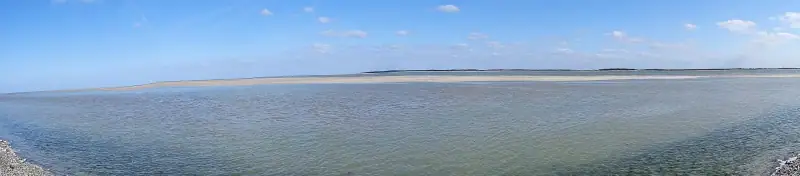
When to go to the Bay of Somme: seasons, tides and weather
What is the best time to visit the Bay of Somme? Seasons, big tides, weather, crowds and tips to plan your stay calmly.
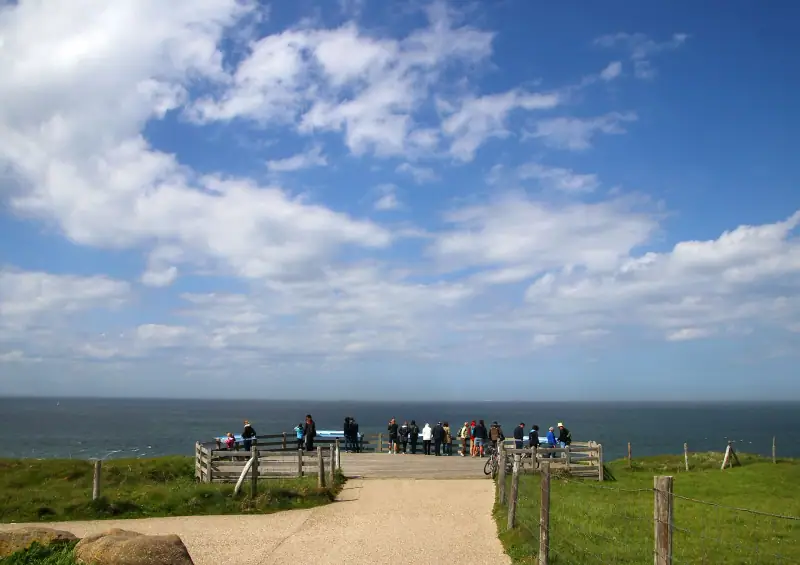
Where to park at Cap Gris-Nez: Audinghen parking lot, viewpoints and walks
Where to park for Cap Gris-Nez: access via Audinghen, viewpoints 15 min away, loops of 5 to 12 km from the Maison du Site, bus 427 and practical tips.
Ready-made
Hauts-de-France itineraries
2 days
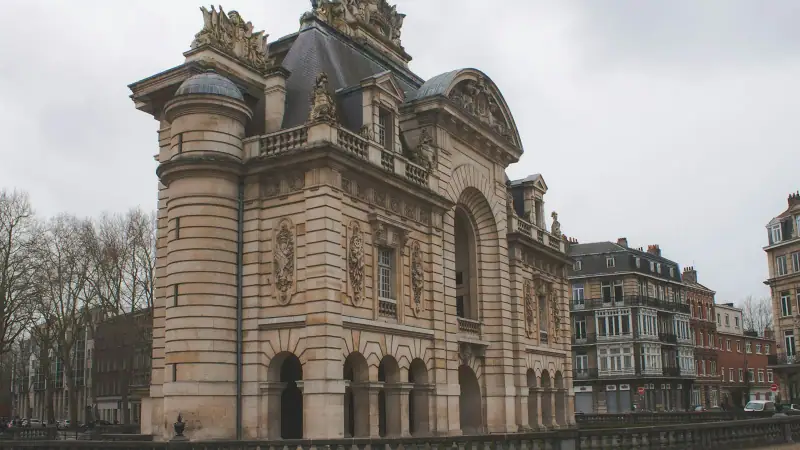
Weekend in Lille: what to see and do in 2 days
A weekend in Lille in 2 days: Old Lille, Grand'Place, Vieille Bourse, museums, the Citadelle, local dishes and practical tips for planning your stay.
5 days
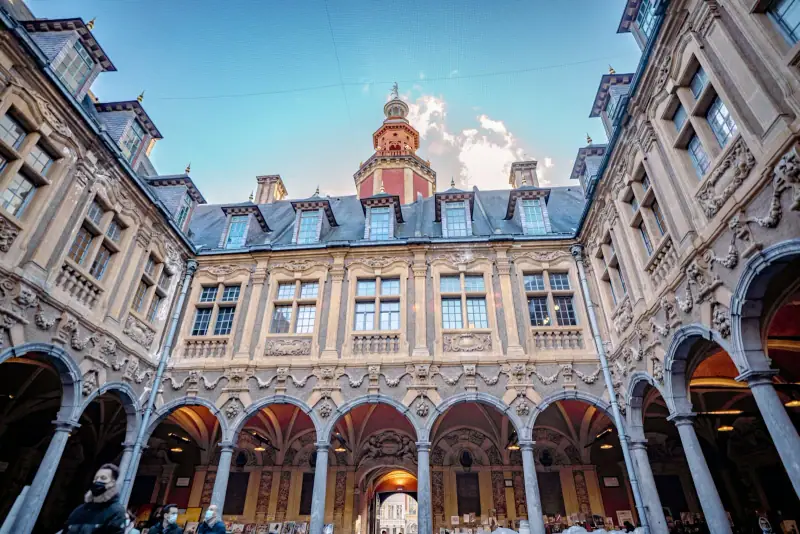
Hauts-de-France road trip in 5 days: from Lille to the Bay of Somme
CalaisBoulogne-sur-MerLe Touquet-Paris-PlageLe Crotoy
Can be adapted in the planner