What to see
Visiting Amiens: cathedral, hortillonnages and the Saint-Leu quarter
We may earn a commission when you book through links on this page, at no extra cost to you. We don't visit or try the places we cover: we summarize published sources. How we work
In short
- One full day covers the cathedral, the Saint-Leu quarter and a boat ride in the hortillonnages; two days add the Jules Verne house, the Musée de Picardie and the Citadelle.
- Notre-Dame Cathedral has been UNESCO World Heritage since 1981; building began around 1220 and its vaults rise above 40 m (130 ft).
- The hortillonnages cover about 300 hectares (740 acres); boat rides run mostly from spring to early fall and last about an hour. Book ahead in high season.
- Almost everything is walkable on flat ground; the station is a few minutes from the center.
Amiens is often treated as a simple stop between Paris and the coast. That is a mistake: the capital of Picardy packs into a few square kilometers one of the largest Gothic cathedrals in Europe, a canal quarter with colorful houses, a labyrinth of floating gardens unique in France and the memory of Jules Verne, who lived there for more than thirty years. All in a human-scale city, where you get around on foot and eat well.
This guide helps you plan your visit: the order of the stops, what is really worth the detour, good practical habits, and how to extend your stay toward the rest of the Hauts-de-France.
Amiens in brief: a city of water and stone
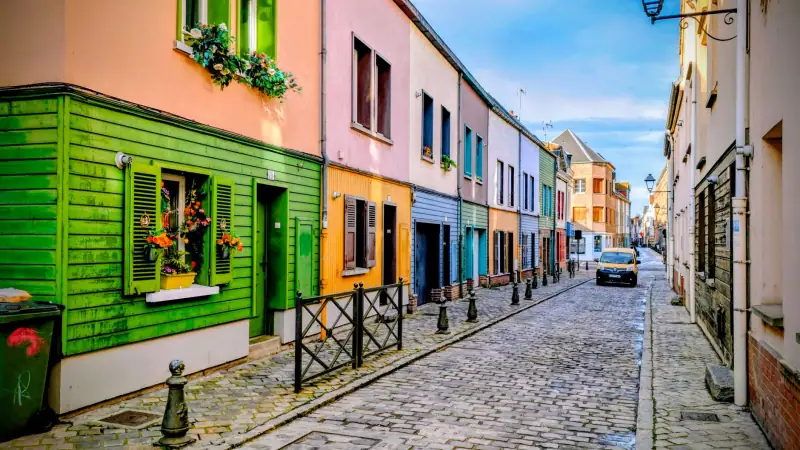
Amiens is the prefecture of the Somme department, in the historic region of Picardy. The city grew up on both sides of the Somme, which splits into several branches there. This water geography shaped its history: the weavers and dyers of the Middle Ages, the textile trade, then the market gardening of the hortillonnages that supplied the city with vegetables.
The center was heavily hit by 20th-century destruction, but most of the heritage survived, starting with the cathedral, which stayed standing despite the conflicts. Today you find a lively center, a large student population and a less touristy atmosphere than the big neighboring cities.
Why go?
- For Notre-Dame Cathedral, a Gothic masterpiece listed by UNESCO.
- For the hortillonnages, these gardens on the water discovered by boat.
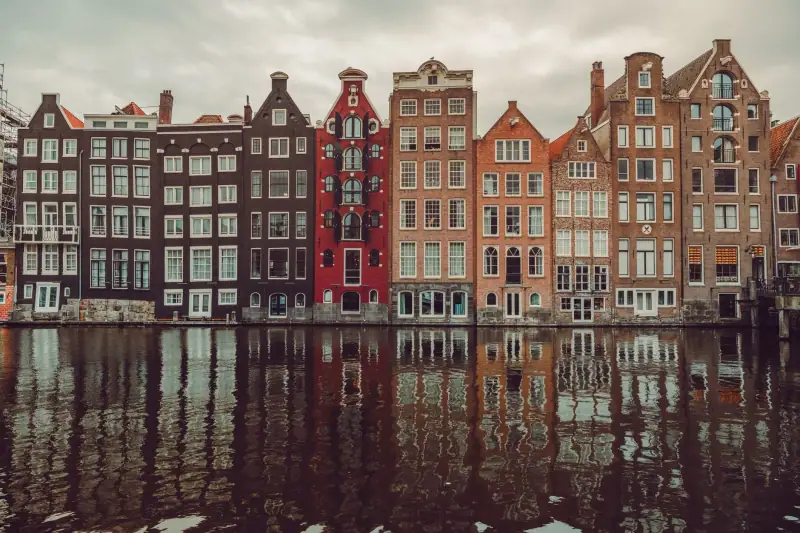
- For Saint-Leu, the quarter of canals, outdoor cafes and old houses.
- For the Jules Verne house and the literary atmosphere of the city.
- For its location: a good starting point toward the Bay of Somme, Arras or the coast.
Getting to Amiens and getting around
Arriving by train
The train is the simplest solution. Amiens station, recognizable by its big tower, is a few minutes’ walk from the city center. It is linked to several cities of the Hauts-de-France by regional services. Check current schedules before booking, because the offer varies by day.
Arriving by car
The city is served by the highway. Parking downtown is paid and limited: it is better to use a parking garage near the cathedral or the Saint-Leu quarter, then do everything on foot. If you are coming from the coast, our guide to getting around the Bay of Somme will help you combine train, bike and car.
Getting around locally
- On foot: most sights are less than twenty minutes’ walk from one another.
- By bike: the ground is flat, and the banks of the Somme are well suited to a ride.
- By bus or shuttle: useful to reach the hortillonnages if you prefer not to walk.
Where to stay in Amiens
To enjoy the lit-up cathedral in the evening and the Saint-Leu quays, accommodation in the center is ideal. Compare the offers.
Notre-Dame Cathedral of Amiens
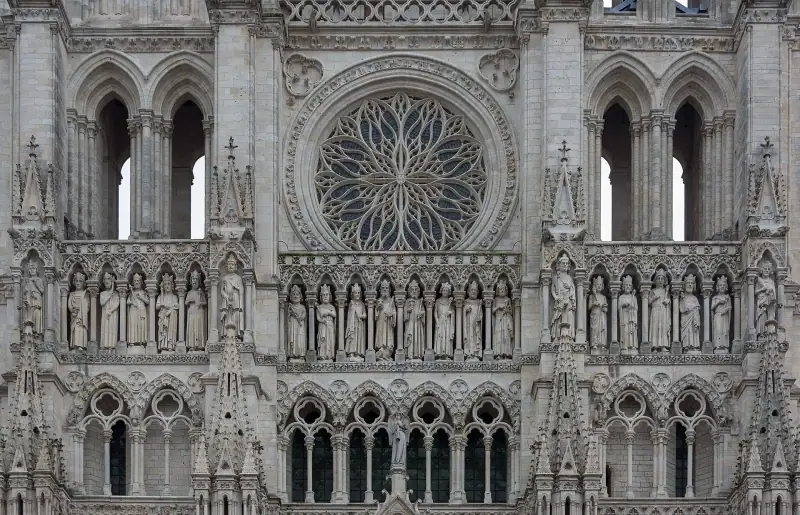
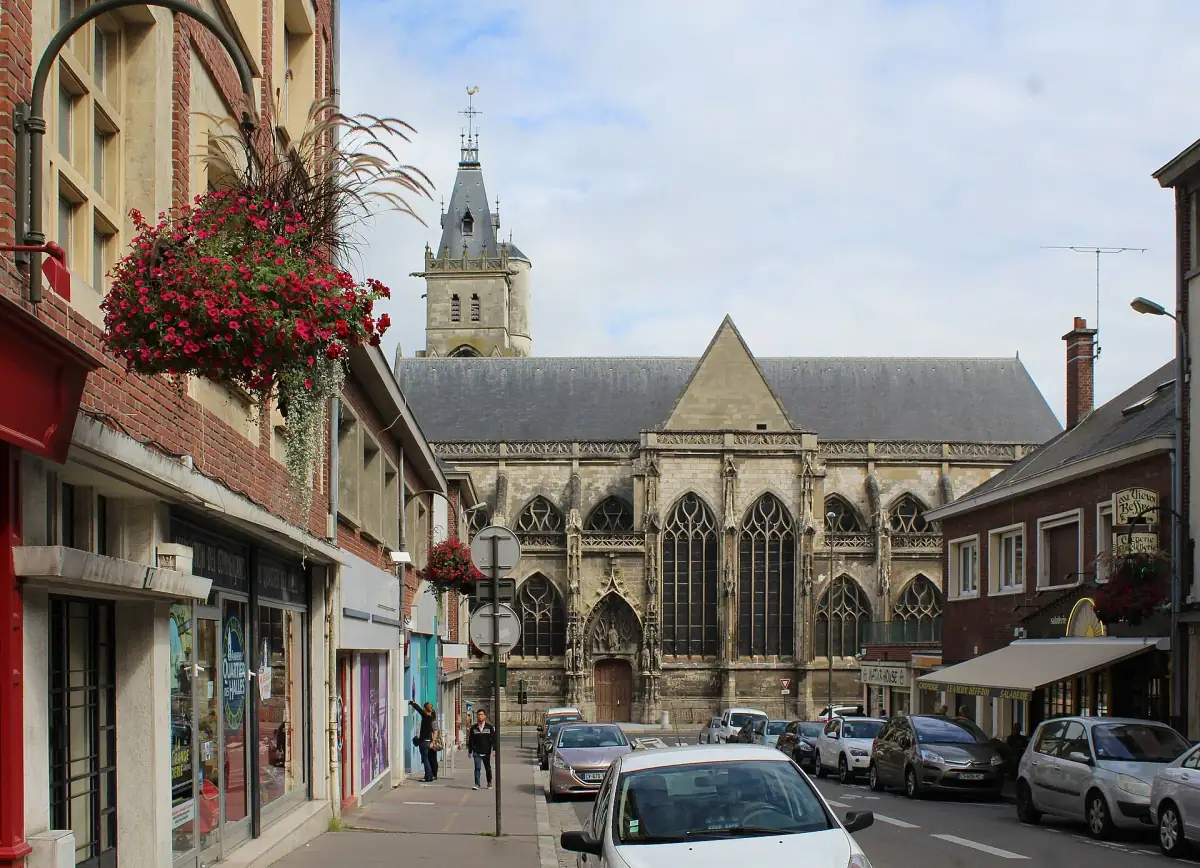
This is the can’t-miss monument, and you quickly understand why. Notre-Dame Cathedral of Amiens has been a UNESCO World Heritage site since 1981. Its construction began in the early 13th century, around 1220, and proceeded at a remarkably fast pace for the time, which explains the unity of its Gothic style.
A volume record
It is often presented as the largest Gothic cathedral in France by interior volume. Entering the nave, the impression of height is striking: the vaults rise to more than forty meters (130 ft), and the light filtering through the windows gives the whole an astonishing lightness. Take the time to look up, walk slowly and retrace your steps: the space reads differently depending on where you stand.
The facade and its sculpted portals
Before going in, stop on the forecourt. The west facade is covered in sculpture: three large portals, a gallery of kings, a rose window. The central portal is dedicated to Christ, known as the “Beau Dieu d’Amiens”. The statues once told sacred history to those who could not read, and still keep all their narrative power today. The two towers are of different heights, a detail that strikes you as soon as you step back.
What to look for inside
- The labyrinth drawn in the paving of the nave, restored at the end of the 19th century from an older model.
- The wooden choir stalls, a remarkable carved ensemble.
- The Weeping Angel (Ange pleureur), a small 17th-century sculpture that became famous well beyond Amiens.
- The side chapels and their windows, which deserve a stroll.
The illuminations
The facade is lit up during shows that restore its original colors: in the Middle Ages, the sculptures were painted. Depending on the season, these projections are offered in the evening, notably in summer and at Christmas time. Dates change every year; ask the tourist office before booking your stay.
Visiting tips
- Come early in the morning or late in the afternoon, when the light is beautiful and the crowd thinner.
- Respect the religious nature of the place: appropriate dress, silence, and attention to services.
- Tower climbs and guided visits depend on the season and the day: ask before you come.
How much time to allow? Allow an hour and a half to two hours for a careful visit, more if you take a guided tour.
The hortillonnages: gardens on the water
This is what really sets Amiens apart from other cathedral cities. The hortillonnages are a set of cultivated islets, separated by a network of small canals called “rieux”, east of the city. They cover several hundred hectares, about 300 (740 acres), which makes them a site apart in France. For centuries, the hortillons, market gardeners of a particular kind, grew vegetables there that they carried by boat to the city market.
A ride in a horned boat
The best way to discover them is to board a barque à cornet, a flat-bottomed boat whose bow and stern curve upward. A guide maneuvers with a pole or a silent motor, and the ride is calm: you pass flowering gardens, wooden huts, vegetable plots, herons and sometimes ducks. The change of scene is immediate, while the city center is only a few minutes away.
Routes generally last about an hour. They run mostly from spring to early fall; times change with the season and the weather. In high season, book ahead or come early.
When to go
- In spring, for the first flowering gardens.
- In summer, for life on the water and the lush greenery.
- In early fall, for soft light and fewer people.
Each summer, a contemporary art event takes over the islets and canals, mixing landscape and works: dates and program vary from year to year.
Guided tours and activities in Amiens
Cathedral visit, walk through the city with a guide, discovery of the hortillonnages: compare the activities on offer and their availability.
The Saint-Leu quarter: canals, facades and waterfront cafes
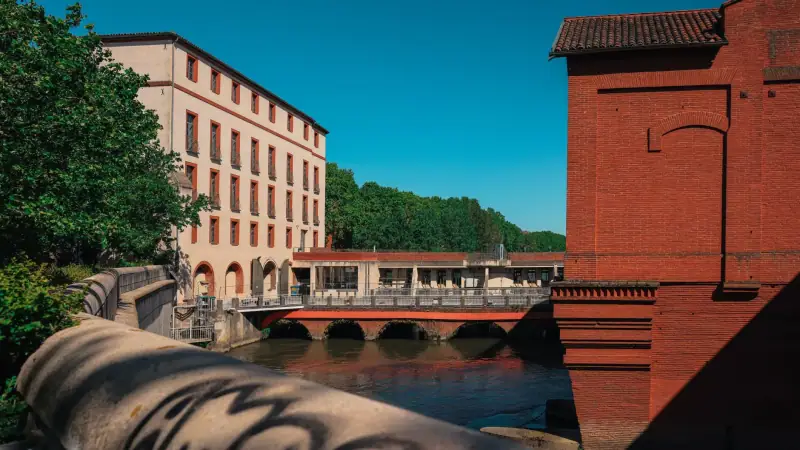
A few minutes’ walk from the cathedral, the Saint-Leu quarter is the other great highlight of the visit. A former craftsmen’s quarter, notably of weavers and dyers, it stretches along the Somme and its canals, between bridges, quays and footbridges.
A waterside atmosphere
The old houses, in varied colors, are reflected in the water. The cobbled lanes, small squares and quays make an ideal setting for strolling. The quarter has been largely rehabilitated and today holds restaurants, cafes, shops and galleries. It is the perfect place for lunch, a snack or a drink at the end of the day.
What to do in Saint-Leu
- Stroll along the quays and cross the footbridges that span the branches of the Somme.
- Enjoy a table outside facing the water, preferably in fine weather.
- Photograph the cathedral that appears as a backdrop from some angles.
- Discover the market on the water, a local event set up along the canals at certain times of the week: find out the days and hours.
Where to eat in Saint-Leu
The quarter concentrates a large part of the center’s dining offer. Rather than aiming for a specific address, look for short menus that highlight local products. To get an idea of the local cooking, our article on the culinary specialties of the Bay of Somme gives useful pointers for the whole region.
In Amiens, you will come across the ficelle picarde, a rolled crepe filled with ham and mushrooms, baked with a cheese topping. For sweets, the macarons d’Amiens are an old local specialty. Duck pâté is also associated with the city.
In the footsteps of Jules Verne
The author of Twenty Thousand Leagues Under the Seas lived in Amiens from 1871 until his death in 1905. He was even a city councilor. The city pays tribute to him in several ways.
The Jules Verne house
The Jules Verne house, the writer’s former home, is now open to visitors and devoted to his life and work. You discover his working environment and the imaginary world that inspired him. As always, check opening days and hours before going, and any works or closures.
Other places to know
- The Madeleine cemetery, where the writer lies, under a famous sculpture.
- The Cirque Jules Verne, a late 19th-century building that now hosts shows.
- The murals and nods to the writer scattered around the city.
If you travel with children or teenagers, this part of the visit is often an excellent hook.
Other sights in Amiens
If you have more than a day, add a few stops to your route.
The belfry
The Amiens belfry is among the belfries of Belgium and France listed by UNESCO. It dominates the Place de l’Hôtel de Ville and recalls the communal independence of the Middle Ages. If you like these monuments, you will find them again in Lille and other northern towns: our weekend in Lille will help you complete this itinerary.
The Musée de Picardie
Set in a large 19th-century building, this museum presents collections ranging from archaeology to fine arts. It is a good option on rainy days.
The Tour Perret and the station quarter
At the station exit, the Tour Perret, the work of architect Auguste Perret, symbolizes the city’s postwar reconstruction. It is also a landmark for finding your bearings.
The Citadelle and Parc Saint-Pierre
The Citadelle, today largely occupied by a university, is pleasant to walk along. Parc Saint-Pierre, near Saint-Leu, offers a welcome green break.
How to organize your time
A one-day program
- Morning: the cathedral, then a tour of the forecourt and the neighboring streets.
- Lunch: outdoor seating in Saint-Leu.
- Early afternoon: boat ride in the hortillonnages.
- Late afternoon: back along the Saint-Leu quays, coffee or aperitif.
- Evening: lit-up cathedral in season, if your train allows.
A two-day program
- Day 1: the program above, at a slower pace.
- Day 2: Jules Verne house, belfry, Musée de Picardie, Madeleine cemetery, then relaxation in a park or on the banks.
A weekend in Amiens?
Book early for summer weekends and the Christmas period, which are in high demand. Compare hotels in the center.
When to come to Amiens
The city can be visited all year, but the experience changes with the seasons.
- Spring: gardens reawakening, outdoor seating reopening, first boat rides.
- Summer: the liveliest period, with a richer cultural offer and soft evenings. It is also the busiest.
- Fall: golden light, fewer crowds, temperatures still pleasant early in the season.
- Winter: a calmer atmosphere, with a big Christmas market that enlivens the center in December.
To adjust your dates, our article on when to go to the Bay of Somme gives useful climate pointers for the whole of Picardy.
Extending your stay from Amiens
Amiens is an excellent base for exploring other sites of the Hauts-de-France.
- The Bay of Somme, reachable by car or train from Amiens: see our guide to visiting Saint-Valery-sur-Somme.
- The Opal Coast, for its capes and beaches: see our guide to visiting the Opal Coast.
- Arras, for its arcaded squares and memorial sites.
- Chantilly, for its castle and stables.
If you plan to rent a car to link these stops, compare rental offers before you leave.
Practical tips
- Comfortable shoes: the cobbled streets and bridges are covered on foot.
- Rain gear: the climate is changeable, even in summer.
- Bookings: in high season, book boat rides and guided tours.
- Respect for the places: the cathedral is a place of worship, and the hortillonnages are a working space for their owners. Do not step onto private islets without being invited.
- Hours: museums, writers’ houses and towers have variable hours; check them before you leave.
In summary
Amiens is an easy destination: compact, reachable by train, rich in heritage, and endowed with a strong personality thanks to its canals and its gardens on the water. With a day, you see the essentials; with a weekend, you take your time. It is also an ideal base for continuing to the Bay of Somme or the coast, and a fine way to discover Picardy.
Frequently asked questions
How long do you need to visit Amiens?
A well-filled day lets you see the cathedral, the Saint-Leu quarter and take a boat ride in the hortillonnages. With two days, you add the Jules Verne house, the Musée de Picardie, the Citadelle and calmer breaks at waterside patios.
Can you visit Amiens in one day?
Yes. Amiens is well linked by train to the main cities of the Hauts-de-France, and the station is a few minutes' walk from the center. A day trip is entirely realistic, as long as you limit the program to three major sights. Check train times in advance, especially in the evening.
When do the hortillonnages visits take place?
Boat rides run mostly from spring to early fall, with a wider offer in summer. Dates and times change from year to year: check with the tourist office or the operators before you come, and book in high season.
Is Amiens Cathedral free?
Entry to the nave is generally free, respecting services and the requests for silence. Some extras (tower climbs, guided tours, audio guides) may be paid and subject to hours: ask there or at the tourist office.
What is the best time to visit Amiens?
From spring to early fall, to enjoy the hortillonnages and the Saint-Leu patios. Summer evenings and the Christmas period have their own charm, with the lighting of the cathedral and the Christmas market. Bring a jacket: the Picardy climate is often cool and windy.
Can Amiens be visited on foot?
Yes, almost all of it. The cathedral, Saint-Leu, the belfry and the station are within a reasonable walking perimeter, on flat ground. A bike or local transport is only useful to reach the hortillonnages or sites further from the center.
Is Amiens interesting for children?
Yes: the boat ride, the canals, the parks, the world of Jules Verne and the many waterside patios appeal to younger visitors. Just keep an eye on them near the quays and banks.
More Hauts-de-France guides
Keep reading
What to see in Artois: Lens, Vimy, Béthune, Azincourt and beyond Arras
What to see in Artois? Louvre-Lens, twin slag heaps, Vimy, Notre-Dame-de-Lorette, Béthune, Azincourt: 8 stops beyond Arras and a 2 to 3 day plan.
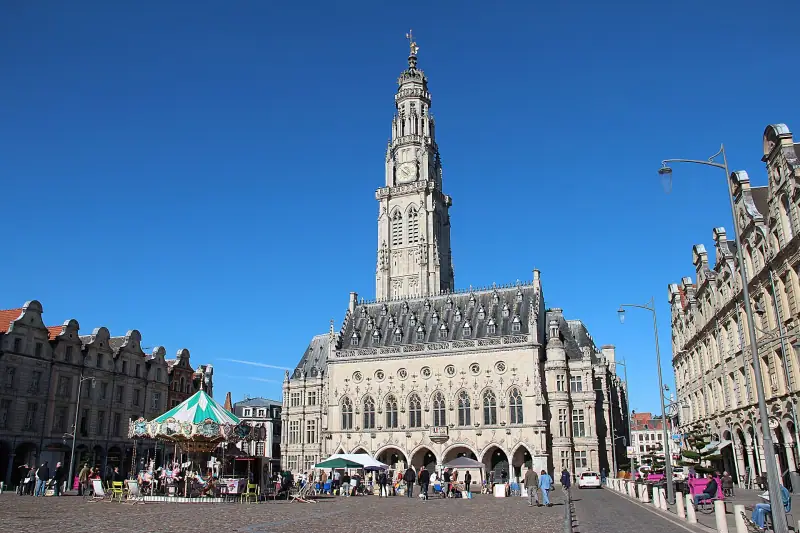
Visiting Arras: what to see and do in 1 to 2 days
What to see in Arras? Grand'Place, Place des Héros, belfry, boves, citadel, fine arts museum and memorial sites: a guide to plan your visit.
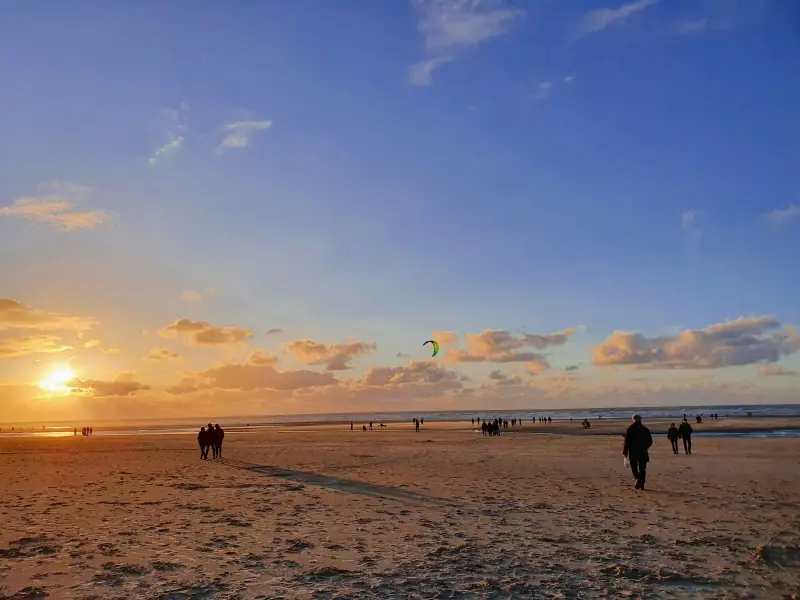
Visiting Le Touquet-Paris-Plage: what to see and do in 1 to 3 days
What to see and do in Le Touquet-Paris-Plage: beach, forest, villas, market, sand yachting, lighthouse and Canche Bay on the Opal Coast.
Ready-made
Hauts-de-France itineraries
2 days
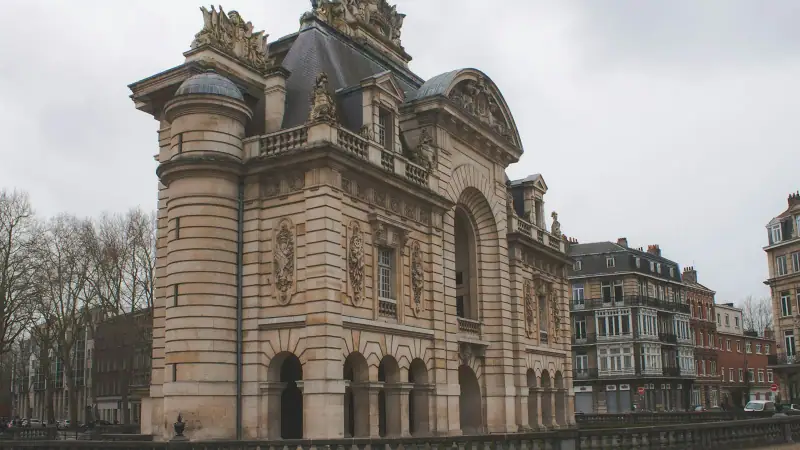
Weekend in Lille: what to see and do in 2 days
A weekend in Lille in 2 days: Old Lille, Grand'Place, Vieille Bourse, museums, the Citadelle, local dishes and practical tips for planning your stay.
2 days
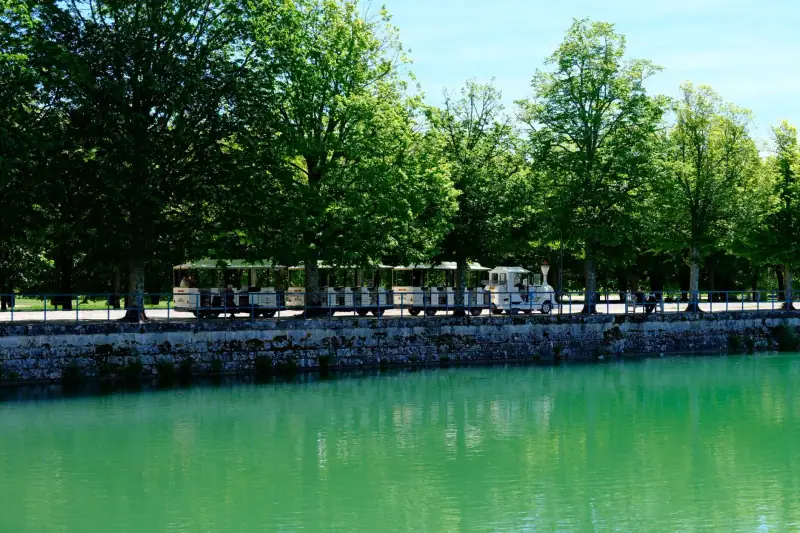
Car-free weekend in the Bay of Somme: train, bike and tourist train
A weekend in the Bay of Somme without a car: arrive by train, stay in Saint-Valery or Le Crotoy, get around by tourist train and bike. Program and tips.
5 days
Hauts-de-France road trip in 5 days: from Lille to the Bay of Somme
CalaisBoulogne-sur-MerLe Touquet-Paris-PlageLe Crotoy
Can be adapted in the planner