What to see
Visiting Antibes: what to see and do in the city of ramparts
We may earn a commission when you book through links on this page, at no extra cost to you. We don't visit or try the places we cover: we summarize published sources. How we work
In short
- One day covers the essentials (old town, ramparts, market, a beach break); add the Picasso Museum and a walk on Cap d'Antibes and two days is more comfortable.
- The train from Nice takes about 20 minutes; the station is a few minutes' walk from the old town, and the center is walkable.
- Antibes combines three atmospheres: Old Antibes, wooded Cap d'Antibes and the sand-beach resort of Juan-les-Pins.
- Spring and early fall offer the best mix of light, calm and prices; summer is ideal for swimming but very busy.
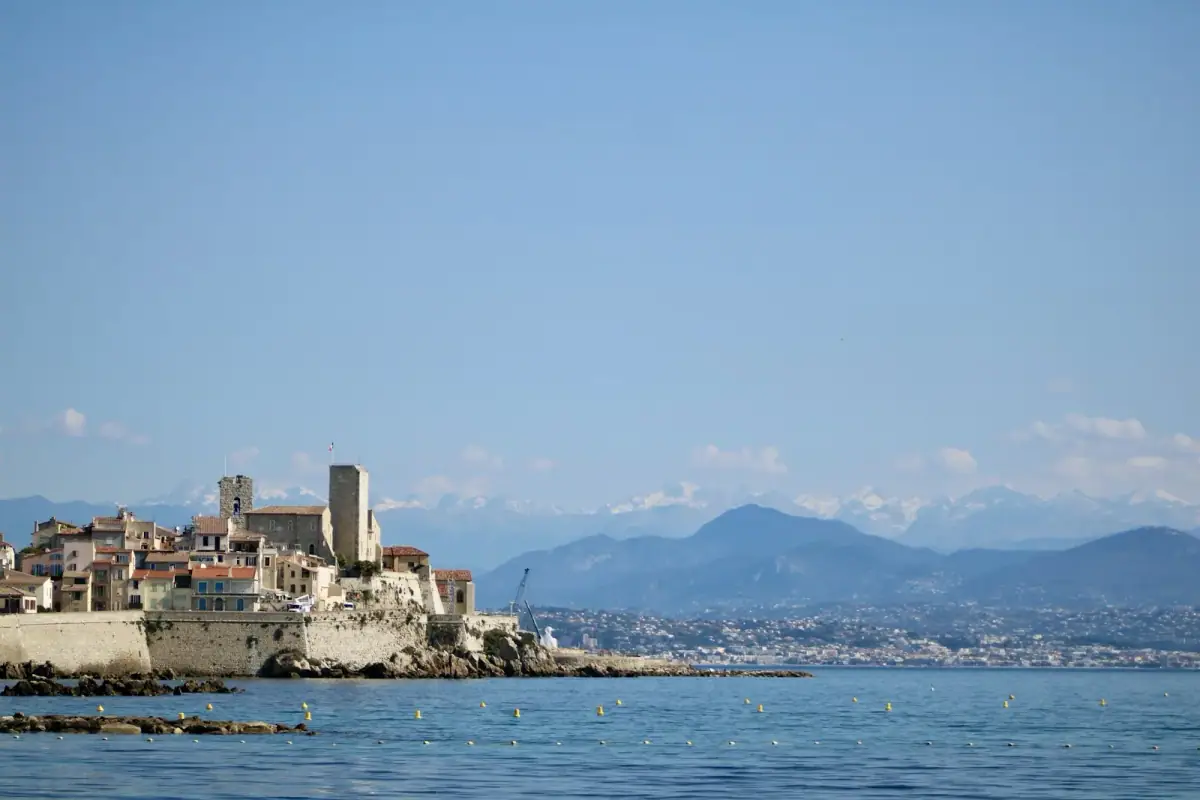
Between Nice and Cannes, Antibes keeps the look of a former fortified town facing the sea. Its stone-colored ramparts, marina, Provençal market and old town of shaded lanes make it one of the most pleasant stops on the French Riviera. Add a museum devoted to Picasso, a leafy peninsula, Cap d’Antibes, and the neighboring resort of Juan-les-Pins: you get a complete destination, which can be visited in a day or a week.
This guide helps you decide what to see, how to organize yourself, where to eat and how to combine Antibes with the rest of the region. It sticks to places and information that can be checked, without multiplying addresses that may no longer exist or opening hours that can change from one season to the next.
Antibes in brief: a city of sea and history
Antibes is a town of the Cannes area, between Nice to the east and Cannes to the west. Founded by the Greeks of Marseille under the name Antipolis, the “city opposite”, it faced Nice, then a neighboring trading post. It was later Roman, then a border town over the centuries, which explains the importance of its fortifications. Today it combines three very different atmospheres.
- Old Antibes: an old center tucked between the ramparts and the harbor, with its market, small squares and lanes.
- Cap d’Antibes: a wooded peninsula, with coastal paths, fine estates, coves and a lighthouse.
- Juan-les-Pins: a beach resort with a big sand beach, known for its evenings and its summer jazz festival.
This variety is the town’s great strength. You can spend a cultural morning, a swimming afternoon and an evening on a terrace without ever taking a car.
Getting to and around Antibes
The most practical way to reach Antibes is the regional train. The station is a few minutes’ walk from the old center, and the trip from Nice or Cannes is short: about twenty minutes from Nice and a little less from Cannes. Frequencies are good during the day, but check the return times if you plan to stay into the evening.
Once there, the center is walkable. The harbor, market, ramparts and Picasso Museum are all close to one another. To get to Juan-les-Pins, you can take the train, the bus or walk along the coast, depending on your energy. For Cap d’Antibes, walking and cycling are possible, and local buses serve part of the peninsula.
If you have a car, note that parking in the center is limited and generally paid in season: better to park in a lot outside and finish on foot. For how transport is organized across the region, our guide to getting around the French Riviera without a car gives you the main lines.
Old Antibes and its ramparts
The visit naturally starts with the old town. Its narrow lanes, ocher facades and small squares invite you to stroll without a map. You will find craft shops, delicatessens, shaded terraces and fountains. The charm is in the human scale: in a few steps you pass from a quiet street to a lively little square.
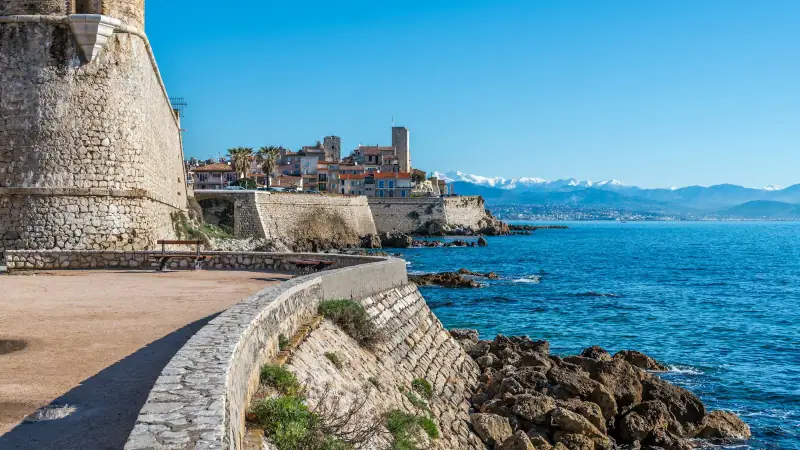
The ramparts, which border the center on the sea side, are the second big asset. You walk along them and get fine views over the bay, the harbor and, on a clear day, the mountains rising over the hinterland. The walk on the ramparts is especially beautiful at the end of the day, when the light turns golden. It also helps you understand the town’s strategic role, long a stronghold facing the neighboring border.
A few pointers for enjoying the old town:
- Start early to enjoy the lanes before the terraces fill.
- Follow the ramparts to the harbor: the walk is short, very photogenic and free.
- Step into the small streets leading away from the main roads: they are often the quietest.
- Look out for the church and the cathedral, whose architecture recalls the age of the site.
Stay in Antibes
Staying in or near Old Antibes lets you enjoy the lanes and the harbor in the evening, once the day visitors have left. Compare the available accommodation.
The Provençal market on cours Masséna
The cours Masséna market is one of the town’s highlights. Set up under a covered hall in the old town, it brings together producers, market gardeners, cheesemongers, fishmongers and sellers of Provençal products. You will find seasonal fruit and vegetables, olives, flowers, spices, goat cheeses, herbes de Provence and all sorts of regional specialties.
It generally takes place every morning in season, on a more limited schedule out of season: check opening days before your visit. The market draws residents as much as visitors, which makes it a good place to understand local daily life. Go early, before the biggest crowds, and consider putting together a picnic: cheese, bread, tomatoes, olives and fruit make a simple, excellent lunch to take to the ramparts or the beach.
To compare with the region’s other big markets, our article on Provençal markets on the French Riviera gives you useful pointers.
The Picasso Museum and art in Antibes
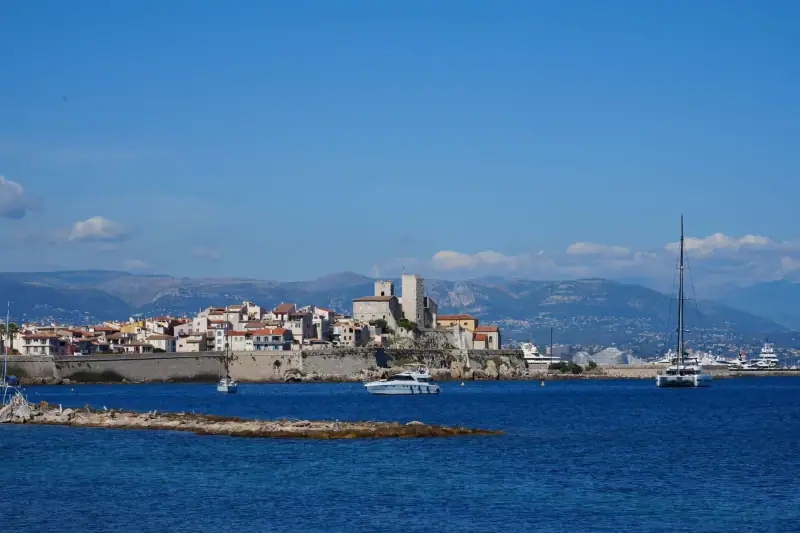
Perched on the ramparts facing the sea, the Château Grimaldi houses the Picasso Museum. The building, a former residence of the town’s lords, hosted Pablo Picasso in 1946: the artist set up a studio there, and that stay produced a series of works inspired by light and the sea. The museum, devoted to the artist since the 1960s, keeps several of these creations and also presents 20th-century artists.
Beyond the collection, the place is also worth it for its location: the terrace, facing the Mediterranean, is a small space of sculpture and contemplation with a very fine view. Plan about one to two hours for the visit, depending on your interest. Hours, fares and temporary exhibitions vary: check the town’s official website before you come.
Nearby, you can also spot several contemporary outdoor artworks, including a large sculpture on the seafront that has become one of the symbols of the town. The walk at the foot of the ramparts, facing the sea, lets you see it and extend the visit without paying an entry fee.
Port Vauban and Fort Carré
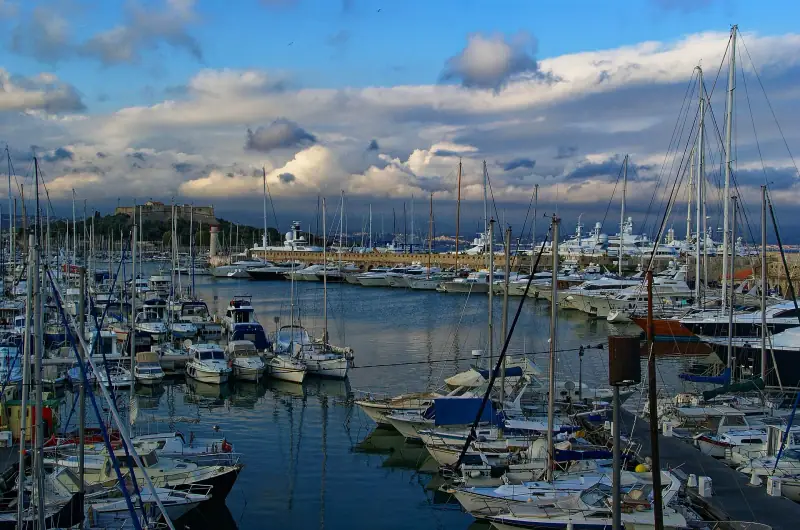
At the foot of the ramparts, Port Vauban hosts one of the largest concentrations of yachts in the Mediterranean. You stroll there for free, simply to watch the boats, from modest sailboats to impressive yachts. The quay offers a nice viewpoint over Old Antibes, especially at sunset.
A bit farther, on a small peninsula, Fort Carré overlooks the harbor entrance. This star-shaped 16th-century fortress was reworked by Vauban, hence the name of the neighboring harbor. It can be spotted from afar, and its silhouette is one of the best-known images of Antibes. The visit, often organized with a guide, lets you discover the casemates, ramparts and views over the bay. Hours and access conditions may change: ask the tourist office.
To combine history and relaxation, you can chain things like this:
- Morning: market, old town and ramparts.
- Midday: a light lunch, then a visit to the Picasso Museum.
- Afternoon: a walk around the harbor and a view of Fort Carré.
- End of day: a drink on a terrace facing the boats.
Tours and excursions around Antibes
Boat trips, guided tours, themed days on the French Riviera: compare the activities offered from Antibes.
Cap d’Antibes: coastal path, coves and lighthouse
A few kilometers from the center, Cap d’Antibes is a wooded peninsula dotted with large estates, rocky coves and small beaches. It is one of the most pleasant places in the region for walking by the water. The coastal path follows part of the shore, among rocks, pines and views of the bay: it is accessible to most walkers, but some sections are rocky and slippery, so suitable shoes are recommended.
At the top of the peninsula, the La Garoupe chapel and its lighthouse offer a fine panorama of the coast, from the Esterel to the Alps on a clear day. The botanical garden of Villa Thuret, run by a research body, is open to visitors and surprises with its collection of exotic species acclimatized in the south of France. Find out about its access conditions before you come.
To complete your preparation, our guide to hikes and coastal paths on the French Riviera offers more ideas for walks by the water.
A few tips for the Cap:
- Leave in the morning: heat and crowds rise fast in summer.
- Bring water: shops are rare on the path.
- Respect private property: stay on the marked path.
- Pack a swimsuit: many coves are good for swimming.
Beaches of Antibes and Juan-les-Pins
Antibes offers a choice of beaches that is rare for a town of this size. Near the center, several small beaches are a few minutes’ walk from the ramparts, handy for a swim after visiting the museum. They are often very busy in summer, but their closeness to the town center is an obvious advantage.
A bit farther, Juan-les-Pins has the commune’s big sand beach, lined with shops, restaurants and private beaches. It suits families and those looking for a lively atmosphere, with water activities in season. The resort is also known for its jazz festival, held every summer: dates and program change from year to year, so check the official websites if you want to enjoy it.
On Cap d’Antibes, the beaches are smaller and calmer, away from the noise of the town. The pebble and rock coves are good for swimming and snorkeling, as long as you follow local rules.
To choose your beach well:
- Families with children: favor Juan-les-Pins and its sandy bottoms.
- A quick swim: choose the small beaches near the ramparts.
- Quiet and nature: aim for the coves of the Cap, outside peak hours.
- Festive atmosphere: stay in Juan-les-Pins in the evening.
Where and what to eat in Antibes
Antibes cooking is classic Riviera cooking: Mediterranean fish, market vegetables, olive oil, tomatoes, anchovies, goat cheeses and desserts flavored with lemon or seasonal fruit. There are many terraces in the old town, from the simple café to the more elaborate table.
A good habit is to move a little away from the busiest streets, where prices are often higher, and to read the posted menus before sitting down. Restaurants in the old town often offer dishes of the day at reasonable prices, especially at lunch. For a simple, typical meal, a Provençal sandwich or a composed salad from the market, eaten on the ramparts, is an excellent idea.
If you want to get familiar with regional specialties before the trip, our article on what to eat in Nice presents the dishes you will find on many menus along the coast.
Combining Antibes with Biot, Cannes, Nice and neighboring villages
Antibes is an excellent base for branching out along the coast. The station makes trips to neighboring towns easy, and several sites can be visited in half a day.
- Cannes: a short train ride away, with its Croisette and its old Le Suquet district. The article on the Lérins Islands from Cannes helps you extend the day at sea.
- Nice: for a day of city, museums and strolling. Our guide to visiting Nice offers a complete program.
- Biot: a neighboring village, known for its glass craft, a few kilometers inland.
- Saint-Paul-de-Vence: a hilltop village of the hinterland, easy to link to Antibes by car or regional transport.
For a balanced day, you can for example devote the morning to Antibes, the afternoon to a neighboring destination, then come back for dinner in the old town. Avoid overloading your program, though: the region is better savored with some free time.
When to come to Antibes
Antibes can be visited all year, but the atmosphere varies a lot. Summer is high season: warm sea, long days, a lively market and full terraces. It is also the most expensive and most crowded period, with beaches packed on some days.
Spring and early fall are often the best compromise: mild temperatures, superb light, more reasonable rates and quieter streets. Swimming remains pleasant in September, even early October depending on the year. Winter is calm and quiet: some shops close, but the sun remains frequent and walks on the ramparts are superb. To refine your choice, our guide on when to go to the French Riviera, season by season details the strengths of each period.
Budget and practical tips
Antibes is not the cheapest town on the French Riviera, but it is often more affordable than Cannes or Saint-Tropez, and easier to handle in high season than Nice. Free visits are plentiful: a walk on the ramparts, strolling the old town, the harbor, the market, the coastal path. The main costs are accommodation, meals and the museum.
A few tips for a successful visit:
- Comfortable shoes: the lanes are cobbled and the Cap trails can be rocky.
- Sun protection: shade is rare on the ramparts and the path.
- Summer booking: accommodation and good tables fill fast.
- Hours to check: museums, forts and markets have days and hours that vary by season.
- Respect for places: the private properties of the Cap cannot be visited, stay on public paths.
Stay in Juan-les-Pins
For a big sand beach and a beach-resort atmosphere, compare the accommodation available in Juan-les-Pins, a few minutes from Antibes.
In short: making the most of Antibes
Antibes brings together what many look for on the French Riviera: an authentic historic center, fine ramparts, a lively market, a quality museum, coastal paths and beaches of all types. It is also well served by train, which makes it a convenient base for exploring the region. Remember the essentials:
- Set aside at least one day: old town, market, ramparts and Picasso Museum.
- Add half a day at Cap d’Antibes to walk along the coast.
- Choose your beach according to the atmosphere you want: center, Cap or Juan-les-Pins.
- Come in spring or early fall for the best combination of light, calm and prices.
- Check the hours of the museum, the fort and the market before you leave.
With a bit of organization, Antibes becomes much more than a stop: a destination in its own right, where you can alternate culture, swimming and walks without ever rushing.
Frequently asked questions
How long does it take to visit Antibes?
One day lets you see the essentials: old town, ramparts, market and a beach break. With the Picasso Museum and a walk on Cap d'Antibes, two days are more comfortable. If you like the beach, a stay of three days or more is easy to justify.
How do you get to Antibes from Nice?
The regional train is the simplest way: Antibes station is a few minutes' walk from the old town and the trip from Nice generally takes about twenty minutes. Buses also serve the coast. Check timetables before you go, as they vary by season.
What is the best neighborhood to stay in Antibes?
The old center is ideal for the atmosphere and closeness to the market, harbor and ramparts. Juan-les-Pins suits you better if you want a big sand beach and lively nightlife. Cap d'Antibes is more residential and calmer, but less practical without a car.
Is Antibes a good base for visiting the French Riviera?
Yes. Located between Nice and Cannes, the town is well linked by train. You can reach Nice, Cannes, Biot or Saint-Paul-de-Vence in a day, then come back to sleep in a town that is calmer and often more affordable than Nice in high season.
What is the best time to visit Antibes?
Spring and early fall offer beautiful light, a sea that is still pleasant in late summer and fewer people. Summer is ideal for swimming but very busy. Winter is quiet, with some shops and beaches less lively.
Can you visit Antibes without a car?
Yes, the old town, harbor, market and several beaches are walkable from the station. For Cap d'Antibes, walking, cycling or local buses are possible. Our guide to getting around the French Riviera without a car details the options.
Are there sand beaches in Antibes?
Yes. The town alternates small sand and pebble beaches near the center, and the big sand beach of Juan-les-Pins, which is part of the commune. The beaches of Cap d'Antibes are more intimate. Ask locally about access, as some is tied to private establishments.
More French Riviera guides
Keep reading
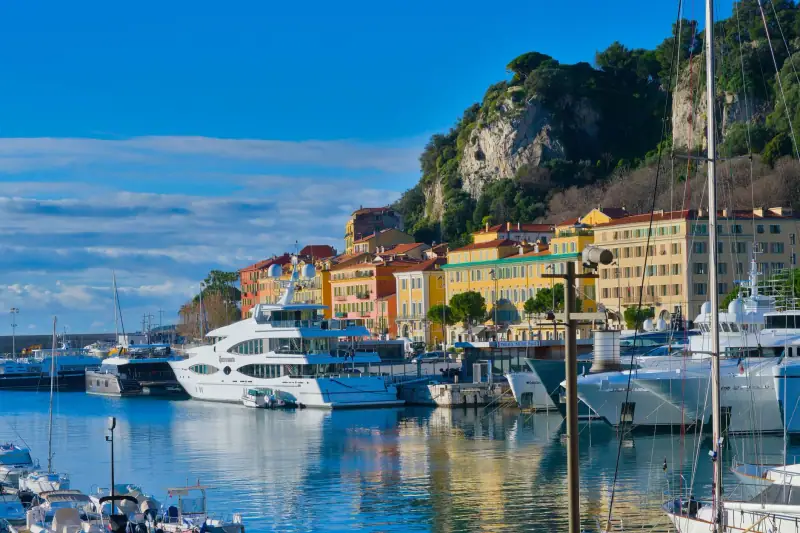
What to see on the Nice Riviera: Nice, Villefranche, Èze, Cap Ferrat and Menton
What to see on the Nice Riviera? Nice, Villefranche, Cap Ferrat, Èze, Roquebrune and Menton: top stops, how to link them and how long to plan.
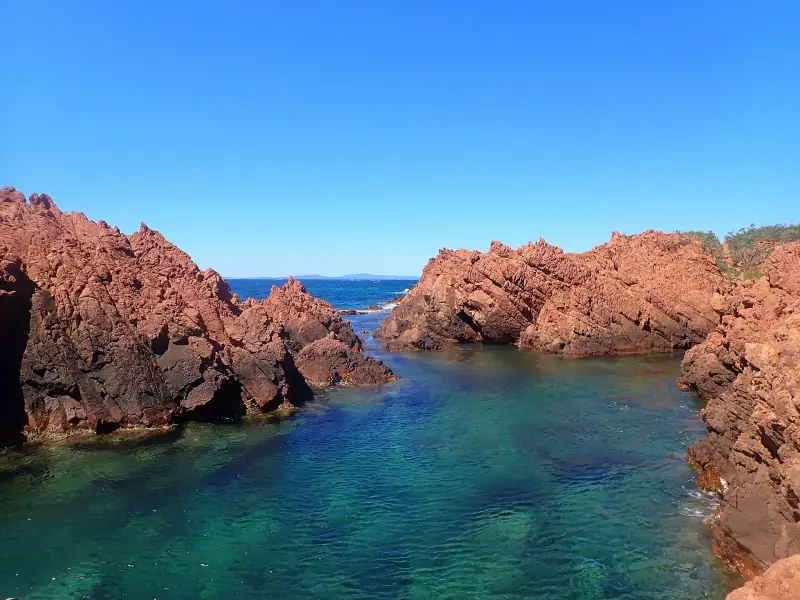
What to see in the Esterel: Corniche d'Or, Agay, Cap Roux and Mont Vinaigre
What to see in the Esterel? Corniche d'Or, Agay bay, Dramont, Cap Roux, Pic de l'Ours and Mont Vinaigre: stops, timing, access rules and tips.
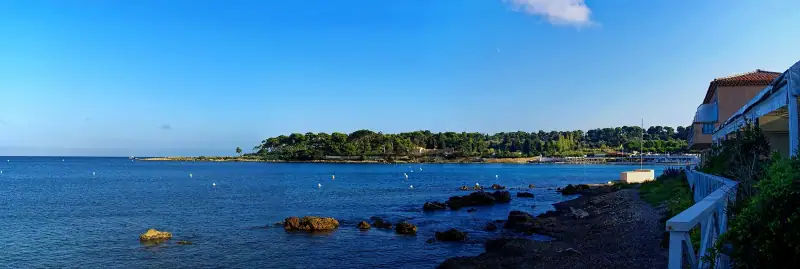
What to see around Cannes and Antibes: Cannes, Antibes, the Lérins Islands and hinterland villages
What to see around Cannes? Cannes, Lérins Islands, Antibes, Juan-les-Pins, Vallauris, Biot and Mougins: the top stops and how to link them.
Ready-made
French Riviera itineraries
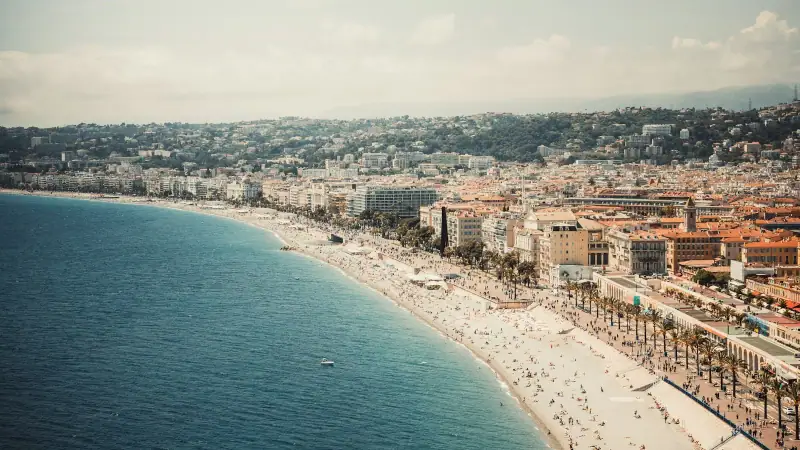
4 days
French Riviera in 4 days with kids: stops and pace
The French Riviera with kids in 4 days: a realistic plan from Nice, with travel times in minutes, short days, beaches and breaks, no car required.
Can be adapted in the planner
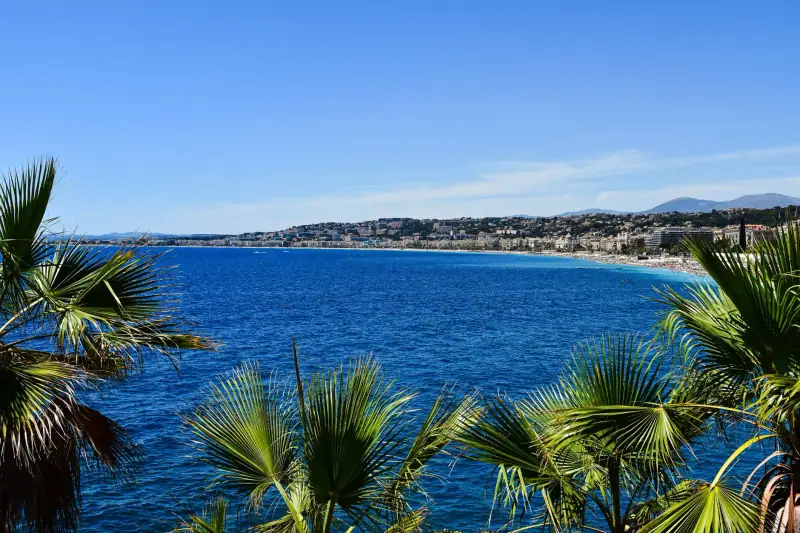
3 days
3 days on the French Riviera from Nice: a car-free itinerary by train
Nice, Villefranche, Èze, Menton, Antibes and Cannes in 3 days: a day-by-day itinerary by train and bus, with timing advice and tips to avoid crowds.
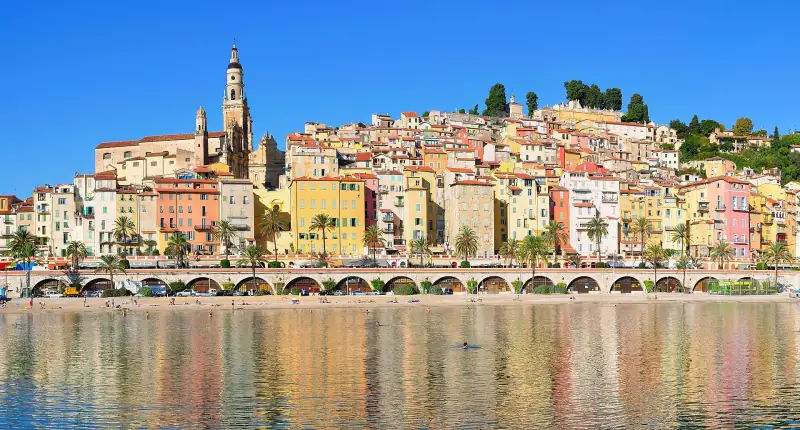
5 days
French Riviera road trip in 5 days: from Menton to Saint-Tropez by car
A 5-day road trip between Menton and Saint-Tropez: corniche roads, hilltop villages, the Esterel and parking tips to avoid traffic jams.