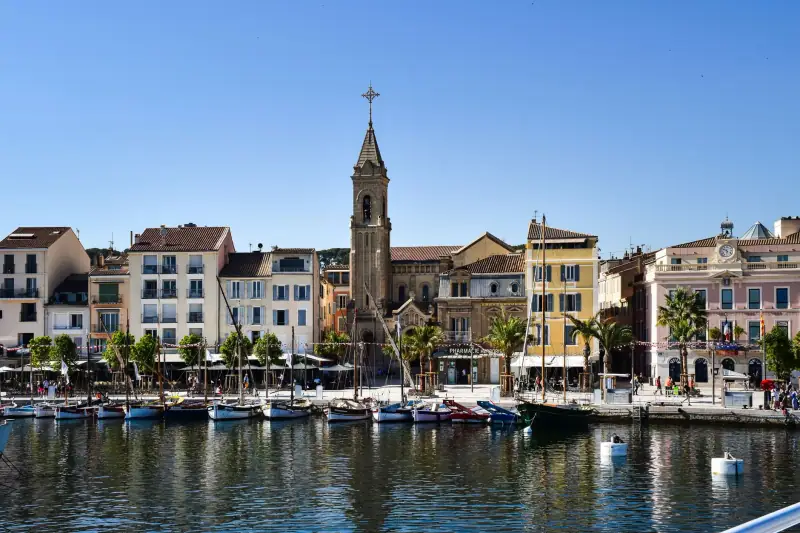
Itineraries
French Riviera road trip in 5 days: from Menton to Saint-Tropez by car
We may earn a commission when you book through links on this page, at no extra cost to you. We don't visit or try the places we cover: we summarize published sources. How we work
Day by day
- Day 1Arrive in Nice: Old Nice, Castle Hill, Promenade des Anglais
- Day 2Corniches, Villefranche, Cap Ferrat, Èze, Menton, La Turbie
- Day 3Saint-Paul-de-Vence, Antibes old town, Cap d'Antibes path
- Day 4Cannes, Lérins Islands, Esterel corniche
- Day 5Gulf of Saint-Tropez: Saint-Tropez and Pampelonne
Weather through the year on this route
| Jan | Feb | Mar | Apr | May | Jun | Jul | Aug | Sep | Oct | Nov | Dec | |
|---|---|---|---|---|---|---|---|---|---|---|---|---|
| High °F (°C) | 5211 | 5211 | 5714 | 6116 | 6820 | 7725 | 8228 | 8429 | 7524 | 6820 | 5915 | 5412 |
| Low °F (°C) | 436 | 415 | 457 | 5010 | 5714 | 6418 | 6820 | 7021 | 6317 | 5714 | 489 | 457 |
| Rain in (mm) | 2.460 | 1.845 | 2.050 | 2.460 | 1.845 | 1.230 | 0.615 | 1.025 | 2.870 | 3.9100 | 4.5115 | 3.075 |
Normals 1991–2020 at Antibes: averages over 30 years, not a forecast. Source: NASA POWER (MERRA-2), grid of about 50 km. Figures computed by us in November 2026.
In short
- Five days link Menton to Saint-Tropez with about an hour of driving a day on average, using three bases: Nice, Antibes or Cannes, and the Gulf of Saint-Tropez area.
- Day 2 follows the three corniche roads between Nice and Menton (about 30 km / 19 mi); decide in the morning whether to add Monaco, which can add two hours.
- In summer, leave before 8 am for Saint-Tropez or park on the edge of the villages; a seasonal boat in the gulf can avoid the traffic.
- Book accommodation with parking ahead, especially from June to September; May, June, September and early October are the most pleasant.
The train does run along the coast, but it does not go on the corniches, into the Esterel coves or as far as the Gulf of Saint-Tropez. To link Menton to Saint-Tropez, a car gives real freedom: stop at a viewpoint, set off early for a hilltop village, take the coast road when the light is good. This five-day road trip follows the coast from east to west, with short stages, a limited number of accommodation bases and fallback routes when traffic looks difficult.
If you are still hesitating between a car and public transport, our article on getting around the French Riviera without a car will help you decide. And if you have little time, the itinerary 3 days on the French Riviera by train from Nice offers a no-driving alternative.
Preparing your road trip: season, car, bases
The season. The French Riviera is very busy in summer, and the coast road can jam on weekends and late in the afternoon. To choose your dates, see our guide on when to go to the French Riviera, season by season. From May to June and in September, temperatures are pleasant, you can swim in the sea and traffic stays reasonable.
The car. Choose a small model: village streets are narrow, parking spaces compact. An automatic transmission is a welcome comfort on hills and in traffic jams. Check whether your contract includes enough mileage, because the itinerary below is modest in distance, but detours add up.
Accommodation bases. Five days, three bases: Nice for the first two nights, Antibes or Cannes for the third, and the Gulf of Saint-Tropez or its surroundings for the last nights. Nice is the best launch pad toward the east and the hinterland, as our guide to where to stay in Nice, neighborhoods and tips explains. In each case, check for parking, sometimes paid, as it is a decisive criterion on the coast.
Book a hotel with parking in Nice
For a road trip, parking matters as much as location. Filter accommodation for parking before booking.
Day 1: arrival in Nice and a first evening
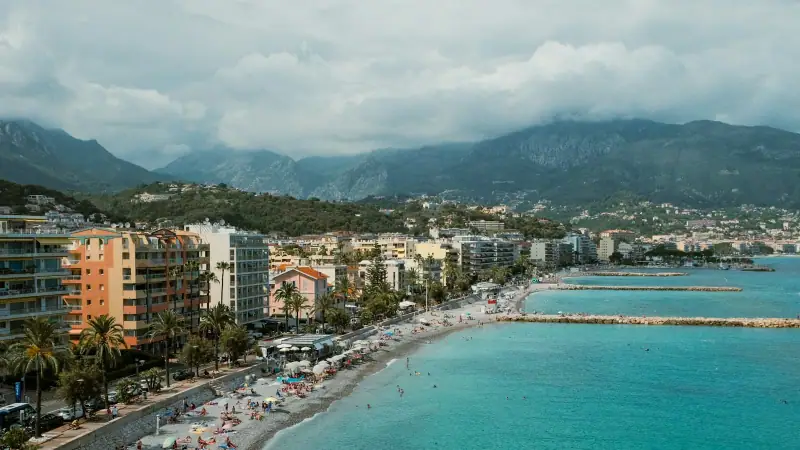
If you arrive at Nice airport, pick up your car there, drop your luggage at the accommodation, then leave the car in the parking lot: Nice is visited on foot, and the center is very congested. For this first day, stroll through Old Nice, climb Castle Hill for the panorama over the Bay of Angels, then walk along the Promenade des Anglais at sunset.
For dinner, try local specialties such as socca, pissaladière or salade niçoise: everything is detailed in our article on what to eat in Nice. Go to bed early: the next day, you take the road east.
Day 2: the corniches, Èze and Menton
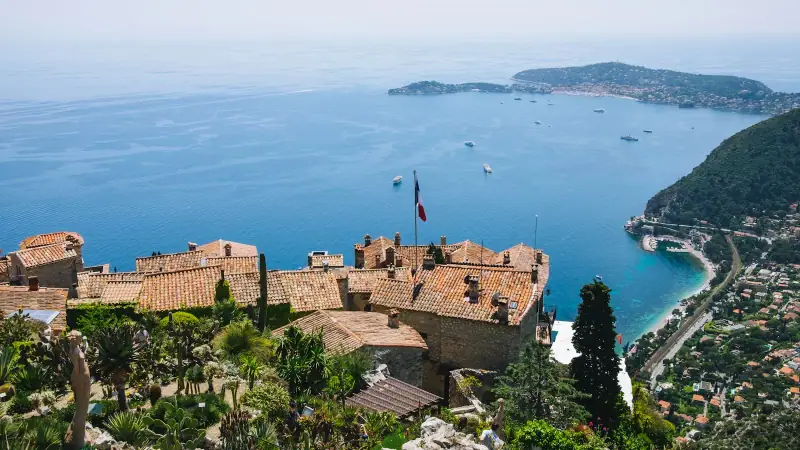
This is the most spectacular stage of the road trip. Between Nice and Menton, three parallel roads, called corniches, stack their bends at different altitudes: the Basse Corniche at water level, the Moyenne Corniche halfway up, and the Grande Corniche at the very top, with very wide panoramas. The distance between Nice and Menton is about thirty kilometers (19 mi), but take the whole day: it is the road itself that counts.
Morning: Villefranche-sur-Mer and Cap Ferrat. Leave Nice by the Basse Corniche and make a first stop at Villefranche-sur-Mer, whose bay and colorful lanes deserve a walk. You can then continue to the Saint-Jean-Cap-Ferrat peninsula, known for its villas and coastal path.
Midday: Èze. Then climb to Èze, a village perched on a rocky spur several hundred meters above the sea. Park in the lot below the village and walk up through the lanes. Plan about an hour to an hour and a half for the visit, including the Exotic Garden depending on the hours at the time.
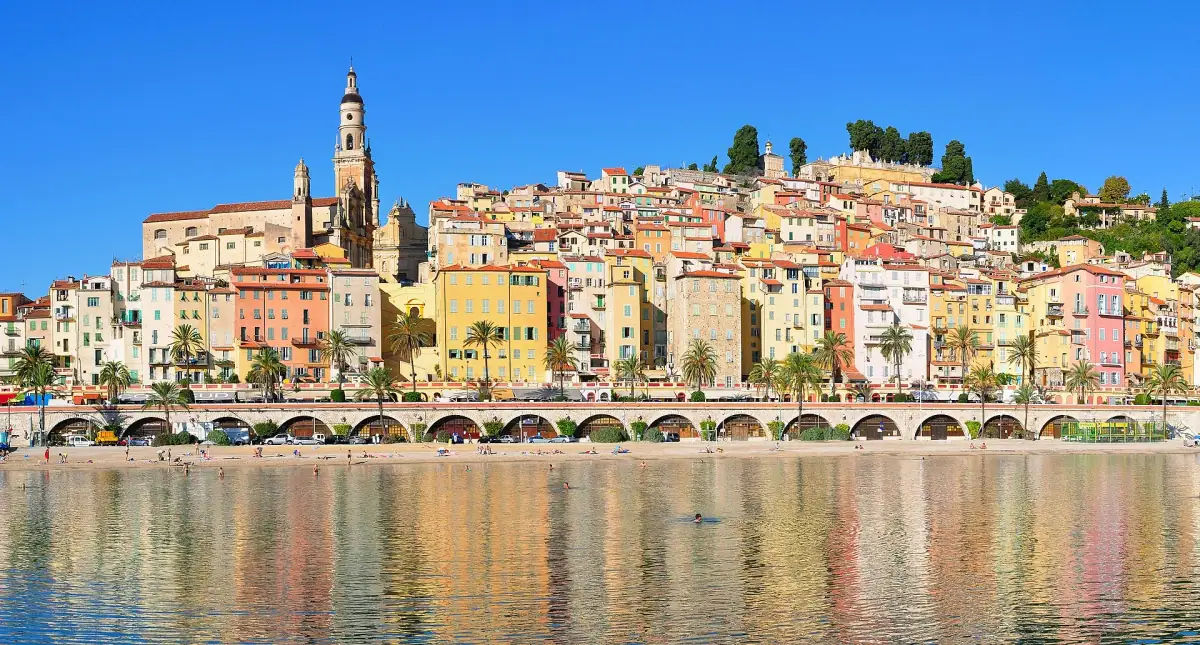
Afternoon: Menton. Continue to Menton, a town known for its mild climate and its lemons. The old quarter, its stairs and its baroque square can be visited on foot in about two hours. End with the seafront, then return to Nice by the Grande Corniche if you are not too tired: the road passes through La Turbie, a village dominated by a large Roman monument, the Trophy of the Alps, from where the view of Monaco is striking.
Monaco. The principality is on the way. If you want to see it, the simplest is to park in an underground public lot and walk. This easily adds two hours to the day: decide in the morning.
Day 3: Saint-Paul-de-Vence, Antibes and Cap d’Antibes
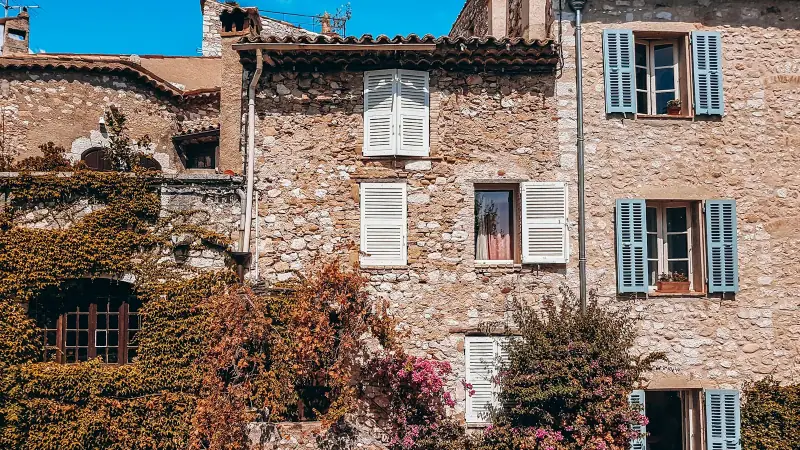
On the third day, leave Nice toward the west. First stop: Saint-Paul-de-Vence, a fortified artists’ village about twenty kilometers (12 mi) from Nice. Arrive before ten o’clock to avoid the crowds and find a parking space. Everything is explained in our guide to visiting Saint-Paul-de-Vence.
Then head down to Antibes, about twenty kilometers (12 mi) away. The old town, its ramparts, its Provençal market and the Château Grimaldi, which houses the Picasso Museum, can be visited on foot from a parking lot near the harbor. In the afternoon, spend time on Cap d’Antibes: a coastal path follows the rocky shoreline, with views of the bay and the mountains in the distance. For other walks of this kind, see our hikes on the French Riviera coast.
Then sleep in Antibes or Cannes, as you prefer: the first is calmer and more authentic, the second livelier and more geared to events.
Boat excursions from Antibes and Cannes
To take your hands off the wheel for half a day, compare boat outings along the coast and to the Lérins Islands.
Day 4: Cannes, the Lérins Islands and the Esterel corniche
The fourth day combines city, sea and nature. In the morning, visit Cannes: the Croisette, the Palais des Festivals and the Le Suquet district, whose view over the harbor is worth the climb. If the weather allows, then board for the Lérins Islands, an escape we detail in our article on visiting the Lérins Islands from Cannes. Park the car in a public lot near the harbor: the crossing takes about a quarter of an hour.
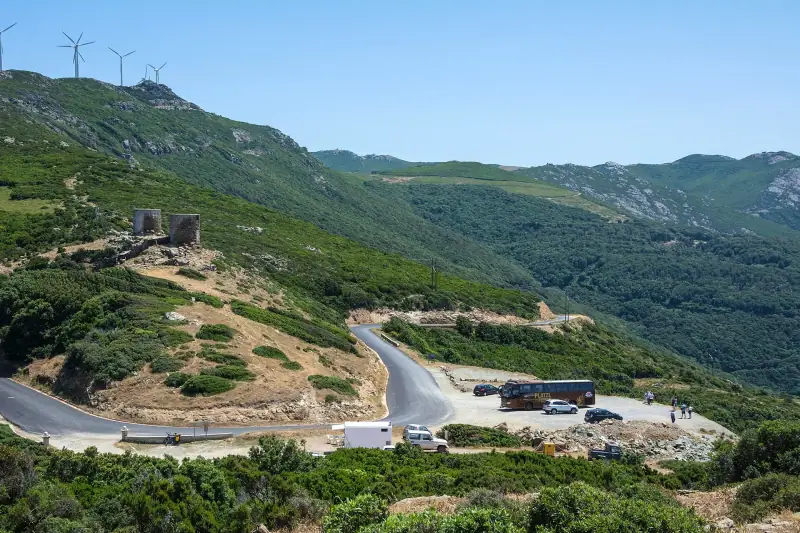
Afternoon: the Esterel. Beyond Cannes, the Esterel massif plunges into the sea with its red rocks. The coast road, often called the Corniche d’Or, is one of the finest stretches of the road trip: coves, capes, viewpoints, marked trails. Stop at the viewpoints, swim in an accessible cove, but do not forget that in summer some access to forest massifs is regulated because of fire risk: ask locally before setting off on a hike.
For this stage, do not push the pace: the road is slow, winding, and every kilometer is worth a photo stop. You can stay overnight around Cannes or Mandelieu, before reaching the Gulf of Saint-Tropez the next day.
Day 5: the Gulf of Saint-Tropez
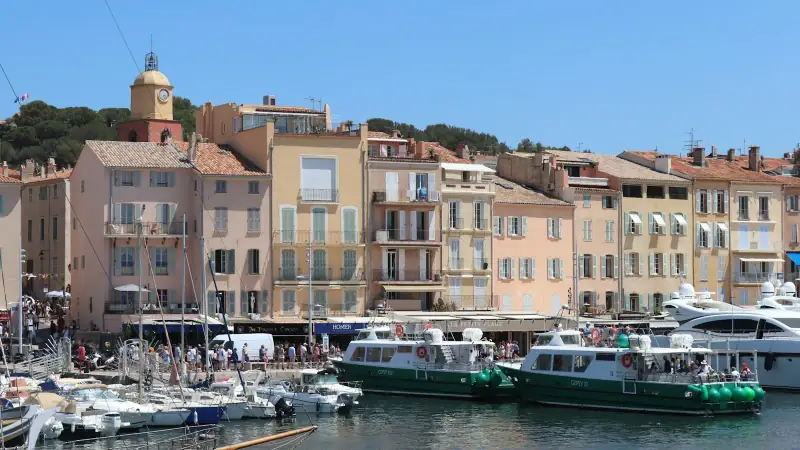
The last stage links the Esterel to Saint-Tropez, about seventy to eighty kilometers (43 to 50 mi) depending on the route, but the duration depends entirely on traffic. In summer, the peninsula is known for its traffic jams: leave early, before eight o’clock, or consider leaving the car in a lot on the edge of the gulf villages.
Saint-Tropez. The village is visited on foot: the harbor, place des Lices and its market (on certain days of the week), the citadel and the lanes of the old town. Avoid looking for a space right in the center: a parking lot at the entrance to the town, or even a shuttle, is more reasonable. The Pampelonne beaches, a few kilometers away, are famous, but very busy from June to September.
Boat option. In the gulf, boat links connect Saint-Tropez to other places, notably Sainte-Maxime, depending on the season. It is a practical way to avoid the jams (confirm before your trip).
Stay in the Gulf of Saint-Tropez
To avoid the rates and traffic of the center, also compare accommodation in the neighboring towns of the gulf.
Driving and parking tips
Anticipate rush hours. On the coastal axis between Nice and Cannes, traffic is heavy at the end of the day and on summer weekends. Schedule your long drives for mid-morning or after seven pm.
Use parking lots on the outskirts. In historic centers and hilltop villages, spaces are rare. A lot ten minutes’ walk away is often faster than circling by car.
Respect pedestrian and restricted-traffic zones. Some streets in central Nice or in the villages are closed to vehicles at certain hours: read the signs and use your GPS with judgment.
Leave nothing in the car. As in any tourist area, thefts from vehicles happen. Take your valuables, or leave the trunk empty and visible.
Watch fuel and tolls. The A8 motorway runs along the coast and tolls are charged by section. It is useful to save time, notably between Cannes and the Esterel, but the coastal roads are more beautiful.
Adapt to the heat. In summer, the car quickly turns into an oven: bring sunshades and water, and never leave a child or animal on board.
What to pack in the suitcase and the car
A road trip on the coast needs less gear than you might imagine, but a few items make the difference. Take comfortable closed shoes for cobbled lanes and trails, sandals or water shoes for pebble beaches, a hat, sunscreen and a water bottle: shade is rare on the coastal trails and in the Esterel.
In the car, a phone holder and a charging cable are very useful for navigation. Download offline maps: coverage can be patchy on some bends of the corniches or in the hollows of the massif’s valleys. Also keep a few coins or a contactless bank card for parking lots and tolls, and a light towel for improvised swim stops.
Finally, keep a flexible pace. The main trap of a road trip is wanting to tick off every stop: yet the coast is savored in small touches, a coffee on a terrace facing the sea, a detour to a viewpoint, a swim at the end of the day. If a stop appeals to you, stay longer and skip the next one: on this route nothing is mandatory, and the pleasure comes as much from the road as from the destinations. Also note the closing times of underground parking lots if you dine late, and always keep a bit of fuel: gas stations are rarer in the Esterel.
Variants: shortening or extending the itinerary
- 3-day version: focus on the corniches, Antibes and Cannes, and leave Saint-Tropez aside.
- 7-day version: add a day in the Nice hinterland, for example the Vésubie valley or Mercantour park, and a relaxing day at a beach.
- With the family: alternate a driving stage with half a day at the beach, and avoid steep trails with young children.
- As a couple: favor hilltop villages, dinner on a terrace and accommodation with a view.
- On a small budget: sleep in Nice or in a town cheaper than Cannes or Saint-Tropez, picnic with market produce (see our guide to Provençal markets on the French Riviera) and use public parking lots rather than hotels’ private ones.
In short
This five-day road trip shows the French Riviera in all its facets: the spectacular corniches between Nice and Menton, the hilltop villages of the nearby hinterland, the bay of Antibes, the Croisette of Cannes, the red rocks of the Esterel and the buzz of Saint-Tropez. Keep stages short, leave early, park on the outskirts and leave room for the unexpected: it is often on a small coastal road, far from the plan, that the best memory hides.
Frequently asked questions
How many days do you need for a French Riviera road trip?
Five days let you link Menton to Saint-Tropez without rushing: about an hour of driving a day on average, with the rest of the time devoted to visits. With three days, you have to sacrifice the Esterel or the Gulf of Saint-Tropez. With seven days, you can add the Nice hinterland.
What is the best time for this road trip?
May, June, September and early October are the most pleasant: less crowded roads, a sea that is still mild in late summer, more affordable accommodation. In July and August, traffic is heavy, especially around Saint-Tropez and on the coast at the end of the day.
Where can you park easily on the coast?
The simplest is to choose public parking lots on the edge of historic centers, even if it means walking ten to fifteen minutes. In hilltop villages such as Èze or Saint-Paul-de-Vence, parking is limited and paid: arrive early in the morning. Always check the signs for paid or resident-only zones.
Do you need to book accommodation in advance?
Yes, especially from June to September. Well-located places with parking fill up fast. On a road trip, it is better to limit hotel changes: two or three bases are enough for five days.
Can you do this itinerary without a car?
A large part, yes, thanks to the regional train between Menton and Cannes, but the Gulf of Saint-Tropez and the Esterel road are much simpler with a vehicle. Our guide to getting around without a car details the alternatives by train, bus and boat.
Is it hard to drive on the corniche roads?
They are winding and sometimes narrow, but well maintained and without particular difficulty for a careful driver. Allow time, avoid overtaking on bends and use the viewpoints to stop rather than slowing down on the road.
What budget should you plan for car rental?
Rates vary strongly with the season and how early you book. Book several weeks ahead for summer, compare fuel and excess (deductible) terms, and choose a small vehicle, more practical in lanes and parking lots.
More French Riviera guides
Keep reading
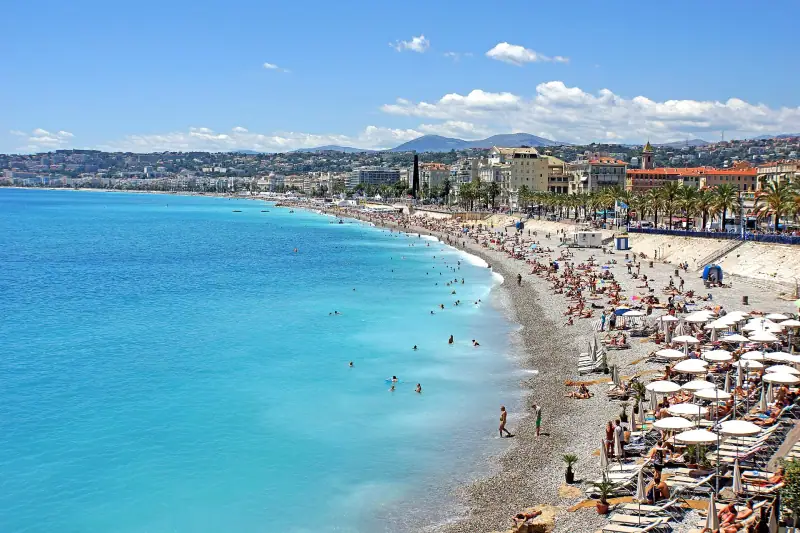
French Riviera budget: what a trip costs, item by item (3 profiles)
Accommodation, transport, meals, activities: the cost of a French Riviera trip, three budget profiles (tight, comfort, premium) and tips to spend less.
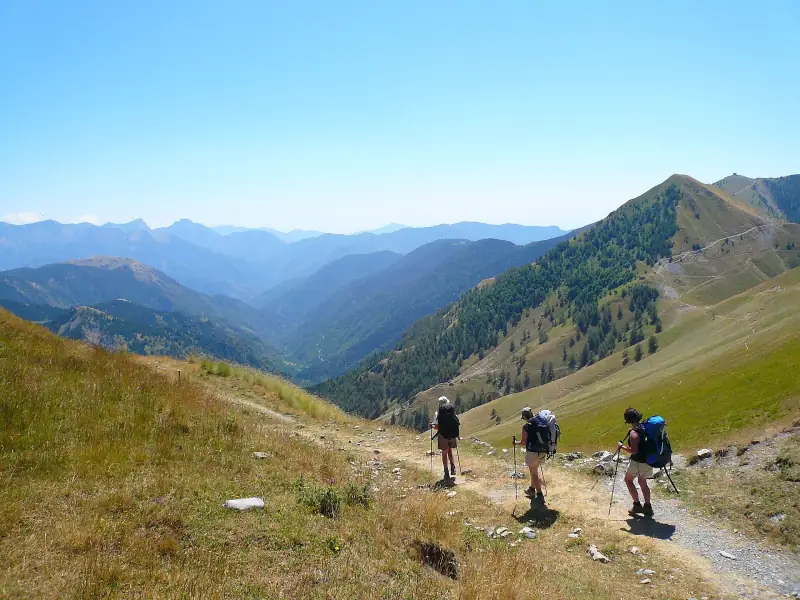
Hiking on the French Riviera: the most beautiful coastal trails
Nietzsche Path, Cap Ferrat, Cap d'Antibes, Esterel: a selection of coastal hikes on the French Riviera, with season tips, gear and car-free access.
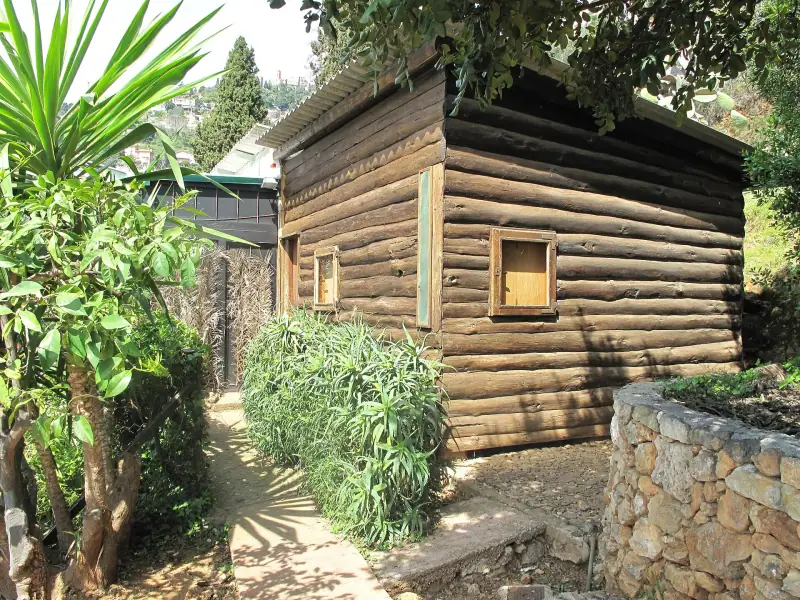
Visiting Villa E-1027 and Le Corbusier's Cabanon: book ahead, prices and access
Villa E-1027 and Le Corbusier's Cabanon in Roquebrune-Cap-Martin: booking required, fares, season, access by train and tips for the visit.
Ready-made
French Riviera itineraries
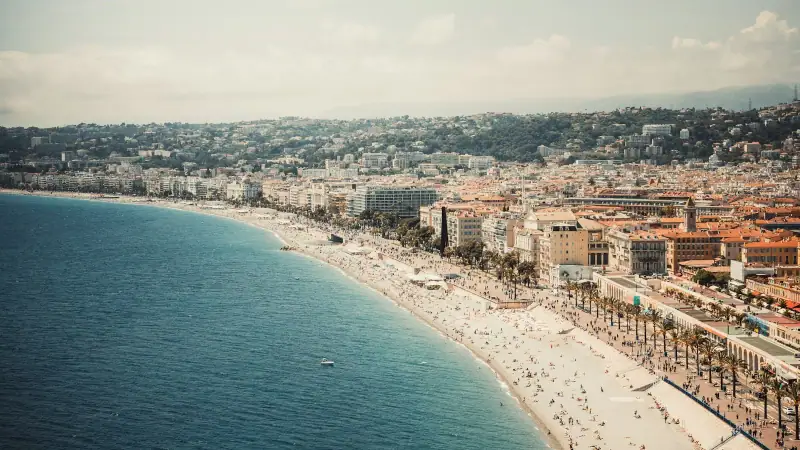
4 days
French Riviera in 4 days with kids: stops and pace
The French Riviera with kids in 4 days: a realistic plan from Nice, with travel times in minutes, short days, beaches and breaks, no car required.
Can be adapted in the planner
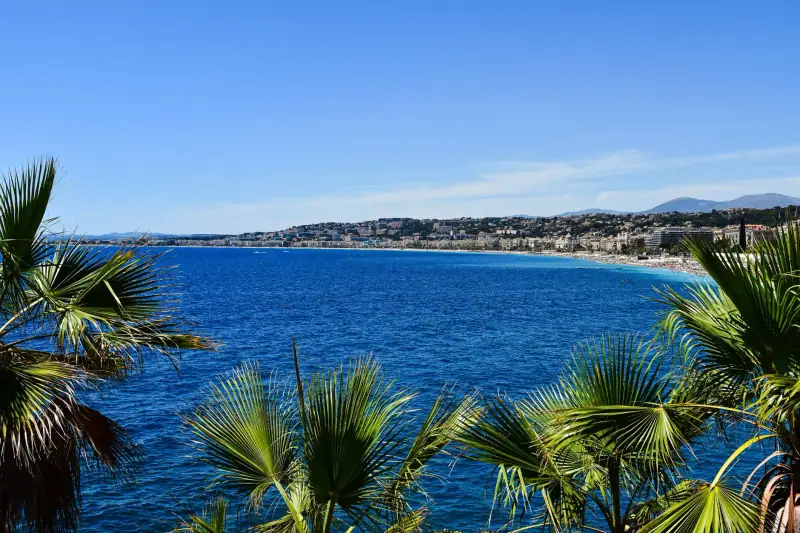
3 days
3 days on the French Riviera from Nice: a car-free itinerary by train
Nice, Villefranche, Èze, Menton, Antibes and Cannes in 3 days: a day-by-day itinerary by train and bus, with timing advice and tips to avoid crowds.