What to see
Kirkjubøur from Tórshavn without a car: bus, time needed and is it worth the detour?
We may earn a commission when you book through links on this page, at no extra cost to you. We don't visit or try the places we cover: we summarize published sources. How we work
In short
- A public bus links Tórshavn to Kirkjubøur in about 20 minutes. Service is infrequent, especially in the evening and on Sundays, so note the last bus back.
- Allow 1 h 30 to 2 h there for the cathedral ruins, the church and the village; half a day in total from Tórshavn.
- The village is open all year, but interior visits (such as Roykstovan) mostly run in summer.
- Worth it if you like history; it is also a good plan B on rainy or foggy days.
Kirkjubøur is the most important historic village in the archipelago, a short distance south of Tórshavn. It has the ruins of a medieval cathedral, a church still in service and one of the oldest inhabited wooden farmhouses in Europe. The question many travelers without a car ask: how do you get there, how long should you stay, and is it really worth the detour? Here are the answers.
Kirkjubøur at a glance: what you can see
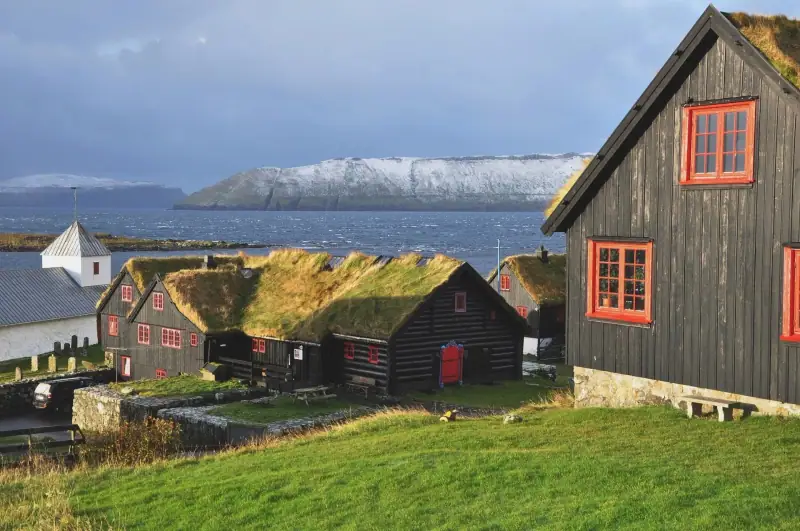
In the Middle Ages Kirkjubøur was the religious and cultural center of the Faroe Islands. The village comes down to three things to see, all a few minutes’ walk from each other:
- The ruins of St. Magnus Cathedral (Múrurin): a large medieval building that was never finished, its stone walls standing in front of the sea. It is the largest medieval structure in the archipelago.
- Ólavskirkjan church: a small, very old white church still used by the parish.
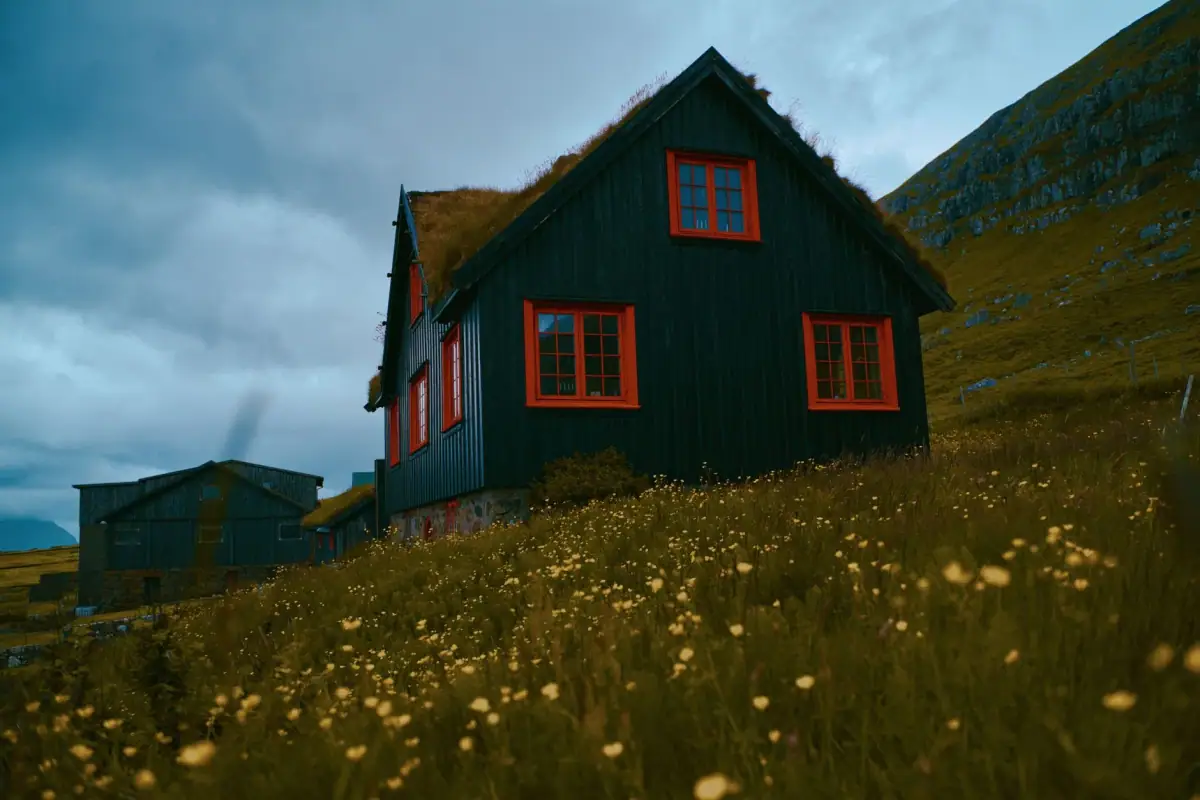
- Roykstovan (Kirkjubøargarður): a wooden farmhouse with a turf roof, lived in for centuries by the same family line, open to visitors in season.
It all sits in a setting of meadows, stone walls and grass-roofed houses. The mood is very different from the capital: calm, rural, almost suspended.
Getting there without a car: bus from Tórshavn
There is no need to rent a vehicle. A public bus leaves Tórshavn and reaches Kirkjubøur in about twenty minutes. A few practical tips:
- Check the timetable the day before. The line is infrequent, especially in the evening and on weekends. Be sure to note the last bus back before you leave.
- On Sundays service is very limited: it is better to plan this visit on a weekday.
- Payment: city buses in Tórshavn and its surroundings are reportedly free, but check with the operator before you go. For details on fares and transport combinations, see our guide to the Faroe Islands without a car: buses, ferries and prices.
- Taxi: possible as a fallback from central Tórshavn, but it is the most expensive option.
Stay near Tórshavn's bus station
Without a car, a central place to stay saves you connections and puts you steps from the bus departures.
How much time to allow there
| Plan | Suggested time |
|---|---|
| Ruins + church + walk around the village | 1 h 30 to 2 h |
| + interior visit of Roykstovan | 2 h 30 to 3 h |
| + walk on the coastal paths | Half day |
With the bus rides, allow half a day in total from Tórshavn. It is a good visit to fit in on the morning of a day when you have a free afternoon in the capital, or on a day of unsettled weather (see below).
When to go
- Summer (June to August): the best time to go inside Roykstovan and enjoy the late light. Tour groups arrive mostly in the middle of the day, especially on days when cruise ships call at Tórshavn: arrive early in the morning or late in the afternoon to have the place almost to yourself.
- Spring and fall: a peaceful village, but interior visits are less common. Plan to enjoy mainly the outside.
- Winter: accessible and very quiet, but daylight is short and buses are less convenient. To choose your overall season, read our article on the best time to visit the Faroe Islands.
Is it worth the detour? An honest assessment
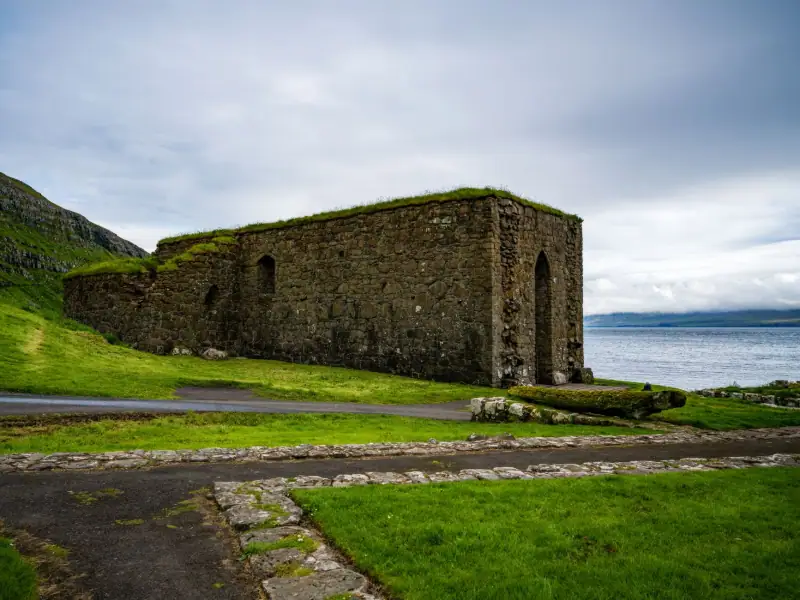
Yes, if you like history and village atmospheres. Kirkjubøur is the only place in the Faroe Islands where you can gauge the historical depth of the archipelago: you read the Middle Ages in the landscape, which neither the cliffs nor the waterfalls can tell you.
Less so if you only have 2 days and want the big landscapes first. In that case, spend your time at Gásadalur, Saksun or Mykines. Kirkjubøur is, however, an excellent rain or fog plan B: the ruins and the grass-roofed houses are just as photogenic under a gray sky, and the trip is short.
To place the village in your stay, the guide to Tórshavn’s essentials and the one on the island of Streymoy offer easy combinations.
Guided tour to Kirkjubøur and Tórshavn
If the bus timetable does not suit you, a guided visit with transport gives you the historical context and spares you the logistics.
What to do around Kirkjubøur
Once you have finished the village, you have several options:
- Walk the coastal paths around the village, with fine views of the sea and the neighboring island of Nólsoy.
- Walk back toward Tórshavn if you are an experienced walker, along the ridges: it is exposed, the weather changes fast, and you need sturdy shoes. Do not set off in fog; see the advice in the guide to hiking in the Faroe Islands.
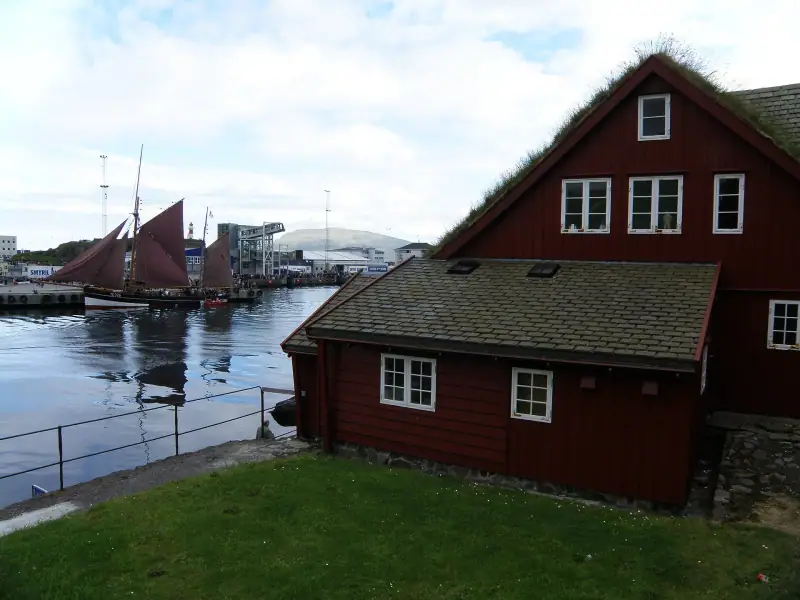
- Take the bus back and end the day in the capital: harbor, the old town of Tinganes, restaurants.
Preparing the visit: practical tips
- Dress in layers and bring a windbreaker: the village is open to the wind off the sea.
- Respect the residents: Kirkjubøur is a real inhabited village with working farms. Stay on the paths, do not enter fenced meadows and keep quiet near the church.
- Bring a snack: food options are limited there, especially out of season.
- Check Roykstovan’s opening hours before you come if the interior visit matters to you.
In summary
Kirkjubøur is easy to reach by bus from Tórshavn, can be visited in half a day and offers what the rest of the archipelago shows little of: medieval history in a Faroese setting. Plan the return bus times, come early or late in the day to avoid the groups, and keep it as a fallback for bad-weather days.
Frequently asked questions
Can you get to Kirkjubøur by bus from Tórshavn?
Yes, a public bus links Tórshavn to Kirkjubøur in about twenty minutes. It runs infrequently, especially in the evening and on Sundays: check the timetable of the Faroese transport company before you go and note the last bus back.
How long does it take to visit Kirkjubøur?
Allow 1 h 30 to 2 h there to see the cathedral ruins, the church and the village. With an interior visit of the Roykstovan farmhouse and a coastal walk, a full half day is comfortable.
Is there an entrance fee for St. Magnus Cathedral?
The cathedral ruins can be seen from the outside and you can walk around the village freely. The interior visit of the Roykstovan farmhouse is generally paid and depends on seasonal hours: check them before you come.
Can you walk back from Kirkjubøur to Tórshavn?
It is possible for good walkers along the ridge paths, but the route is exposed and the weather changes fast. Bring good shoes and a windbreaker, and do not set off in fog.
Is Kirkjubøur open all year?
The village is inhabited and accessible all year. Interior visits, however, are mostly organized in summer: out of season, expect to see only the outside of the monuments.
Is Kirkjubøur worth the detour if you are short on time?
Yes if you are interested in history, because it is the most important medieval site in the archipelago and it is very close to the capital. If you mainly want cliffs and waterfalls, prioritize other sites and keep Kirkjubøur for a day of uncertain weather.
More Faroe Islands guides
Keep reading
Visiting Eysturoy: Complete Guide to the Faroe Islands' Second Island
Everything for exploring Eysturoy in the Faroe Islands: Gjógv, Eiði, Slættaratindur, Funningur, the Two Giants. Hikes, villages and dramatic landscapes.
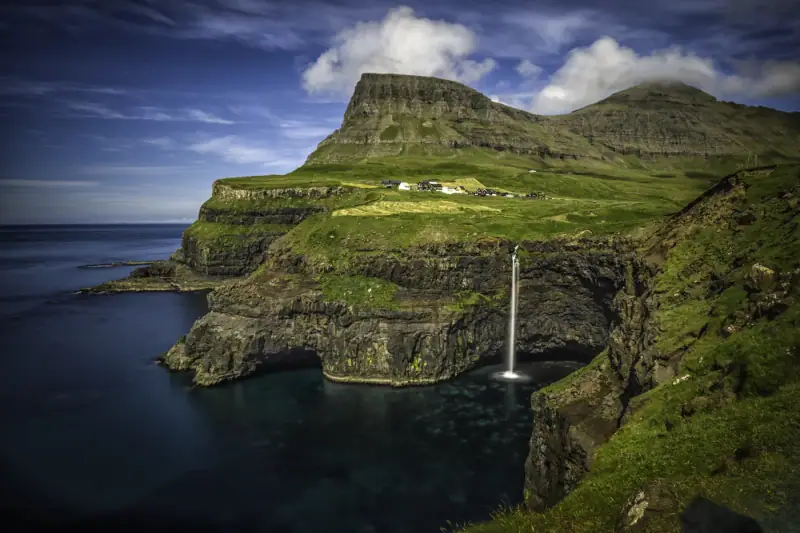
Gásadalur: The Village at the Edge of the World (Múlafossur Waterfall)
Visiting Gásadalur in the Faroe Islands: Múlafossur waterfall, hilltop village, hikes. Complete guide to reaching this remote village on the island of Vágar.
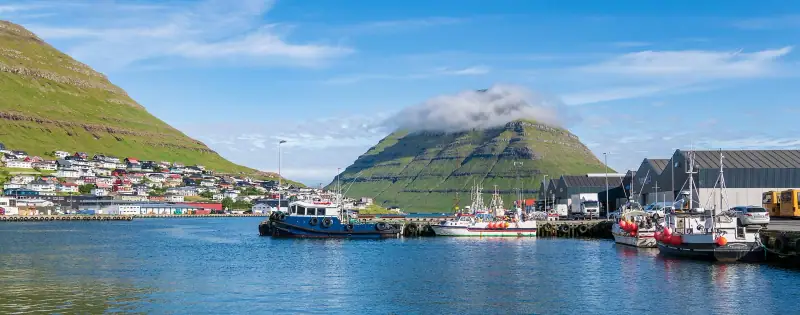
Visiting Klaksvík: Complete Guide to the Faroe Islands' Second Town
Klaksvík, second town of the Faroe Islands on Borðoy: what to see and do, where to stay, how to get there. A complete practical guide for your visit.
Ready-made
Faroe Islands itineraries
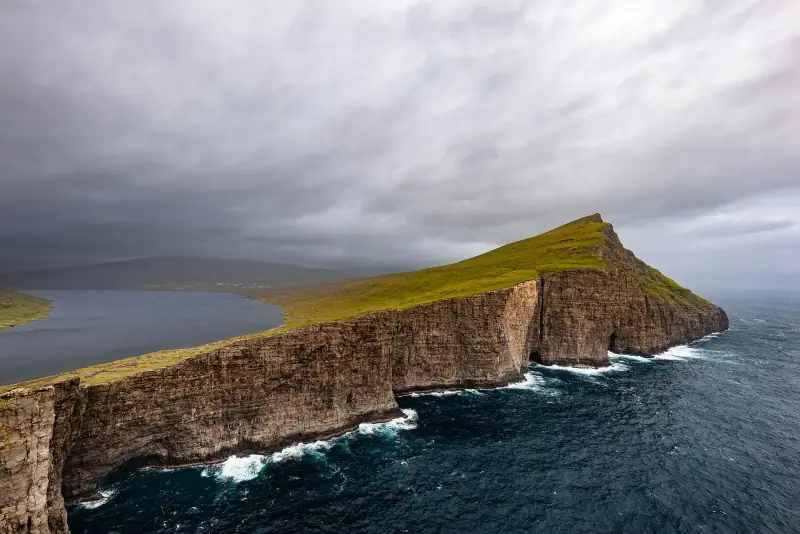
14 days
Faroe Islands Road Trip: A 10 to 14 Day Itinerary by Car
Faroe Islands road trip itinerary in 10 to 14 days. Scenic roads, subsea tunnels, remote villages and the essential natural sites.
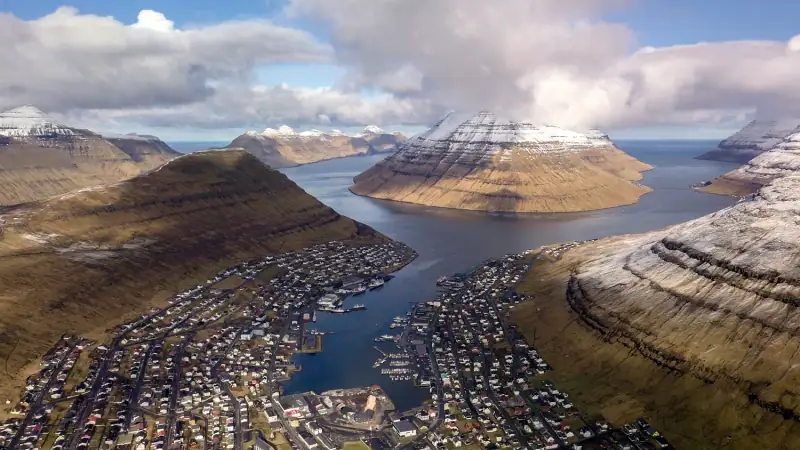
2 days
Borðoy Road Trip: 2 Days Between Klaksvík and the Northern Islands
2-day itinerary on Borðoy: Klaksvík, Klakkur, the Kallur lighthouse on Kalsoy, Kunoy and Viðoy. The wild north of the Faroe Islands.
2 days
Suðuroy Road Trip: Complete Guide to the Island at the End of the World
Suðuroy road trip in the Faroe Islands: ferry, Fámjin, Beinisvørð cliffs, Tvøroyri, Vágur, Sumba. 2-day itinerary and practical tips.