Plan your trip
Best Time to Visit the Faroe Islands: Month by Month
We may earn a commission when you book through links on this page, at no extra cost to you. We don't visit or try the places we cover: we summarize published sources. How we work
In short
- For most travelers the best window is mid-May to late June: 16 to 19 hours of daylight, puffins present and all trails accessible.
- September is the best alternative for golden light and quiet; December to February is the choice for northern lights, with only 5 to 9 hours of daylight.
- Puffins are present from mid-April to mid-August, peaking in June and July, with Mykines the reference site.
- The cheapest months are November to March (outside Christmas and New Year), but days are short and some accommodation closes.
The weather in the Faroe Islands is famous for its unpredictability. The archipelago, between the Norwegian Sea and the Atlantic Ocean, is exposed to Atlantic weather systems that can change radically within a few hours. “If you don’t like the weather in the Faroes, wait five minutes,” says the local saying, and it is not entirely a joke.
But this reputation should not discourage you. Unpredictability is part of the Faroes’ charm. And by understanding the characteristics of each season, you can plan your trip to your priorities: seeing puffins, hiking in the best conditions, enjoying the long summer days or, on the contrary, living the intense winter experience with northern lights and snowy landscapes.
When to go to the Faroe Islands: the answer in two sentences
For most travelers, the best time to go to the Faroe Islands is between mid-May and late June: days last 16 to 19 hours, puffins are there and all trails are accessible. September is the best alternative for golden light and quiet, and December to February for the northern lights.
When to go depending on your plan
The “right” month depends mainly on what you come for. Here is a quick read, to cross-check with the month-by-month detail below.
| Your priority | When to go | Good to know |
|---|---|---|
| First trip, hiking | Mid-May to late June | Very long days, green landscape, moderate crowds |
| Puffins | June-July (present mid-April to mid-August) | Mykines is the reference site |
| Mildest weather | June-July | About 9 to 14 °C (48 to 57 °F) on average in July, peaks at 18 °C (64 °F), short but frequent showers |
| Photography and light | September | Fall colors, fewer people than in summer |
| Northern lights | December to February | Only 5 to 9 hours of daylight, unsettled weather |
| Low budget | November to March | Cheaper accommodation and flights, some places closed |
The classic trap is to aim for July-August by reflex: it is high season, accommodation fills up and prices rise. If your dates are free, May, June or September offer a better compromise between weather, quiet and budget. In every case, bring waterproof clothing and several layers: the weather changes fast in any season.
If you are aiming for high season, book your accommodation and flights early, and see our Faroe Islands budget to anticipate costs by period.
The Faroese climate in a few words
The Faroese climate is subarctic oceanic. Winters are mild for the latitude (rarely below 0 °C / 32 °F at altitude), summers cool, and rainfall abundant all year. What sets the Faroes apart is the extreme variability of the weather, which can change several times a day.
Winds are everywhere and can be violent, especially in fall and winter. Fog is frequent, particularly in the morning. Rain is almost daily but often takes the form of short showers rather than long rainy spells.
Temperatures range from 3 °C (37 °F) in winter to 18 °C (64 °F) in summer, with an annual average of about 7 °C (45 °F).
Month by month: pros and cons
January
Temperatures: 3-6 °C (37-43 °F) Daylight: 5-6 h per day
The darkest month of the year. Nights are long but offer the best chances of seeing the northern lights. Landscapes are wintry and dramatic. Very few tourists. Some accommodation and restaurants close. Not recommended for a first trip, but magical for fans of intense Nordic experiences.
February
Temperatures: 3-6 °C (37-43 °F) Daylight: 7-9 h per day
Days begin to lengthen. The northern lights are still frequent. A few snowflakes on the summits. Almost no visitors, very low prices. The weather remains changeable.
March
Temperatures: 4-7 °C (39-45 °F) Daylight: 10-12 h per day
Spring arrives slowly. Light returns, and days get longer and longer. The first migratory birds begin to arrive. It is the end of the northern lights season. Still few tourists, good deals on accommodation.
April
Temperatures: 6-9 °C (43-48 °F) Daylight: 13-15 h per day
April marks the real start of the hiking season. Atlantic puffins begin to arrive around mid-April. Vegetation greens up spectacularly. The Closed Country (closure of some trails by local villages) may apply on certain weekends. Good conditions overall, few people.
May
Temperatures: 8-12 °C (46-54 °F) Daylight: 16-18 h per day
May is one of the best months in the Faroes. Puffins are present and active. Days are very long. Nature is at its best, with bright green grass and wildflowers. Temperatures stay cool but acceptable for hiking. Fewer people than in July, prices still reasonable.
June
Temperatures: 10-15 °C (50-59 °F) Daylight: 18-19 h per day
June is excellent. Days approach the summer solstice with up to 19 hours of light. Puffins are at their most active. All hikes are accessible. The weather is as good as it can be in the Faroes. Visitor numbers rise but remain manageable. This is the start of the high season.
July
Temperatures: 12-18 °C (54-64 °F) Daylight: 17-19 h per day
The warmest month of the year. High season is in full swing. Accommodation fills up and some sites are busier. But the Faroes remain far from the tourist influx of the most popular European destinations. Weather conditions are often good. This is the ideal time for outdoor activities.
August
Temperatures: 12-17 °C (54-63 °F) Daylight: 14-17 h per day
Still good conditions early in the month. Puffins begin to leave around mid-August. Days shorten but remain long. Late August marks the start of the northern lights season. It is also a popular time with European travelers on vacation.
September
Temperatures: 9-13 °C (48-55 °F) Daylight: 12-14 h per day
September is an excellent month. The light turns golden and dramatic. Vegetation takes on fall colors. The northern lights become possible. Far fewer tourists than in July-August, and prices fall. The weather may gradually worsen but often remains acceptable. Recommended for demanding hikers.
Accommodation in the Faroe Islands
Book early for the months of June to September.
October
Temperatures: 7-10 °C (45-50 °F) Daylight: 9-12 h per day
The weather gradually worsens. Atlantic storms become more frequent. The northern lights are regular on clear nights. Fall colors are magnificent. Few tourists, low prices. For adventurers.
November
Temperatures: 4-7 °C (39-45 °F) Daylight: 7-9 h per day
Winter sets in. Days shorten quickly. Weather conditions can be difficult. The northern lights are frequent. This is not the ideal time for hiking, but the gray, misty landscapes have their own beauty.
December
Temperatures: 3-6 °C (37-43 °F) Daylight: 5-6 h per day
Christmas month is charming in Tórshavn, with its decorations and markets. The long nights maximize the chances of seeing the northern lights. For those who want a truly Nordic, wintry experience.
Summary table by criterion
| Criterion | Best period |
|---|---|
| Mildest weather | June-July |
| Long days | May-July |
| Seeing puffins | Mid-April to mid-August |
| Hiking | May-September |
| Northern lights | October-March |
| Fewest tourists | November-March, October |
| Lowest prices | November-March |
| Best overall value | May, June, September |
The puffin season: a decisive criterion
For many visitors, the chance to see Atlantic puffins is a major criterion in choosing when to go. These emblematic seabirds return to the Faroe Islands every spring to nest. They are present from mid-April to mid-August, with peak activity in June and July.
The island of Mykines is the best place to watch them, but you also find them on the Vestmanna cliffs on Streymoy, at Nólsoy and at several other points in the archipelago.
Final recommendation
For a first trip to the Faroe Islands, choose between mid-May and late June. You will enjoy near-endless days, nature in full bloom, puffins, the best hiking conditions and still moderate crowds.
For photographers and light lovers, September offers exceptional light, warm colors and a more melancholic, dramatic atmosphere.
For northern lights hunters, aim for December to February, accepting the constraints of little daylight and more unsettled weather.
For tight budgets, November to March (outside Christmas and New Year) will let you save significantly on accommodation and flights.
See our complete guide to the Faroe Islands for all the practical information, and our guide to hiking to plan your outings by season.
Sources
Frequently asked questions
What is the weather like in the Faroe Islands in summer?
Faroese summer (June to August) is the mildest time of year, with temperatures between 12 and 18 °C (54 to 64 °F). Days are very long (up to 19 hours of light in June). Rain and wind remain frequent but showers are generally short.
Can you see the northern lights in the Faroe Islands?
Yes, the northern lights are visible in the Faroe Islands from September to March on clear, cloudless nights. The best conditions are in December and January, but the weather can make observation difficult.
When can you see puffins in the Faroe Islands?
Atlantic puffins are present in the Faroe Islands from mid-April to mid-August. The best time to watch them is June and July, especially on the island of Mykines.
Are the Faroe Islands worth it in winter?
Yes, winter in the Faroe Islands offers dramatic landscapes, northern lights and maximum authenticity. But days are very short (5 to 6 hours of light), some accommodation closes and weather conditions can be difficult.
Are there many tourists in the Faroe Islands in summer?
Tourist numbers have risen a lot in recent years, especially in July and August. But the Faroe Islands remain a little-visited destination compared with the big European destinations. Even in high season, you can find empty trails.
When should you go to the Faroe Islands for a first trip?
Aim for mid-May to late June: very long days (16 to 19 hours of light), puffins present, accessible trails and still moderate crowds. September is a good alternative if you prefer quiet and fall light.
What is the cheapest month to go to the Faroe Islands?
The lowest prices are from November to March, outside Christmas and New Year. In return, days are short, the weather is difficult and some accommodation closes.
More Faroe Islands guides
Keep reading
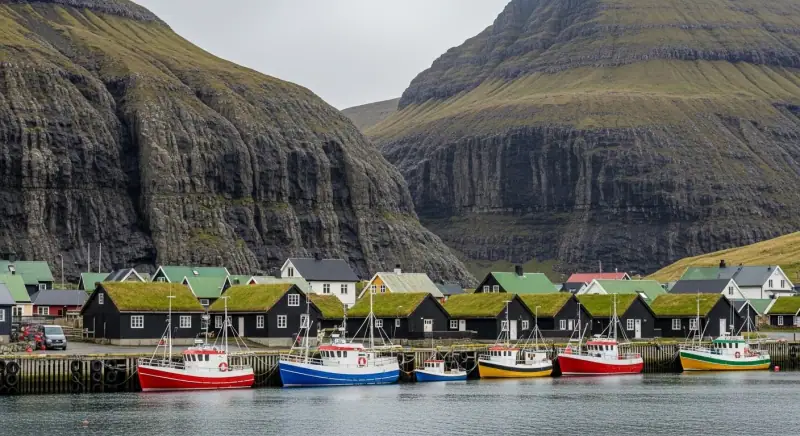
Faroe Islands Budget 2026: What Does It Really Cost?
Hotels, restaurants, car rental and activities: a complete budget guide to plan your trip to the Faroe Islands without bad surprises.
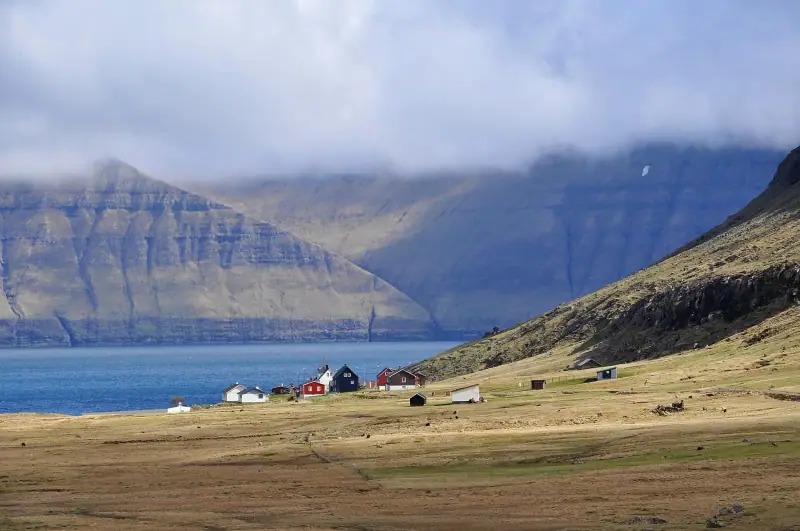
Visiting Eysturoy: Complete Guide to the Faroe Islands' Second Island
Everything for exploring Eysturoy in the Faroe Islands: Gjógv, Eiði, Slættaratindur, Funningur, the Two Giants. Hikes, villages and dramatic landscapes.
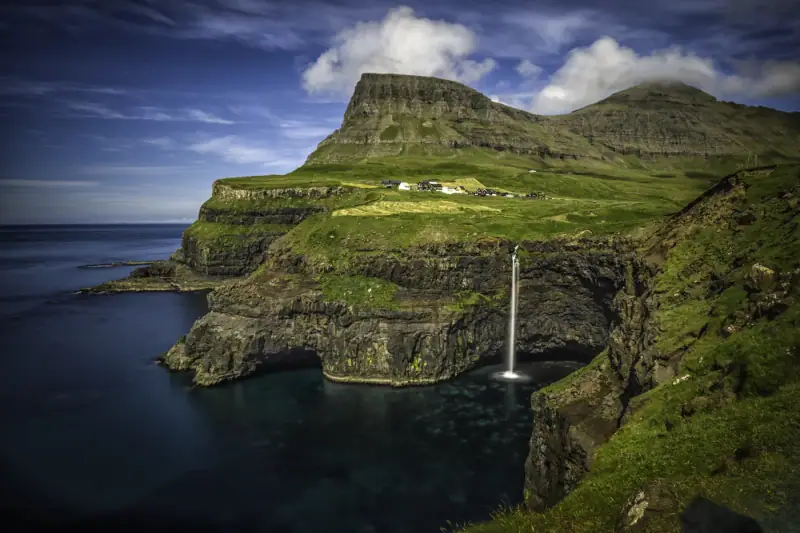
Gásadalur: The Village at the Edge of the World (Múlafossur Waterfall)
Visiting Gásadalur in the Faroe Islands: Múlafossur waterfall, hilltop village, hikes. Complete guide to reaching this remote village on the island of Vágar.
Ready-made
Faroe Islands itineraries
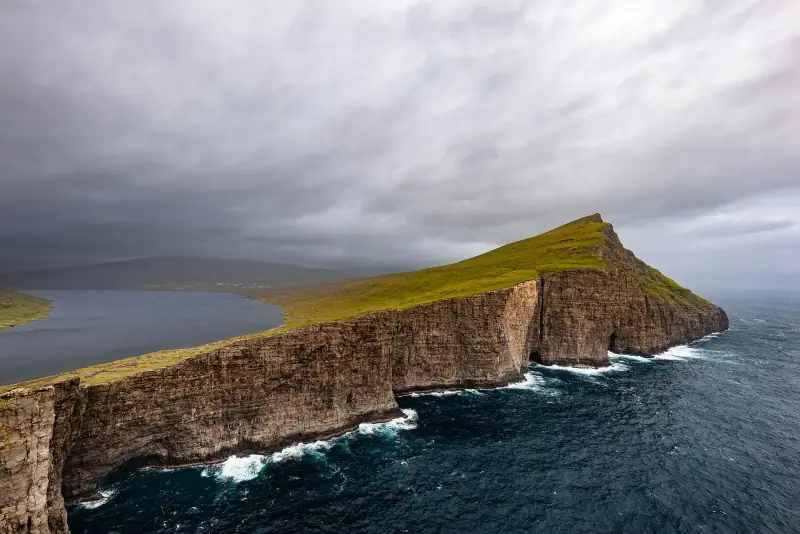
14 days
Faroe Islands Road Trip: A 10 to 14 Day Itinerary by Car
Faroe Islands road trip itinerary in 10 to 14 days. Scenic roads, subsea tunnels, remote villages and the essential natural sites.
2 days
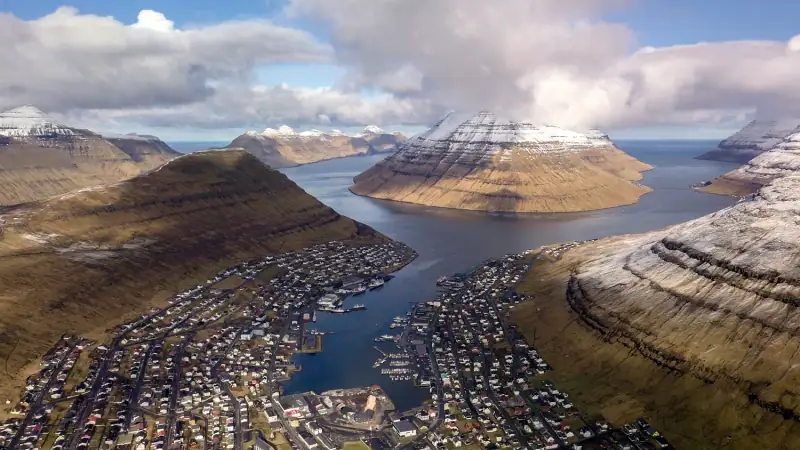
Borðoy Road Trip: 2 Days Between Klaksvík and the Northern Islands
2-day itinerary on Borðoy: Klaksvík, Klakkur, the Kallur lighthouse on Kalsoy, Kunoy and Viðoy. The wild north of the Faroe Islands.
2 days
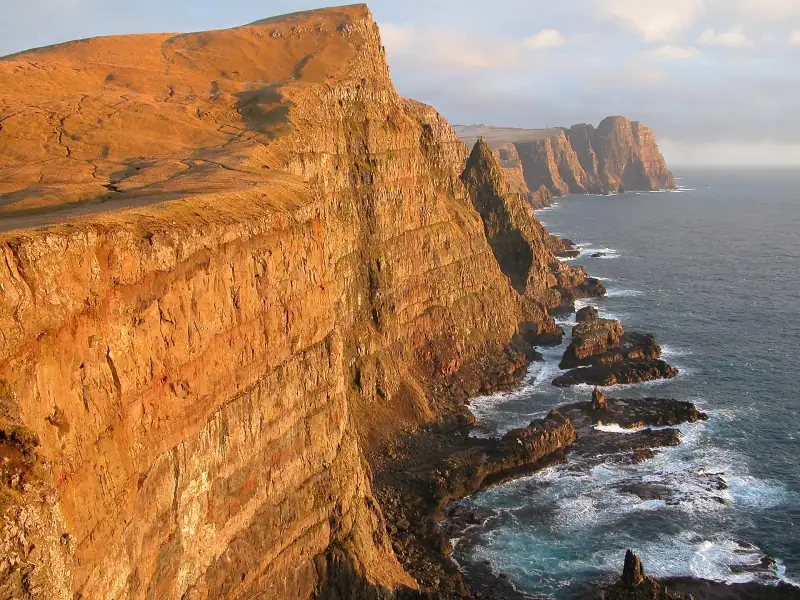
Suðuroy Road Trip: Complete Guide to the Island at the End of the World
Suðuroy road trip in the Faroe Islands: ferry, Fámjin, Beinisvørð cliffs, Tvøroyri, Vágur, Sumba. 2-day itinerary and practical tips.