Plan your trip
Faroe Islands Budget 2026: What Does It Really Cost?
We may earn a commission when you book through links on this page, at no extra cost to you. We don't visit or try the places we cover: we summarize published sources. How we work
In short
- The Faroe Islands are a high-cost destination, comparable to Norway or Iceland: about €150 to 250 (about $175 to 290) per person per day at a mid-range budget.
- Rental car runs €40 to 100 (about $46 to 115) a day, plus subsea tunnel tolls of about 100 to 400 DKK per day of intensive driving.
- Guesthouses are often the best value at €70 to 130 (about $80 to 150) a night for two; self-catering can cut food costs by half or two thirds.
- Most hikes, villages, waterfalls and cliffs are free; traveling in May or September cuts prices by 20 to 30% compared with July.
The Faroe Islands are among the most expensive destinations in Europe. Comparable in cost to Norway or Iceland, they call for a bigger budget than most Mediterranean destinations. But with good planning, it is entirely possible to visit the archipelago without going broke, and above all without skipping the essential experiences.
This guide gives you everything you need to build a realistic budget, expense category by expense category.
Flights budget: the main item
Flights are often the biggest expense of the trip. Vágar Airport (FAE) is the main international airport of the Faroe Islands. Fares vary a great deal by departure point, season and booking date, so check current prices for your own route.
Tips to reduce flight costs:
- Book 3 to 5 months ahead for the best fares
- Be flexible on dates: prices can vary by a wide margin depending on the day of the week
- Compare on Skyscanner or Google Flights with price alerts
Accommodation budget
The different options and their prices
Hostels and budget accommodation (€25 to 55, about $29 to 64, per person): Rare in the Faroe Islands, but a few options exist in Tórshavn. Bed-and-breakfasts and rooms in private homes (Airbnb) can also offer more affordable rates.
Guesthouses and bed-and-breakfasts (€70 to 130, about $80 to 150, for two): This is the most common option and often the most authentic. These family-run places generally offer comfortable rooms, sometimes with breakfast included. Ideal for meeting other travelers and getting local advice.
3-star hotels (€90 to 160, about $105 to 185, for two): Several good-quality hotels in Tórshavn and the main settlements. Standard comfort, sometimes with a restaurant.
4-5 star hotels and boutique hotels (€150 to 350, about $175 to 405, for two): Quality places exist, notably in Tórshavn. Hotel Føroyar offers a spectacular view of the capital.
Accommodation in the Faroe Islands
Compare guesthouses and hotels, book with free cancellation.
Accommodation tips
- Book several months ahead for high season (June to August): accommodation fills up fast
- Guesthouses outside Tórshavn are often cheaper and offer a more immersive experience
- Some farms offer very affordable glamping or cottages
Food budget
Food is one of the biggest expense items in the Faroe Islands.
Eating out
- Simple meal (coffee, sandwich, dish of the day): €15 to 25 (about $17 to 29)
- Mid-range restaurant (dinner with a drink): €30 to 55 (about $35 to 64) per person
- Fine-dining restaurant (paz, Ræst and others): €70 to 200 (about $80 to 230) per person
Tórshavn’s restaurants are good quality but expensive. Traditional Faroese cooking is excellent (lamb, fresh fish, seafood) and deserves to be tried at least once in a traditional place. See our guide to restaurants in Tórshavn for the best places to eat.
Cooking for yourself: the economical option
Faroese supermarkets (notably SMS Shopping in Tórshavn, Miklagarður) offer fresh local products at acceptable prices. Faroese lamb, local potatoes and fresh fish are particularly affordable.
If you rent an apartment or a house, preparing your own meals can cut the food budget by half or two thirds. For a week-long stay, that is a significant saving.
Estimated daily food budget:
- Economical (supermarkets + one meal out): €30 to 45 (about $35 to 52) per person
- Mid-range (daily mid-range restaurants): €50 to 80 (about $58 to 93) per person
- Fine dining: €100 to 200 (about $115 to 230) per person
Local transport budget
Car rental
A rental car is essential for exploring the archipelago. Allow:
- Economy car: €40 to 55 (about $46 to 64) a day
- SUV or roomier car: €55 to 80 (about $64 to 93) a day
- 4x4 (useful for some tracks): €70 to 100 (about $81 to 115) a day
For a week, plan on €280 to 560 (about $325 to 650) for the car.
On top of that come subsea tunnel tolls: depending on how many tunnels you use, allow 100 to 400 DKK (about €13 to 55 / $15 to 64) per day of intensive driving.
Ferries and helicopter
- Sørvágur-Mykines ferry: about €33 to 41 (about $38 to 48) per person round trip (check the fare at ssl.fo)
- Vágar-Mykines helicopter: subsidized fare, about 145 DKK (about €20 / $23) one way per adult according to the latest published rates (check at atlanticairways.com; one-way tickets, limited seats for visitors, booking possible 7 days before departure at the earliest)
- Tórshavn-Suðuroy ferry: about €20 to 25 (about $23 to 29) per person
Activities budget
Free activities (the great majority)
The good news: most activities in the Faroe Islands are free. Hikes, villages, waterfalls, cliffs, birdwatching, scenic drives: all of it costs nothing apart from your transport to get there.
Paid activities
- Boat trips (Vestmanna, Mykines, Nólsoy): €40 to 80 (about $46 to 93) per person
- Guided tours in Tórshavn: €20 to 50 (about $23 to 58) per person
- Whale watching: €60 to 100 (about $70 to 115) per person
- Sea kayaking: €60 to 100 (about $70 to 115) per half day
- Museums and paid sites: €5 to 20 (about $6 to 23) per entry
Estimated total budget for 7 nights
| Type of trip | Budget per person, excluding flights |
|---|---|
| Budget | €500 to 800 (about $580 to 930) |
| Mid-range | €1,100 to 1,500 (about $1,275 to 1,740) |
| Comfortable/luxury | €2,000 to 3,500 (about $2,320 to 4,060) |
These estimates include accommodation, local transport, food and a few paid activities.
Tips for saving money
- Travel in May or September: prices fall by 20 to 30% compared with July
- Share the car: sharing a rental among 4 people cuts this cost per person by 75%
- Prepare picnics: Faroese supermarkets sell excellent local products (addresses and hours in our guide to grocery shopping in the Faroe Islands)
- Book early: the cheapest accommodation goes first
- Limit fine-dining restaurants: one or two big tables are enough for the culinary experience
- Choose the ferry over the helicopter for Mykines: less spectacular, but easier to book
- Enjoy the free hikes: the best experiences are often the cheapest
Sources
- Tunnil (Faroese subsea tunnel company): prices checked November 2026
Frequently asked questions
Are the Faroe Islands an expensive destination?
Yes, the Faroe Islands are a high-cost destination, comparable to Norway or Iceland. Food, accommodation and transport are significantly more expensive than in most Mediterranean destinations. On average, allow €150 to 250 (about $175 to 290) per person per day at a mid-range budget.
What is the average price of a hotel in the Faroe Islands?
A decent hotel costs between €90 and 180 (about $105 to 210) a night for two people. Guesthouses and bed-and-breakfasts often offer better value, between €70 and 130 (about $80 to 150) a night.
How much does a restaurant meal cost in the Faroe Islands?
A meal in a standard restaurant costs between €20 and 40 (about $23 to 46) per person. At a fine-dining restaurant, allow €60 to 150 (about $70 to 175) per person. An economical solution: local supermarkets (Miklagarður, SMS Shopping) offer fresh produce at reasonable prices.
Are bank cards accepted everywhere in the Faroe Islands?
Yes, bank cards (Visa, Mastercard) are accepted in the great majority of establishments, including small shops. It is still advisable to have some cash in kroner for a few privately run places.
Do you have to pay for tunnels in the Faroe Islands?
Most subsea tunnels are toll tunnels, at about 50 to 175 DKK (about €7 to 24 / $8 to 28) per crossing depending on the tunnel (check rates at tunnil.fo; with a rental car, tolls are billed by the rental company). These costs should be included in your transport budget, especially if you visit several islands.
More Faroe Islands guides
Keep reading
Best Time to Visit the Faroe Islands: Month by Month
Which season for a trip to the Faroe Islands? Weather, puffins, northern lights, crowds and prices: a month-by-month guide to help you decide.
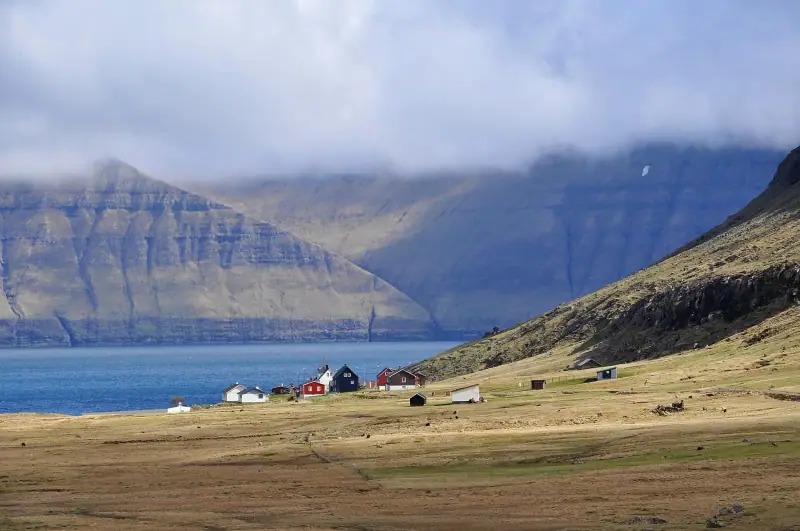
Visiting Eysturoy: Complete Guide to the Faroe Islands' Second Island
Everything for exploring Eysturoy in the Faroe Islands: Gjógv, Eiði, Slættaratindur, Funningur, the Two Giants. Hikes, villages and dramatic landscapes.
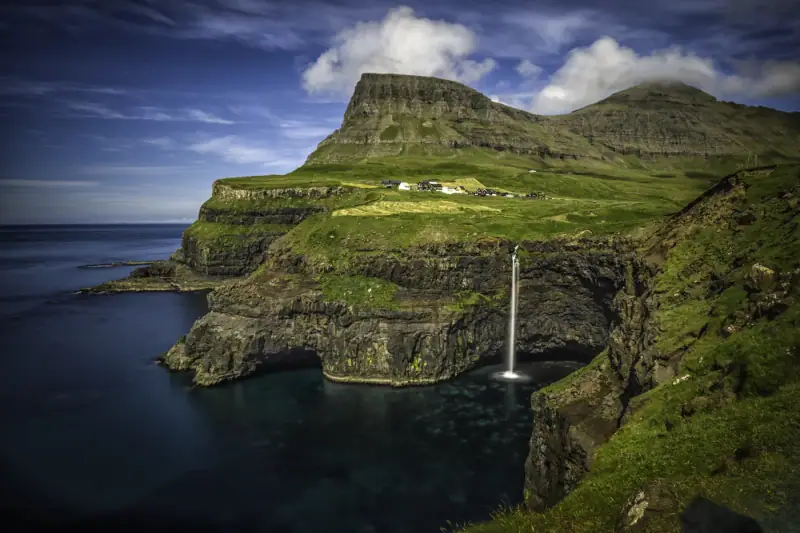
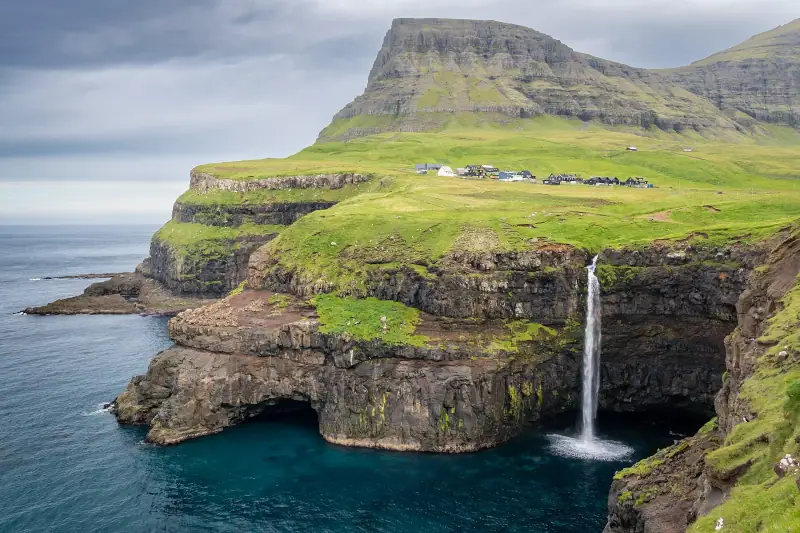
Gásadalur: The Village at the Edge of the World (Múlafossur Waterfall)
Visiting Gásadalur in the Faroe Islands: Múlafossur waterfall, hilltop village, hikes. Complete guide to reaching this remote village on the island of Vágar.
Ready-made
Faroe Islands itineraries
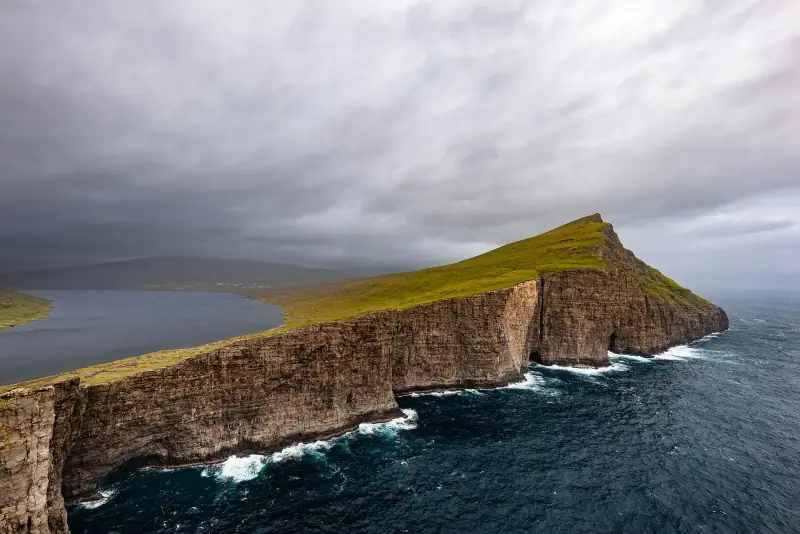
14 days
Faroe Islands Road Trip: A 10 to 14 Day Itinerary by Car
Faroe Islands road trip itinerary in 10 to 14 days. Scenic roads, subsea tunnels, remote villages and the essential natural sites.
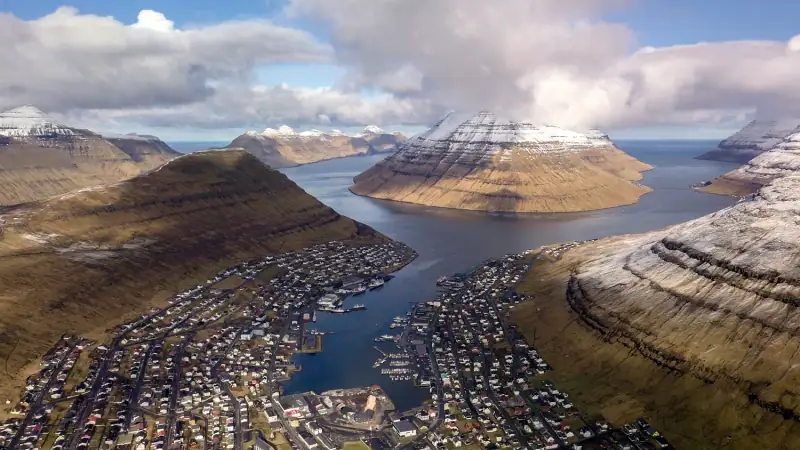
2 days
Borðoy Road Trip: 2 Days Between Klaksvík and the Northern Islands
2-day itinerary on Borðoy: Klaksvík, Klakkur, the Kallur lighthouse on Kalsoy, Kunoy and Viðoy. The wild north of the Faroe Islands.
2 days
Suðuroy Road Trip: Complete Guide to the Island at the End of the World
Suðuroy road trip in the Faroe Islands: ferry, Fámjin, Beinisvørð cliffs, Tvøroyri, Vágur, Sumba. 2-day itinerary and practical tips.