What to see
Visiting Guanacaste: a complete guide to Costa Rica's northern Pacific
We may earn a commission when you book through links on this page, at no extra cost to you. We don't visit or try the places we cover: we summarize published sources. How we work
In short
- The dry season (December to April) is the best time for beaches; the rainy season (May to November) brings lower prices and daily showers, strongest in September and October.
- Liberia airport (LIR) is the direct gateway. From San José (SJO), the drive takes about 4 h 30 to 5 h on Route 1.
- A rental car is strongly recommended; an SUV or 4x4 helps on dirt roads to Rincón de la Vieja, Nosara and remote beaches.
- Leatherback turtles nest at Playa Grande from October to March; guided night visits are limited, so book well ahead.
Guanacaste, a province in northwestern Costa Rica, is terra incognita for those who picture the country only as humid rainforest and cloud-wrapped volcanoes. Here, nature has chosen a different register: flawless blue skies for months, a tropical dry forest that changes its look with the seasons, white and golden beaches stretching as far as the eye can see, and an active volcano spitting hot mud between smoky eruptions. Guanacaste is Costa Rica’s sunny side, and reason enough to devote several days of your itinerary to it.
Why Guanacaste is unique in Costa Rica
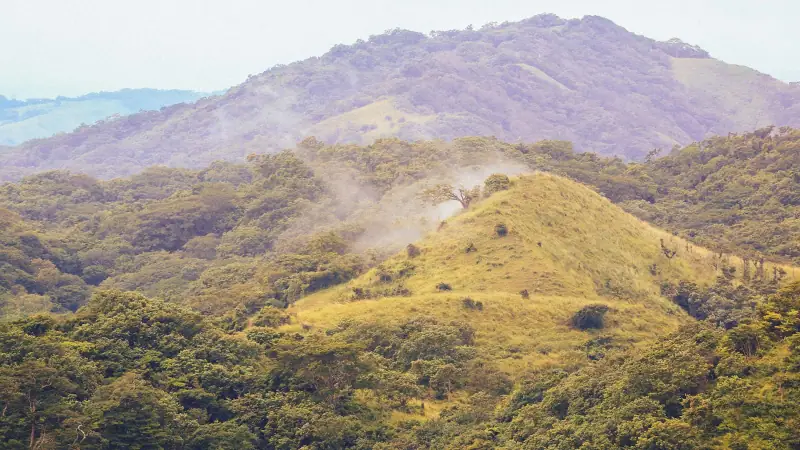
Most travelers arriving in Costa Rica think wet jungles, heavy rain and intense greenery. Guanacaste breaks that cliché with elegance. This northern Pacific province enjoys a radically different microclimate from the rest of the country: a long dry season from December to April, when the landscapes turn gold and brown, the trees lose their leaves and the sky stays relentlessly, and beautifully, blue.
This tropical dry forest (bosque seco tropical) ecosystem is one of the rarest and most threatened in Central America. Most of the world’s dry forests disappeared over the last century; Guanacaste keeps significant fragments, notably in Santa Rosa National Park, listed as a UNESCO World Heritage site as part of the Guanacaste conservation area.
This climate and ecology give Guanacaste an identity of its own, different from the rest of Costa Rica. Here, Costa Rican culture mixes with ranching traditions inherited from the Spanish colonial era, and Guanacaste was long considered the country’s beef pantry. The horse and the sabanero (the Costa Rican cowboy) are part of regional folklore, celebrated every July 25 at the Annexation of Guanacaste festival, one of Costa Rica’s most festive public holidays.
Liberia: the gateway to Guanacaste
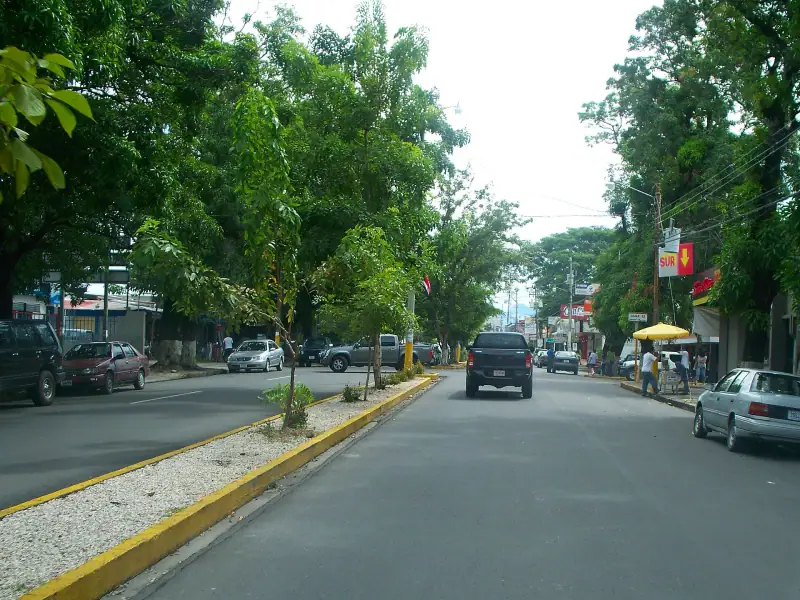
Liberia is the provincial capital of Guanacaste and the region’s main hub. For many travelers, this is where the adventure begins: Daniel Oduber Quirós International Airport (IATA code: LIR) receives direct international flights, which avoids a transit through San José.
The town itself is rarely a final destination. Most travelers stop for a night before heading to the beaches or national parks. Liberia is still worth a walk through its historic center, especially along Calle Real, a street lined with white colonial houses from the 19th century, hence the nickname “White City” (Ciudad Blanca). The Guanacaste Museum, in a historic building on the central square, offers an introduction to the region’s cultural and natural heritage.
Practical notes for Liberia:
- ATMs and banks in the center and in the shopping centers near the airport
- Car rental offices at the airport and in town (book ahead in high season)
- From Liberia: about 1 h 30 to Tamarindo, 45 min to Rincón de la Vieja, 30 min to the Coco beaches
To choose where to spend the night before or after your flight, read our guide to sleeping near Liberia airport.
Guanacaste’s beaches
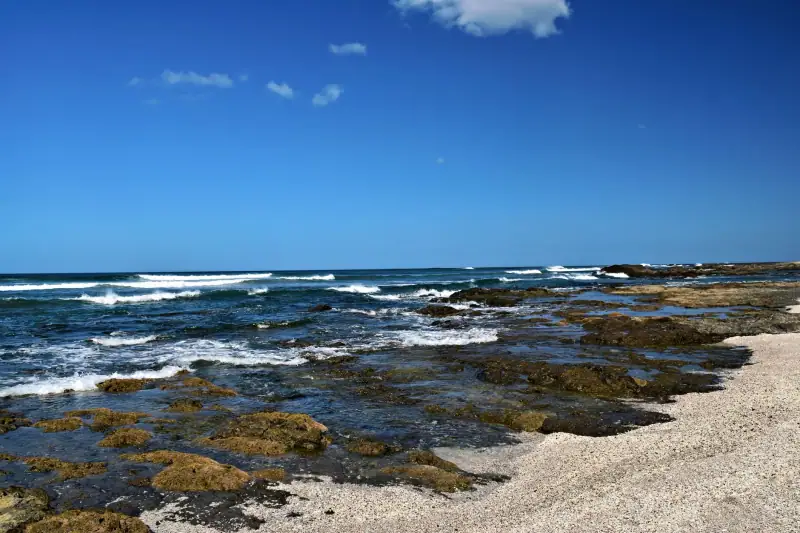
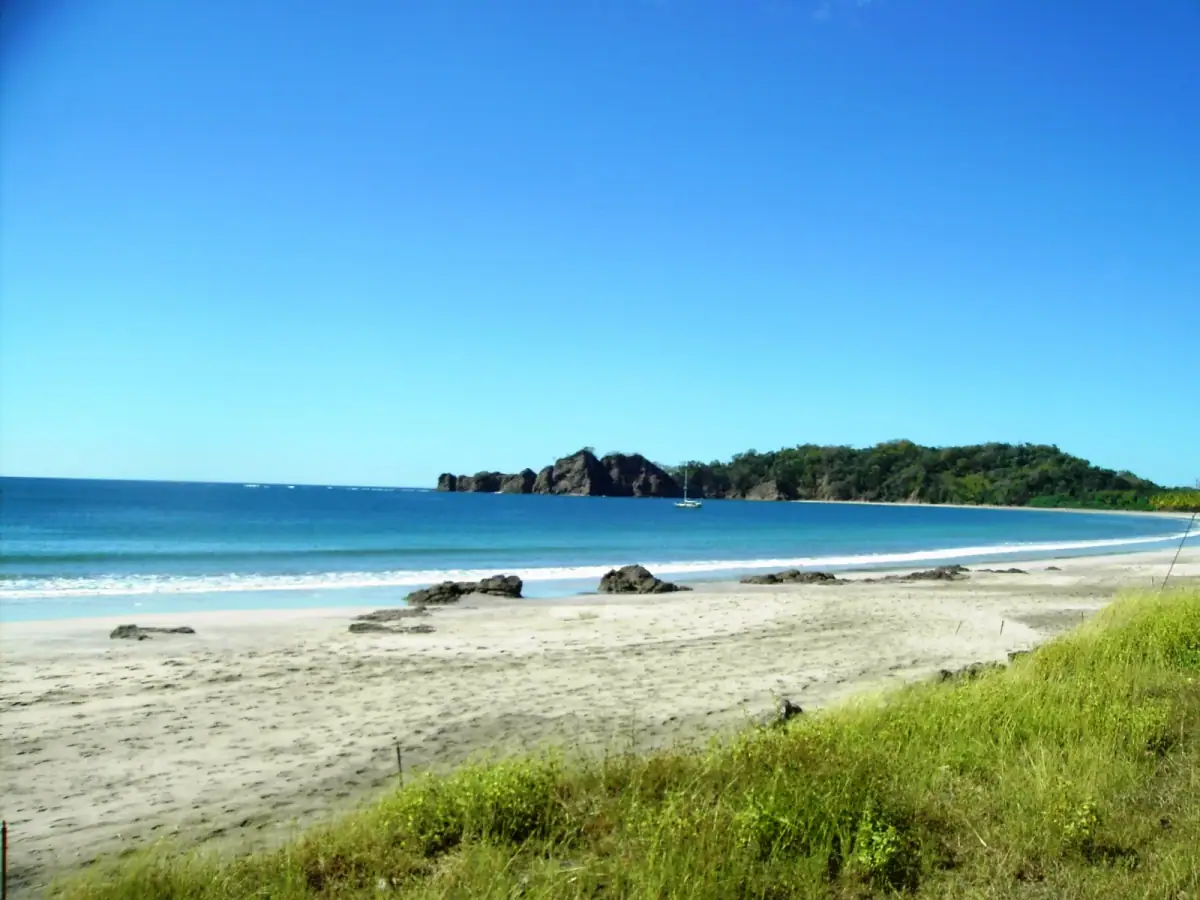
Guanacaste has a constellation of beaches that suits every kind of traveler: surfers chasing waves, families looking for calm water, snorkeling fans, night owls and hermits seeking solitude. Here are the main ones, from north to south.
Playa del Coco and Playa Hermosa (northern sector)
Playa del Coco is one of the most accessible beaches from Liberia (about 35 km / 22 mi). Its lively village has good tourist infrastructure: restaurants, bars, dive shops, boat rentals. The beach itself is not the region’s prettiest, with dark sand and slightly murky water, but it is an excellent starting point for diving and snorkeling in the surrounding waters, rich in marine life.
Playa Hermosa (not to be confused with the one on the central Pacific) is next to Playa del Coco. Quieter and family-friendly, it has calmer water and a less developed waterfront. Ideal for families with children or travelers who prefer a relaxed atmosphere.
Playa Flamingo and Playa Conchal (Brasilito sector)
Playa Flamingo is one of the most popular beaches in the region for its white sand and clear water. It has a large marina, the starting point for sport fishing and sailing trips. The area is more upscale than Playa del Coco, with several boutique hotels and restaurants.
Playa Conchal, next to the village of Brasilito, is often described by repeat visitors as the most beautiful beach in Guanacaste. It takes its name from its distinctive sand, made largely of shells finely broken down by erosion, a unique, slightly pinkish texture that crunches softly underfoot. The turquoise water and gentle swell make it a perfect spot for swimming and snorkeling. Access on foot from Brasilito is public and free.
Tamarindo: the international star
Tamarindo is probably Guanacaste’s best-known beach internationally, and for good reason: its steady waves, cosmopolitan atmosphere, restaurants and nightlife have made it a surf and tourism hotspot since the 1990s. For everything about this destination, see our complete Tamarindo guide.
Playa Grande: the kingdom of leatherback turtles
Just north of Tamarindo, Playa Grande is home to one of the world’s most important nesting sites for the leatherback turtle (Dermochelys coriacea), the largest sea turtle alive; females can weigh up to 600 kg (1,320 lb). The beach is protected as part of Las Baulas National Marine Park, and guided night visits let you watch the nesting up close (October to March). The number of visitors is strictly limited by the park, so book well in advance.
Nosara and Sámara: the coast for the gentle at heart
Farther south, on the Nicoya Peninsula that marks the border with Puntarenas province, Nosara has become an international sanctuary for yoga and eco-friendly surfing. The community has deliberately limited development to preserve the natural atmosphere. The access roads are deliberately undeveloped, a mindset that suits those seeking authenticity.
Sámara, a bit farther south, is considered one of the most family-friendly beaches in Costa Rica. Its natural reef breaks the waves before they reach the shore, creating a protected swimming area with particularly calm water. The village keeps a relaxed local atmosphere despite growing tourism.
Places to stay in Guanacaste
Hotels, ecolodges and villas on the best northern Pacific beaches.
Rincón de la Vieja National Park
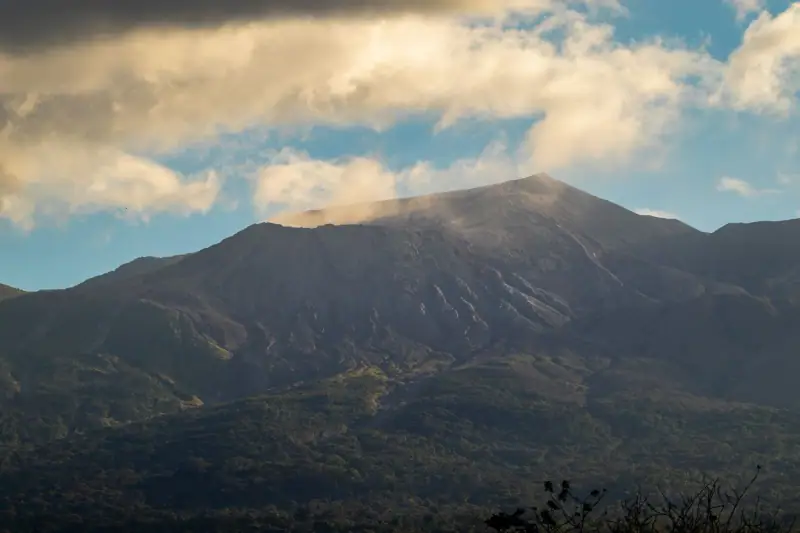
About 25 km (16 mi) northeast of Liberia, Rincón de la Vieja National Park is the natural jewel of inland Guanacaste. The volcanic massif has three main peaks: Rincón de la Vieja (the most active, rising above 1,900 meters / 6,230 ft), Santa María and Cerro Von Seebach. The volcano has had several phreatic eruptions in recent years and remains under monitoring.
A fascinating volcanic landscape
What makes Rincón de la Vieja so spectacular is the variety of geothermal features reachable on foot from the park’s two entrances (Santa María and Las Pailas):
- Las Pailas (Las Hornillas): pools of bubbling hot mud, sulfurous fumaroles, open-air hot springs and small geysers. A loop trail of about 3.5 km (2.2 mi) lets you see these phenomena up close. The atmosphere is both impressive and slightly surreal.
- La Cangreja: a waterfall of blue-green water about 40 meters (130 ft) high, reached by a round-trip hike of about 10 km (6 mi). The color of the water comes from dissolved volcanic minerals.
- Summit trail: the trail to the main crater (about 14 to 18 km / 9 to 11 mi round trip from the Las Pailas entrance, with a significant elevation gain) has been closed for several years because of volcanic activity. Check with SINAC (the national conservation areas service) before planning any ascent.
Wildlife in the park
The forest of Rincón de la Vieja shelters abundant wildlife: collared peccaries, pumas (very rarely seen), howler monkeys, coatis and a fine diversity of birds. The resplendent quetzal is reliably seen in Monteverde and San Gerardo de Dota; its regular presence in the accessible areas of Rincón de la Vieja is not documented.
Practical tips:
- Park entry requires a fee (indicative price around $18-20 for foreign visitors; check the SINAC website)
- Start early in the morning (7-8 am) to avoid the heat and improve your chances of seeing wildlife
- Wear closed-toe waterproof shoes and keep your belongings dry, as the morning mist soaks everything
- The area around the mud pools is fenced with guardrails; respect the limits strictly
Lodges and private hot springs
Several lodges near the park offer their own hot springs and pools naturally heated by geothermal activity. These places combine accommodation, dining and private access to thermal baths. A popular option for travelers who want to combine nature and relaxation.
Top activities in Guanacaste
Surf: waves for all levels
Guanacaste is one of Costa Rica’s best-known surf regions. Our complete guide to surfing in Costa Rica details the best spots, but here are the essentials for the region:
- Tamarindo: steady waves, several surf schools, ideal for beginners and intermediates
- Playa Grande: more powerful waves than Tamarindo, recommended for intermediate and advanced surfers
- Nosara (Playa Guiones): one of the most consistent spots in the country, appreciated for its year-round reliability
- Playa Avellanas and Playa Negra: quieter, less crowded spots with an excellent quality-to-experience ratio
Scuba diving and snorkeling
The northern Pacific waters offer good marine biodiversity, especially around Playa del Coco, Playa Flamingo and the offshore islands (Isla Murciélago in the Santa Rosa area). Diving is possible year-round, with the best visibility in the dry season.
The region’s warm waters (26-30 °C / 79-86 °F at the surface) are home to manta rays, bull sharks, green turtles, schools of tropical fish and, depending on the season, humpback whales (typically August to October and January to March).
Sea turtle watching
As mentioned above, Playa Grande is the main leatherback nesting site in Guanacaste. Olive ridley turtles (Lepidochelys olivacea) also nest on several beaches in the region, notably at Ostional on the Nicoya Peninsula, where arribadas occur: mass arrivals of thousands of turtles at once, a natural phenomenon unique in the world.
Tours and activities in Guanacaste
Turtle watching, diving, surfing, ziplining and guided tours throughout Guanacaste.
Canopy and adventure
Several zipline (canopy) parks operate in the region, notably in the hills around Liberia and near Rincón de la Vieja. Some offer night tours. Tours generally last between 2 and 4 hours.
Sport fishing
The northern Pacific waters are known for their sport fish: blue marlin, sailfish (peces vela), tuna and mahi-mahi. Liberia, Playa Flamingo and Tamarindo are the main departure points for full-day or half-day sport fishing trips. The most productive season generally runs from May to November.
Santa Rosa National Park
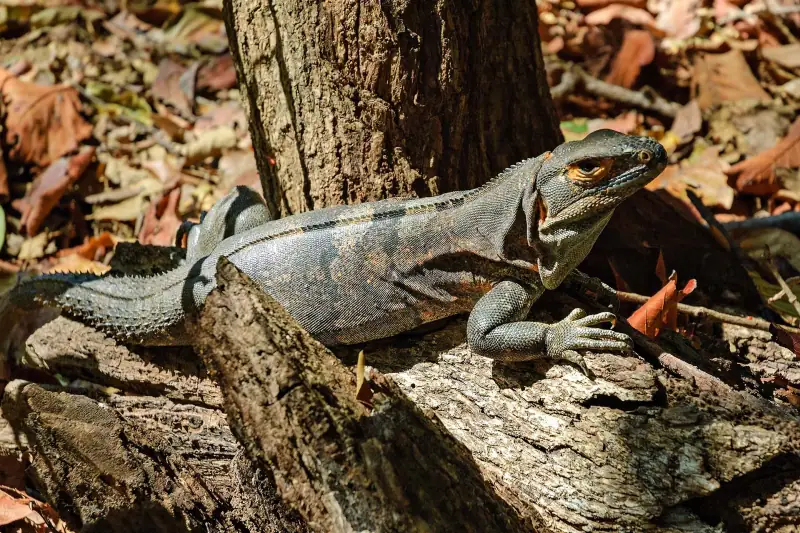
About 35 km (22 mi) north of Liberia, Santa Rosa National Park is the oldest protected area in Costa Rica (created in 1966) and one of the largest in the northern Pacific. It forms the heart of the Guanacaste conservation area, a UNESCO World Heritage site.
Santa Rosa is historically important: it was here in 1856 that Costa Rican forces repelled the invasion of the American filibuster William Walker at the Battle of Hacienda Santa Rosa. The building known as La Casona, a witness to that battle, can be visited.
Ecologically, the park protects the largest fragment of tropical dry forest in Central America. The wildlife is remarkable: jaguars, pumas, ocelots, tapirs, white-lipped peccaries, spider monkeys, coatis and an exceptional diversity of birds. It is also an important nesting site for olive ridley turtles at Playa Naranjo and Playa Nancite, the latter being one of the few places in the world to host arribadas.
Access: the main road to the La Casona sector is paved. Playa Naranjo (Murciélago sector) is reached by a dirt track of about 13 km (8 mi) from the ranger station, passable only by 4x4.
Food in Guanacaste
Guanacaste cooking reflects its rural, ranching roots. Grilled meats (carnes asadas) are central to local cuisine, much more than elsewhere in Costa Rica. A few specialties to try:
- Gallo pinto guanacasteco: local variant of the national dish, often made with corn in addition to beans and rice
- Vigorón guanacasteco: a salad of boiled yuca, chicharrón (fried pork rind) and cabbage
- Pozol: thick corn-based soup, ancestor of Mexican pozole, eaten at traditional festivals
- Rosquillas: small corn and cheese biscuits, a regional specialty, made for festivals and fairs
- Chicheme: traditional drink made from corn, milk and sugar, served cold
- Corn and cheese: an omnipresent duo in local cooking, in the form of pupusas, thick tortillas and quesillo (fresh cheese rolled in a tortilla with pickled onions)
For restaurants and the more modern food scene, Tamarindo and Playa del Coco offer the greatest variety, with international, Mediterranean and Asian cuisines and tapas bars. Local sodas (Costa Rican family restaurants) remain the best options for authentic food at reasonable prices.
Getting around Guanacaste
Car rental
A rental car is by far the most practical way to explore Guanacaste at your own pace. The main roads (to Liberia, Tamarindo, Playa del Coco, Sámara) are reasonably well paved. However, getting to Nosara, the inland national parks and some remote beaches requires a vehicle with high ground clearance, or even a 4x4 in the rainy season.
Practical tips:
- Book your vehicle before you leave, especially in high season (December to April)
- Take full insurance (CDW + SLI), as dirt roads can be unpredictable
- Avoid driving at night on secondary roads (animals, potholes)
Buses and shuttles
Public buses link Liberia to most of the major Guanacaste beaches. Frequencies are generally adequate to Playa del Coco, Tamarindo and Sámara, but schedules should be checked locally as they can change.
Shared shuttles are a practical alternative: more expensive than the bus but more comfortable and faster. Daily connections exist between San José and the main Guanacaste beaches, as well as between the beaches themselves.
Tuk-tuks and local taxis
In tourist centers such as Tamarindo or Playa del Coco, tuk-tuks and local taxis let you get around town and to nearby beaches. Negotiate the price before getting in.
When to go to Guanacaste
Guanacaste is one of the few regions of Costa Rica with a long, well-defined dry season. Our guide to the best time to visit Costa Rica covers the whole country, but here are the essentials for Guanacaste:
December to April (dry season, high season):
- Plenty of sun, almost no rain
- Calm sea, ideal for swimming and diving
- Heavy tourist traffic and high prices; book well in advance
- Golden, arid landscapes inland
May to November (rainy season, low season):
- Significantly reduced prices (up to 40% off accommodation)
- Lush vegetation after the first rains
- Daily tropical showers (usually in the afternoon)
- September-October: the rainiest period; some dirt roads can be difficult
- October-March: leatherback nesting season at Playa Grande
Suggested timing: December-January for the high season, or November for a budget/weather compromise (rain is already less frequent than in October and prices have not yet reached December levels).
Practical tips for Guanacaste
Sun and water:
- Tap water is not drinkable in most tourist areas of Guanacaste; drink bottled or filtered water
- Protect yourself from the sun: in the dry season, UV is intense, so high-SPF sunscreen, a hat and a water bottle are essential
- The heat can be intense between December and April (30-35 °C / 86-95 °F during the day); avoid hiking in the middle of the day
Safety:
- Guanacaste is generally considered a safe region for tourists
- Never leave valuables visible in your rental vehicle, even locked
- Find out about sea currents before swimming; some exposed beaches have strong rip currents
Communication:
- 4G coverage is good in tourist centers and patchier in rural areas and national parks
- Download offline maps (Google Maps or Maps.me) before leaving areas with a signal
- Check your carrier’s international plan or use a travel eSIM before you go
Guanacaste is living proof that Costa Rica still holds surprises for those who take the time to explore beyond the clichés. With its golden beaches bordered by dry forest, its volcanic hot springs and its ancient sea turtles that have come back to nest on the same beaches for millions of years, this province has all the ingredients for a memorable trip. Pura Vida.
To plan your full itinerary, see our Costa Rica road trip guide and our complete Costa Rica guide.
Frequently asked questions
What is the best time to visit Guanacaste?
The dry season (December to April) is ideal for Guanacaste: guaranteed sun, calm seas and gorgeous beaches. It is also the high tourist season. The rainy season (May to November) offers much lower prices, lush vegetation and fewer crowds, but expect daily tropical showers, especially in September and October.
How do you get to Guanacaste?
Daniel Oduber Quirós International Airport in Liberia (LIR) is the direct gateway to Guanacaste. From San José (SJO), the drive takes about 4 h 30 to 5 h on Route 1, the Pan-American Highway. Shared shuttles also link San José to the main Guanacaste beaches.
Is Guanacaste suitable for families with children?
Yes, Guanacaste is one of the best regions of Costa Rica for families. Beaches such as Sámara, Playa Hermosa and Playa del Coco have calm, shallow water, ideal with kids. National parks such as Rincón de la Vieja offer activities for all ages. Avoid exposed surf beaches (the Tamarindo river-mouth side, Playa Grande) with young children.
Do you need to rent a car in Guanacaste?
Yes, a rental car is strongly recommended to explore Guanacaste at your own pace. The region is large and public transport is limited between beaches and parks. A vehicle with decent ground clearance (SUV or 4x4) is recommended, because several secondary roads, notably to Rincón de la Vieja and some remote beaches, are dirt or gravel. In the rainy season, a 4x4 is practically essential.
What is Costa Rica's currency, and can I pay in dollars in Guanacaste?
The official currency is the Costa Rican colón (CRC). However, the US dollar is very widely accepted throughout the tourist zone of Guanacaste: hotels, restaurants, activity providers. Keep colones in cash for small shops, local markets and public transport. ATMs are available in Liberia, Tamarindo, Playa del Coco and most tourist centers.
Can you see sea turtles in Guanacaste?
Yes! Guanacaste is one of the few places in the world where you can watch leatherback turtles (Dermochelys coriacea), the largest sea turtles in the world, nest at Playa Grande, in Las Baulas National Marine Park. The nesting season runs from October to March. Guided night visits are organized by the park; book well in advance because places are limited.
More Costa Rica guides
Keep reading
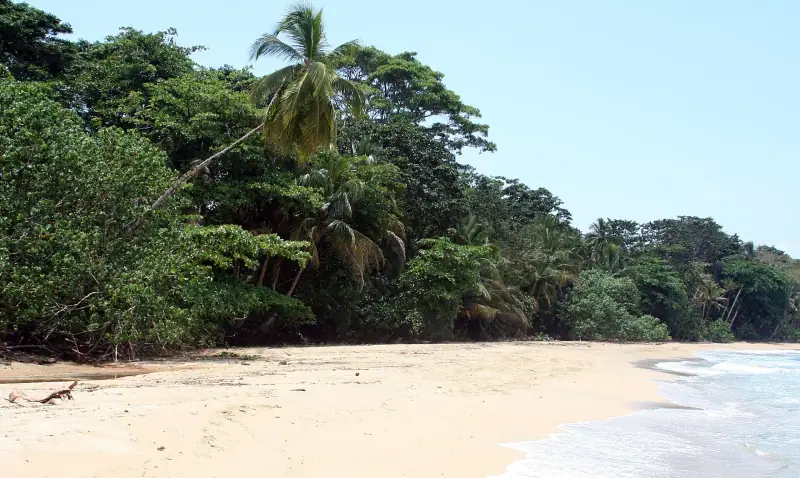
Visiting Puerto Viejo: a complete guide to Costa Rica's Caribbean coast
Everything about visiting Puerto Viejo de Talamanca: beaches, surf, Afro-Caribbean culture, Manzanillo, Cahuita and practical tips.
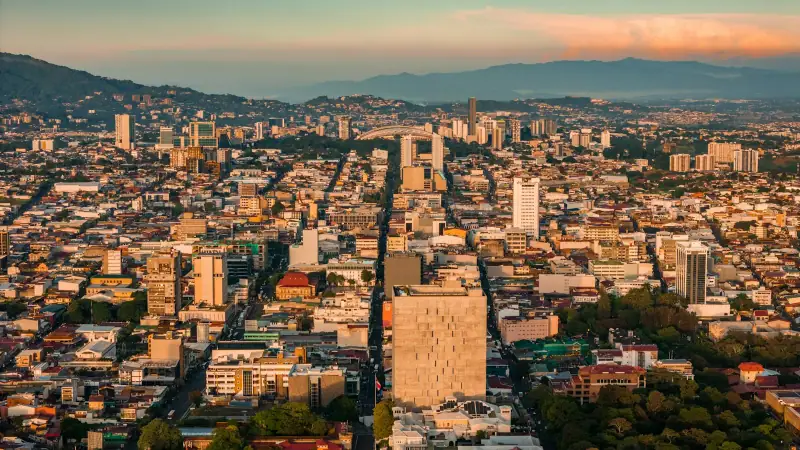
San José, Costa Rica: the capital's top sights
What to see in San José: museums, neighborhoods, markets and food in Costa Rica's capital. A guide to spending 1 to 3 days there.
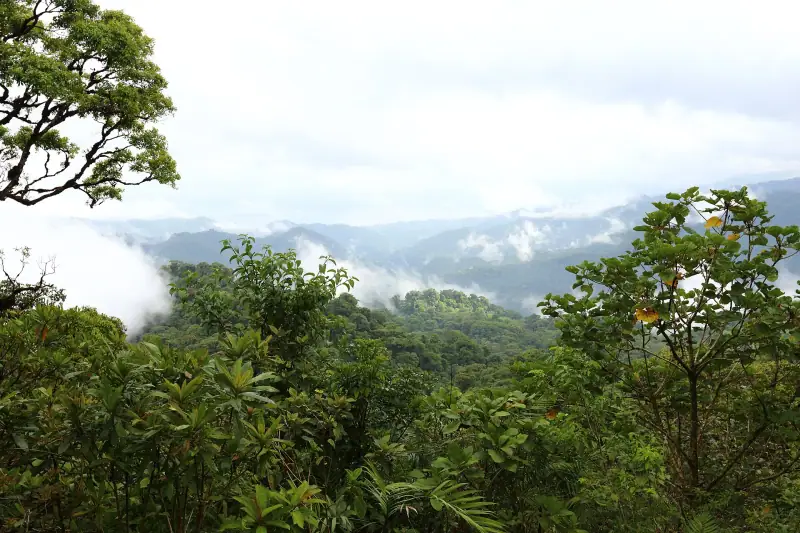
Visiting Monteverde: a complete guide to Costa Rica's cloud forest
Everything about visiting Monteverde: cloud forest reserves, ziplines, hanging bridges, wildlife, where to stay and practical tips.
Ready-made
Costa Rica itineraries
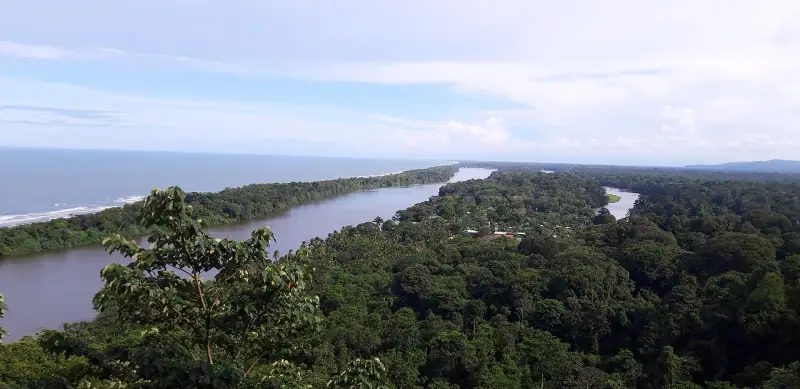
10 days
Costa Rica in 10 days: an itinerary from the Caribbean to the volcanoes
TortugueroPuerto ViejoLa FortunaMonteverde
14 days
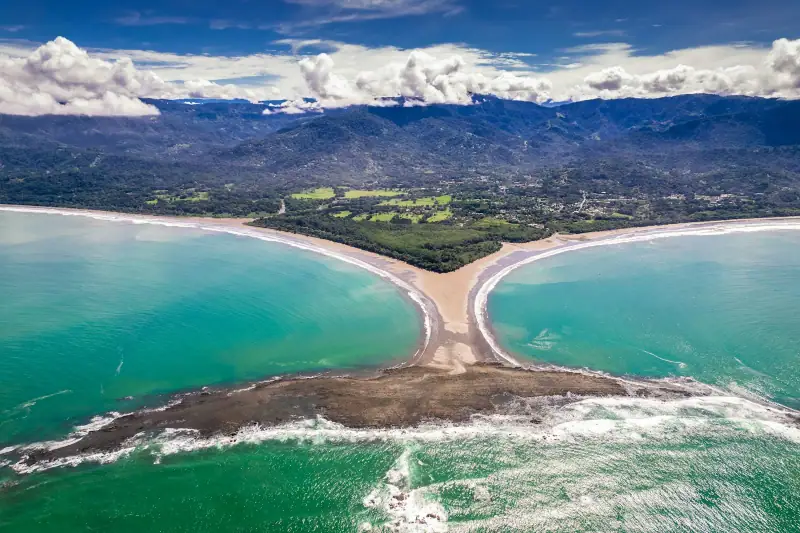
Costa Rica road trip: the grand tour in 2 weeks
14-day Costa Rica road trip by 4x4: from volcanoes to beaches, Caribbean to Pacific. Full itinerary with road tips and where to stay.
10 days
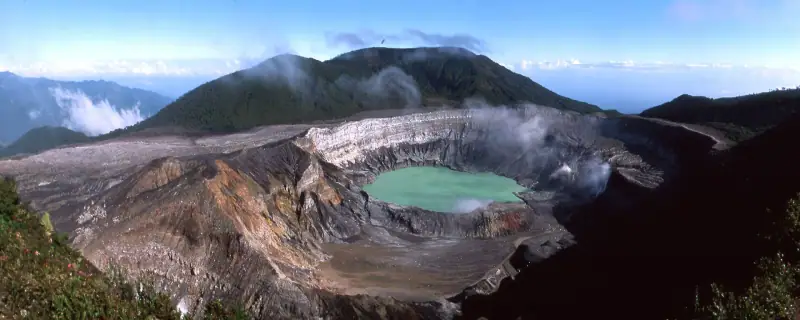
Costa Rica in 10 days without a car: a realistic shuttle and bus itinerary
San JoséLa FortunaMonteverdeManuel AntonioSan José