Itineraries
Costa Rica in 10 days without a car: a realistic shuttle and bus itinerary
We may earn a commission when you book through links on this page, at no extra cost to you. We don't visit or try the places we cover: we summarize published sources. How we work
Day by day: 10 days by shuttle and bus
- Day 1Arrive at Juan Santamaría airport, night in San José
- Days 2-3La Fortuna: transfer, hot springs, volcano hike, waterfall
- Days 4-5Monteverde: transfer, cloud forest reserve
- Days 6-8Manuel Antonio: transfer, national park, beach, mangrove kayak
- Days 9-10Shuttle back to San José, flight on day 10
Where to sleep
- San José1 night
- La Fortuna2 nights
- Monteverde2 nights
- Manuel Antonio3 nights
- San José1 night
In short
- The 10-day circuit uses three bases by shuttle and bus: La Fortuna (2 nights), Monteverde (2 nights) and Manuel Antonio (3 nights), plus San José at the start and end.
- Shuttles usually cost $40-70 per person for a 3 to 5 hour trip; four transfers come to roughly $350-500 for two people.
- Each change of base costs about half a day: plan at least 2 nights per stop and never schedule an international flight on a transfer day of more than 3 hours.
- A car becomes the better choice for groups of three or four, for lodges off the beaten path, or if you add Guanacaste or the south coast.
Traveling in Costa Rica without a car is entirely possible, provided you accept one simple rule: here, the journey is part of the trip. Distances look short on the map (the country is barely 400 km (250 mi) long), but roads are slow, winding and often congested. This guide offers a 10-day itinerary that can be done entirely by shared shuttle and bus, with distances, real travel times and mistakes to avoid.
The principle: 3 stops, not 6
The classic trap is trying to see everything. Without a car, each change of base costs about half a day. With 10 days, we therefore keep three bases with two or three nights each, plus the arrival and departure nights in San José.
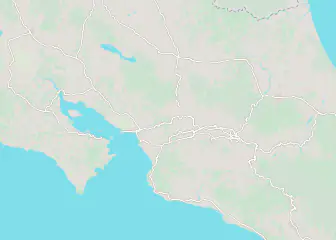
Proposed circuit: San José → La Fortuna (2 nights) → Monteverde (2 nights) → Manuel Antonio (3 nights) → San José (1 night) → flight on day 10
| Stage | Approx. distance | Shuttle time |
|---|---|---|
| San José → La Fortuna | 130 km (81 mi) | 3 h 30 to 4 h |
| La Fortuna → Monteverde | 115 km (71 mi) (via Lake Arenal) | 3 h to 4 h |
| Monteverde → Manuel Antonio | 170 km (106 mi) | 4 h to 5 h |
| Manuel Antonio → San José | 160 km (99 mi) | 3 h 30 to 4 h 30 |
Times are approximate: they vary with weather, traffic and the shuttle’s stops.
Shuttle or public bus: which to choose?
Two options coexist, and they do not suit the same traveler.
Shared shuttle: air-conditioned minibus, pickup at your hotel, drop-off at your next accommodation. Allow about $40 to $70 per person depending on the route. It is the simple choice, and the best suited to a 10-day stay.
Public bus: much cheaper, but you often have to go through San José’s bus station, change buses, and accept less convenient schedules. Useful for short local links (Quepos ↔ Manuel Antonio, for example), less so for long transfers with luggage.
Our advice: shuttle for the long stages, local bus for short trips.
Day 1: arrival in San José
Arrive at Juan Santamaría Airport and sleep in San José or near the airport. Do not try to leave right away in the evening: night falls around 5:30 pm all year and night transfers are limited. Our guide to sleeping near San José airport details the most practical options.
🏨 Hotel near the airport or in San José: compare places to stay in San José Compare on Booking.com
Days 2 and 3: La Fortuna and Arenal Volcano
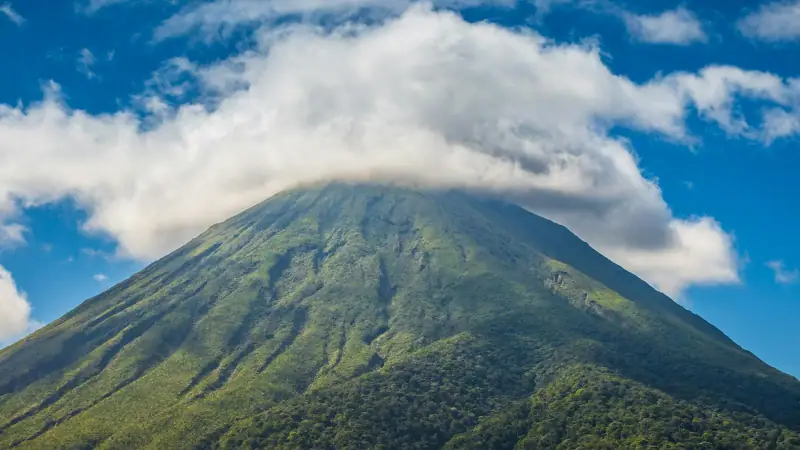
Leave by shuttle in the morning (about 4 hours on the road). You arrive for lunch, with the afternoon for the hot springs.
- Day 2: transfer, check-in, hot springs in the evening.
- Day 3: hike around the volcano, La Fortuna waterfall or an activity of your choice (rafting, hanging bridges).
La Fortuna is pleasant on foot: most restaurants and agencies are downtown, and excursions include transport from your hotel. See our guide to visiting La Fortuna and the one on Arenal Volcano.
🌋 Excursions in La Fortuna (transport included): see available activities
Days 4 and 5: Monteverde

This is the stage that takes the most travel time. Two options exist from La Fortuna:
- Direct shuttle (3 to 4 h): the simplest, with a trip along Lake Arenal.
- Taxi-boat-taxi (about 3 h): crossing the lake by boat, more scenic but requiring two connections.
In Monteverde, the cloud forest reserve can be visited in half a day, and the village’s accommodations are a few kilometers from the center: favor a hotel near the main street to avoid taxis. Details in our guide to visiting Monteverde.
Days 6 to 8: Manuel Antonio
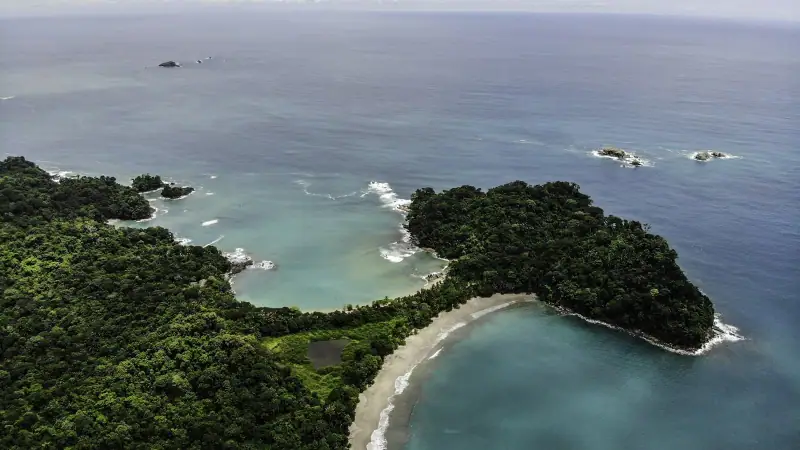
The Monteverde → Manuel Antonio transfer is the longest of the circuit (4 to 5 h). Plan to leave early to arrive before sunset.
- Day 6: transfer, check-in, beach in the late afternoon.
- Day 7: national park (arrive at opening, book your ticket ahead).
- Day 8: beach, mangrove kayaking or a free day.
The town of Quepos and the road to the park are served by a local bus about every half hour: no car is needed there. See where to stay in Manuel Antonio.
🏖️ Hotels in Manuel Antonio: see availability Compare on Booking.com
Days 9 and 10: back to San José and flight
On day 9, shuttle back to San José (3 h 30 to 4 h 30) and sleep there: day 10 is reserved for your flight. Rule of thumb: never plan an international flight on the day of a transfer of more than 3 hours. One blockage on the road and the day is lost.
What this circuit gives up
To be honest, without a car you give up some regions.
- Guanacaste and its northern beaches (Tamarindo, Nosara): reachable by shuttle, but adding this stage takes 2 more days. See visiting Tamarindo.
- The Caribbean (Puerto Viejo, Tortuguero): a different atmosphere, but a whole stage. Our Pacific vs Caribbean comparison helps you choose.
- Osa Peninsula / Corcovado: out of reach in a 10-day trip without a car.
Transport budget
For two people, expect about 4 shuttle transfers on this circuit. At the usual rates of $40 to $70 per person per trip, the total comes to around $350 to $500 for two. Compare with a car rental: the price is sometimes similar for a couple, but the car adds fuel, insurance and parking. The full calculation is in our car rental guide. For two or more travelers, the car often becomes the better value.
Practical tips for shuttle travel
- Book ahead in high season, especially Monteverde.
- Luggage: one bag per person, trunks are limited.
- Motion sickness: the Monteverde road is very winding. If you are prone to motion sickness, ask your doctor or a travel clinic, and see the official travel health pages (CDC in the US, TravelHealthPro in the UK).
- Schedules: departures are most often early in the morning. Sleeping in on a transfer day is rarely possible.
- Payment: keep cash for local buses, see cash and bank cards.
What if you prefer to drive after all?
If the idea of spending nearly 16 hours in transfers puts you off, a car can give you back a whole day. Compare with the classic 10-day itinerary by car and choose according to your budget and tolerance for driving.
Here are the situations where a car comes out ahead:
- You travel in a group of three or four: the per-person cost of the rental becomes lower than four shuttles each.
- You want to sleep outside the villages: isolated lodges, little-visited waterfalls, beaches without regular service.
- You add Guanacaste or the south coast: distances add up fast and connections get scarcer.
Conversely, if you travel alone or as a couple, do not like driving and accept a three-stop pace, the no-car circuit is more restful: no parking, no navigation, no insurance to understand. The other practical points (electricity, water, SIM) are in our guide to SIM cards and internet in Costa Rica.
Frequently asked questions
Can you visit Costa Rica without a car?
Yes. The main tourist sights (La Fortuna, Monteverde, Manuel Antonio, Tamarindo, Puerto Viejo) are linked by shared shuttles with hotel pickup. The main drawback is time: each trip takes half a day.
How much does a shuttle between two stops cost?
Generally allow $40 to $70 per person for a trip of 3 to 5 hours. The local public bus costs much less (a few dollars) but requires changes and more time. Prices vary with the operator and the season: check before booking.
Do you need to book shuttles in advance?
In high season (December to April), book at least a few days ahead, especially for less frequent routes such as Monteverde. In the green (rainy) season, booking the day before is often enough, but morning departures go first.
What is the most tiring trip without a car?
The link between the Caribbean (Puerto Viejo, Tortuguero) and the rest of the country is the longest: Tortuguero requires a boat or a combined transfer. For 10 days, it is better to leave it out or make it your only coastal stop.
How many days do you really need at each stop?
Plan at least 2 nights per stop: the first day is largely taken up by the transfer. A single night per stop spoils the experience, especially without a car.
Is driving really difficult in Costa Rica?
Main roads are paved, but mountain roads (Monteverde) are narrow and traffic around San José is dense. If you hesitate, compare with our car rental guide before deciding.
Can you take domestic flights to save time?
Yes, domestic flights link San José to some destinations (Tortuguero, Golfito, Tamarindo...). They cost more than a shuttle but save several hours. See our article on domestic flights.
More Costa Rica guides
Keep reading
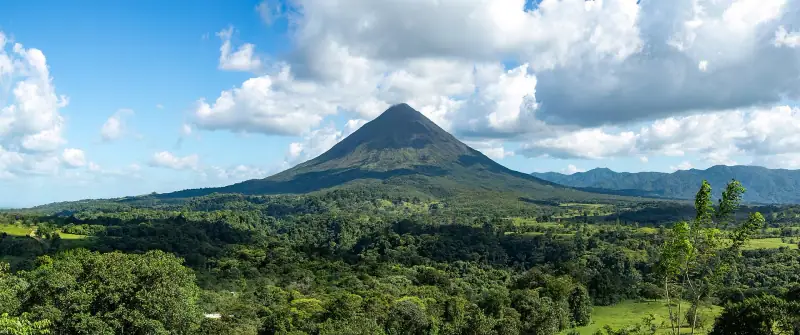
Arenal Volcano, Costa Rica: visit, hikes and hot springs
Arenal Volcano, Costa Rica: visits, hikes and hot springs from La Fortuna. Complete guide to exploring the country's emblematic volcano.
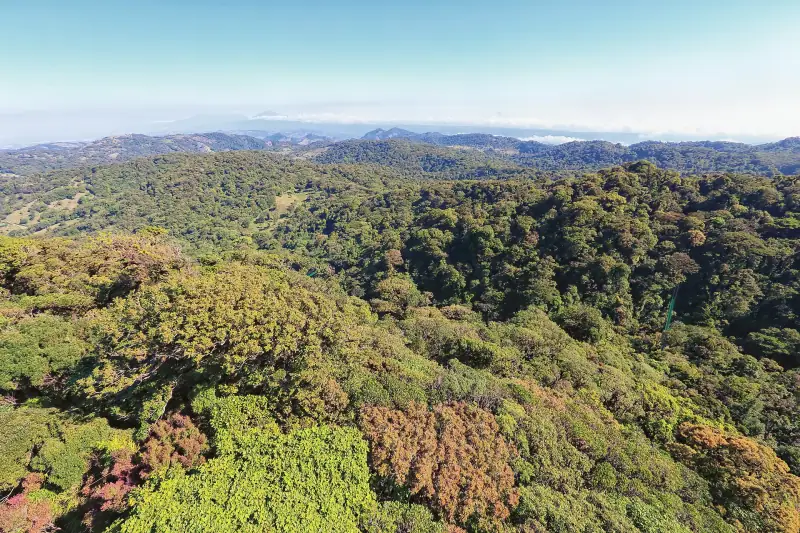
Best time to visit Costa Rica: a month-by-month guide
When to go to Costa Rica? Find the best time by region, weather, prices and seasonal events.
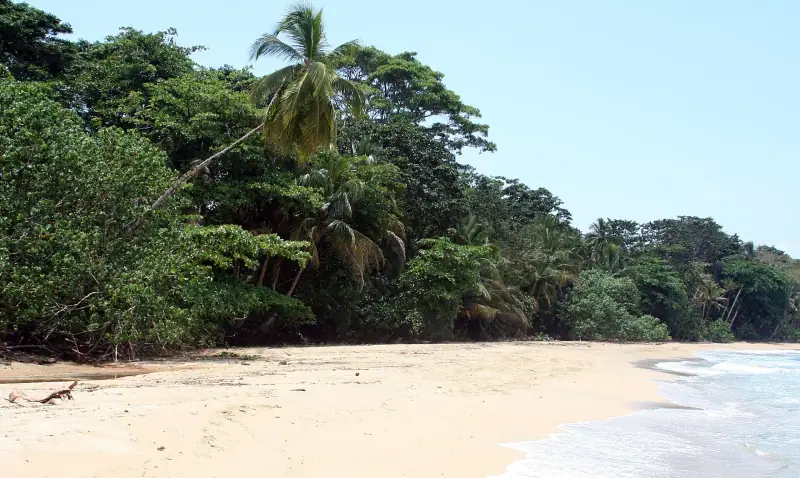
Visiting Puerto Viejo: a complete guide to Costa Rica's Caribbean coast
Everything about visiting Puerto Viejo de Talamanca: beaches, surf, Afro-Caribbean culture, Manzanillo, Cahuita and practical tips.
Ready-made
Costa Rica itineraries
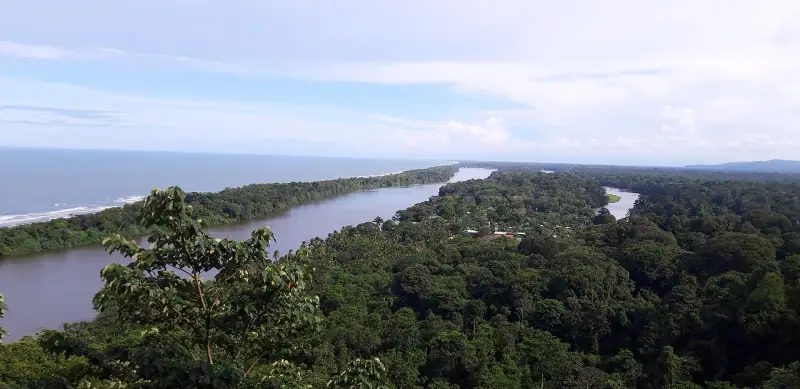
10 days
Costa Rica in 10 days: an itinerary from the Caribbean to the volcanoes
TortugueroPuerto ViejoLa FortunaMonteverde
14 days
Costa Rica road trip: the grand tour in 2 weeks
14-day Costa Rica road trip by 4x4: from volcanoes to beaches, Caribbean to Pacific. Full itinerary with road tips and where to stay.