Plan your trip
Best time to visit Costa Rica: a month-by-month guide
We may earn a commission when you book through links on this page, at no extra cost to you. We don't visit or try the places we cover: we summarize published sources. How we work
In short
- The dry season runs December to April on the Pacific coast and in the Central Valley; the rainy season runs May to November, with 20 to 40% lower prices.
- December to March is the best all-round window; May-June or November suit small budgets.
- The Caribbean coast has an inverse calendar: relatively dry in February-March and September-October, with heavy rain November-January and May-August.
- Turtles: green turtles at Tortuguero from July to October; olive ridley arribadas at Ostional peak in August-October and September.
Choosing the right time to visit Costa Rica is one of the most important decisions in your planning. The country has two main seasons, the dry season and the rainy season, but the climate reality is far more nuanced. Each region has its own climate calendar, and the Caribbean coast even runs opposite to the rest of the country. This guide helps you choose the ideal time depending on your destination, your favorite activities and your budget.
The two main seasons
The dry season (verano): December to April
The dry season, called verano by Costa Ricans, runs from December to April. It is the most popular time to visit Costa Rica, especially for the Pacific regions and the Central Valley.
Characteristics:
- Little or no rain on the Pacific coast
- Often blue skies and sun everywhere
- Temperatures between 26 and 35 °C (79-95 °F) on the coasts
- Vegetation sometimes drier and yellowed in Guanacaste (from March-April)
- Roads are passable, even with a regular car
- High tourist season: higher prices, crowds in the parks
The most pleasant months: December, January, February and March are generally the best combination of weather and crowds.
The rainy season (invierno): May to November
The rainy season, or invierno, lasts from May to November. Contrary to what you might fear, this period has many advantages.
Characteristics:
- Rain generally in the afternoon or at night (mornings are often sunny)
- Intense, lush green vegetation
- Waterfalls and rivers at their most beautiful
- Fewer tourists in parks and accommodations
- Prices 20 to 40% lower
- Some roads difficult or temporarily closed
Note: some national parks close temporarily during the rain peaks (notably September and October).
Month-by-month calendar
December ★★★★★
December is one of the best months to visit Costa Rica. The dry season begins, skies are clear and vegetation is still green. The end-of-year holidays attract many travelers, so book well ahead. Ideal for Pacific beaches.
January ★★★★★
January is the benchmark month of the dry season. Guaranteed sun, little rain, ideal temperatures. It is also the start of high season, with rising prices. Perfect for exploring all regions.
February ★★★★★
Similar to January, with maximum sunshine on the Pacific. Beaches are magnificent and rivers are still well fed enough for rafting. It is often the month of Valentine’s Day, very popular with couples.
March ★★★★☆
March remains excellent, but in Guanacaste the vegetation starts to dry out. National parks are crowded during Holy Week (Semana Santa, often in March-April), when Costa Ricans go on vacation en masse.
April ★★★★☆
The end of the dry season. On the central and southern Pacific, the first rains appear. Prices start to drop after Semana Santa. A good time for Manuel Antonio and the southern Pacific.
May ★★★☆☆
Start of the rainy season. Rains intensify, especially on the Pacific. Mornings often stay sunny. Wildlife is more active. Good rates. Ideal for hikers who don’t mind a few showers.
June ★★★☆☆
Similar to May, with more regular rain. It is the start of the turtle nesting season at Tortuguero. The forest is an exceptional green. Good value for money.
Hotels in Costa Rica
Book with free cancellation and enjoy the best prices.
July ★★★★☆
July often benefits from the veranillo del Buey phenomenon (a brief return to drier conditions). Green turtles begin to nest at Tortuguero. Whale season begins on the southern Pacific. School holiday period: more tourists.
August ★★★☆☆
A month of heavy rain on the Pacific. The Caribbean, by contrast, enjoys a relative lull. Tortuguero is at the peak of turtle nesting. Magnificent forests, but some roads are difficult.
September ★★☆☆☆
One of the rainiest months, notably October. Some national parks limit access. The Caribbean (Puerto Viejo) remains a good option. Absolute low season: rates at their lowest and accommodation nearly empty.
October ★★☆☆☆
Peak of the rainy season. Lots of rain on the Pacific. The Caribbean and Tortuguero remain accessible and beautiful. Perfect for budget travelers who can put up with some unsettled weather.
November ★★★★☆
The rainy season gradually ends. The Caribbean has no true dry season, though it sees somewhat less rain in February-March and September-October. On the Pacific, the weather improves from mid-November. Humpback whales are still present on the southern Pacific.
Weather by region
Pacific coast (Guanacaste, central and southern Pacific)
- Dry season: December to April (ideal for beaches)
- Rainy season: May to November
- Temperature: 27-35 °C (81-95 °F) in the dry season, 25-30 °C (77-86 °F) in the rainy season
Central Valley (San José, Monteverde)
- Dry season: December to April
- Rainy season: May to November, with frequent fog at Monteverde
- Temperature: 18-25 °C (64-77 °F) in San José, 15-20 °C (59-68 °F) in Monteverde
Caribbean coast (Tortuguero, Puerto Viejo)
The Caribbean coast has the opposite climate pattern to the rest of the country.
- Relatively dry season: February to March, September to October
- Heavy rain: November to January, May to August
- Temperature: 25-32 °C (77-90 °F) all year with high humidity
Osa Peninsula (Corcovado)
- The rainiest region in the country, humid all year
- Best time: January to April
- Corcovado: access limited by quotas, with a licensed guide mandatory; book ahead and check access conditions with SINAC (roads sometimes flooded in the rainy season, October-November)
Events and festivals
January
- Fiesta de Palmares (Palmares, Alajuela): one of the biggest Costa Rican festivals, with bullfights, concerts and fairground rides. Ideal for an authentic cultural immersion.
March-April
- Semana Santa: Costa Ricans go on vacation en masse. Beaches and national parks are crowded. Book very early or avoid this period.
July
- Annexation of Guanacaste (July 25): an important regional holiday with music, dances and traditional festivities.
August
- Feast of Our Lady of the Angels (August 2): a national pilgrimage to Cartago, the largest religious gathering in the country.
September-October
- National Day (September 15): independence anniversary, with parades in all towns.
Wildlife and the best time
| Animal | Best time to see |
|---|---|
| Green turtles (Tortuguero) | July to October |
| Humpback whales | July to November (southern Pacific) |
| Toucans and birds | All year, but more active May-July |
| Resplendent quetzal | January to June (best February to May) |
| Olive ridley turtles (Ostional) | July to December (arribada), peak August-October |
| Baby turtles | 2 months after nesting |
| Monkeys and sloths | All year |
Recommendations
The best time for all regions combined: December to March. You get the dry season on the Pacific, pleasant temperatures in the Central Valley and easy access to all national parks.
For tight budgets: May to June or November. Rain is present but mornings are often magnificent, vegetation is at its peak, parks are nearly empty and prices are much lower.
To see turtles: July to October for Tortuguero’s green turtles. September for the olive ridley arribadas at Ostional.
For the Caribbean specifically: March, April, September and October are the driest periods on the Caribbean coast.
In short, there is no “bad” time to visit Costa Rica. Each season has its strengths. The key is to adapt your itinerary to the weather of the chosen period and pack the right gear (a light raincoat in every season, high-protection sunscreen, insect repellent). ¡Pura Vida!
Sources
Frequently asked questions
When is the dry season in Costa Rica?
The dry season in Costa Rica runs from December to April on the Pacific coast and in the Central Valley. It is the most popular period, with minimal rain and often clear skies.
Can you visit Costa Rica in the rainy season?
Yes, absolutely. The rainy season (May to November) offers lush vegetation, lower prices and fewer tourists. Rain generally falls in the afternoon, leaving mornings often sunny.
What is the best time to see turtles in Costa Rica?
Green turtle nesting at Tortuguero takes place mainly from July to October. Loggerhead and leatherback turtles nest at other times depending on the beach. See our wildlife guide for details.
When is the high tourist season in Costa Rica?
High season corresponds to the dry season (December to April), with a peak over Christmas, New Year and the Easter holidays. Prices are at their maximum and booking ahead is essential.
Are there hurricanes in Costa Rica?
Costa Rica is rarely hit by hurricanes, although it can receive indirect effects during the hurricane season (June to November). The country is located outside the main hurricane tracks.
More Costa Rica guides
Keep reading
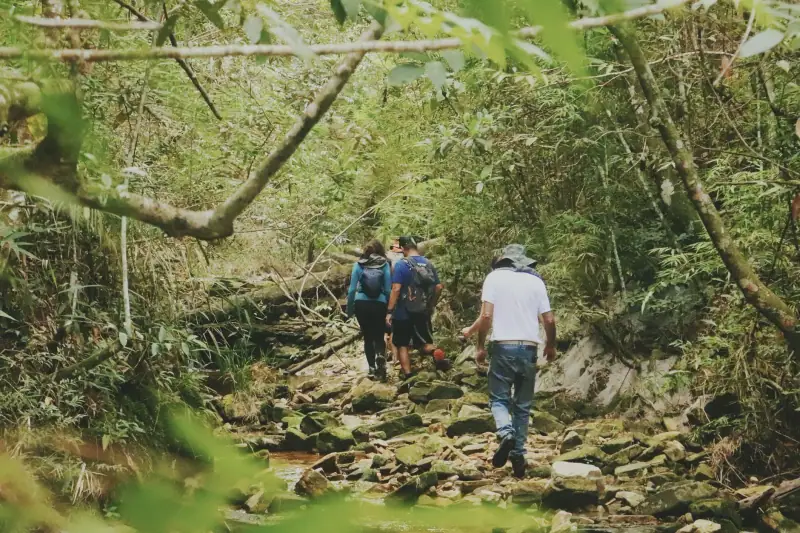
Hiking Corcovado without a tour agency: is it possible? Mandatory guide prices
Since 2014, a certified guide is mandatory at Corcovado. Real prices, booking and access points: what to know before visiting the park in 2026.
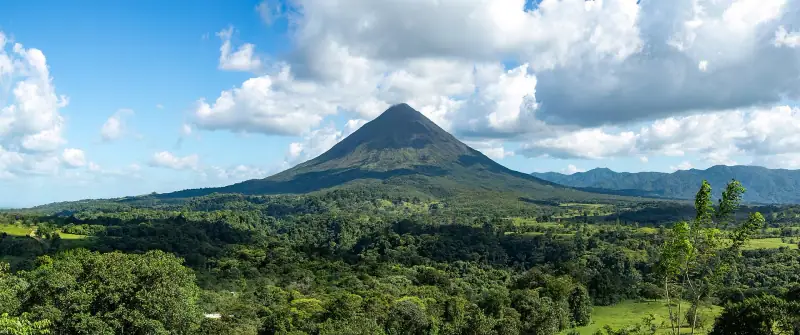
Arenal Volcano, Costa Rica: visit, hikes and hot springs
Arenal Volcano, Costa Rica: visits, hikes and hot springs from La Fortuna. Complete guide to exploring the country's emblematic volcano.
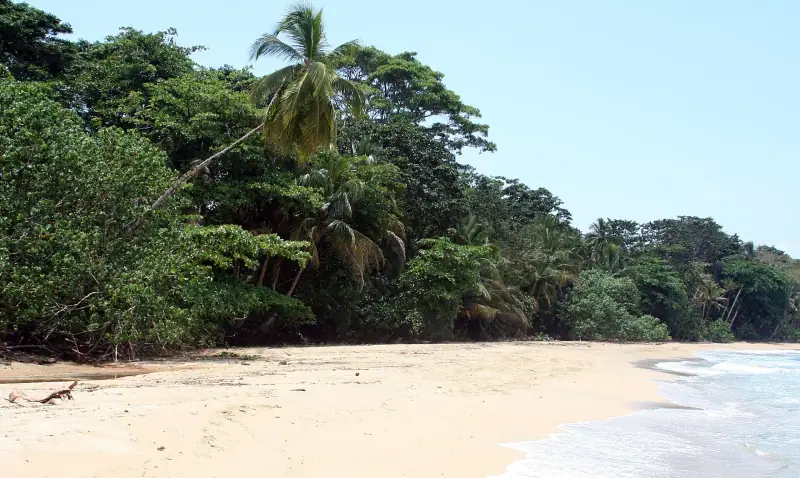
Visiting Puerto Viejo: a complete guide to Costa Rica's Caribbean coast
Everything about visiting Puerto Viejo de Talamanca: beaches, surf, Afro-Caribbean culture, Manzanillo, Cahuita and practical tips.
Ready-made
Costa Rica itineraries
10 days
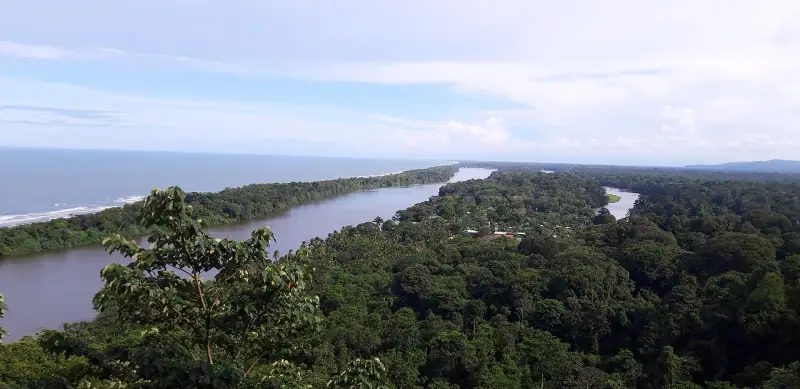
Costa Rica in 10 days: an itinerary from the Caribbean to the volcanoes
TortugueroPuerto ViejoLa FortunaMonteverde
14 days
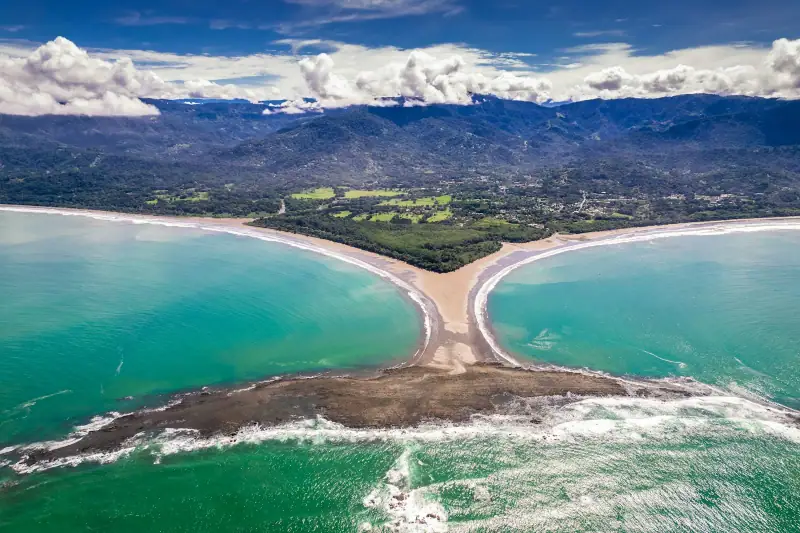
Costa Rica road trip: the grand tour in 2 weeks
14-day Costa Rica road trip by 4x4: from volcanoes to beaches, Caribbean to Pacific. Full itinerary with road tips and where to stay.
10 days
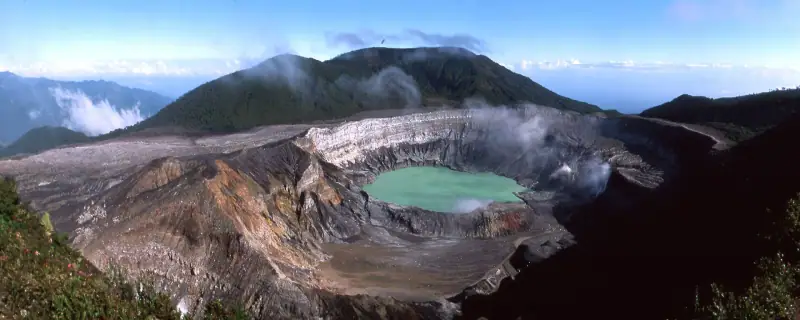
Costa Rica in 10 days without a car: a realistic shuttle and bus itinerary
San JoséLa FortunaMonteverdeManuel AntonioSan José