What to see
Visiting Tamarindo: a complete guide to Guanacaste's beach resort
We may earn a commission when you book through links on this page, at no extra cost to you. We don't visit or try the places we cover: we summarize published sources. How we work
In short
- The dry season (December to April) is ideal; the rainy season (May-November) brings lower prices and stronger waves. Water stays at 27-29 °C (81-84 °F) all year.
- From San José it is about 290 km (180 mi), 4 h 30 to 5 h by car via Route 1 and Route 21; from Liberia airport (LIR) about 1 h 15 to 1 h 30 (65-75 km / 40-47 mi).
- Leatherback turtles nest at Playa Grande from October to March; night visits need an accredited guide and should be booked ahead from November to January.
- A car is not essential in town but is very useful for Playa Avellanas, Playa Negra, Nosara and Playa Conchal.
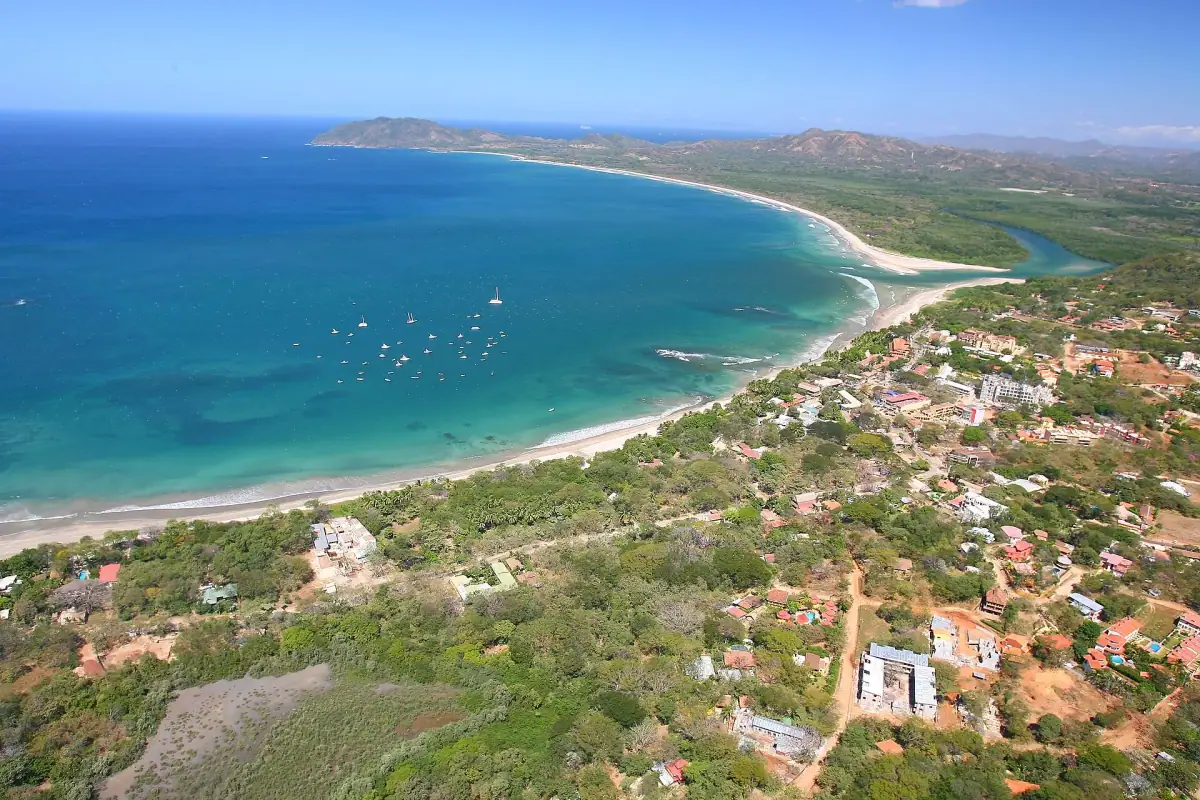
Tamarindo is arguably the best-known beach resort in Costa Rica. On the northern Pacific coast of Guanacaste province, this little fishing village turned international destination gathers everything that makes the country magical: generous surf waves, blazing sunsets over the Pacific, giant turtles nesting on neighboring Playa Grande, and a relaxed atmosphere that mixes Pura Vida with cosmopolitanism. Whether you are a beginner surfer, a nature lover or simply looking for a paradise beach, Tamarindo has enough to keep you for several days.
Surfing in Tamarindo: reason number one to come
Tamarindo built an international reputation as a surf spot accessible to all levels. The main beach, Playa Tamarindo, offers a steady beach-break wave over a sandy bottom, one of the best for learning in all of Costa Rica. Here, beginners get in the water under the supervision of certified instructors, while intermediates progress on waves of one to two meters (3-7 ft), and experienced surfers go looking for more demanding spots nearby.
For beginners
The central part of Playa Tamarindo, on the estuary side, has gentle, steady waves that suit first lessons perfectly. The many local surf schools offer group or private lessons, often with boards included. Morning sessions (7-9 am) are generally the best: calmer sea, fewer people in the water, and golden light. Water at 27-29 °C (81-84 °F) all year makes progress very pleasant.
For experienced surfers
If you are looking for more powerful waves, explore the nearby spots. Playa Avellanas (about 15-20 km / 9-12 mi south) is known for its right-hand barrels enjoyed by intermediate to advanced surfers. Playa Negra (in the Paraíso area, about 20-22 km / 12-14 mi south) is a rocky reef break that produces hollow right-handers, reserved for experienced surfers. Both beaches need a vehicle to reach.
In the rainy season (May-November), the northern Pacific swell strengthens considerably, producing more intense surf sessions in Tamarindo itself. Competition for waves is also less fierce than in high season.
Surf and tours in Tamarindo
Surf lessons, kayak trips, turtle watching and catamaran outings.
Sea turtles at Playa Grande: the unforgettable experience
A few hundred meters from Tamarindo, across the estuary, is Playa Grande, one of the most important nesting sites for the leatherback turtle (Dermochelys coriacea) on the Pacific coast of the Americas. With a flipper span of up to 2.7 meters (9 ft) for the largest individuals and weights sometimes over 900 kg (2,000 lb), it is the largest turtle in the world.
Las Baulas National Marine Park
Playa Grande is protected by Las Baulas National Marine Park, created in 1991 specifically to protect this exceptional nesting site. The beach, about 4.5 km (2.8 mi) long, is closed to unaccompanied visitors at nightfall during the nesting season.
The nesting season generally runs from October to March, peaking between November and January. Adult females come ashore at night to dig their nest and lay about 80 to 100 eggs. After 60 to 70 days of incubation, the hatchlings emerge and rush to the sea en masse, usually at night.
How to organize a “Turtle Watching” outing
Night access to Playa Grande is strictly organized and limited to minimize disturbance to nesting:
- Only guides accredited by SINAC (the national conservation areas system) can accompany visitors
- Groups are formed in the evening while waiting for a signal from the rangers (detection of a female laying)
- Using white lights, cameras with flash, or approaching within a few meters without instruction is forbidden
- Book ahead in high season (November-January); places are limited and go quickly
The estuary crossing to Playa Grande is by small boat from Tamarindo (a trip of a few minutes, generally included in the tours). Allow an evening of 3 to 5 hours depending on the wait before seeing a turtle.
What you are not told
A turtle’s presence is never guaranteed. Rangers patrol the beach but nesting depends on the animals’ natural behavior. Some nights, you can wait several hours without seeing one. Disappointment is not rare. But when it happens, the emotion of watching this prehistoric 300 kg (660 lb) creature methodically dig her nest a few meters from you stays unforgettable.
Beaches around Tamarindo
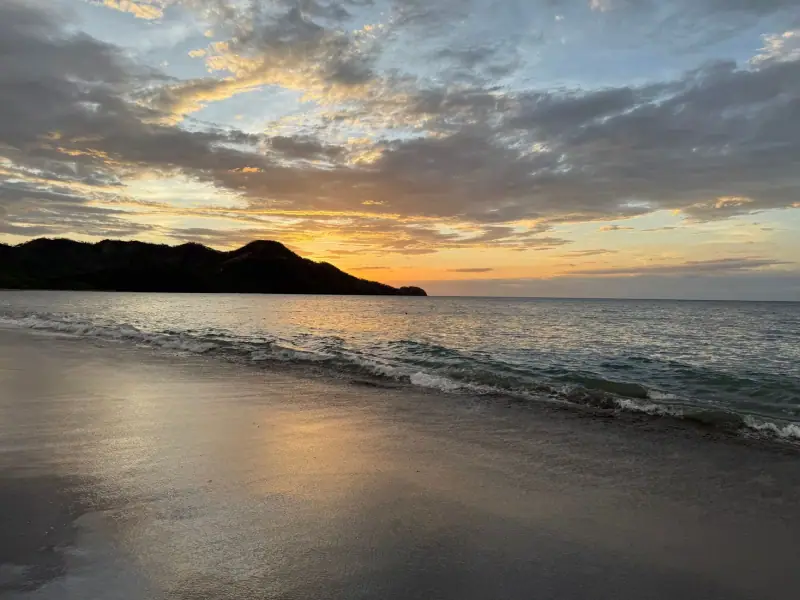
The Guanacaste coast holds other treasures to explore from Tamarindo.
Playa Langosta
Immediately south of the estuary, Playa Langosta is the natural continuation of Tamarindo but with a markedly quieter atmosphere. Fewer shops, fewer tourists, luxury properties scattered in the tropical vegetation. The beach is long and beautiful, and some areas are also nesting sites for olive ridley turtles (Lepidochelys olivacea).
Playa Conchal
About 17-20 km (11-12 mi) north of Tamarindo (Brasilito area), Playa Conchal is often cited among the most beautiful beaches in Costa Rica. Its sand is made of millions of broken shells that give it a unique pinkish tint. The water is translucent, ideal for snorkeling. The beach is overlooked by a large resort complex, but the beach itself remains open to the public.
Playa Flamingo and Brasilito
About 20-25 km (12-16 mi) north, Flamingo is a marina and a very popular beach of fine white sand. The area has several seafood restaurants with ocean views. Brasilito, the neighboring fishing village, is more authentic and popular with travelers who want to get away from mass tourism.
Car rental in Tamarindo
Essential for exploring the Guanacaste beaches. Compare offers early for the best rates.
Nature and activities in Tamarindo
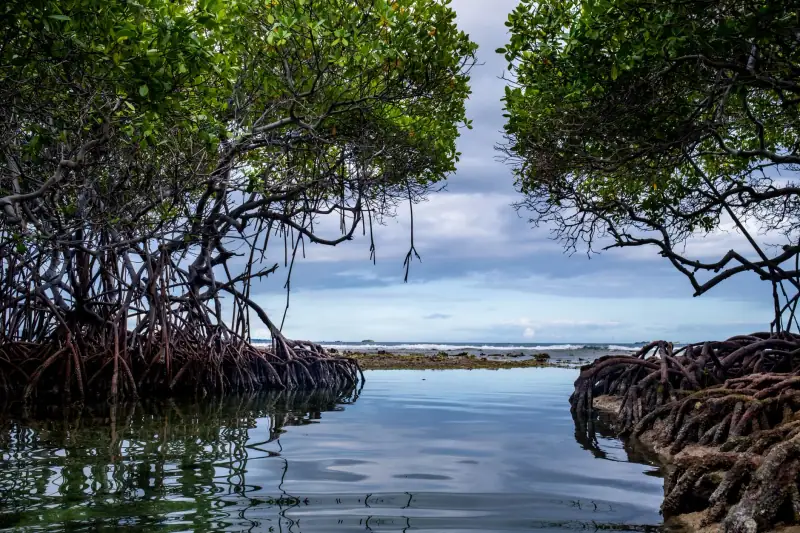
Beyond surfing and turtles, Tamarindo is an ideal base for a variety of nature and adventure activities.
Kayaking and paddleboarding in the estuary
The Tamarindo estuary (Estero Tamarindo) is a remarkable mangrove ecosystem. Kayak or paddleboard outings in the mangrove channels let you see many bird species (herons, kingfishers, ibises, magnificent frigatebirds) and sometimes river crocodiles from a reasonable distance. Sunrise or late-afternoon outings are the richest in sightings.
Catamaran cruise
Several operators offer full-day or half-day catamaran cruises along the Guanacaste coast. These outings generally include snorkeling in crystal-clear water, possible sightings of dolphins, manta rays and sea turtles at sea, and a meal on board. The sunset from a catamaran on the Pacific, glass of wine in hand, is one of Tamarindo’s emblematic images.
Ziplining and jungle adventure
Local operators offer zipline circuits in the tropical dry forest of the surrounding hills. The dry forest of Guanacaste is a particular ecosystem, very different from the humid forests of other regions: trees lose their leaves in the dry season, revealing the endemic wildlife (green iguanas, capuchin monkeys, coatis) in sparser vegetation.
Crocodile watching
A flagship activity in the region: the boat trip on the Tempisque River, about 1 h 30 to 2 h southeast of Tamarindo. This river is one of the richest in American crocodiles in Costa Rica. Boats move slowly among banks covered in reptiles and waterbirds. A local guide explains the river’s ecosystem and the animals’ behavior.
Life in Tamarindo: atmosphere and areas
Tamarindo is one of the few destinations on the Costa Rican coast to offer a lively “tourist village life”: international restaurants, surf shops, cocktail bars, delis and street markets coexist in a relaxed atmosphere.
Downtown
The main street (calle principal) holds the vast majority of restaurants, bars, shops and travel agencies. It runs parallel to the beach and is easily walked in 15-20 minutes. The atmosphere is international: you hear as much Spanish as English or German depending on the season. The weekend market (especially Sunday morning) offers local products, crafts and snacks.
The beach
Playa Tamarindo is about 1.5 km (0.9 mi) long. The north part (estuary side) is generally calmer with fewer waves, ideal for family swimming. The central and south parts are livelier, with steadier waves favored by surfers. Watch the swimming flags: always follow the flags (green = safe, yellow = caution, red = no swimming); rip currents can be treacherous even in seemingly calm water.
Nightlife
Compared with other beach villages in Costa Rica, Tamarindo has fairly developed nightlife. Several open-air bars and clubs stay open late on weekdays and weekends. The beach itself becomes a gathering place at sunset, with bonfires and spontaneous music groups some evenings. If you want quiet, choose accommodation in Playa Langosta or in the hills.
Places to stay in Tamarindo
Beach hotels, boutique hotels and villas with pools in the heart of Tamarindo.
Where to stay in Tamarindo
Accommodation in Tamarindo is plentiful and covers every budget, from hostel dorms to villas with private pools.
Upscale lodging
The coast around Tamarindo has several boutique hotels and upscale villas, often with infinity pools, ocean views and private beach access. High-season rates can exceed €200 (about $230) a night. These places are concentrated toward Playa Langosta (quieter) or on the hills overlooking the bay.
Mid-range lodging
Most travelers stay in family hotels, small lodges or B&Bs with comfortable rooms, a shared pool and breakfast. Rates generally range between €60 and €150 (about $70-175) a night in high season. Downtown holds many of these options, within walking distance of the beach and restaurants.
Budget and hostels
Tamarindo has several hostels with dorms and inexpensive private rooms. Dorm rates start around €15-20 (about $17-23) per person. Some hostels organize social activities, communal dinners and surf outings, a good choice for solo travelers or those on a tight budget.
Seasonal tip: in high season (December-January and March-April), book your accommodation at least 3 to 4 weeks ahead. In July-August, plan ahead as well. Low season (May-November) offers prices often 30 to 40% lower, but check cancellation policies in case of heavy rain.
Eating in Tamarindo
Tamarindo’s food scene reflects its cosmopolitanism: traditional Costa Rican sodas sit alongside Italian, Japanese, Mexican and American restaurants.
Sodas: guaranteed authenticity
Sodas are the quintessential Costa Rican family restaurants, serving the famous casado (a plate of rice, black beans, salad, platano maduro and protein) at very reasonable prices. To get slightly away from mass tourism, look for sodas on side streets rather than on the main artery.
Local specialties to try
- Ceviche: the fish and seafood of the northern Pacific are remarkable. Mixed ceviche (white fish, shrimp, octopus) marinated in lime, onion and cilantro is well worth trying.
- Gallo pinto: the universal Costa Rican breakfast, rice and black beans fried together, served with eggs and local cream (natilla).
- Agua de pipa: fresh coconut, sold on the beach and in the streets, is the ultimate refreshing drink in the Guanacaste heat.
- Chifrijo: a Costa Rican bar classic with rice, beans, grilled pork (chicharrón) and pico de gallo, served in a glass. Perfect as an aperitif.
Tropical fruit
Local markets and street vendors offer a profusion of tropical fruit: mango, papaya, pineapple, maracuyá (passion fruit), cas (a local guava), nance… In the dry season, Guanacaste’s mango trees are heavy with fruit; try the local mangoes, which have nothing to do with imported varieties.
Tamarindo in your Costa Rica itinerary
Tamarindo fits naturally into several classic Costa Rica circuits.
Northern Pacific coast circuit (7-10 days)
The most common itinerary for the region: San José (1-2 days), La Fortuna/Arenal Volcano (2-3 days), Monteverde (2 days), Tamarindo/Guanacaste (3-4 days). The trip from Monteverde to Tamarindo takes about 4 to 5 hours via the Pan-American Highway and Liberia.
Grand Costa Rica road trip
For a circuit of 15 days or more, Tamarindo can fit into a full road trip around the country. See our Costa Rica road trip guide for detailed itineraries. The Guanacaste region is often placed at the end of a circuit to finish on a beach-and-guaranteed-sun note.
Tamarindo + Nicoya Peninsula extension
From Tamarindo, you can head south to the Nicoya Peninsula (Nosara, Sámara, Mal País) via Route 160 and secondary roads. This “coastal” circuit is popular with surfers who hop from spot to spot along the coast heading south. Allow a day of driving with several stops.
How to get to Tamarindo
By plane from San José
This is often the best choice to save time. From San José’s Juan Santamaría Airport (SJO), domestic flights serve Tamarindo airport directly (TNO, a small airstrip served by small aircraft, a flight of about 50 minutes, notably with SANSA). Daniel Oduber Airport in Liberia (LIR) remains the other option, about 1 h 15 from Tamarindo by car. Schedules change: check them before booking.
Via Liberia airport (LIR)
Daniel Oduber International Airport in Liberia is the region’s main airport, served by direct international flights. From the airport, shared shuttles reach Tamarindo daily (about 1 h 15 to 1 h 30 of driving for about 65-75 km / 40-47 mi).
By car from San José
Allow about 290 km (180 mi) via Route 1 (Pan-American Highway) to Liberia, then Route 21 west to Tamarindo. The trip takes about 4 h 30 to 5 h depending on traffic. The whole road is paved up to the entrance of Tamarindo; no 4x4 is needed for this specific trip, unlike other destinations on the coast.
By shared shuttle
Shared shuttles serve Tamarindo daily from San José, La Fortuna, Monteverde and Manuel Antonio. This is often the best price-and-comfort compromise for travelers without a car. Book through local agencies or the major transport booking platforms.
Practical tips for visiting Tamarindo
Heat and sun: Guanacaste is the driest and hottest region of Costa Rica. In high season (January-April), temperatures can exceed 35 °C (95 °F) in the afternoon. Bring SPF 50+ sun protection, a hat and plenty of water. Activities are more pleasant early in the morning or late in the afternoon.
Drinking water: tap water is not drinkable in Tamarindo. Use bottled water or a filter. Many accommodations provide reusable water jugs.
Money: ATMs exist downtown. The US dollar is widely accepted in tourist businesses, but colones are preferable for purchases in sodas or at the market. Always carry cash; some activity providers prefer payment in cash.
Beach safety: do not leave any valuables unattended on the beach, even briefly. Pickpocketing is unfortunately common in tourist areas. Leave your passport, money and cameras in your accommodation’s safe or use an anti-theft bag.
Sea currents: Tamarindo can have strong currents depending on conditions. Always follow the swimming flags, do not overestimate your swimming ability, and do not surf alone if you are a beginner.
Internet: 4G coverage is good downtown. Most accommodations and restaurants offer Wi-Fi. A few remote surf spots can be without signal. Check your carrier’s international plan or use a travel eSIM before you go.
Tamarindo manages to combine the relaxed feel of a surfer village, the natural richness of Guanacaste and the buzz of an international destination, all under almost guaranteed sun nine months of the year. Whether you come for your first steps on a board, to stay up until dawn with the leatherback turtles, or simply to lay your towel on a dream beach, Tamarindo does not disappoint. Pura Vida.
To plan your stay, see our complete guide to Costa Rica’s beaches and our advice on the best time to visit Costa Rica.
Frequently asked questions
What is the best time to visit Tamarindo?
The dry season (December to April) is ideal for Tamarindo: guaranteed sun, calm sea in the morning, steady waves for surfing. January to March are the busiest and hottest months (30-35 °C / 86-95 °F). The rainy season (May-November) offers lower prices, fewer tourists and more powerful waves enjoyed by experienced surfers. The water stays warm all year (27-29 °C / 81-84 °F). Avoid high season without a reservation.
How do you get to Tamarindo from San José?
By car: about 290 km (180 mi) via Route 1 (Pan-American Highway) to Liberia, then Route 21 to Tamarindo. Allow about 4 h 30 to 5 h depending on traffic. By plane: SANSA serves Tamarindo from San José (flight of about 50 minutes) to Tamarindo airport; check schedules, including with other regional airlines such as Skyway. From Liberia International Airport (LIR), allow about 1 h 15 to 1 h 30 by car (about 65-75 km / 40-47 mi). Shared shuttles link San José to Tamarindo regularly (check schedules with operators).
Can you learn to surf in Tamarindo?
Yes, Tamarindo is one of the best places to learn to surf in Costa Rica. The main beach offers a gentle beach-break wave over a sandy bottom, ideal for beginners. Many surf schools offer lessons from age 7-8. Progress is fast thanks to the regular waves and warm water. In high season (December-April), morning waves are generally smaller and steady, perfect for lessons.
How do you see sea turtles in Tamarindo?
Leatherback turtles (the largest in the world) nest on Playa Grande, just across the Tamarindo estuary, in Las Baulas National Marine Park. The nesting season runs from October to March. Night access to the beach is strictly regulated and run by certified guides; you cannot go there alone at night. A boat crossing from Tamarindo takes you to Playa Grande. Book your night "Turtle Watching" outing ahead in high season.
Is Tamarindo suitable for families?
Yes, Tamarindo suits families with children. The main beach is safe in the morning (green flags), surf schools accept children from age 7-8, and there is no shortage of activities (kayaking, turtle watching, snorkeling). The streets in the center are flat and accessible. However, Tamarindo has fairly lively nightlife; if you want absolute quiet, nearby villages such as Playa Langosta or Playa Grande are calmer.
Do you need to rent a car in Tamarindo?
A car is not essential if you stay in Tamarindo itself, as the center is easy to reach on foot. It is very useful, however, for exploring the surrounding beaches (Playa Avellanas, Playa Negra, Nosara), visiting Guanacaste National Park or taking a road trip in the region. Secondary roads in Guanacaste can be dirt and may require a 4x4 in the rainy season.
More Costa Rica guides
Keep reading
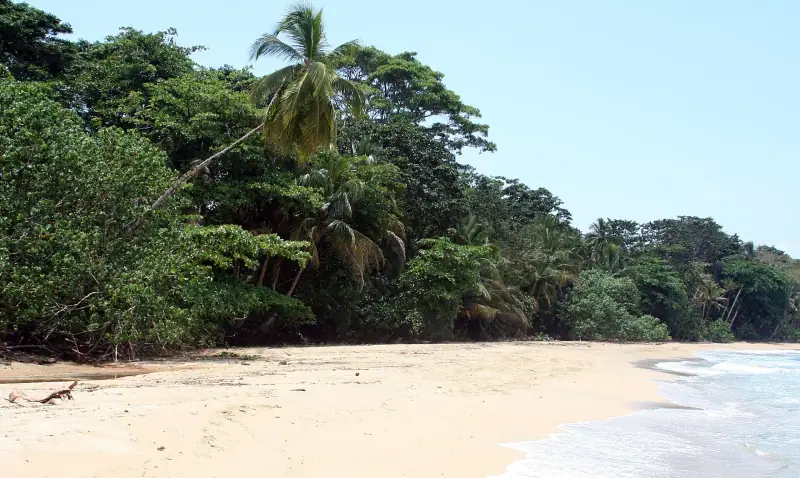
Visiting Puerto Viejo: a complete guide to Costa Rica's Caribbean coast
Everything about visiting Puerto Viejo de Talamanca: beaches, surf, Afro-Caribbean culture, Manzanillo, Cahuita and practical tips.
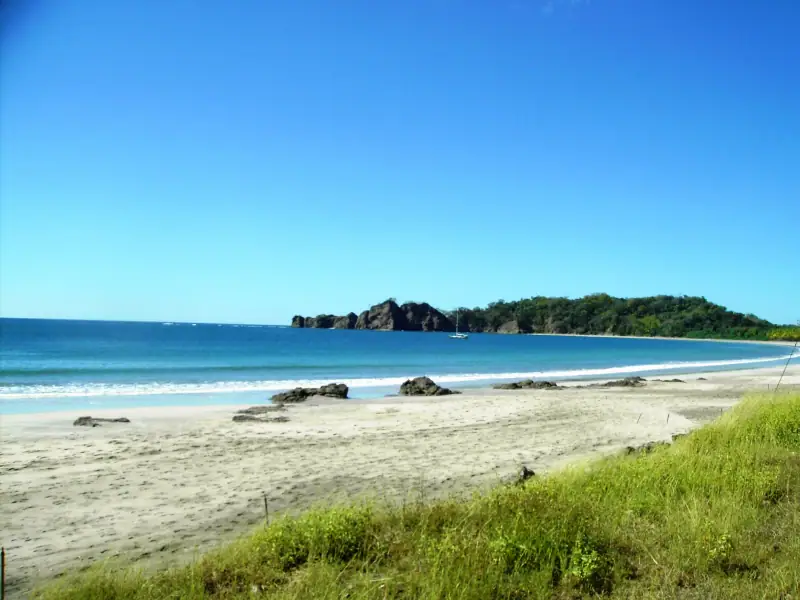
Visiting Guanacaste: a complete guide to Costa Rica's northern Pacific
Complete Guanacaste guide: beaches, volcanoes, national parks, surf, sea turtles and Pura Vida. Everything you need to plan your stay.
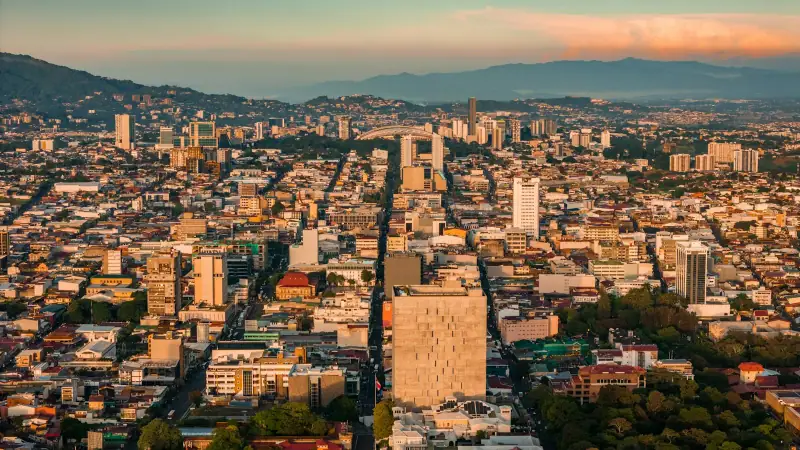
San José, Costa Rica: the capital's top sights
What to see in San José: museums, neighborhoods, markets and food in Costa Rica's capital. A guide to spending 1 to 3 days there.
Ready-made
Costa Rica itineraries
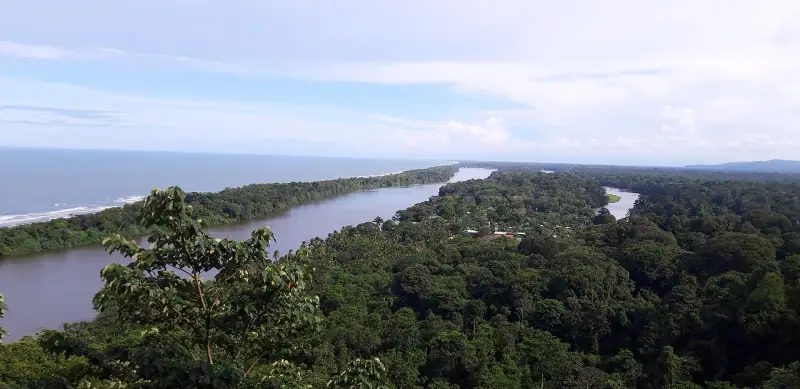
10 days
Costa Rica in 10 days: an itinerary from the Caribbean to the volcanoes
TortugueroPuerto ViejoLa FortunaMonteverde
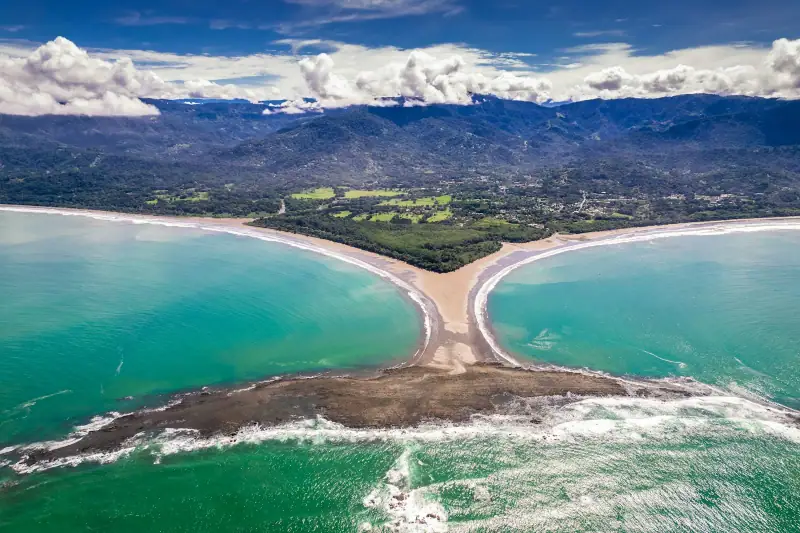
14 days
Costa Rica road trip: the grand tour in 2 weeks
14-day Costa Rica road trip by 4x4: from volcanoes to beaches, Caribbean to Pacific. Full itinerary with road tips and where to stay.
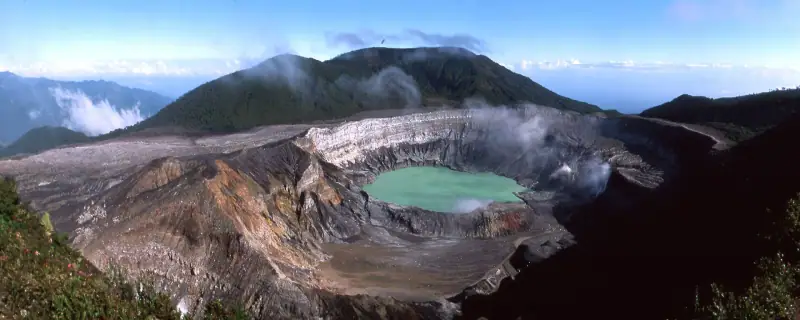
10 days
Costa Rica in 10 days without a car: a realistic shuttle and bus itinerary
San JoséLa FortunaMonteverdeManuel AntonioSan José