What to see
San José, Costa Rica: the capital's top sights
We may earn a commission when you book through links on this page, at no extra cost to you. We don't visit or try the places we cover: we summarize published sources. How we work
In short
- One to two days are enough for the main sights: Jade Museum, Gold Museum, Teatro Nacional, Mercado Central and Barrio Amón.
- Admission is about $20 for the Jade Museum, $17 for the Gold Museum and $10 for the Teatro Nacional tour.
- Day trips from the capital include Poás (1 h 30), Irazú (1 h 30), La Paz Waterfall Gardens (1 h), Cartago (45 min) and Sarchí (1 h).
- Avoid driving in the center; use Uber at night rather than walking poorly lit streets.
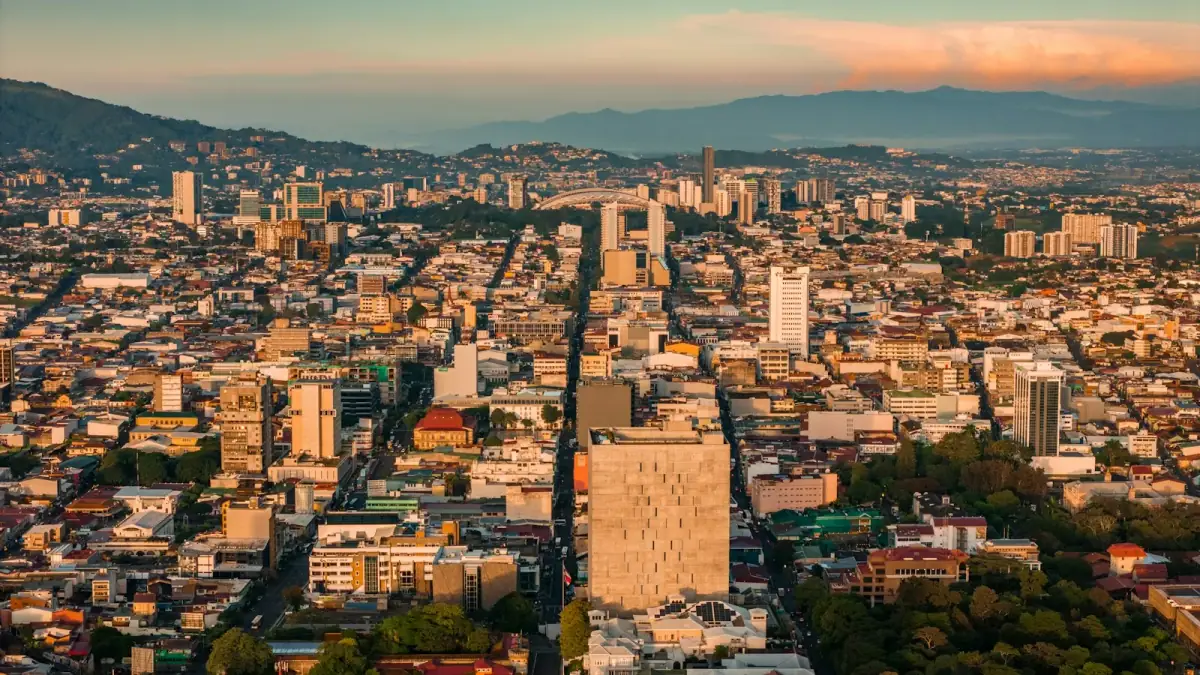
San José is not the most beautiful city in Central America, and most travelers pass through quickly on their way to the volcanoes, beaches or forests of Costa Rica. But this capital of 300,000 people (more than a million in the metropolitan area) deserves more attention than it usually gets. Its museums are among the best in Central America, its Barrio Amón neighborhood has a unique architectural charm, its central market is a total immersion in local life and its food scene is buzzing. Here are the top sights of San José for one or two full days.
Museums and cultural sites
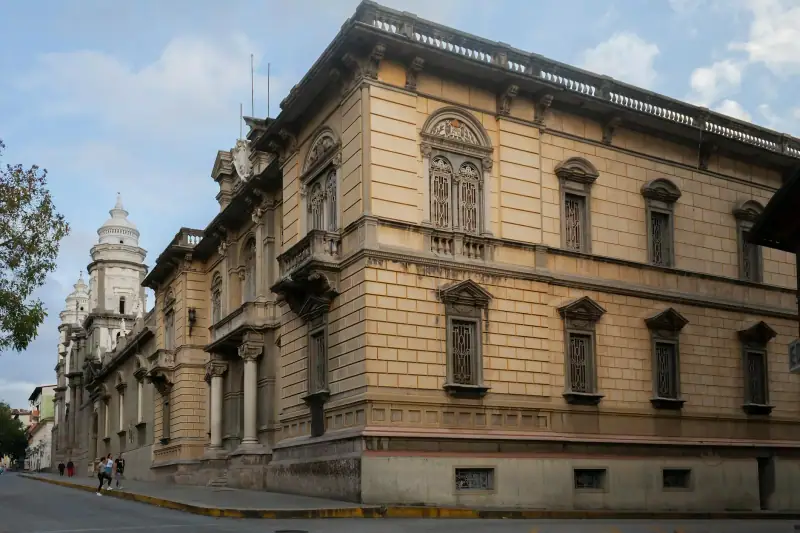
Museo del Jade (Jade Museum)
The Jade Museum holds the largest collection of pre-Columbian jade in the world, with more than 7,000 pieces dating from 500 BC to 800 AD. Jade was the most precious material for pre-Columbian Costa Rican cultures, far above gold. The permanent collection covers the crafts of the Chorotega, Huetar, Chiriquí and Boruca cultures.
The building itself, opened in 2014, is modern architecture on 5 floors with a panoramic view of San José from the upper floors.
Hours: Monday-Sunday 8 am-5 pm Admission: $20 (guided tour available) Address: Avenida Central between Calle 13 and 15
Museo del Oro Precolombino (Pre-Columbian Gold Museum)
In the basement of the Plaza de la Cultura, the Gold Museum displays an extraordinary collection of more than 2,000 pre-Columbian gold pieces. Ornaments, statuettes and jewelry in pure gold reveal the sophistication of Costa Rican civilizations before the arrival of the Spanish.
Hours: Monday-Sunday 9:15 am-5 pm Admission: $17 (includes access to the Numismatic Museum)
Museo Nacional de Costa Rica
Housed in the former Bellavista Fortress (1870), recognizable by its towers pockmarked with bullets from the 1948 revolution, the National Museum tells the history of Costa Rica from prehistory to today. The pre-Columbian and historical collections are remarkable. The butterfly garden in the central courtyard is a popular extra.
Hours: Tuesday-Saturday 8:30 am-4:30 pm, Sunday 9 am-4:30 pm Admission: $9 Address: Calle 17, Avenida Central
Teatro Nacional
The Teatro Nacional (1897) is the architectural jewel of San José. Built with the fortunes of the coffee and banana barons of the late 19th century, it is considered the most beautiful building in Costa Rica. Its painted ceiling showing coffee and banana picking is emblematic, and the image appeared on the old 5-colón bills.
Guided tours of the interior are possible outside performances. The café on the ground floor is an ideal spot for a Costa Rican coffee break.
Tour hours: Monday-Saturday 9 am-6 pm Tour price: $10 (includes a drink at the café)
Museo de Arte Costarricense (MAC)
In La Sabana park (the former airport terminal), the Costa Rican Art Museum presents Costa Rican artistic production from the 19th century to today. The Sala del Patrimonio on the ground floor shows a carved relief mural illustrating the history of Costa Rica.
Admission: free on Sundays Regular price: $6
Neighborhoods to explore
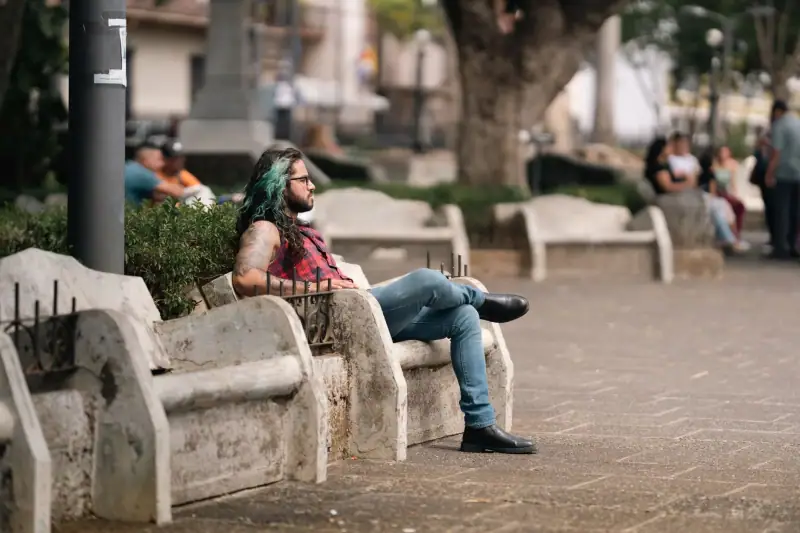
Barrio Amón
The most charming neighborhood in San José, with Victorian and Art Nouveau houses from the early 20th century. Many properties have been restored and now house boutique hotels, art galleries, trendy restaurants and craft shops.
To see: the colorful Victorian architecture, the museums on Calle 9, the Galería Nacional
To eat and drink: the neighborhood has excellent cafés and San José’s most modern food scene
La Sabana
The large Metropolitan Park of La Sabana (140 hectares / 346 acres, a former airport) is the green lung of San José. Josefinos jog, play soccer and gather there on weekends. The Costa Rican Art Museum is at the east entrance.
San Pedro and Los Yoses
These residential neighborhoods are home to the Universidad de Costa Rica and a lively student scene. Inexpensive restaurants, bars, cinemas and the city’s largest concentration of bookstores. Ideal for dinner and nights out.
Mercado Central
The Central Market (between Avenida 1 and 2, Calle 6 and 8) has been an institution since 1880. In this covered maze you will find everything Costa Rican cuisine has to offer: tropical fruit, vegetables, spices, medicinal plants, crafts, flowers, coffee. The sodas (small local restaurants) inside serve generous local dishes for €4-6 (about $5-7).
Must try: a full casado in one of the mini-restaurants, a fresh tamarindo (tamarind drink)
Hotels in San José
Stay in the most pleasant neighborhoods of the capital.
Day trips from San José
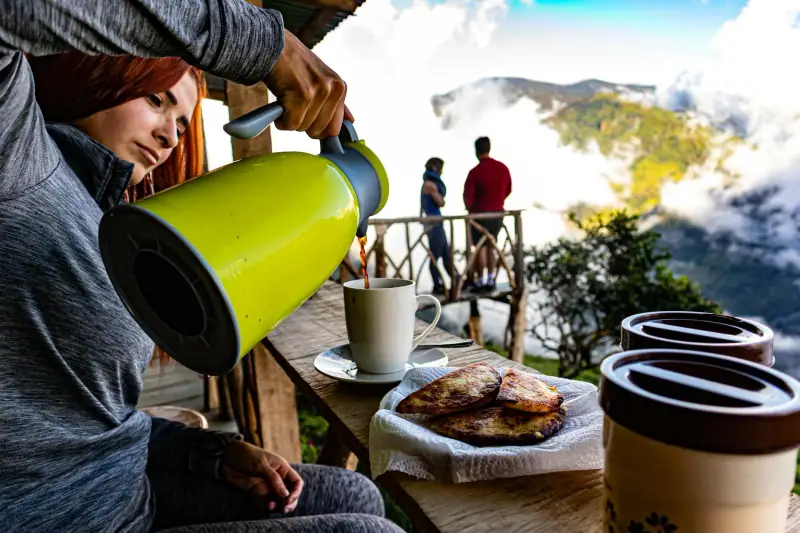
San José’s central position makes it an excellent base for day trips to the country’s main sights:
Poás Volcano (1 h 30)
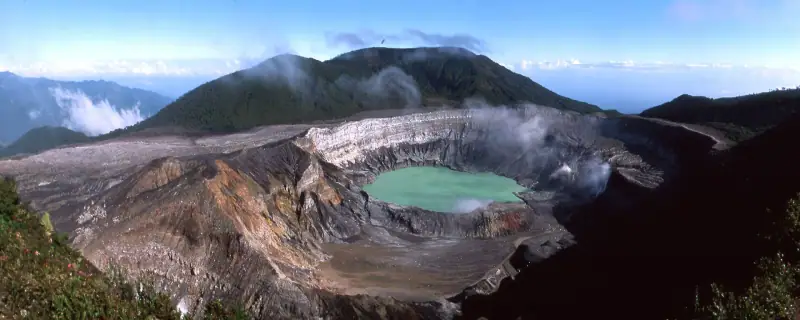
One of the most accessible craters in the world, reachable by car or organized tour. The road climbs to 2,700 m (8,860 ft) through cloud forest vegetation. The view of the neon-green acidic crater is unforgettable. Visits are booked online with SINAC, and access rules (visitor cap, mandatory helmet, temporary closure) change with the volcano’s activity: check before you go.
Irazú Volcano (1 h 30)
The highest volcano in Costa Rica (3,432 m / 11,260 ft), reachable from San José. On a clear day you can see both oceans from the summit. The road crosses very typical Andean-style farmland.
La Paz Waterfall Gardens butterfly garden (1 h)
In the Central Valley, this private park combines a butterfly garden, spectacular waterfalls, a hummingbird garden and a poison dart frog farm. Very well done and suited to families.
Cartago and the Basilica of Our Lady of the Angels (45 min)
The former colonial capital is home to the Basilica of Our Lady of the Angels, the most important pilgrimage site in Costa Rica. Every August 2, about 2 to 2.5 million faithful converge there on foot from across the country, nearly half of Costa Rica’s population.
Sarchí (1 h)
Costa Rica’s most famous craft village, known for its hand-painted oxcarts (carretas), a national symbol. Many workshops are open to visitors.
Eating and drinking in San José
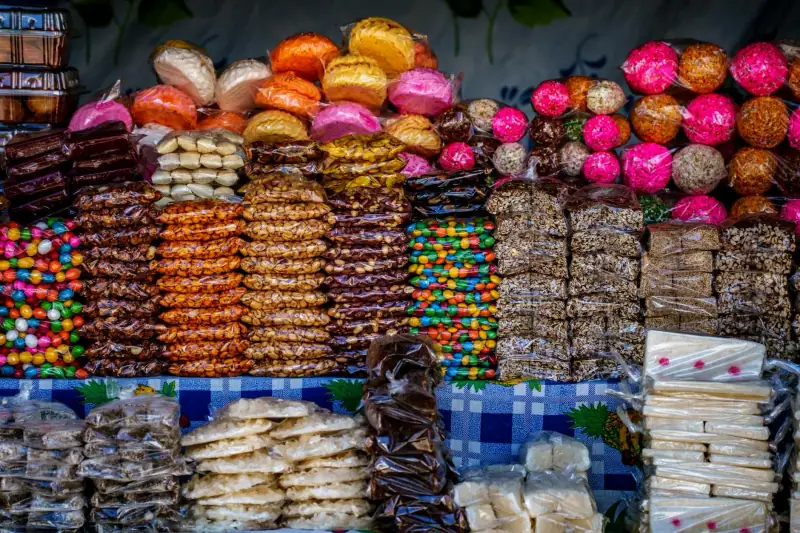
San José is going through a food revolution. Many Costa Rican chefs trained abroad are coming home and opening creative restaurants that reinvent local cooking with modern techniques. See our San José restaurant guide for the best addresses.
For an inexpensive typical meal: the Mercado Central and the sodas of the La Coca-Cola neighborhood (but be careful in that area in the evening)
For creative cooking: Barrio Amón and Los Yoses have the most modern restaurants
For coffee: San José is the capital of Costa Rican coffee. Specialty (third wave) cafés are popping up in Barrio Amón, Los Yoses and Escalante.
Practical tips
Finding your way: San José does not use street-name addresses in the usual way. Costa Rican addresses rely on landmarks (“100 meters north of the Banco Nacional, 50 meters east”). Use Google Maps.
Traffic: San José has some of the densest traffic of any Central American city. Avoid driving downtown. Uber is the best option.
Safety: downtown San José is generally safe by day in tourist areas. At night, take an Uber rather than walking on poorly lit streets.
San José may not be among your best memories of Costa Rica, but it is well worth a day or two of exploring. Its museums are among the best in Central America, and the Costa Rican urban atmosphere is unique. ¡Pura Vida!
Frequently asked questions
How long should you spend in San José?
One to two days are usually enough to see the main sights of San José. Most travelers use it as an entry and exit point and do not stay long. If you are really into pre-Columbian art or architecture, plan one extra full day.
Is San José a dangerous city?
San José is a Central American city with safer and less safe areas. The city center is generally fine by day in tourist areas. Some neighborhoods (around the La Coca-Cola bus terminal, outlying areas) should be avoided at night. Stay alert, avoid showing valuables and take Uber at night.
What is the nicest neighborhood in San José?
Barrio Amón is the most charming, with its colorful Victorian and colonial houses, trendy cafés and art galleries. Los Yoses and San Pedro are the liveliest for restaurants and nightlife.
How do you get around San José?
Central San José is easy to explore on foot. For longer trips, Uber is widely available and cheaper and safer than traditional taxis. City buses exist but are hard for tourists to navigate. Avoid driving downtown, where traffic and parking are a nightmare.
Are there typical markets in San José?
Yes, the Mercado Central (central market) has been a local institution since 1880. You will find fruit, vegetables, flowers, crafts, local food and coffee. The Zapote market and the weekend ferias (neighborhood markets) are also very authentic.
More Costa Rica guides
Keep reading
Visiting Puerto Viejo: a complete guide to Costa Rica's Caribbean coast
Everything about visiting Puerto Viejo de Talamanca: beaches, surf, Afro-Caribbean culture, Manzanillo, Cahuita and practical tips.
Visiting Guanacaste: a complete guide to Costa Rica's northern Pacific
Complete Guanacaste guide: beaches, volcanoes, national parks, surf, sea turtles and Pura Vida. Everything you need to plan your stay.
Visiting Monteverde: a complete guide to Costa Rica's cloud forest
Everything about visiting Monteverde: cloud forest reserves, ziplines, hanging bridges, wildlife, where to stay and practical tips.
Ready-made
Costa Rica itineraries
10 days
Costa Rica in 10 days: an itinerary from the Caribbean to the volcanoes
TortugueroPuerto ViejoLa FortunaMonteverde
14 days
Costa Rica road trip: the grand tour in 2 weeks
14-day Costa Rica road trip by 4x4: from volcanoes to beaches, Caribbean to Pacific. Full itinerary with road tips and where to stay.
10 days
Costa Rica in 10 days without a car: a realistic shuttle and bus itinerary
San JoséLa FortunaMonteverdeManuel AntonioSan José