Things to do
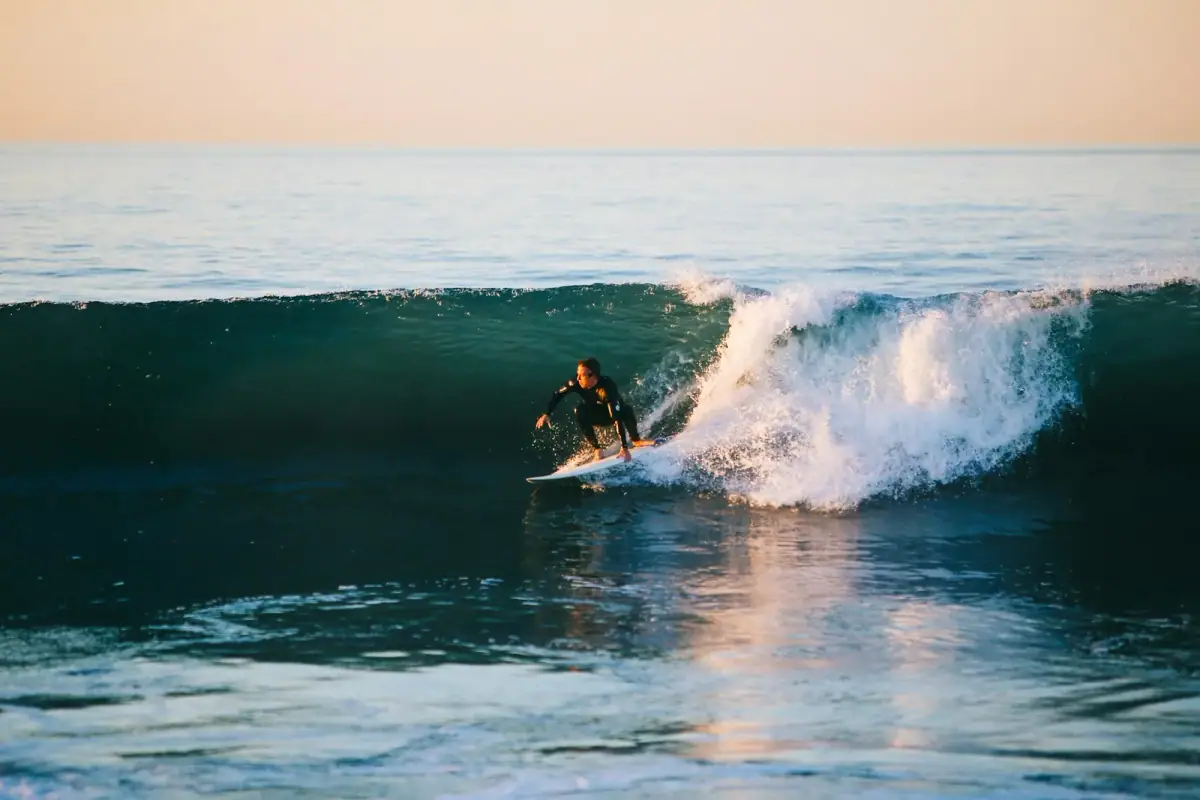
Surfing in Costa Rica: the best spots for every level
We may earn a commission when you book through links on this page, at no extra cost to you. We don't visit or try the places we cover: we summarize published sources. How we work
In short
- Tamarindo is the best-known place to learn; Sámara, Jacó and Dominical are other beginner-friendly options. Salsa Brava in Puerto Viejo is for top-level surfers only.
- On the Pacific, big swells arrive from May to November; the dry season (December-April) brings smaller, more regular waves. On the Caribbean, Salsa Brava peaks from December to March.
- A 2-hour group lesson costs about €40-60 (about $46-70); a 1-week surf camp €500-1,500 (about $580-1,740).
- You do not need to bring a board: rentals are available at every surf spot.
Costa Rica is one of the most renowned surf destinations in the world, and not by chance. This small country has two ocean coasts, the Pacific and the Caribbean, which receive swells of very different quality throughout the year. From soft waves perfect for beginners to dreaded barrels reserved for the most skilled surfers, Costa Rica has something for every surfer. Here is your complete guide to finding the best waves.
Understanding swells in Costa Rica
Pacific: the South Pacific swell
Costa Rica’s Pacific coast is exposed to swells generated in the Southern Hemisphere, which arrive from the southern Pacific. These swells are especially strong from May to November, creating perfect conditions for intermediate to experienced surfers.
The dry season (December to April) brings smaller, more regular conditions, ideal for learning. In summer (June-August) and during storm seasons in the North Pacific, swells of 2 to 4 meters (7-13 ft) arrive regularly.
Caribbean: the northern swell
The Caribbean coast receives northern swells generated by North Atlantic lows. The best conditions are from December to March, with powerful waves on the reef breaks.
The best spots by region
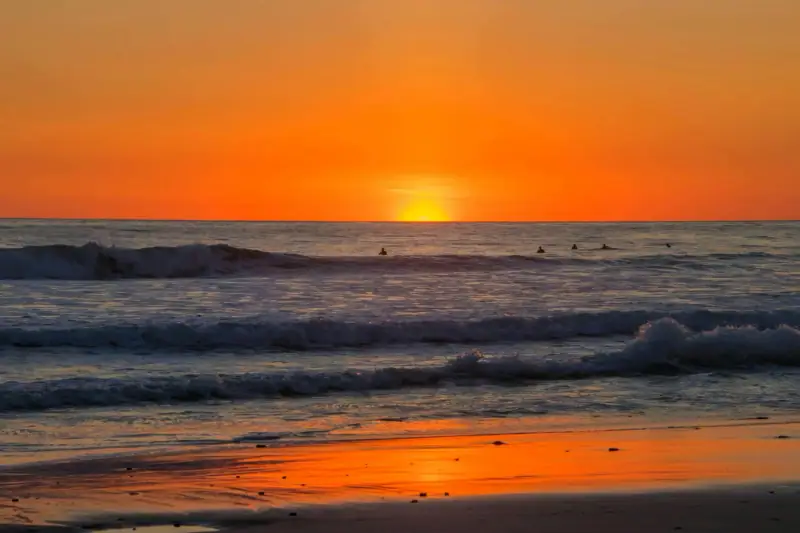
Guanacaste: beginners’ paradise
Tamarindo
Tamarindo is the surf capital of Costa Rica, and probably the best spot in the world to learn. The main beach offers a gentle, regular beach-break wave, perfect for first lessons. With dozens of surf schools and a relaxed international atmosphere, it is the ideal spot.
Level: beginner to intermediate Best swell: small and regular all year, best in May-November Wave type: beach break, variable length
What makes Tamarindo charming: besides surfing, the village offers lively nightlife, excellent restaurants and complete tourist infrastructure. Perfect for spending a week alternating lessons and outings.
Playa Grande
About 18 km (11 mi) from Tamarindo (30 minutes by road or access by boat across the estuary), Playa Grande gets better-quality waves and fewer people. It is also an important leatherback turtle nesting site (night visits from September/October to March, peak viewing in December-February).
Level: intermediate Note: no restaurants or services on the beach, bring water.
Nosara (Playa Guiones)
Nosara, and more precisely Playa Guiones, is one of the most consistent surf spots in Costa Rica. The wave is long and regular, perfect for progressing. Nosara’s atmosphere (yoga, surf, nature) is very popular.
Level: intermediate Special feature: Nosara has strict urban development rules, which gives it a more preserved character.
Playa Hermosa (Jacó)
Not to be confused with the many other Playa Hermosas in the country, this one is 5 km (3 mi) south of Jacó. It is the most powerful surf spot on the central Pacific. Designated the first World Surfing Reserve in Central America (2020), it hosts regular local surfing competitions (Backyard restaurant, Fridays-Saturdays), while World Surf League events take place in Jacó instead.
Level: advanced to top level Features: powerful beach break with barrels, violent shore break
Surf lessons in Costa Rica
Lessons for beginners and improvement sessions for Costa Rican surfers.
Central Pacific: Jacó and around
Jacó
Jacó is the liveliest town on the central Pacific and a popular surf base. Jacó beach offers variable beach-break waves. It is a good spot to progress, but wave quality is irregular.
Level: beginner to intermediate Advantage: many services, restaurants, nightlife, surf schools Drawback: beach sometimes polluted, wave not always good quality
Playa Escondida
Twenty minutes from Jacó, this lesser-known beach sometimes offers excellent waves in a much wilder setting.
South Pacific: the wild spots
Dominical
An alternative surf village on the southern Pacific, Dominical receives powerful Pacific swells. The waves are better quality than at Jacó, but also more powerful and less forgiving.
Level: intermediate to advanced Atmosphere: more authentic and less touristy than Tamarindo or Jacó
Pavones
Pavones is home to one of the longest waves in the world: in optimal conditions, the left-hander can run for more than 1 kilometer (0.6 mi) of ride. A legendary spot that attracts surfers from all over the world.
Level: advanced to top level Best season: May to October (big swell) Access: dirt track, 4x4 recommended
Caribbean coast: Salsa Brava
Puerto Viejo (Salsa Brava)
Salsa Brava is the most famous (and most dangerous) wave in Costa Rica. This powerful reef break breaks directly over a shallow coral reef. When the northern swell arrives, waves reach 5 to 6 meters (16-20 ft) and create extreme barrels.
Level: top-level surfers only, no exceptions
If you cannot comfortably surf overhead waves on reef breaks with barrels, do not go to Salsa Brava. Very experienced local surfers have been seriously injured at this spot.
Season: December to March (northern swell), best days in January-February
Places to stay near surf spots
Stay in the heart of Costa Rica's best surf areas.
Learning to surf in Costa Rica
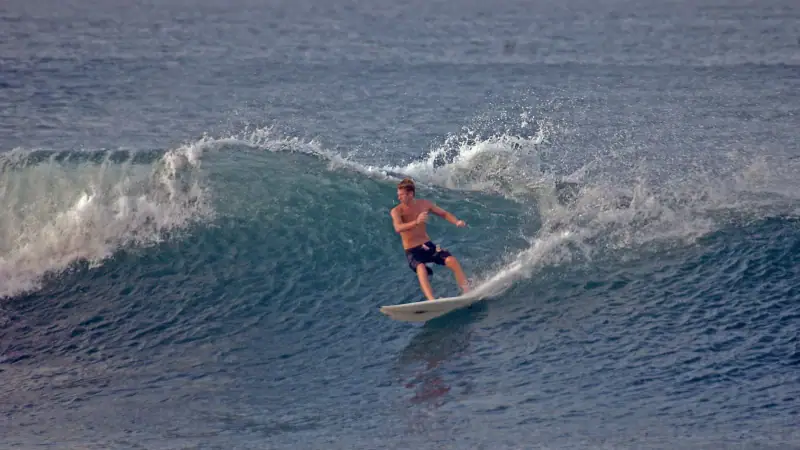
Choosing a surf school
Costa Rica has hundreds of surf schools. To choose well:
- Certification: choose a school whose instructors are ISA (International Surfing Association) certified
- Group size: choose small groups (max 4-6 students per instructor)
- Equipment: check board quality (soft longboards for beginners)
- Online reviews: read recent reviews on Google Maps and TripAdvisor
Prices and packages
- Private 2-hour lesson: €70-100 (about $81-115)
- Group 2-hour lesson: €40-60 (about $46-70)
- 5-lesson pack: €150-250 (about $175-290)
- 1-week surf camp (lessons + accommodation + meals): €500-1,500 (about $580-1,740) depending on comfort
The best spots to learn
Ranking for absolute beginners:
- Tamarindo (Guanacaste): the best overall
- Playa Sámara (Guanacaste): very gentle wave, protected by a coral barrier
- Playa Jacó (central Pacific): accessible from San José
- Playa Dominical (south Pacific): less touristy
Spot summary table
| Spot | Region | Level | Swell | Atmosphere |
|---|---|---|---|---|
| Tamarindo | Guanacaste | Beginner-Intermediate | Regular | Touristy, surf schools |
| Playa Grande | Guanacaste | Intermediate | Good | Wild, turtles |
| Nosara (Guiones) | Guanacaste | Intermediate | Consistent | Yoga, bohemian |
| Playa Hermosa (Jacó) | Central Pacific | Advanced-Top level | Powerful | World Surfing Reserve |
| Dominical | South Pacific | Intermediate-Advanced | Good | Alternative |
| Pavones | South Pacific | Advanced-Top level | Legendary left-hander | Remote |
| Salsa Brava | Caribbean | Top level | Extreme reef break | Puerto Viejo |
Practical tips
Safety: never surf alone, especially in remote areas or at spots you do not know. Always ask local surfers or surf schools about conditions.
Rip currents: rip currents are common on Costa Rican beaches. If you get caught in one, do not swim against it; swim parallel to the beach until you are out of it.
Marine life: sea turtles and rays often pass near surf spots. Admire them from a distance without disturbing them.
Coral: in Puerto Viejo and at some Guanacaste spots, the coral reef is protected. Do not step on it and avoid falling directly onto the reef.
Sunscreen: use a mineral sunscreen (without oxybenzone or octinoxate) to protect coral reefs.
Costa Rica is a top-tier surf destination for all levels. Whether you take your first lessons on Tamarindo’s gentle waves or chase the barrels of Salsa Brava, you will have unforgettable moments in the water. ¡Pura Vida!
Frequently asked questions
Is Costa Rica a good country to learn to surf?
Yes, Costa Rica is one of the best destinations in the world to learn to surf. Spots such as Tamarindo, Jacó and Sámara offer gentle, regular waves perfect for beginners, with dozens of professional surf schools.
What is the best time to surf in Costa Rica?
The best time depends on the coast. On the Pacific, the big swells arrive from May to November (rainy season), perfect for experienced surfers. More regular conditions accessible to everyone are found in the dry season (December-April). On the Caribbean, Salsa Brava in Puerto Viejo is at its best from December to March.
How much does a surf lesson cost in Costa Rica?
A 2-hour surf lesson with equipment provided generally costs €40 to €70 (about $46-81). Surf camps (a week with daily lessons, accommodation and meals) range from €500 to €1,500 (about $580-1,740) depending on the comfort level. Renting a board alone costs €15 to €25 (about $17-29) a day.
Should you bring your own board to Costa Rica?
No, you do not need to bring your board. Board rentals are available at all surf spots. If you have a favorite board and travel for several weeks, it may be worth bringing it (extra baggage fee of around €50-100, about $58-115).
Is Salsa Brava really dangerous?
Yes, Salsa Brava in Puerto Viejo is one of the most dangerous waves in Costa Rica. It is a reef break over a shallow reef that can cause serious injuries. Reserved for very experienced surfers only (top level, not just advanced). Even seasoned surfers treat it with great respect.
More Costa Rica guides
Keep reading
Arenal Volcano, Costa Rica: visit, hikes and hot springs
Arenal Volcano, Costa Rica: visits, hikes and hot springs from La Fortuna. Complete guide to exploring the country's emblematic volcano.
Wildlife watching in Costa Rica: animal guide and best areas
Complete guide to watching wildlife in Costa Rica: sloths, monkeys, toucans, turtles and jaguars. Best areas and tips for each species.
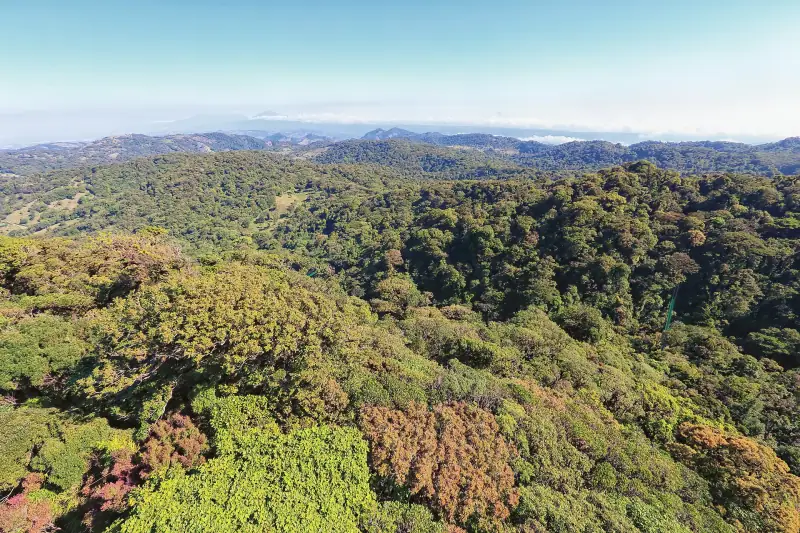
Best time to visit Costa Rica: a month-by-month guide
When to go to Costa Rica? Find the best time by region, weather, prices and seasonal events.
Ready-made
Costa Rica itineraries
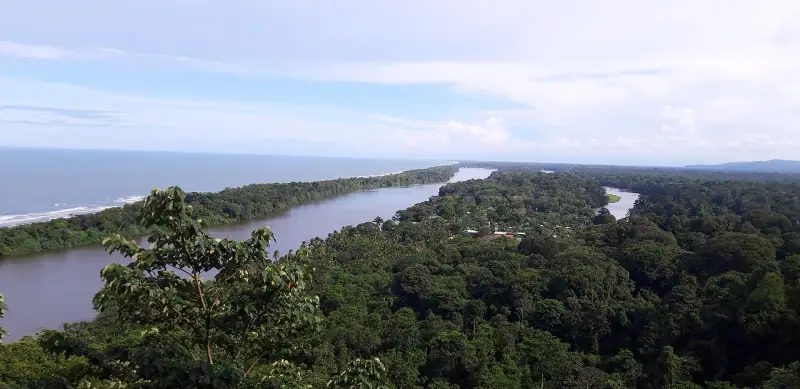
10 days
Costa Rica in 10 days: an itinerary from the Caribbean to the volcanoes
TortugueroPuerto ViejoLa FortunaMonteverde
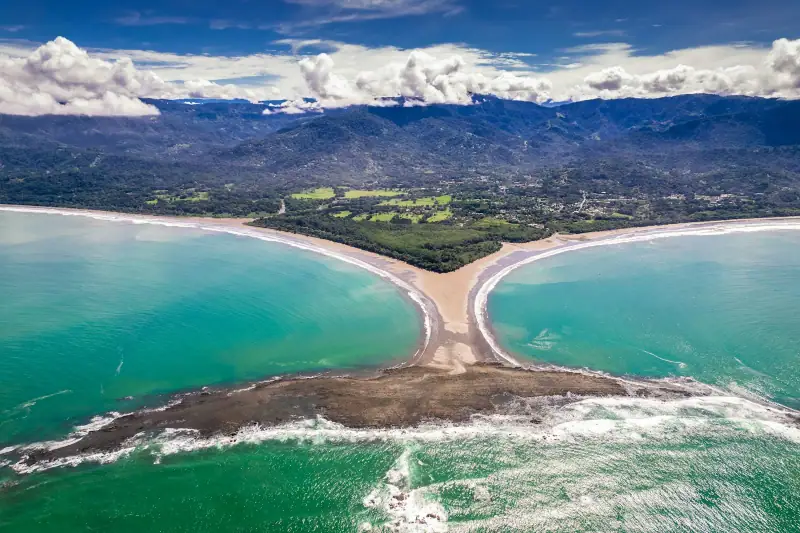
14 days
Costa Rica road trip: the grand tour in 2 weeks
14-day Costa Rica road trip by 4x4: from volcanoes to beaches, Caribbean to Pacific. Full itinerary with road tips and where to stay.
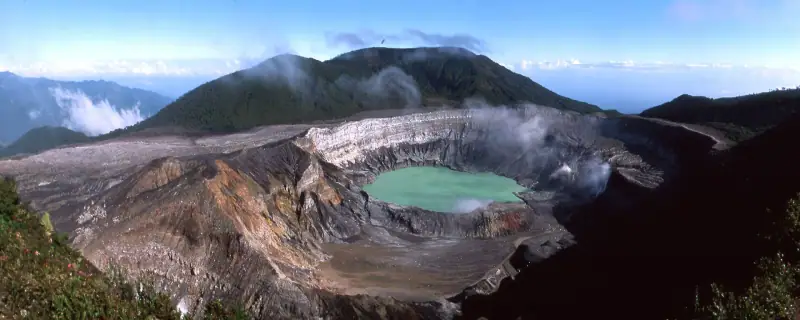
10 days
Costa Rica in 10 days without a car: a realistic shuttle and bus itinerary
San JoséLa FortunaMonteverdeManuel AntonioSan José