What to see
Visiting Medellín: a complete guide to the city of eternal spring
We may earn a commission when you book through links on this page, at no extra cost to you. We don't visit or try the places we cover: we summarize published sources. How we work
In short
- Plan 3 to 4 days minimum for El Poblado, Plaza Botero, Comuna 13 and the Guatapé excursion; 5 to 7 days adds Parque Arví and the coffee region.
- Medellín sits at 1,538 m (5,045 ft) with 22-26 °C (72-79 °F) all year; the driest months are December-February and July-August.
- El Poblado is the most touristy and secure neighborhood; Laureles is more local and slightly cheaper.
- Guatapé is a day trip of about 80 km (50 mi): 1 h 30 to 2 h by bus from the Terminal del Norte; leave at 7-8 am to avoid weekend crowds.
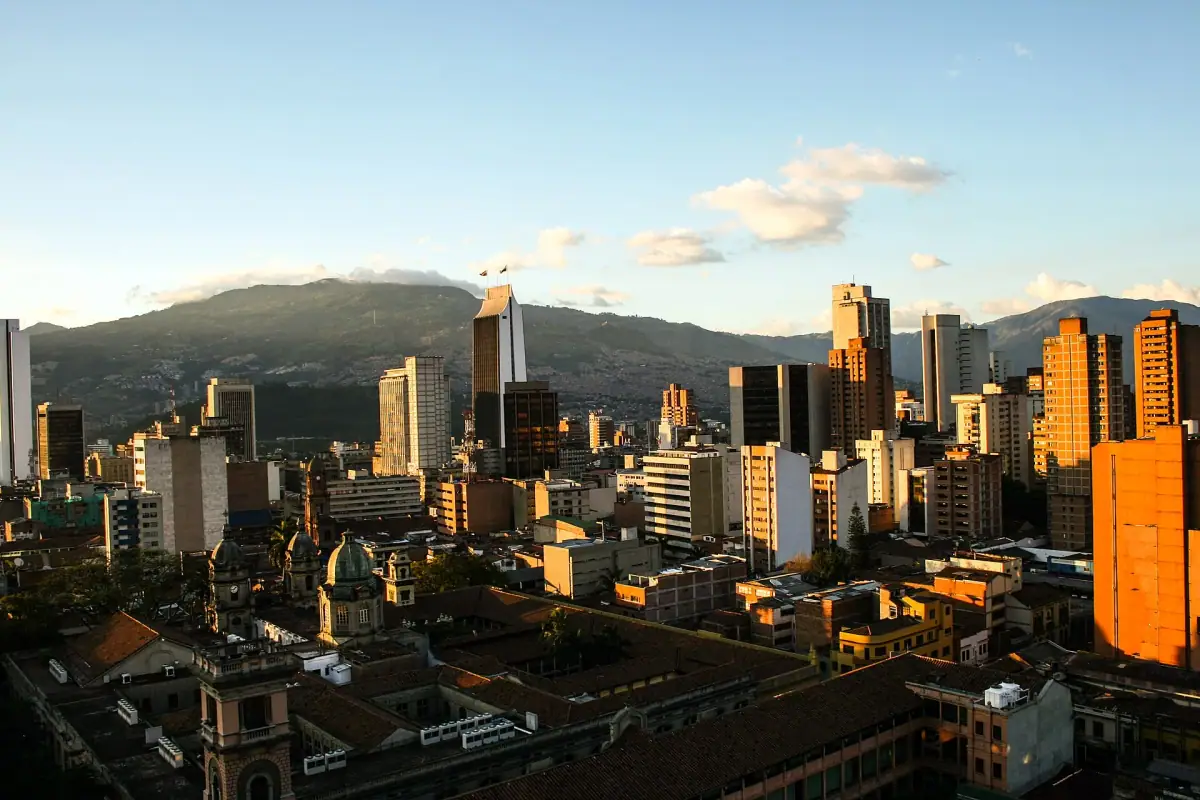
Medellín is undoubtedly the Colombian city that best embodies the notion of transformation. In the 1980s-90s it bore the grim title of the most dangerous city in the world, stronghold of the Medellín cartel and Pablo Escobar. Today it stands out as one of the most innovative metropolises in Latin America, awarded for its social urbanism, its integrated transport network and its flourishing cultural scene. Nicknamed La Ciudad de la Eterna Primavera (the city of eternal spring) for its exceptionally mild climate at 1,538 meters (5,045 ft) of altitude, Medellín surprises, charms and lastingly marks the travelers who discover it.
Here is the complete guide to preparing your stay in Medellín.
Medellín at a glance
- Department: Antioquia, Aburrá valley, Colombian Andes
- Altitude: 1,538 m (5,045 ft), responsible for the permanent spring
- Climate: 22-26 °C (72-79 °F) all year, cool mornings, sunny afternoons
- Population: about 2.5 million (4 million in the metropolitan area)
- Language: Spanish; English is common in El Poblado
- Currency: Colombian peso (COP), €1 ≈ 3,700 COP (November 2026, the rate varies)
Medellín stretches across a narrow valley between two mountain ranges. The modern skyscrapers of the center sit alongside the colorful comunas clinging to the hills, linked to the rest of the city by a network of metro, cable cars and electric escalators, an urban infrastructure praised internationally. The city has several major universities and a young, dynamic, creative population.
Plaza Botero and the historic center
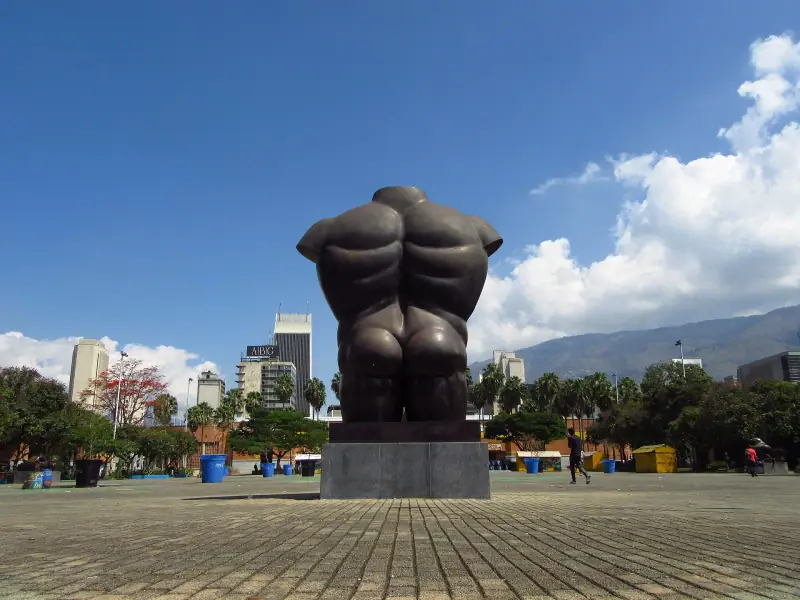
The first essential stop in Medellín is the Plaza Botero, right downtown. This outdoor square holds 23 monumental sculptures by Fernando Botero, a Medellín native and one of the best-known Latin American artists in the world. His characters with round, generous forms (horses, lions, women, political figures) have a surprising, almost joyful physical presence. It is one of the most visited open-air sculpture spaces in South America.
Right next door is the Museo de Antioquia, which houses a permanent collection of Botero works (paintings, drawings and sculptures) as well as Colombian art collections spanning several centuries. A remarkable, accessible and affordable museum.
The Parque de las Luces (Park of Lights), nearby, is known for its 300 light columns that glow at night, a unique urban art installation. In the evening, downtown Medellín takes on another luminous dimension.
Hotels in Medellín
From El Poblado boutique hotels to the downtown design hotel, compare the best places.
Comuna 13: from violence to street art
Comuna 13 is today one of the most visited neighborhoods in Colombia, and the story behind this transformation is as fascinating as the neighborhood itself. Once one of Medellín’s most violent areas, it went through a remarkable process of social rehabilitation from the early 2000s.
The symbol of this transformation: a series of outdoor electric escalators (opened in 2011) that link the upper parts of the neighborhood to the lower city, replacing a 45-minute walk uphill with 6 minutes of escalator. This simple infrastructure changed the lives of thousands of residents.
But above all it is the street art that makes the commune famous today. The lanes of colorful houses are covered with immense murals made by local artists. Each mural tells an episode of the neighborhood’s history, a social demand or a hope for the future. Guided tours help you understand the historical context of each work.
Practical tip: Come in mid-morning to avoid the crowds, and trust local guides who know the artists and their stories. Tours of 2 to 3 hours from El Poblado or the San Javier metro are the best way to discover the commune safely.
The metro and cable cars: an urban revolution
Medellín has Colombia’s only metro network, opened in 1995. More than a simple means of transport, the metro has become a symbol of local pride: the “metro norms” (do not eat, do not make loud noise, respect priority seating) are engraved in civic culture.
Beyond the metro, it is the Metrocables (urban cable cars) that changed the game. Linked to the metro lines, they provide access to the comunas on the hills, once cut off from the rest of the city. This physical connection came with a social one: residents of the comunas now reach the jobs, schools and services of the rest of the city in under 30 minutes.
Line L of the Metrocable takes you directly to the Parque Arví, an Andean forest nature reserve at 2,530 m (8,300 ft) of altitude, only minutes from Medellín’s densest neighborhood. Hikes, picnics, a craft market on weekends and exceptional biodiversity await.
Tours and activities in Medellín
Comuna 13 visit, Pablo Escobar tour, Guatapé excursion, local cooking.
El Poblado: the travelers’ neighborhood
El Poblado is the favorite neighborhood of expats and travelers. Centered around the Parque del Poblado and the Parque Lleras, it concentrates most of the boutique hotels, international restaurants, bars and trendy cafés. The atmosphere is relaxed, secure and very cosmopolitan.
A few highlights:
- Parque Lleras: the lively central square, surrounded by restaurants and bars, a festive atmosphere in the evening
- Calle 10: a shopping street with galleries, local designer shops and craft cafés
- Neighborhood markets and groceries: to taste everyday local life between tourist outings
El Poblado is also an excellent starting point for excursions in the Antioquia region. Most tourism agencies operate from here, offering tours to Guatapé, Parque Arví or the surrounding villages.
Guatapé: the essential day trip
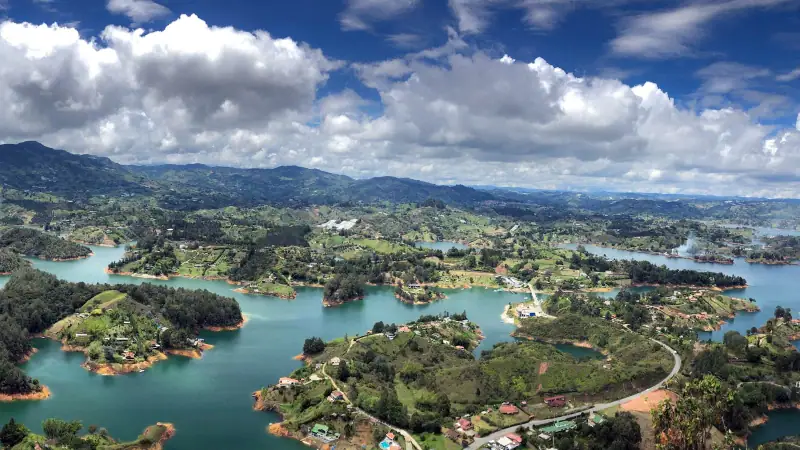
About 80 km (50 mi) east of Medellín (1 h 30-2 h by bus from the Terminal del Norte), Guatapé is one of the most photogenic small towns in Colombia. Its houses covered in zócalos (colorful carved friezes showing scenes of daily life) that adorn the ground floors are one of a kind. Walking its streets is an explosion of color.
But the region’s main attraction is El Peñón de Guatapé (or La Piedra del Peñol), a monolithic granite rock 200 meters (656 ft) high that rises from the plain like a stone cathedral. A staircase of about 700 steps cut into a crack of the rock leads to the top. The view from up there, a panorama of artificial lakes, green islets and mountains, is spectacular. Expect about 25,000-30,000 COP for entry.
Organizing a day in Guatapé:
- Leave Medellín around 7-8 am from the Terminal del Norte
- Arrive in Guatapé around 9:30-10 am
- Climb the Peñón (1 h-1 h 30 including the return)
- Stroll through the village and have lunch there
- Return to Medellín around 4-5 pm
On weekends and Colombian public holidays, Guatapé is very busy. Prefer a weekday visit if possible.
The Botanical Garden and Parque Explora
North of downtown, the Jardín Botánico de Medellín (Joaquín Antonio Uribe) is a 14-hectare (35-acre) green lung in the middle of the city. More than 4,500 species of tropical and Andean plants, relaxation spaces and cultural installations make it a pleasant place for a walk, away from the bustle of the center. The iconic Orquideorama, a wooden structure shaped like giant flowers that houses an orchid garden, is one of the most photographed architectural works in the city.
Adjacent to the garden, the Parque Explora is a modern interactive science museum, especially appreciated by families. Its aquarium presents the aquatic biodiversity of Colombian rivers and ecosystems, impressive for curious visitors of all ages.
Car rental in Medellín
Explore Guatapé, the Cauca canyon and the Eje Cafetero at your own pace.
Food in Medellín
Medellín’s cooking is paisa cuisine, the food of the Antioquia region, generous, hearty and based on local ingredients.
The emblematic dish: the Bandeja Paisa The bandeja paisa is the national dish of Antioquia. A monumental plate that brings together white rice, red beans, sautéed ground meat (carne molida), chicharrón (fried pork rind), fried egg, chorizo, morcilla (blood sausage), patacón (fried plantain) and arepa (corn cake). A meal that lasts all day. Addresses and prices: see the guide to the bandeja paisa in Medellín.
Other dishes to try:
- Arepas de choclo: sweet corn cakes, served with butter and melted white cheese at breakfast
- Sancocho de gallina: chicken soup with cassava, plantain and potatoes, the comfort dish of Sunday
- Mazamorra: a traditional dessert made of white corn, milk and panela (cane sugar), often served in ceramic bowls
- Aguardiente anisado: the traditional Colombian spirit, a fixture at celebrations
Where to eat:
- In the fondas paisas (traditional restaurants) of the center for an authentic bandeja paisa
- At the Minorista market for exotic fruit and local dishes at low prices
- In El Poblado for quality international food, with many fusion restaurants
Where to stay in Medellín
For more details on lodging, see the guide where to stay in Medellín.
El Poblado concentrates the most practical options for international travelers: lively hostels for backpackers, boutique hotels for travelers seeking comfort and safety, and furnished apartments for long stays. High-season prices range from 40,000-80,000 COP in a dorm to 150,000-400,000 COP for a private room in a charming property.
Laureles is the residential neighborhood preferred by long-term expats. Calmer and more authentic than El Poblado, it offers a nice neighborhood life (cafés, supermarkets, parks) at slightly more affordable rates.
El Centro suits travelers who want to be in the middle of historic and commercial life, near the Plaza Botero and the Museo de Antioquia. Safety is fair by day but calls for more vigilance in the evening.
Getting to Medellín
By air
José María Córdova International Airport (MDE) is in Rionegro, about 30 km (19 mi) southeast of Medellín. It serves domestic and international flights.
From the airport, an express bus (about 12,000-15,000 COP) or a private taxi (about 80,000-130,000 COP) takes you to the city center in 45-75 minutes depending on traffic.
Olaya Herrera Airport (EOH) is in town, a few kilometers from the center. It serves only domestic flights, mainly to the Chocó and other destinations hard to reach by road.
By bus
The Terminal del Norte (Caribe metro) serves Bogotá (8-10 h, 50,000-100,000 COP), Santa Marta, Barranquilla and Cartagena. The Terminal del Sur serves Cali (8-9 h), Manizales and the Pacific towns.
Practical tips for visiting Medellín
Safety: Medellín has made huge progress on safety, but stay vigilant. Favor Cabify or InDriver for night trips, never take a street taxi. Avoid displaying your phone or camera in less busy areas. Tourist neighborhoods are generally safe by day.
Transport: The metro is safe, clean and efficient. Buy a rechargeable card (Cívica, about 10,000 COP depending on the formula; check the fare at the station) at the station entrance. The metro links the two main lines with the Metrocables for the comunas and the Parque Arví. A basic ride costs about 3,800 COP.
Money: ATMs (cajeros) are plentiful in El Poblado, the center and shopping malls. Mastercard and Visa are widely accepted in hotels and tourist restaurants. Keep cash for markets and small restaurants.
Altitude: At 1,538 m (5,045 ft), Medellín is not as high as Bogotá (2,600 m / 8,530 ft). Ask your doctor or a travel clinic, and see the official travel health pages (CDC in the US, TravelHealthPro in the UK).
Best time: To learn more about the seasons in Colombia, see the guide to the best time to travel to Colombia.
Festival: If you are in Colombia in August, the Feria de las Flores (Flower Festival, generally in the first half of August) is the city’s most important cultural event. Riders in traditional costume, flower floats and shows liven the whole city for several days.
Suggested itinerary: 5 days in Medellín
Day 1: historic center Plaza Botero, Museo de Antioquia, Parque de las Luces. Lunch in a traditional fonda paisa (bandeja paisa). Afternoon at the Jardín Botánico and Orquideorama. Dinner in El Poblado.
Day 2: Comuna 13 and Metrocable Morning: guided visit of Comuna 13, murals and escalators. Afternoon: Metrocable line K to Santo Domingo Savio for the view and the Biblioteca España (renamed Parque Biblioteca Santo Domingo Savio in 2024, reopened in 2026 after a structural closure since 2015). Back to the center.
Day 3: Guatapé Leave early (7:30 am) from the Terminal del Norte. Morning: El Peñón (about 700 steps, panoramic view). Lunch in Guatapé, stroll through the colorful streets. Return to Medellín in late afternoon.
Day 4: El Poblado and Parque Lleras Quiet morning in El Poblado: craft cafés, local galleries, the neighborhood market. Afternoon: Metrocable line L to Parque Arví (Andean forest, easy hike). Back for the evening at Parque Lleras.
Day 5: Laureles and food Walk through Laureles (local atmosphere, away from tourism). Lunch in a neighborhood restaurant. Visit the Parque Explora if you have no children with you, or craft shopping in the center. Farewell dinner with aguardiente.
Medellín embodies on its own the recent history of Colombia: its past violence, its resilience and its remarkable transformation into one of the most creative cities on the continent. Every neighborhood, every mural of Comuna 13, every cable car ride above the Aburrá valley tells this story. For travelers who want to understand Colombia in depth, not only its beaches and colonial ruins, Medellín is an essential stop. Round out your stay in Colombia with the guide to things to do in Medellín and a visit to the charming village of Salento and the coffee region.
Frequently asked questions
How many days should you plan to visit Medellín?
Plan at least 3 to 4 days to cover the essentials (El Poblado, Plaza Botero, Comuna 13) and take the Guatapé excursion. With 5 to 7 days you can explore the creative neighborhoods, Parque Arví and the surroundings of the coffee region.
Is Medellín safe for tourists?
Medellín has gone through a spectacular transformation since the 1990s. Today, tourist neighborhoods such as El Poblado, Laureles and El Centro are relatively safe by day. Stay careful at night in less busy areas, use taxi apps (Cabify, InDriver) and avoid displaying valuables.
What is the best neighborhood to stay in Medellín?
El Poblado is the most touristy and secure neighborhood, with the widest choice of lodging. Laureles is appreciated for its more local atmosphere and slightly lower prices. The historic center suits exploring the city on foot but is less suited to nights for travelers.
How do you get from Bogotá to Medellín?
By air from Bogotá: a flight of about 45-55 minutes (Avianca, LATAM, Wingo). By bus: about 8 to 10 hours of road from the Bogotá terminal, with spectacular views of the Andes.
What is the best time to visit Medellín?
Medellín enjoys a pleasant climate all year (22-26 °C / 72-79 °F). The driest months are December-February and July-August. Avoid April-May and October-November (rainy season). If you want to attend the Feria de las Flores (flower festival), come in August.
Can you do a day trip to Guatapé from Medellín?
Yes, Guatapé is the most popular day trip from Medellín. Allow about 1 h 30 to 2 h by bus each way, half a day to visit the colorful village and climb El Peñón, and a return in late afternoon. Leave early (7-8 am) to avoid weekend crowds.
More Colombia guides
Keep reading
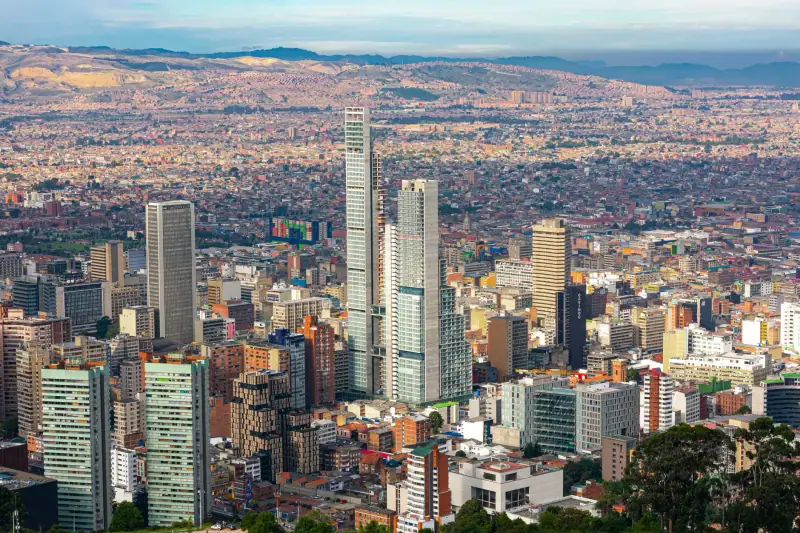
Visiting Bogotá: a complete guide to Colombia's capital
Everything you need to visit Bogotá: La Candelaria, Museo del Oro, Monserrate, Usaquén, budget, transport and practical tips for 2026.
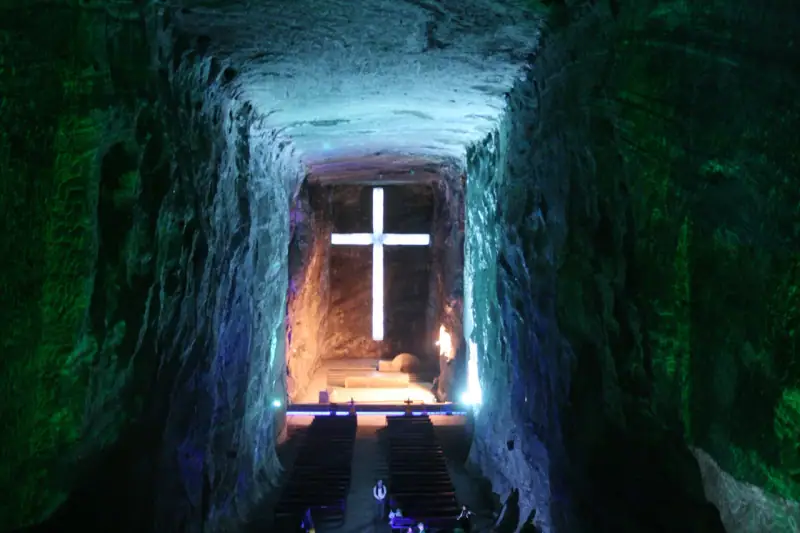
Zipaquirá Salt Cathedral from Bogotá: bus, train, times and prices
Visit the Zipaquirá Salt Cathedral from Bogotá: bus or train, hours 9 am-4:40 pm, ticket prices, visit length and mistakes to avoid.
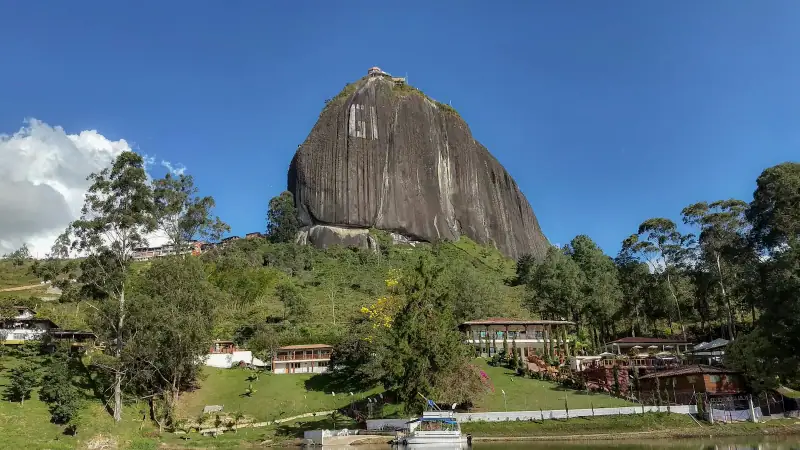
Visit Guatapé and the Piedra del Peñol without a car: bus from Medellín, times and prices
Guatapé without a car from Medellín: Terminal del Norte buses, times, prices, the 700 steps of the Piedra del Peñol and tips to avoid the crowds.
Ready-made
Colombia itineraries

20 days
Colombia road trip: a 3-week itinerary by car
A 3-week Colombia road trip from Bogotá to Cartagena via the Andes, the coffee region and the Caribbean coast. Routes, stops and practical tips.
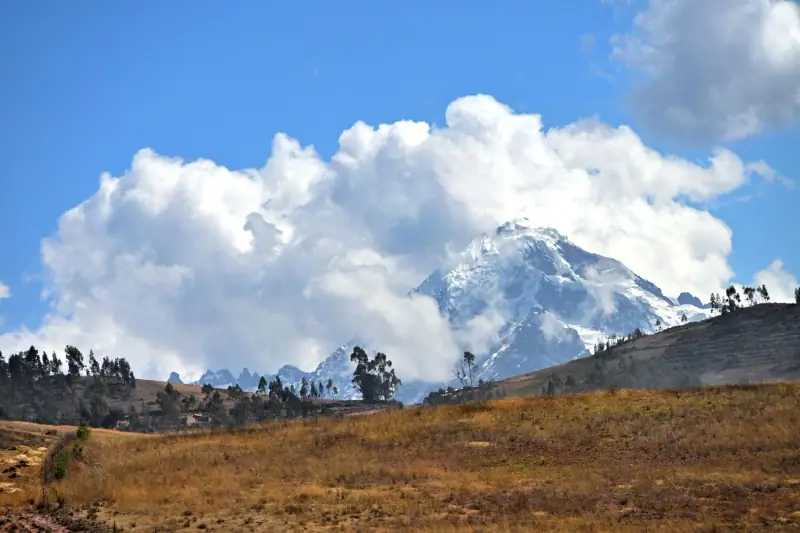
11 days
Colombian Andes road trip: mountain ranges, colonial towns and coffee country
The Colombian Andes in 10 to 12 days: Villa de Leyva, Barichara, Medellín and Salento. Stage-by-stage route, practical tips and where to stay.
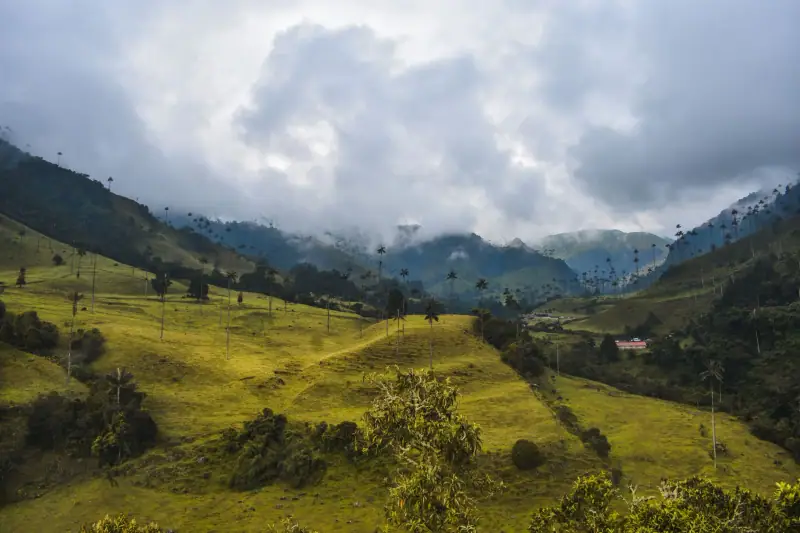
10 days
Colombia in 10 days without a car: a realistic itinerary by plane and bus
Colombia in 10 days without renting a car: Bogotá, Medellín, Salento, Cartagena. Stops, distances, travel times, flights and buses, transport budget.