What to see
Visiting Bogotá: a complete guide to Colombia's capital
We may earn a commission when you book through links on this page, at no extra cost to you. We don't visit or try the places we cover: we summarize published sources. How we work
In short
- Plan 3 to 4 days minimum for La Candelaria, the Museo del Oro, Monserrate and Usaquén; 5 to 6 days adds Ciclovía and day trips.
- Bogotá sits at 2,600 m (8,530 ft) with 13-16 °C (55-61 °F) all year; the dry seasons are December-February and June-August.
- TransMilenio costs about 3,550 COP a ride in 2026; Cabify and InDriver are recommended over street taxis.
- Day trips: Zipaquirá salt cathedral (50 km / 31 mi), Laguna de Guatavita (60 km / 37 mi) and Villa de Leyva (about 165 km / 103 mi).
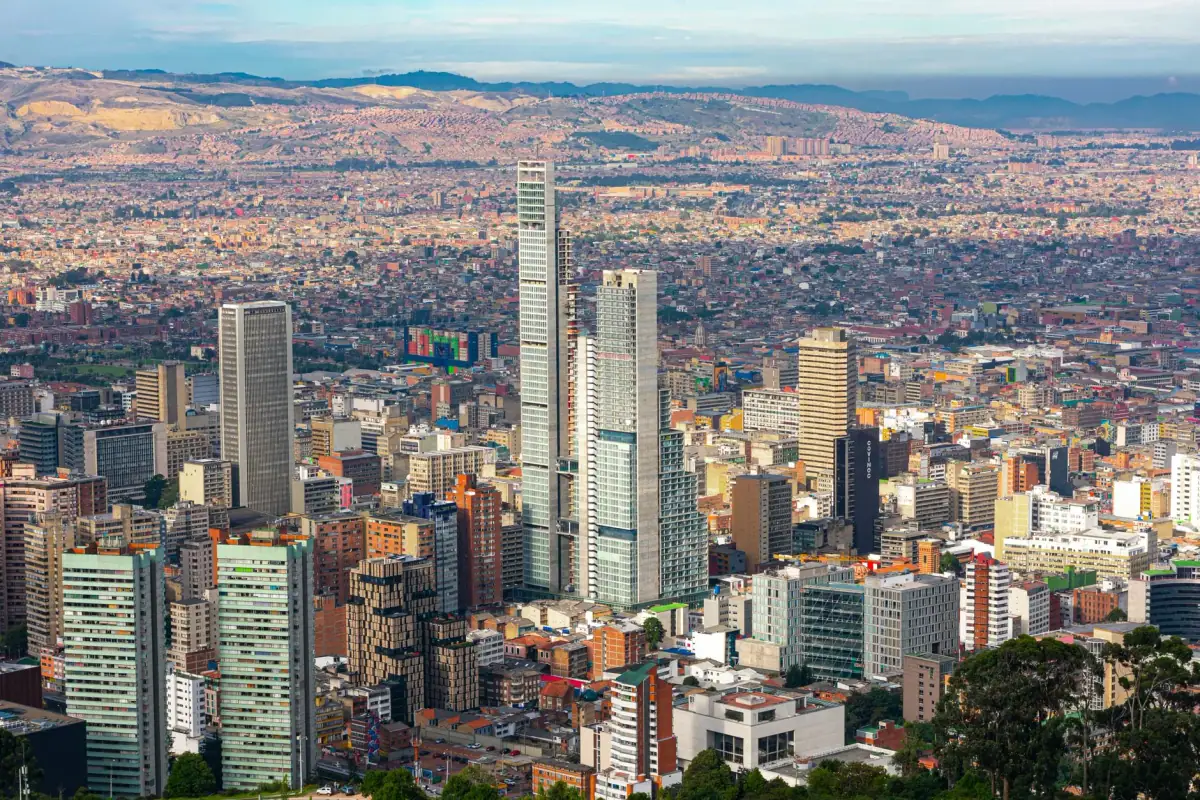
Bogotá is a city that disconcerts, fascinates and always ends up convincing. At 2,600 meters (8,530 ft) of altitude in the Andes, this capital of almost 8 million people is one of the highest metropolises in the world. Between colorful colonial lanes and glass towers, between street markets and contemporary art galleries, between perpetual drizzle and sunsets over the savanna, Bogotá carries all the contradictions, and all the richness, of Colombia.
For a long time relegated to a mere stopover on the way to Medellín or Cartagena, the Colombian capital is now a destination in its own right. Its museums are among the best in Latin America. Its street art is a worldwide phenomenon. Its food scene is exploding. And its guardian mountain, Monserrate, offers one of the most striking views on the continent.
Here is the complete guide to preparing your visit to Bogotá.
Bogotá at a glance
- Status: capital of Colombia and seat of the national government
- Altitude: 2,600 m (8,530 ft), one of the highest capitals in the world
- Climate: 13-16 °C (55-61 °F) all year, frequent drizzle, no marked seasons
- Population: about 8 million (metropolitan area)
- Language: Spanish; English is common in tourist neighborhoods
- Currency: Colombian peso (COP), €1 ≈ 3,700 COP (November 2026, the rate varies)
- Official name: Bogotá D.C. (Capital District)
Founded in 1538 by Gonzalo Jiménez de Quesada on the site of a Muisca political center, Bogotá developed between the cerros orientales (eastern hills) and the sabana (grassy plateau) stretching west. Residents divide the city into broad zones: La Candelaria and the historic center in the center-east, the Zona Norte (Usaquén, Chapinero, Zona Rosa) toward the wealthier north, and working-class neighborhoods toward the south and west.
La Candelaria and the Plaza de Bolívar
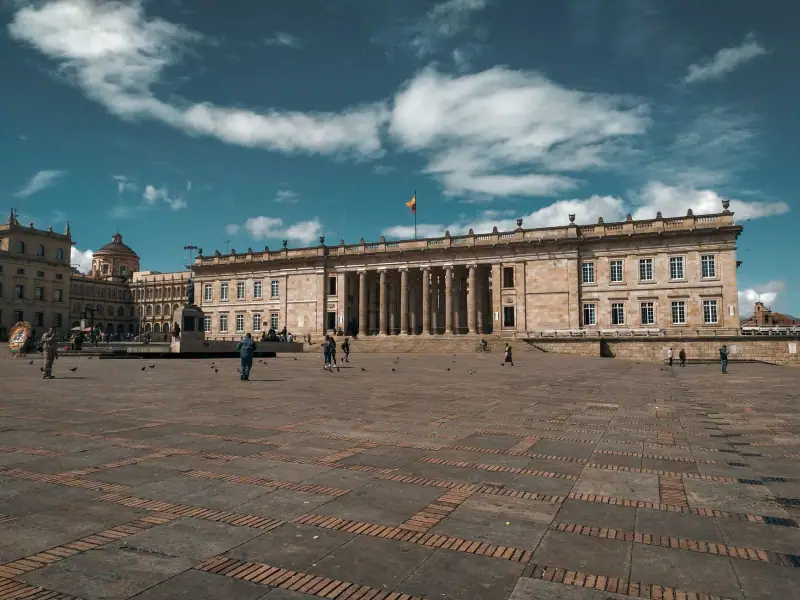
The La Candelaria neighborhood is the cradle of Bogotá. Its cobbled streets, facades in ocher, blue and burgundy, carved wooden balconies and baroque churches form one of the best-preserved historic centers in Colombia. This is where everything begins for the visitor.
At the heart of La Candelaria stands the Plaza de Bolívar, the city’s largest square. It is surrounded by four emblematic buildings: the Catedral Primada (the main cathedral, built between 1807 and 1823, neoclassical and imposing), the Capitolio Nacional (seat of the Colombian Congress, in Greco-Roman architecture), the Palacio de Justicia (rebuilt after the tragic events of 1985) and the Alcaldía Mayor (Bogotá’s city hall). At the center, the equestrian statue of Simón Bolívar, liberator of Colombia, watches over it all.
The Casa de Nariño, the official residence of the President of the Republic, is also very close. With good timing, you can watch the changing of the guard in front of its gates, generally mid-morning on weekdays.
Strolling the streets of La Candelaria, notice the murales (wall murals) covering many facades, a lively street art tradition that turns the neighborhood into an open-air museum. The lanes around Calle 11 and Carrera 4 concentrate galleries, small cafés and independent bookshops.
Practical tip: Visit La Candelaria by day. The neighborhood is lively and relatively safe in the morning and afternoon, but becomes riskier after sunset. Leave valuables at the hotel.
Hotels in Bogotá
From La Candelaria to Usaquén, compare the best places for every budget.
The Museo del Oro: a treasure unique in the world

The Museo del Oro (Gold Museum) is one of the most extraordinary museum collections in Latin America, and one of the best reasons to stop in Bogotá. Run by the Bank of the Republic of Colombia, it brings together more than 55,000 pre-Hispanic pieces in gold, tumbaga, ceramic, stone and shell, from nearly all the Amerindian cultures that settled Colombian territory.
The main room, which you enter after a staged ritual in total darkness, is striking: hundreds of gold pieces glitter in a faint golden light, as if you were inside a secret temple. Among the emblematic pieces, the Balsa Muisca, a miniature depiction of the ceremony of the chief covered in gold (the origin of the El Dorado myth), is a masterpiece of pre-Hispanic goldwork.
The museum offers guided tours in Spanish. Admission is very affordable (about 4,000-5,000 COP for foreigners) and free on Sundays (check the conditions and booking on the museum’s website). Allow 2 to 3 hours for a full visit.
Monserrate: the sanctuary above the city
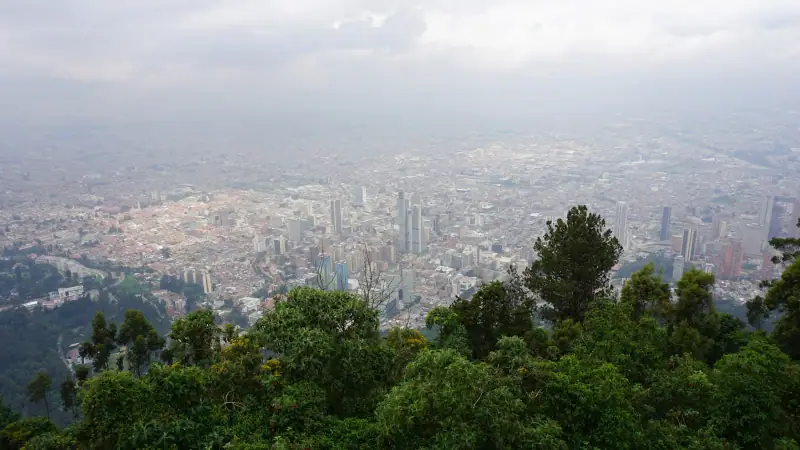
Visible from almost everywhere in Bogotá, the Monserrate hill and its white sanctuary peak at 3,152 meters (10,340 ft), 550 meters (1,800 ft) above the city. Going up is essential to understand Bogotá: from up there, the metropolis stretches endlessly across the savanna, a sea of lights and concrete framed by Andean peaks.
To reach the top, there are two options: the cable car (teleférico, the most comfortable, a few minutes of ride with a spectacular view) or the funicular (older, also panoramic). Both run daily and cost about 35,000 COP round trip on weekdays (lower fares on Sunday). There is also a hiking trail (about 1 h 30 up) used mainly by pilgrims on Sunday mornings; walking up is no longer recommended for tourists on their own for safety reasons.
At the top, the Santuario del Señor Caído is an active pilgrimage site, visited every weekend by thousands of Bogotanos. Two panoramic restaurants overlooking the city let you have lunch in an exceptional setting. The Andean vegetation (frailejones, wild orchids, mist) gives Monserrate an almost magical atmosphere, even in cloudy weather, and in Bogotá the weather is often cloudy.
Tip: Come in the morning to maximize your chances of clear skies. In the afternoon, clouds often cover the summit.
Guided tours in Bogotá
La Candelaria tours, Zipaquirá excursions, Laguna de Guatavita, group Gold Museum visits.
La Macarena and Bogotá’s street art
The La Macarena neighborhood, immediately north of La Candelaria, is Bogotá’s bohemian heart. Its quiet, tree-lined streets hide gourmet restaurants, artists’ studios, independent galleries and specialty cafés. This is where Bogotá’s creatives have settled, and it shows in every painted facade and shop window.
La Macarena is also an excellent starting point for exploring Bogotá’s street art scene, recognized as one of the richest in the world. Since 2011, graffiti has been legal in public spaces, which opened the streets to explosive artistic expression. Dozens of local and international muralists have turned the walls of La Candelaria, Chapinero and Ciudad Bolívar into giant galleries.
Street art tours (often free, tip-based) are organized from La Candelaria almost every day. They let you understand the symbolism of the works, meet local artists and cross streets less known to tourists.
The Ciclovía: Bogotá by bike on Sundays
Every Sunday and public holiday, from 7 am to 2 pm, Bogotá lives one of its most emblematic traditions: the Ciclovía. More than 120 kilometers (75 mi) of roads are closed to car traffic and taken over by hundreds of thousands of Bogotanos on bikes, on foot, on rollerblades or on scooters.
Launched in the 1970s, the Ciclovía is now the largest weekly active-mobility event in the world. It links the city’s big parks (Parque de la 93, Parque Simón Bolívar, Parque Nacional) via Usaquén, Chapinero and La Candelaria. Food stations, street shows and hydration points line the route.
You can rent a bike at several stations along the route for a modest cost. It is one of the best ways to grasp Bogotá’s energy: watching its residents reclaim urban space every week says a lot about local culture.
Usaquén: the village in the city
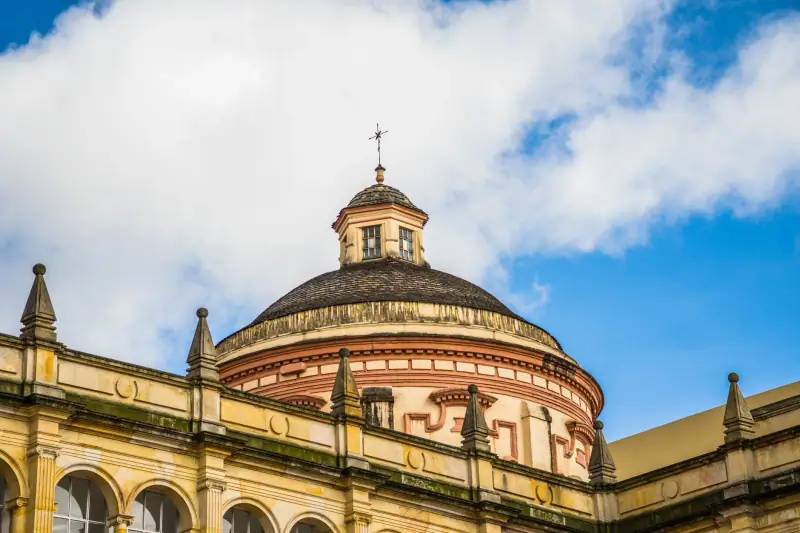
At Bogotá’s northern edge, Usaquén is a former colonial village annexed by the city as it expanded. Its white streets and old brick houses contrast with the modern buildings around it, an architectural quirk that gives it a unique charm.
Every Sunday, the Usaquén flea market (Mercado de las Pulgas) takes over the streets of the historic quarter. Dozens of stalls offer antiques, vintage clothing, crafts, handmade jewelry and plants. The atmosphere is relaxed and family-friendly, and the neighborhood fills with Bogotanos out for brunch and a stroll. It is one of the most pleasant Sundays you can spend in the city.
Outside the market, Usaquén holds some of Bogotá’s best restaurants, as well as cocktail bars and specialty cafés. The Plaza de Usaquén with its colonial church is a nice place to sit and watch local life.
Bogotá’s food
Bogotá is Colombia’s food capital. Culinary diversity here is proportional to the size of the metropolis: you will find regional cuisines from every corner of the country, internationally ranked restaurants and omnipresent, tasty street food.
Dishes and flavors not to miss:
- Ajiaco bogotano: the emblematic dish of Bogotá. A thick, comforting soup made with three varieties of Andean potatoes (pastusa, criolla, sabanera), shredded chicken, corn, guascas (an Andean aromatic herb) and sour cream. Every Bogotano family has its own recipe and a special attachment to this dish. Perfect on a cool day, and in Bogotá it is almost always cool.
- Changua: a milk and poached egg soup, served at breakfast with calados (soaked bread). Typically Andean, it surprises uninitiated palates but warms cloudy mornings perfectly.
- Fritanga: an assortment of fried food (chicharrón, morcilla, fried papa criolla, chorizo, fried green tomato) sold in markets and working-class neighborhoods.
- Empanadas de pipián: empanadas stuffed with potatoes and a spicy squash seed sauce (pipián), a specialty of southern Colombia widespread in the capital.
- Kumis and bebida de avena: cool drinks typical of Bogotá. Kumis (similar to kefir) and sweetened oat drink with cinnamon are sold everywhere in plastic bottles.
Where to eat? The Mercado de Paloquemao, in the center-west, is the city’s big wholesale market. Its fruit hall is a show in itself: dozens of tropical fruits you have never seen, fresh juices made to order and small food stalls at very affordable prices. Arrive early in the morning for the atmosphere at its peak.
The Zona G (around Carrera 7 and Calle 69-73) is Bogotá’s high-end food district, with a concentration of chef restaurants and innovative tables. La Macarena offers a balance between culinary creativity and reasonable prices.
Where to stay in Bogotá
For detailed lodging recommendations, see the complete guide where to stay in Bogotá.
Summary by neighborhood:
- La Candelaria: ideal for being at the heart of the historic heritage and close to most cultural sites. Many hostels for backpackers. Favor properties with 24-hour surveillance and store your things in lockers.
- La Macarena / Chapinero: the best balance of Bogotano authenticity, safety and access to restaurants and cafés. Several charming boutique hotels.
- Zona Rosa / Usaquén: northern neighborhoods, wealthier and more secure. Business hotels and upscale properties. Practical for business travelers or those who want to get away from the historic center.
- Zona T (Carrera 13 around Calle 83): a very lively area at night, bars and clubs. Well connected by transport.
Prices range from 30,000-60,000 COP for a dorm bed in a La Candelaria hostel to 250,000-600,000 COP for a room in a high-end Zona Rosa hotel.
Car rental in Bogotá
Explore the surroundings at your own pace: Zipaquirá, Laguna de Guatavita, Villa de Leyva.
Getting to Bogotá
By air
El Dorado International Airport (BOG) is the largest airport in South America by passenger numbers. It is about 15-20 km (9-12 mi) west of the city center.
From the airport to the center:
- TransMilenio express (line 102, SITP): the cheapest option (~3,550 COP), serving several points in the north and center
- Official taxi: from the authorized counters in the terminal, about 25,000-45,000 COP depending on the destination (avoid street taxis at the exit)
- Cabify / InDriver: book from the app before leaving the terminals
By long-distance bus
The Terminal de Transportes (Salitre) in the northwest of the city is the departure and arrival point for long-distance buses to all of Colombia: Medellín (8-10 h), Cali (10-13 h), Cartagena (18-20 h), Villa de Leyva (4 h), and so on.
Practical tips for visiting Bogotá
Altitude: At 2,600 m (8,530 ft), altitude is the first thing to manage. Ask your doctor or a travel clinic, and see the official travel health pages (CDC in the US, TravelHealthPro in the UK).
Weather: Bogotá has no marked seasons but has more or less rainy periods. Always carry a raincoat or windbreaker. Temperatures stay cool (13-16 °C / 55-61 °F) all year; days can be sunny and pleasant, but nights are cool. A mid layer is always useful.
City transport: The TransMilenio (bus rapid transit) serves most main axes. Buy a rechargeable card (Tullave card) at station counters. The Cabify and InDriver apps are the most reliable for taxis. Uber exists but operates in a legal gray zone in Colombia.
Money: ATMs (cajeros) are plentiful in shopping malls and tourist neighborhoods. US dollars and euros can be exchanged at casas de cambio. International bank cards are generally accepted in upscale hotels and restaurants.
Excursions from Bogotá:
- Zipaquirá (50 km / 31 mi north): the famous salt cathedral, built in a salt mine 180 m (590 ft) underground. A unique architectural wonder. For the trip, times and prices, read the guide to the Zipaquirá salt cathedral from Bogotá.
- Laguna de Guatavita (60 km / 37 mi northeast): the sacred lake of the Muiscas, origin of the El Dorado myth. A 2 km (1.2 mi) hike around the circular lake.
- Villa de Leyva (about 165 km / 103 mi north): one of Colombia’s most beautiful colonial villages, surrounded by desert and ocher cliffs.
See also the guide to Bogotá’s highlights to go deeper into the visits, and the complete Colombia guide to plan your stay in the country.
Suggested itinerary: 5 days in Bogotá
Day 1: historic La Candelaria Morning: Plaza de Bolívar, Catedral Primada, Capitolio Nacional. Lunch in a traditional restaurant in the neighborhood (ajiaco bogotano). Afternoon: Museo del Oro (2 h minimum). Late in the day, stroll the lanes of La Candelaria to discover the murals. Dinner in La Macarena.
Day 2: Monserrate and the heights Early morning: cable car or funicular up Monserrate (before the afternoon clouds). Panoramic view over the whole city. Descend and have lunch in La Macarena. Afternoon: Museo Nacional de Colombia (Colombian history and fine arts, one of the oldest museums on the continent). Quiet evening in Chapinero.
Day 3: Sunday Ciclovía and Usaquén (To schedule on a Sunday) Morning: Ciclovía, rent a bike and ride the streets closed to cars. Then head to Usaquén for the Sunday flea market. Lunch in the colonial neighborhood. Free afternoon in Usaquén’s cafés and galleries.
Day 4: Zipaquirá excursion Day: excursion to the Zipaquirá salt cathedral (bus from the Portal del Norte, about 1 h). The underground cathedral is a unique experience. Return to Bogotá in mid-afternoon. Dinner in the Zona G.
Day 5: street art and Zona Rosa Morning: guided street art tour in La Candelaria and around. Street-food lunch at the Paloquemao market (if you have time). Afternoon: craft shopping and last purchases in the Zona Rosa. Farewell dinner with a view of the city.
Bogotá is like no other Latin American capital. Not the tropicality of Lima, nor the imperial grandeur of Buenos Aires, nor the cold modernity of Santiago. It is an Andean city, misty, intellectual, creative and deeply Colombian. It takes a little adjustment (the altitude, the capricious weather, the urban chaos) but rewards travelers who give it time to be tamed. To round out your discovery of Colombia, continue with the complete Medellín guide and the list of Bogotá’s highlights.
Sources
Frequently asked questions
How many days do you need to visit Bogotá?
Plan 3 to 4 days minimum to see the essentials: La Candelaria, the Museo del Oro, Monserrate and Usaquén. With 5 to 6 days you can explore the museums in depth, enjoy the Sunday Ciclovía and take a day trip nearby (Laguna de Guatavita, Zipaquirá).
Is Bogotá safe for tourists?
Bogotá is a big metropolis with major contrasts. The tourist neighborhoods (La Candelaria by day, Usaquén, La Macarena, Chapinero, Zona Rosa) are relatively safe. Stay vigilant at night in La Candelaria and the historic center. Always use ride-hailing apps (Cabify, InDriver) rather than street taxis, and avoid displaying valuables.
Can you get altitude sickness in Bogotá?
It is possible. Bogotá is at 2,600 meters (8,530 ft) of altitude, which can cause headaches, mild fatigue or shortness of breath during the first 24 to 48 hours. Ask your doctor or a travel clinic, and see the official travel health pages (CDC in the US, TravelHealthPro in the UK).
What is the best way to get around Bogotá?
The TransMilenio (rapid bus) is the cheapest way to cross the city (about 3,550 COP a ride in 2026). The Cabify and InDriver apps are recommended for taxis. The Sunday Ciclovía (about 120 km / 75 mi of roads closed to cars) is ideal for seeing the city by bike. Don't expect a metro: Bogotá does not have one yet, line 1 is under construction (opening announced for 2028).
How do you get from El Dorado airport to central Bogotá?
El Dorado airport is about 15-20 km (9-12 mi) west of the city center. The airport shuttle (TransMilenio express line) costs about 3,550 COP and serves several points of the city. An official taxi from the authorized area costs about 25,000 to 45,000 COP depending on the destination (metered fare plus airport surcharge, to be checked). Cabify also takes bookings from the airport.
What is the best time to visit Bogotá?
Bogotá has a fairly stable climate (13-16 °C / 55-61 °F all year) but two dry seasons: December-February and June-August. These are the most pleasant periods with less rain. Avoid April-May and October-November (intense rainy season). If you want to attend the Festival Iberoamericano de Teatro (March-April in even-numbered years), bring a raincoat.
More Colombia guides
Keep reading
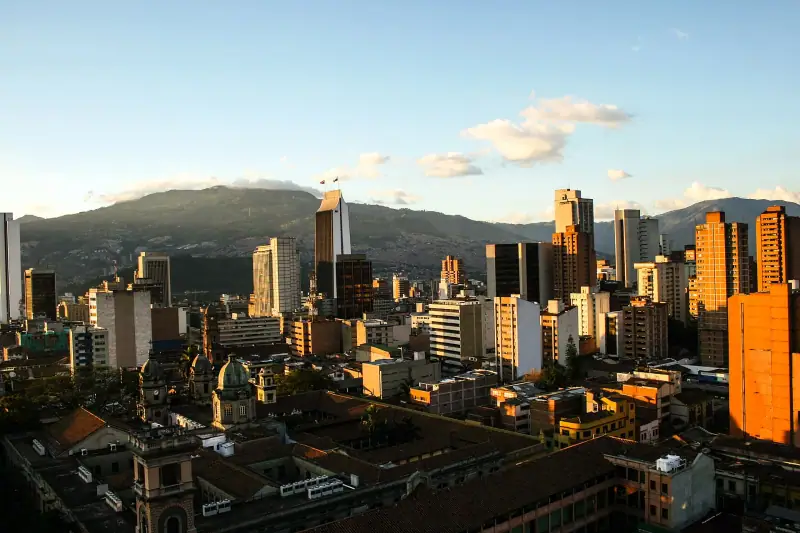
Visiting Medellín: a complete guide to the city of eternal spring
Everything you need to visit Medellín: El Poblado, Plaza Botero, Comuna 13, Guatapé, lodging, budget and practical tips for 2026.
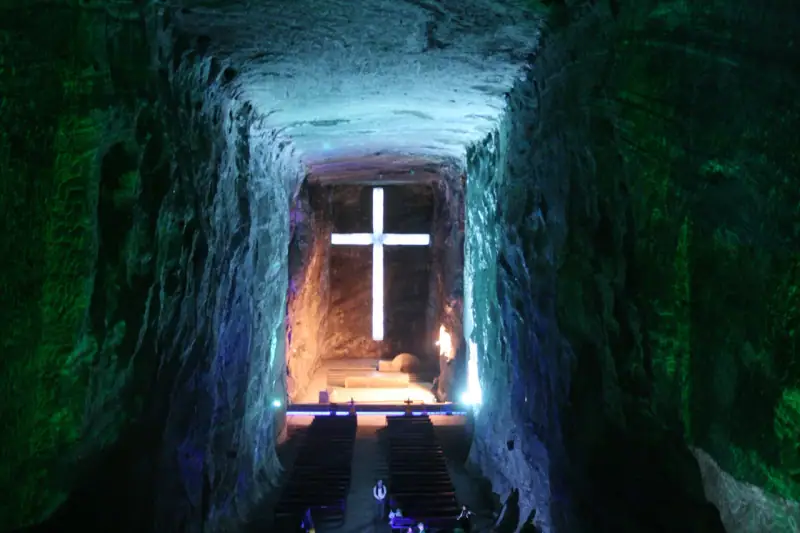
Zipaquirá Salt Cathedral from Bogotá: bus, train, times and prices
Visit the Zipaquirá Salt Cathedral from Bogotá: bus or train, hours 9 am-4:40 pm, ticket prices, visit length and mistakes to avoid.
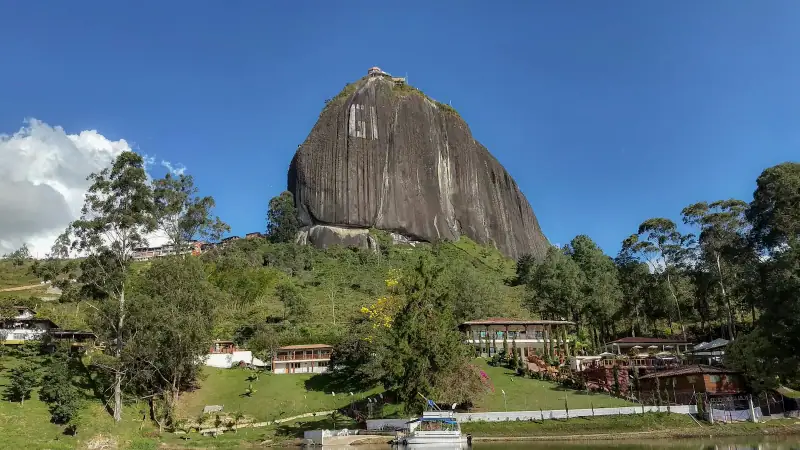
Visit Guatapé and the Piedra del Peñol without a car: bus from Medellín, times and prices
Guatapé without a car from Medellín: Terminal del Norte buses, times, prices, the 700 steps of the Piedra del Peñol and tips to avoid the crowds.
Ready-made
Colombia itineraries
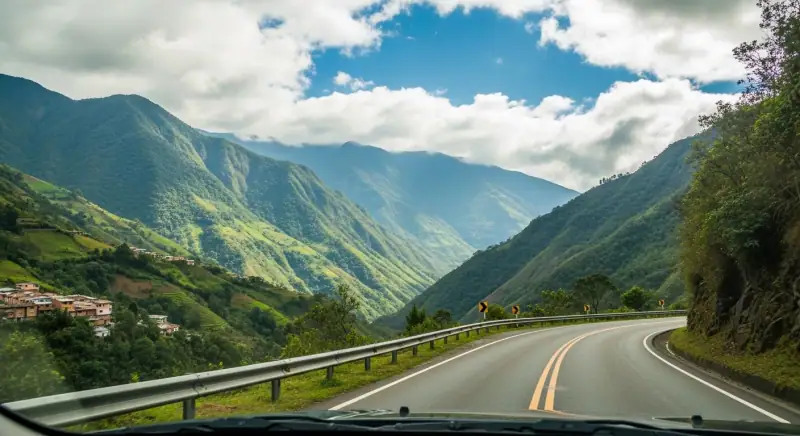
20 days
Colombia road trip: a 3-week itinerary by car
A 3-week Colombia road trip from Bogotá to Cartagena via the Andes, the coffee region and the Caribbean coast. Routes, stops and practical tips.
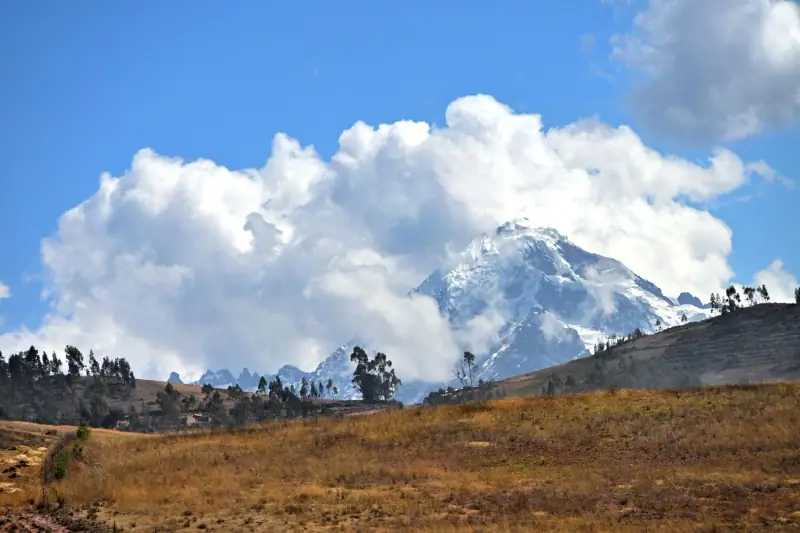
11 days
Colombian Andes road trip: mountain ranges, colonial towns and coffee country
The Colombian Andes in 10 to 12 days: Villa de Leyva, Barichara, Medellín and Salento. Stage-by-stage route, practical tips and where to stay.
10 days
Colombia in 10 days without a car: a realistic itinerary by plane and bus
Colombia in 10 days without renting a car: Bogotá, Medellín, Salento, Cartagena. Stops, distances, travel times, flights and buses, transport budget.