Things to do
Things to do in Medellín: 15 activities and must-see visits
We may earn a commission when you book through links on this page, at no extra cost to you. We don't visit or try the places we cover: we summarize published sources. How we work
In short
- Plan at least 3 days for Comuna 13, the Metrocable, the Museo de Antioquia and El Poblado; 5-6 days adds a Guatapé excursion.
- The metro costs about 3,000 COP a ride with the Cívica Card, which also covers the Metrocable, Metroplús and electric escalators.
- Guatapé is about 2 h by bus from the Terminal del Norte for 20,000-25,000 COP one way; the Peñón has about 700 steps.
- The driest months are December-March and July-August; April-May and October-November are the rainiest.
Medellín has carried out one of the most remarkable urban transformations of the 21st century. The city once notorious for its violence is now a dynamic, creative and welcoming metropolis, voted the most innovative city in the world in 2013. Nestled in the Aburrá valley at 1,500 meters (4,920 ft) of altitude, Medellín enjoys a spring-like climate all year, hence its nickname “Ciudad de la Eterna Primavera” (City of Eternal Spring). Here are the 15 best activities to discover this fascinating city.
1. Comuna 13: the street art that changed a city
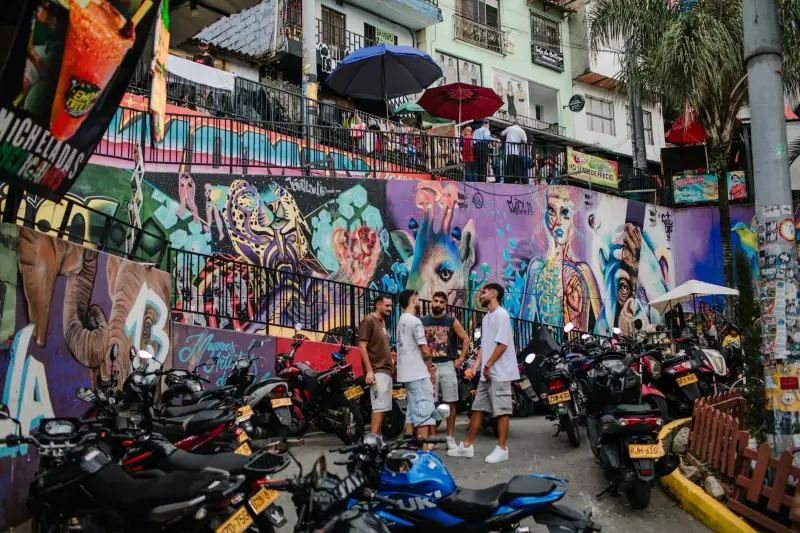
Comuna 13 is the emblem of Medellín’s rebirth. This working-class neighborhood perched on the mountainside has lived one of Latin America’s most inspiring stories of social transformation. In the 1990s-2000s it was one of the most dangerous neighborhoods in the world; today its lanes are covered in giant murals and its electric stairs make it a symbol of social urbanism.
What to see:
- The electric escalators (384 meters / 1,260 ft in total length across 6 sections), the first of their kind in Latin America (2011)
- The graffiti of Combos and local artists telling the neighborhood’s story
- The memorial house dedicated to the victims of Operation Orión (2002)
- The hip-hop and breakdance shows that liven the lanes every weekend
Practical tips: Visit by day (10 am-5 pm ideally). Take the Metro to San Javier station and then walk or take a bus up. A guided tour with a resident greatly enriches the visit (€10-15, about $12-17).
2. The Metrocable: rising above the city
The Medellín Metrocable is much more than a simple means of transport: it is an attraction in itself and a living illustration of the city’s social urbanism. This urban cable car network links the working-class hillside neighborhoods to the Metro system.
The main lines:
- Line K (Santo Domingo): the most iconic, it flies over thousands of colorful houses before reaching the Biblioteca España (stunning view over the whole valley)
- Line L (Arví): leaves from Santo Domingo and climbs to Parque Arví at 2,400 m (7,875 ft) of altitude (see below)
- Line J (13 de Noviembre): serves the commune 8 neighborhood
Fare: Included in the metro ride with the Cívica Card (about 3,000 COP). Line L to Arví is charged separately (about 12,500 COP at the general fare; check the fare at the ticket office).
Tours and activities in Medellín
Guided Comuna 13 tours, Guatapé excursions, city tours and much more.
3. Parque Arví: nature at the city’s doorstep
Reachable only by Metrocable, Parque Arví covers 16,000 hectares (39,500 acres), of which 1,760 hectares (4,350 acres) are natural forest, at 2,400 meters (7,875 ft) of altitude, ideal for a green escape from the city. Its hiking trails, weekend farmers’ markets and picnic areas make it a relaxation spot popular with Medellínenses.
What to do at Parque Arví:
- Hikes on more than 54 km (34 mi) of marked trails through Andean forest
- Farmers’ market on weekends: exotic fruit, cheeses, local crafts
- Birdwatching (more than 100 species recorded)
- Zip lines and adventure activities offered by local operators
Plan a whole day, leaving early to enjoy the market. Bring a windbreaker because the temperature is cool at this altitude.
4. The Museo de Antioquia and Botero’s sculptures
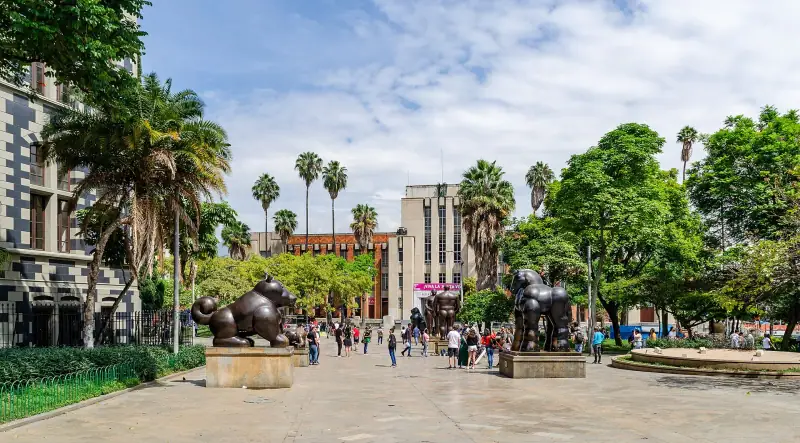
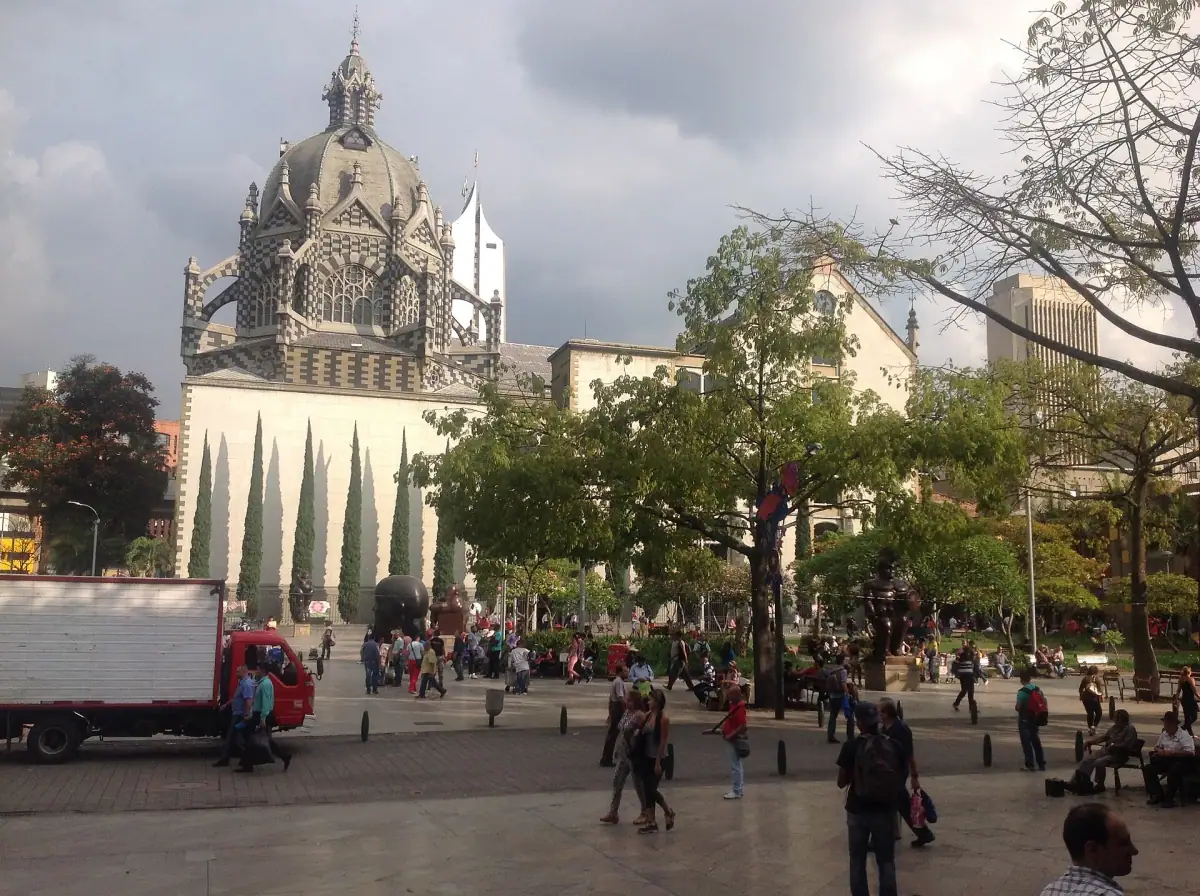
In the Centro Histórico, the Plaza Botero is an open-air museum unique in the world: 23 monumental bronze sculptures by Fernando Botero, a Medellín native and the most famous figure of Colombian art, sit on this emblematic square. It is the most photographed place in the city.
Right next door, the Museo de Antioquia houses the largest collection of Botero’s works as well as a rich collection of pre-Columbian, colonial and contemporary Colombian art. An essential visit to understand the region’s culture.
Practical information:
- Plaza Botero: free access, 24 hours a day
- Museo de Antioquia: Mon-Sat 9:40 am-5:30 pm, Sun 10 am-5 pm; entry 40,000 COP for foreigners (about €10 / $12)
- Nearest metro station: Parque Berrío (Line A)
5. El Poblado: the art of living in Medellín
El Poblado is Medellín’s most cosmopolitan neighborhood, with its gourmet restaurants, trendy cafés, design shops and lively bars. The Parque Lleras area and its surroundings concentrate a good part of the city’s nightlife.
What to do in El Poblado:
- Stroll the flowered lanes around the Parque El Poblado
- Have brunch in one of the many cafés serving Colombian specialty coffee
- Explore Calle 10 and its local designer shops
- Dine in one of the excellent restaurants of the Zona Rosa
For your nights in El Poblado, the guide to the best lodging in Medellín compares the options by neighborhood and budget.
Hotels in Medellín
Boutique hotels, hostels and apartments in El Poblado, Laureles and El Centro.
6. The Botanical Garden: an oasis of greenery
The Jardín Botánico Joaquín Antonio Uribe is one of the most beautiful botanical gardens in South America. Its 14 hectares (35 acres) in the middle of the city hold more than 1,000 species of tropical and Andean plants (with about 4,500 individuals). The Orquideorama, a huge wooden structure shaped like giant flowers, houses an exceptional collection of orchids (Colombia’s national flower).
Practical information:
- Open daily from 8 am to 5:30 pm
- Entry: free, except for special events and some attractions (the Casa de las Mariposas, for example)
- Metro station: Universidad (Line B)
- Tip: visit on a Saturday morning when residents come to stroll
7. Parque Explora and the Planetarium
Next to the Botanical Garden, Parque Explora is South America’s largest interactive science museum. With its 300 interactive experiments on 4 floors, the Aquarium of the Andes (South America’s largest freshwater aquarium) and the adjoining municipal planetarium, it is an excellent stop, especially for travelers with children.
The aquarium houses an impressive collection of Amazonian and Andean freshwater fish, including piranhas, golden arowanas and rays from Colombian rivers.
Practical information:
- Tue-Fri 8:30 am-5:30 pm, Sat-Sun 10 am-6 pm
- Entry fees (Parque Explora, aquarium, combos): check parqueexplora.org, they change regularly
8. Cerro El Volador: the best panorama of the city
Little known to tourists but loved by residents, the Cerro El Volador is the only large protected natural area in the middle of Medellín. At 1,628 meters (5,340 ft) of altitude, this isolated hill offers 360° views over the whole Aburrá valley, the best panorama of the city, and free.
The Cerro also holds archaeological remains of the indigenous communities that lived in the valley before the Spanish colonization, including pre-Hispanic tombs. A marked 3 km (1.9 mi) trail circles the summit in about 1 h 30.
Access: Bus from the Suramericana metro station or a 20-minute walk from Laureles. Free entry from 6 am to 6 pm.
9. The Laureles neighborhood: everyday Medellín life
Laureles is Medellín’s upscale residential neighborhood, less touristy than El Poblado but often preferred by expats who settle in the city. Its wide tree-lined avenues, authentic neighborhood restaurants and relaxed atmosphere give a more faithful picture of the daily life of well-off Medellínenses.
Carrera 70 (“La 70”) is the neighborhood’s main artery: local bars, seafood restaurants, design shops and cafés follow one another for hundreds of meters. On Friday and Saturday evenings, the atmosphere is festive without being touristy.
10. The Sunday Ciclovía
Every Sunday from 7 am to 1 pm, the city closes 85 km (53 mi) of its main arteries to cars to open them to cyclists, runners and walkers as part of the Ciclovía. It is one of the best moments to discover the city at your own pace, alongside residents.
Bikes are available to rent near the main metro stations (about 5,000 COP/hour). The most popular circuit passes through El Poblado, Laureles and follows the Medellín River to the center.
Car rental in Medellín
To explore the surroundings of Medellín: Guatapé, Santa Fe de Antioquia, Jardín.
11. Excursion to Guatapé and El Peñol
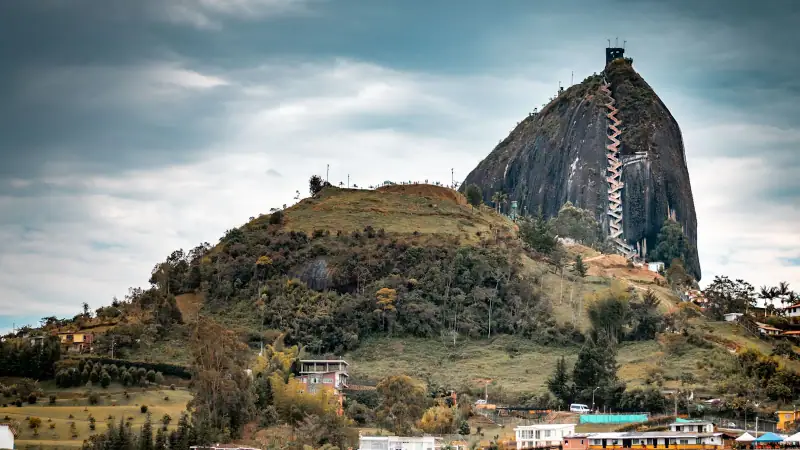
Guatapé is one of the most popular day trips from Medellín, and rightly so. This colorful village on an artificial lake is dominated by the Peñón de Guatapé (or El Peñol), a 220 m (722 ft) granite monolith rising to 2,135 meters (7,005 ft) of altitude. The roughly 700 steps to the top offer an extraordinary view over the hundreds of islets and peninsulas dotting Lake Guatapé.
The village of Guatapé is also known for its house facades adorned with zócalos (friezes of colorful ceramic showing scenes of daily life), a unique tradition that makes each house distinctive.
Logistics:
- Bus from the Terminal del Norte (2 h, 20,000-25,000 COP one way)
- Organized tours from Medellín often include a boat ride on the lake (€35-50, about $41-58)
- Opt for a tour that includes both sites (El Peñol + Guatapé village) in one day
12. Santa Fe de Antioquia: colonial charm
About 58 km (36 mi) northwest of Medellín, Santa Fe de Antioquia is the oldest town in the Antioquia region (founded in 1541) and one of the best preserved in Colombia. Its cobbled streets, white colonial houses with flowered balconies and baroque church listed as a national monument make this town a trip back in time.
Do not miss:
- The Puente de Occidente (1887-1895), one of the oldest suspension bridges in South America
- The Plaza Mayor and the Santa Bárbara cathedral (18th century)
- Semana Santa (Easter) if you visit in March/April: spectacular processions
Allow about 1 h to 1 h 30 by road from Medellín thanks to the Western tunnel (outside rush hour) or take a bus from the Terminal del Norte (check duration and fare with the companies).
13. Visit the flower markets (if you are there in August)
Medellín is nicknamed the “City of Flowers” and the living proof is the Feria de las Flores, a 10-day annual festival in August. Silleteros (flower carriers) from the mountain villages come down to the city with their huge bouquets carried on their backs (silletas) in a spectacular parade. It is one of the most important cultural events in Colombia.
If you visit out of season, the flower markets of Palmitas and Santa Elena (villages near Medellín) still let you glimpse the region’s floral tradition throughout the year.
14. El Centro de Medellín: architecture and history
Medellín’s Centro Histórico deserves half a day of exploration by day. The Plaza de Cisneros and its light installation “Luces de la Ciudad” (33 night-lit columns), the Palacio Nacional (a 1930s Art Deco building), the Edificio Carré and the Teatro Lido form a remarkable Art Deco architectural ensemble.
The Parque de los Pies Descalzos (Barefoot Park), with its fine sand, fountains and giant bamboos in the middle of downtown, is an architectural curiosity by the architecture firm of Giancarlo Mazzanti.
Safety tip: The Centro is lively and generally safe by day until about 6 pm. Avoid it at night and keep your belongings in view in the busiest areas.
15. Cultural life: concerts, exhibitions and food
Medellín has an effervescent cultural scene often ignored by classic guides. The Teatro Metropolitano and the Teatro Pablo Tobón Uribe program concerts, ballets and plays at very accessible prices (5,000-40,000 COP). Check the programs there.
For contemporary art, the Museo de Arte Moderno de Medellín (MAMM) presents temporary exhibitions by Colombian and Latin American artists, often included in very affordable tickets.
And of course, Medellín’s food scene is booming. From creative Colombian cuisine restaurants to food halls like the Mercado del Río, to the street food of local markets, the city offers a diverse and tasty culinary experience. Discover Colombian specialties in the guide to Colombian food.
Practical tips for visiting Medellín
Transport in Medellín
The Medellín Metro (lines A and B) is modern, clean, punctual and very affordable (3,000 COP a ride with the Cívica Card). It serves the main tourist points of interest and connects to the Metrocable. It is the most efficient way to get around the city.
For trips not covered by the metro, the Uber, InDriver and Cabify apps are widely used in Medellín, even though their legal status in Colombia remains unclear (check the situation before your trip); prefer these apps to street taxis for safety.
Daily budget in Medellín
Medellín is one of the most affordable cities in South America:
- Low budget: €40-60 (about $46-70) a day (hostel + local restaurants + public transport)
- Mid-range: €80-120 (about $93-140) a day (comfort hotel + mid-range restaurants + a few activities)
- Comfort: €150-250 (about $175-290) a day (boutique hotel + fine dining + private tours)
See the guide to the budget for traveling in Colombia to plan your spending.
When to visit Medellín
Thanks to its altitude, Medellín enjoys a mild, pleasant climate all year (20-25 °C / 68-77 °F). The driest season runs from December to March and from July to August, ideal for exploring the city and the surroundings. If possible, avoid April-May and October-November, the rainiest months.
To learn all about the seasons in Colombia, see the guide to the best time to visit Colombia.
Safety in Medellín
Medellín has considerably improved its safety in 20 years. To travel with peace of mind:
- Stay in the tourist neighborhoods (El Poblado, Laureles, El Centro by day)
- Always use ride-hailing apps rather than street taxis
- Avoid displaying valuables (camera, jewelry) in less busy areas
- Ask your hotel about the areas to avoid given local news
Medellín is today a safe destination for tourists who follow these basic precautions, safer than many big cities in Europe or North America for an informed visitor.
Medellín is a destination that surprises, moves and inspires. From the giant murals of Comuna 13 to the cable cars flying over thousands of colorful roofs, from contemporary art museums to flower markets, the “City of Eternal Spring” reveals a creative and resilient soul like few cities in the world. Plan at least 4-5 days to go beyond the clichés and discover the real Medellín. To organize your stay in Colombia, see the 7-day Colombia itinerary, which includes a stop in the city.
Frequently asked questions
How many days do you need to visit Medellín?
Plan at least 3 days to see the essentials of Medellín: Comuna 13, the Metrocable, the Museo de Antioquia and El Poblado. With 5-6 days you can add a Guatapé excursion and discover the different neighborhoods at your own pace.
Is Comuna 13 safe for tourists?
Yes, Comuna 13 is today one of the most visited and safest neighborhoods of Medellín for tourists. The social transformation there has been spectacular since the 2000s. Visit by day, ideally with a local guide to understand the neighborhood's history.
How do you get from Medellín to Guatapé?
Direct buses leave Medellín's Terminal del Norte for Guatapé regularly during the day (check times with the companies at the bus station). The trip takes about 2 hours and costs 20,000-25,000 COP (€5-7, about $6-8). By car or with an organized tour, you can also include a visit to El Peñol on the way.
What is the best neighborhood to stay in Medellín?
El Poblado is the most popular neighborhood for tourists: secure, well connected, rich in restaurants and bars. Laureles is a more local, less touristy alternative. El Centro puts you in the historic city but calls for more caution.
Is there a tourist pass in Medellín?
There is no official tourist pass in Medellín, but the Cívica Card (a rechargeable card) lets you use all the integrated public transport: Metro, Metrocable, Metroplús and electric stairs. The card costs about 10,000 COP at metro sales points; a personalized version is free but must be registered with your ID.
More Colombia guides
Keep reading
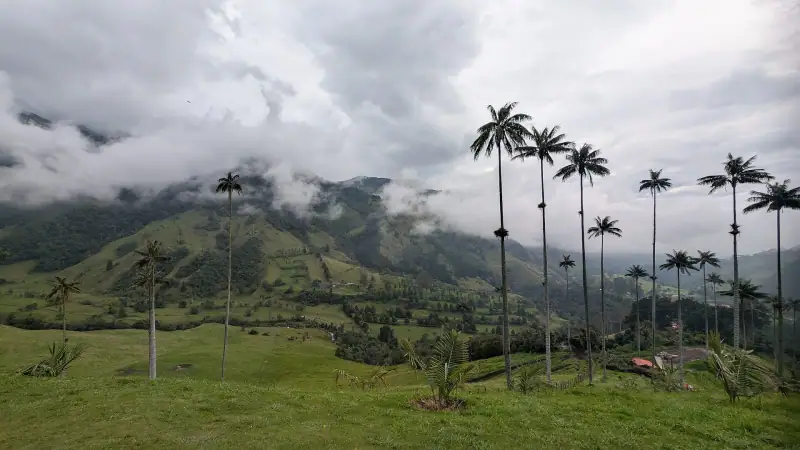
Valle de Cocora without a guide: jeep, prices, loop and difficulty
Hiking the Valle de Cocora without a tour: Willys jeep from Salento, prices, which loop to pick, difficulty and mistakes to avoid. A practical guide.
Things to do in Cali: 14 activities and must-see visits
Salsa, Cristo Rey, the zoo, San Antonio, Río Pance and more: the best things to do in Cali, the salsa capital of the world.
Visiting Bogotá: a complete guide to Colombia's capital
Everything you need to visit Bogotá: La Candelaria, Museo del Oro, Monserrate, Usaquén, budget, transport and practical tips for 2026.
Ready-made
Colombia itineraries

20 days
Colombia road trip: a 3-week itinerary by car
A 3-week Colombia road trip from Bogotá to Cartagena via the Andes, the coffee region and the Caribbean coast. Routes, stops and practical tips.
11 days
Colombian Andes road trip: mountain ranges, colonial towns and coffee country
The Colombian Andes in 10 to 12 days: Villa de Leyva, Barichara, Medellín and Salento. Stage-by-stage route, practical tips and where to stay.
10 days
Colombia in 10 days without a car: a realistic itinerary by plane and bus
Colombia in 10 days without renting a car: Bogotá, Medellín, Salento, Cartagena. Stops, distances, travel times, flights and buses, transport budget.