What to see
What to See in the Pantanal: Jaguars, Transpantaneira, Miranda and Bonito
We may earn a commission when you book through links on this page, at no extra cost to you. We don't visit or try the places we cover: we summarize published sources. How we work
In short
- Two main doors: the north (Cuiabá, Poconé, the Transpantaneira road to Porto Jofre, known for jaguars) and the south (Campo Grande, Corumbá, Miranda); Bonito pairs well with the south.
- The dry season, roughly May to October, is the most popular: wildlife gathers around water points and tracks are easier to use. The rainy season floods much of the region.
- No serious operator can guarantee a jaguar sighting; plan three to four nights there for a single door, and a week to ten days to combine north, south or Bonito.
- A local guide is strongly advised for boat trips, safaris and wildlife watching; never swim in a river without a guide's agreement.
The Pantanal is one of the largest wetlands on the planet, an immense floodable plateau where water, land and sky mix with the rhythm of the seasons. There is no dense forest hiding the animals as in the Amazon: the landscape is open, made of grasslands, lagoons, small woods and rivers, which makes wildlife much easier to watch. Caimans lined up at the water’s edge, capybaras in family groups, wading birds by the hundreds, and, with luck and patience, the jaguar. This article helps you understand the region, choose your entry point and prepare a realistic stay. It complements the guide on the Brazilian Amazon, another great natural territory of the country.
Understanding the Pantanal before choosing
The Pantanal spreads mainly over two Brazilian states, Mato Grosso do Sul in the south and Mato Grosso in the north, and spills into Bolivia and Paraguay. Depending on definitions, its area is between 140,000 and 195,000 km² (54,000 to 75,000 sq mi): a region larger than many European countries. Its name comes from the Portuguese pântano, marsh.
How it works is simple to grasp. During the rainy season, rivers coming down from neighboring plateaus overflow and flood a large part of the plain, sometimes for several months. When the water recedes, it leaves lagoons, pools and muddy areas where fish, birds and mammals concentrate. This cycle explains the richness of the wildlife: UNESCO counts about 650 bird species in the listed site, not to mention hundreds of fish species.
Part of the region is protected: the Pantanal Conservation Area, a UNESCO World Heritage site since 2000, groups four protected zones, including Pantanal Matogrossense National Park. It represents only a small fraction of the whole Brazilian Pantanal, a reminder that most of the territory consists of large private properties, the fazendas, many of which now host visitors.
To place this region in a wider trip, the complete guide to Brazil gives an overview of distances and main stops.
Choosing your entry point: north or south
This is the most important decision, because the two main entry points are far from each other and do not offer the same experience.
The northern Pantanal (Mato Grosso). You arrive via Cuiabá, the state capital, then by road to Poconé, where the famous Transpantaneira starts. It is the destination of jaguar and bird-watching enthusiasts. Lodging is grouped along the track and at its end, at Porto Jofre.
The southern Pantanal (Mato Grosso do Sul). The entry points are Campo Grande, the state capital, and Corumbá, a town on the Paraguay River near the Bolivian border. The Miranda area and its fazendas, as well as the 4x4 tracks of the old Estrada Parque road, offer varied landscapes and more diverse activities: horseback rides, safaris, boat trips.
One point to remember: these are destinations you choose between. Going from one end of the Pantanal to the other means a long trip, and it is more reasonable to choose a single zone for a stay of less than ten days. If your priority is the jaguar, head north. If you want varied activities and to combine with the Bonito rivers, the south is more practical.
The Transpantaneira, a track into the heart of the wetlands
Hotels in Cuiabá
Cuiabá is the usual starting base for the northern Pantanal: compare accommodation for your nights before and after the track.
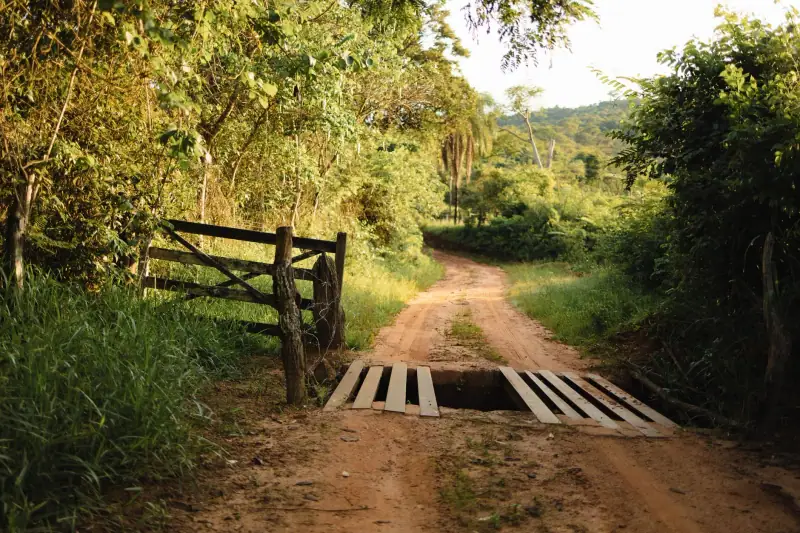
The Transpantaneira (road MT-060) is a track that goes deep into the wetlands from Poconé and ends at the small port of Porto Jofre, on the Cuiabá River. It is about 145 kilometers (90 mi) long and crosses, depending on the count, more than a hundred wooden bridges, sometimes narrow and in poor condition. It is about 100 kilometers (62 mi) between Cuiabá and Poconé.
What makes it interesting is that you watch wildlife from the road itself: caimans on the verges, capybaras, herons, ibises, kingfishers, and the great jabiru, a white stork with a black head that has become the emblem of the region. The large pools along the track attract hundreds of birds, especially late in the dry season when the water level drops.
The track is driven slowly, with many stops: plan a full day to cross it and sleep there. The dry season, from May to October or so, is when the road is most passable. In the rainy season, some sections can be flooded or muddy: ask your lodging before setting out, and do not go without a suitable vehicle and an experienced driver. Renting an ordinary car for the track is not advised without precise information on its condition; it is better to use a transfer arranged by a lodging or an agency.
Porto Jofre and jaguar watching
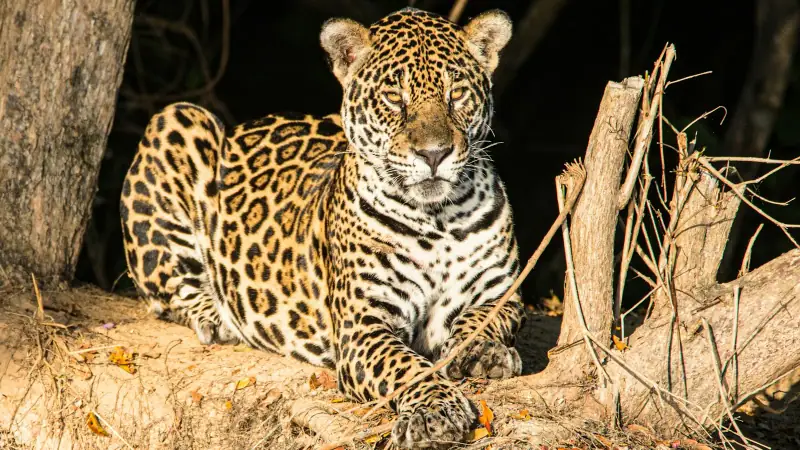
Porto Jofre, at the end of the track, is the departure point for boat outings on the Cuiabá and São Lourenço rivers. It is here that jaguar sightings are most frequent in Brazil. The largest cat in the Americas, which can reach about a hundred kilos (220 lb), frequents the banks, where it hunts caimans, capybaras and fish.
A few tips to approach this experience with realism:
- Choose the dry season. Between June and October or so, river levels drop, wildlife concentrates and the chances of sightings increase.
- Plan several outings. A single morning is not always enough. Stays of three or four nights there give some margin.
- Do not believe guarantees. Some operators announce very high success rates. These are marketing figures, not guarantees: a wild animal cannot be ordered.
- Respect distances. Good guides keep their distance, cut the engine and do not attract animals with food. Avoid operators who push boats too close or make noise.
- Book long in advance. Lodging at the end of the track is limited and fills quickly in high season.
Pantanal excursions
Safaris, boat trips and wildlife watching: compare the excursions offered in the region.
Pantanal Matogrossense National Park
Pantanal Matogrossense National Park, managed by the Brazilian institute ICMBio, is the centerpiece of the UNESCO-listed area. It lies on the border between the two states, in an area hard to reach, mainly accessed by rivers, from Porto Jofre or from Corumbá. Visiting rules there are strict: according to the official sources consulted, public access has long been limited, and conditions change. If you want to go, ask ICMBio directly or an authorized operator before building your itinerary around this park.
For most travelers, the Pantanal experience is therefore lived rather in the fazendas and private reserves surrounding the protected zones, as well as on the Transpantaneira or on the rivers.
Corumbá and the southern Pantanal
Corumbá is a town of more than a hundred thousand inhabitants, set on the bank of the Paraguay River, near the border with Bolivia. Its unofficial nickname, “capital of the Pantanal”, recalls its role as a stopover town for travelers. It has a small historic center on the river, markets and a border-town atmosphere, with daily comings and goings between Brazil and Bolivia. Crossing the border means respecting the formalities of each country: check the page on entry requirements for Brazil and your government’s travel advice before crossing.
It is mainly a starting point for boat outings on the Paraguay River and for fazenda stays in the lower Pantanal. Excursions range from a simple river trip of a few hours to stays of several days with a night in floating lodging or a lodge.
The Miranda area, farther east, is another popular base. The fazendas there offer a mix of activities: horseback rides, 4x4 or boat outings, birdwatching, nights in a pousada with meals of grilled meat, rice and river fish. The pace is quiet, suited to families.
For trips to these towns, the plane is by far the simplest: there are links to Campo Grande and Cuiabá from big Brazilian cities such as São Paulo. Check schedules and connections when booking. To fit these stops into a longer trip, the two-week itinerary helps you place the distances.
Fazendas: sleeping in the heart of nature
A large part of Pantanal stays takes place in a fazenda, a former cattle ranch converted into lodging. You sleep in a simple room, sometimes air-conditioned, eat together, and take part in the activities organized by the house. Packages often include meals and several guided outings.
A few criteria to compare seriously:
- What is included. Meals, transfers from the departure town, horseback, boat, 4x4 or walking outings: check the precise list.
- Supervision. A good property employs local guides who know the wildlife, speak at least English and explain the safety instructions.
- Language. English-speaking guides are common, and a few words of Portuguese help.
- Remoteness. The more isolated the fazenda, the longer the transfers, but the closer the wildlife. Ask for the travel time from the airport.
- Price. All-inclusive stays cost clearly more than a hotel in town, because everything is brought in from far away. To estimate your whole trip, see the budget for Brazil.
Rooms are rarely luxurious, and facilities can be rustic: bring patience and accept the constraints of the place, such as humidity, insects and animal noises at night.
Watching wildlife: what you can hope to see
The Pantanal is above all a watching destination, and its most frequent residents let themselves be seen fairly easily.
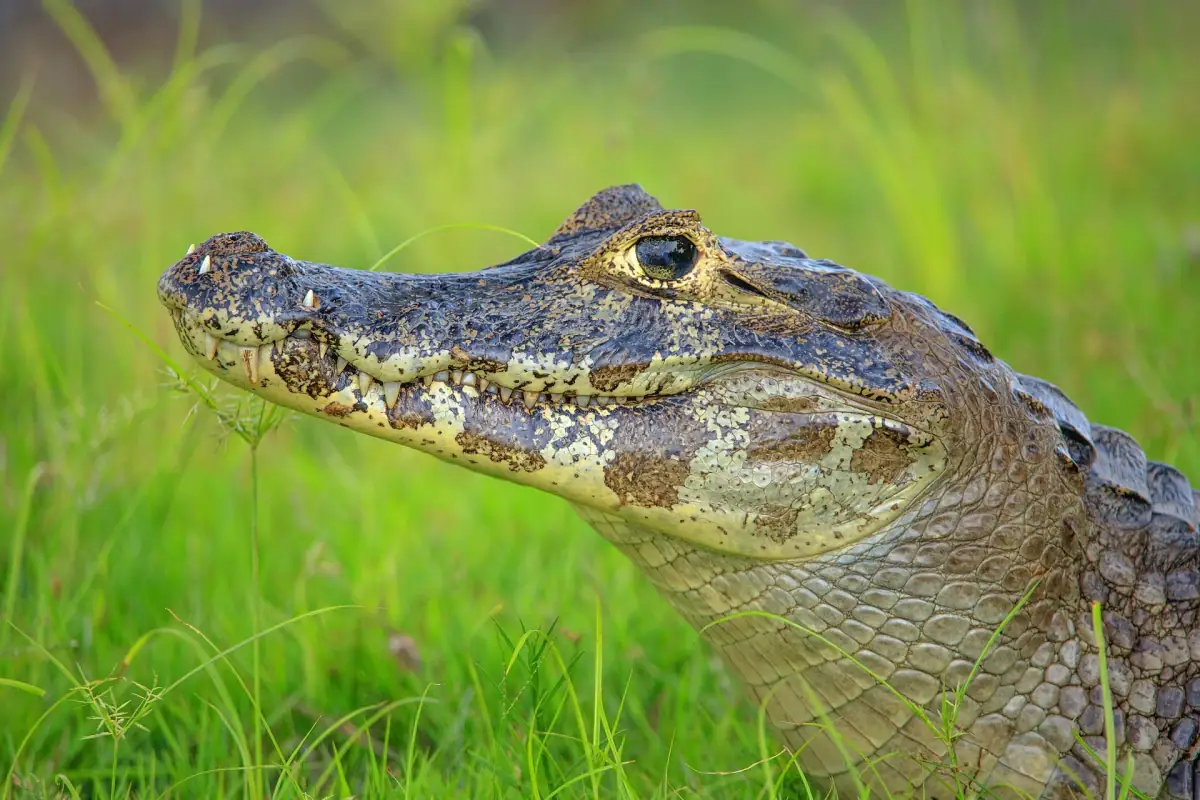
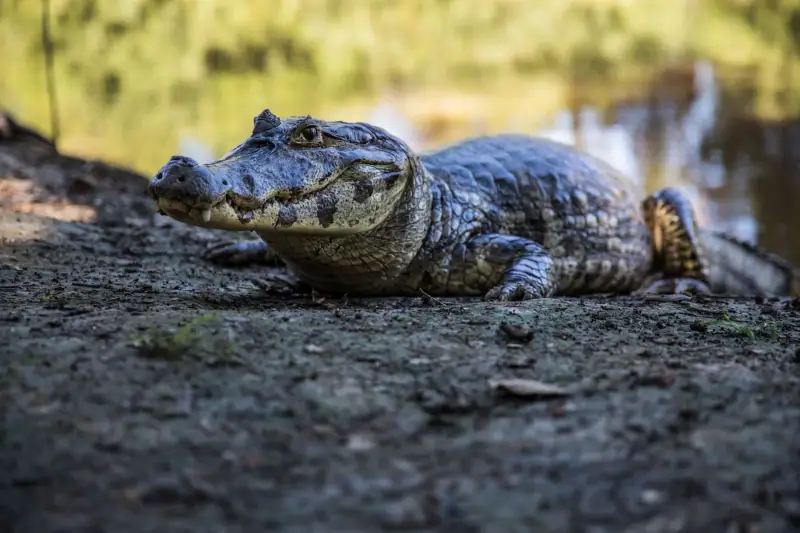
Caimans. The Pantanal jacaré (yacare caiman) is one of the most abundant animals, often visible in large groups on the banks.
Capybaras. The largest rodents in the world, they live in family groups near water, and let you approach without fear, although it is better to keep your distance.
Birds. The jabiru, herons, spoonbills, ibises, kingfishers and the big blue macaws enliven the lagoons and trees. Birdwatchers will find an exceptional region.
More discreet mammals. Giant anteaters, tapirs, giant otters, ocelots or pumas exist, but need a lot of patience and luck. Outings at dawn and dusk are the most favorable.
Some golden rules: speak softly, wear neutral-colored clothes, never feed animals, and leave no waste behind. A telephoto lens or good binoculars make the difference, because animals often keep their distance.
Bonito, the ideal stop before or after the Pantanal
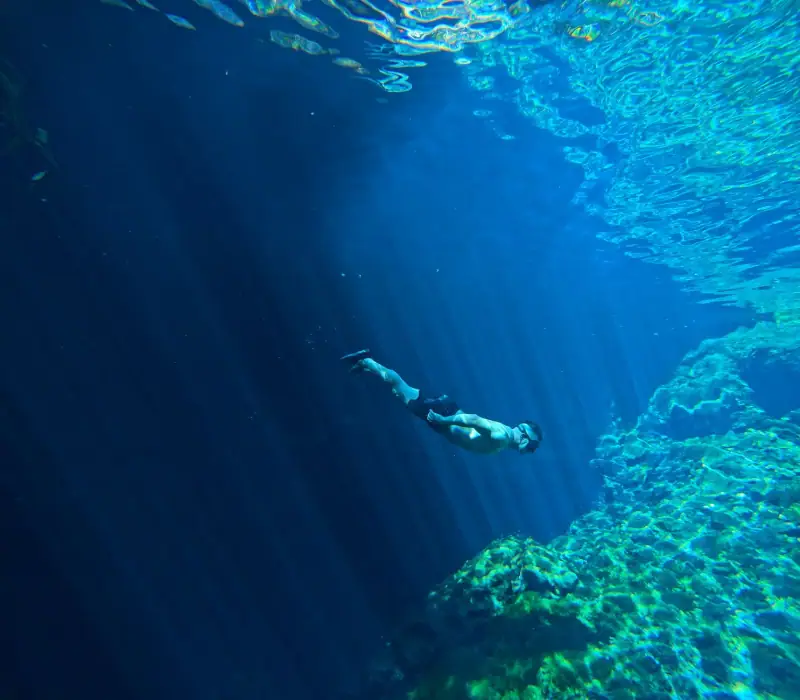
Located in Mato Grosso do Sul, Bonito is not in the Pantanal strictly speaking, but it is close enough to be easily added to a stay in the south. Nicknamed the Brazilian capital of ecotourism, it is known for its very transparent rivers, caves and sinkholes.
The signature activity is floating (flutuação): you drift down a transparent river with a snorkel, wearing a wetsuit, watching the fish underwater without disturbing them. Other excursions combine waterfalls, swimming, caves with underground lakes and birdwatching, including macaws. The sites are managed to limit the impact on the environment, and access generally goes through local agencies, with bookings to be made ahead in high season. Prices and conditions vary: ask your lodging or the agency for details.
Bonito offers a nature very different from the Pantanal: here the water is clear, swimming is at the heart of the experience, and people come as a family as well as a couple. Plan two to three days there, in addition to transfers from Campo Grande, which take several hours by road.
When to go to the Pantanal
The choice of season determines what you will see. The article on when to go to Brazil gives a general view; here is what to keep in mind for this region.
From May to October or so: the dry season. This is the period favored by most travelers. The water level drops, animals gather around pools and rivers, tracks are more passable and mosquitoes fewer. It is also the high season for jaguar watching. Days are hot and nights sometimes cool in mid-year.
From November to April or so: the rainy season. Storms are frequent, humidity and heat are high, and a large part of the plain is flooded. Vegetation is exuberant, birds nest, but road travel is harder and watching some animals is less easy. It is a more specialized trip, suited mainly to lovers of water landscapes.
In every case, the region is hot: bring light clothing, a hat, sunscreen and plenty of water.
Health, safety and equipment
Health. The Pantanal is a tropical region where mosquitoes can transmit disease. Ask your doctor or a travel clinic several weeks before leaving, and see the official travel health pages (CDC in the US, TravelHealthPro in the UK). The page on health, safety and entry requirements for Brazil summarizes the points to check.
Safety. In nature, the main risk is underestimating the conditions: heat, sun, distances, difficult tracks. Always follow your guide’s instructions, do not swim without his or her agreement, do not approach caimans or snakes, and do not walk alone at night. In the departure cities (Cuiabá, Campo Grande, Corumbá), apply the classic precautions: discretion with phone and valuables, ride-hailing or taxi in the evening, lodging in a busy neighborhood. Read your government’s travel advice before leaving (travel.state.gov in the US, GOV.UK in the UK, travel.gc.ca in Canada, Smartraveller in Australia).
Equipment. Light long-sleeved clothing, closed shoes, hat, sunglasses, sunscreen, water bottle, headlamp, waterproof bag for electronics and repellent. More ideas are in the article on useful accessories for Brazil.
Staying connected and organizing your trip
Mobile coverage works in towns, but becomes very patchy as soon as you go deep into the region: on the track, in the fazendas and on the rivers, it is often absent. Download your maps, tickets and reservations before leaving. Check your carrier’s international plan, or use a travel eSIM; the article on the SIM card and eSIM in Brazil compares the options.
Mobile internet in Brazil
Saily offers eSIM plans in more than 150 countries: check the offer for Brazil before you leave.
Also remember to bring cash in small bills for villages and tips to guides, because bank cards are not accepted everywhere in remote areas. Withdraw it at shopping-mall or hotel ATMs in the departure city.
Combining the Pantanal with the rest of Brazil
The Pantanal fits well into a wider trip, provided you accept domestic flights. A common formula is to leave from Rio de Janeiro or São Paulo, fly to Cuiabá or Campo Grande, spend four to five days in the region, then continue to Iguaçu Falls, Brazilian side: see the article on Iguaçu Falls, Brazilian side.
Another option is to pair the Pantanal with the Amazon, to compare two very different ecosystems: dense forest and river on one side, open wetlands on the other. In that case, plan at least two weeks so as not to run from airport to airport.
Finally, travel with realistic expectations: the Pantanal rewards patience. Fewer, longer stops and a quality guide are better than a packed program that leaves little time for watching.
Traveling responsibly
The region has been hit in recent years by large fires and prolonged droughts, which have weakened habitats and wildlife. Visitors can contribute at their own scale: never light fires outside designated areas, do not throw cigarette butts, leave no waste, and choose lodgings that employ people from the region and respect wildlife. Avoid activities that involve touching or feeding wild animals. Preserved nature is also what lets future travelers see a jaguar at the water’s edge.
Sources
Frequently asked questions
What is there to see in the Pantanal?
The Pantanal is visited through two main doors. In the north, in Mato Grosso state, the Transpantaneira road leads from Poconé to Porto Jofre, known for jaguar watching. In the south, in Mato Grosso do Sul, Corumbá and the Miranda area offer fazendas, 4x4 safaris and boat trips. The nearby town of Bonito complements a stay well with its clear rivers.
What is the best time to go to the Pantanal?
The dry season, broadly May to October, is the most popular: wildlife gathers around water points and roads are more passable. The rainy season, roughly December to May, floods a large part of the region: you then travel mostly by boat, the vegetation is lush, but some tracks are cut.
Can you see jaguars in the Pantanal?
Yes, the area around Porto Jofre, in the north, is one of the most renowned in the world for watching them, especially in the dry season. No serious operator can however guarantee an encounter: these are wild animals, and several outings are often needed. Beware of promises of 100% success.
How many days should you plan for the Pantanal?
Allow at least three to four nights for a single entry point (the Transpantaneira or the Miranda area), because journeys are long. To combine north and south, or add Bonito, plan rather a week to ten days, taking domestic flights into account.
Do you need a guide to visit the Pantanal?
For boat trips, safaris and wildlife watching, a local guide is strongly advised: he or she knows the places, spots the animals and ensures your safety. Many lodgings (fazendas, pousadas) include guided outings in their packages.
Are there health risks in the Pantanal?
The region is tropical: mosquitoes, heat and humidity are part of the program. Ask your doctor or a travel clinic well before departure, and see the official travel health pages (CDC in the US, TravelHealthPro in the UK).
Is the Pantanal dangerous for a traveler?
The risks are mostly natural: heat, bites, difficult dirt roads, wild animals (caimans, snakes). Never swim in a river without a guide's agreement and do not feed the animals. In departure cities such as Cuiabá, Campo Grande or Corumbá, apply the usual precautions and read your government's travel advice.
More Brazil guides
Keep reading
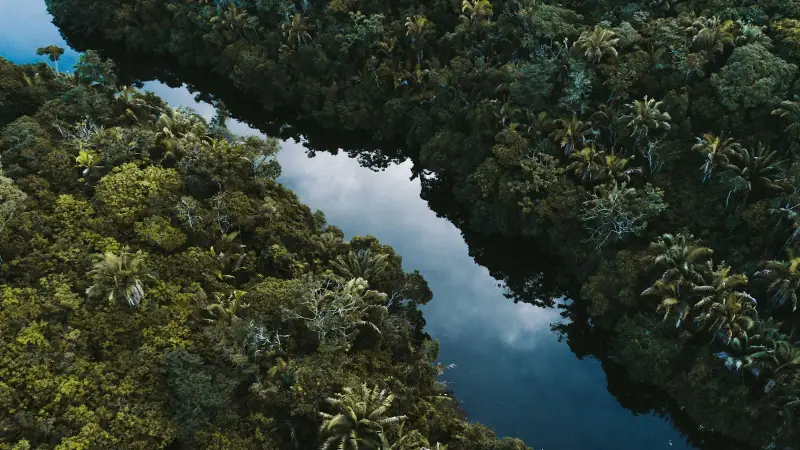
What to See in the Brazilian Amazon: Beyond Manaus, Anavilhanas, Alter do Chão and Belém
What to see in the Amazon region: Anavilhanas archipelago, Tapajós beaches at Alter do Chão, Belém's Ver-o-Peso market, Parintins. Tips, health and safety.
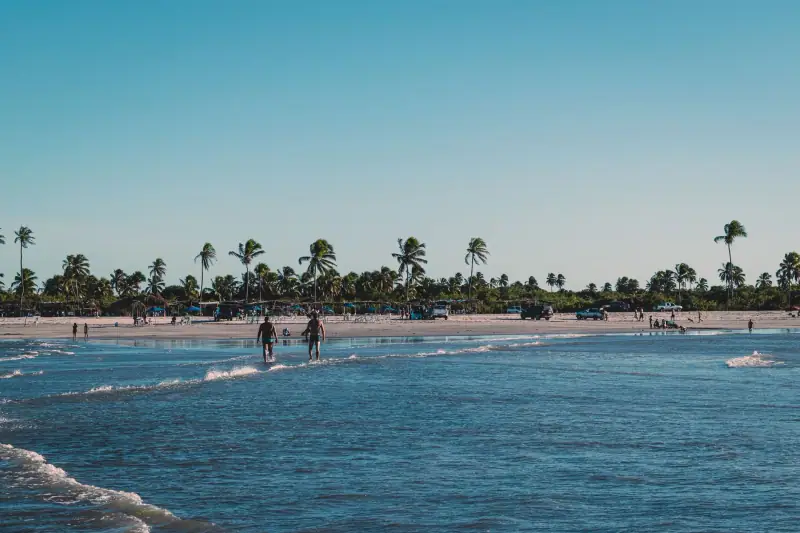
What to See in Northeast Brazil: Beaches, Dunes and Colonial Towns
What to see in Brazil's Northeast: Recife, Olinda, Porto de Galinhas, Jericoacoara, Lençóis Maranhenses, Fernando de Noronha. Tips, seasons and safety.
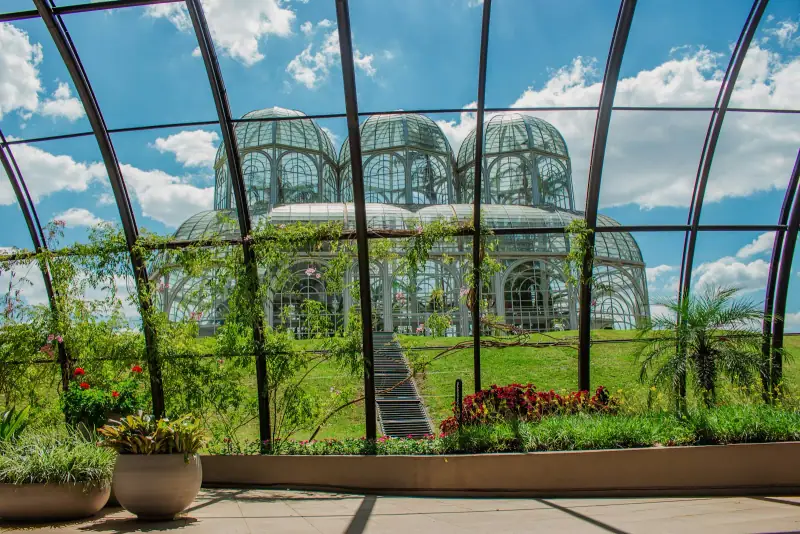
What to See in Southern Brazil: Curitiba, Gramado, Florianópolis
What to see in southern Brazil: Curitiba, Serra Gaúcha, canyons, Santa Catarina, Florianópolis and Foz do Iguaçu. Tips, seasons and safety.
Ready-made
Brazil itineraries
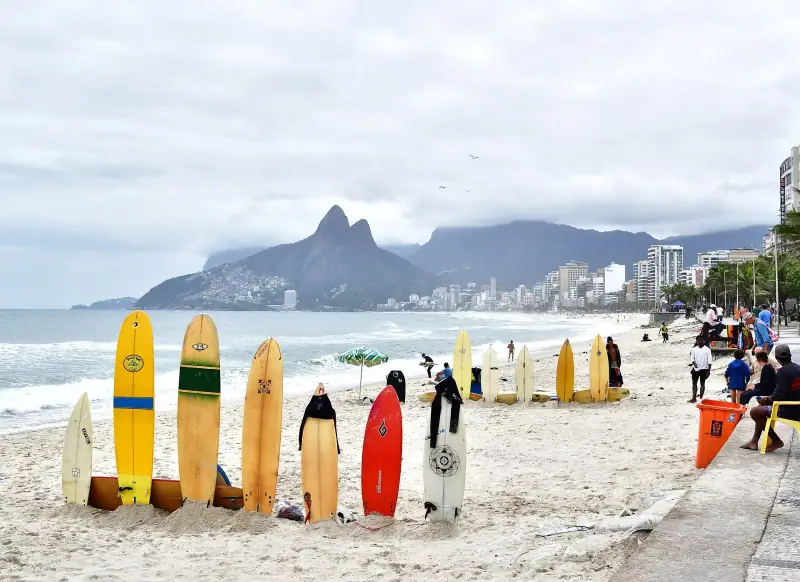
15 days
2-Week Brazil Itinerary: Rio, Paraty, Iguaçu and Salvador
Rio de JaneiroParatyFoz do IguaçuSalvador de Bahia