Plan your trip
When to Go to Brazil: Climate, Seasons and Best Time by Region
We may earn a commission when you book through links on this page, at no extra cost to you. We don't visit or try the places we cover: we summarize published sources. How we work
In short
- There is no single best time for the whole country: choose the region first. The dry season, roughly May to October, suits the Amazon, the Pantanal and the South.
- Rio's beaches are liveliest from December to March, with heat, possible storms and crowds; Bahia is often drier from September to February.
- The Lençóis Maranhenses lagoons are usually at their best from about June to September; in the Pantanal, wildlife is best seen from May to October.
- New Year, Carnival (February or early March) and the Brazilian school holidays in January and July drive up prices: book very early.
Brazil covers more than 8 million square kilometers (3.1 million sq mi) and stretches from the equator to the subtropical regions of the South. In other words, there is no single right answer to “when to go”. The seasons are the opposite of the northern hemisphere: the southern summer runs from December to March and winter from June to September. But what really matters is the region you visit: the same week can be ideal in Manaus and rainy on the coast of Bahia. Here is how to choose according to your plans.
Brazil, a country of many climates
Three broad patterns overlap. In the north, the Amazon has an equatorial climate: hot and humid all year, with a rainy season generally between November and April. In the center of the country, including the Pantanal, there is a dry season (roughly May to October) and a wet season. Along the coast of the Northeast and Bahia, the heat is constant, and the rainy periods vary from place to place. Finally, the South (Florianópolis, Foz do Iguaçu) has real seasons, with hot, humid summers and cooler winters.
A few simple habits avoid disappointment:
- Choose your priorities first: beach, wildlife, cities, festivals? Each has its season.
- Avoid combining too many regions in a single stay: distances are immense and domestic flights are almost unavoidable.
- Stay flexible: tropical rain is often a short shower, rarely a whole day of bad weather.
- Check local forecasts a few days before departure, since rain patterns vary from year to year.
Rio de Janeiro and the southeast coast
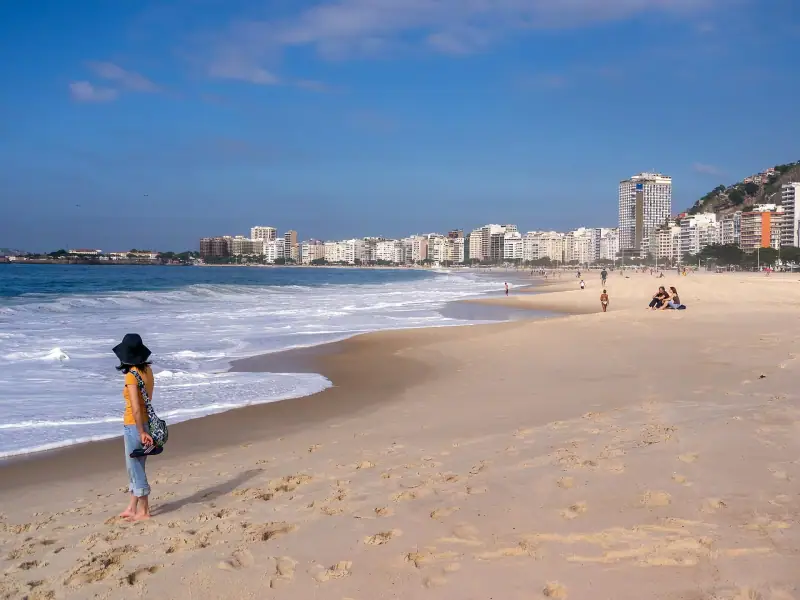
Rio has a tropical climate: the southern summer (December to March) is hot, humid and sometimes stormy, with very lively beach days. Winter (June to August) is milder and drier, with often sunny days, a cooler sea and fewer people. For visiting Christ the Redeemer or Sugarloaf, the drier periods generally offer better visibility, but a clear sky is never guaranteed.
Two moments of the year make demand explode: New Year, with its big beach parties, and Carnival, in February or early March depending on the year. For these periods, book very far ahead: well-located accommodation goes early and rates rise sharply. To choose your neighborhood, see the guide where to stay in Rio de Janeiro.
Hotels in Rio de Janeiro
Compare Rio accommodation for your dates, especially if you are aiming for Carnival or New Year.
Bahia and the Northeast coast
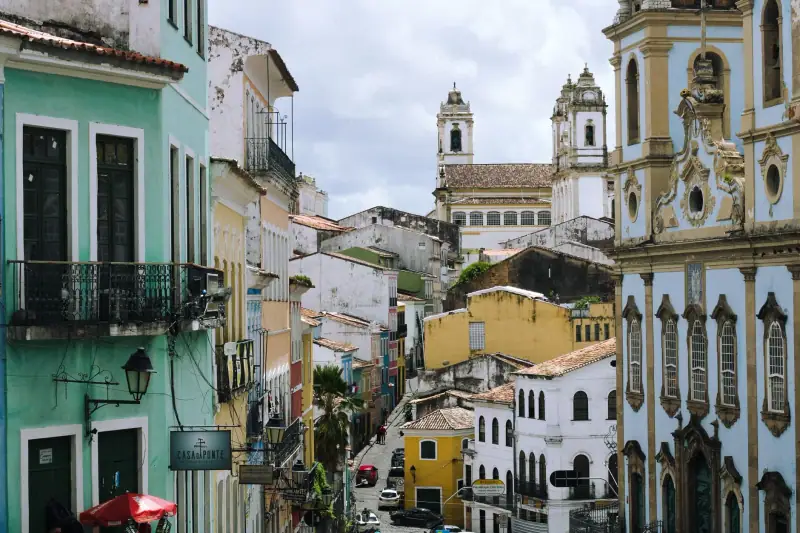
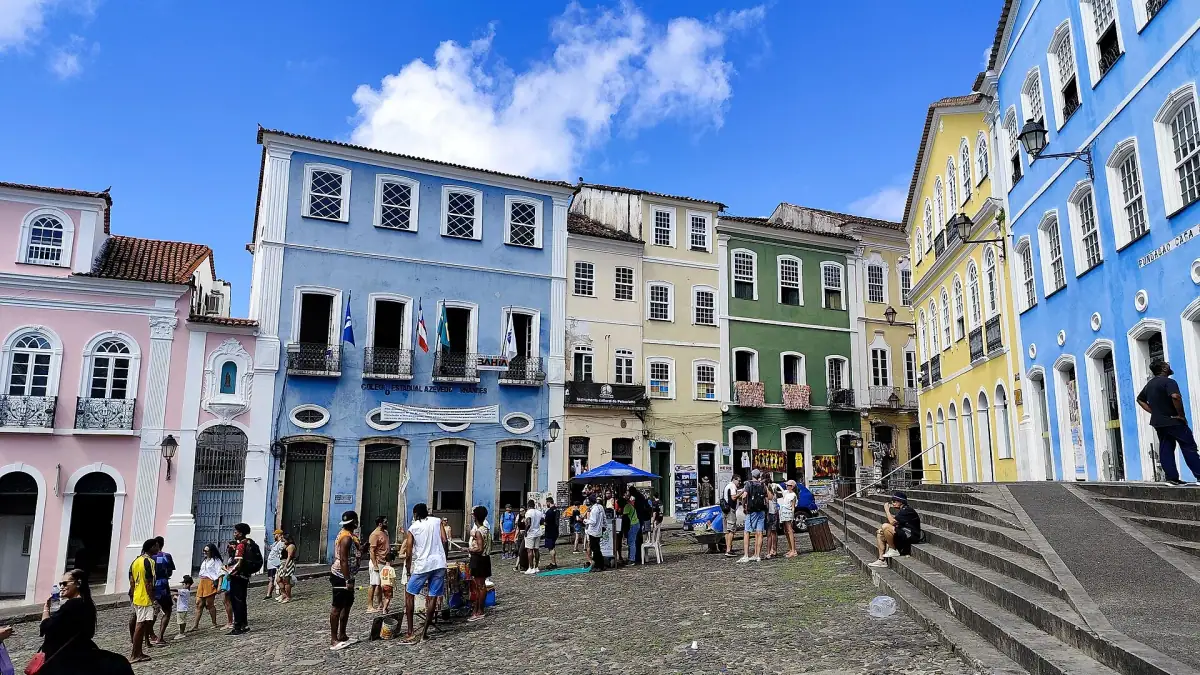
On the coast of Bahia, in Salvador and around it, the dry season is often recommended from September to February: less rainfall and lower humidity. Rain is generally heavier in the southern spring and early winter, but the climate stays warm all year, with a pleasant sea. The Northeast is therefore a possible destination in almost any season, as long as you accept a few showers.
Farther north, the Lençóis Maranhenses lagoons are a special case. They form after the rainy season and are generally considered at their best from about June to September, before gradually drying out. If the lagoons are your goal, aim for that window and ask locally about the water level. On some stretches of the coast, June to September is also mentioned for humpback whale watching.
Salvador is also a party city all year, with a very popular Carnival. Here again, planning ahead is essential to find lodging at reasonable prices.
The Amazon: heat and rain, but no bad season
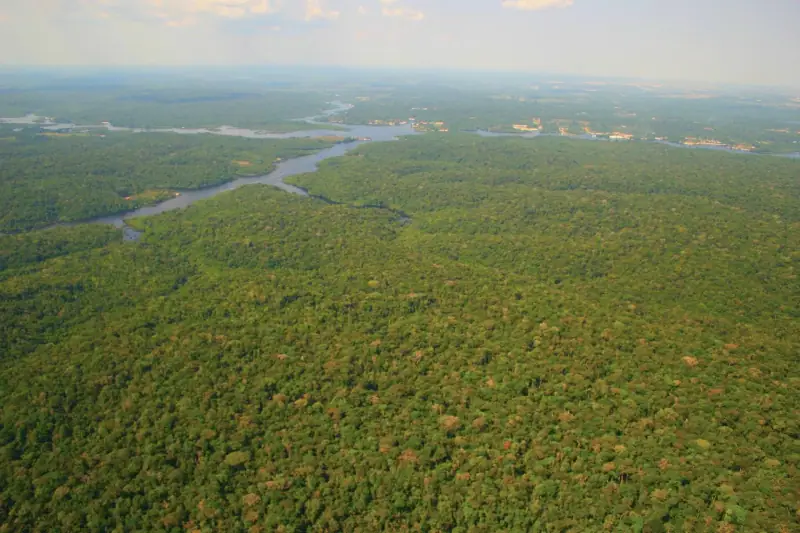
The Amazon is hot and humid all year. The rainy season runs broadly from November to April, and July to October is often presented as the most pleasant for hikes and outings in the forest. But the Amazon can also be visited in the wet season: river levels rise, boat access changes, and the landscapes are different.
The water level changes the experience: at high water you explore the flooded forest by canoe; at low water you walk more and some river beaches appear. Both have their fans. For a lodge stay, ask the organizer what you will be able to do on your dates. Do not forget protection against mosquitoes, and for health preparation ask your doctor or a travel clinic and see the official travel health pages (CDC in the US, TravelHealthPro in the UK) before you go.
The Pantanal: the dry season for wildlife
In the Pantanal, the dry season, roughly May to October, is generally considered the best time to watch wildlife: caimans, birds and, with luck, jaguars. Animals concentrate around water points, and getting around is easier. In the rainy season, vast areas are flooded, which makes some tracks impassable and the heat heavier, but the vegetation is greener.
Whatever the time, wildlife watching remains a matter of luck and patience. Choose an experienced local guide and do not promise your children a sure jaguar sighting.
Excursions in the Pantanal and the Amazon
Discover the nature outings available by season: boat, safari, wildlife watching.
The South: Florianópolis and Iguaçu Falls
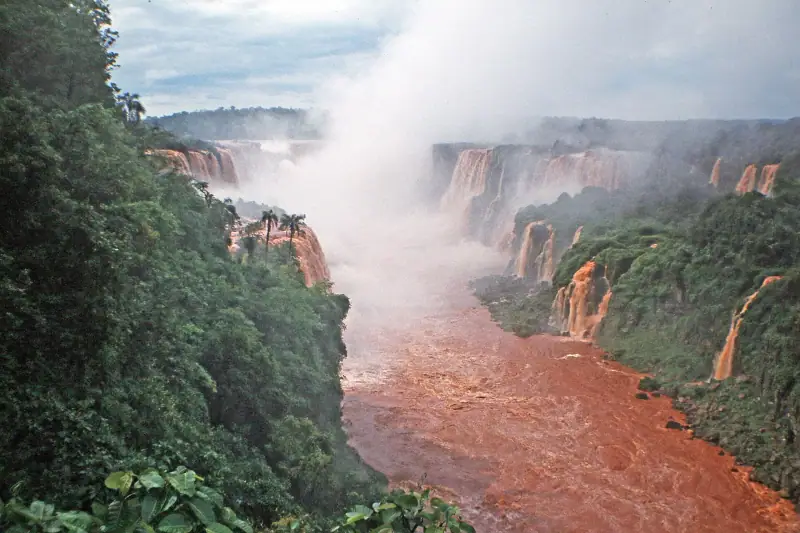
In the South, the seasons are more marked. Florianópolis and its beaches are busiest during the southern summer, from December to March, with big crowds in January. Outside summer, the island is calmer and temperatures cooler, which suits hikers and travelers who like quiet.
Iguaçu Falls can be visited all year: the flow of the falls varies with the rains, and the busy periods match the Brazilian holidays. The article on Iguaçu Falls, Brazilian side details the visit.
Carnival, year-end holidays and high season
Know the high-demand periods before you book:
- New Year: very heavy crowds in Rio and on the coast, rates up.
- Carnival: about a week before Lent, in February or early March. In 2027 it falls around February 6 to 10; check the official calendar of each city.
- Brazilian school holidays: January and July see Brazilian families fill beaches and natural sites.
- Low season: May and the end of the southern winter are often calmer in big cities, with more moderate rates.
Hotels in Salvador de Bahia
Compare accommodation in the Pelourinho and on the beaches of Salvador for the dry season.
Choosing your month by project
To sum up, here is a simple grid by wish, to adjust by region:
- Rio and South beaches: December to March, with heat, possible storms and crowds.
- Bahia and Salvador: September to February, for a rather dry period.
- Lençóis Maranhenses: about June to September, for the lagoons.
- Pantanal: May to October, for wildlife.
- Amazon: July to October for the most pleasant season, but possible all year.
- Carnival: February or early March, booking very early.
If you travel during rainy periods, favor flexible accommodation and leave a margin in the itinerary for domestic flights, sometimes delayed by weather.
Preparing your trip: entry, health, safety and insurance
Before leaving, check the official travel advice for Brazil from your government: travel.state.gov (US), GOV.UK (UK), travel.gc.ca (Canada), Smartraveller (Australia) (checked November 2026). Entry rules depend on your passport, and these pages give current entry conditions, health notices, areas to avoid and safety instructions. For vaccines advised for the regions you visit, notably the Amazon and the Pantanal, ask your doctor or a travel clinic, and see the CDC (US) or TravelHealthPro (UK).
Travel insurance covering medical costs, repatriation and baggage theft is strongly recommended for a trip of this scale. On the ground, keep valuables discreet, avoid going out alone at night in neighborhoods you do not know and favor ride-hailing apps for night trips.
In short
There is no “right” season for all of Brazil, but there is a good season for each project. Choose the region that appeals to you first, then the month that suits it, and book early for Carnival and New Year. Keep a margin in your schedule, and check official information just before departure.
Frequently asked questions
What is the best time to go to Brazil?
There is no ideal period for the whole country. For a trip combining several regions, the southern hemisphere's dry season, roughly May to October, is often recommended for the Amazon, the Pantanal and the South. For the beaches of Bahia and Rio, the southern summer (December to March) is hot but stormier.
When is Rio's Carnival?
Carnival comes before Lent: the dates change every year with Easter. In 2027 it takes place around February 6 to 10. Check the official calendar and book accommodation and transport very early, because prices rise sharply.
What is the best season to see animals in the Pantanal?
The dry season, roughly May to October, is generally recommended: animals gather around water points and the tracks are easier to use. In the rainy season, many areas are flooded.
When can you see the Lençóis Maranhenses lagoons?
The lagoons form after the rainy season and are generally at their best from about June to September. They then dry out gradually, so check the timing with your host or a local operator.
Should you get travel insurance for Brazil?
It is strongly advised: medical costs, baggage theft and cancellation can be expensive. Also check your government's travel advice for Brazil before you go.
More Brazil guides
Keep reading
Budget for a Trip to Brazil: Real Costs and Three Costed Profiles
How much does a trip to Brazil cost? Lodging, transport, meals, activities: prices by item, three daily budgets and tips to spend less.

What to See in the Brazilian Amazon: Beyond Manaus, Anavilhanas, Alter do Chão and Belém
What to see in the Amazon region: Anavilhanas archipelago, Tapajós beaches at Alter do Chão, Belém's Ver-o-Peso market, Parintins. Tips, health and safety.
What to See in Northeast Brazil: Beaches, Dunes and Colonial Towns
What to see in Brazil's Northeast: Recife, Olinda, Porto de Galinhas, Jericoacoara, Lençóis Maranhenses, Fernando de Noronha. Tips, seasons and safety.
Ready-made
Brazil itineraries

15 days
2-Week Brazil Itinerary: Rio, Paraty, Iguaçu and Salvador
Rio de JaneiroParatyFoz do IguaçuSalvador de Bahia