What to see
Visiting Positano: beaches, lanes and practical tips
We may earn a commission when you book through links on this page, at no extra cost to you. We don't visit or try the places we cover: we summarize published sources. How we work
In short
- Half a day is enough to see the village, the beach and the main lanes. A full day adds Fornillo beach and an unhurried break.
- Positano has no train station: reach it by bus along the coast road or, in season, by ferry from Amalfi, Salerno or Sorrento.
- The beaches are mostly pebbles and coarse dark sand. Spiaggia Grande is the liveliest; Fornillo is usually calmer.
- The village is very steep, with many stairs between the road and the beach. Arrive early and keep a margin for buses.
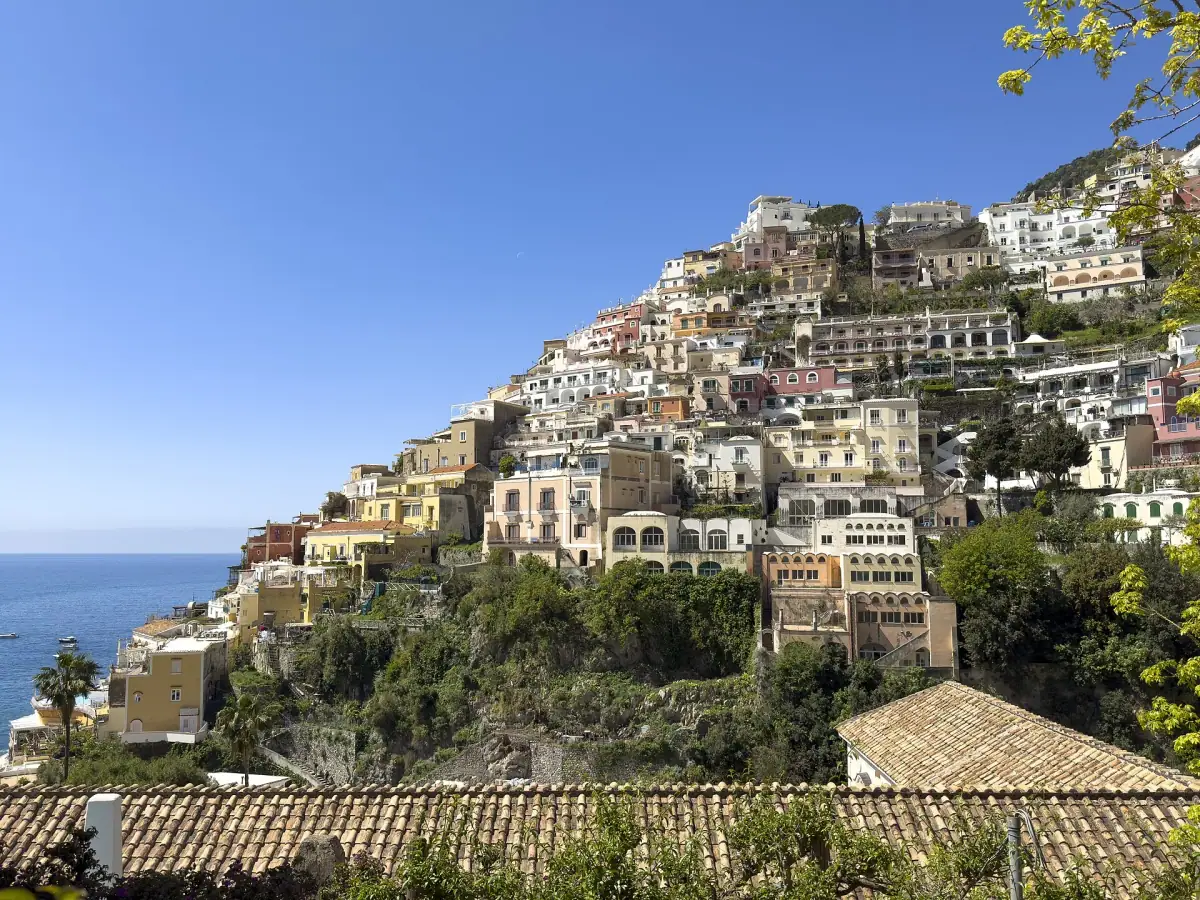
Positano is the image people keep of the Amalfi Coast: warm-hued houses stacked on a steep slope, a majolica dome in the middle and the sea at the foot. The village is tiny on the map, but very vertical, so more tiring than it looks. You visit it by slowly heading down to the beach, then climbing back up through the lanes. Here is how to enjoy Positano, from the beach to the heights, with access tips to avoid the pitfalls.
Getting to Positano: bus, ferry or car
Positano has no train station. From Naples airport or station, which is only the gateway to the region, you reach the coast via Sorrento or Salerno, then continue by bus or boat. The bus follows the narrow, winding coast road: allow a margin in high season, because traffic can be very heavy. For a detailed description of the connections, see our guide to getting around the Amalfi Coast.
The ferry is often the best option when it runs: the view of the village from the sea is impressive and you avoid traffic jams. Connections depend on the season and the weather, so check the timetable the day before. The boat arrives near the main beach, in the middle of the village.
If you come by car, note that parking is limited and paid, and lots fill up fast. The simplest approach is to leave the vehicle in an official lot on arrival and visit on foot.
Hotels in Positano
Compare hotels and guesthouses in Positano and Praiano, often with a terrace and sea view.
Spiaggia Grande and the walk down to the sea
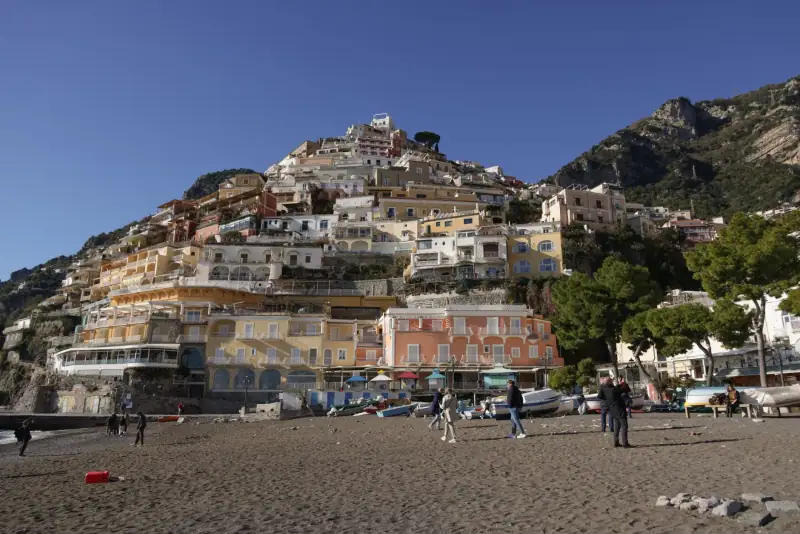
The main beach, Spiaggia Grande, is where the village converges. It is a beach of pebbles and dark sand, lined with restaurants, umbrella rental stands and boats leaving for the neighboring coves. In the morning, before the groups arrive, the atmosphere is calm, and the light on the facades is ideal for photos.
Beach establishments generally offer paid sun loungers. If you prefer to save money, settle on the free section, leaving room for the fishing boats. Bring water shoes, because the pebbles heat up in summer and quickly become uncomfortable.
From the beach, the main street climbs in switchbacks to the coast road. The walk is a succession of stairs and small shops: allow time and water, especially in summer. Many visitors choose to walk down and then take the bus back up, which spares the legs.
The lanes, the shops and Santa Maria Assunta church

Positano’s historic center is best discovered on foot, with no precise goal. The steep lanes are lined with craft shops, ceramics, handmade sandals and linen clothing, a tradition associated with Positano fashion. Prices vary a lot: compare before you buy and do not hesitate to step into the small workshops rather than the shops closest to the beach.
Santa Maria Assunta church overlooks the area near the beach. Its dome covered in colored majolica tiles is one of the symbols of the village and can be spotted from afar. The interior is plain and often welcomes visitors looking for a moment of coolness. Clothing that covers the shoulders and knees is generally expected.
As you walk, remember to look up: many houses have flowering terraces, whitewashed arches and hidden stairs that offer unexpected views. It is this layering of volumes, more than any single monument, that gives Positano its charm.
Activities in Positano
Boat rides, cooking classes and guided visits around Positano.
Fornillo beach and the neighboring coves
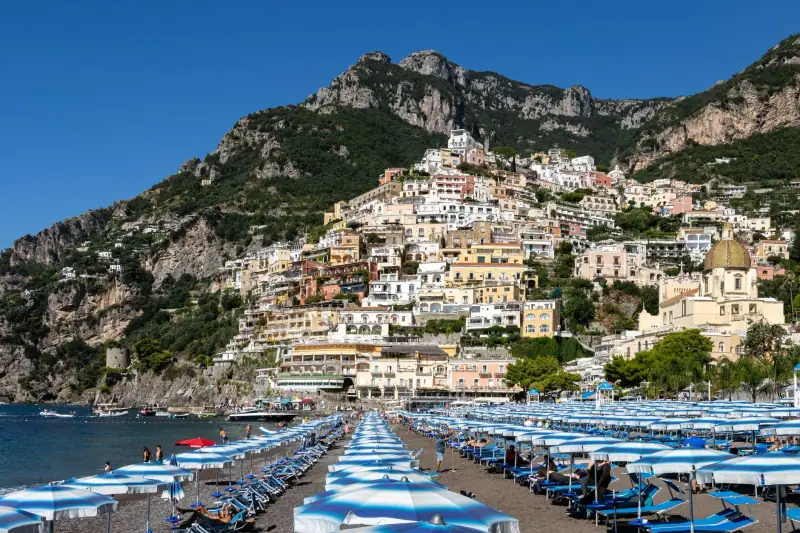
West of the village, Fornillo beach is calmer than the main beach. You reach it by a path that follows the coast on foot from the center, a short walk but with a few stairs. The beach restaurants are more discreet, and the atmosphere is less dense, which makes it a good alternative for a swimming break.
Along the coast, other coves are reachable only by sea. Water taxis and boat excursions leave from the main beach; they let you approach islets and small beaches, and see the village from offshore. Prices vary with the length and type of boat: always ask for the total price before boarding.
For swimming, the sea is generally most pleasant between June and September. Off-season, beach services are limited and some businesses close, but the village remains pleasant to visit.
Hiking from Positano: Nocelle and the Path of the Gods
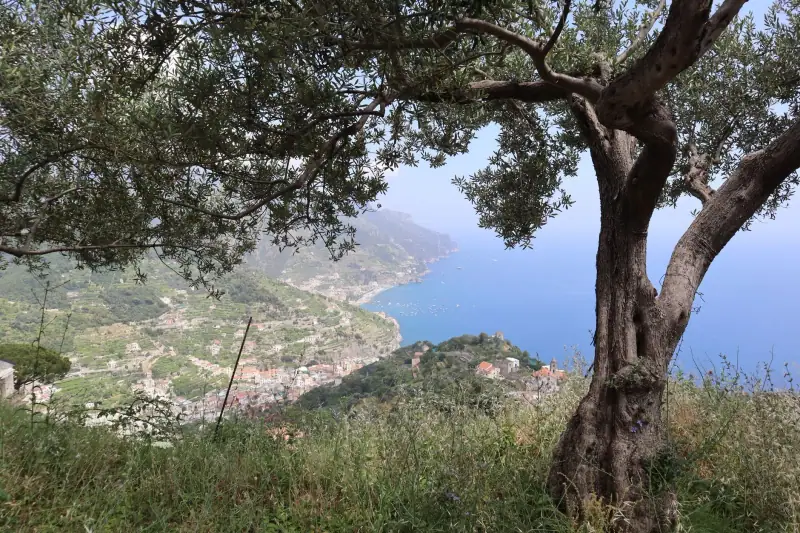
Positano is also a starting point for walking. Above the village, the hamlet of Nocelle is linked to Positano by a long staircase, and this is where the famous Path of the Gods begins, reaching Bomerano, near Agerola, with spectacular views of the sea. You will find the details in our article on the Path of the Gods.
You can also do the route in the other direction, from the heights down to Positano, which lets you finish with the descent and a well-earned swim. In any case, bring water and good shoes, and avoid the hottest hours of summer. The stairs are steep and slippery in the rain.
Flights to Southern Italy
Compare flights to Naples, the gateway to the Amalfi Coast.
When to visit and where to sleep
Positano is very busy in July and August: the lanes are crowded, prices rise and restaurants fill up. Spring, with its mild days, and early fall offer a good balance between weather and crowds. Our guide on when to go to the Amalfi Coast details these seasons.
For sleeping, Positano appeals for its view and evening atmosphere, once the day groups have left. It is, however, one of the most expensive bases on the coast, and lodging is often up high, so reached by many stairs. Neighboring Praiano offers a quieter atmosphere at an often gentler price, while Amalfi is more central. Find the full comparison in where to stay on the Amalfi Coast.
Boat excursions
Trips at sea from the coast: coves, islets and Capri, with or without lunch on board.
Practical tips to avoid the crowds
A few habits simplify a visit to Positano:
- Arrive early in the morning: the lanes and the beach are far more pleasant before mid-morning.
- Bring comfortable shoes: the village is a succession of climbs and descents.
- Book ahead for evening tables with a view, especially in high season.
- Keep a margin for bus trips, which can be slowed by traffic.
- Check ferry times the day before, because they depend on the season and the weather.
- Bring water and sunscreen: shade is rare in the middle of the day.
Positano is best savored slowly. Rather than ticking off places, let the slope guide you, ice cream in hand, and keep the sunset for the end of the day: it is the best moment to see the village again in golden light.
Frequently asked questions
How long do you need to visit Positano?
Half a day is enough to see the village, the beach and the main lanes. A full day lets you add Fornillo beach and a break without rushing. To enjoy the evening, a night there changes the experience.
How do you get to Positano without a car?
Positano has no train station. You arrive by bus along the coast road from Sorrento or Amalfi, or by ferry in season from Amalfi, Salerno or Sorrento depending on the schedule. Check timetables locally, as they vary by season.
Are Positano's beaches sandy?
No, they are mostly pebble and coarse dark sand beaches. Spiaggia Grande is the liveliest, Fornillo is generally calmer.
Is Positano suitable for travelers with reduced mobility?
With difficulty: the village is built on a steep slope, with many stairs between the road and the beach. A taxi or a bus to go back down or up helps, but some passages remain tiring.
What time of year is best to visit Positano?
Spring and early fall offer a good compromise between mild weather and crowds. In July and August the village is very busy and prices are higher.
Should you sleep in Positano?
It is pleasant for the evening and morning atmosphere, but it is generally pricier than Amalfi or Praiano. Neighboring Praiano is a quieter alternative.
More Amalfi Coast guides
Keep reading
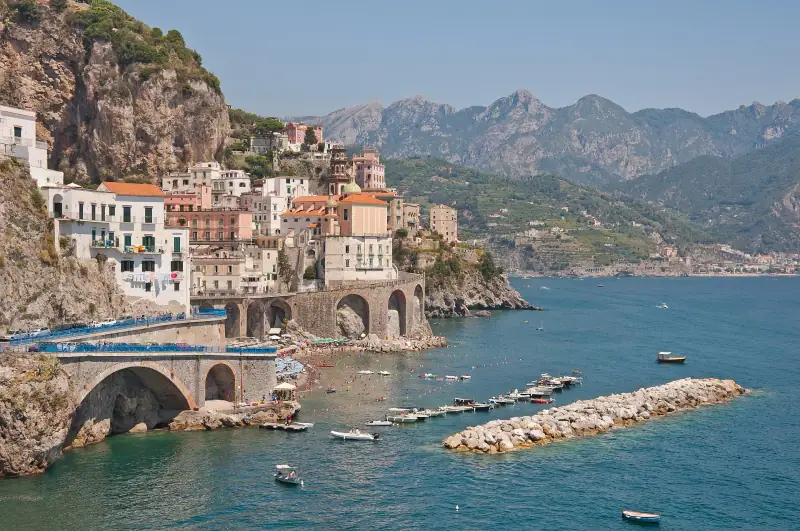
Is Atrani worth the detour from Amalfi? A half-day walking visit
Is Atrani worth the detour from Amalfi? Walking access, churches, beach, stairs to the Santuario del Bando, where to eat and visit length for half a day.
Complete guide to visiting the Amalfi Coast: towns, highlights and tips
Visit the Amalfi Coast: towns, highlights, best time to go, transport, where to stay and budget. The main guide to prepare your trip to Campania.
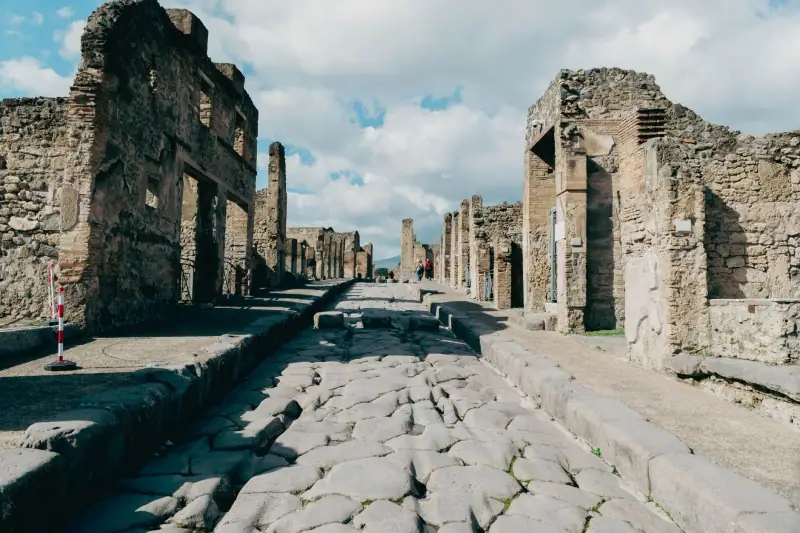
Pompeii and Herculaneum from the Amalfi Coast: how to organize the visit
Visit Pompeii and Herculaneum from the Amalfi Coast: train, bus or ferry, choosing a site, visit length, heat tips and a one-day plan.
Ready-made
Amalfi Coast itineraries
3 days
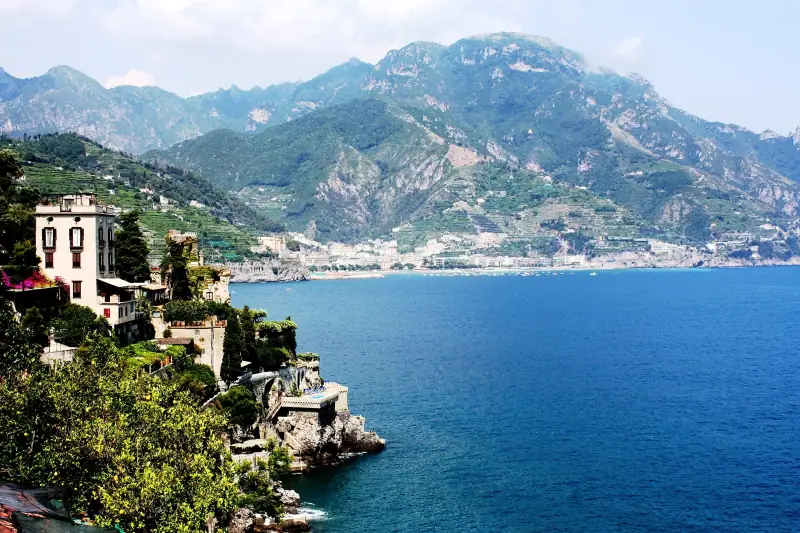
Amalfi Coast in 3 days: a day-by-day itinerary without a car
Plan 3 days on the Amalfi Coast without a car: Amalfi, Ravello, the Path of the Gods and Positano, with bus, ferry and practical tips for each day.
5 days
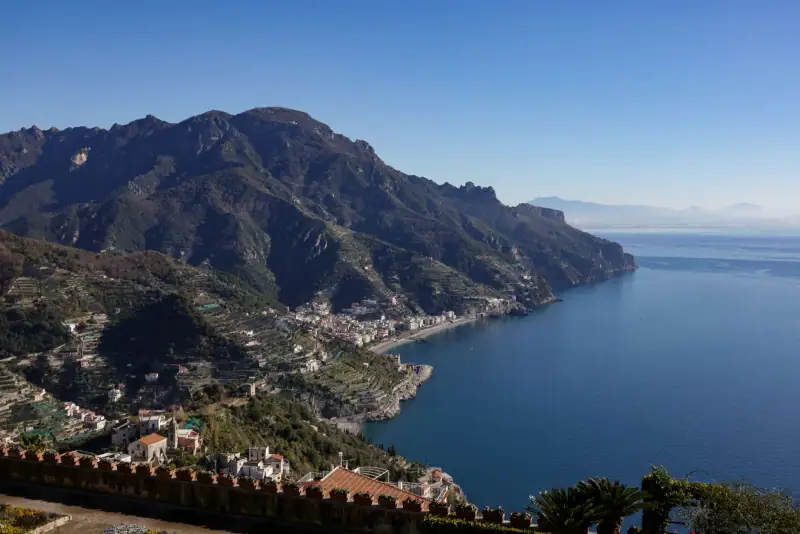
Amalfi Coast road trip by car: a Sorrento to Salerno itinerary
Drive the Amalfi Coast from Sorrento to Salerno on the SS163: stops in Positano, Amalfi and Ravello, parking, and tips for narrow roads.
5 days
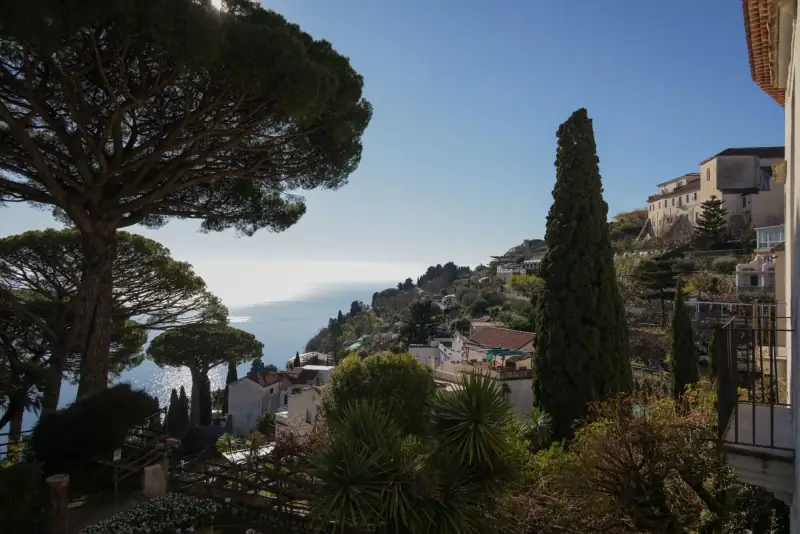
Amalfi Coast without a car: a 5-day itinerary by bus, ferry and train
Visit the Amalfi Coast without a car in 5 days: day-by-day itinerary by bus, ferry and train, with Amalfi, Ravello, Positano, Capri, Pompeii and tips.