Itineraries
Amalfi Coast in 3 days: a day-by-day itinerary without a car
We may earn a commission when you book through links on this page, at no extra cost to you. We don't visit or try the places we cover: we summarize published sources. How we work
Day by day
- Day 1Arrive in Amalfi, cathedral square and old center
- Day 2Ravello: Villa Cimbrone, Villa Rufolo, Duomo square
- Day 3Path of the Gods from Bomerano to Nocelle, then Positano
In short
- Three days cover Amalfi (day 1), Ravello (day 2) and the Path of the Gods ending in Positano (day 3), by bus, boat and on foot.
- Amalfi is the most practical base for the first two days; the last night can be in Positano or Praiano.
- Leave early, travel light and keep a margin: a bus can be late or full, and a ferry canceled in rough seas.
- Spring and early fall are the most pleasant: mild temperatures for walking, ferries running and bearable crowds.
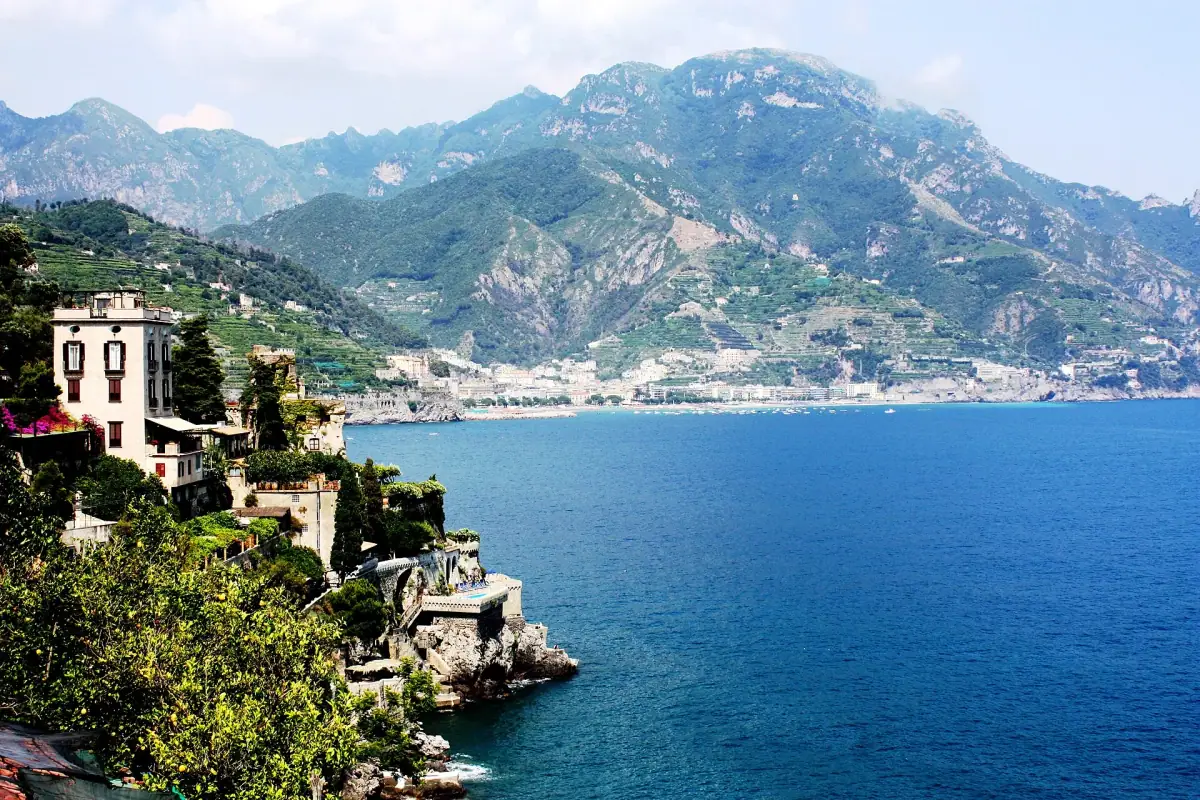
The Amalfi Coast makes you want to see everything, but its single road, narrow and often saturated, forces choices. Rather than multiplying car round trips, this three-day itinerary relies on the bus, the boat and walking. It follows a simple logic: a first day to settle in Amalfi, a second up high in Ravello, then a last day of hiking that ends in Positano.
Naples is only a gateway here, for the airport and the train. The rest of the stay takes place on the coast itself, between Salerno and Positano.
Before leaving: base, season and pace
For three days, the best strategy is to limit lodging changes. Amalfi is a central point: it is easy to reach from Salerno, buses serve Ravello and Positano, and ferries call there in season. Our guide to where to stay on the Amalfi Coast details the advantages of each village if you prefer another base.
A few principles for a successful itinerary:
- Leave early: the villages empty of visitors in the early morning and at the end of the day. The best light, and the best seats on buses, are at those times.
- Travel light: the lanes are made of stairs, and dragging a big suitcase quickly becomes painful.
- Keep a margin: a bus can be delayed or full, a ferry canceled in rough seas. Don’t plan tight connections.
- Check schedules locally: they change from one season to the next. The details are in our article on how to get around the Amalfi Coast.
Hotels in Amalfi
Compare hotels and lodging in Amalfi for your dates and budget, the ideal base for this circuit.
Day 1: arrival in Amalfi and discovering the center
From Naples, the simplest way is to take the train to Salerno, then the ferry in season or the bus to Amalfi. The boat crossing lasts about half an hour to forty minutes and offers a spectacular first look at the cliffs. Once your bags are dropped, the day is spent entirely on foot.
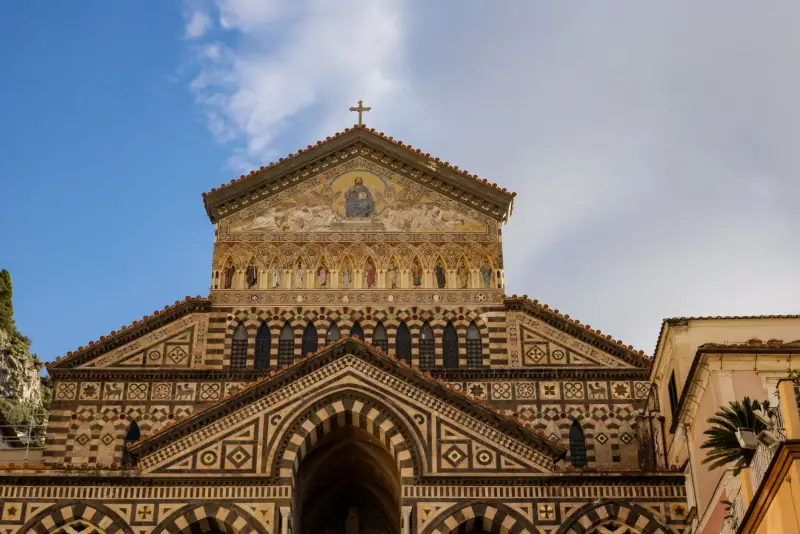
Start with the central square, dominated by the Cathedral of Saint Andrew, with its colorful facade and grand staircase. The interior and the Cloister of Paradise, in Arab-Norman style, are worth a visit if you like architecture. Amalfi was once one of the great maritime republics of Italy, and this history can be read in the vaulted lanes of the center.
Then continue into the lanes that climb behind the square. They hold small shops, handmade paper workshops and sellers of lemon-based products, a local specialty. For lunch, favor a simple trattoria rather than a seafront restaurant, generally pricier. Our article on Amalfi Coast food will help you spot the dishes to try.
In the afternoon, take it easy: town beach, a stroll on the seafront or simply an aperitif facing the harbor. Sunset over the bay is a good moment to stay put rather than rush to another village.
Day 2: Ravello, villas and gardens up high
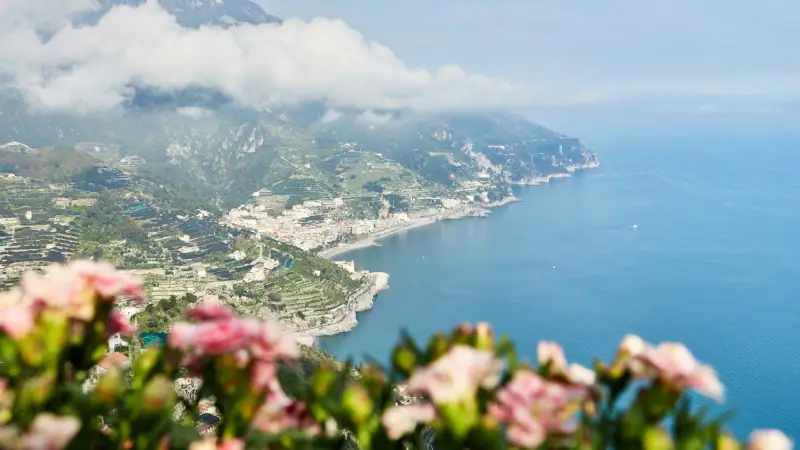
Ravello is perched above Amalfi, at an altitude that gives it coolness and calm. You reach it by bus from Amalfi, on a mountain road full of bends. The ride generally takes under an hour depending on traffic; allow plenty of time for the return.
Two places stand out. Villa Cimbrone and its gardens, with the Terrace of Infinity open to the sea, are the most famous visit. Villa Rufolo, closer to the central square, is known for its terraced gardens and romantic atmosphere. Between the two, the small Piazza del Duomo and its cafes invite you to slow down. Everything is detailed in our guide to visiting Ravello.
A day in Ravello is lived without hurry: visits in the morning, lunch in the village, then a stroll through the lanes before heading back down in the late afternoon. If you have the energy, walking down to Amalfi by stairs and stone paths is possible, but it is long and steep: check the state of the path locally before setting off.
Boat excursions
Discover cruises and trips at sea along the Amalfi Coast, to see the villages from the water.
Day 3: the Path of the Gods and arrival in Positano
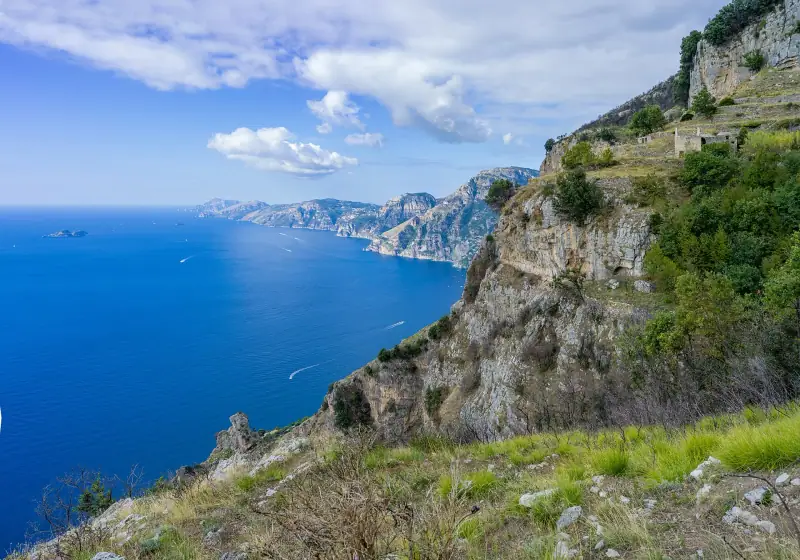
The last day is devoted to the region’s most famous hike. The Path of the Gods links Bomerano to Nocelle, high above the sea, with some of the best views on the coast. You reach Bomerano by bus from Amalfi, then follow the markings on foot. Bring good shoes, water and an early start, especially in summer.
The full route, difficulty levels and variants are in our guide to the Path of the Gods. Keep in mind that it takes several hours of walking and that the terrain demands a minimum of attention, with a few uneven passages.
On arrival at Nocelle, a quiet hamlet up high, a staircase descent leads to Positano. It is long and steep on the knees, but you gain a gradual panorama of the village. It is also possible to reach Positano by bus from Nocelle or Praiano, depending on fitness and the hour.
End of the day in Positano
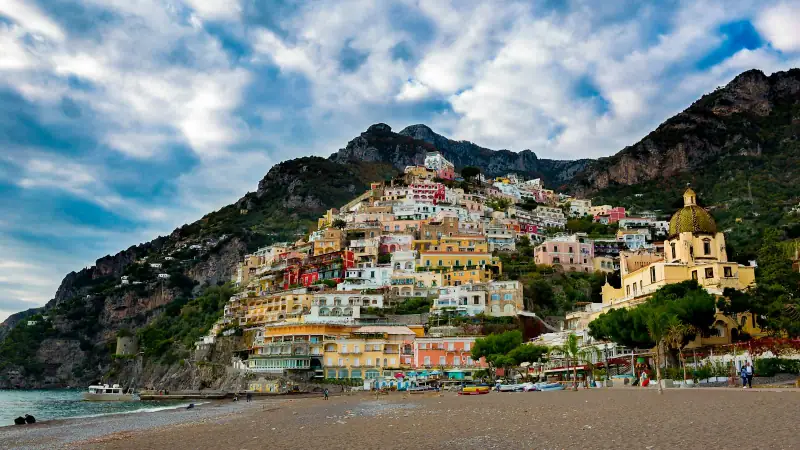
Positano is the most photographed village on the coast, with its houses stacked on the slope. After the walk, nothing beats a break on the pebble beach, then a stroll through the lanes lined with fashion and ceramics shops. The village is very lively by day and calms down in the evening, when the groups of day-trippers leave.
If you plan to sleep in Positano or Praiano for this last night, you avoid the race against the clock to catch a last bus. Otherwise, check the return time to Amalfi or Sorrento carefully before dinner: it is the classic end-of-day trap.
Flights to Naples
Compare flights to Naples, the main airport for reaching the Amalfi Coast.
Variants: adding a day or adapting the pace
With one more day, two options open up. The first is a boat excursion to Capri from Sorrento, Positano or Amalfi in season. The second is a day at Pompeii and Herculaneum, reachable by train from Sorrento, to combine coast and ancient heritage.
With one day less, drop the hiking day and keep Amalfi in the morning, Ravello in the afternoon, then Positano in the evening. Travelers not comfortable with walking can also replace the Path of the Gods with a day of beach and boat.
With family or limited mobility, favor shorter days: one village per day, ferry rides rather than buses, and lodging close to the center to limit stairs.
Practical tips for a successful 3 days
- Budget: the coast is expensive, especially in summer. Booking lodging early and having lunch at simple addresses helps control spending.
- Gear: closed shoes for the stairs and the hike, covered clothing to enter churches, sunscreen and a water bottle.
- Reservations: for boat excursions or guided tours, booking ahead avoids queues on busy days.
- Motion sickness: the road is a chain of bends; the boat is a welcome alternative.
By following this pace, you will see the coast’s great classics without rushing, while keeping time for a swim or a drink facing the sea.
Sources
- Travelmar: figures checked November 2026
Frequently asked questions
Are three days enough to visit the Amalfi Coast?
Three days let you see the essentials: Amalfi, Ravello, the Path of the Gods and Positano. This pace leaves little room for improvisation, but it avoids spending your time in transport on the coast road.
Can you do this itinerary without a car?
Yes. The bus along the SS163, the seasonal ferries and walking are enough to link all the places described. Just allow a margin in your schedules, because traffic can slow the buses.
Where should you sleep for this 3-day itinerary?
Amalfi is the most practical base for the first two days, thanks to its bus and boat links. You can then finish in Positano or Praiano for the last night.
What is the best time to follow this itinerary?
Spring and early fall are generally the most pleasant: mild temperatures for walking, ferries running and crowds more bearable than in midsummer.
Do you need to book in advance?
Ideally, book lodging well in advance in season. For boat excursions or guided tours, booking online avoids queues and secures a spot on busy days.
More Amalfi Coast guides
Keep reading
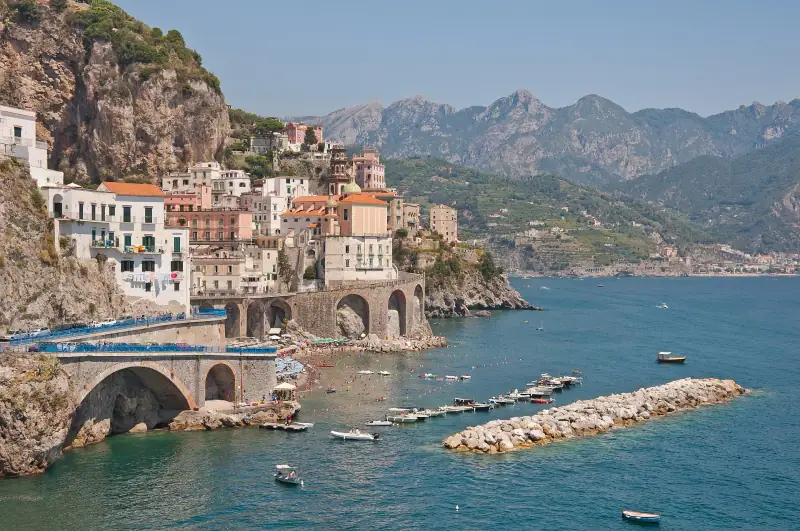
Is Atrani worth the detour from Amalfi? A half-day walking visit
Is Atrani worth the detour from Amalfi? Walking access, churches, beach, stairs to the Santuario del Bando, where to eat and visit length for half a day.
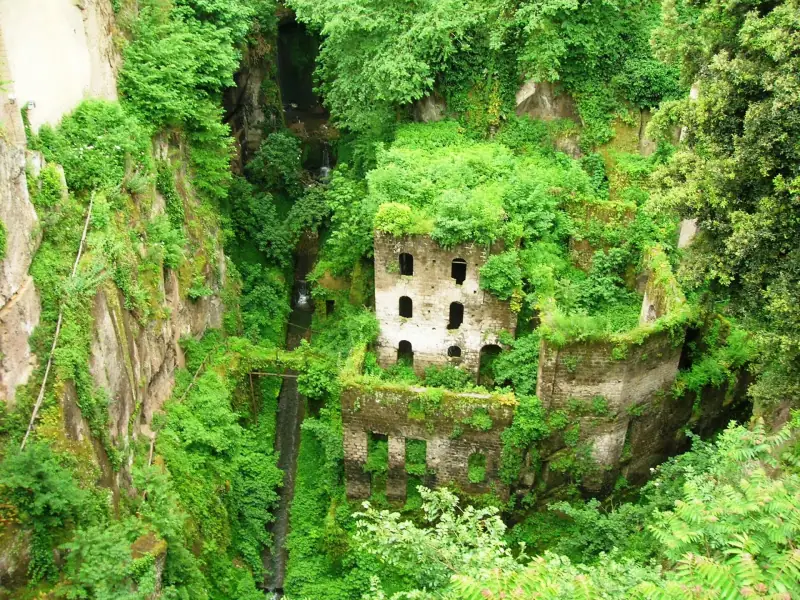
Valley of the Mills and Valle delle Ferriere in Amalfi: hiking without a guide, time, access and difficulty
Valley of the Mills and Valle delle Ferriere above Amalfi: hiking without an agency, duration, access to Pontone, difficulty, Paper Museum and FAQ.
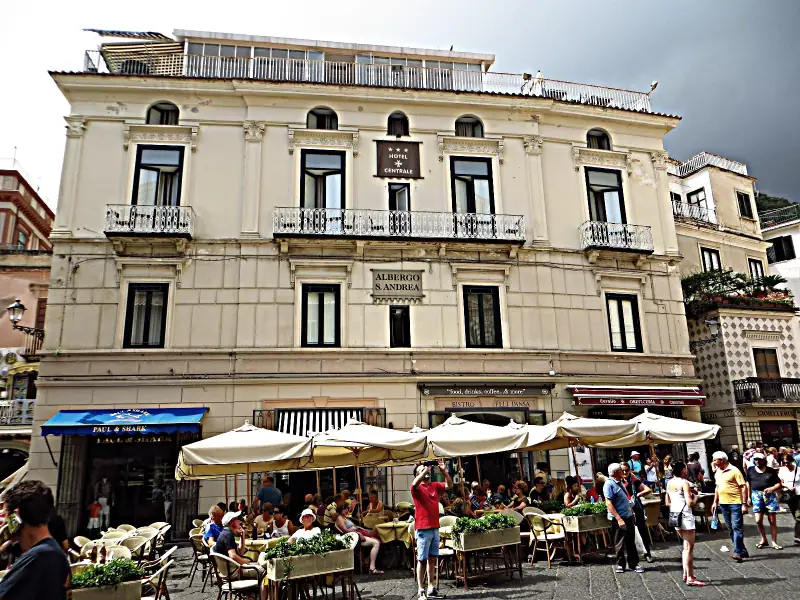
Where to stay in Amalfi, Atrani and Ravello: which base to choose on the coast
Where to stay in Amalfi, Atrani, Minori or Ravello? Bases compared, from seafront to hilltop, with tips on luggage, noise, transport and budget.
Ready-made
Amalfi Coast itineraries
5 days
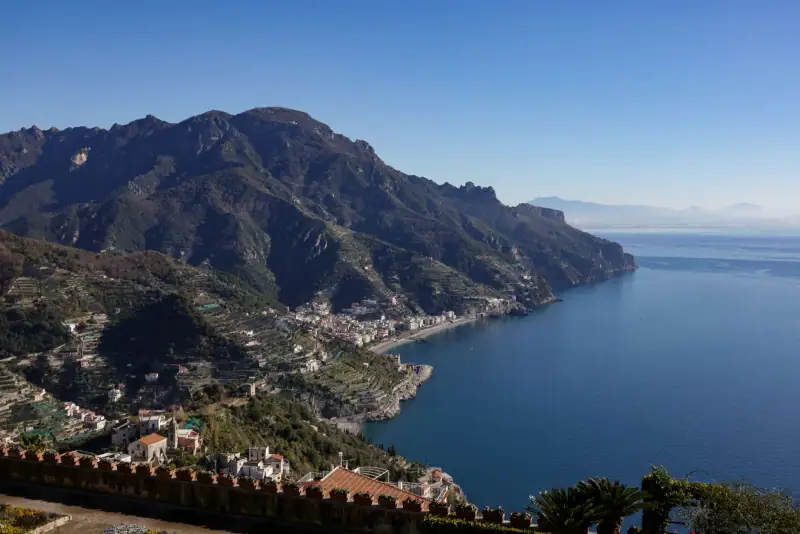
Amalfi Coast road trip by car: a Sorrento to Salerno itinerary
Drive the Amalfi Coast from Sorrento to Salerno on the SS163: stops in Positano, Amalfi and Ravello, parking, and tips for narrow roads.
5 days
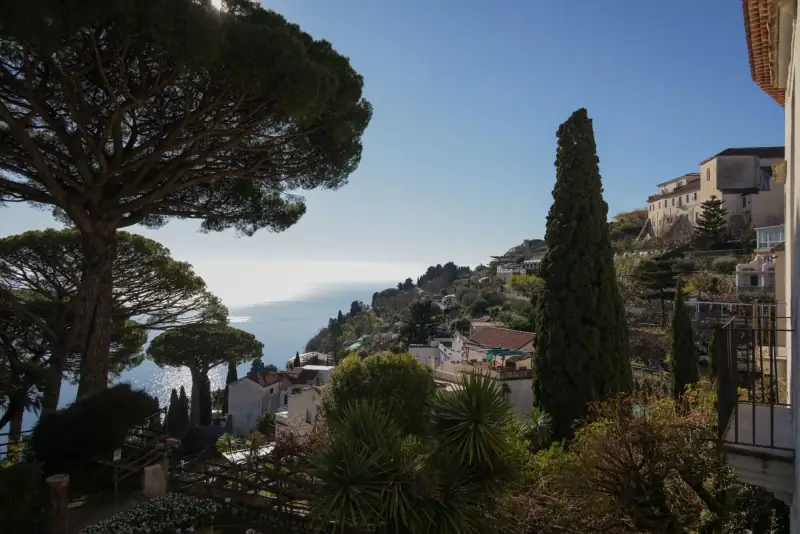
Amalfi Coast without a car: a 5-day itinerary by bus, ferry and train
Visit the Amalfi Coast without a car in 5 days: day-by-day itinerary by bus, ferry and train, with Amalfi, Ravello, Positano, Capri, Pompeii and tips.