What to see
Visiting Michamvi: Complete Guide to Zanzibar's East Coast Peninsula
We may earn a commission when you book through links on this page, at no extra cost to you. We don't visit or try the places we cover: we summarize published sources. How we work
In short
- Michamvi is about 65 km (40 mi) southeast of Stone Town; a private taxi takes 1 h to 2 h and costs roughly $50 to $70.
- Tides rule the day: at low tide you may walk 200 to 500 m (655 to 1,640 ft) to reach water, at high tide the lagoon is excellent.
- There is no ATM; bring USD or Tanzanian shillings. Daily budgets run from €40 to €350 (about $46 to $405).
- Best months are June to October; avoid April and May. Two to four nights is the ideal stay.
Michamvi is one of the last true secrets of Zanzibar’s east coast. Perched at the tip of a peninsula that juts into the Indian Ocean between Chwaka Bay to the north and deep water to the south, this enclave of white sand and coconut palms has been spared the tourist saturation that is gradually affecting other beaches on the island. Here, fishing dhows come back every morning with the night’s catch, Swahili women dry coral on mats in front of whitewashed houses, and beaches stretch for miles without a single rental umbrella in sight.
What sets Michamvi apart from its immediate neighbors, Paje to the south and Jambiani a little farther, is above all its particular geography. The peninsula is a strip of land surrounded by water on three sides, creating different exposures depending on the area: some beaches are protected by the barrier reef and offer a calm lagoon at high tide, others face the open ocean and offer striking views. This setup gives Michamvi a variety of landscapes packed into only a few square kilometers.
For travelers who want to get away from Zanzibar’s busiest areas without giving up beautiful scenery or clean water, Michamvi may be the most complete answer the island can offer in 2026.
The unique geography of the Michamvi peninsula
The Michamvi peninsula occupies a particular spot on Zanzibar’s east coast, toward the center-south of the island. It is bordered to the north by Chwaka Bay, a large sheltered arm of the sea whose shallow waters form an ecosystem of mangroves and seagrass beds, and to the southeast by the Indian Ocean. This makes Michamvi a destination with two faces: on the bay side, the water is calm and shallow, ideal for children and cautious swimmers; on the ocean side, the beaches are more exposed and windier, with an endless horizon that feels like the end of the world.
Chwaka Bay. North of the peninsula, Chwaka Bay is one of Zanzibar’s lesser-known and most interesting natural sites. Its shallow waters shelter mangrove forests that play a crucial ecological role: fish nurseries, barriers against erosion, carbon sinks. Kayak or dhow trips through these mangroves are a very different experience from the classic snorkeling or diving outings. Coastal birds such as egrets, herons and kingfishers regularly visit these wetlands.
The coral reef. Like most of Zanzibar’s east coast, Michamvi is protected by a barrier reef that runs parallel to the shore. This reef creates two distinct worlds: the inner lagoon, where the water is calm, turquoise and shallow at high tide, and the reef itself, where divers and snorkelers find remarkable marine biodiversity. The Michamvi reef is less visited than Mnemba or the northern areas, which often leaves it in a better state of conservation.
The tides. Zanzibar’s east coast has semi-diurnal tides that can reach 3 meters (10 ft) in range during spring tides. At low tide the reef is exposed over several hundred meters, even more than a kilometer (0.6 mi) in some areas, and the lagoon largely empties. At high tide the transformation is spectacular: the water rises, the turquoise deepens, and swimming is perfect. Always check a tide calendar before every water outing.
How to get to Michamvi
Michamvi is about 65 km (40 mi) southeast of Stone Town. The main road is paved for part of the way, then a laterite track reaches the peninsula. Track conditions vary with the seasons.
From Stone Town by private taxi. This is the most comfortable and fastest option. Expect 1 h to 1 h 30 min depending on traffic and track conditions, for about $50 to $70. Negotiate the price in advance and specify your destination accommodation. Your host can often arrange a transfer from the airport or Stone Town at an agreed rate.
From Zanzibar airport. The international airport is south of Stone Town. A taxi from the airport to Michamvi takes about 1 h 15 min to 1 h 45 min, for $55 to $75. Book your transfer in advance through your accommodation to avoid negotiating at the arrivals exit.
From Paje. Paje and Michamvi are about 13 to 16 km (8 to 10 mi) apart by the coastal road. A taxi or bajaj (motorized tricycle) makes the trip in 15 to 25 minutes depending on the state of the track, for $10 to $20. This is the best option if you are linking east coast villages.
From Stone Town by daladala. Local minibuses serve the east coast, but there is no direct line to Michamvi. You can take a daladala to Paje or Jambiani, then a bajaj to Michamvi. This option is cheap (under $5 in total) but long (2 h 30 to 3 h) and not well suited if you have heavy luggage.
Car rental in Zanzibar
Rent a 4x4 or a car to reach Michamvi freely and explore the east coast at your own pace.
Michamvi’s beaches: between lagoon and ocean
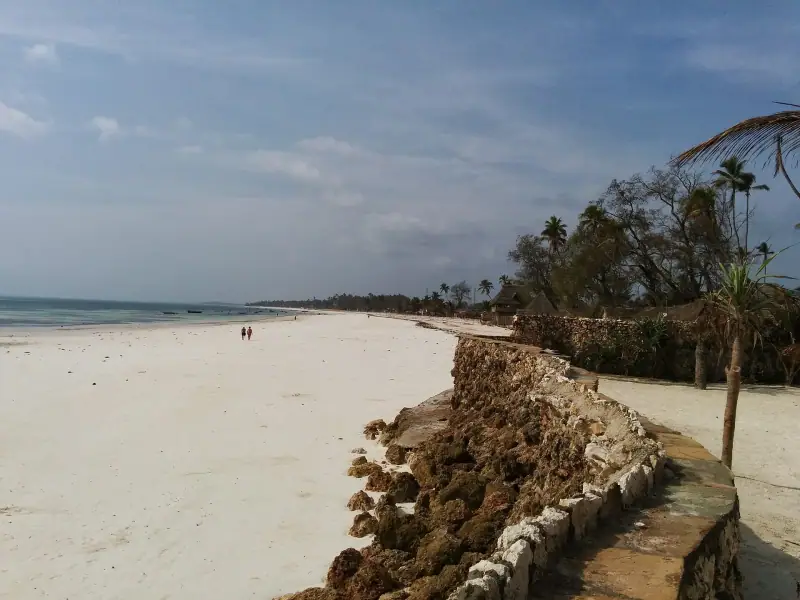
The beaches of the Michamvi peninsula are among the best preserved in Zanzibar. What they share is exceptionally white sand, almost powder-fine, that stays cool even under the tropical sun. Coconut palms lean toward the sea at the classic East African postcard angle, but here the scene is not staged. It is simply reality.
The lagoon at high tide. When the sea rises, the Michamvi lagoon turns into a strikingly beautiful turquoise mirror. The water is warm (27 to 30 °C / 81 to 86 °F), clear down to the white sand bottom, and calm enough for effortless swimming. Colorful tropical fish zigzag below the surface, and a mask and fins are enough to see them up close. At these moments, Michamvi looks like the ideal image of the Indian Ocean you had before your first trip.
The reef at low tide. When the sea pulls back, another landscape appears. The reef is exposed, natural pools form in the coral, filled with multicolored starfish, small octopuses, sea cucumbers and urchins. These walks on the exposed reef are fascinating as long as you wear sturdy water sandals, because the coral is sharp and urchins hurt. Do not touch the coral: it is alive and extremely fragile.
The bay-side beach. The north side of the peninsula, facing Chwaka Bay, has a different feel: calm, shallow, greenish water rich in sediment, with mangrove forests in the background. This area is less suited to swimming but ideal for nature watching, kayaking and sunrise photos over the water.
The calm. Even at the height of high season (July-August and December-January), Michamvi’s beaches stay surprisingly quiet. The number of travelers staying here is limited by the peninsula’s small accommodation capacity. You will regularly find miles of beach to yourself or nearly so, a rarity that is becoming more precious in Zanzibar.
Snorkeling and water activities
The coral reef on Zanzibar’s east coast around Michamvi is in good condition and offers quality snorkeling sessions at a reasonable distance from shore. Biodiversity is rich without reaching the spectacular concentrations of Mnemba to the north, but it holds its own.
Snorkeling from the beach. At high tide you can snorkel straight from the beach by swimming out to the reef. Expect 10 to 20 minutes of swimming depending on where you start. Visibility is generally good outside periods of heavy rain (30 to 40 cm / 12 to 16 in of transparency in low season). You will see schools of parrotfish, surgeonfish, lionfish in their coral hideouts and, with luck, green turtles grazing on the seagrass.
Dhow trips. Local fishermen and a few small Michamvi operators offer traditional dhow trips for snorkeling, sometimes combined with dolphin watching or a kayak visit to Chwaka Bay. These informal trips are negotiated directly on the beach at an affordable price ($20 to $40 per person for a half day).
Trip to the Paje sandbank. The richest snorkeling areas on the east coast are spread between Paje and the offshore sectors. You can arrange a dhow trip from Michamvi to the best snorkeling sites in the region. For a full overview, see our guide to snorkeling in Zanzibar.
Kayaking in Chwaka Bay. Chwaka Bay, north of the peninsula, is perfect for exploring by kayak. Its calm, shallow water lets you paddle between mangrove islets, watch coastal birds and discover a side of Zanzibar very different from the white sand beaches. Some Michamvi accommodations offer kayaks for rent or loan.
Activities and excursions in Zanzibar
Snorkeling, dolphin trips, spice tour, Stone Town excursion: book your activities on Zanzibar's east coast.
Exploring Chwaka Bay and the mangroves
Chwaka Bay is one of Zanzibar’s least-visited natural treasures. This large sheltered bay, stretching north of the Michamvi peninsula, is dominated by some of the island’s most important mangrove ecosystems. These intensely green forests, whose roots sink into brackish water, play a major ecological role.
A major ecological role. The mangroves of Chwaka Bay serve as nurseries for many tropical fish species: young fish grow up sheltered from predators before joining the coral reef offshore. They are also a nesting habitat for dozens of coastal bird species and an essential natural carbon sink in the face of climate change. This role is now recognized, and local initiatives are trying to protect these areas from human impact.
Wildlife in the bay. Paddling quietly by kayak through the arms of the bay, you can see snowy egrets, black-crowned night herons, pied kingfishers and whistling ducks. Underwater, the bay’s seagrass beds shelter sea cucumbers, starfish, small rays and boxfish. Dugongs (East African manatees) were historically seen in these areas but have become extremely rare.
Traditional fishing. Chwaka Bay is also one of the last places in Zanzibar where you can still see traditional fishing on foot. At low tide, women and men from the village walk out onto the exposed reef flat with baskets and traps to gather shellfish, sea urchins and small crustaceans. This age-old practice, called “harvesting” in coastal Swahili, is both a source of food and a deep cultural link with the ocean.
Where to eat in Michamvi
Food in Michamvi is that of Zanzibar’s traditional east coast: simple, tasty and deeply rooted in the Swahili cooking of fishermen. Do not expect a varied restaurant scene. You are in a village that eats what the sea gives each day. For a more special meal, read our practical guide to The Rock, the restaurant perched on its rock.
Accommodation restaurants. Nearly all of Michamvi’s lodges and guesthouses have a restaurant terrace open to non-guests, generally on the beachfront. Menus center on the fish of the day: charcoal-grilled, cooked in coconut curry, or prepared as pilau with Zanzibar spices. Grilled vegetables often come alongside: eggplant, okra, plantain. Expect €12 to €22 (about $14 to $26) for a main meal with a drink.
Village stalls. In Michamvi village itself, a few small eateries serve everyday food to residents: white rice, fish fried in palm oil, ugali (thick maize porridge), spiced lentil soup. These places are very affordable (under $4), used mostly by locals, and the language of service is Swahili, but a smile and the word “Chakula” (food) work wonders.
Tropical fruit. One of Michamvi’s simple, unmissable pleasures: buying fruit directly from the village’s small grocery stands or from the women walking along the beach. Local mangoes, papayas and coconuts from the garden, at very low prices, are often the best lunch of the day. A fresh coconut opened with a machete for 500 shillings (about €0.20 / $0.23) is a luxury everyone can afford.
Fish bought from fishermen. If you are staying at a guesthouse with a shared kitchen, or if your accommodation offers this service, ask to go with your host to the beach when the dhows return (usually between 6 and 9 am) to buy the day’s fish directly. You will take part in village life and eat a meal whose exact origin you know. To go deeper into Zanzibari cooking, see our guide to food in Zanzibar.
Where to stay in Michamvi
Accommodation in Michamvi is deliberately limited. The peninsula has not been developed on a large scale and probably will not be anytime soon, which is exactly what makes it precious. Still, you will find a range of categories from family guesthouses to charming lodges.
Guesthouses and B&Bs (€20 to €60 per night, about $23 to $70). A few families on the peninsula offer simple but clean rooms, often with a fan and mosquito net, in houses built to Swahili architectural traditions. Service is family-run and genuine, meals are home-cooked and contact with local life is immediate. This is the choice of travelers who want real immersion.
Charming boutique lodges (€80 to €200 per night, about $93 to $230). Several small lodges have been built on the peninsula with care and discretion, often by local operators or expats who love the place. Stone and wood bungalows facing the beach, private terraces over the lagoon, a natural or infinity pool depending on the property, and cooking with Swahili and international touches. These places offer excellent value and direct beach access.
Eco-lodges (€100 to €250 per night, about $115 to $290). A few Michamvi accommodations have adopted an ecotourism approach: solar panels, local waste management, cooking with local wood or charcoal, hiring only peninsula residents, and strict rules on respecting the reef. These places suit responsible travelers who want their stay to contribute positively to the local economy and to protecting the environment.
Booking tips. With Michamvi’s total accommodation capacity being small, it is essential to book several weeks ahead in high season (July-August, December-January). Off-season, significant discounts (30 to 50%) are possible by negotiating directly with the accommodations.
Stays in Michamvi and the east coast
Local guesthouses, charming boutique lodges and eco-lodges on the Michamvi peninsula and Zanzibar's east coast.
Michamvi in practice: budget, health, customs
Daily budget
Michamvi is slightly less expensive than Nungwi or some premium lodges on the north coast, because there are no large hotel complexes. Here is a realistic budget by traveler type:
- Backpacker budget: €40 to €70 per day (about $46 to $81): simple guesthouse, local meals, independent activities from the beach
- Mid-range budget: €100 to €170 per day (about $115 to $195): boutique lodge, lodge restaurant, guided snorkeling trips
- Comfort/eco-conscious budget: €180 to €350 per day (about $210 to $405): eco-lodge or charming lodge, meals included, organized excursions
Cash. There is no ATM in Michamvi. Withdraw USD or Tanzanian shillings (TZS) in Stone Town, at the airport or in Paje before heading to the peninsula. Always keep enough cash in reserve for 3 to 4 days.
Health and safety
Malaria. Zanzibar is a malaria risk area. See a doctor or a travel clinic 6 to 8 weeks before departure to assess whether preventive treatment suits your profile. Use DEET-based repellent from sunset and check that your room has a mosquito net.
Drinking water. Never drink tap water. Choose bottled water or use a travel filter. Most lodges provide drinking water, sometimes filtered on site.
Tides and water safety. Never go into the sea without checking the day’s tide table. On Zanzibar’s east coast, the ebb tide current can be strong and quickly carry a careless swimmer away from shore. Never snorkel alone and always tell your accommodation about your outings at sea.
Sunscreen. Solar radiation in Zanzibar is extreme all year. Apply SPF 50+ every two hours, especially during water sessions. Prefer “reef-safe” formulas (without oxybenzone or octinoxate) to protect the corals of the Michamvi reef.
Respecting local customs
Michamvi is a predominantly practicing Muslim village. The dress code outside the beach areas is simple but important for mutual respect:
- Cover shoulders and knees in the village (away from the beach itself)
- Always ask permission before photographing residents, especially women
- Greet with “Jambo” or “Habari”. The replies will be warm and genuine
- During Ramadan, avoid eating, drinking or smoking in public in the village lanes
- Physical displays of affection between couples are unwelcome in shared spaces
Connectivity and phone
Mobile coverage (Airtel Tanzania, Vodacom) is available in Michamvi but can be patchy depending on where you are on the peninsula. Most lodges offer Wi-Fi of varying quality. Think of Michamvi as a place to partly disconnect: it is part of its charm.
When to visit Michamvi
Michamvi follows the climate calendar of Zanzibar’s east coast, which is the same as the rest of the island. For a full guide to the seasons, see our article on the best time to visit Zanzibar.
June to October (Kusi dry season): best period. Southeast winds blow steadily but do not stop swimming in the protected lagoon. Skies are clear, temperatures mild (23 to 28 °C / 73 to 82 °F), the sea blue and underwater visibility excellent. This is high season: accommodations fill up and prices rise slightly (15 to 25%).
December to March (Kaskazi dry season): very good period. The water is warmer (29 to 31 °C / 84 to 88 °F), and the northeast winds (Kaskazi) can build some waves on the east coast, but swimming remains good in the lagoon. December and January are popular for the end-of-year holidays. February-March is an interesting window with fewer people and still reasonable prices.
April-May (Masika long rainy season): avoid. April is the rainiest month of the year. Tropical rains are heavy and frequent, the sea can get rough, and underwater visibility drops. Many accommodations close or cut back. Avoid unless you specifically want rock-bottom prices and accept the weather limits.
November (Vuli short rainy season): attractive low season. Brief showers come regularly but do not last all day. Crowds are minimal, prices very attractive (discounts of 30 to 50% at some lodges), and the village atmosphere is especially authentic at this time.
Excursions from Michamvi
Michamvi’s position on the east coast makes it easy to reach the island’s other destinations for day trips.
Paje and kitesurfing (13 to 16 km / 8 to 10 mi south). Paje is the kitesurfing capital of the East African coast. From Michamvi, a taxi or bajaj gets you there in 25 to 40 minutes. Even if you do not kitesurf, Paje’s beaches are superb, the atmosphere is livelier and the restaurants more varied. To learn more, read our guide to Paje and kitesurfing in Zanzibar.
Jambiani (about 25 to 30 km / 16 to 19 mi south). A preserved fishing village on the east coast, Jambiani has one of the longest beaches in Zanzibar. The atmosphere is peaceful and the seabed in the area is appreciated by snorkelers. Our guide Visiting Jambiani has all the information you need.
Stone Town (65 km / 40 mi west). The UNESCO-listed old town deserves a full day from Michamvi. Lateen-sail dhows, labyrinthine alleys, spice markets, street food restaurants and historical museums make a perfect cultural counterpoint to beach days. See our guide to Stone Town’s essentials.
Safari Blue (from Paje or Stone Town). Safari Blue is Zanzibar’s flagship excursion: a day on a dhow combining diving, open-water snorkeling, trolling and a seafood meal on a sandbank. Organized from Paje or Stone Town, it fits easily into a stay based in Michamvi. Find the details in our guide to Safari Blue in Zanzibar.
Flights to Zanzibar
Compare flights to Zanzibar (ZNZ), including connections via Nairobi, Addis Ababa or Doha.
Insider tips for making the most of Michamvi
Check the tide times every morning. The difference between a frustrating stay (sea pulled back just when you wanted to swim) and a perfect one often comes down to this one habit. Ask your accommodation for the forecast or download a tide app before you leave.
Wake up early for the fishing boats. Between 5:30 and 7 am, Michamvi’s fishing dhows leave the beach or come back from the night. This moment of local life, in the golden dawn light over the Indian Ocean, is among the finest sights in Zanzibar, yet it is rarely described in guidebooks.
Explore the peninsula on foot. Michamvi is small and can be explored on foot in a few hours. Follow the sand paths between the coconut palms, walk the north coast toward Chwaka Bay, cross the village when women are cooking in front of their houses. A local guide ($5 to $10 for a half day) can greatly enrich the walk with commentary on the history and traditions of the place.
Combine with Paje for the best of both worlds. Michamvi for absolute calm, an empty beach and local immersion; Paje for energy, restaurants, kitesurfing and nightlife. The two villages are only 13 to 16 km (8 to 10 mi) apart, perfect to combine over a week on the east coast.
Bring your own snorkeling gear. Rental equipment available in Michamvi is limited. Invest in a quality mask and fins before you leave: it radically improves the underwater experience and spares you the leaks of worn masks.
Try kashata. This traditional Swahili sweet made of grated coconut, sugar and cardamom is prepared by village women and sold on the beach or in front of houses. Sweet, fragrant, slightly crunchy, it is a taste of Zanzibar you will look for long after you get home.
Adopt the rhythm of the tide. On Zanzibar’s east coast, the day is planned not by the clock but by the tides. High tide in the morning? Swim, snorkel, enjoy the lagoon. Low tide in the afternoon? Walk on the reef, collect shells, watch life in the natural pools. Dinner while waiting for the evening tide? Order grilled fish on the terrace and watch the horizon. This organic rhythm is one of the most valuable lessons Michamvi teaches.
Michamvi does not try to sell itself. It has no entrance sign, no tourist office, no craft market for visitors. What it has, and jealously keeps, is a peninsula between two waters, a living coral reef, a village that eats what the sea offers each day, and beaches that, even in the 21st century, keep something intact. For travelers who come to Zanzibar without wanting to find what they left at home, Michamvi may be the most honest discovery the island can offer.
Frequently asked questions
Can you reach Michamvi from Stone Town by taxi?
Yes. Michamvi is about 65 km (40 mi) southeast of Stone Town. A private taxi makes the trip in 1 h 30 to 2 h depending on traffic and the condition of the final track, for about $50 to $70. Agree on the price before leaving and tell your accommodation your arrival time in case a local guide is needed.
Can you kitesurf at Michamvi?
Michamvi is less exposed to steady winds than Paje, about 20 km (12 mi) to the south, so kitesurfing conditions are less regular. If kitesurfing is your main activity, Paje remains the better choice. Michamvi, on the other hand, is ideal for swimming, snorkeling and relaxing on a quiet beach.
Is there an ATM in Michamvi?
No, Michamvi has no ATM. The nearest ones are in Stone Town or Paje. Bring enough cash (USD or Tanzanian shillings) before heading to the peninsula. Most lodges accept bank cards, but small shops and local guides work in cash only.
Is Michamvi good for travelers who want to avoid crowds?
Absolutely. Michamvi is one of the best-preserved destinations on Zanzibar's east coast. Tourist numbers are very low compared with Paje or Nungwi. Beaches are often empty outside the immediate surroundings of the few places to stay. It suits anyone looking for calm, nature and authentic Swahili life.
How long should you stay in Michamvi?
Two to four nights make an ideal stay. That is enough time to enjoy the beach, take one or two snorkeling trips, explore the village on foot and head out to Paje or Jambiani. A full week is possible for those who want a total retreat, but for a change of scenery, combining Michamvi with other east coast beaches is a balanced option.
Do tides really affect swimming at Michamvi?
Yes. Like the whole east coast of Zanzibar, Michamvi has significant tides. At low tide a wide area of sand and coral is exposed, and you cannot swim unless you walk, sometimes 200 to 500 m (655 to 1,640 ft), to reach the water. At high tide the lagoon is beautiful and swimming is excellent. Check a tide table every day to plan water activities.
Is it easy to get from Paje to Michamvi?
Yes. Paje and Michamvi are about 13 to 16 km (8 to 10 mi) apart by the coastal road. A taxi or bajaj (motorized tricycle) takes 15 to 25 minutes depending on the state of the track. Some travelers rent a scooter to move freely between the two villages and explore the east coast at their own pace.
More Zanzibar guides
Keep reading
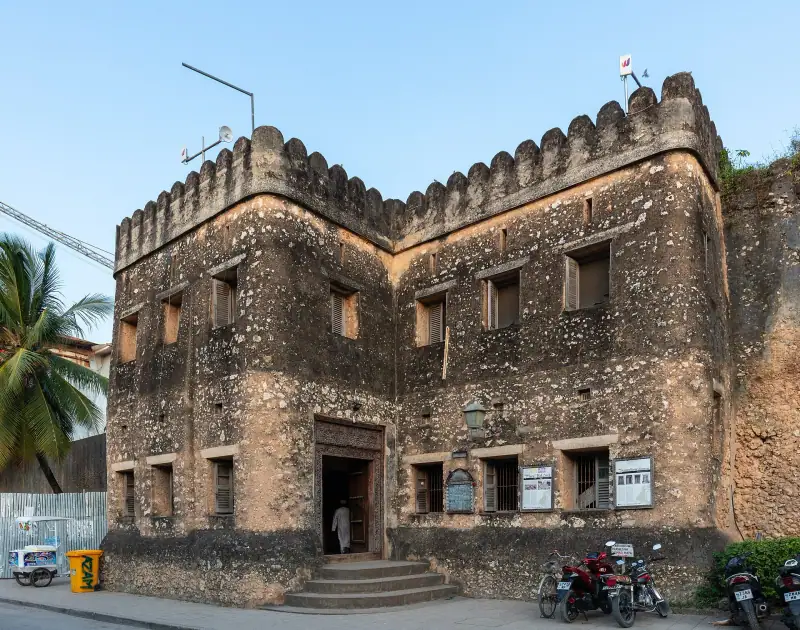
Stone Town Highlights: What to See and Do in the Old Town
Stone Town, Zanzibar highlights: House of Wonders, Darajani Market, Freddie Mercury's birthplace, Forodhani night market and more.
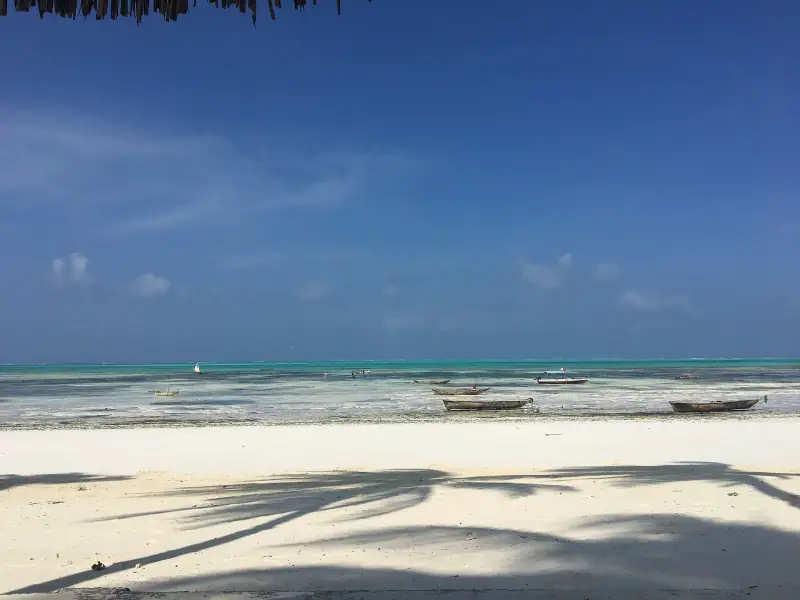
Jambiani: Complete Guide to the Authentic Village on Zanzibar's East Coast
Jambiani, an authentic Zanzibar village: huge beach, Swahili culture, seaweed farms, kitesurfing and sea turtles. Complete 2026 guide.
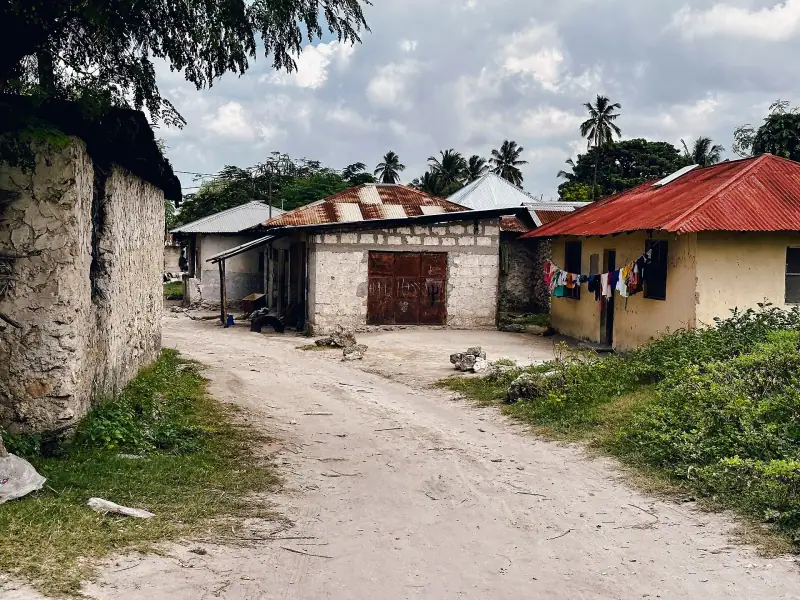
Matemwe: Complete Guide to the Dive Village by Mnemba Atoll
Matemwe is a fishing village on Zanzibar's northeast coast and the gateway to Mnemba for diving and snorkeling. Complete 2026 guide.
Ready-made
Zanzibar itineraries
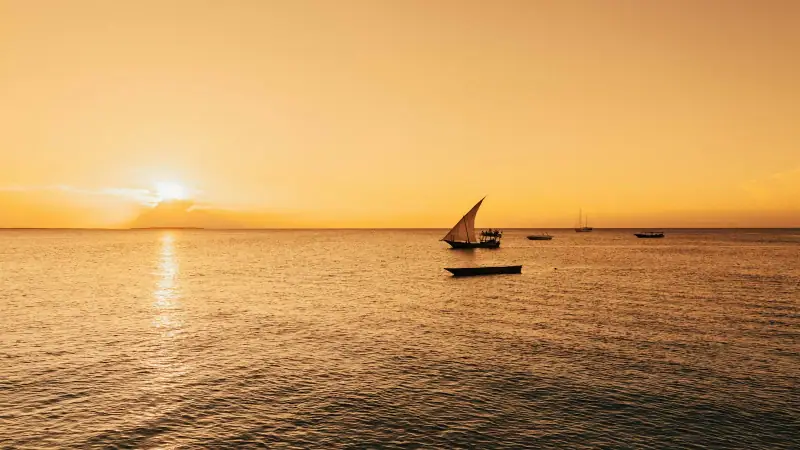
5 days
Zanzibar in 5 Days Without a Car: A Realistic Itinerary With Transport
Zanzibar in 5 days without a car: Stone Town, Nungwi and Paje with distances, travel times, taxi and daladala prices, and pitfalls to avoid.
10 days
Zanzibar Island Tour: Complete 10 to 14-Day Itinerary
Stone TownNungwi and KendwaMatemwePaje and JambianiStone Town
3 days
Zanzibar's East Coast: A Complete Guide to Paje and Jambiani
Paje, Jambiani, kitesurfing and Swahili villages: a guide to Zanzibar's east coast, with beaches, dramatic tides and authentic village life.