What to see
Stone Town Highlights: What to See and Do in the Old Town
We may earn a commission when you book through links on this page, at no extra cost to you. We don't visit or try the places we cover: we summarize published sources. How we work
In short
- Plan at least 1 full day in Stone Town, ideally 2 to 3 nights to take in the atmosphere.
- Main sights: the former slave market and Anglican cathedral, Freddie Mercury's birthplace, the Old Fort, Darajani Market and the Forodhani night market.
- The House of Wonders and the Palace Museum are closed for restoration; check whether they have reopened.
- Budget about 15-20 USD for the main sights, and 20-30 USD for a 2-hour local guide.
Stone Town is one of the most fascinating cities in Africa. This old town, a UNESCO World Heritage Site since 2000, is a maze of coral-paved alleys, Arab houses with carved balconies, centuries-old mosques and sultans’ palaces. Stone Town is the historical and cultural heart of Zanzibar.
Here are the key sights and activities not to miss during your stay in the old town.
Key historic sites
The House of Wonders (Beit el-Ajaib)
The House of Wonders is the most iconic building in Stone Town. Built in 1883 by Sultan Barghash bin Said, it was the first building in East Africa to have electricity and a hydraulic elevator.
This palace, with its baroque facade, balconies and imported cast-iron columns, houses the Museum of Zanzibar History and Culture. The collections trace the history of the archipelago from the first settlements to the colonial era.
The palace has been closed for restoration for several years, like the neighboring Palace Museum. Check with Zanzibar’s tourism authorities or your lodging to see whether it has reopened, and what the hours and fees are.
The Slave Market and the Anglican Cathedral
One of the most moving sites in Stone Town. Christ Church Cathedral, built in 1879 on the site of Zanzibar’s last slave market, is a powerful symbol of the abolition of slavery.
In the courtyard, underground chambers (slave chambers) help you understand the appalling conditions in which enslaved people were held before being sold. A restrained but striking memorial.
Zanzibar was one of the largest slave markets in the Indian Ocean, exporting 50,000 to 60,000 enslaved people a year at its peak.
A guided visit is recommended. Admission: 5 to 10 USD depending on the source (check on site).
Freddie Mercury’s birthplace
The legendary Queen singer was born in Stone Town as Farrokh Bulsara in 1946. The family home, in the Shangani district (Kenyatta Road), now houses the Freddie Mercury Museum. Mercury’s bar-restaurant is on the waterfront, not far away.
It is a must-stop for fans, but also for anyone who wants to understand Zanzibar’s cultural diversity, on an island that produced one of the greatest musicians of the 20th century.
The Old Fort (Ngome Kongwe)
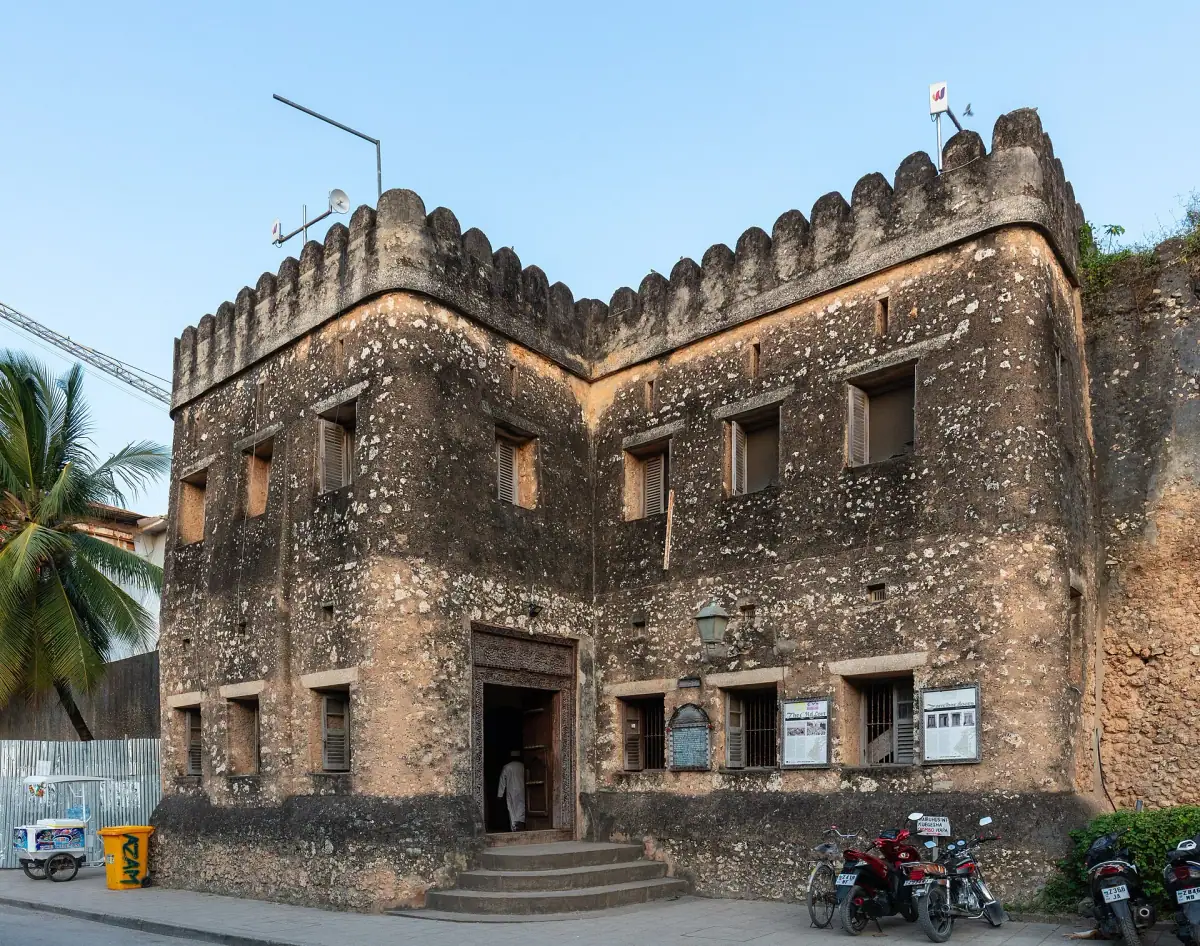
The Old Fort of Stone Town is the oldest structure on the island, built by the Omanis in the 17th century on the ruins of a Portuguese fortress. Its high coral walls are typical of Omani defensive architecture.
Today the fort is an active cultural center with traditional music performances (taarab), a craft market and restaurants in the courtyard. Open daily; entry to the courtyard is generally free, but some shows or exhibitions charge admission (check on site).
Guided tours of Stone Town
Discover the secrets of the old town with an expert local guide.
The markets
Darajani Market
Stone Town’s central market is one of the liveliest in East Africa. Open daily from dawn, it brings together in a covered building and its surroundings all the products of everyday Zanzibari life.
The different sections:
- Fish and seafood: whole tuna, Nile perch, shrimp, freshly caught octopus
- Fruit and vegetables: mangoes, papayas, jackfruit, durians, leafy greens, plantains
- Spices: cloves, cinnamon, cardamom and turmeric displayed in large colorful pyramids
- Meat: beef, goat, lamb
- Fabrics, clothing and hardware in the adjacent streets
Visit the market in the morning (7 to 9 am) to see it at its busiest. It is the ideal place to buy spices at a good price.
Forodhani night market
Every evening at nightfall, the waterfront Forodhani Gardens turn into a big food fair. Dozens of vendors set up their stalls and grills to serve Zanzibari street food.
What to eat at Forodhani:
- Meat and seafood skewers
- Urojo (mango curry soup with various toppings)
- Mishkaki (marinated skewers)
- Chips mayai (french fry omelet)
- Stuffed samosas
- Naan bread and chapati
- Fresh sugarcane juice
- Tropical fruit on skewers
A full meal at Forodhani costs €3 to 8 (about $3-9). It is an authentic, inexpensive food experience you should not skip.
Walks through the alleys
The carved doors of Stone Town
Stone Town is famous for its carved wooden doors, works of art in their own right that tell the story of each house. There are more than 500, each one unique, decorated with geometric or floral patterns or verses from the Koran.
Brass-studded doors were a sign of wealth and social status: the more studs, the richer the owner. The architectural tradition blends Arab, Indian, Swahili and European influences.
The most famous “studded door” is in the Shangani district. Themed walks are run by specialized local guides.
The Shangani district
This is the most touristy district of Stone Town, with the finest restored Arab houses, the best art galleries, fine-dining restaurants and charming hotels. Get lost in its alleys and step into the inner courtyards when a door is open. This is usually fine.
The Mizingani Road waterfront
The promenade along the waterfront (Mizingani Road) offers a magnificent view of the harbor, the traditional dhows and the ocean. It is the ideal spot for sunset, sitting on the old cannons pointed out to sea.
Hotels in Stone Town
Sleep in the old town to experience Stone Town from the inside.
Cultural life
Taarab music
Taarab is the traditional music of Zanzibar, born from a blend of Arab, Indian and African influences. This melancholy music, with string instruments and percussion, is everywhere in Zanzibari culture.
Taarab concerts are held regularly at the Old Fort and in some Stone Town hotels. Do not miss a taarab evening if you get the chance.
Swahili culture
Stone Town is the cradle of Swahili culture, a unique coastal civilization born from a blend of African, Arab and Persian traditions. This culture shows in the language (Kiswahili, the lingua franca of East Africa), the cooking, the architecture and the crafts.
To go deeper, see our guide to Zanzibari culture.
Finding your way around Stone Town
Stone Town is a real maze: not all the alleys appear on maps, and addresses are approximate. That is part of its charm, but also a source of confusion.
Practical tips:
- Download Maps.me with the Zanzibar map for offline use
- Ask your hotel for a paper map and the main landmarks
- Hire a local guide for your first visit (20 to 30 USD for 2 hours)
- Spot landmarks visible from afar (the mosque minaret, the facade of the House of Wonders)
- Do not hesitate to ask locals for directions
Stone Town is a city you discover slowly, by getting lost in its alleys, stepping into inner courtyards and accepting that you will walk in circles. It is in those lost moments that the best discoveries happen.
To find out where to eat in Stone Town, see our restaurant guide.
Frequently asked questions
How long do you need to visit Stone Town?
Allow at least 1 full day to see the main sights. 2 days let you explore the old town without rushing, visit the museums, go to the night market and enjoy the restaurants. Stone Town deserves 2 to 3 nights to really soak up its atmosphere.
Is Stone Town safe for tourists?
Stone Town is generally safe for tourists. As in any tourist city, watch for pickpockets in the markets and avoid isolated alleys at night. Stick to the marked tourist areas and do not leave your belongings unattended. During the day you can walk freely throughout the old town.
Where is Freddie Mercury's house in Stone Town?
Freddie Mercury's birthplace (born Farrokh Bulsara) is in the Shangani district, on Kenyatta Road. It now houses the Freddie Mercury Museum, open daily (check hours on site). Mercury's Bar & Restaurant is on the waterfront (Mizingani Road), a few minutes away on foot.
Do you have to pay to enter Stone Town's museums?
Yes, the main museums charge admission: the former slave market and Anglican cathedral (5 to 10 USD depending on the source) or the Freddie Mercury Museum (check the price on site). The House of Wonders and the Palace Museum are closed for restoration: check whether they have reopened. Forodhani market and the streets of Stone Town are free. Budget 15 to 20 USD to visit the main sights.
Can you visit the mosques of Stone Town?
Stone Town's mosques are generally not open to non-Muslims. You can admire their exterior architecture from the street. If you want to go inside, some accept visitors outside prayer times, if properly dressed (shoulders and knees covered, shoes removed).
More Zanzibar guides
Keep reading
Visiting Michamvi: Complete Guide to Zanzibar's East Coast Peninsula
Michamvi, a wild peninsula in southeast Zanzibar: pristine beaches, coral reef, total calm and sunsets over the lagoon. 2026 guide.
Jambiani: Complete Guide to the Authentic Village on Zanzibar's East Coast
Jambiani, an authentic Zanzibar village: huge beach, Swahili culture, seaweed farms, kitesurfing and sea turtles. Complete 2026 guide.
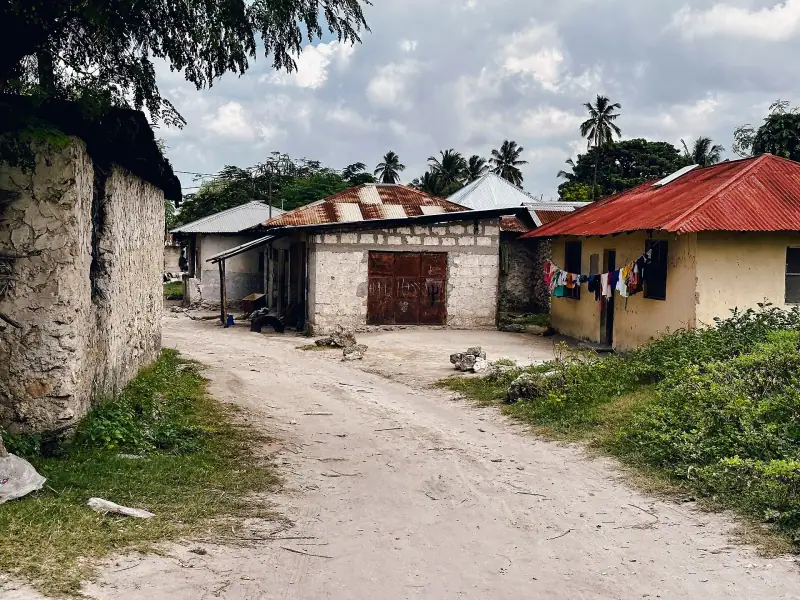
Matemwe: Complete Guide to the Dive Village by Mnemba Atoll
Matemwe is a fishing village on Zanzibar's northeast coast and the gateway to Mnemba for diving and snorkeling. Complete 2026 guide.
Ready-made
Zanzibar itineraries
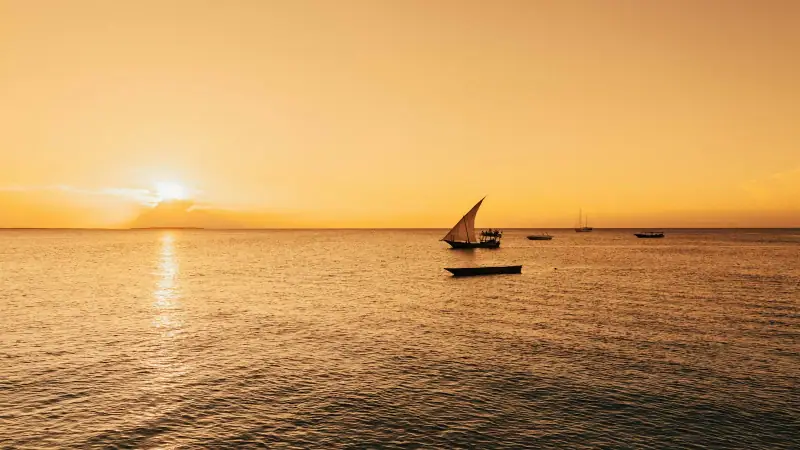
5 days
Zanzibar in 5 Days Without a Car: A Realistic Itinerary With Transport
Zanzibar in 5 days without a car: Stone Town, Nungwi and Paje with distances, travel times, taxi and daladala prices, and pitfalls to avoid.
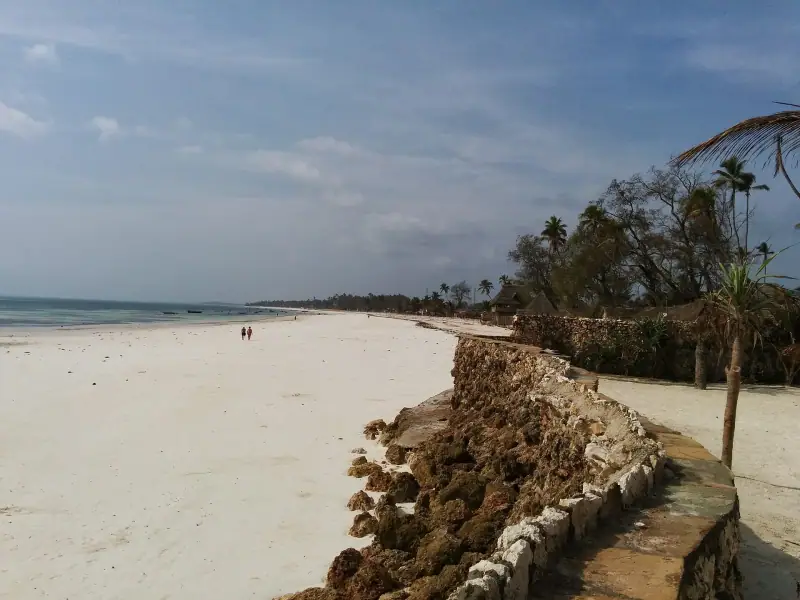
10 days
Zanzibar Island Tour: Complete 10 to 14-Day Itinerary
Stone TownNungwi and KendwaMatemwePaje and JambianiStone Town
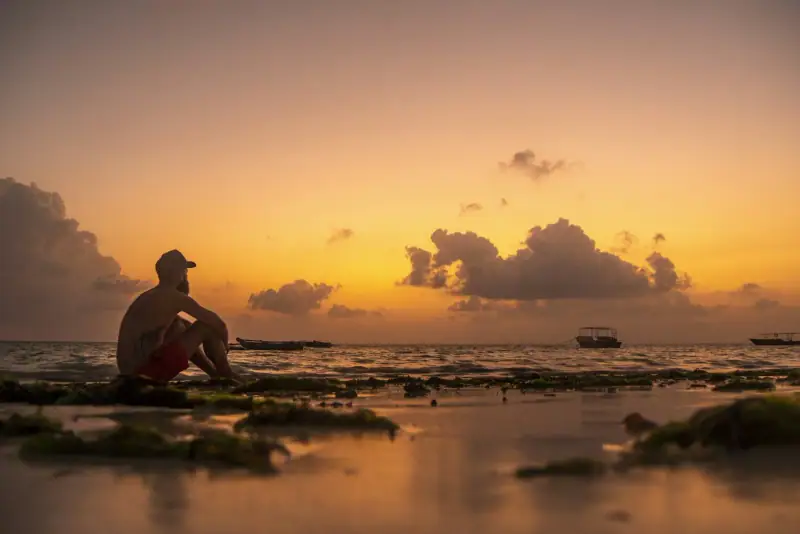
3 days
Zanzibar's East Coast: A Complete Guide to Paje and Jambiani
Paje, Jambiani, kitesurfing and Swahili villages: a guide to Zanzibar's east coast, with beaches, dramatic tides and authentic village life.