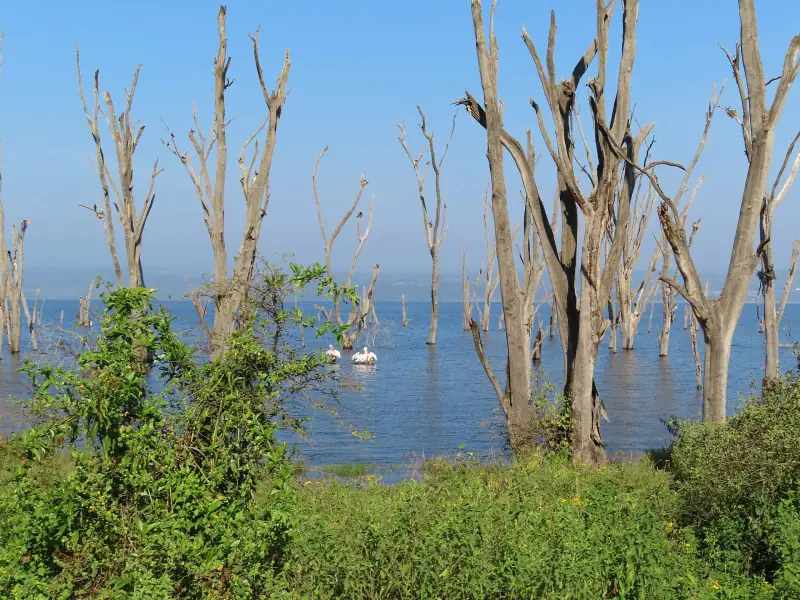
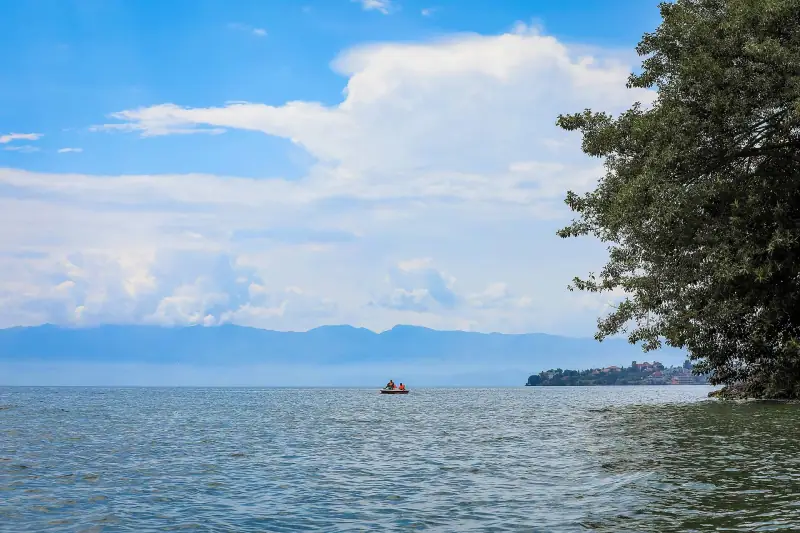
What to see
Matemwe: Complete Guide to the Dive Village by Mnemba Atoll
We may earn a commission when you book through links on this page, at no extra cost to you. We don't visit or try the places we cover: we summarize published sources. How we work
In short
- Matemwe is a quiet fishing village on Zanzibar's northeast coast, about 50 km (31 mi) from Stone Town, with a reef-protected lagoon.
- Mnemba is 15 to 20 minutes away by boat; snorkeling trips cost $30 to $50 per person, two dives $60 to $80.
- Best diving is June to October (visibility often 20 to 25 m / 65 to 82 ft); avoid April and May.
- There is no ATM in Matemwe: bring cash (USD or TZS) from Stone Town or the airport.
Matemwe is one of Zanzibar’s best-kept secrets. Set on the island’s northeast coast, halfway between the bustle of Nungwi and the serenity of the east coast, this quietly beautiful fishing village draws mainly divers and travelers looking to get away from the island’s busiest areas. Its white sand beach stretches for several kilometers, protected by a coral reef that forms a lagoon of emerald water. Above all, Matemwe is the natural gateway to Mnemba Atoll, one of East Africa’s top diving spots, where manta rays, green turtles, reef sharks and schools of barracuda cross paths.
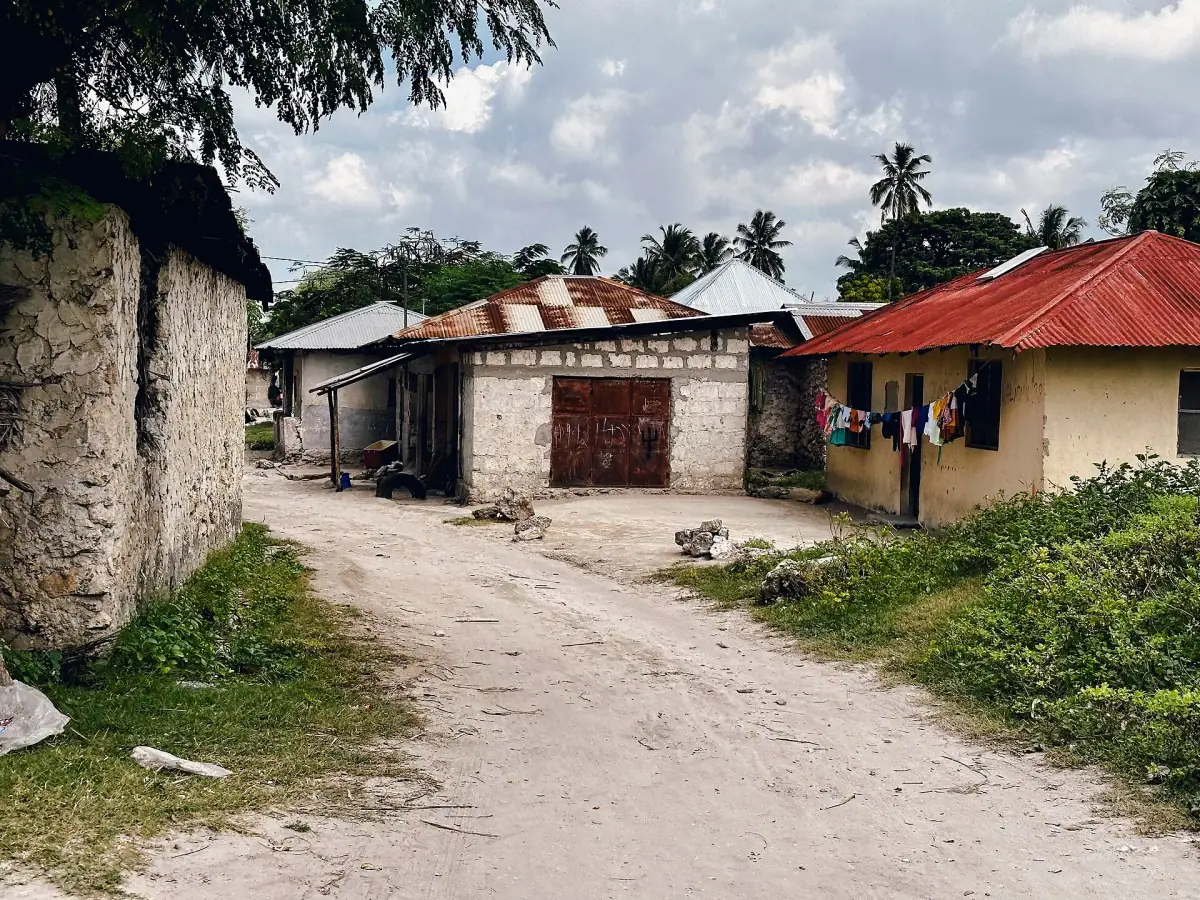
Here the rhythm follows the tide. In the morning, fishing dhows leave the beach before dawn. At midday, women spread fish on straw mats to dry in the sun. In the evening, the muezzin calls to prayer and the village gradually falls asleep under the stars of the southern hemisphere. In between, Matemwe offers what many people come to Zanzibar looking for and find less and less in the crowded beach resorts: silence, sea, space.
Why choose Matemwe over another Zanzibar beach
Matemwe is not the best-known destination in Zanzibar, and that is precisely its strength. Several things give it a distinct identity among the island’s beach destinations.
Proximity to Mnemba. This is the number one reason to choose Matemwe. Mnemba, about 3 kilometers (1.9 mi) off the northeast coast, is considered by many specialists to be the best dive site in all of Tanzania. The circular reef around the private island of Mnemba shelters exceptional marine biodiversity, and from Matemwe it is 15 to 20 minutes away by boat. Other Zanzibar villages are much farther from this underwater jewel.
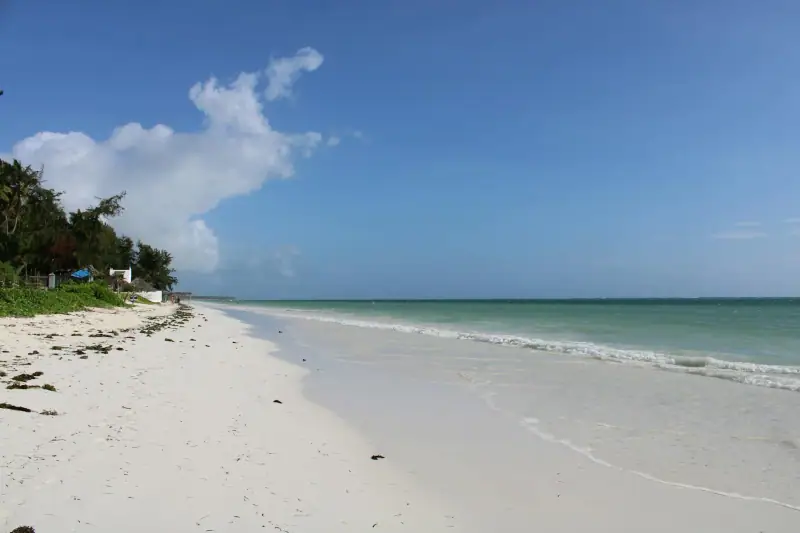
A beach protected by the reef. Unlike the east coast, which is strongly affected by tides, Matemwe’s beach has a particular setup: a wide barrier reef absorbs the swell and creates calm water, good for swimming even for the most cautious. At high tide the water is beautiful and clear. At low tide the reef is exposed and allows a fascinating exploration on foot.
The authenticity of a living village. Matemwe has not been entirely transformed by tourism. Swahili fishing families have lived here for generations, with their dhows, nets and traditions. You can still walk through the village without passing between two rows of souvenir sellers. Local life is visible, accessible and genuinely welcoming.
An ideal midpoint. Matemwe is about 43.6 km (27 mi) from Stone Town (52 minutes by taxi), 26 to 27 km (16 mi) from Nungwi and 25 km (16 mi) from the east coast. It is an excellent base for exploring the whole island, including a cultural day in Stone Town or a Safari Blue excursion.
How to get to Matemwe
Matemwe is on Zanzibar’s northeast coast, about 50 km (31 mi) from Stone Town. Access is now easier thanks to a paved road in good condition for most of the trip.
From Stone Town by private taxi: This is the most comfortable option. Expect $35 to $50 for a trip of about 45 to 55 minutes depending on traffic. Always negotiate the price in advance. Your accommodation can arrange a transfer from the airport or the port for a similar rate, sometimes by minibus.
From Zanzibar airport: The international airport is south of Stone Town. A taxi from the airport to Matemwe will cost $45 to $60 for about 1 h to 1 h 15 min on the road. Many lodges run their own shuttle, to be booked in advance.
From Stone Town by daladala: Local minibuses (daladalas) are the cheapest option. There is no direct line to Matemwe, but you can take a daladala to Mkokotoni or Pwani Mchangani, then a bajaj (motorized tricycle) to Matemwe. The whole trip takes 2 h to 2 h 30 min for less than $5, but the connection can be uncertain.
From Nungwi: Matemwe is about 26 to 27 km (16 mi) south of Nungwi. A taxi or bajaj makes the trip in 30 to 40 minutes for $15 to $25. This is the route to take if you stop on the north coast first before settling in Matemwe.
Car or scooter rental in Zanzibar
Rent a 4x4, a car or a scooter to reach Matemwe on your own and explore the northeast coast at your own pace.
Matemwe beach: white sand and a protected lagoon
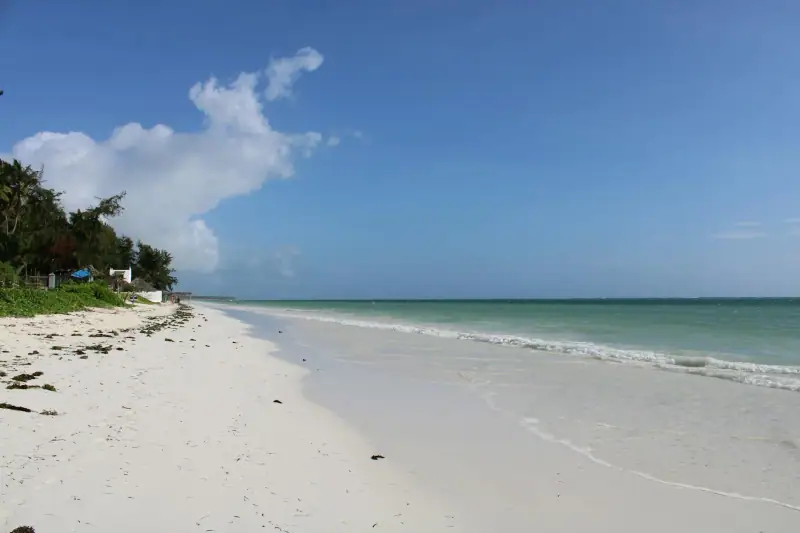
Matemwe beach stretches for about 4 kilometers (2.5 mi) of pristine white sand. It is less crowded than Nungwi and has not yet seen the tourism boom of some parts of the north coast. Coconut palms lean toward the sea, fishing dhows are pulled up on the sand, and the only recurring sounds are the waves on the reef and the call to prayer that echoes five times a day from the village mosque.
The lagoon. Between the beach and the coral reef, a shallow lagoon forms at high tide. The water is translucent turquoise, warm (27 to 30 °C / 81 to 86 °F) and calm. It is the place to swim, snorkel at the surface or simply float and watch the Tanzanian sky. Schools of small tropical fish move below the surface as soon as you put your head under the water.
The tides. Like the whole northeast coast of Zanzibar, Matemwe is affected by moderate tides. At low tide the reef is exposed over 300 meters (985 ft) to more than a kilometer (0.6 mi) depending on the area, and the sea seems to recede endlessly. This is the time to explore on foot the natural pools carved into the coral, home to starfish, sea urchins, small octopuses and hermit crabs. Water shoes are recommended to avoid hurting your feet on the coral. At high tide, swimming is perfect straight from the beach.
The calm. Even in July and August, the peak of high season, Matemwe beach stays pleasantly quiet. You will always find personal space without having to elbow your way in. This is a fundamental difference from Nungwi or Kendwa, which can fill up significantly during the European holidays.
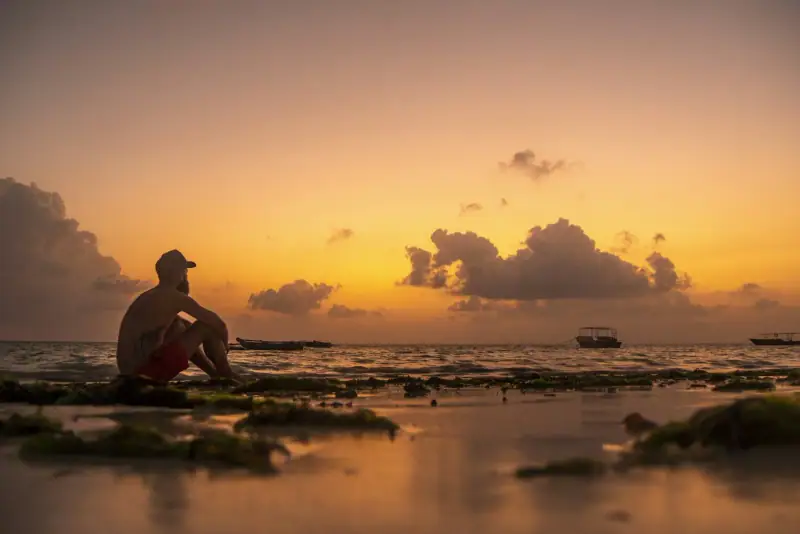
The sunset. Zanzibar’s northeast coast does not face west directly, but the late-afternoon skies at Matemwe are spectacular. The golden light on the lagoon water, the silhouettes of the dhows and the palms at dusk make for unmatched photographs.
Mnemba Atoll: the divers’ pearl
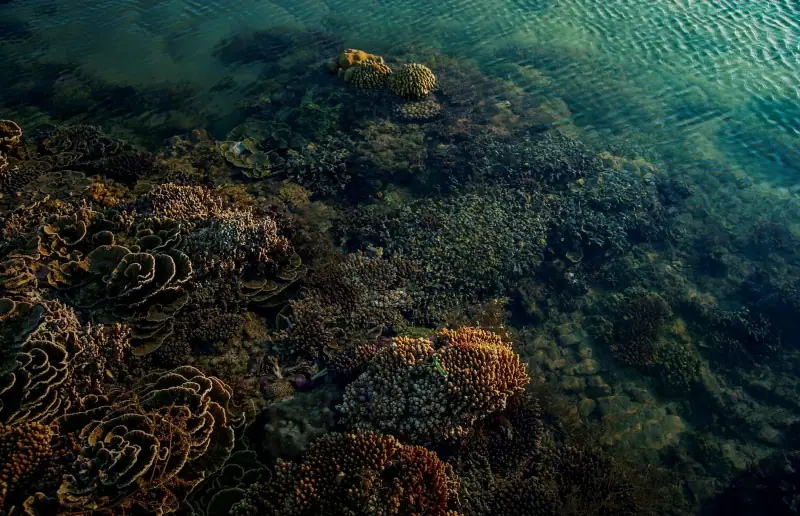
Mnemba is the main reason divers from around the world choose Matemwe as a base. The coral reef around the small private island of Mnemba measures about 7 by 4 kilometers (4.3 by 2.5 mi) and shelters exceptional biodiversity. Often called an “atoll,” Mnemba is not technically one (an atoll encircles a central lagoon, which is not the case here). The island itself is private and open only to guests of the luxury lodge there, but the reef is open to all divers and snorkelers.
What you will see underwater
Mnemba’s marine life is exceptional and internationally recognized. The reef is classified as a marine conservation area managed by the Tanzanian government.
Green turtles. Mnemba is home to one of the largest populations of green turtles (Chelonia mydas) in the whole western Indian Ocean. Meeting them while snorkeling or diving is not rare but is never guaranteed, which is exactly what makes each sighting so precious. These majestic animals feed on seagrass beds and regularly come up to the surface to breathe.
Reef fish. Hundreds of species live in Mnemba’s canyons, caves and coral gardens: lionfish, clownfish in their anemones, giant groupers, Napoleon wrasse, schools of silvery batfish, zebra surgeonfish and stingrays gliding over the bottom. Visibility in the dry season often exceeds 20 to 25 meters (65 to 82 ft), offering breathtaking underwater views.
Sharks. Several shark species visit the reef: blacktip and whitetip reef sharks, and sometimes gray reef sharks. These animals are harmless to respectful divers, and their presence is a sign of a healthy ecosystem.
Manta rays. Between December and April, giant manta rays come to feed in the plankton-rich waters around the reef, with the best sightings between December and March. A dive encounter with a manta ray is one of the most intense experiences a diver can have.
Diving or snorkeling at Mnemba: how it works
From Matemwe, several well-known dive schools run daily trips to the reef. For a full overview of sites and operators, see our guide Diving in Zanzibar: the best sites and clubs.
Certified divers (PADI Open Water minimum) can reach most of the reef’s sites at depths of 8 to 25 meters (26 to 82 ft). Deeper sites (down to 30 m / 98 ft) exist for Advanced divers. Introductory dives are offered for beginners.
Snorkeling is open to everyone, even without training. A mask, snorkel and fins are enough to explore the shallow parts of the reef (1 to 5 meters / 3 to 16 ft deep), where the biodiversity is often just as spectacular as in the deeper areas. Guided trips on a traditional dhow leave every morning for $30 to $50 per person.
Diving and snorkeling at Mnemba
Book diving, snorkeling or dolphin-watching trips from Matemwe and Zanzibar's northeast coast.
What to do in Matemwe besides diving
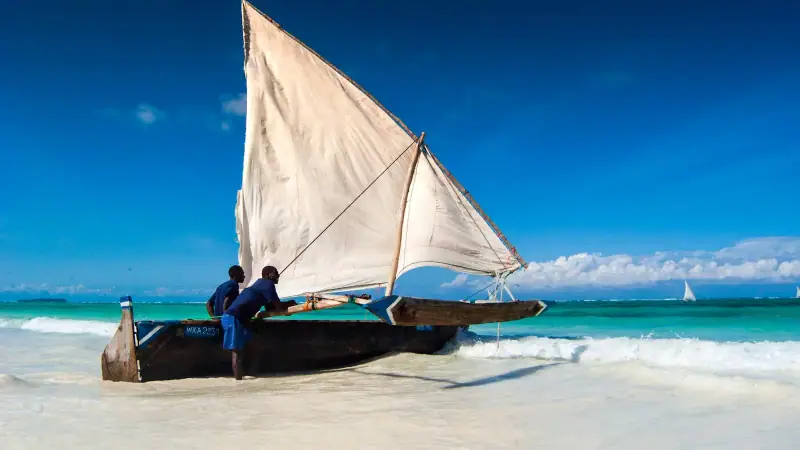
Matemwe is not only a destination for divers. The village and its surroundings offer a range of activities.
Dolphin watching
Pods of spinner dolphins and bottlenose dolphins regularly visit the waters between Matemwe and Mnemba. Dhow trips dedicated to dolphin watching leave the beach every morning. The respectful approach is to watch the animals from the boat without disturbing them. If the dolphins come close on their own, a swim in their wake is an unforgettable experience.
Surface snorkeling on the local reef
Even before heading out to Mnemba, the Matemwe reef offers good snorkeling reachable by swimming from the beach at high tide. A mask and fins (available for rent at almost every accommodation) are enough to explore the coral areas near the shore. For a complete guide to the best spots, read our article Snorkeling in Zanzibar: sites and tips.
Swahili cooking classes
Several small family guesthouses in Matemwe offer informal cooking classes led by village women. The menu: spiced pilau, fish biryani, homemade chapati, coconut samosas. It is a way into everyday Swahili cooking and a chance to take authentic recipes home. Ask your accommodation directly.
Walking tour of the village
A walk through Matemwe village is a way to soak up local life. The lanes between old coral houses, the mosque and its whitewashed minaret, the informal workshops of dhow carpenters, the open-air fish-drying racks: it all makes up an authentic picture of life very different from Zanzibar’s tourist areas. A local guide ($5 to $10) can help with conversations and explain Swahili traditions.
Day trip to Stone Town
Stone Town, a UNESCO World Heritage site, is 1 h 15 min by road from Matemwe. One day is enough to see the essentials: Darajani market, the House of Wonders, the Beit el-Sahel palace, the slave market site, the labyrinthine alleys and the carved doors. To plan the visit, see our guide Stone Town: the essentials not to miss.
Sunset dhow cruise
A Zanzibar classic, available from Matemwe. Traditional lateen-sail dhows run one- to two-hour dusk outings on the lagoon, often with grilled seafood and coconut juice. Watching the sun disappear behind the coconut palms from a wooden dhow is a travel memory that is hard to top.
Where to eat in Matemwe
Matemwe’s food scene is modest and unpretentious. Forget international menus and sophisticated restaurants: here you eat Swahili or you don’t eat.
Lodge and guesthouse restaurants. Most Matemwe accommodations have a restaurant open to non-guests, often on a terrace facing the beach. Menus revolve around the catch of the day, grilled fish, pilau rice and vegetable curries. Expect €12 to €25 (about $14 to $29) for a full meal with a drink.
Small local restaurants in the village. In the village center, a few very simple stalls serve the dish of the day in a plain but endearing setting: rice, fried fish, ugali (maize porridge), lentil soup. Less than $5 for a filling meal. The language is Swahili, but a smile and a few words of Jambo (hello) work wonders.
Fresh fish and seafood. In Matemwe, fishermen come back every morning with their catch. If you are staying in a guesthouse with a kitchen, ask your host to come with you to buy fish directly on the beach when the dhows arrive. You can grill it over a wood fire that same evening for a fraction of the restaurant price. This may be the most memorable meal of the whole trip.
Tropical fruit. Zanzibar’s mangoes, pineapples, papayas and coconuts are of exceptional quality. The village’s small grocery stands sell them at very low prices. A fresh pineapple sliced on the beach by a local vendor ($1) is often the best meal of the day.
To go further on Zanzibar’s cuisine, see our full guide to Zanzibari food and Swahili specialties.
Where to stay in Matemwe
Matemwe offers a smaller range of accommodation than Nungwi, but a well-chosen one, from affordable family guesthouses to well-equipped dive lodges.
Guesthouses and B&Bs (€25 to €70 per night, about $29 to $81). The simplest places are run by local families or expats. Rooms are clean, ventilated and functional. Service is personal, and owners often know the best dive spots and reliable local guides very well. These places offer the most authentic immersion.
Boutique dive lodges (€80 to €200 per night, about $93 to $230). Several mid-size lodges specializing in diving have their own PADI school on site, their own boat and full stay-and-dive packages. They offer good value for divers who want to combine comfort and logistical ease.
Luxury lodges (€200 to €500 per night, about $230 to $580). Matemwe also has a few high-end properties with beachfront bungalows, infinity pools facing the lagoon, spas and fine-dining restaurants. These attract guests who want the best of both worlds: the calm of a non-touristy village with the comfort of a quality resort.
Booking tips. In high season (July-August and December-January), the most popular dive lodges in Matemwe fill up quickly. Book 4 to 6 weeks ahead, especially if you want to include dive packages. Off-season, many places offer very attractive rates with discounts of 20 to 40%.
Hotels and lodges in Matemwe
Authentic guesthouses, boutique dive lodges and luxury beachfront stays in Matemwe.
Matemwe in practice: budget, transport and health
Budget
Matemwe is neither the cheapest nor the most expensive destination in Zanzibar. Here is a realistic daily budget by traveler type:
- Backpacker budget: €50 to €80 per day (about $58 to $93): simple guesthouse, local meals, snorkeling from the beach
- Mid-range budget: €100 to €180 per day (about $115 to $210): boutique lodge, lodge restaurant, dive trips
- Comfort budget: €200 to €400 per day (about $230 to $465): luxury lodge, daily diving, guided excursions
Cash. Matemwe has no ATM. The nearest ATMs are in Stone Town or Nungwi (about 27 km / 17 mi). Withdraw enough cash in Stone Town or at the airport before you arrive. Most lodges accept bank cards, but local restaurants, guides and fish sellers work in cash only (USD or TZS).
Health and safety
Malaria. Zanzibar is a moderate malaria risk area. See a doctor 6 to 8 weeks before departure to discuss suitable preventive treatment. Use DEET-based mosquito repellent in the evening, and check that your room has a mosquito net.
Drinking water. Never drink tap water in Matemwe. Buy bottled water or use a personal filter (such as Sawyer or LifeStraw). All lodges provide drinking water.
Diving and underwater safety. Dive only with recognized PADI or SSI operators. Check that the boat carries safety equipment (signal buoy, oxygen kit, VHF radio). Always tell your host your planned outings at sea.
Sun protection. The sun in Zanzibar is intense all year. SPF 50+ sunscreen is essential, reapplied every 2 hours, especially during snorkeling sessions. Prefer “reef safe” sunscreens (without oxybenzone or octinoxate) to protect the corals at Mnemba.
Internet and phone
Mobile coverage (Airtel, Vodacom, Tigo) is available in Matemwe but can be unstable. Most lodges offer Wi-Fi of varying quality. Do not count on a perfect connection for remote work: Matemwe is a place to disconnect, and that is just fine.
Respecting local customs
Matemwe is a practicing Muslim village. A few rules of courtesy are essential for a smooth stay:
- Cover shoulders and knees in the village (outside the beach areas)
- Ask before photographing residents, especially women
- Greet in Swahili: “Jambo” (hello) or “Habari” (how are you?). The replies will be warm
- Avoid eating, drinking or smoking in public outside tourist areas during Ramadan
- Overly demonstrative displays of affection are frowned upon outside resort areas
When to visit Matemwe
Matemwe and Zanzibar’s northeast coast follow the same climate calendar as the rest of the island.
June to October (cool dry season, Kusi): The best period for diving and snorkeling. The southeast winds (Kusi) blow steadily, the sea is blue and clear, and underwater visibility is at its best (often 20 to 25 meters / 65 to 82 ft). Temperatures are pleasant: 23 to 28 °C (73 to 82 °F). July and August are high season, with slightly higher prices and lodges that fill up.
December to March (hot dry season, Kaskazi): Also an excellent period. The water is warmer (29 to 31 °C / 84 to 88 °F), and manta rays are more frequent around the reef. The northeast winds (Kaskazi) can build some waves, but diving remains possible on most days. December and January are very popular for the end-of-year holidays.
April to early June (long rainy season, Masika): Best avoided. April and May are the wettest months (April peaks with 385 mm / 15 in of rain). Tropical rains are heavy, the sea is sometimes rough and underwater visibility drops. Many lodges close or run at reduced capacity.
November (short rainy season, Vuli): Short but regular rains, outside the low season proper. Prices are very attractive (discounts of 30 to 40%) and crowds are thin. Possible for travelers who accept a few daily showers.
For a full climate table and tips on choosing your dates, read our guide Best time to visit Zanzibar.
Flights to Zanzibar
Compare flights to Zanzibar (ZNZ). Options include direct flights or connections via Nairobi, Addis Ababa or Doha.
Insider tips to make the most of Matemwe
Get up early for the dhows leaving. Every morning between 5:30 and 7 am, the fishing dhows leave the beach one by one, their lateen sails opening in the dawn light. It is among the most beautiful moments in all of Zanzibar. Settle on the beach with a coffee from your guesthouse and watch the show with nothing else to do.
Dive on weekdays, not weekends. On weekends, a few organized groups from Nungwi may turn up at the reef’s sites. Diving Monday to Thursday gives you more space at the sites and smaller groups.
Bring your own snorkeling gear. If you plan to snorkel for several days, invest in your own mask and fins before you leave. Rental gear at lodges is often of uneven quality, and a poorly fitting mask ruins the experience. A good snorkel mask costs about €30 to €60 (about $35 to $70).
Rent a scooter for a day. The coastal road between Matemwe and Nungwi is passable by scooter and offers nice views of the northeast lagoon. A scooter rents for $20 to $30 per day (with a helmet, which you may have to insist on). Leave early in the morning to avoid the midday heat.
Combine Matemwe with Nungwi. Matemwe and Nungwi are only 26 to 27 km (16 mi) apart. A popular formula is to spend the first 4 to 5 days of the trip in Matemwe for diving and calm, then move to Nungwi for the last 2 or 3 days for a bit more life, the spectacular sunsets and a wider choice of restaurants. To prepare that part, read our guide on where to stay in Nungwi.
Try the local beer on the beach in the evening. Kilimanjaro and Serengeti are Tanzanian beers. Cold and light, they are perfect with a platter of grilled seafood at sunset. A 500 ml (17 oz) bottle costs less than $2. It is simple and memorable.
Look at the stars. Far from any light pollution, the nights in Matemwe offer an exceptional sky. The Milky Way is visible to the naked eye most nights between June and October. Lie down on the beach and take the time to take it in: it is one of those moments you do not forget.
Matemwe does not try to charm you. It has no neon signs, no DJ on the beach, no crowded souvenir market. It has a living coral reef, a legendary atoll 20 minutes away by boat, a beach that never really fills up and a village that has not forgotten what it was before the first tourists. For divers, it is Zanzibar’s essential destination. For everyone else, it is an invitation to slow down and rediscover why we travel.
Frequently asked questions
Is Matemwe good for families with children?
Yes, Matemwe suits families very well. The beach is protected by a coral reef that creates a calm lagoon, ideal for young children. The shallow water at high tide makes swimming safe. The village feels calm and welcoming. Bring water shoes to protect feet from the coral when walking in the lagoon at low tide.
How do you get to Mnemba Atoll from Matemwe?
Mnemba is reached by boat from Matemwe beach in 15 to 20 minutes. All the local diving and snorkeling operators run daily trips to the reef. Expect $30 to $50 per person for a snorkeling session on a dhow, and $60 to $80 for two dives with equipment. Departures are usually early in the morning for the best visibility.
Is Matemwe quieter than Nungwi?
Yes, Matemwe is much quieter than Nungwi. That is exactly what attracts travelers who want to escape the bustle of the north coast. You will find few bars, no nightlife to speak of, and a beach that is rarely crowded even in high season. It is a good fit for anyone who wants to unwind in a preserved, authentic natural setting.
Are there dolphins at Matemwe?
Yes, spinner dolphins and bottlenose dolphins regularly visit the waters around Mnemba and Zanzibar's northeast coast. Dedicated dolphin-watching boat trips leave from Matemwe and Nungwi. These trips do not guarantee sightings, but the odds are high (70 to 80% according to local guides) because the dolphins return to this area regularly.
Can you easily get to Nungwi from Matemwe?
Yes, Nungwi is about 26 to 27 km (16 mi) north of Matemwe. A bajaj (motorized tricycle) or local taxi makes the trip in 30 to 40 minutes for $10 to $20. The coastal road is passable, and some travelers rent a scooter to go freely between the two villages. It is a good option for enjoying Nungwi's nightlife while sleeping in Matemwe's calm.
When is the best season for diving at Matemwe?
The best period for diving and snorkeling around Mnemba is the dry season from June to October (southeast Kusi winds), with underwater visibility often above 20 m (65 ft). December to March is also excellent, with warmer water (29 to 30 °C / 84 to 86 °F). Avoid April and May (the long rainy season): visibility drops and the sea can be rough.
More Zanzibar guides
Keep reading
Visiting Michamvi: Complete Guide to Zanzibar's East Coast Peninsula
Michamvi, a wild peninsula in southeast Zanzibar: pristine beaches, coral reef, total calm and sunsets over the lagoon. 2026 guide.
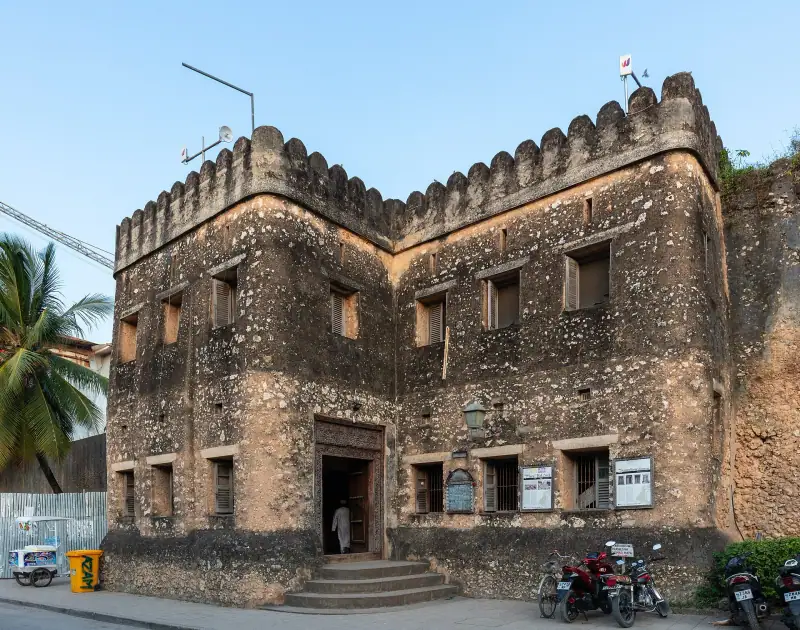
Stone Town Highlights: What to See and Do in the Old Town
Stone Town, Zanzibar highlights: House of Wonders, Darajani Market, Freddie Mercury's birthplace, Forodhani night market and more.
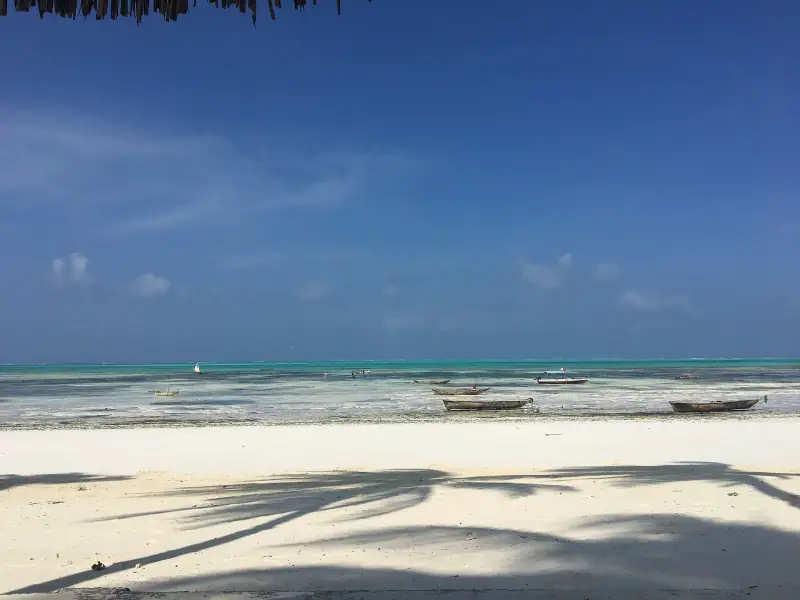
Jambiani: Complete Guide to the Authentic Village on Zanzibar's East Coast
Jambiani, an authentic Zanzibar village: huge beach, Swahili culture, seaweed farms, kitesurfing and sea turtles. Complete 2026 guide.
Ready-made
Zanzibar itineraries
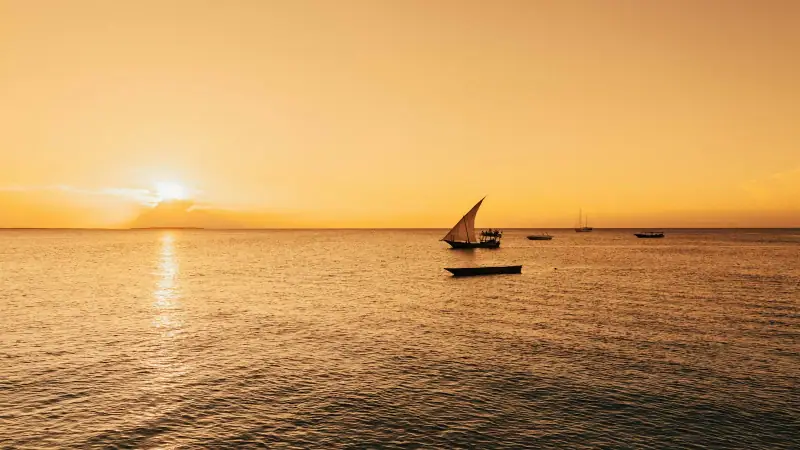
5 days
Zanzibar in 5 Days Without a Car: A Realistic Itinerary With Transport
Zanzibar in 5 days without a car: Stone Town, Nungwi and Paje with distances, travel times, taxi and daladala prices, and pitfalls to avoid.
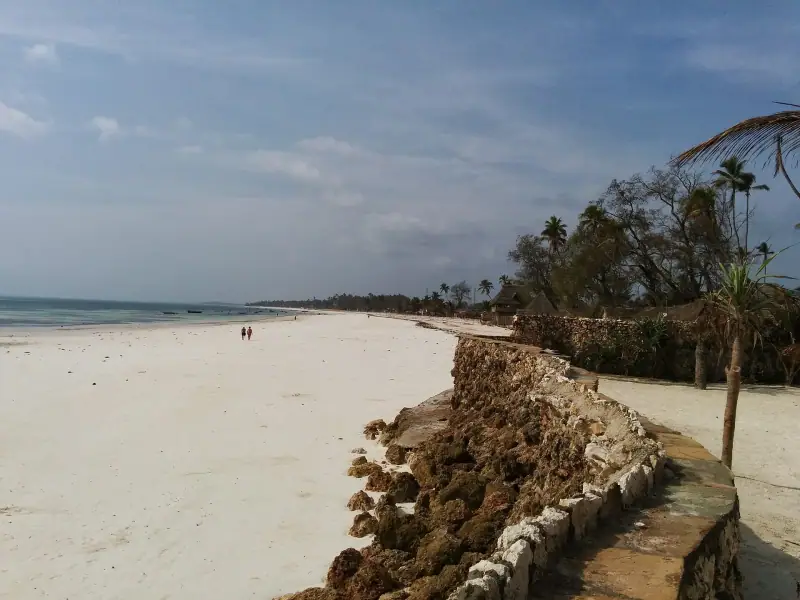
10 days
Zanzibar Island Tour: Complete 10 to 14-Day Itinerary
Stone TownNungwi and KendwaMatemwePaje and JambianiStone Town
3 days
Zanzibar's East Coast: A Complete Guide to Paje and Jambiani
Paje, Jambiani, kitesurfing and Swahili villages: a guide to Zanzibar's east coast, with beaches, dramatic tides and authentic village life.