Itineraries
Zanzibar's East Coast: A Complete Guide to Paje and Jambiani
We may earn a commission when you book through links on this page, at no extra cost to you. We don't visit or try the places we cover: we summarize published sources. How we work
Day by day
- Day 1Stone Town to Paje by taxi or daladala, beach
- Day 2Kitesurfing lesson, or Safari Blue excursion
- Day 3Jambiani village, seaweed harvest, snorkeling, back to Stone Town
Where to sleep
- Paje2 nights
In short
- Stone Town to Paje is about 50 km (31 mi): 50 minutes to 1 hour 15 minutes by taxi (25 to 35 USD), 1 hour 30 minutes to 2 hours by daladala.
- The tide drops very far on the east coast, so plan swimming around high tide.
- Kitesurfing is best from June to October (kusi wind, 15 to 25 knots); Paje suits sports and nightlife, Jambiani suits village life and lower prices.
- ATMs are rare on this coast: bring cash (USD or TZS) from Stone Town.
Zanzibar’s east coast feels like another island within the island. While travelers crowd into Nungwi or wander the lanes of Stone Town, the east coast unrolls its endless beaches in a world of its own: less touristy, more authentic, dotted with fishing villages where time seems to have stopped and turquoise lagoons that the tides turn into a mirror or a natural pool several times a day.
Two villages draw most of the travelers on this coast: Paje, the kitesurfing capital and the favorite of sports fans, and Jambiani, a traditional Swahili village that has stayed out of the big crowds, with its dugout canoe fishermen, seaweed drying in the sun and white coral houses. Together they make a three- to five-day itinerary that combines water sports, cultural immersion and dream beaches.
This guide explains how to organize your stay on Zanzibar’s east coast, whether you come for kitesurfing, diving, sunsets or simply to unwind.
How do you get to the east coast from Stone Town?
The east coast is about 50 km (31 mi) from Stone Town, on the other side of the island. The main road crosses the interior, passing through Tunguu before dropping back down toward the shore.
By taxi or private vehicle. This is the most comfortable option, especially with luggage or if you are arriving straight from the airport. The trip takes between 50 minutes and 1 hour 15 minutes depending on traffic. Allow 25 to 35 USD to Paje, slightly more to Jambiani. Agree on the price before getting in.
By daladala. Shared minibuses run to Paje from the Mwanakwerekwe terminal (about 5 km / 3 mi east of central Stone Town) for roughly 1 to 2 USD (about 3,000 TZS). The trip is longer (1 hour 30 minutes to 2 hours with stops in villages) but it is an interesting local experience. For Jambiani, direct daladalas also leave from Stone Town, or you can get off at Paje and take a bajaj for the last few kilometers.
By scooter or bicycle. Adventurous travelers can rent a scooter in Stone Town and cross the island on their own. The road is passable and the signage is decent. Allow about 1 hour 15 minutes to 1 hour 30 minutes on two wheels.
Car rental in Zanzibar
Explore the east coast at your own pace, from Paje to Jambiani and the fishing villages in between.
What are the villages of Zanzibar’s east coast?
Zanzibar’s east coast stretches about 50 km (31 mi), from Matemwe in the northeast to Makunduchi in the south. From north to south, the main stops are Matemwe, Pongwe, Michamvi, Bwejuu, Paje and Jambiani. Paje and Jambiani are the most practical to stay in: transport, restaurants and lodging are most plentiful there.
| Village | Atmosphere | Best for |
|---|---|---|
| Matemwe | Calm, end-of-the-world beach, facing Mnemba islet | Snorkeling, couples, relaxing |
| Michamvi | Quiet peninsula, sunsets and small beach bars | Lazing around, sunsets |
| Bwejuu | Long beach lined with coconut palms, village feel | Quiet travelers, mid-range budgets |
| Paje | Lively, international, kitesurfing hub | Kitesurfing, going out, nightlife |
| Jambiani | Authentic Swahili village, gentle prices | Local immersion, small budgets |
To dig into a specific village: Matemwe and Michamvi each have their own detailed guide.
East coast or north coast of Zanzibar: which should you choose?
In two sentences: choose the east coast for kitesurfing, authentic villages and lower prices, accepting that the sea pulls far out at low tide. Choose the north coast (Nungwi, Kendwa) to swim at any hour and enjoy sunsets over the sea, with a more touristy atmosphere.
- Swimming: on the east coast it depends on the tide; in the north it is possible all day or nearly so.
- Sun: the east coast faces the sunrise, the north faces the sunset.
- Local life: much more present in Jambiani and Bwejuu than in Nungwi.
Our Nungwi or Paje comparison goes into this choice in detail, and the north coast guide covers the other side. To time your swims, also see our tide times.
The big feature of the east coast: the tides
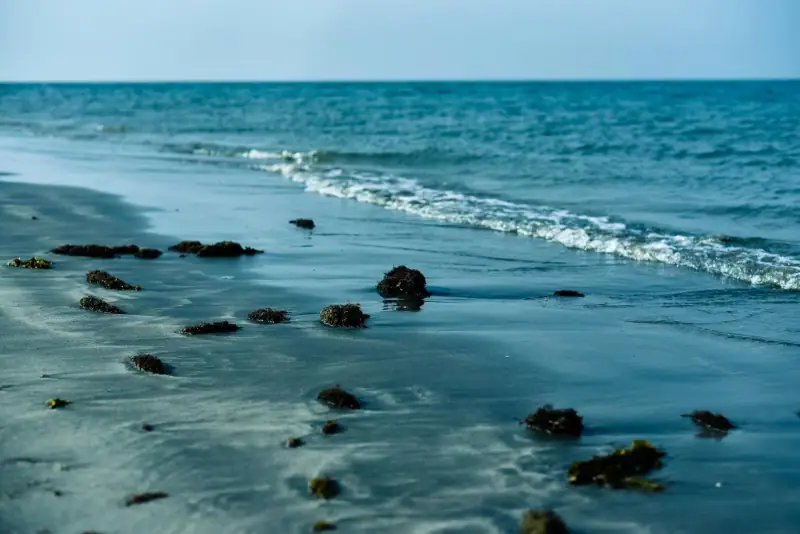
First, you need to understand the phenomenon that defines Zanzibar’s east coast: the dramatic tides. Unlike the north of the island (Nungwi, Kendwa), where the reef layout limits the effect, the east coast sees large tidal swings. At low tide the water sometimes pulls back by several hundred meters, exposing an immense sand-colored coral flat where women gather seaweed and children play among the pools.
This has two practical consequences:
- For swimming: plan your time in the water around high tide. At low tide the sea can be unusable. Most lodgings post tide times at reception, so check them every morning.
- For photos: both moments are beautiful, but different. At high tide the turquoise water reaches up to the palm trees. At low tide, the sight of the flat stretching out of view with fishing villages in the background is striking.
Paje: the kitesurfing capital of the Indian Ocean
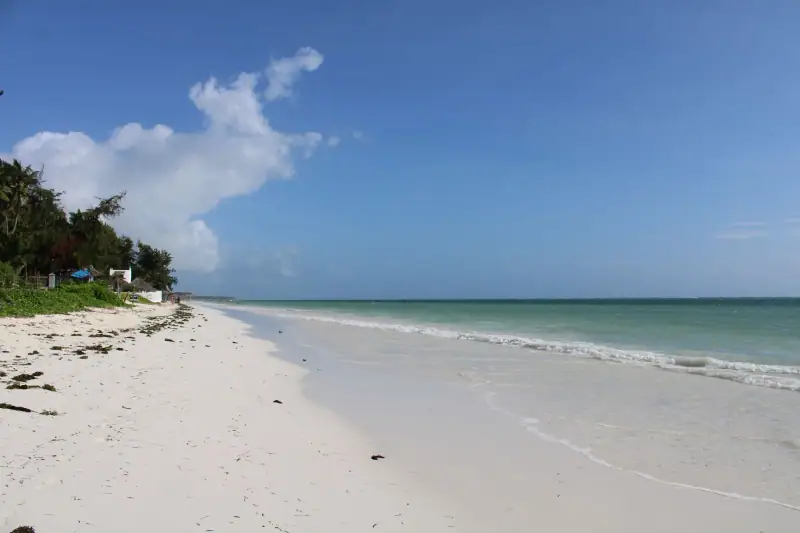
In two decades, Paje has become one of the best-known kitesurfing destinations in East Africa. The shape of the lagoon, the steady winds and the moderate depth of the water make it an ideal playground, both for beginners learning their first runs and for experienced riders who want to express themselves freely.
Why Paje for kitesurfing? The village gets two distinct wind seasons. The main one, from June to October, brings southeast winds (kusi) with steady gusts of 15 to 25 knots. The second, from December to March, brings northeast winds (kaskazi), slightly weaker but just as usable. The wide, shallow lagoon is perfect for learning: even if you fall, the depth stays manageable and the water is warm all year.
Level required. Several kitesurfing schools operate from Paje beach. They welcome complete beginners (intro packages over 2 to 3 days) as well as intermediate riders who want to refine their technique. Private or small-group lessons allow fast progress. Allow about 60 to 80 USD per 2-hour session for a private lesson, less for group lessons.
What if you don’t kitesurf? Paje has long outgrown its reputation as a sports spot. Restaurants, shops, bars with lagoon views and plenty of lodging for every budget have grown up around the village. The atmosphere is international and relaxed, mixing kitesurfers in wetsuits with families on vacation.
Activities in Paje and on the east coast
Kitesurfing, diving, Prison Island excursion, Safari Blue and dhow tours departing from the east coast.
Snorkeling and diving on the east coast

The east coast is no slouch for underwater fans. The coral reefs bordering the lagoon shelter remarkable marine life: parrotfish, clownfish, stingrays, turtles and occasionally dolphins offshore.
Snorkeling. Most hotels offer dhow trips to nearby snorkeling spots. The shallow lagoon at high tide also lets you explore straight from the beach with mask and snorkel. Visibility is generally good from June to October.
Scuba diving. Several dive centers operate from Paje and offer introductory dives as well as PADI courses. The nearest dive sites include submerged coral formations reachable in 15 to 20 minutes by boat. For certified divers, trips to wrecks and deeper spots are organized. Our complete guide to diving in Zanzibar covers the island’s best sites.
Safari Blue. A staple from the east coast, Safari Blue is a full-day dhow excursion that combines snorkeling at remote spots, a seafood lunch on a sandbank and mangrove exploration. It is best booked with certified operators in Paje or Jambiani. Allow about 60 to 100 USD per person depending on the operator (check whether the transfer and marine reserve fees are included). For more details, see our article on Safari Blue in Zanzibar.
Jambiani: the authentic village of the east coast
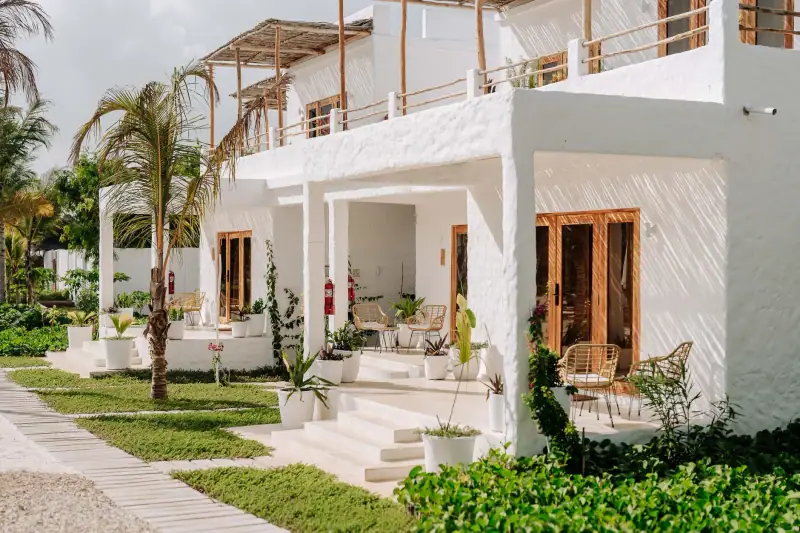
About 10 km (6 mi) south of Paje, Jambiani is another world. There are no kitesurfing schools or trendy bars here: the village grew up on the fringe of mass tourism and kept a Swahili atmosphere that contrasts with the gradual commercialization of Paje.
The seaweed economy. Jambiani is known for its seaweed drying industry, mostly run by the women of the village. At low tide you see them walk out onto the exposed flat with their baskets, harvest the seaweed grown on ropes stretched between stakes, then spread it on mats in front of the houses. The seaweed is exported and used in the food and cosmetics industries. It is a strong image, both picturesque and symbolic of coastal life in Zanzibar.
The village atmosphere. The lanes of Jambiani mix white coral houses, mosques, children coming home from school and fishermen hauling their boats up the beach. The pace is different from Paje: slower, calmer. Visitors looking for contact with local people, fish markets at sunrise and conversations over mint tea will find in Jambiani what is not easy to find elsewhere on the island.
Lodging. A few guesthouses and small local hotels offer affordable lodging, often run by Zanzibari families. It is a chance to stay with a local family in the broad sense, with breakfast prepared at home and tips from real locals on exploring the area. Our article Visiting Jambiani details all the activities and good addresses in the village.
Hotels on Zanzibar's east coast
From local guesthouses to charming boutique hotels in Paje and Jambiani. Book early for high season.
Food on the east coast
The east coast is not as well stocked with restaurants as Stone Town or Nungwi, but the quality of the fresh produce more than makes up for the lack of variety.
Seafood. All along the east coast, seafood dominates the menus. Grilled lobster, garlic-sautéed shrimp, and the catch of the day cooked on the barbecue or in coconut curry sauce are the heart of local dining. Most beach restaurants, often run by local families, offer daily menus based on fish caught that same morning.
Swahili cuisine. Pilau (spiced rice), fish biryani, mchuzi wa samaki (fish curry), urojo (spicy street soup): the flavors of Zanzibar are shaped by centuries of trade between Africa, the Middle East and India. In Jambiani especially, a few local eateries serve these traditional dishes at very affordable prices (€3 to 7, about $3 to $8). A simple and delicious way to eat local.
Fresh fruit juices. At small roadside stalls, vendors press mango, passion fruit, papaya and sugarcane juices to order. Well worth having at least once a day.
For a fuller immersion in Zanzibari food, our article on Zanzibar cuisine walks you through the island’s flavors.
Suggested itinerary: 3 days on the east coast
Day 1: Arrival in Paje Leave Stone Town in the morning by taxi or daladala. Once you arrive, settle in and spend the afternoon at the beach. Swim at high tide, then walk along the lagoon late in the afternoon. Have dinner by the water with barbecued seafood.
Day 2: Kitesurfing or Safari Blue If you kitesurf: book your lesson or gear rental the day before. If you don’t: take the Safari Blue excursion for the day (early departure from Paje beach). It is the best way to discover the reefs and submerged sandbanks. Return in late afternoon, with sunset from the beach.
Day 3: Jambiani Hire a bajaj or rent a scooter in the morning and head about 10 km (6 mi) south to Jambiani. Stroll through the village, watch the women harvesting seaweed at low tide, explore the lanes. Have lunch in a local eatery. In the afternoon, go snorkeling with a local operator. Return to Stone Town at the end of the day.
When to visit Zanzibar’s east coast
The seasons on the east coast are similar to the rest of the island, with a few nuances linked to the winds.
June to October. The best period for kitesurfing (strong, steady winds). Clean sea, excellent underwater visibility for diving and snorkeling. Pleasant temperatures (26 to 28 °C / 79 to 82 °F). July and August are high season, with the fullest hotels and the highest prices.
December to March. An excellent period for swimming and families. The winds (kaskazi) are present but slightly less intense than in summer. The water is warmer, ideal for snorkeling without a wetsuit. Christmas and New Year fall in high-season pricing.
April to May (Masika). The long rains. Torrential downpours, sometimes rough seas, and many hotels closed or under maintenance. Avoid unless your budget is very tight and you accept the weather constraints.
November (Vuli). The short rains. Off-season with attractive prices and fewer people. Possible for flexible travelers who accept a few showers.
Our article on the best time to visit Zanzibar gives you all the seasonal details.
Practical information for the east coast
Approximate budget
The east coast is generally more affordable than the north coast (Nungwi, Kendwa) for lodging, especially in Jambiani.
- Lodging: €40-80 per night (about $46-93) for a local guesthouse in Jambiani, up to €100-250 per night (about $115-290) for a boutique hotel in Paje
- Local meals: €4-10 (about $5-12) (Swahili dishes, local eateries)
- Beach restaurant: €15-30 (about $17-35) per person
- Kitesurfing (2-hour lesson): 60-80 USD
- Safari Blue: about 60-100 USD per person
- Taxi Stone Town to Paje: 25-35 USD
- Bajaj Paje to Jambiani: 5-8 USD
Health and safety
The usual precautions apply on the east coast as everywhere in Zanzibar: antimalarial protection is advised, bottled water only, high-protection sunscreen. The east coast is a safe area for travelers. Usual caution still applies: do not leave your belongings unattended on the beach.
Currents and tides. The east coast can have strong currents at the passes in the reef, especially when the tide changes. Follow the advice of local guides for snorkeling and diving and stay within marked areas.
Connectivity
The mobile network (Vodacom, Airtel) covers Paje and Jambiani reasonably well. Wi-Fi is available in hotels, with variable quality. A Tanzanian SIM card with a data plan, bought at the airport or in Stone Town, gives you a reliable connection at low cost.
Respecting local traditions
Zanzibar’s east coast is a predominantly Muslim area, with fishing villages deeply attached to their traditions. Away from the beach areas:
- Cover your shoulders and knees in the villages
- Ask permission before photographing residents
- During Ramadan, avoid eating and drinking in public in non-tourist areas
Insider tips for the east coast
Check the tide times every morning. Your whole day is planned around them. Hotels usually post this information. Some marine weather apps also let you check them the day before.
Combine Paje and Jambiani. If you have 3 days or more, do not stay only in Paje. The difference in atmosphere between the two villages is striking, and Jambiani deserves a night or at least a full day.
Rent a scooter to explore the coast. Between Paje and Jambiani, the coastal track offers superb views of the lagoon. A scooter rented for the day (15-20 USD) lets you stop freely, discover the small fishing villages in between and reach less-visited snorkeling spots.
Skip meals at international hotels. The restaurants of upscale hotels serve decent food but often shaped for an international clientele. To taste the real flavors of the east coast, look for local eateries in the lanes of Jambiani or the street stalls serving morning pilau.
Bring cash. ATMs are rare on the east coast and often break down. Withdraw enough USD or TZS in Stone Town before heading to the east of the island.
To round out your exploration of Zanzibar, our complete guide to the island gives you the keys to organizing a successful trip.
Frequently asked questions
How long does it take to get from Stone Town to Paje?
Stone Town to Paje is about 50 km (31 mi) and takes 50 minutes to 1 hour 15 minutes by taxi or private vehicle. By daladala (shared minibus), allow 1 hour 30 minutes to 2 hours with stops. A taxi costs about 25 to 35 USD. This is the main gateway to the east coast.
Is the east coast of Zanzibar good for swimming?
Yes, with one catch: the tide goes out very far on the east coast, sometimes leaving several hundred meters of dry coral flat. At high tide the water is beautiful and swimming is excellent. Check the tide times before your day, and aim to swim within 2 hours before or after high tide.
What is the best time of year for kitesurfing in Paje?
The best kitesurfing season in Paje is June to October (southeast wind, kusi), with steady winds of 15 to 25 knots. The second wind season runs from December to March (northeast wind, kaskazi), slightly weaker but also good. Avoid April and May (the long rains), when the wind is unpredictable.
Paje or Jambiani: which should you choose?
Paje is ideal if you come for kitesurfing and water sports, or want an international atmosphere with plenty of restaurants and bars. Jambiani suits those looking for an authentic experience, contact with local people, lower prices and a quiet atmosphere. The two villages are about 10 km (6 mi) apart and easy to combine.
Are there ATMs on Zanzibar's east coast?
ATMs are rare on the east coast. It is strongly advised to withdraw enough cash (USD or TZS) in Stone Town before heading to Paje or Jambiani. A few ATMs exist in Paje, but they often break down or run out of bills. Bring cash for activities, local meals and transport.
Can you visit the east coast without a rental car?
Yes, absolutely. Daladalas from Stone Town serve Paje and Jambiani. Between the two villages, bajaj (motorized tricycles) and tuk-tuks handle transfers for a few dollars. To explore the surroundings more freely, renting a scooter or a bicycle in Paje is the most practical and cheapest option.
What are the best villages on Zanzibar's east coast?
Paje is the liveliest and the best for kitesurfing, Jambiani the most authentic, and Matemwe the quietest and ideal for snorkeling toward Mnemba. Michamvi and Bwejuu suit those who want quiet beaches. For a first stay, combine Paje and Jambiani.
East coast or north coast of Zanzibar: where is swimming better?
On the north coast (Nungwi, Kendwa) you can swim at any hour, while on the east coast the sea pulls far out at low tide. In exchange, the east offers more authentic villages, kitesurfing and often lower prices.
More Zanzibar guides
Keep reading
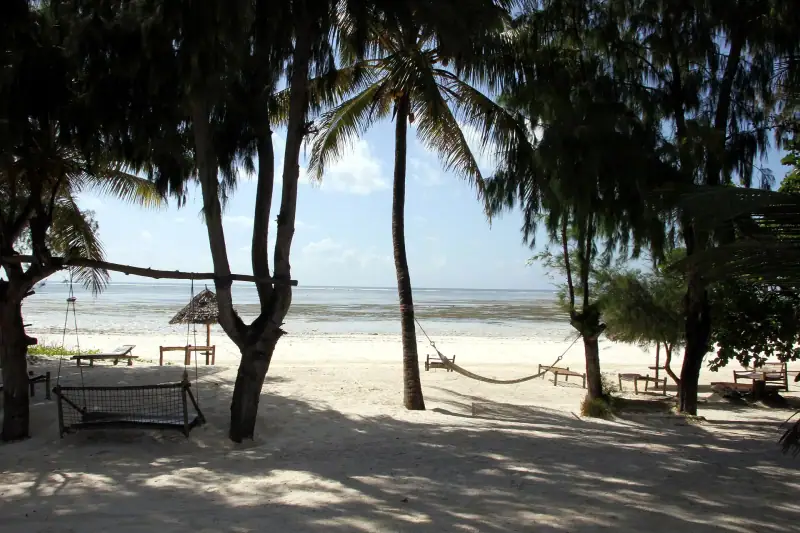
Where to Stay in Bwejuu, Zanzibar: Village, Beach and East Coast Hotels
Bwejuu, between Paje and Michamvi: which lodging to pick, what it costs, which beach, and how to handle the tides, cash and transport without a car.
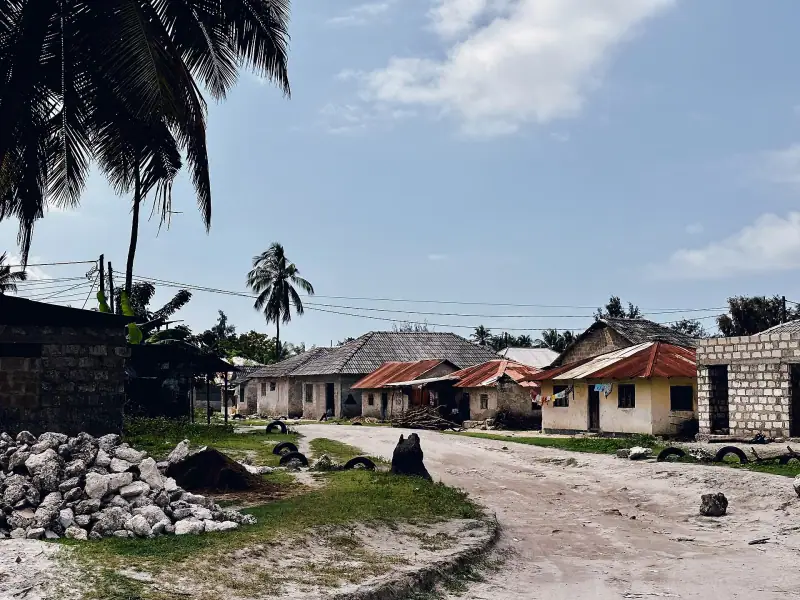
Where to Stay in Matemwe: The Best Lodging Near Mnemba Atoll
Where to stay in Matemwe, Zanzibar: dive lodges, charming bungalows, guesthouses. Areas, budget and tips for the northeast coast.
Visiting Michamvi: Complete Guide to Zanzibar's East Coast Peninsula
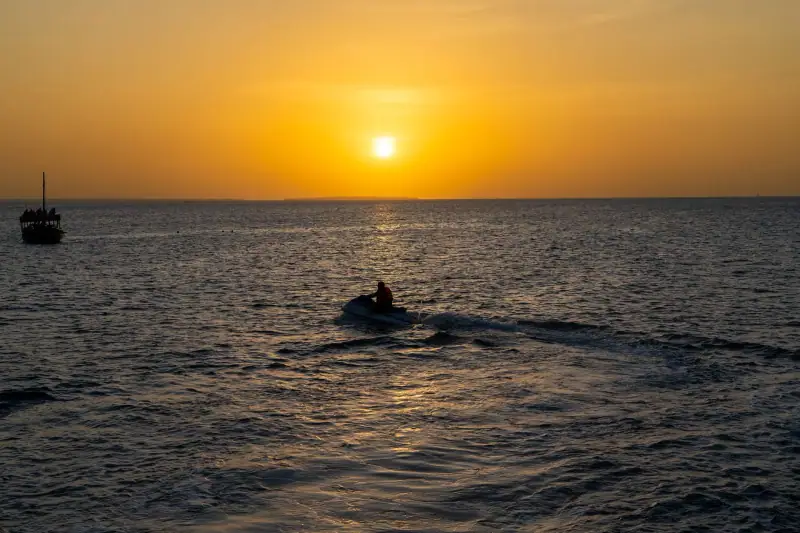
Michamvi, a wild peninsula in southeast Zanzibar: pristine beaches, coral reef, total calm and sunsets over the lagoon. 2026 guide.
Ready-made
Zanzibar itineraries
5 days
Zanzibar in 5 Days Without a Car: A Realistic Itinerary With Transport
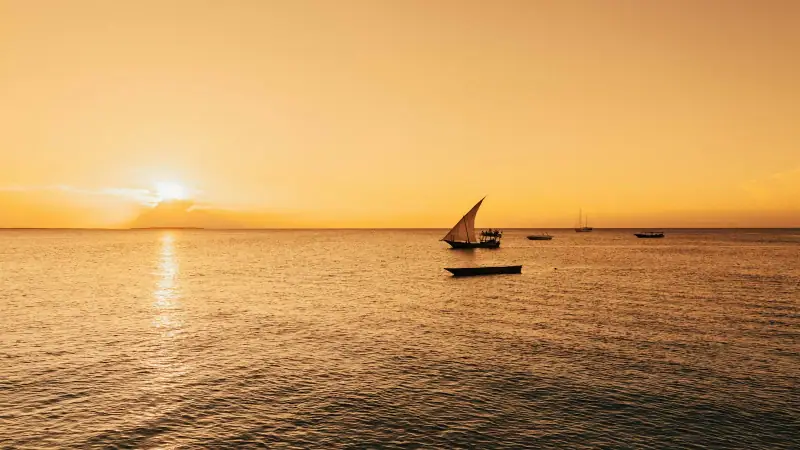
Zanzibar in 5 days without a car: Stone Town, Nungwi and Paje with distances, travel times, taxi and daladala prices, and pitfalls to avoid.
10 days
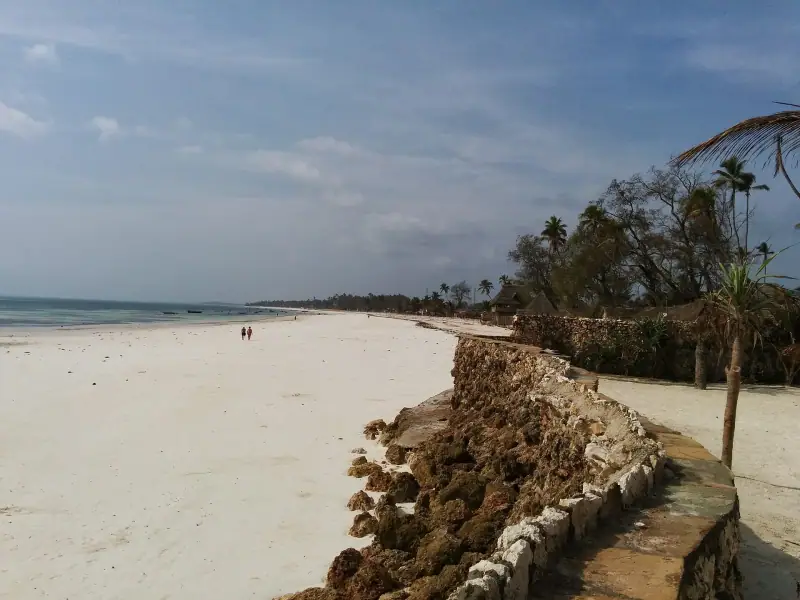
Zanzibar Island Tour: Complete 10 to 14-Day Itinerary
Stone TownNungwi and KendwaMatemwePaje and JambianiStone Town
7 days
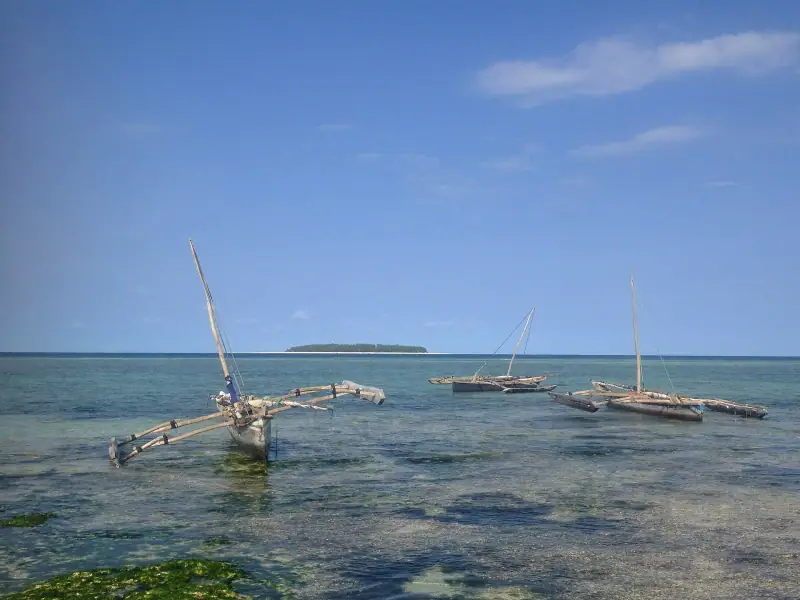
Zanzibar in 7 days: a day-by-day itinerary for one week
Stone TownNungwi
Can be adapted in the planner