Where to stay
Where to stay in Óbidos: areas and types of lodging
We may earn a commission when you book through links on this page, at no extra cost to you. We don't visit or try the places we cover: we summarize published sources. How we work
In short
- Inside the walls, around Rua Direita, is the best choice for a first stay: gate, castle, churches and restaurants are all on foot.
- One night is the most common format; two nights make sense to add the lagoon, the nearby coast or a base for the Oeste region.
- Without a car, stay inside the old town or right next to it; with a car, hotels on the outskirts or in the countryside have easier parking.
- Óbidos has few rooms for its visitor numbers: book several weeks ahead for weekends, summer and events.
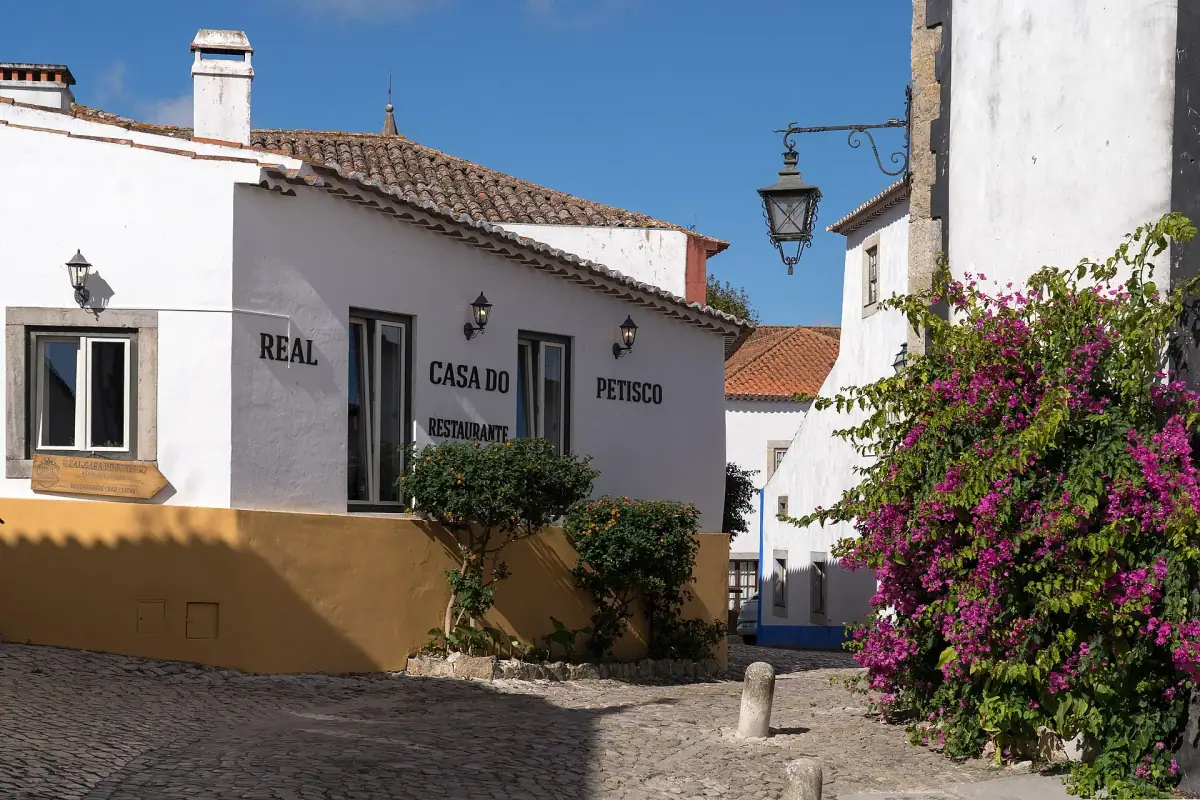
Óbidos is one of those villages you photograph before you have even arrived: a white medieval enclosure, whitewashed houses edged in blue and yellow, cobbled lanes climbing toward a castle. Located in the Oeste region, about an hour’s drive north of Lisbon, it receives a huge number of day visitors. Many leave at the end of the afternoon, and that is precisely when the village becomes most pleasant: the light softens, the lanes empty and the ramparts regain their calm.
Staying overnight therefore changes the visit. But Óbidos is tiny, and the question is not so much “which neighborhood” as “what kind of atmosphere and comfort”. Between a room in an old house in the old town, a modern hotel just outside the walls, a place by the lagoon or a quinta in the Oeste countryside, the experiences are very different. This guide compares the areas, the types of lodging, the budget and the practical points. In short: inside the walls suits almost everyone for one or two nights, the outskirts of the village suit travelers with a car or families, and the lagoon or countryside suit those who want calm and nature.
How to choose where to stay in Óbidos
Three criteria are enough to sort it out. The first is the length of stay. For one night, the simplest is to stay in the old town: you arrive, drop your things and you are already in the visit. For two or three nights, you can consider an airier base, with a pool or garden, and branch out into the region.
The second criterion is the car. Without a vehicle, stay inside the walls or very close to the ramparts, as connections to the beaches and nearby villages are limited. With a car, parking becomes a real issue: traffic inside the enclosure is restricted and the streets are narrow, so lodging with parking or on the outskirts can be more comfortable.
The third is the season. The village is very busy in spring, summer and during events. Off season it is calmer, often cheaper, but some places cut back their services. To understand what there is to see and size your stay, see our guide to visiting Óbidos, what to see and do.
The old town inside the walls: the heart of the village
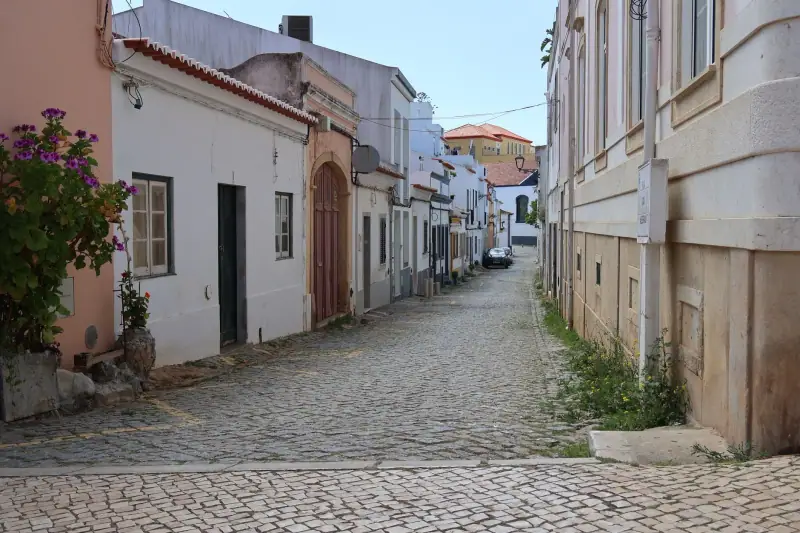
Inside the walls is the most sought-after area. It extends within the ramparts, from the town’s main gate to the castle, along Rua Direita, the shopping street that crosses the village. You find the churches, small squares, shops, restaurants and access to the ramparts. Everything is on foot, and the distance between the two ends of the village remains modest.
Lodging here is mostly small guesthouses, boutique hotels set in old mansions, short-term apartments and a few guesthouses. The thick walls keep the coolness in summer, the inner courtyards are pleasant, and the setting is truly out of the ordinary. In return, rooms are often small, many buildings have no elevator, and the cobblestones make carrying suitcases a chore.
Noise is the main drawback. By day, Rua Direita is busy; in the evening it calms down, but terraces and events can prolong the bustle. A courtyard room generally solves the problem.
This area suits short stays, couples, travelers without a car and anyone who wants to see Óbidos in peace, early in the morning or in the evening.
Where to stay in Óbidos
Compare the guesthouses, boutique hotels and apartments of the old town by dates and budget.
Around the castle: the most prestigious address
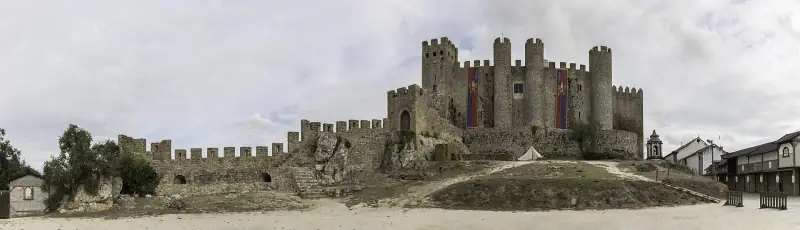
The castle area, at the upper end of the village, is the most unusual. Óbidos Castle houses a pousada, a prestige hotel set in a historic monument, which makes it one of the most singular addresses in the region: sleeping in a medieval fortress remains a special experience. Other boutique lodgings are nearby, with views over the rooftops and the ramparts.
The advantage is obvious: the setting, the calm at the end of the day and direct access to the ramparts, which you can walk along before the groups arrive. The flip side is the rate, generally in the upper part of the range, and the climb from the village entrance, which can leave you out of breath with luggage. This area suits honeymoons, romantic getaways and those who want to make a highlight of a stop on their route.
The town gate and the village entrance: practical and lively
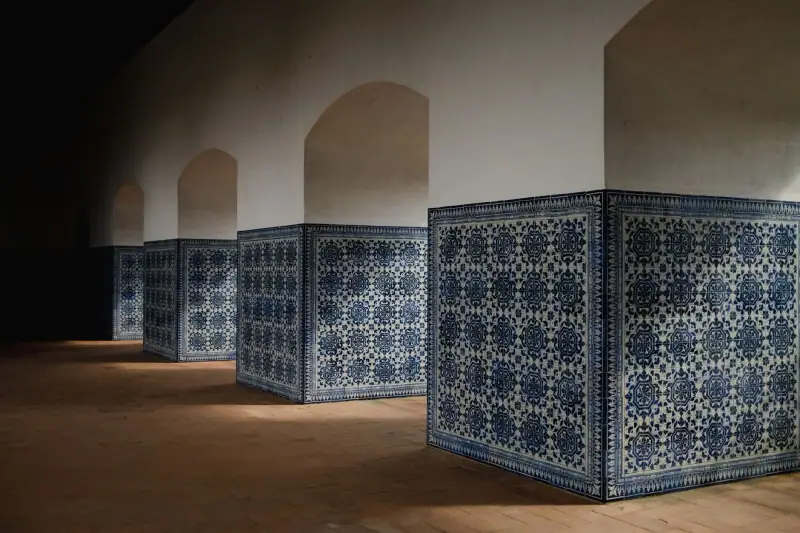
The area near the main gate concentrates part of the bustle: arrival of tour buses, shops, cafés, outer parking lots. Staying near the entrance has a logistical advantage: you drop your bags quickly, reach transport easily and do not have to climb the whole street to find your room.
It is also a noisier area by day, with the continuous passing of visitors. In the evening, calm returns fairly clearly. This area suits travelers arriving by bus, small budgets and those who put practicality ahead of atmosphere. Look at the room’s orientation and recent reviews to check the noise level.
The outer edges of the village: modern hotels and space
Just outside the ramparts, several newer hotels, aparthotels and guesthouses offer more space, family rooms, a pool and parking. You are a few minutes’ walk or drive from the old town, with rates generally lower than inside.
The assets are concrete: elevator, air conditioning, free or simpler parking, larger rooms. The trade-off is obvious: you lose the atmosphere of the medieval lanes, and the area is more functional than picturesque. For a family with children or a stop by car on a longer trip, it is often the best value for comfort.
If you are planning a wider circuit, compare with our guide to where to stay in Sintra: the two towns combine well north of Lisbon.
Around the Óbidos lagoon: calm, nature and water sports
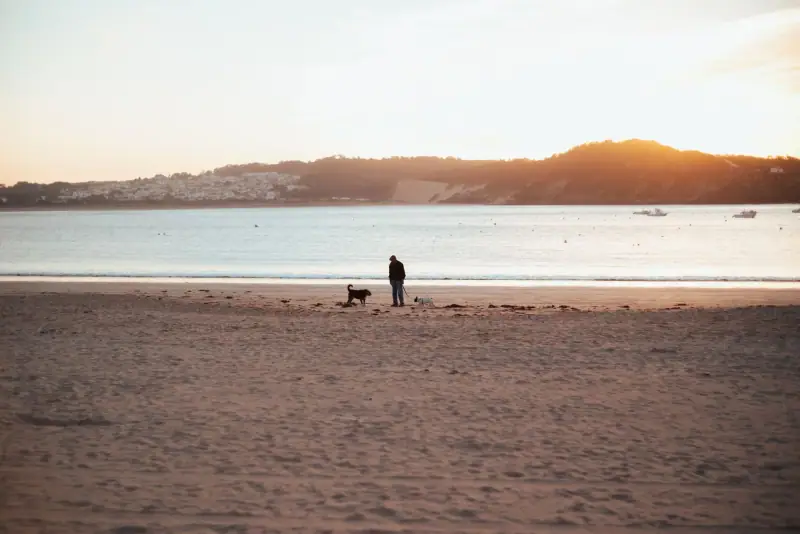
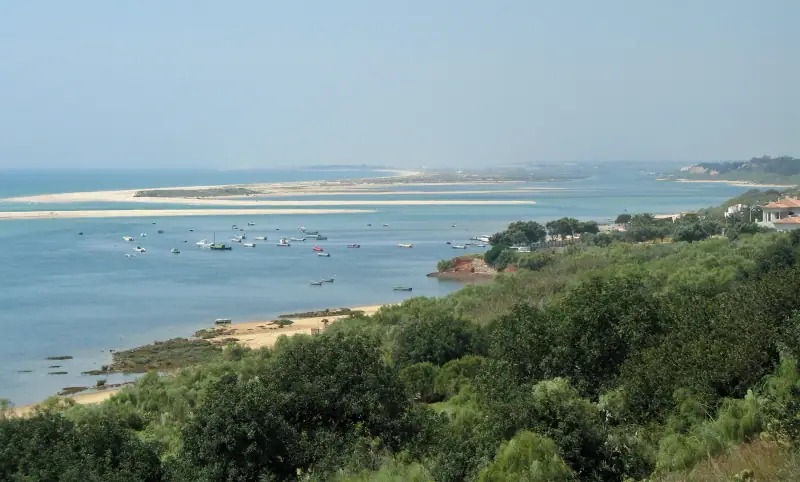
The Óbidos lagoon stretches west of the village, between the interior and the Atlantic. Around it, several towns offer hotels, apartments and vacation residences, with a seaside and nature atmosphere very different from the medieval village. This area attracts windsurfing and kitesurfing fans, waterside walkers and wilder beaches.
The advantage is the rhythm: more calm, space, the sea within reach and rates that vary by season. The drawback is distance: without a car, reaching the old town is impractical, and the restaurant offer is more seasonal. This area suits families, sports fans and those who want to combine a cultural visit with a beach stay on the Oeste coast. The season matters a lot: summer is lively, while the rest of the year the region is much quieter.
Tours and activities around Óbidos
Guided tours, excursions from Lisbon and discoveries of the Oeste coast.
The Oeste countryside: quintas, estates and turismo rural
To taste the region rather than simply visit a village, sleeping in the countryside is an excellent idea. Around Óbidos, the Oeste region has quintas, wine estates, rural houses and hotels with golf or a spa. They offer calm, a garden, often a pool, sometimes home-cooked meals or wine tastings.
A car is essential: these addresses are remote and public transport is infrequent. Check the real distance to the village before booking, as an address advertised “near Óbidos” can be several kilometers away. This option suits stays of two nights or more, couples seeking tranquility and those who want to use Óbidos as a base to explore the coast, the nearby villages and the vineyards.
Rent a car to explore the Oeste
Useful for staying in the countryside or reaching the lagoon and nearby beaches. Compare rental companies before booking.
Which type of lodging to choose in Óbidos?
The choice of area goes hand in hand with the type of lodging. Here are the main options.
Boutique hotels and small hotels: set in old mansions of the old town, they offer a front desk, breakfast and sometimes a terrace with a view of the ramparts. They suit short stays and couples’ trips.
The castle pousada: a prestige lodging in a historic monument. The setting is exceptional, the rates match, and booking should be made early for weekends and summer.
Guesthouses: very common in the village, they offer personal service, a small number of rooms and often a homemade breakfast. They fill up fast, especially on weekends.
Modern hotels and aparthotels on the outskirts: more practical for families, with an elevator, air conditioning, parking and sometimes a pool.
Apartments and short-term rentals: practical for stays of more than two nights or for groups, with a kitchen and more space. Check access (steps, floor), key handover and recent reviews, and choose a properly registered property, as the rules are changing in Portugal.
Quintas and turismo rural: country houses and estates in the Oeste region, with calm and nature, at the cost of needing a car.
Hostels: the offer is more limited in the village itself than in a big city. If your budget is tight, also look at the neighboring towns of the region.
Budget: what to expect by season
Óbidos is a tourist village, so rates there are often higher than elsewhere in the Oeste for equivalent quality, particularly inside the walls. The guesthouses and boutique hotels of the old town, as well as the pousada, are at the top of the range. Hotels on the outskirts of the village and apartments are in a middle range. Addresses in the neighboring towns and in the countryside are generally more accessible, especially off season.
Weekends, spring, summer and event periods are the most in demand. Winter is quiet, with prices often lower, but it rains more and some places close or reduce activity. To choose your dates, see our guide to when to go to Portugal, and to estimate the overall cost of your trip, our article on the budget for Portugal gives benchmarks.
Remember to compare the total cost rather than the room price alone: a more remote address can cost more in transport, parking or taxis than a more central lodging.
Óbidos as a stop from Lisbon: how many nights to plan?
Located about 80 to 90 km (50 to 56 mi) north of Lisbon, around an hour’s drive depending on traffic, Óbidos lends itself equally to a day trip or a one-night stop. A single night is the ideal format: you arrive in the afternoon, enjoy the village when the groups leave, dine in the village, then visit the castle and the ramparts the next morning before moving on.
Two nights are relevant if you add the lagoon, the Atlantic coast or a wider part of the Oeste. Beyond that, you need a real reason: beach, golf, spa or remote work. If you are combining several stops, compare with our guide to where to stay in Lisbon: Óbidos offers a calmer, slower and more intimate setting than the capital, which makes it a restful stop in a busy trip.
Practical tips before booking
Read recent reviews, focusing on four points: noise, access (steps, floor, elevator), parking and air conditioning in summer. Check the exact position on the map rather than the name of the locality, as some lodgings advertised “in Óbidos” are actually several kilometers from the village.
If you arrive with a suitcase, favor lodging close to the village entrance or plan on some walking over the cobblestones. Prefer a free-cancellation rate, especially if you book far ahead, and ask about possible arrival times: some small houses have no permanent front desk. If you like food, keep an evening for local cuisine, detailed in our article on Portuguese specialties to taste.
Entry rules depend on your passport. Check the official travel advice of your government before you book: travel.state.gov (US), GOV.UK (UK), travel.gc.ca (Canada), Smartraveller (Australia) (checked November 2026). Finally, travel insurance can cover cancellation and medical costs; compare policies before departure.
Frequently asked questions
Where should you stay in Óbidos for a first visit?
Inside the walls, in the old town around Rua Direita. You are within walking distance of everything: town gate, castle, churches, restaurants. The village is tiny, so even rooms at the other end of the enclosure remain a few minutes' walk from what there is to see.
Is one night in Óbidos enough?
Yes, one night is the most common format. It lets you see the village in the morning or at the end of the day, when the groups of day-trippers have left, and enjoy a quiet evening on the ramparts. Two nights make sense if you want to add the lagoon, the nearby coast or a base for the Oeste region.
Can you stay in Óbidos without a car?
Yes, as long as you stay in the old town or immediately next to it. Bus services link Lisbon to Óbidos and the village is covered on foot. A car becomes useful for the lagoon, the beaches and nearby villages, or if you stay in the countryside.
Is it noisy to sleep inside the walls?
By day, the village is busy with visitors, but in the evening it calms down clearly, especially off season. Events (medieval markets, festivals) make some nights livelier. If you are a light sleeper, ask for a courtyard or upper-floor room and read recent reviews.
Is lodging in Óbidos accessible with suitcases?
The cobbled, sloping lanes are uncomfortable with a wheeled suitcase, and many old houses have no elevator. If you arrive by car, check with your lodging where to park and how to reach the door, as traffic inside the enclosure is limited.
When should you book lodging in Óbidos?
The village has few rooms for its visitor numbers. For weekends, summer and events, book several weeks ahead, with a free-cancellation option if possible, then compare again before the deadline.
Is it better to stay in Óbidos or in Lisbon?
If you want to see Óbidos at a relaxed pace, staying overnight is more pleasant: you enjoy the village in the evening and the morning. If you are spending several days in the capital, the day trip is enough, but you see the village when it is busiest.
More Portugal guides
Keep reading
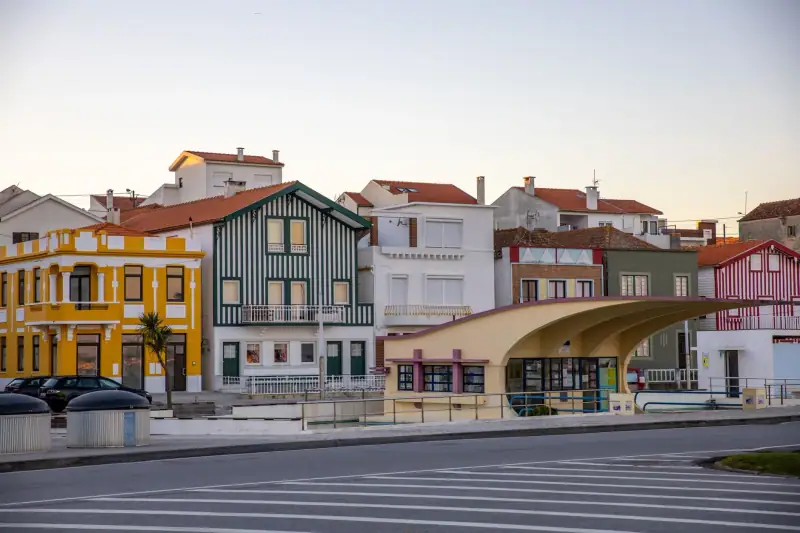
Where to stay in Aveiro: neighborhoods and types of lodging
Canal center, Beira-Mar, the station area, Costa Nova or the campus: compare Aveiro's neighborhoods and types of lodging to choose where to sleep.

Where to stay in Évora: neighborhoods and types of lodging
Historic center inside the walls, outside the ramparts or a quinta in the Alentejo: compare Évora's areas and types of lodging to choose where to sleep.
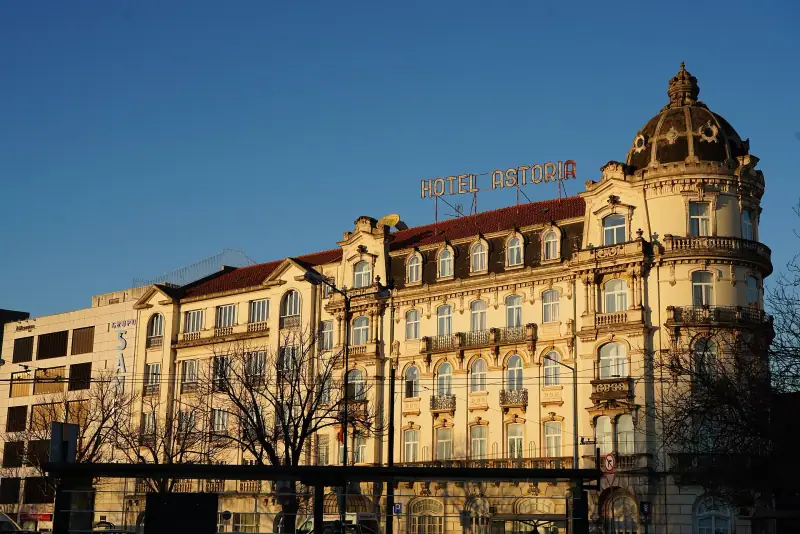
Where to stay in Coimbra: neighborhoods and types of lodging
University Alta, Baixa, Santa Clara or quiet districts: compare Coimbra's areas and types of lodging to choose where to sleep for your stay.
Ready-made
Portugal itineraries
3 days
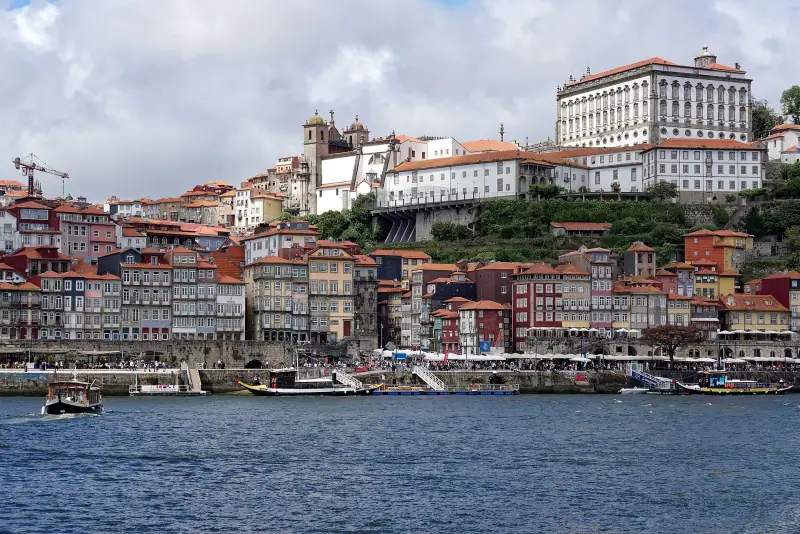
Porto in 3 days: a day-by-day itinerary
What to do in Porto in 3 days: Ribeira, São Bento azulejos, Gaia port cellars, Foz and a Douro Valley excursion. A relaxed day-by-day plan.

3 days
Lisbon in 3 days: day-by-day itinerary, neighborhoods and tips
What to do in Lisbon in 3 days: Baixa, Alfama, Belém, miradouros, Bairro Alto, pastéis de nata and transport tips for a relaxed stay.

1 day
Sintra in a day from Lisbon: itinerary and tips
Sintra in one day from Lisbon: train, Pena Palace, Quinta da Regaleira, Moorish Castle and old town. A realistic itinerary and tips to avoid the crowds.