Itineraries
Lisbon in 3 days: day-by-day itinerary, neighborhoods and tips

We may earn a commission when you book through links on this page, at no extra cost to you. We don't visit or try the places we cover: we summarize published sources. How we work
Day by day
- Day 1Baixa, Chiado and Bairro Alto, fado dinner
- Day 2Alfama, São Jorge Castle and the miradouros
- Day 3Belém, pastéis de nata and the Tagus riverfront
Estimated budget
$130 – $210 per person (€120 – €200)
For 2 travelers sharing a double room, with mid-range lodging.
| Item | Per person |
|---|---|
| Lodging | $76 – $120 |
| Paid visits | $56 – $99 |
Not included: international flights, meals, local transport and insurance.
Weather through the year on this route
| Jan | Feb | Mar | Apr | May | Jun | Jul | Aug | Sep | Oct | Nov | Dec | |
|---|---|---|---|---|---|---|---|---|---|---|---|---|
| High °F (°C) | 5714 | 5815 | 6217 | 6418 | 6720 | 7323 | 7524 | 7725 | 7424 | 6921 | 6317 | 5815 |
| Low °F (°C) | 479 | 479 | 4910 | 5312 | 5513 | 6016 | 6217 | 6317 | 6217 | 5815 | 5312 | 4910 |
Normals 1991–2020 at Porto and Sintra: averages over 30 years, not a forecast. Source: NASA POWER (MERRA-2), grid of about 50 km. Figures computed by us in November 2026. Rain is shown only where a weather station confirms the figures.
In short
- Day 1 covers the historic center (Baixa, Chiado, Bairro Alto), day 2 the Alfama and viewpoints, day 3 Belém and the riverfront.
- You do not need a car in Lisbon: metro, tram, bus, suburban train and walking are enough.
- Tram 15 or the suburban train from Cais do Sodré take you to Belém in a few minutes.
- A fourth day makes room for Sintra, about half an hour by train from Lisbon.
Lisbon spreads over seven hills on the banks of the Tagus, with its azulejo facades, yellow trams and terraces overlooking the rooftops. The Portuguese capital is compact enough that you can see the essentials in three days, as long as you accept walking, climbing many stairs and leaving room for the unexpected.
In short: the first day for the historic center (Baixa, Chiado, Bairro Alto), the second for the Alfama and the viewpoints, the third for Belém and the riverfront.
Before you go: organizing three days
Lisbon is a walking city, but the hills force you to choose your days. Group visits by neighborhood rather than zigzagging from one hill to another: you will save time and your calves.
For getting around, the network includes the metro, buses, trams, funiculars (the “ascensores”) and suburban trains. A rechargeable public transport card is sold in the stations and lets you pay per trip or buy day passes. Check the current fares before choosing, as they change regularly.
As for lodging, the neighborhood you pick shapes the experience a lot: see our guide to where to stay in Lisbon by neighborhood before booking. And to find out which season suits your trip best, see when to go to Portugal.
Where to stay in Lisbon
Well-located places to stay go fast in high season. Compare offers by dates and neighborhood.
Day 1: Baixa, Chiado and Bairro Alto

Start with the heart of the historic center. The Baixa is the district with a regular grid plan, rebuilt after the great earthquake of 1755. Its checkerboard streets run down to Praça do Comércio, an immense square open to the Tagus and lined with yellow arcades. The Rua Augusta arch, which opens the square on the city side, gives a view down the pedestrian street.
Then head up to the Chiado, an elegant district of bookshops, old cafés and boutiques. The Santa Justa Elevator, a neo-Gothic iron lift, links the Baixa to the heights of the Chiado: the line is often long, and the ride is mostly worth it for the view from the top. If you are short on time, the nearby streets offer almost as good perspectives without the wait.
In the afternoon, stroll through the Bairro Alto, which changes its face with the hour. By day it is a district of quiet lanes, with laundry at the windows and decorated facades. In the evening it becomes one of the liveliest places in the city, with its small bars and terraces.
For dinner, try a fado house if you want a musical evening. Lisbon fado, a melancholy song accompanied by the Portuguese guitar, is on the UNESCO list of intangible cultural heritage. Many venues offer dinner with a show: compare the packages and reviews before choosing, and beware of overly touristy places.
Day 2: the Alfama, the castle and the miradouros
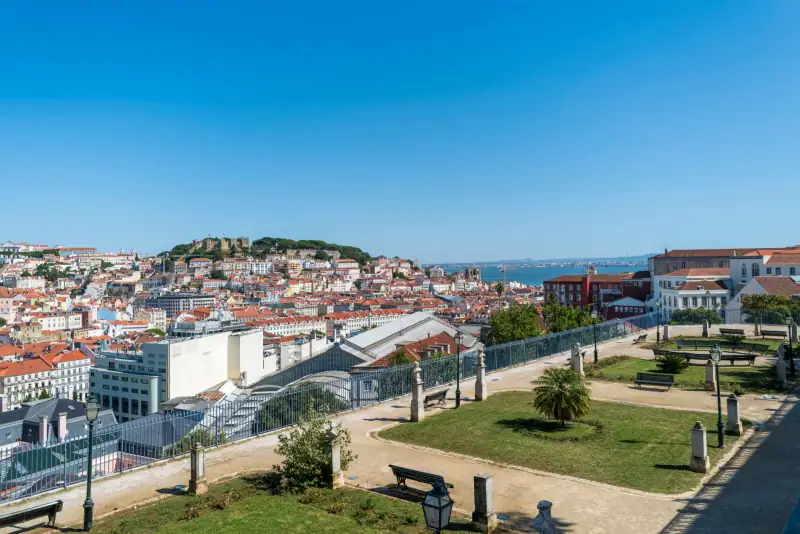
The Alfama is the oldest district of the city and one of the few to have withstood the 1755 earthquake well. Its tangle of lanes, stairways and small squares makes a labyrinth you explore without a map. Get lost on purpose: it is the best way to discover the patios, chapels and azulejo-covered facades.
The Sé de Lisboa, the Romanesque cathedral at the foot of the Alfama, can be visited quickly. Higher up, São Jorge Castle (Castelo de São Jorge) overlooks the city. Its ramparts and terraces give a panoramic view of the rooftops, the Tagus and the 25 de Abril Bridge. Allow about one to two hours for the visit, avoiding midday in summer if you can.
The miradouros, these panoramic terraces, are a Lisbon institution. Among the most popular are the Miradouro de Santa Luzia, in the Alfama, and the Miradouro da Nossa Senhora do Monte, higher up, which offers one of the widest views of the city. Sunset draws crowds there: arrive early to find a spot.
Tram 28, which crosses several old neighborhoods, is famous, but it is often packed and a target for pickpockets. If you want to ride it, get on early in the morning or late in the afternoon, and keep your belongings in front of you. You can also simply admire it from a street and get around on foot.
Guided tours in Lisbon
Guided walk in the Alfama, tuk-tuk tour, fado evening or Tagus cruise: compare the activities available in Lisbon.
Day 3: Belém and the Tagus riverfront
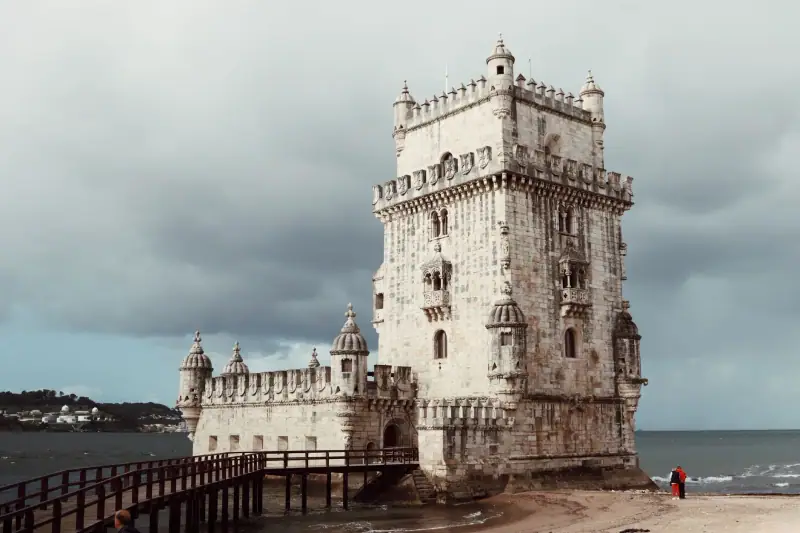
Belém is west of the center, on the riverbank. It is the Age of Discovery district: this is where the Portuguese navigators set out in the era of the great explorations. It holds two major monuments.
The Jerónimos Monastery (Mosteiro dos Jerónimos), a masterpiece of the Manueline style, is a UNESCO World Heritage site. Its cloister with finely carved arcades is the highlight of the visit. The Belém Tower, a small defensive building at the water’s edge, is also listed and symbolizes Lisbon. It is easy to photograph from the outside; the interior visit is shorter and subject to a line. The nearby Monument to the Discoveries pays tribute to the navigators.
Take a break at the Pastéis de Belém pastry shop, famous for its pastéis de nata, the small custard tarts served warm with cinnamon. The line can be long, but it moves fast, and there are many other pastry shops in the city if you prefer to avoid the wait. To learn more about local specialties, see our guide to what to eat in Portugal.
To return to the center, follow the river on foot or by bike if the weather allows. The modern Parque das Nações district, to the east, is home to the Oceanário, one of Europe’s great aquariums, an excellent option with children or in rainy weather. The MAAT, the museum of art, architecture and technology, is another good choice on the Tagus.
If you have another half day
With a fourth day, the most popular outing is Sintra, its palaces and misty forests, about half an hour by train from Lisbon. We devote a full guide to it: Sintra in a day from Lisbon.
Other shorter ideas: the covered market at Cais do Sodré (Time Out Market), the LX Factory, a former industrial site turned into a quarter of shops, cafés and workshops, or a boat ride on the Tagus at sunset.
To explore parts of the region the train does not reach, a rental car can be useful for a day or two, but avoid keeping it for the whole stay in the city.
Practical tips
- Shoes: the cobblestones (calçada) are slippery, especially after rain. Bring comfortable shoes with good grip.
- Pace: do not try to see everything. Two major visits a day, plus breaks on terraces, are enough.
- Safety: the city is generally safe, but pickpockets are active on trams and in very touristy areas.
- Opening hours: many monuments close one day a week and hours vary by season; check the official sites before you go.
- Booking: in high season, book the most popular visits in advance.
In three days, Lisbon lets itself be tamed: between river, hills and neighborhoods that each have their own personality, it mostly makes you want to come back.
Frequently asked questions
Are three days enough to visit Lisbon?
Yes, it is a comfortable length of time to see the main neighborhoods (Baixa, Alfama, Belém, Chiado, Bairro Alto) and enjoy a few viewpoints. With a fourth day you can add Sintra, which we cover in a separate guide.
Do you need to rent a car in Lisbon?
No, not to visit the city itself. The center is hilly, the streets are narrow and parking is complicated. The metro, trams, buses, suburban trains and walking are enough. A car becomes useful for leaving the city, for example toward the coast or the interior.
Which neighborhood should you stay in?
For a first stay, Baixa and Chiado are practical because they are central and well served. The Alfama is more picturesque but hilly, and the Bairro Alto is lively in the evening. Our neighborhood guide details the pros and cons of each.
How do you get between the center and Belém?
The simplest way is tram 15 from Praça do Comércio, or the suburban train from Cais do Sodré station, which reaches Belém in a few minutes. Check schedules and crowds, especially in high season.
What is the best time to visit Lisbon?
Spring and early fall are often the most pleasant: mild temperatures and beautiful light. Summer can be very hot on the steep streets, and winter is rainier but quieter.
More Portugal guides
Keep reading

Portugal trip budget: real costs and 3 priced profiles
How much does a trip to Portugal cost? Lodging, transport, meals, activities: prices item by item, three sample budgets and tips to spend less.

What to see in the Alentejo: white villages, cork oaks and starry skies
What to see in the Alentejo: Évora, Monsaraz, Marvão, Elvas, Estremoz, Mértola, Alqueva and the wild coast. Route tips, transport and stay ideas.
Portugal with kids: trip ideas and family activities
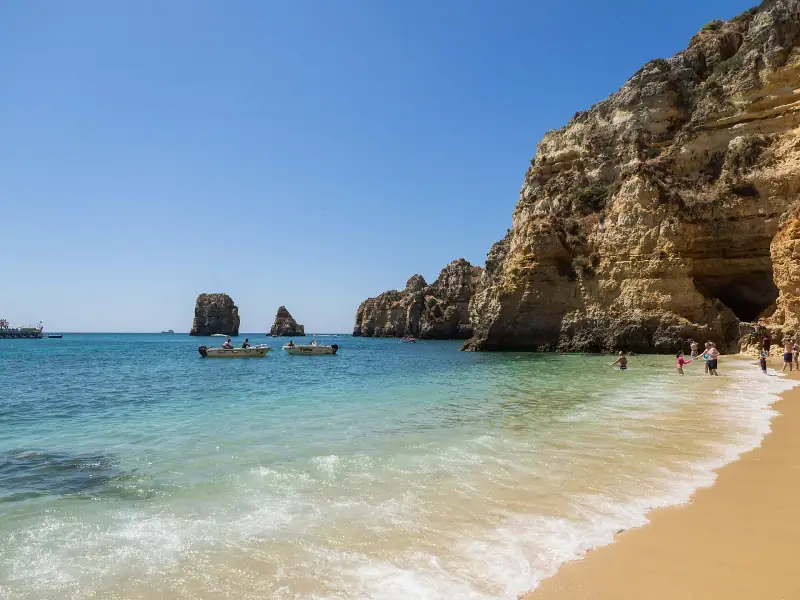
What to do in Portugal with children? Aquarium, zoo, parks, beaches, villages and Madeira: activity ideas by age, recommended pace and practical tips.
Ready-made
Portugal itineraries
3 days
Porto in 3 days: a day-by-day itinerary
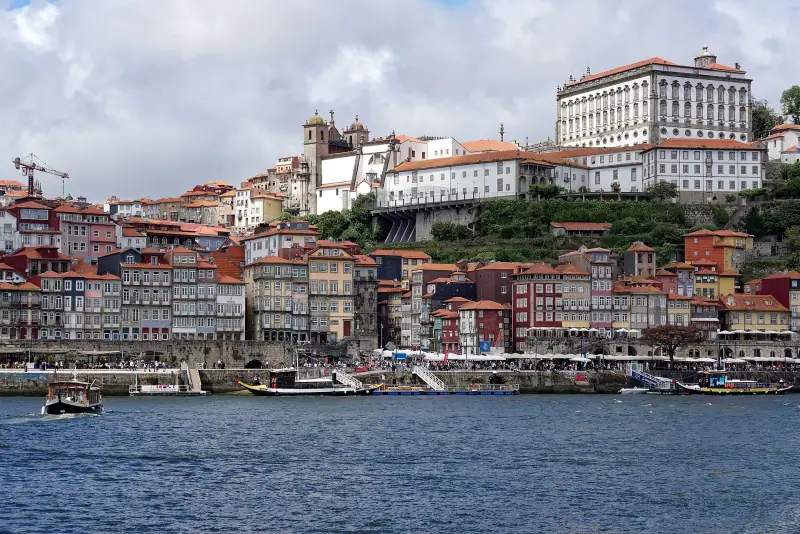
What to do in Porto in 3 days: Ribeira, São Bento azulejos, Gaia port cellars, Foz and a Douro Valley excursion. A relaxed day-by-day plan.

1 day
Sintra in a day from Lisbon: itinerary and tips
Sintra in one day from Lisbon: train, Pena Palace, Quinta da Regaleira, Moorish Castle and old town. A realistic itinerary and tips to avoid the crowds.