Where to stay
Where to stay in Lisbon: neighborhoods, pros and tips for choosing
We may earn a commission when you book through links on this page, at no extra cost to you. We don't visit or try the places we cover: we summarize published sources. How we work
In short
- Baixa and Chiado suit most first stays: central, well served by the metro, and within walking distance of Alfama, Bairro Alto and the Tagus.
- Alfama is the choice for charm if you travel light; Bairro Alto and Cais do Sodré are lively late, so ask for a courtyard room if you sleep lightly.
- Príncipe Real and Belém are calmer; Parque das Nações is modern and practical for families, linked to the center by metro.
- Book early for spring, summer and the June festivals, preferably with free cancellation.
Lisbon stretches over hills on the banks of the Tagus, and the neighborhood where you sleep really changes the experience of your stay: walking access to the sights, night noise, slopes to climb with a suitcase, views of the river. This guide compares the main neighborhoods to help you choose according to your budget, your pace and the length of your trip.
In short: Baixa and Chiado suit most first stays, the Alfama suits lovers of charm, the Bairro Alto suits night owls, and Príncipe Real or Belém suit those who prefer calm.
How to choose your neighborhood in Lisbon
Before comparing addresses, ask yourself three questions. Do you travel light? Lisbon’s hills and cobblestones make suitcases a chore, and some old buildings have no elevator. Do you want calm or bustle? The party neighborhoods stay noisy late into the evening, especially on weekends. Finally, how long are you staying? For a short stay, it is better to sleep in the heart of the historic center and do everything on foot or by transit.
Central Lisbon is compact, and the neighborhoods presented below are close to each other. Picking the wrong one is therefore not dramatic, but a bad choice can turn every return to the hotel into a climb. Always look at the map and the relief, not only the distance as the crow flies.
The Baixa: the most central for a first stay
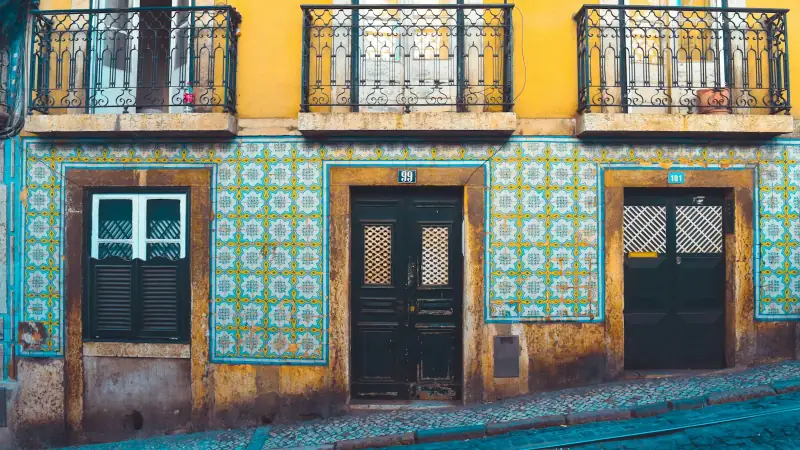
The Baixa is the flat neighborhood of the center, rebuilt on a regular plan after the great earthquake of 1755. Its straight streets, its large square open to the Tagus and its many transport lines make it a very practical starting point. It is also one of the few areas of the center where you get around without much climbing, which is valuable with luggage or children.
You find a wide choice of hotels there, from small boutique places to large properties, as well as apartments. The flip side: tourist numbers are high, the shopping streets are busy by day, and the most visible restaurants are not always the best. To eat, move a few streets away from the main arteries.
It is a good base if you stay two to four nights and want to branch out on foot toward the Chiado, the Alfama and the waterfront.
Where to stay in Lisbon
Compare the hotels of the Baixa and the center by dates and budget.
Chiado and Bairro Alto: elegance by day, party at night

The Chiado, on the hill next to the Baixa, is a neighborhood of old bookshops, historic cafés and boutiques. It is more elegant and often a little more expensive than its neighbors. You reach it from the Baixa by climbing steep streets, or by one of the city’s typical elevators and funiculars.
The Bairro Alto, just above, changes its face with the hour: calm and a little sleepy by day, it fills with people in the evening, when the bars open their doors and the crowd floods the lanes. If you like going out, it is ideal. If you want to sleep early, take a courtyard room or lodging slightly set back, as street noise can go on late.
Cais do Sodré, below toward the river, is the other lively nightlife area: same advice, check traveler reviews about noise before booking.
The Alfama: the charm of an old village, with slopes
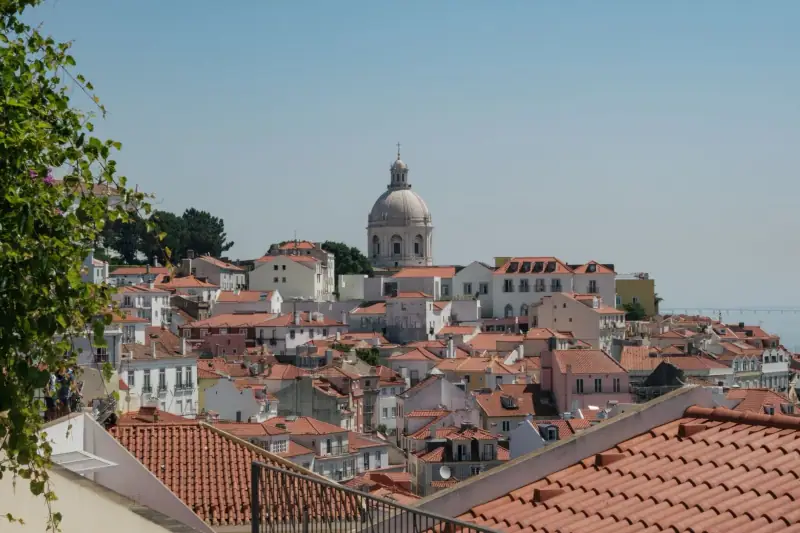
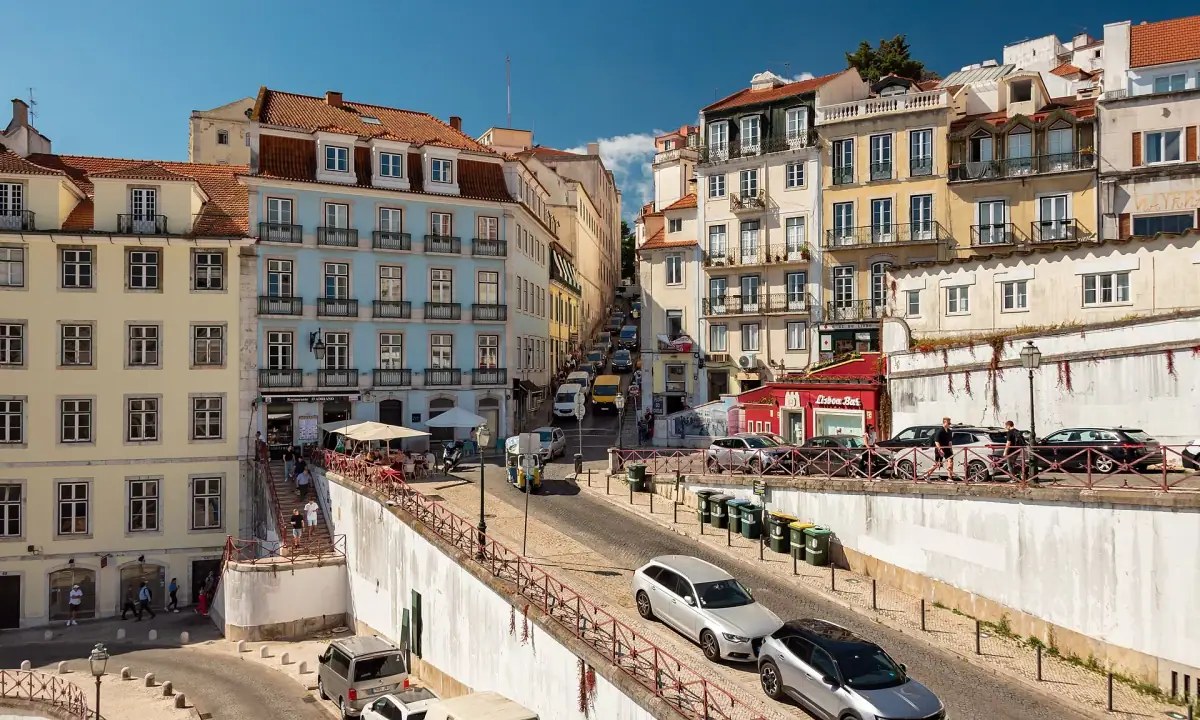
The Alfama is Lisbon’s oldest neighborhood, a labyrinth of lanes, stairways and small squares that descends toward the Tagus. It largely survived the 1755 earthquake, which explains its winding layout. Staying here gives the feeling of living in a village, with views over the rooftops and the river, and small places often run by families.
The trade-offs are concrete: taxis and cars cannot reach everywhere, there are many stairs, and you sometimes have to carry your suitcases a few hundred meters. Check how to reach the lodging and ask for arrival directions in advance. In the evening, some streets echo with music, notably in the places where you can hear fado, which is also part of the neighborhood’s charm.
If you travel light and value atmosphere over practical comfort, the Alfama is an excellent choice.
Príncipe Real, Estrela and Campo de Ourique: residential calm
A little higher than the Bairro Alto, Príncipe Real is a residential, trendy neighborhood with a garden, designer shops and pleasant terraces. It is quieter at night than its neighbors, while staying within walking distance of the Chiado. It is a good compromise for those who want the center without the noise.
Further west, Estrela and Campo de Ourique are neighborhoods of residents, with markets, local cafés and quiet streets. They suit a longer stay, or those who want to see a less touristy Lisbon. Expect, however, a short tram, bus or metro ride to reach the busiest sights.
Guided tours in Lisbon
Neighborhood walks, guided tours and excursions from the capital.
Belém and the Tagus waterfront: monuments and tranquility

Belém, west of the center, is the neighborhood of the Belém Tower and the Jerónimos Monastery, two emblematic monuments of the Age of Discovery. It is airy, with large open spaces and riverside promenades. The atmosphere is calm in the evening, far less lively than in the center.
It is a reasonable choice for a quiet stay or for those who want to visit the monuments early, before the groups arrive. However, you will be some distance from the historic center, which you reach by tram or suburban train. For a short first stay, it is simpler to sleep in the center and visit Belém during the day.
Parque das Nações: modern, practical for families
In the northeast, Parque das Nações is a modern neighborhood built around the 1998 World Expo. It has waterside promenades, a large aquarium, wide sidewalks and hotels that are often newer, sometimes cheaper than in the historic center. It is linked to the center by metro.
It lacks the charm of an old neighborhood, but it is a practical solution for a family, a business trip or when you arrive via Oriente station. Keep in mind that the trip to the Alfama or the Baixa takes time in the evening.
Budget: what to expect by season
Lodging prices in Lisbon vary strongly by season and neighborhood. The historic center (Baixa, Chiado) is generally more expensive than residential or off-center neighborhoods, and rates rise in spring, summer and during the June festivals. For the details of the seasons, see our guide to when to go to Portugal.
A few tips to limit the bill: travel outside high season, accept sleeping a little outside the tourist core while staying near a metro station, and compare hotels, apartments and small family-run guesthouses. Some places include breakfast, which counts in the budget. Also check for a possible tourist tax, generally paid at the property.
Practical tips before booking
Read recent reviews, focusing on three points: noise, access (stairs, elevator) and cleanliness. Check the precise location on the map rather than the neighborhood name, as some listings stretch the definition of “center”. If you arrive by plane, the metro links the airport to the center without a complicated change, which avoids booking an expensive transfer.
You do not need a car to visit Lisbon: parking is difficult and traffic is complicated in the historic neighborhoods. If you then want to explore the country, you can rent a vehicle when leaving the capital.
Finally, consider travel insurance to cover cancellation and medical costs; compare policies before departure.
Frequently asked questions
What is the best neighborhood to stay in Lisbon the first time?
Baixa and Chiado are the most practical for a first stay: they are central, well served by the metro and let you walk to the Alfama, the Bairro Alto and the Tagus waterfront.
Where should you stay in Lisbon to go out in the evening?
The Bairro Alto and Cais do Sodré concentrate bars and nightlife. They are lively late at night: if you sleep lightly, ask for a courtyard room or a high floor.
Is it better to stay in the Alfama?
The Alfama charms with its old-village atmosphere, but its lanes are steep and rugged, and luggage is hard to carry there. It is a good choice if you travel light and look for charm.
Can you stay in Belém?
Yes, but it is farther out than the historic center. It suits quiet stays, or those who prioritize the monuments and museums of this area. The tram and the train link it to the center.
Do you need to rent a car in Lisbon?
No, not to visit the city: the metro, tram, bus and walking are enough, and parking is complicated in the historic neighborhoods. A car is only useful for excursions outside the capital.
When should you book lodging in Lisbon?
Early if you travel in spring, summer or during the June festivals: well-located lodging books up well in advance. Preferably choose a free-cancellation option.
More Portugal guides
Keep reading
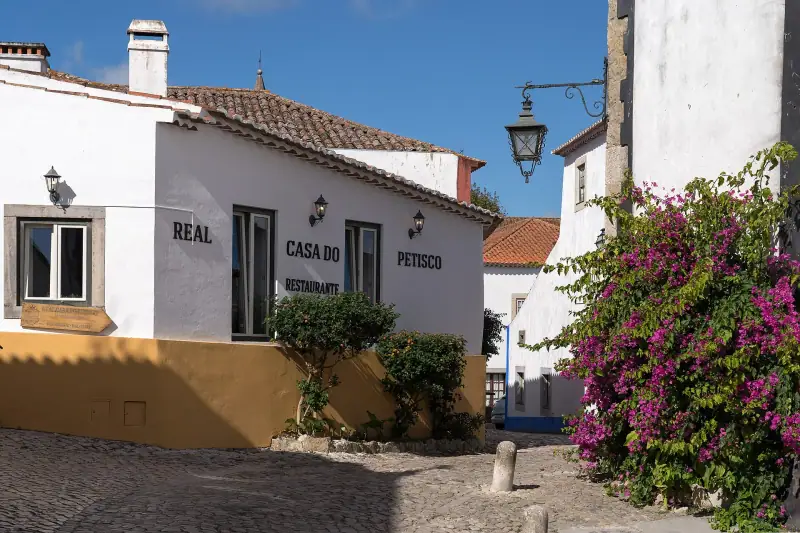
Where to stay in Óbidos: areas and types of lodging
Inside the walls, outskirts, lagoon or Oeste countryside: compare Óbidos areas and types of lodging to choose where to sleep for your stay and budget.
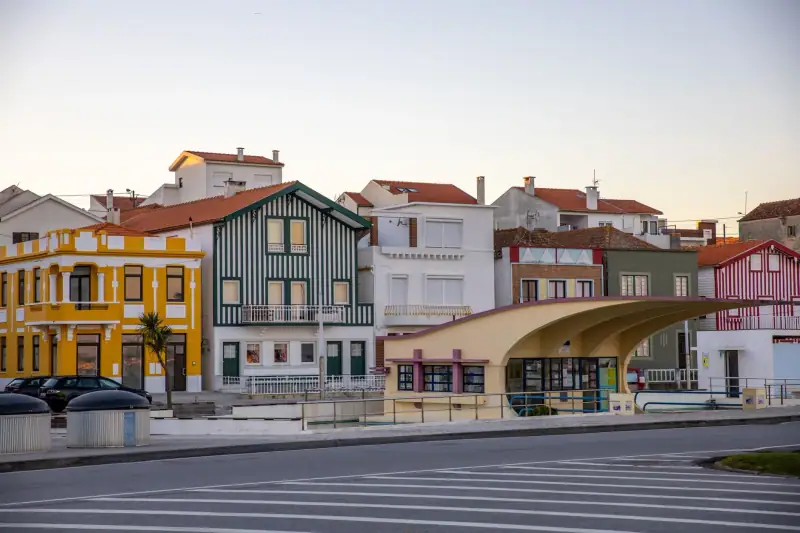
Where to stay in Aveiro: neighborhoods and types of lodging
Canal center, Beira-Mar, the station area, Costa Nova or the campus: compare Aveiro's neighborhoods and types of lodging to choose where to sleep.

Where to stay in Évora: neighborhoods and types of lodging
Historic center inside the walls, outside the ramparts or a quinta in the Alentejo: compare Évora's areas and types of lodging to choose where to sleep.
Ready-made
Portugal itineraries
3 days
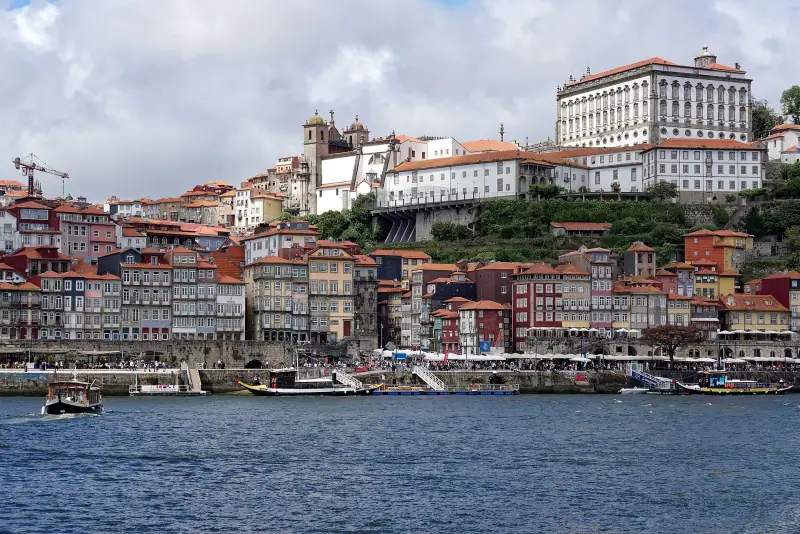
Porto in 3 days: a day-by-day itinerary
What to do in Porto in 3 days: Ribeira, São Bento azulejos, Gaia port cellars, Foz and a Douro Valley excursion. A relaxed day-by-day plan.

3 days
Lisbon in 3 days: day-by-day itinerary, neighborhoods and tips
What to do in Lisbon in 3 days: Baixa, Alfama, Belém, miradouros, Bairro Alto, pastéis de nata and transport tips for a relaxed stay.

1 day
Sintra in a day from Lisbon: itinerary and tips
Sintra in one day from Lisbon: train, Pena Palace, Quinta da Regaleira, Moorish Castle and old town. A realistic itinerary and tips to avoid the crowds.