Things to do
Douro Valley in 2 days from Porto: vineyards, train and cruise
We may earn a commission when you book through links on this page, at no extra cost to you. We don't visit or try the places we cover: we summarize published sources. How we work
In short
- The central stretch between Peso da Régua and Pinhão, about thirty kilometers (about 19 mi) apart by road, is the most practical to focus on.
- From Porto, the regional train takes about 2 h to Régua and 2 h 30 to Pinhão; by car, a little under 2 hours.
- Two days with an overnight stay in the valley let you enjoy the vineyards, a cruise and a tasting without rushing.
- Spring and fall are the most pleasant; the harvest is usually September to October, and lodging fills up fast.
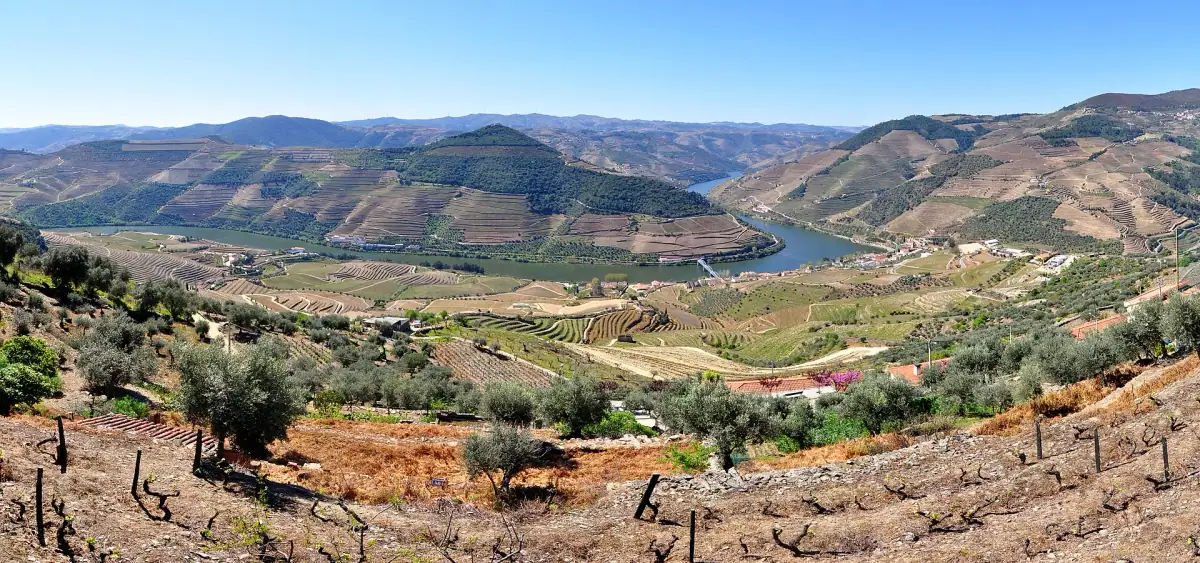
Inland, east of Porto, the Douro cuts into gorges covered with terraced vines. This landscape, shaped by centuries of winegrowing, has been a UNESCO World Heritage site since 2001, and the wine region is one of the oldest in the world to have been demarcated, in the 18th century. This is where port grapes are born, along with many red and dry white wines.
Many travelers go there on a day trip from Porto. It is doable, but the travel time is considerable. This itinerary offers two days, with a night in the valley: enough to enjoy the landscape without piling up the miles. If you have not yet organized your time in the city, our 3-day Porto itinerary gives you the basics.
Preparing your trip to the Douro Valley
The valley stretches over several dozen kilometers, and not everything can be visited in two days. The most practical approach is to focus on the central stretch, between Peso da Régua and Pinhão, two small towns about thirty kilometers (about 19 mi) apart by road. Régua is larger and more practical; Pinhão is smaller, more picturesque and directly surrounded by vineyards.
There are three main ways to get there. The regional train leaves from Porto São Bento or Campanhã: allow about 2 hours to Régua and 2 h 30 to Pinhão. The ride is slow, but the line follows the river for its last part and offers beautiful views from the window. By car, allow a little under 2 hours to reach the valley, which leaves freedom to stop along the way. Finally, organized minibus excursions, sometimes combined with a cruise, take care of all the transport.
Choose according to your travel style. The train is ideal for a relaxed getaway with no driving. A car suits those who want to see the viewpoints and several estates. In any case, avoid leaving late: a round trip in one day quickly becomes tiring.
Douro Valley excursion
A day from Porto with transport, a quinta visit and a tasting: a simple option if you do not want to drive.
Day 1: from Porto to Peso da Régua
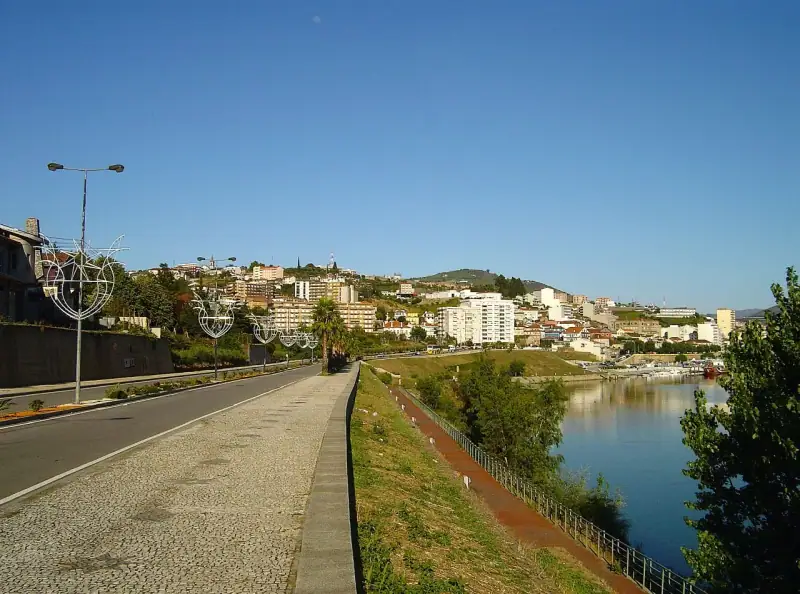
Leave Porto early in the morning. If you take the train, use the time to admire the hall of São Bento station and its azulejo panels before departure. After a few urban stops, the line reaches the Douro and the landscape gradually changes: the banks narrow, the hills fill with vines, the villages become rarer.
Peso da Régua is the traditional gateway to the Upper Douro. The town stretches along the river, with a pleasant promenade on the quays and a museum devoted to the history of wine and of the region, the Museu do Douro. It is a good place to understand how the vineyard is organized before seeing it up close: why the vines are planted in terraces, how port is made, what role the river played in carrying the barrels.
Keep lunch simple in Régua, at a restaurant in town: grilled meat, cod or river fish dishes are common in the region. Our guide to what to eat in Portugal details the specialties worth trying.
In the afternoon, if you are driving, head up to the São Leonardo de Galafura viewpoint (miradouro). Set up on the heights, about half an hour by road from Régua, it is considered one of the finest viewpoints in the valley: you see the winding river framed by kilometers of terraced vines. The late afternoon light is particularly beautiful there. Without a car, a taxi or an excursion gets you there.
Where to stay in Pinhão or Régua
Hotels, guesthouses and charming places to stay in the valley: compare by dates, especially during the harvest.
Pinhão: the heart of the vineyard
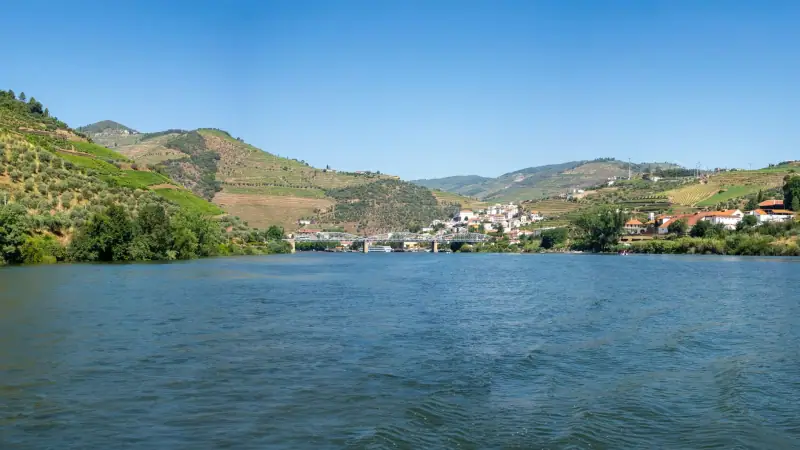
Reach Pinhão at the end of the day and settle in. The small town is built around a riverbank that is easy to walk, with a bridge, terraces and a small port from which boats leave. Its station is known for its blue and white azulejo panels, which show scenes of harvests and vineyard work: entry is free, and it makes a pleasant little detour.
For the night, several options coexist: riverside hotels, guesthouses and lodging within the wine estates themselves. The latter offer full immersion, but they are often full during the harvest. Book early if you travel in September or October.
In the evening, dine on a terrace and try a Douro wine, red or white, rather than port with every meal: the region also makes very good dry wines, which you find less often in the city.
Day 2: quintas, tasting and a river cruise
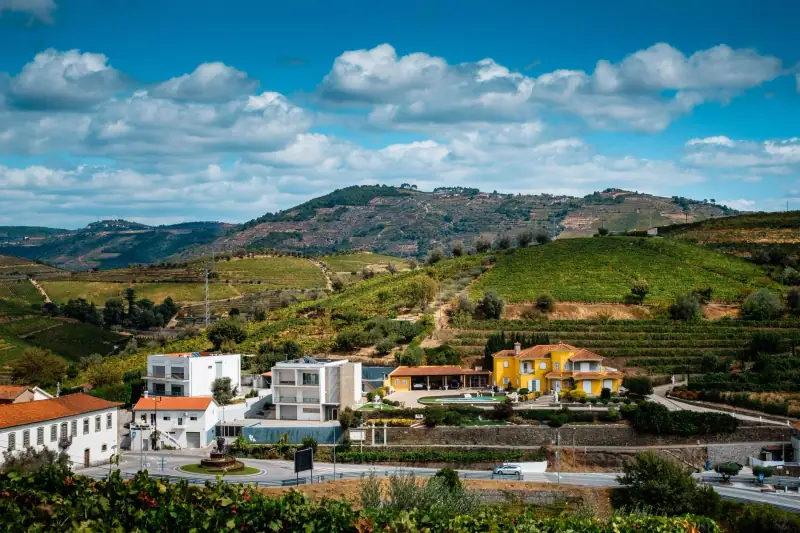
The morning is ideal for visiting a wine estate. The quintas around Pinhão generally offer visits with a tasting, sometimes with lunch. The format varies: a tour of the vines, a stop in the cellar, a tasting of several wines. Durations and prices change from one estate to another; ask directly, and book before you come, especially in high season.
If you are driving, choose a designated driver who will not taste, or limit yourself to small tastings: the valley roads are narrow, winding and steep. If you are traveling without a car, an excursion or a taxi gets you to the estates safely.
In the afternoon, board a boat. Douro cruises, lasting from one hour to about half a day depending on the option, give a different point of view on the terraces of vines. They leave from Pinhão or Régua, and some are combined with a tasting. It is a calm moment that contrasts with the roads of the morning.
Douro cruise
A boat ride on the river, with or without a tasting: compare the options and durations.
Back to Porto and possible variations
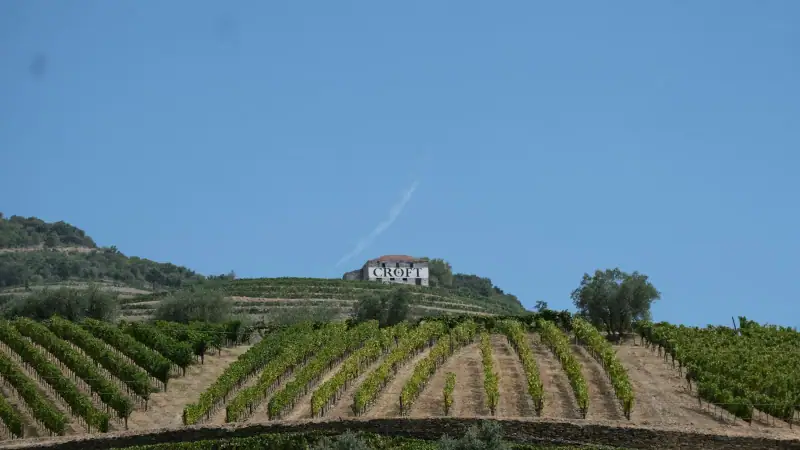
For the return, plan to leave late in the afternoon if you are taking the train, and check the schedules on the website of the rail company CP: services are not as frequent as in the city. By car, the drive back takes a little under 2 hours, but it is best to be back before dark on the mountain roads.
If you have an extra day, add Lamego, a Baroque town known for its grand staircase leading to the sanctuary of Nossa Senhora dos Remédios. It is easy to visit from Régua by car. Conversely, with only one day, do not spread yourself thin: choose between a cruise, an estate and a viewpoint, rather than ticking everything off.
Practical tips for your stay
When to go. Spring and fall offer the most beautiful landscapes: green vines in spring, golden and red hues in fall. The harvest generally runs from September to October, with a great atmosphere but lodging that fills up quickly. Summer is hot in the valley, sometimes very hot. Our guide to when to go to Portugal details the climate region by region.
What to bring. Comfortable shoes, a hat and water, as the viewpoints have little shade. Also bring a light jacket for the evening, which is cooler than in Porto in the shoulder seasons.
Travel insurance. For a stay abroad, insurance covering medical costs and cancellation is recommended.
Frequently asked questions
Is one day enough to visit the Douro Valley?
It is possible on an organized excursion, but the day is long: travel takes up a large part of the time. Two days, with an overnight stay in the valley, let you enjoy the vineyards, a cruise and a tasting without rushing.
How do you get from Porto to Pinhão?
The regional train from Porto São Bento or Campanhã takes about 2 h 30 to reach Pinhão and follows the river for the last part of the trip. By car, allow a little under 2 hours, depending on traffic and the route you choose.
Do you need to rent a car for the Douro Valley?
It is not required: trains, boats and organized excursions let you discover the valley. A car does give more freedom for the viewpoints and the quintas, as long as you choose a designated driver who does not taste.
What is the best time to visit the Douro?
Spring and fall are the most pleasant. The harvest generally takes place from September to October, a lively period but a busy one. In midsummer the heat in the valley can be intense.
Do you need to book tastings at the quintas?
Yes, most estates welcome visitors by appointment or reservation, especially in high season and during the harvest. Ask a few days in advance.
More Portugal guides
Keep reading
Portugal with kids: trip ideas and family activities
What to do in Portugal with children? Aquarium, zoo, parks, beaches, villages and Madeira: activity ideas by age, recommended pace and practical tips.
Hiking the levadas of Madeira: trails, booking and tips
Madeira's levadas in practice: Caldeirão Verde, 25 Fontes, Pico Ruivo, mandatory online booking, fee, gear and mistakes to avoid for walking them well.
Portugal trip budget: real costs and 3 priced profiles
How much does a trip to Portugal cost? Lodging, transport, meals, activities: prices item by item, three sample budgets and tips to spend less.
Ready-made
Portugal itineraries
3 days
Porto in 3 days: a day-by-day itinerary
What to do in Porto in 3 days: Ribeira, São Bento azulejos, Gaia port cellars, Foz and a Douro Valley excursion. A relaxed day-by-day plan.
3 days
Lisbon in 3 days: day-by-day itinerary, neighborhoods and tips
What to do in Lisbon in 3 days: Baixa, Alfama, Belém, miradouros, Bairro Alto, pastéis de nata and transport tips for a relaxed stay.

1 day
Sintra in a day from Lisbon: itinerary and tips
Sintra in one day from Lisbon: train, Pena Palace, Quinta da Regaleira, Moorish Castle and old town. A realistic itinerary and tips to avoid the crowds.