What to see
Visit Bariloche: a complete guide to the capital of the Argentine Andes
We may earn a commission when you book through links on this page, at no extra cost to you. We don't visit or try the places we cover: we summarize published sources. How we work
In short
- Plan 3 to 4 days minimum for Lake Nahuel Huapi, the Circuito Chico (about 60 km / 37 mi) and the town; 5 to 6 add a mountain hike.
- Bariloche Airport (BRC) is about 14 km (9 mi) from the center; the flight from Buenos Aires takes about 2 h and the night bus about 24 h.
- Trekking and lakes are best from November to March, skiing from June to September, and autumn (April-May) brings foliage colors and fewer people.
- Budget about €50-65 a day (about $58 to 75) as a backpacker, or €120-180 (about $140 to 210) at mid-range.
San Carlos de Bariloche, which everyone simply calls Bariloche, stands apart in the Patagonian landscape. Here there are no giant glaciers or endless steppe: you are in the Lake District, a world of nothofagus beech forests, snow-covered volcanoes and deep blue lakes set into the Andean foothills. The town spreads along the shore of Lake Nahuel Huapi, backed by the national park of the same name, and it has the particular charm of mountain towns built in a hurry in the early 20th century by Swiss, German and Italian immigrants who brought their know-how in wooden architecture and artisan chocolate.
Bariloche is today the main gateway to Argentina’s Lake District and one of the most visited tourist destinations in the country. It is also an ideal starting point for longer itineraries in Patagonia or toward Chile by the legendary lake crossing.
Where Bariloche is and how to get there
Bariloche is in Río Negro province, about 1,600 km (994 mi) southwest of Buenos Aires, in the Argentine Andes of northern Patagonia. The town is built on the southern shore of Lake Nahuel Huapi (558 km² / 215 sq mi), at an altitude of about 770 m (2,526 ft).
By plane from Buenos Aires
This is the fastest option. Teniente Luis Candelaria International Airport (IATA code: BRC) is about 14 km (9 mi) east of downtown.
- Airlines: Aerolíneas Argentinas, JetSMART, Flybondi
- Duration: about 2 h from Buenos Aires (Ezeiza or Aeroparque)
- Indicative fare: €80 to 250 (about $93 to 290) one way depending on the season and how far ahead you book
- From the airport: local buses (line 72) and private shuttles reach the center in 30-40 minutes
By bus from Buenos Aires
The long-distance bus from Buenos Aires (Retiro terminal) takes between 22 h 40 and 26 h depending on the company and route (typically about 24 h). It is a classic Argentine overnight trip, comfortable in “cama suite” sleeper seats. Several companies run this service daily.
From other Patagonian towns
- From El Calafate: no frequent direct service, usually via Buenos Aires or by car on Route 40 (about 1,430 km / 889 mi, 16-17 h of driving)
- From Neuquén: about 5 h by bus, the nearest town with an air hub
- From Mendoza: about 18 h by bus or a flight with a connection of about 4 h (no direct flight)
Lake Nahuel Huapi and the national park
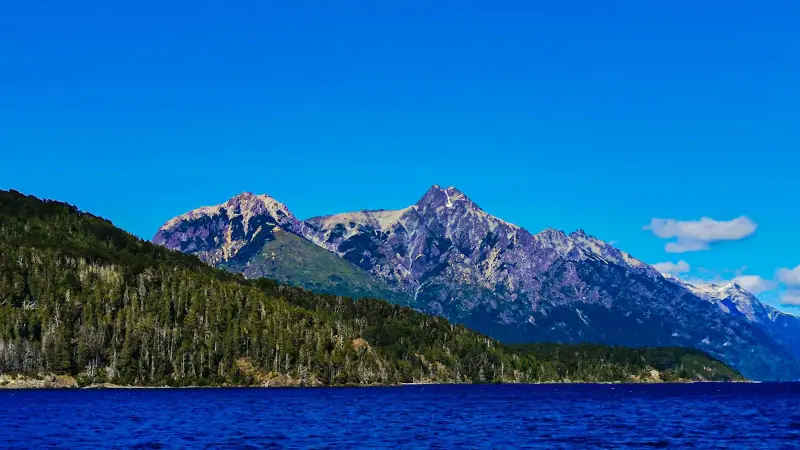
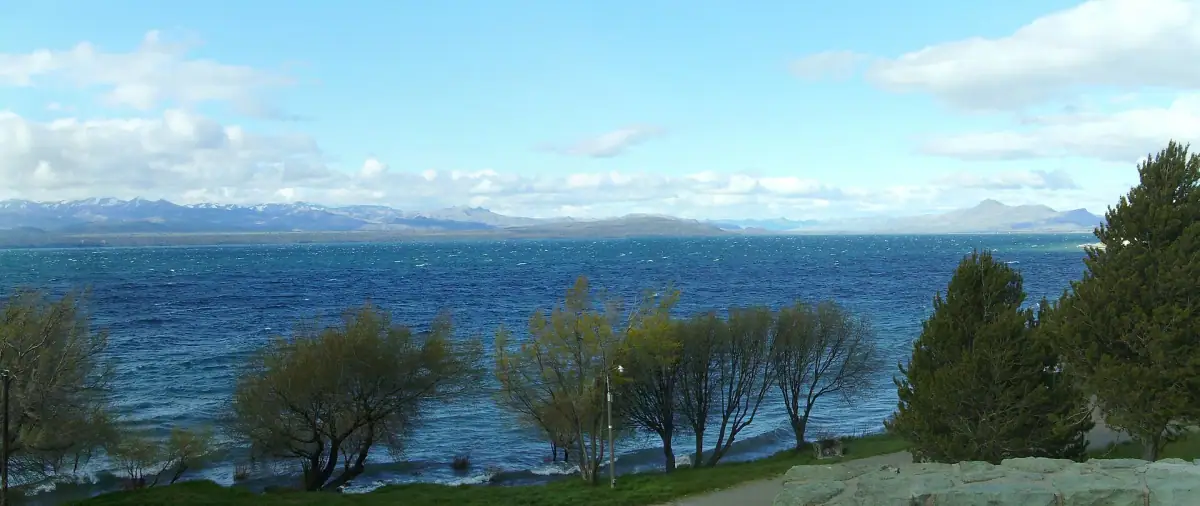
Lake Nahuel Huapi is the heart of Argentina’s Lake District. This glacial lake of about 530 km² (205 sq mi) and 464 m (1,522 ft) maximum depth shapes every visit to Bariloche. Its intense blue-green water, framed by the snowy Andean peaks and Patagonian beech forests, offers panoramas of rare beauty.
Nahuel Huapi National Park, created in 1922 as Parque Nacional del Sur and renamed in 1934, is the oldest national park in Argentina. It covers about 7,050 km² (2,722 sq mi) and shelters varied ecosystems: wet temperate forests in the west, Patagonian steppe in the east, glaciers and volcanoes in the north.
The islands of Nahuel Huapi
Boat excursions from Bariloche’s port reach the islands of the lake. Isla Victoria is the most visited: it holds a forest of giant sequoias (introduced in the 20th century) and offers exceptional views of the Andean peaks. Not far away, the Quetrihué Peninsula is known for its forest of arrayán (Chilean myrtle), a tree with orange bark typical of Valdivian forests.
- Excursion length: usually a half day or a full day
- Departure: Bariloche’s port, a few minutes from the Centro Cívico
Beaches and lakeshores
In the austral summer (December-March), several developed beaches on the shores of Nahuel Huapi welcome swimmers and kayakers. The water stays cool (about 17-20 °C / 63-68 °F in midsummer), which does not discourage the hardiest. The Playa Bonita area and the shores of the Circuito Chico are especially pleasant.
Excursions on Lake Nahuel Huapi
Cruises to Isla Victoria, the arrayán forest and Andean panoramas from Bariloche.
The Circuito Chico: Bariloche’s iconic road
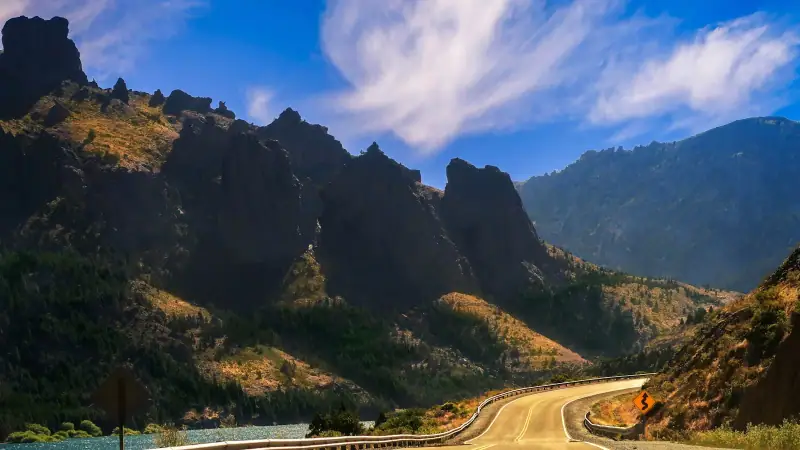
The Circuito Chico is the classic scenic loop around Bariloche. About 60 km (37 mi) long, it follows the shores of Nahuel Huapi past several viewpoints, hamlets and natural points of interest. It is the must-do excursion of any stay.
Stops on the Circuito Chico
Cerro Campanario (km 18): Bariloche’s flagship viewpoint. A chairlift climbs in a few minutes to the summit of Cerro Campanario (1,049 m / 3,442 ft), where the view takes in Nahuel Huapi, Lake Moreno, Cerro López and the snowy Andean peaks all at once. This panorama is regularly cited among the most beautiful in South America.
Puerto Pañuelo (km 25): boat excursions to Isla Victoria and the Quetrihué Peninsula leave from this small port, as does the legendary lake crossing to Chile. A necessary stop if you plan either activity.
Punto Panorámico (km 34): a developed viewpoint gives another perspective on the lake and on the town of Bariloche seen from the east. Ideal in late afternoon for the golden light.
Colonia Suiza (km 35): a hamlet founded by Swiss immigrants in the early 20th century, which keeps its typical wooden architecture. On Sundays, a market of crafts and local products (curanto, a traditional Mapuche dish, cheeses, preserves) brightens up the central square.
How to do the Circuito Chico
- By car or motorbike: the most flexible option. The road is paved all the way.
- By bike: possible from Bariloche; about 3-4 hours of pedaling depending on pace. Rentals are available downtown.
- By local bus: line 20 serves much of the Circuito Chico from Bariloche’s bus terminal. An economical option but less flexible.
- On a guided excursion: many agencies offer the circuit by minibus with a guide, with photo stops at the main viewpoints.
Cerro Catedral: skiing and hiking in the Andes
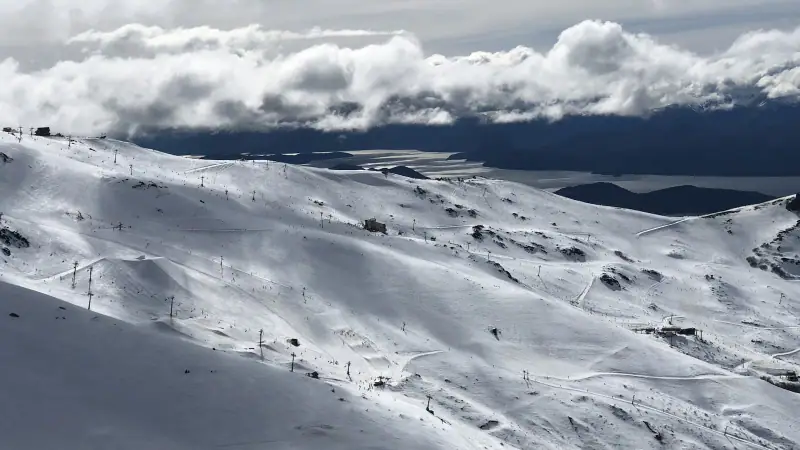
Cerro Catedral (~2,100 m / 6,890 ft) is the largest ski area in South America by number of runs and lifts. About 19 km (12 mi) from downtown Bariloche, it attracts hundreds of thousands of Argentine and international skiers every winter (June to October).
In winter (June to October): skiing and snowboarding
The area has a wide variety of runs for all levels, many lifts (including several gondolas) and full services (equipment rental, lessons, mountain dining). The ski season is in full swing in July-August.
- Access: daily shuttles from Bariloche (about 30-40 min) or by car
- Lodging: refuges and hotel complexes sit right at the foot of the slopes in the village of Villa Catedral (Catedral Alta Patagonia)
In summer (November to March): hiking and mountaineering
Outside ski season, Cerro Catedral turns into hiking territory. Several day routes lead to high-altitude lakes, mountain refuges and exceptional panoramas of the Lake District. The Refugio Jakob, reached in 5 to 7 hours from the base of Cerro Catedral, is a starting point for longer alpine traverses.
For trekking fans, see our guide to hiking in Patagonia, which details the best options in the region.
The Centro Cívico and downtown
Bariloche’s Centro Cívico is the architectural emblem of the town. This central square, surrounded by stone and wooden buildings in a rustic Swiss-alpine style, was built in the 1930s and 1940s. It holds the municipal museum, the harbor authority and several public institutions, a harmonious group that contrasts with the town’s more recent buildings.
Facing the Centro Cívico, the main square looks onto Lake Nahuel Huapi and offers a direct view of the mountains. It is the logical starting point for any walking tour of downtown.
Avenida Bartolomé Mitre is the main shopping street: chocolate shops, stores selling regional products (rosehip jam, candied cherries, craft beers), travel agencies and restaurants follow one another for several hundred meters.
Bariloche and artisan chocolate
It is hard to talk about Bariloche without mentioning its artisan chocolate, a direct legacy of the Swiss and German immigrants of the early 20th century. The town has a remarkable number of chocolate makers who craft their products by hand (fondue, candies, bars, truffles) with traditional recipes.
Visitors traditionally taste the chocolate alfajores (small cakes filled with dulce de leche and coated in chocolate) and bars made with Patagonian fruit: rosehip, black cherry, calafate. These products also make good souvenirs.
Several well-established chocolate shops are concentrated on and around Avenida Mitre and the Centro Cívico, right downtown. A simple stroll lets you visit several and taste before you buy.
Lodging in Bariloche
Hostels, boutique hotels and lodges with views of Nahuel Huapi. Book early for ski season (July-August) and summer (January).
The lake crossing to Chile
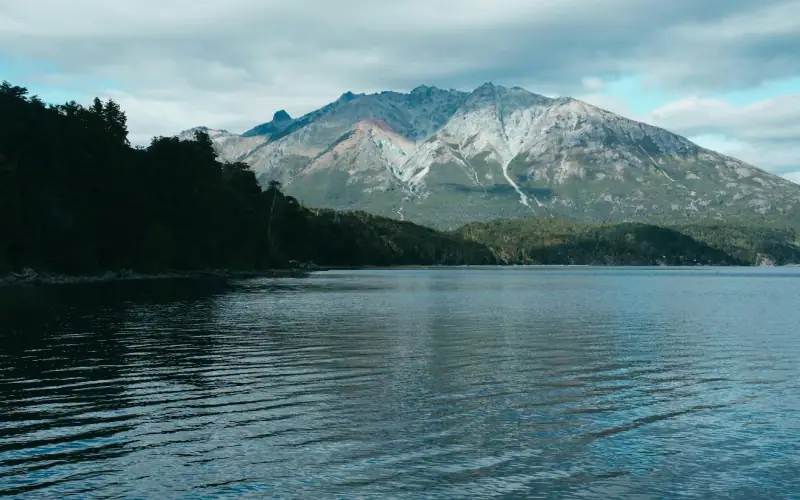
One of the most legendary excursions from Bariloche is the crossing of the Andean lakes (Cruce de los Lagos) to Puerto Montt in Chile. This 3-day route combines boat crossings on several lakes (Nahuel Huapi, Todos los Santos) and bus sections through landscapes of snowy volcanoes and temperate forests.
The route
- Day 1: Bariloche → Puerto Pañuelo → Puerto Blest (catamaran, ~1 h) → Puerto Alegre (bus) → Puerto Frías (boat, Argentine customs) → Peulla, Chile (bus)
- Day 2: Peulla → crossing of Lake Todos los Santos (boat) → Petrohué
- Day 3: Petrohué → Puerto Montt (bus) via Osorno volcano and the Chilean Lakes region
Practical information
- Season: generally October to April; some operators run departures outside that period depending on weather
- Booking: essential, boat seats are limited. Book several weeks ahead in high season
- Total duration: 3 days / 2 nights
The lake crossing is an experience in itself, a unique way to go from one country to the other while enjoying spectacular Andean scenery.
Entry rules for Chile depend on your passport. Check the official travel advice of your government before you book: travel.state.gov (US), GOV.UK (UK), travel.gc.ca (Canada), Smartraveller (Australia) (checked November 2026).
Where to stay in Bariloche
Bariloche has abundant lodging, from budget hostels to luxury lodges with lake views.
Budget (hostels)
Youth hostels are concentrated downtown and offer dorms for €12 to 20 (about $14 to 23) a night, and private rooms from €40-55 (about $46 to 64). Most well-rated hostels are less than 10 minutes on foot from the lake.
Mid-range (3-4 star hotels)
Bariloche offers a wide choice of cabañas (typical wooden bungalows), apartments and mid-range hotels with a terrace or lake view. Prices generally run between €70 and 150 (about $81 to 175) a night for a double, higher in peak ski season.
Luxury and lodges
Several lodges and upscale hotels sit on the shores of Nahuel Huapi, outside downtown, with spectacular views and premium services (spa, fine-dining restaurant, private excursions). Expect €200 to 500 (about $230 to 580) a night for top-category properties.
Food: what to eat in Bariloche
The Bariloche table is a happy blend of Patagonian culinary tradition and the European influences of the founding settlers.
The essentials
- Patagonian lamb: Patagonian lamb roasted on a spit (asado) is on the menu of nearly every parrilla in town. Tender and fragrant, it is the regional specialty.
- Rainbow trout: caught in the lakes and rivers of the national park, served grilled or smoked. Nahuel Huapi trout is known for its quality.
- Venison and wild boar: game meats sometimes appear on the menus of fine-dining restaurants, a sign of the local wildlife.
- Artisan chocolate and rosehip jam: a must at breakfast or for dessert.
- Craft beers: the Lake District is a booming brewing region. Blonde, amber and dark beers in varied styles (Patagonian lager, stout, IPA) are found all over town.
The town has several well-known fine-dining restaurants, notably around the Centro Cívico and on the heights with a lake view. For budget meals, the pizzerias and meat restaurants (parrillas) downtown offer excellent value.
Practical tips for Bariloche
When to go
Each season has its strengths in Bariloche:
- Summer (December to March): ideal for hikes, the lake, the Circuito Chico and the lake crossing. Visitor numbers peak in January.
- Autumn (April to May): the beech forests turn ochre and burgundy, one of the most beautiful periods visually, with few tourists.
- Winter (June to September): ski season at Cerro Catedral. July is the busiest month (Argentine school holidays). Cold but snowy.
- Spring (October to November): flowers, soft light, lakes still calm. A good time for quiet hikes.
For a full analysis, see our guide to the best time to visit Patagonia.
Getting around Bariloche
- By local bus: the bus network covers the main attractions (Circuito Chico, Cerro Catedral, lake beaches). Economical but less flexible.
- By bike: ideal for the Circuito Chico and the lakeshores in good weather. Many shops rent bikes downtown.
- By car: recommended for farther excursions and total freedom. Several rental agencies are located downtown and at the airport.
Car rental in Bariloche
Explore the Circuito Chico, the shores of Nahuel Huapi and the Andean valleys at your own pace.
Budget
Bariloche is cheaper than El Calafate but more touristy than other Patagonian towns:
- Backpacker (hostel + self-catering + local bus): about €50-65 a day (about $58 to 75)
- Comfort (mid-range hotel + restaurants + excursion): €120-180 a day (about $140 to 210)
- Ski/luxury (Catedral pass + premium lodging): €250+ a day (about $290+) in ski season
Money and payments
Bank cards are widely accepted downtown. ATMs are available throughout the center. In Argentina, the monetary situation changes quickly, so check the official exchange rate and any alternative rates at the time of your trip.
Gear by season
In summer: light clothing but also a windbreaker (Patagonian wind can be strong even in summer), sunscreen, good walking shoes for hikes.
In winter: ski gear if you plan to ski (rental available there), a warm coat, gloves, a hat. Temperatures regularly drop below 0 °C (32 °F) at night.
Suggested 5-day itinerary in Bariloche
Day 1: Arrival and exploring downtown Arrive at the airport. Check in at your hotel. Stroll along the shores of Nahuel Huapi from the Centro Cívico. Visit the chocolate shops on Avenida Mitre. Dinner at a parrilla in town.
Day 2: Circuito Chico Early start for the Circuito Chico loop. Chairlift up Cerro Campanario (viewpoint). Break at Colonia Suiza (craft market on Sundays). Return along the lakeshore.
Day 3: Isla Victoria and the arrayán forest Boat excursion from Puerto Pañuelo to Isla Victoria and the Quetrihué Peninsula. View of the arrayán forest with its orange trunks. Back in late afternoon.
Day 4: Cerro Catedral In summer: hike on Cerro Catedral, gondola up to Refugio Lynch (panoramic view of the lakes). In winter: a day of skiing on the slopes.
Day 5: Free day or excursion Option A: a day of kayaking or paddleboarding on the lake. Option B: a walk in the Llao Llao park forest. Option C: a visit to a local craft brewery.
Combining Bariloche with the rest of Patagonia
Bariloche is often part of a wider Patagonia circuit, but its position in the north of the region also makes it a stand-alone destination:
- From Buenos Aires: 2 h by plane. Bariloche can be visited as a short 4-5 day getaway
- To El Calafate: the direct trip is long (a flight with a stopover or a 15-20 h bus via Route 40). Most travelers go back through Buenos Aires to connect.
- To Chile: the lake crossing (3 days) links Bariloche to Puerto Montt, from where you can reach Chile’s Carretera Austral
For a big Patagonian circuit, see our Patagonia road trip and the complete 14-day Patagonia itinerary to fit Bariloche into a longer trip.
In short: why Bariloche belongs in a Patagonia trip
Bariloche is not the southern Patagonia of glaciers and wind. It is something else: a lively, green town surrounded by lakes and mountain forests that sometimes recall the Swiss Alps, with the Argentine Andes and their snowy peaks as a backdrop. It is the Patagonia of artisan chocolate and local beers, forest hikes and sunsets over Nahuel Huapi.
For travelers who want to discover the diversity of Patagonia, and not only its wild southern side, Bariloche is an essential stop. Whether you are there to ski, hike, enjoy alpine mountain architecture or simply take in an exceptional setting, the town offers enough to justify several days.
Arrange your lodging in advance (especially in July and January, the two peak periods), slip a windbreaker into your bag and let the Lake District surprise you, the greenest and most endearing face of Argentine Patagonia.
Frequently asked questions
How many days should you spend in Bariloche?
3 to 4 days minimum to explore Lake Nahuel Huapi, do the Circuito Chico and see the town. 5 to 6 days let you add a mountain hike, an excursion to Cerro Catedral in summer or the lake crossing to Chile.
How do you get to Bariloche from Buenos Aires?
By plane from Ezeiza or Aeroparque Jorge Newbery airport to Teniente Luis Candelaria International Airport (BRC), about 14 km (9 mi) from the center. The flight takes about 2 hours. By bus, the trip from Buenos Aires takes about 24 h (22 h 40 to 26 h depending on the company).
What is the best time to visit Bariloche?
It depends on the activity. For trekking and lake scenery: November to March (austral spring and summer). For skiing: June to September. Autumn (April-May) offers spectacular foliage colors and far fewer people.
Do you need to rent a car in Bariloche?
Strongly recommended for exploring the Circuito Chico, the viewpoints and the shores of Nahuel Huapi freely. Local buses cover the Circuito Chico but with less flexibility. Without a car, guided minibus tours are a good alternative.
Can you cross the lakes to Chile from Bariloche?
Yes, the famous Cruce de los Lagos is a legendary 3-day crossing by boat and bus from Bariloche to Puerto Montt (Chile), passing several Andean lakes and the border at Paso Pérez Rosales. It usually runs from November to April.
Is Bariloche a safe city for tourists?
Bariloche is generally a safe destination for travelers. Tourist areas and the downtown are well frequented. As in any city, the usual precautions apply: watch your belongings in crowded places, especially in the high summer season and during ski season.
What is the average daily budget in Bariloche?
Expect about €50-70 a day (about $58 to 81) as a backpacker (hostel, self-catering, local transport). A comfort budget (mid-range hotel, restaurants, one excursion) requires €120-180 a day (about $140 to 210). Bariloche is cheaper than El Calafate but more touristy than other Patagonian towns.
More Patagonia guides
Keep reading
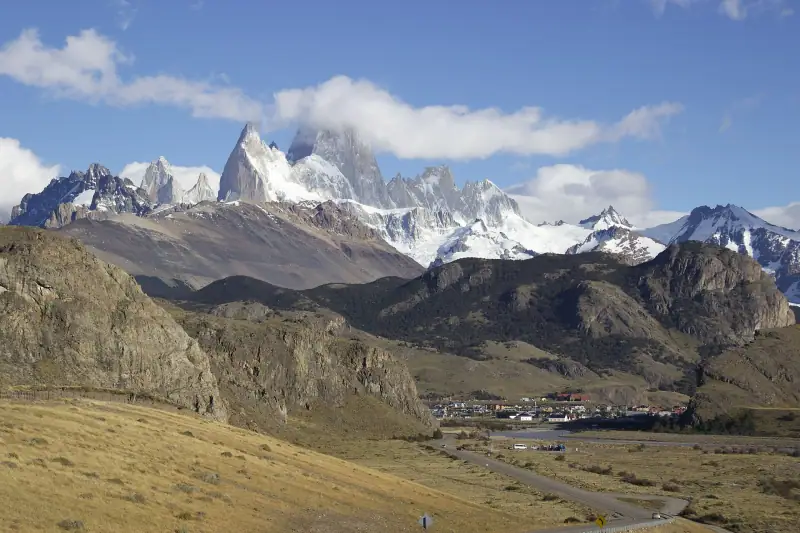
Visit El Chaltén: a complete guide to the trekkers' village
El Chaltén, Patagonia's trekking capital: Fitz Roy, Cerro Torre, hikes, lodging and practical tips for a successful stay.
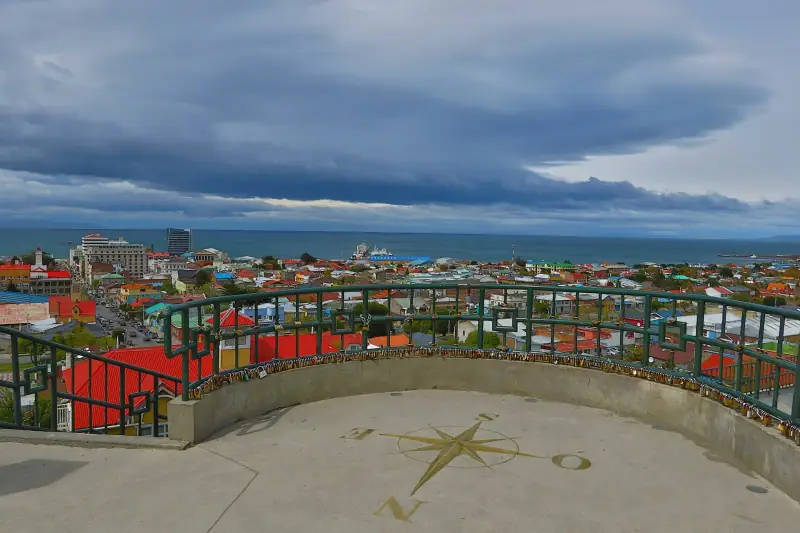
Visit Punta Arenas: a complete guide to the capital of Chilean Patagonia
Punta Arenas, gateway to Patagonia: penguins on Isla Magdalena, the Strait of Magellan, historic palaces and the start for Torres del Paine.
Isla Magdalena: penguins near Punta Arenas, schedules, prices and season
Isla Magdalena in practice: penguin season (Oct.-March), departures, tour and entry prices, duration. Seno Otway is closed: here is the alternative.
Ready-made
Patagonia itineraries
21 days
Patagonia road trip: a 3-week itinerary by car
BarilocheEsquelPerito Moreno townEl ChalténEl CalafatePuerto NatalesPunta ArenasUshuaia
12 days
Patagonia in 12 days without a car: a realistic bus itinerary
El CalafateEl ChalténPuerto NatalesPunta Arenas
10 days
Patagonia 10-day itinerary: from Bariloche to Ushuaia
BarilocheEl CalafateEl ChalténUshuaia