Itineraries
Patagonia 10-day itinerary: from Bariloche to Ushuaia
We may earn a commission when you book through links on this page, at no extra cost to you. We don't visit or try the places we cover: we summarize published sources. How we work
Day by day
- Days 1-2Bariloche: Circuito Chico, Cerro Campanario, Cerro Catedral, chocolate shops
- Day 3Flight from Bariloche to El Calafate, evening in town
- Day 4Perito Moreno Glacier, walkways and optional mini-trek
- Day 5Lago Argentino boat trip to Upsala and Spegazzini glaciers
- Days 6-7Bus to El Chaltén, Mirador de los Cóndors, Laguna de los Tres
- Day 8Bus back to El Calafate, flight to Ushuaia
- Days 9-10Tierra del Fuego National Park, End of the World Train, Beagle Channel
Where to sleep
- Bariloche2 nights
- El Calafate3 nights
- El Chaltén2 nights
- Ushuaia2 nights
In short
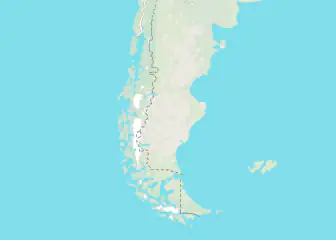
- Ten days link Bariloche (2 nights), El Calafate (3), El Chaltén (2) and Ushuaia (2), about 3,000 km (1,864 mi) end to end, with domestic flights plus long-distance buses.
- Key flights: Buenos Aires to Bariloche from about €60-100 (about $70 to 115), El Calafate to Ushuaia from about €80-150 (about $93 to 175).
- Budget about €150-200 (about $175 to 230) per person per day at mid-range, or €70-100 (about $81 to 115) on a tight budget.
- November to March is ideal; book flights, El Chaltén lodging and the glacier mini-trek 3 to 6 months ahead in high season.
Ten days in Patagonia is the time it takes to cross one of the most impressive territories on the planet, from north to south, from the beech forests of the Lake District to the glaciers of Tierra del Fuego. This itinerary takes you from Bariloche, capital of chocolate and Andean skiing, to Ushuaia, the southernmost city in the world, via the highlights of El Calafate and El Chaltén.
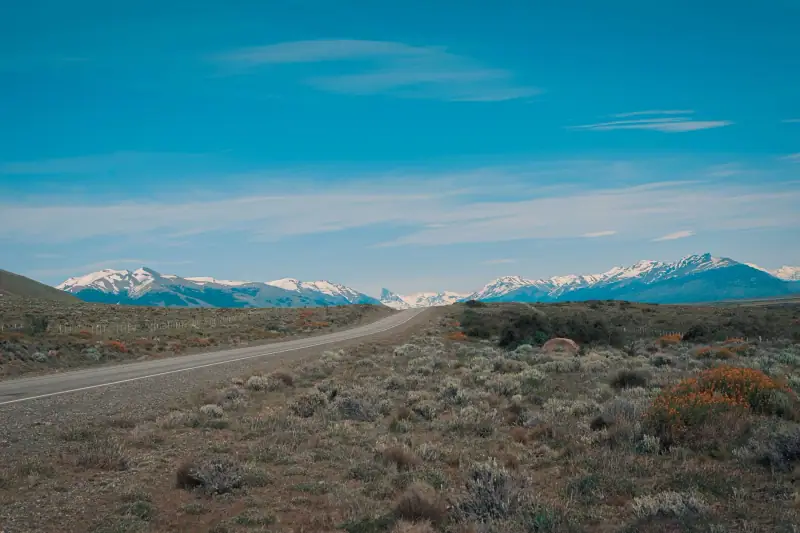
This itinerary is demanding logistically but incredibly rewarding. Each day brings a radically different landscape: turquoise lakes framed by volcanoes, endless wind-battered pampa, glaciers collapsing into impossibly blue water, granite peaks piercing the clouds.
Overview of the stages
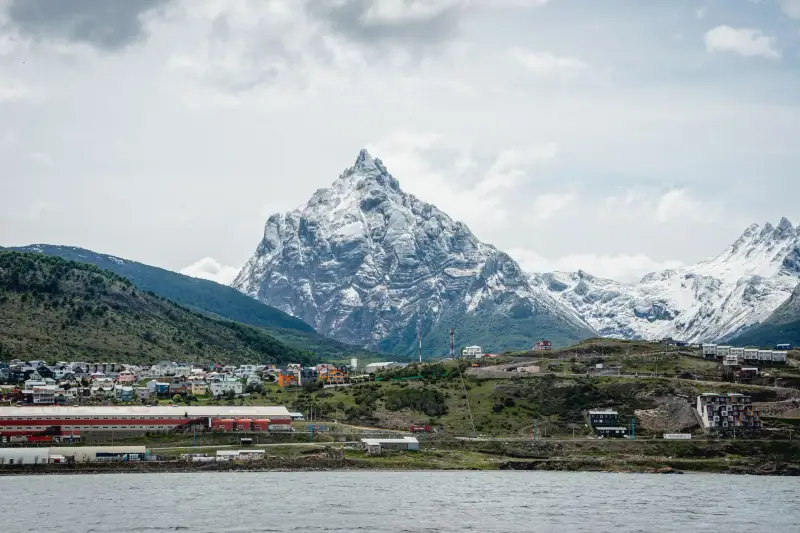
Duration: 10 days on the ground (not counting international flight days) Distance covered: about 3,000 km (1,864 mi) from one end of Patagonia to the other Main transport: domestic flights + long-distance buses Activity level: moderate to demanding depending on the hikes chosen
| Stage | Length | Highlights |
|---|---|---|
| Bariloche | 2 nights | Lake District, Cerro Campanario, Circuito Chico |
| El Calafate | 3 nights | Perito Moreno Glacier, Lago Argentino |
| El Chaltén | 2 nights | Fitz Roy, Cerro Torre, hikes |
| Ushuaia | 2 nights | Tierra del Fuego, Beagle Channel, end of the world |
Domestic flights in Argentina
Compare Buenos Aires–Bariloche, El Calafate–Ushuaia and all domestic links for this itinerary.
Day-by-day program
Days 1-2: Bariloche and the Lake District
Arrival in Bariloche by plane from Buenos Aires (about 2 hours of flight). Bariloche is in the Lake District, in northern Patagonia, and offers a typically alpine setting with its wooden chalets, cobbled streets and chocolate shops on every corner.
Day 1, Circuito Chico: Rent a bike or hop on a local bus for the Circuito Chico, a 65 km (40 mi) loop around Lake Nahuel Huapi. The key stops are Cerro Campanario (reached by chairlift, panoramic view of the lake at 1,049 m / 3,442 ft), the Llao Llao peninsula and its coihue forests, and the port of Puerto Pañuelo to glimpse Isla Victoria offshore.
Day 2, Cerro Catedral and chocolate: If you travel in high season (November to March), the morning is ideal for a hike on Cerro Catedral, the largest ski area in Latin America, reached by cable car. In the afternoon, explore downtown Bariloche: the artisan chocolate shops offer unique specialties, and Patagonian chocolate, influenced by the Swiss and German tradition of the first settlers, is renowned across Argentina.
Lodging: Bariloche offers every type of lodging, from lakeside hostels to charming hotels in the residential districts above the lake. Book on the town-center side or the Llao Llao side for the best views.
Day 3: Flight to El Calafate
Morning: A last coffee on the shore of Lake Nahuel Huapi before heading to Bariloche International Airport (BRC). There is not always a direct Bariloche–El Calafate flight: depending on airlines and seasons, you may connect through Buenos Aires (Aeroparque, AEP). Allow a connection of at least 2 hours in Buenos Aires.
Arrival in El Calafate: The flight from Buenos Aires takes about 3 hours. The airport is about fifteen minutes from downtown. Avenida del Libertador, El Calafate’s main artery, has restaurants, travel agencies and craft shops.
Afternoon: Settle in, explore the village and plan the next two days. In the evening, discover the local cuisine: grilled Patagonian lamb is an institution. Don’t miss the meat empanadas either, the thick soups to warm up when the wind rises, and the craft beer that is growing across the region.
To choose your lodging, see our El Calafate lodging guide.
Day 4: Perito Moreno Glacier (full day)
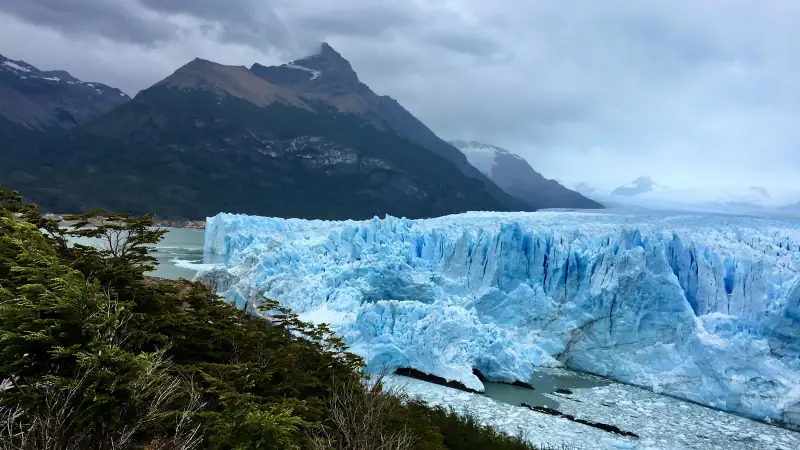
The Perito Moreno is one of the most spectacular and most accessible glaciers in the world. It belongs to Los Glaciares National Park (UNESCO listed) and, with Fitz Roy, is the ultimate symbol of Patagonia.
Leave early (7-8 am) from El Calafate by shuttle bus or rental car (about 80 km / 50 mi, 1 h). The first hours of the morning offer magnificent low-angle light on the bluish seracs, and the risk of crowding on the walkways is still limited.
At the glacier: A network of half-moon wooden walkways lets you watch the glacier front from several angles. The ice wall rises about 60-70 meters (197-230 ft) above the level of Lago Argentino. Be patient: calving, those enormous collapses of ice blocks into the water, happens regularly and creates a deafening crash.
Mini-trek option: Guided excursions let you walk on the glacier itself (2 h with crampons). Advance reservation required; budget €80-120 (about $93 to 140).
Read our complete guide to the Perito Moreno Glacier for all the practical details.
Perito Moreno excursion
Book your glacier day with or without ice trekking, transfer from El Calafate included.
Day 5: Lago Argentino and El Calafate
Morning: Boat excursion on Lago Argentino to approach other glaciers in the park: the Upsala Glacier (one of the largest in Patagonia) and the Spegazzini Glacier, reachable only by boat. Cruises leave from the port of Punta Bandera (about 45 km / 28 mi from El Calafate) and generally last 4 to 6 hours.
Afternoon: Back in El Calafate, free time to browse the craft shops, buy calafate jam (the local berry that gave the town its name), or rest before the next day’s departure.
Days 6-7: El Chaltén, Patagonian trekking capital
Morning of day 6: Bus from El Calafate to El Chaltén (about 240 km / 149 mi, 3 hours of travel). The road follows Lake Viedma and, approaching the village, gives the first glimpses of the Fitz Roy massif, a show in itself.
El Chaltén is a village founded in 1985 by Argentina to assert its sovereignty over the region, and has since become the starting point for some of the most beautiful hikes in South America. Entry to Los Glaciares National Park (north sector) is free.
Afternoon of day 6: Warm-up hike to the Mirador de los Cóndors (1 h 30 round trip from the village center). Panoramic view of the village and the first peaks of Fitz Roy. In the evening, make an essential stop at the rangers’ office for the weather and trail conditions for the next day.
Day 7, Laguna de los Tres trek: This is El Chaltén’s flagship hike. The trail leaves the village and climbs gradually to the glacial lagoon at the foot of Fitz Roy (3,405 m / 11,171 ft). Distance: about 21 km (13 mi) round trip, elevation gain: +900 m (2,953 ft), duration: 8 to 10 hours. The final climb, steep over about 400 meters (1,312 ft), is rewarded by a breathtaking view of Fitz Roy’s pink granite reflected in the turquoise water of the lake.
Alternative for the less athletic: The Laguna Capri viewpoint, on the same trail, already offers a fine view of Fitz Roy in only 3 hours round trip.
To plan your hikes, read our guide to hiking in Patagonia.
Lodging in El Chaltén
Hostels, lodges and hotels in El Chaltén. Book early because availability runs out fast in high season.
Day 8: El Chaltén → El Calafate → flight to Ushuaia
Morning: Return bus to El Calafate (3 h). Quick lunch in the village, then transfer to the airport.
Flight El Calafate → Ushuaia: The flight takes about 1 hour. It is the most practical way to reach Ushuaia from El Calafate, because the bus trip involves going through Punta Arenas (Chile) and takes several days.
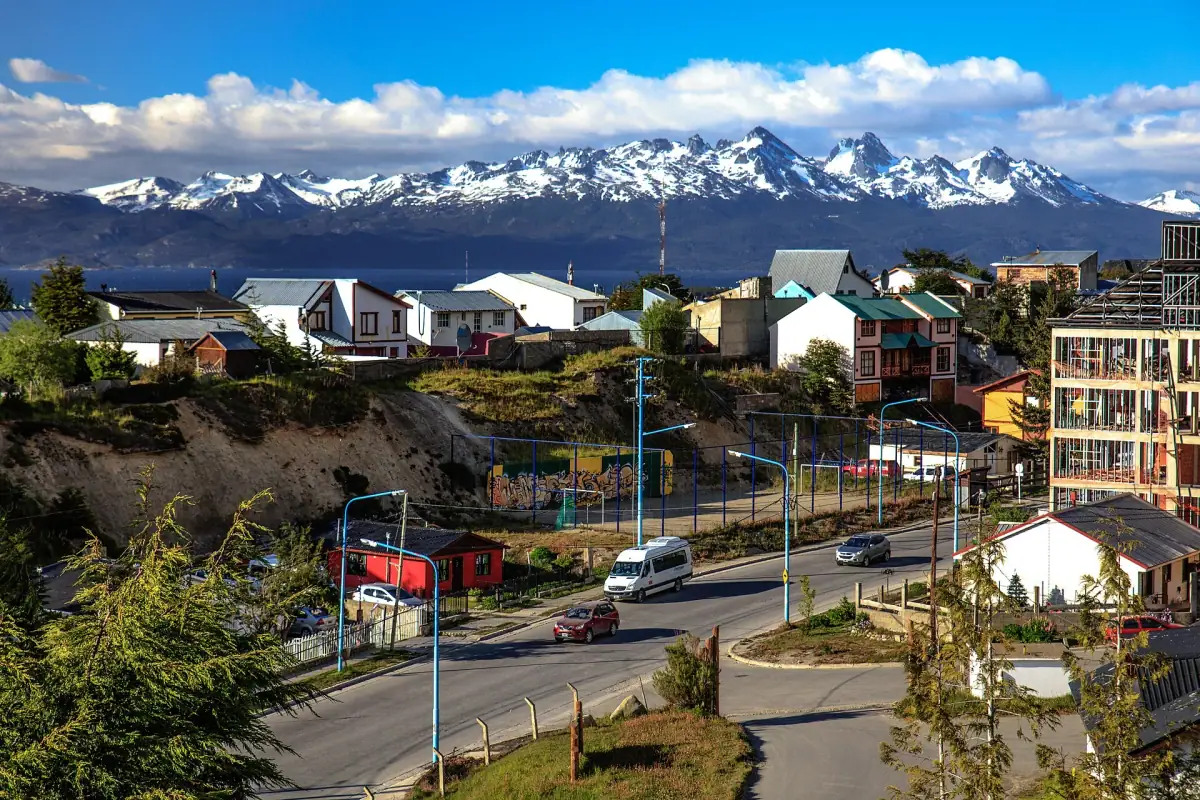
Arrival in Ushuaia: The airport is only 4 km (2.5 mi) from downtown, well served by taxis. Ushuaia is first discovered through its port, framed by Andes mountains that plunge almost vertically into the Beagle Channel. The atmosphere is unique, a mix of prison history, the traditions of the Yaghan and Selk’nam peoples, and a fully embraced end-of-the-world feel.
See our Ushuaia lodging guide to choose your lodging.
Days 9-10: Ushuaia and Tierra del Fuego
Day 9, Tierra del Fuego National Park: Tierra del Fuego National Park is about 12 km (7 mi) west of downtown Ushuaia, reached by bus or rental car. It is the southernmost national park in the Americas. Trails follow the coast of the Beagle Channel through lenga forests (Tierra del Fuego beech) with blazing colors in autumn. The Costera-Senda del Turbal hike, of moderate difficulty, combines channel views, wild beaches and forests in 4 to 5 hours.
From Ushuaia: Don’t miss the “End of the World Train” (Tren del Fin del Mundo), a historic steam line that enters the national park. It departs from the Estación del Fin del Mundo, about 8 km (5 mi) west of downtown Ushuaia (shuttle from the port available). The experience is touristy but pleasant, with commentary on the history of the prisoners who built the line in the early 20th century.
Day 10, Beagle Channel: The last morning is ideal for a boat excursion on the Beagle Channel. These 2 to 3 hour cruises get you close to the sea lion and fur seal colonies and the imperial cormorant nests on the rocks of Isla de los Lobos. Cape Horn is about 145 km (90 mi) southwest of Ushuaia and cannot be reached on a day excursion; only multi-day cruises (Australis type) reach it. In the afternoon, visit the End of the World Museum (Museo del Fin del Mundo), which traces the history of the indigenous peoples and the explorers.
Departure: Ushuaia airport (USH) has direct flights to Buenos Aires (3 h 30) and connections to Punta Arenas. Check your onward connection from Buenos Aires.
Boat excursions in Ushuaia
Beagle Channel cruises, marine wildlife and sea lion islands: compare offers from Ushuaia's port.
Logistics and transport
Domestic flights
The two key flights of this itinerary are:
- Buenos Aires (AEP) → Bariloche (BRC): about 2 h, from €60-100 (about $70 to 115) depending on the season
- El Calafate (FTE) → Ushuaia (USH): about 1 h, from €80-150 (about $93 to 175)
Argentine domestic airlines: Aerolíneas Argentinas and Flybondi serve the El Calafate–Ushuaia link (LATAM is mostly present there via Buenos Aires; check direct flights with the airlines). Book 2 to 3 months ahead in high season (December-February).
Long-distance buses
| Leg | Duration | Indicative fare |
|---|---|---|
| El Calafate → El Chaltén | 3 h | €12-20 (~$14 to 23) |
| El Chaltén → El Calafate | 3 h | €12-20 (~$14 to 23) |
| El Calafate → Perito Moreno (shuttle) | 1 h | €10-15 (~$12 to 17) |
Car rental
A rental car is especially useful in Bariloche (Circuito Chico) and El Calafate (independent access to the Perito Moreno). In Ushuaia, taxis and local buses are enough for most excursions. Compare rates on booking platforms by searching “car rental Bariloche” or “car rental El Calafate”.
Practical tips for a successful itinerary
Advance bookings
Definitely book ahead (3 to 6 months in high season):
- Domestic flights (limited capacity, prices rise quickly)
- Lodging in El Chaltén (still a fairly small village, in high demand)
- Mini-trek excursions on the Perito Moreno Glacier
Weather and flexibility
Patagonia is known for unpredictable weather: strong winds, sudden rain, and four seasons in one day. Prefer morning hikes (weather is often more stable in the morning) and keep room for “plan B” days at each stage.
Estimated daily budget
- Mid-range budget: €150-200 (about $175 to 230) per person per day (lodging + meals + activities + local transport)
- Tight budget (hostel + self-catering): €70-100 (about $81 to 115) per person per day
- Comfort budget (4-star hotels + premium excursions): €300-400 (about $350 to 465) per person per day
Money
In Argentina, the Argentine peso fluctuates strongly. Bring U.S. dollars or euros in cash to exchange once you arrive (exchange offices and some hotels offer good rates). In Chilean Patagonia (if you go through Punta Arenas), the Chilean peso is used, and ATMs work well in the large towns.
Essential gear
- Waterproof windproof jacket (essential)
- Waterproof hiking shoes
- Thermal layers (even in summer, nights are cool at 2-8 °C / 36-46 °F)
- High-protection sunscreen (intense UV at altitude and at the end of the world)
- Trekking poles (useful on mountain trails)
To go deeper on each stage
See our detailed guides to prepare each town of this itinerary:
- Visit El Calafate: what to do, practical information
- Visit El Chaltén: treks and tips
- Complete guide to Patagonia
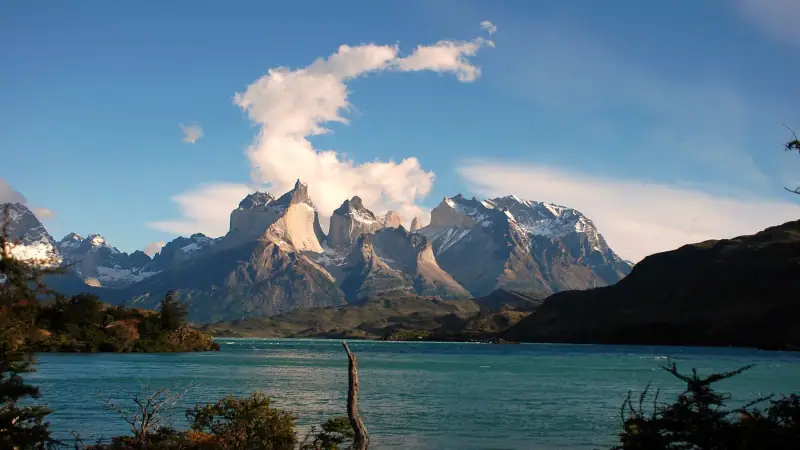
For a longer itinerary, also see our 3-week Patagonia road trip, which includes Torres del Paine on the Chilean side.
Frequently asked questions
Is it feasible to travel from Bariloche to Ushuaia in 10 days?
Yes, by combining domestic flights and buses. The main stages are Bariloche (2 nights), El Calafate (3 nights), El Chaltén (2 nights) and Ushuaia (2 nights). You need to accept moving often and booking well ahead.
What budget should you plan for 10 days in Patagonia?
Expect between €1,800 and 3,000 (about $2,090 to 3,480) per person all in (excluding international flights). This budget covers domestic flights, mid-range hotels, meals, activities and national parks. With hostels and camping, you can go down to €1,200-1,500 (about $1,390 to 1,740).
Do you need a visa for this Argentina-Chile itinerary?
Entry rules depend on your passport. Check the official travel advice of your government before you book: travel.state.gov (US), GOV.UK (UK), travel.gc.ca (Canada), Smartraveller (Australia) (checked November 2026).
What is the best time for this itinerary?
November to March (austral spring-summer) is ideal: long days, mild temperatures (5-20 °C / 41-68 °F depending on the stage), clear trails. December-January is high season: more people, bookings needed months ahead. Austral autumn (March-April) offers spectacular colors with fewer tourists.
Can you do this itinerary without renting a car?
Yes, it is entirely possible by bus. The main stages are well served by comfortable buses (Andesmar, El Pinguino, Bus Sur). Some places like Bariloche and El Chaltén are easy to visit on foot or by local taxi. A rental car is a plus for El Calafate (Perito Moreno Glacier) but not essential.
How do you get to Ushuaia from El Chaltén?
The most practical route is: bus El Chaltén → El Calafate (3 h), then a flight El Calafate → Ushuaia (about 1 h). You can also go through Buenos Aires, but it is longer. Book this flight several weeks ahead because capacity is limited.
More Patagonia guides
Keep reading
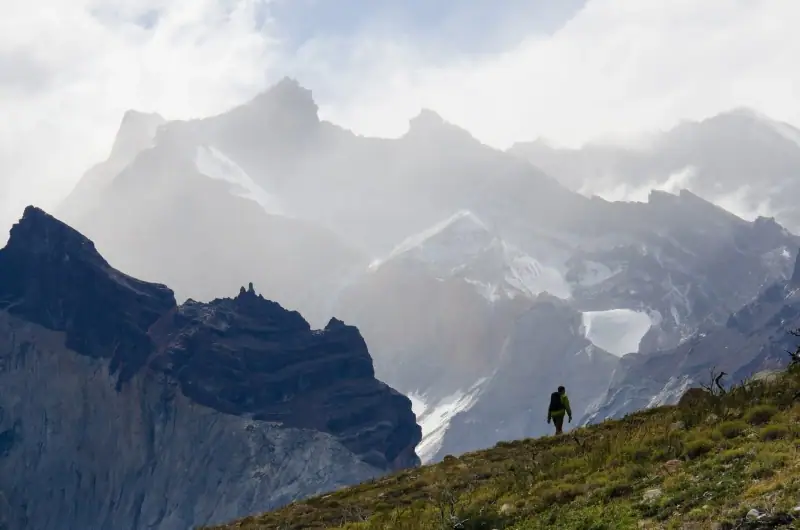
Hiking in Patagonia: the 12 most beautiful treks not to miss
A selection of the best hikes in Patagonia: Fitz Roy, Torres del Paine, Cerro Torre, Cerro Martial... From easy trail to demanding trek, all the info.
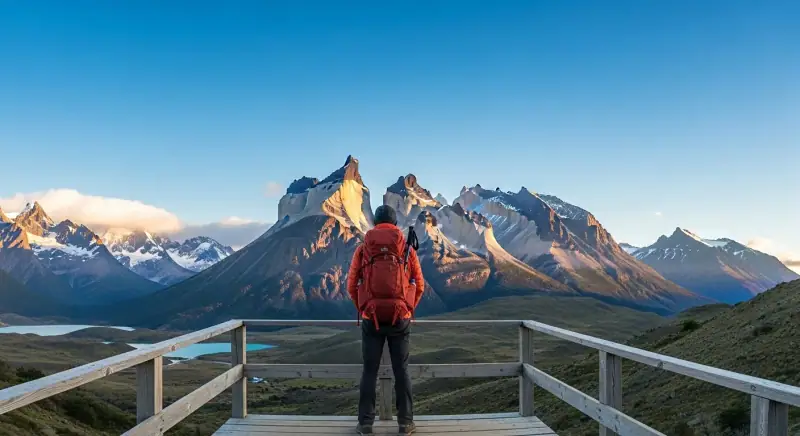
Patagonia budget: how much does a trip cost in 2026?
Estimate the cost of your Patagonia trip: lodging, transport, meals, activities. All the prices in detail for small or big budgets.
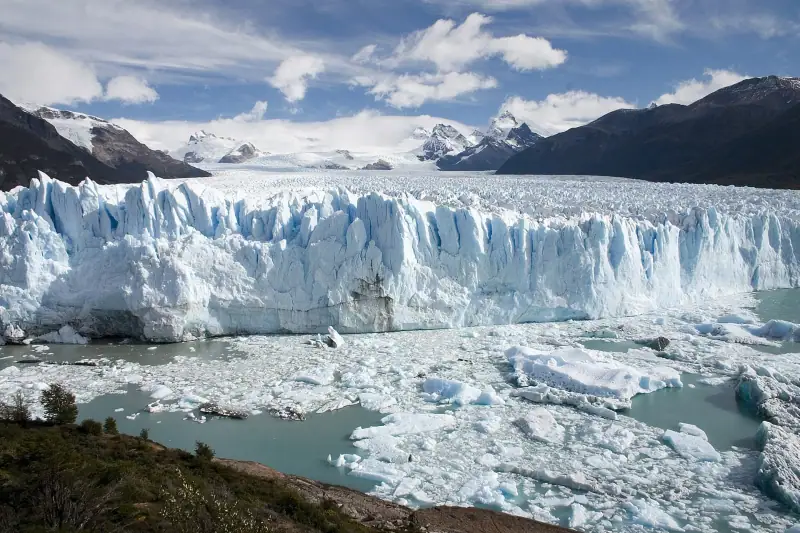
Perito Moreno Glacier: visiting, activities and practical tips
Everything about the Perito Moreno Glacier: access, activities, ice mini-trek, hours and prices. Tips for an unforgettable visit.
Ready-made
Patagonia itineraries
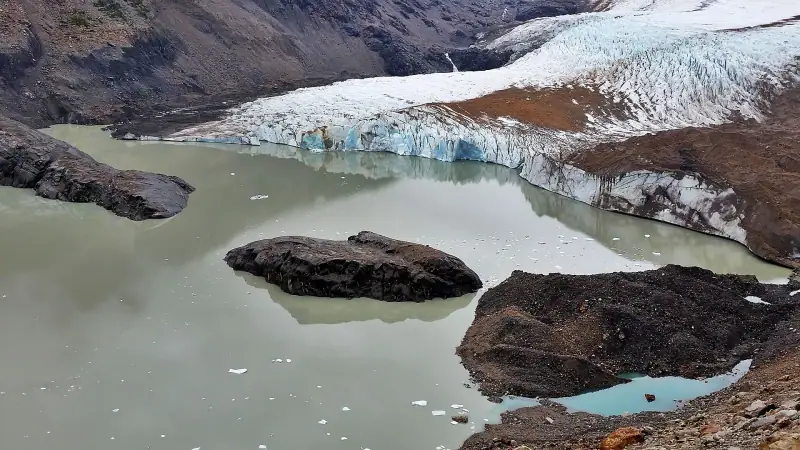
21 days
Patagonia road trip: a 3-week itinerary by car
BarilocheEsquelPerito Moreno townEl ChalténEl CalafatePuerto NatalesPunta ArenasUshuaia
12 days
Patagonia in 12 days without a car: a realistic bus itinerary
El CalafateEl ChalténPuerto NatalesPunta Arenas