What to see
Visit El Chaltén: a complete guide to the trekkers' village
We may earn a commission when you book through links on this page, at no extra cost to you. We don't visit or try the places we cover: we summarize published sources. How we work
In short
- Allow 3 to 5 days for Laguna de los Tres (21 km / 13 mi) and Laguna Torre (18 km / 11 mi), with a weather buffer.
- Bus from El Calafate: 3 h to 3 h 30, 2 to 3 departures a day in high season; about €40 (about $46) one way (70,000 ARS in October 2026).
- Marked trails around El Chaltén need no guide, but entry to Los Glaciares National Park has been paid since late 2024 (about 50,000 ARS a day in 2026); November to March is the season, and the village is nearly closed May to September.
- ATMs are few and can run out: bring enough Argentine pesos in cash from El Calafate or Buenos Aires.
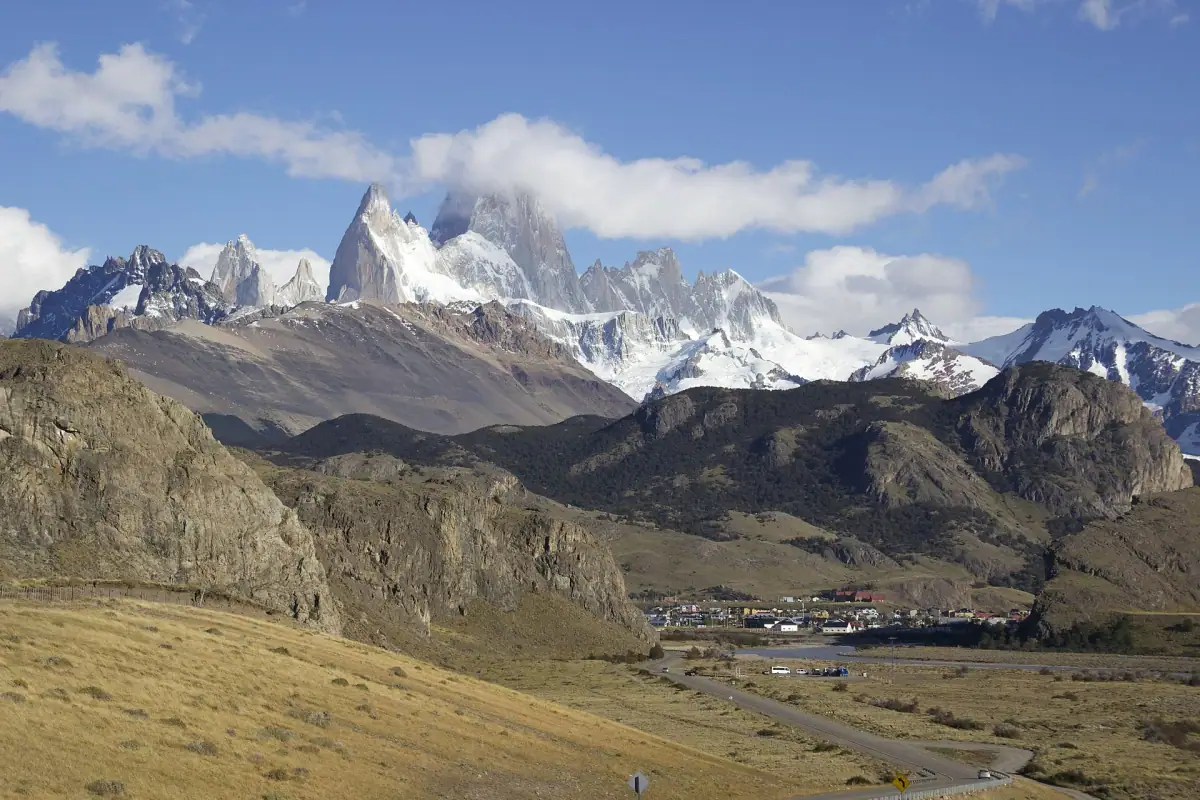
El Chaltén is a village like no other, perhaps the most distinctive in all of Patagonia. Founded in 1985 to assert Argentine sovereignty against Chile, this small town of 1,500 inhabitants has become, in four decades, the world capital of trekking in Patagonia. No casino, no shopping, no nightlife, just mountains, trails and a sky that changes every ten minutes. And one of the most photographed panoramas in the world: the Fitz Roy massif (3,405 m / 11,171 ft) with its jagged granite towers piercing the clouds.
Here is everything you need to know to prepare your visit to El Chaltén.
Where El Chaltén is and how to get there
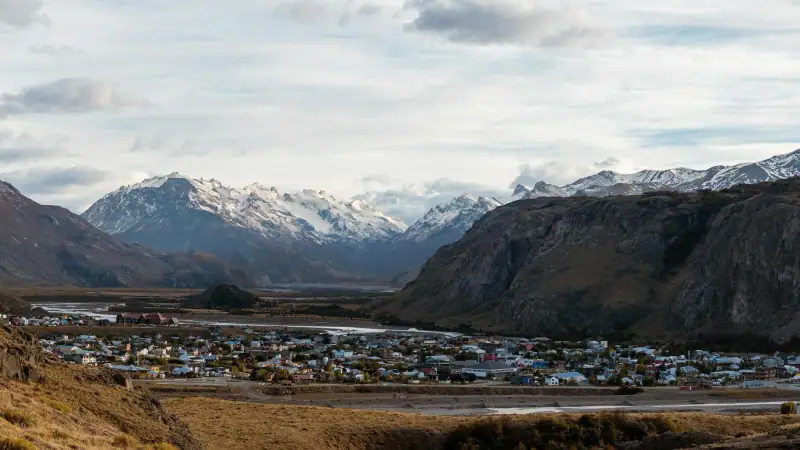
El Chaltén is in Santa Cruz province, in southern Argentine Patagonia, 220 km (137 mi) north of El Calafate. The village is tucked into a narrow valley, at the confluence of the De Las Vueltas and Fitz Roy rivers, at the northern entrance of Los Glaciares National Park.
From El Calafate
This is the main gateway. National road RN40 links the two towns in 3 h to 3 h 30 by bus. The road has been fully paved since 2019, which has greatly improved the trip.
- Companies: Chaltén Travel, TAQSA, Cal Tur
- Frequency: 2 to 3 buses a day in high season (November-March)
- Fare: about €40 (about $46) one way (70,000 ARS in October 2026, municipal tax not included; check with the companies)
- Departures: El Calafate bus station, early morning and early afternoon
By rental car
Renting a car in El Calafate gives more flexibility, notably to stop at viewpoints along the road. The road is in good condition, but strong winds (up to 100 km/h / 62 mph) can make driving difficult. Fill up in El Calafate because there is no reliable gas station on the way.
Car rental from El Calafate
Compare prices for your El Calafate – El Chaltén road trip in Patagonia.
El Chaltén’s must-do hikes
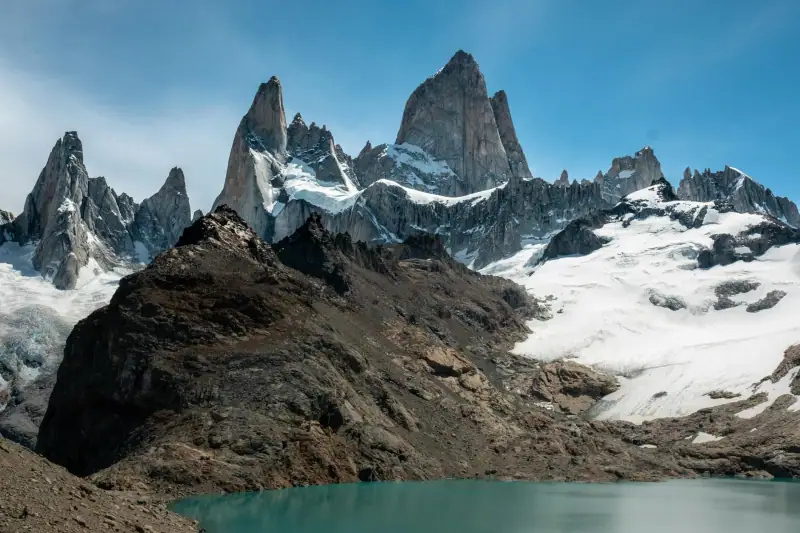
All the marked hikes in Los Glaciares Park are accessible without a guide from the village. Park entry has been paid since late 2024 (about 50,000 ARS a day in 2026, check the current rate). An information center at the village entrance shows trail conditions and hands out maps for free.
1. Laguna de los Tres: the queen of hikes
This is Patagonia’s emblematic hike. The view of Fitz Roy from Laguna de los Tres is one of the most spectacular on the continent.
- Distance: 21 km (13 mi) round trip (or 25 km / 16 mi as a loop via Laguna Sucia)
- Elevation: +800 m / -800 m (+2,625 ft / -2,625 ft)
- Duration: 8 to 10 hours
- Difficulty: Moderate to difficult (the final climb is steep over 500 m / 1,640 ft)
- Best start time: 7-8 am to get the morning light on the spires
The trail first crosses the Río Blanco valley meadow, then enters a lenga (Antarctic beech) forest. The last kilometer before the lake is a steep scree climb, exhausting but spectacular. At the top, the turquoise lagoon reflects Fitz Roy on calm days.
Tip: If Fitz Roy is in the clouds in the morning, wait. Patagonians say all you need is “patience”, and the clouds often lift in mid-morning or in the afternoon.
2. Laguna Torre: facing Cerro Torre
The second big hike, less crowded and just as beautiful.
- Distance: 18 km (11 mi) round trip
- Elevation: +350 m (+1,148 ft)
- Duration: 7 to 9 hours
- Difficulty: Moderate
Laguna Torre offers a view of Cerro Torre (3,128 m / 10,262 ft), considered by many climbers one of the most difficult mountains in the world. The ice wall crowning its summit is visible from the viewpoint at the lake’s edge. Less demanding than Laguna de los Tres, this hike is ideal as a second day.
Guided excursions and hikes in El Chaltén
Glacier trekking, intro climbing, sunrise photos on Fitz Roy.
3. Mirador del Fitz Roy (Laguna Capri)
The hike for everyone.
- Distance: 10 km (6 mi) round trip
- Elevation: +350 m (+1,148 ft)
- Duration: 3 to 4 hours
This short hike leads to Laguna Capri, a greenish lake with a clear view of Fitz Roy. It is the ideal option for less experienced hikers, families or days of uncertain weather. The intermediate viewpoint (1 h from the village) already offers remarkable views.
4. Sendero del Bosque (forest trail)
An easy walk for a first morning.
- Distance: 5 km (3 mi)
- Duration: 1 h 30
- Difficulty: Easy
This loop trail follows the De Las Vueltas river and crosses a typical Patagonian lenga forest. Ideal on your first day, while you wait for the weather before deciding on a longer hike.
5. Glacier trekking on the Piedras Blancas Glacier
For those who want to walk on ice.
A guided excursion (required to access the glacier) leads to the Piedras Blancas Glacier, a side glacier of Fitz Roy. Access to the ice is with crampons and ice axe, led by a certified guide.
- Duration: 6 to 8 hours
- Price: from about €80 (about $93) per person (check current rates with operators)
- Level: All levels (guided)
Weather in El Chaltén: understanding the Patagonian wind
Weather is the big topic of conversation in El Chaltén. The village is subject to katabatic winds that descend from the glaciers and can reach 100 to 150 km/h (62 to 93 mph). A day can start cloudy, clear at noon and turn windy again in late afternoon.
What to remember:
- Forecasts: The Windy or Mountain Forecast apps are more reliable than general weather services for Patagonia
- Weather windows: Plan your big hikes on the days forecast to be most stable, and keep buffer days
- Gear: A waterproof, windproof jacket is essential even in good weather. Temperatures can drop abruptly
- Patience: This is the first quality of a hiker in El Chaltén. Fitz Roy can stay invisible for 3 days in a row and then light up magnificently on the fourth
Where to stay in El Chaltén
The village has a fairly complete range of lodging despite its small size. In high season (December-January), definitely book 2 to 3 months ahead, as lodges and hotels with views fill up very quickly.
Budget (hostels and camping)
El Chaltén is one of the few places in Patagonia where camping is affordable. Camping Madsen (free, basic) and Camping El Relincho (paid, with facilities) are the two nearest outdoor options to the village.
Hostels such as Hostel Los Nires, Patagonia Adventures Hostel or Hostel Pioneros del Valle offer dorms for €15 to 25 (about $17 to 29) a night.
Mid-range
“Boutique hotels” and guesthouses such as Hostería Placer, Senderos Hostería or Aguas Arriba Lodge (outside the village; check with each property that it is still open) offer excellent value with private rooms, breakfast included and mountain views.
Indicative price: €80-150 (about $93 to 175) a night for a double (check current rates, which vary a lot with inflation and the exchange rate).
Luxury
Explora El Chaltén and Awasi Patagonia are the upscale addresses combining total comfort, private guides and all-inclusive stays. Expect €500-1,000 (about $580 to 1,160) per night per person.
Lodging in El Chaltén
Compare hostels, hotels and lodges. Book early for high season.
Eating in El Chaltén
For a mountain village, El Chaltén has a surprisingly developed food scene.
The essentials
- La Tapera: The best-known restaurant in the village. Burgers, empanadas and comforting dishes after hiking. A line in the evening, so arrive early.
- Parrilla El Muro: A Patagonian asado as it should be. Spit-roasted lamb, smoked lamb ribs, choripán. One of the best parrillas outside the big cities.
- Estepa: Local fine dining with regional products: trout, lamb, calafate berries. The menu changes with what comes in.
- Domo Blanco: The village ice cream shop. Calafate ice cream (made with the local purple berry) is a must.
What to taste
- Patagonian lamb: Free-range lamb raised in Patagonia is of exceptional quality, tender and lean
- Rainbow trout: Caught in local rivers, served smoked or grilled
- Empanadas with mushrooms or meat, ideal for a picnic on the trail
- Chaltén craft beer: The local brewery offers several beers, including a fruity IPA that is very popular
Practical tips for El Chaltén
Budget
El Chaltén is cheaper than El Calafate for most items, except upscale lodging. The marked hikes need no guide, which keeps costs down (park entry is paid since late 2024).
Indicative daily budget:
- Backpacker (hostel + self-catering): €30-45 a day (about $35 to 52)
- Comfort (mid-range hotel + restaurants): €80-120 a day (about $93 to 140)
- Luxury (lodge + private guides): €300+ a day (about $350+)
Cash or card?
Most restaurants and lodging accept cards. But ATMs are few and can run out of cash or limit withdrawals. Bring enough cash in Argentine pesos from El Calafate or Buenos Aires. Since exchange controls were eased in 2025, the gap between the official rate and the blue dollar (parallel rate) has become very small: check the day’s rate at the time of your trip.
Essential gear
- Waterproof windproof jacket (required, not optional)
- High-cut hiking boots (rocky, wet terrain)
- Trekking poles (useful for the descent from Laguna de los Tres)
- Filter bottle (stream water is drinkable)
- Sunscreen (altitude and wind intensify UV radiation)
- Picnic food (no resupply on the trails)
Altitude and fitness
El Chaltén is at 400 m (1,312 ft) of altitude, so altitude is not a problem in itself. The hikes, however, are long and physically demanding. Good fitness is recommended for Laguna de los Tres.
Phone
Check your carrier’s international plan or consider a travel eSIM before you go. Wi-Fi is available in most lodging, but slow.
El Chaltén in brief: the 4-day itinerary
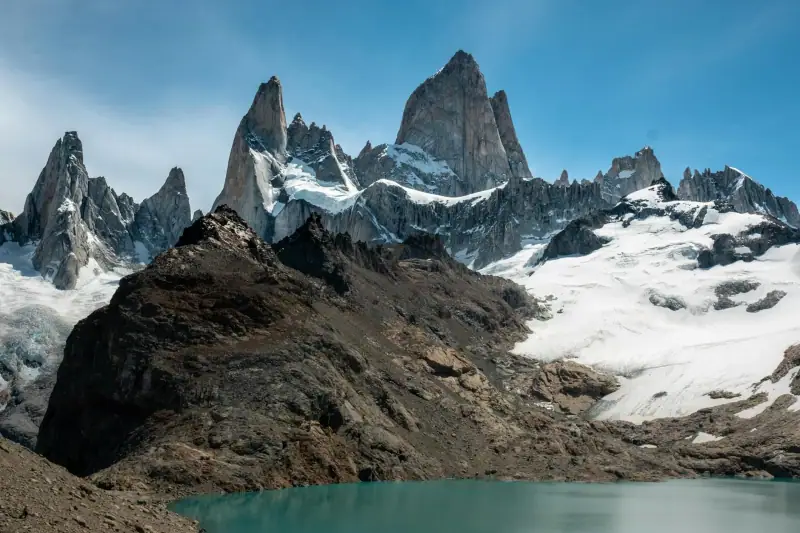
Day 1: Arrival and settling in Arrive by bus from El Calafate. Stop at the park information office. Short hike to the Mirador del Río de Las Vueltas (1 h). Settle in and rest.
Day 2: Laguna de los Tres Start at 7 am. A full day on the flagship hike. Back in the evening. Dinner at Parrilla El Muro.
Day 3: Laguna Torre Start at 8 am. A day on the Cerro Torre trail. View of the lake and the glacier. Free afternoon in town.
Day 4: Depending on the weather If the weather is good in the morning: repeat Laguna de los Tres to see Fitz Roy in a different light. Otherwise: hike to Laguna Capri or stroll around the village. Bus back to El Calafate at the end of the day.
El Chaltén and the environment
El Chaltén is a village that takes protecting its environment seriously. Los Glaciares Park is a UNESCO World Heritage site (1981). A few rules to follow:
- Leave no waste on the trails (take everything out, including organic waste)
- Do not pick plants or touch wildlife
- No fires outside developed areas (Patagonia is extremely vulnerable to wildfires)
- Stay on marked trails: going off-trail damages fragile vegetation
The village itself handles all its solid waste, and a recycling program is in place. Several lodgings are committed to eco-responsible practices.
Combining El Chaltén with the rest of Patagonia
El Chaltén fits naturally into a wider Patagonian circuit. The town is:
- 220 km (137 mi) from El Calafate (3 h by bus), a must for the Perito Moreno Glacier
- 500 km (311 mi) from Puerto Natales (Chile) via the Paso Río Don Guillermo border (5-6 h of driving)
- 800 km (497 mi) from Punta Arenas (Chile) by road via El Calafate and Puerto Natales
A classic itinerary combines El Chaltén (4-5 days) + El Calafate (3 days for the Perito Moreno) + Torres del Paine (4-5 days on the Chilean side) over 12 to 15 days of travel.
For more inspiration, see our guide to hiking in Patagonia and our 14-day Patagonia road trip.
In short: why El Chaltén is worth the trip
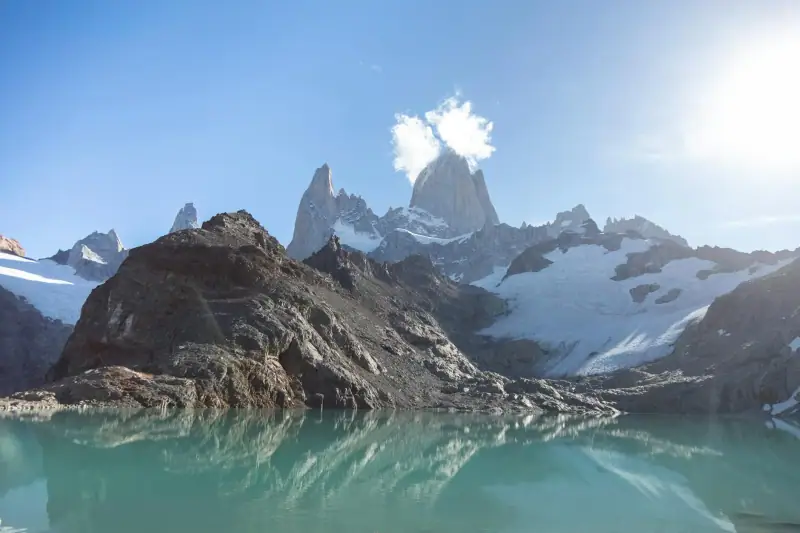
El Chaltén is not the easiest destination to reach in Patagonia. It takes preparation, patience with the weather, and good fitness. But that is precisely what makes it one of the most authentic and best-preserved places on the continent.
Here, no mass tourism and no frills, just some of the most photogenic mountains in the world, some of the most beautiful trails, and a community of hikers who share the same fascination for this remote corner of the end of the world.
Whether you come for a big trek or simply to set your eyes on Fitz Roy once in your life, El Chaltén will not disappoint.
To prepare your stay, also see our article where to stay in El Calafate and our complete guide to Patagonia.
Frequently asked questions
How many days should you spend in El Chaltén?
3 to 5 days minimum to enjoy the two big hikes (Laguna de los Tres and Laguna Torre) and have a weather buffer. In high season, plan 4-5 days because the peaks are often hidden in cloud.
Do you need a guide to hike in El Chaltén?
No, the marked trails of Los Glaciares Park are accessible without a guide. Information signs are clear at the village entrance. A guide is useful for glacier climbs or technical routes off the marked trails.
What is the best time to visit El Chaltén?
November to March (austral summer). The most stable months are December and January. October and March are possible but windy. The village is almost closed in winter (May to September).
How do you get from El Calafate to El Chaltén?
Direct bus from El Calafate's bus station, 3 h to 3 h 30. The companies Chaltén Travel, TAQSA and Cal Tur run 2 to 3 departures a day in high season. Fare: about €40 (about $46) one way (70,000 ARS in October 2026, check with the companies). No flights or trains.
Is there internet access and are there ATMs in El Chaltén?
Wi-Fi is available in most lodging and restaurants, but the connection is often slow. ATMs are few and withdrawals can be limited or unavailable, so bring enough cash from El Calafate or Buenos Aires.
Is El Chaltén accessible to beginner hikers?
Partly. The Laguna Capri hike (3 h round trip) is accessible to everyone. Laguna de los Tres (8-10 h round trip, 800 m / 2,625 ft of climbing) is rated moderate to difficult. Cerro Torre (10-12 h round trip) is long but not technically difficult. Good trekking shoes are essential.
More Patagonia guides
Keep reading
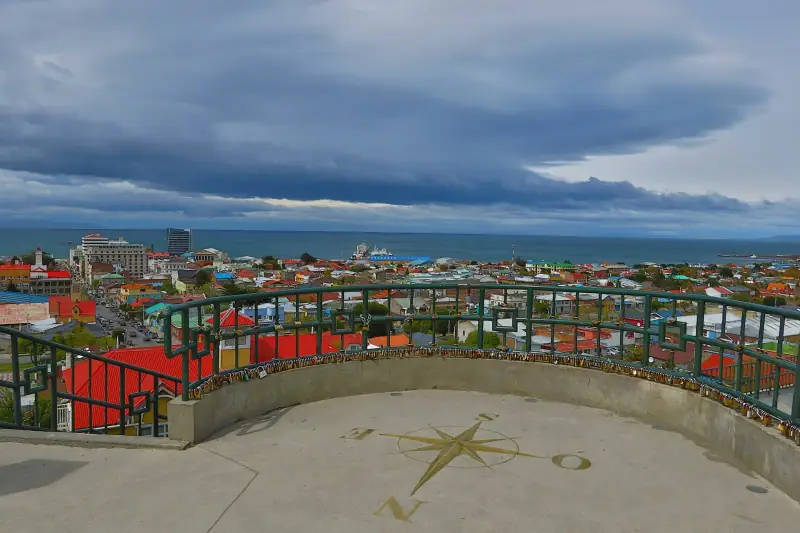
Visit Punta Arenas: a complete guide to the capital of Chilean Patagonia
Punta Arenas, gateway to Patagonia: penguins on Isla Magdalena, the Strait of Magellan, historic palaces and the start for Torres del Paine.
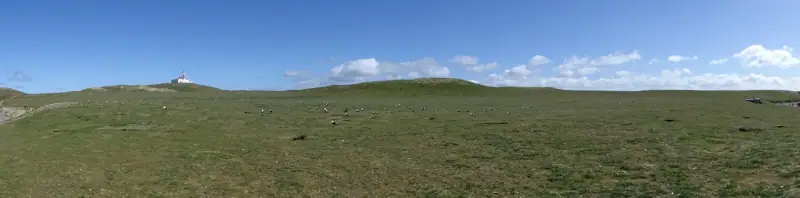
Isla Magdalena: penguins near Punta Arenas, schedules, prices and season
Isla Magdalena in practice: penguin season (Oct.-March), departures, tour and entry prices, duration. Seno Otway is closed: here is the alternative.

Ushuaia top sights: the 10 things to do and see
Ushuaia's top sights: Tierra del Fuego, the Beagle Channel, the End of the World Train and penguins. A full program for your stay.
Ready-made
Patagonia itineraries
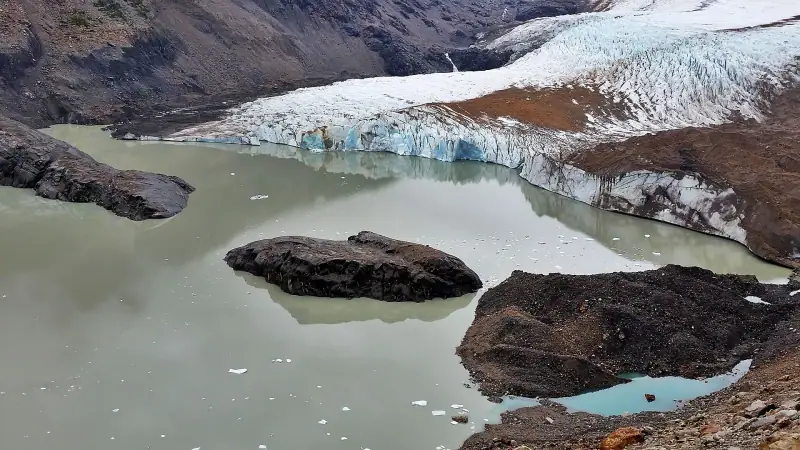
21 days
Patagonia road trip: a 3-week itinerary by car
BarilocheEsquelPerito Moreno townEl ChalténEl CalafatePuerto NatalesPunta ArenasUshuaia
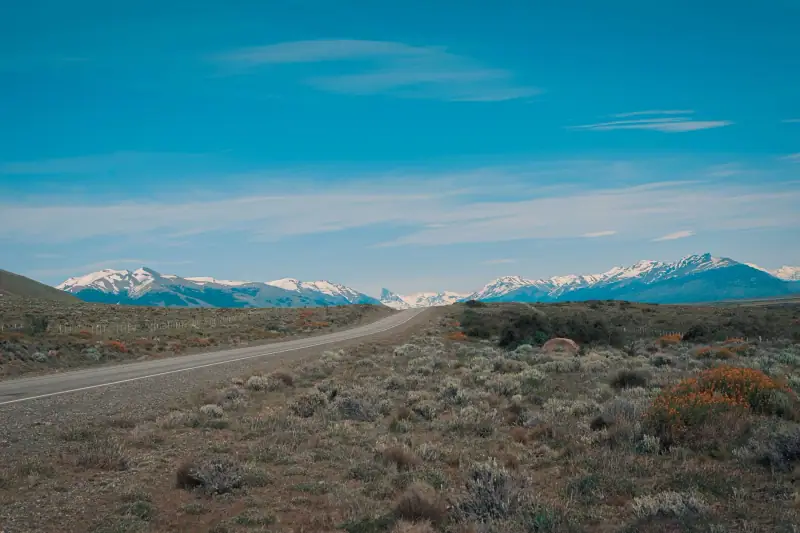
12 days
Patagonia in 12 days without a car: a realistic bus itinerary
El CalafateEl ChalténPuerto NatalesPunta Arenas
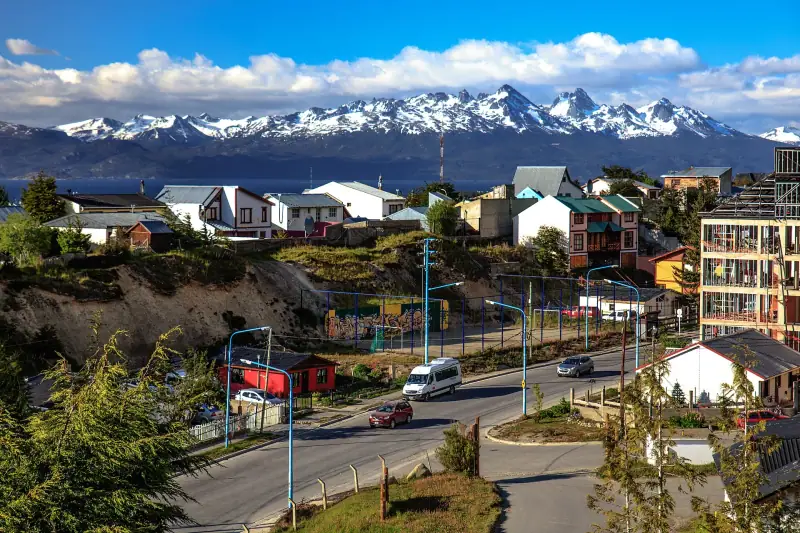
10 days
Patagonia 10-day itinerary: from Bariloche to Ushuaia
BarilocheEl CalafateEl ChalténUshuaia