Things to do
Visiting Marquenterre park: a guide to bird watching
We may earn a commission when you book through links on this page, at no extra cost to you. We don't visit or try the places we cover: we summarize published sources. How we work
In short
- The park is in Saint-Quentin-en-Tourmont, on the north shore of the Bay of Somme, about 10 km (6 mi) from Le Crotoy, and is easiest to reach by car or bike.
- Allow at least two to three hours for a short route, or half a day if you like to wait at the observation hides.
- It can be visited all year: spring for nesting and displays, summer for young birds, fall and winter for migrants and wintering birds.
- Bring binoculars, a windbreaker and good shoes, and keep quiet; check hours and rates on the official website before you come.
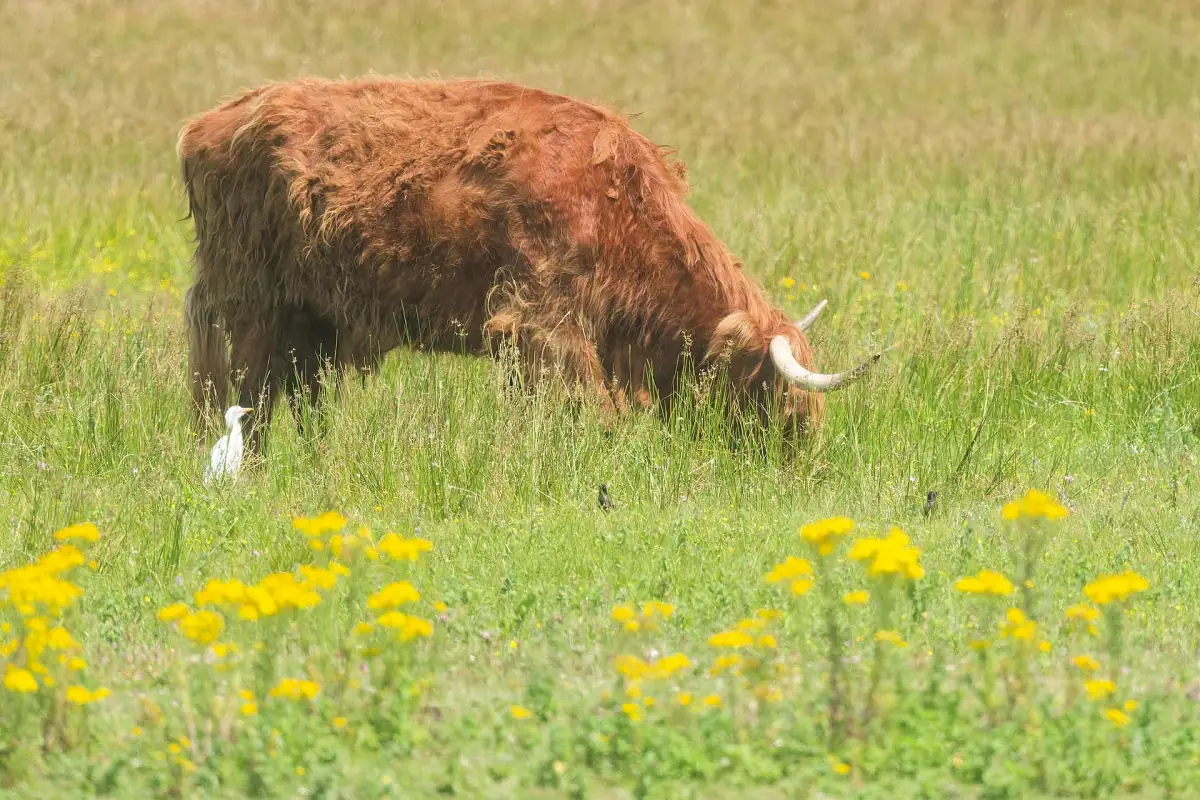
North of the Bay of Somme, among dunes, marshes and salt meadows, the Marquenterre ornithological park is one of the most renowned bird-watching sites in France. On this territory arranged so that you can approach wildlife without disturbing it, you come across white spoonbills, elegant avocets, storks, herons, geese and ducks of all kinds, depending on the season. Even without any special knowledge, the visit is a breath of fresh air, calm and away from it all, only minutes from the beaches.
This guide helps you prepare your visit: what the park is, the birds you can see there, how to choose your route, the best time, access, and the practical tips to enjoy the visit, alone, as a couple or with the family.
Marquenterre park: what is it?
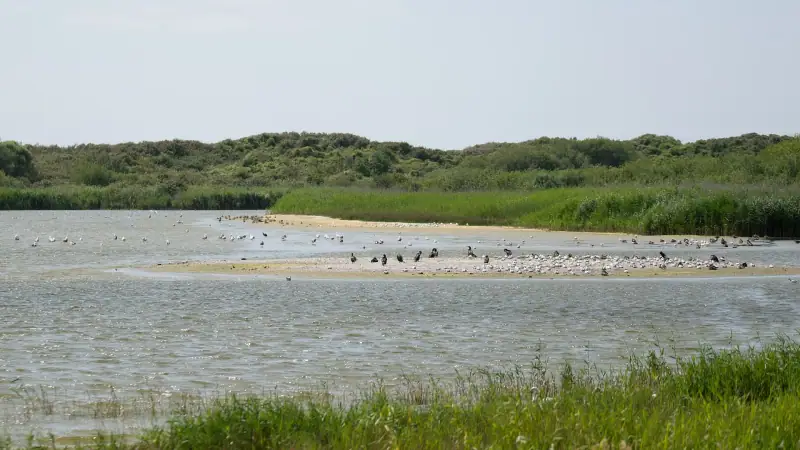
Marquenterre refers to the stretch of coast along the north shore of the Bay of Somme, between Le Crotoy and Fort-Mahon-Plage. It is a landscape of dunes, pine woods, wet meadows, marshes and lagoons, born of sand advancing on the sea over the centuries. This mosaic of habitats is exactly what migratory birds look for, finding both food and resting areas.
The Marquenterre ornithological park occupies part of this territory, in Saint-Quentin-en-Tourmont. It is a developed reserve: marked paths cross the different habitats and lead to observation hides that let you watch the birds up close, out of sight. The principle is simple: people adapt to the birds, not the reverse. You walk gently, speak softly and take the time to look.
The park was designed as a place of discovery for everyone, from experienced bird watchers to families who do not know the difference between an egret and a heron. It welcomes many species throughout the year and is part of the larger whole of the Bay of Somme, one of the great waterbird sites of northwestern Europe.
If you are preparing a wider stay, you will find the park in our 3-day itinerary in the Bay of Somme, where it fits naturally into the day devoted to the north shore.
The birds you can see
The list of species observed on the site is very long, and it changes through the seasons. Here are the best-known birds you are most likely to see.
- The white spoonbill: a large white bird with a spoon-shaped bill, which it sweeps through shallow water to catch its food. It is one of Marquenterre’s stars, often seen perched in trees or feeding in the lagoons.
- The pied avocet: an elegant wader with black and white plumage and a fine bill curved upward, easy to spot when it probes the mud.
- The white stork: visible in the nesting season, recognizable by its large nests set up high.
- Herons and egrets: gray herons, little egrets and other waders fish patiently in the marshes.
- Geese, ducks and coots: several species of waterfowl frequent the ponds, especially in fall and winter.
- Small songbirds: in the dune and woodland areas, birdsong accompanies the walk, notably in spring.
Do not fixate on a checklist: the magic of the place is discovery. One day it is a group of spoonbills waking in the sun; another, a cloud of waterbirds suddenly taking off over the lagoon. Take the time to sit in a hide and let the birds come back if your arrival made them flee.
To complete your discovery of the bay’s wildlife, also consider our guide to seal watching in the Bay of Somme: the two experiences combine very well in a single day, playing with the tide times.
Choosing your route in the park
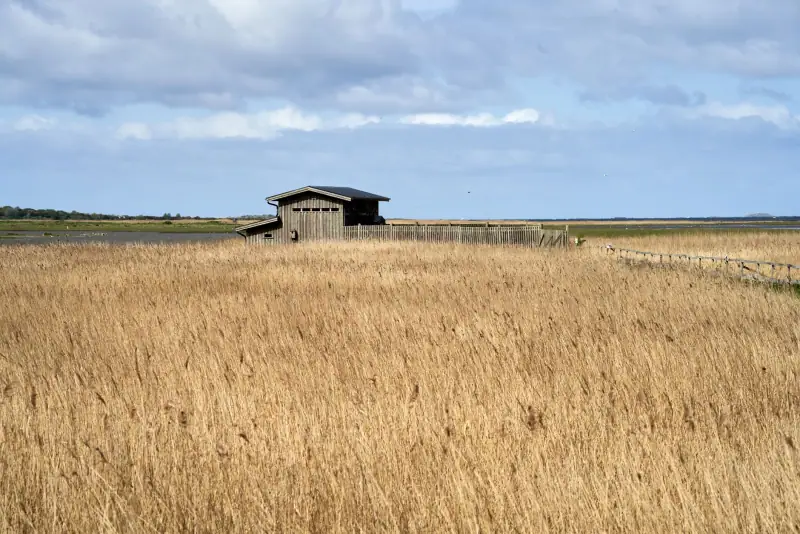
Inside the park, several routes of different lengths are offered, and they do not all lead to the same hides. The most reliable official information is what you will find at the entrance on arrival, or on the park’s website before you come. Here are nevertheless a few principles for choosing well.
A short route for a quick visit
If you have little time, if you visit with young children or if the weather is uncertain, opt for the shortest route. It gives a good overview of the habitats and access to a few well-placed hides. It is enough to see spoonbills, avocets and herons in good conditions.
An intermediate route for most visitors
This is the best compromise for a first visit: you cross the most varied habitats, stop at several hides and keep energy for the rest of the day. Allow about half a day all in, including breaks.
The long route for enthusiasts
Wildlife photography and bird fans will prefer the longest route, which lets you explore more habitats, including the dunes and the quietest areas. It is also the best option if you come off season, when there are few people and the birds are more discreet but just as present.
Tip: start with the hides farthest from the entrance, where the calm is deepest, then work your way back gradually toward the busier areas. That way you avoid the groups on the way out and enjoy the silence at the best moment.
Where to stay near Marquenterre
Le Crotoy, Quend or Fort-Mahon-Plage: compare accommodation to enjoy the park from opening time.
When to visit Marquenterre park
Unlike many tourist sites, Marquenterre has no “low season”: each period offers a different spectacle. The right time depends mostly on what you want to see.
In spring: displays and nesting
This is when the park is liveliest. The birds build their nests, males display, and songs fill the undergrowth. If you like an atmosphere of life and bustle, it is the ideal time. The days lengthen and temperatures are pleasant, but always bring a windbreaker.
In summer: young birds and families
Summer is the busiest season. Chicks learn to fly or fish, which is very moving to watch. To avoid the crowd, arrive at opening time or at the end of the day, and favor weekdays over weekends. Temperatures stay moderate on the coast, and the light is often beautiful.
In fall: migrations
Migrants stop in the Bay of Somme before continuing south, and the park fills with passing birds. It is the favorite season of many bird watchers, with soft light and colorful landscapes.
In winter: calm and wintering birds
Visitors are rare, but wintering waterbirds are plentiful. Dress very warmly: with wind and humidity, it can feel much colder than expected. The calm of the place and the low light make it a magical time for photographers.
To compare the seasons in detail, notably with regard to tides and weather, see our guide when to go to the Bay of Somme.
Access: how to get to Marquenterre park
The park is in Saint-Quentin-en-Tourmont, on the north shore of the Bay of Somme. The simplest access is by car, with a parking lot near the entrance. From Le Crotoy, allow about a quarter of an hour; from Saint-Valery-sur-Somme, you have to go around the bay by the inland road, which takes noticeably longer than you imagine as the crow flies (about half an hour to three quarters of an hour depending on traffic). From Fort-Mahon-Plage, the trip is also short.
By bike, access is possible from Le Crotoy and the surroundings, on flat ground, along developed routes. The wind can however be strong: allow some margin if you also want to enjoy the visit. For all the options, notably the Bay of Somme tourist train, read our article getting around the Bay of Somme.
To get around the bay, a car remains the most flexible way.
Practical tips to prepare your visit
A few simple rules make the visit much more pleasant.
- Binoculars are your number-one accessory. Even an entry-level pair completely changes the experience.
- Discreet clothing, preferably in neutral colors (green, beige, gray), which do not frighten the birds.
- A windbreaker and layers of clothing: the coastal weather changes fast, even in summer.
- Good walking shoes, because the paths can be wet.
- Water and snacks, because food options vary with the season and the day.
- A camera with a telephoto lens, if you like wildlife photography.
- Silence and patience: speak softly, avoid sudden gestures and do not run, especially with children.
Also remember to check hours, rates and access conditions on the official website before you come, because they vary with the season and can change from one year to the next. It is the only way to get up-to-date information.
Visiting the park with family
Marquenterre is an excellent place to introduce children to nature. The paths are flat and well developed, which suits strollers on part of the route (to check depending on the weather and the state of the paths). To make the visit a success:
- Turn the visit into a game: suggest that children count species or spot the biggest, most colorful, noisiest bird.
- Explain the rule of silence from the start: it is the secret to seeing more birds.
- Plan regular breaks, with a drink and a snack, rather than aiming for the long route.
- Bring one pair of binoculars per child if possible, or share them in turns.
- Keep time for the beach: after the visit, a break on the sand is the ideal reward.
Combining the park with the rest of the day
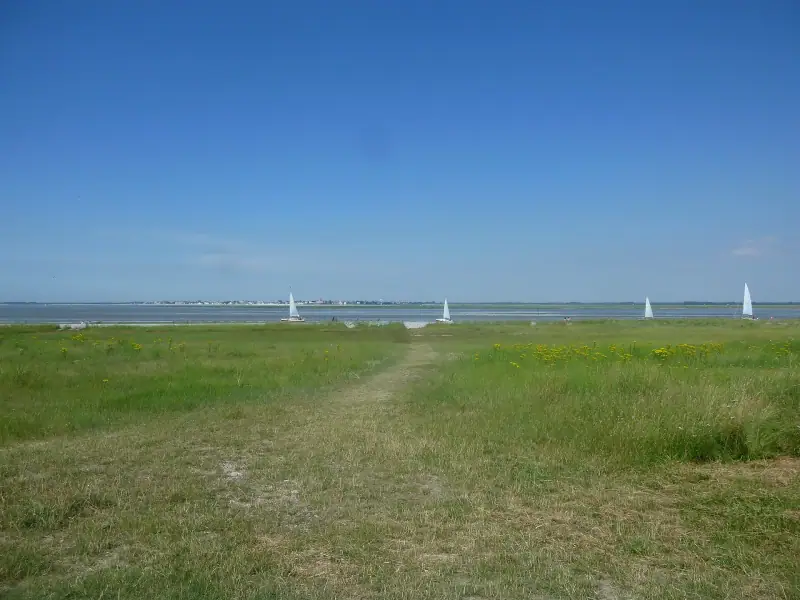
Marquenterre park can be visited in half a day, which leaves room for other discoveries in the area. Here are a few ideas for combinations, to adapt according to tides and weather.
- Morning at the park, afternoon in Le Crotoy: a seafront stroll and a treat at the harbor, by the bay.
- Park and beach at Fort-Mahon-Plage: a great classic for families, with an immense sandy beach a few minutes away.
- Park and seals: if low tide timing allows, combine the visit with seal watching from the bay.
- Park and food: finish with a seafood meal or a local specialty; our article on the culinary specialties of the Bay of Somme will give you ideas.
For a day without a car, you can also combine a guided outing in the bay and a visit to the park over two consecutive days.
Guided outings and activities in the Bay of Somme
Guided hike in the bay, kayak, bike: complete the park visit with a supervised outing.
Respecting nature: good habits
Marquenterre is above all a place to protect wildlife. So that birds can keep nesting and resting there, a few common-sense rules apply.
- Stay on the paths: leaving the trails can destroy nests or disturb fragile species.
- Never feed the birds: human food is bad for them and changes their behavior.
- Do not try to make them fly off for a photo: each takeoff is a precious expenditure of energy, especially in winter.
- Take your litter with you: even a small wrapper can be dangerous for wildlife.
- Avoid drones: they are generally forbidden in protected natural areas and cause panic among birds.
Where to stay to enjoy Marquenterre
To limit travel and enjoy the park at opening time, three bases suit particularly well: Le Crotoy, a seaside resort facing the bay; Quend and Fort-Mahon-Plage, further north, for families and big-beach fans; Saint-Valery-sur-Somme, if you prefer a medieval-town atmosphere while accepting a slightly longer trip. Our article where to stay in the Bay of Somme compares in detail the strengths of each town.
Whatever your base, book ahead for weekends, long weekends and school holidays: the Picardy coast is very busy.
Stay between Le Crotoy and Fort-Mahon-Plage
Hotels, bed and breakfasts and rentals: compare availability for your dates.
In summary: why visit Marquenterre
The Marquenterre ornithological park is an oasis of calm and wild nature on the Bay of Somme. It suits beginners and enthusiasts alike, families and photographers, and can be visited in any season. Remember the essentials: allow half a day, bring binoculars, dress for the wind, check practical information on the official website before coming, and keep quiet to multiply your encounters.
Combined with seal watching, a walk in Le Crotoy and a good meal, it is one of the best days you can spend on the Picardy coast.
Frequently asked questions about Marquenterre park
The answers to the most common questions are in the FAQ above. If in doubt about hours, rates or access conditions, the park’s official website remains the most reliable reference. For a first visit, remember three habits: arrive early, bring binoculars and check the weather and the day’s tides, because they influence the presence of birds on the lagoons and in the neighboring salt meadows. With a little patience, each hide holds its own surprise.
Frequently asked questions
Where is Marquenterre park?
The Marquenterre ornithological park is in Saint-Quentin-en-Tourmont, on the north shore of the Bay of Somme, about ten kilometers (6 mi) from Le Crotoy. It is easy to reach by car and by bike from Le Crotoy, Quend and Fort-Mahon-Plage.
How long do you need to visit the park?
Allow at least two to three hours for a short route, and half a day if you like to take your time at the observation hides. Photography or bird fans can easily spend the whole day.
What is the best time to go?
The park can be visited all year, but each season offers a different spectacle. Spring is the time of nesting and displays, summer is lively with young birds, and fall and winter welcome many migrants and wintering birds. The migration periods are particularly interesting.
Do you need binoculars to visit the park?
They are strongly recommended: even if many birds can be seen with the naked eye, binoculars make a big difference by letting you make out the details of the plumage and behavior. If you do not have a pair, ask before you come whether they can be rented there.
Is Marquenterre park suitable for children?
Yes, the visit is much appreciated by families: the paths are flat, the hides are easy to reach and discovering the wildlife is fun. Bring suitable clothing, water and above all patience: calm is the key to seeing birds.
Can you visit the park in bad weather?
Yes, some of the hides are sheltered, so you can keep watching birds in rain or wind. A windbreaker and good shoes are essential, and the changing light of the Picardy sky often makes for nice photos.
Are dogs allowed?
Nature reserves protect birds that are very sensitive to disturbance, and dogs are generally forbidden or tightly controlled on this kind of site. Check the rule in force before you come and plan a solution for your pet.
Do you need to book in advance?
Outside periods of heavy crowds, you can generally show up at the entrance. In summer, during school holidays and on fine-weather weekends, it is wise to ask about access conditions and to arrive early in the day.
More Hauts-de-France guides
Keep reading
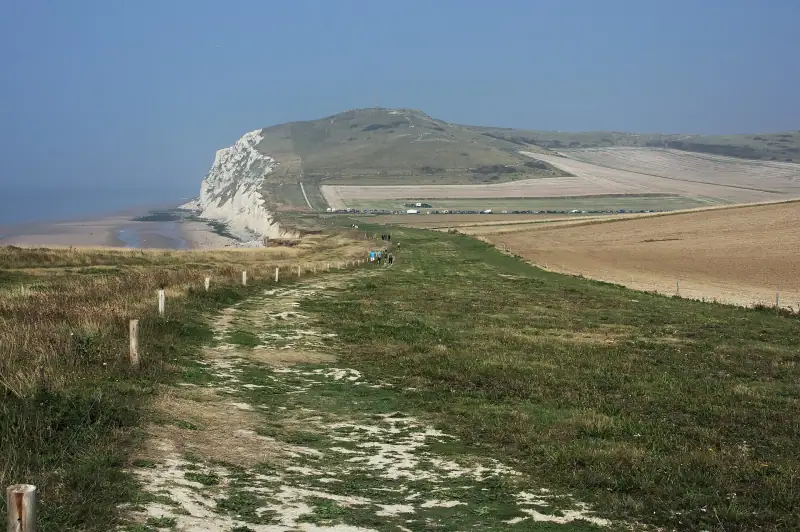
Hiking Cap Blanc-Nez without an agency: loops from Escalles, timing and tides
Hike Cap Blanc-Nez without a guide: a 10 km loop from Haute-Escalles, 1-hour variants, free parking, tides, shoes and safety.

Seal watching in the Bay of Somme: a complete guide
Where and when to see seals in the Bay of Somme: Le Hourdel, guided kayak or walking outings, tides and the rules to respect.
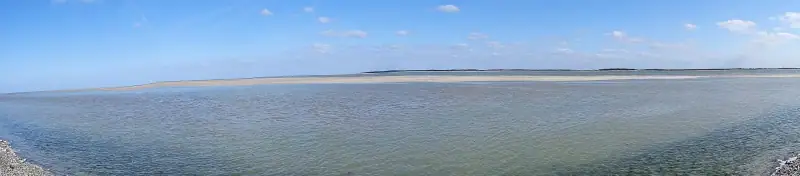
When to go to the Bay of Somme: seasons, tides and weather
What is the best time to visit the Bay of Somme? Seasons, big tides, weather, crowds and tips to plan your stay calmly.
Ready-made
Hauts-de-France itineraries
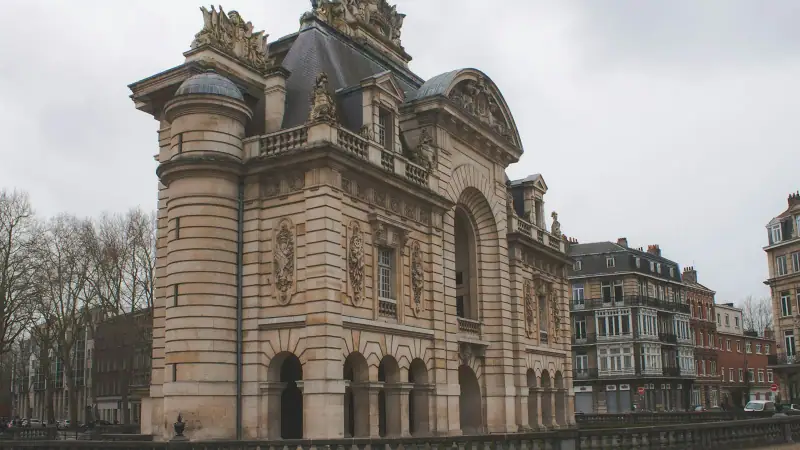
2 days
Weekend in Lille: what to see and do in 2 days
A weekend in Lille in 2 days: Old Lille, Grand'Place, Vieille Bourse, museums, the Citadelle, local dishes and practical tips for planning your stay.
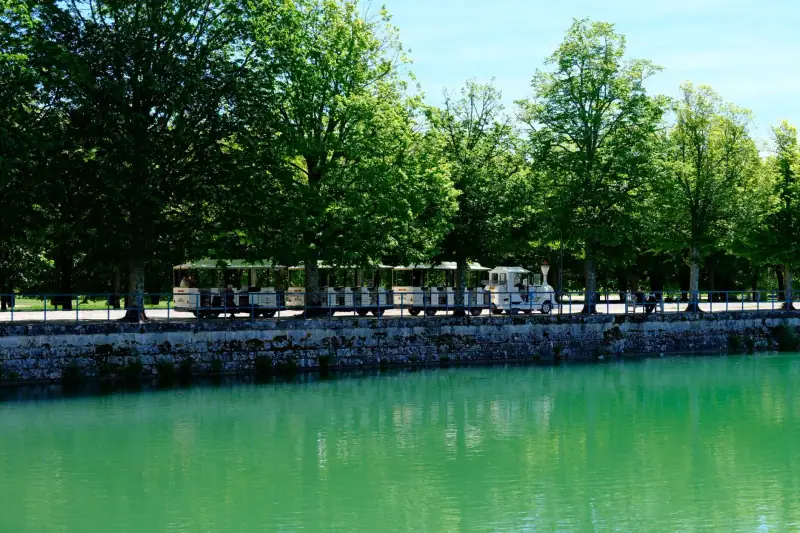
2 days
Car-free weekend in the Bay of Somme: train, bike and tourist train
A weekend in the Bay of Somme without a car: arrive by train, stay in Saint-Valery or Le Crotoy, get around by tourist train and bike. Program and tips.
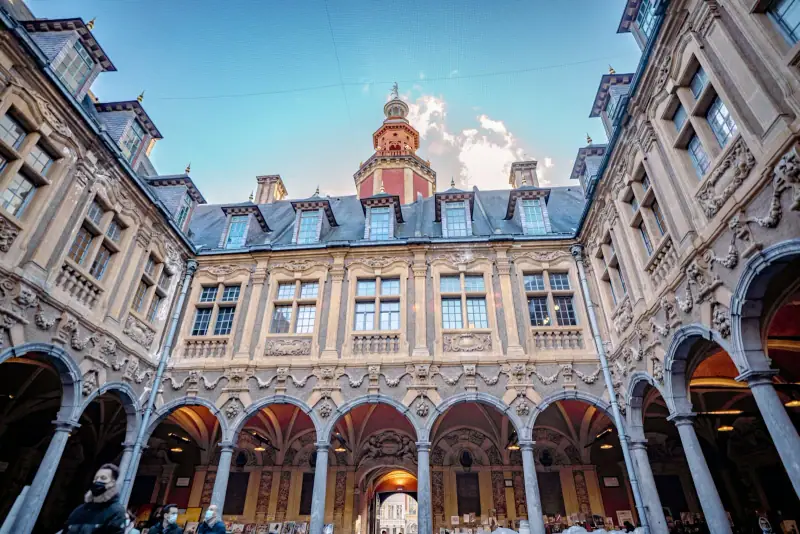
5 days
Hauts-de-France road trip in 5 days: from Lille to the Bay of Somme
CalaisBoulogne-sur-MerLe Touquet-Paris-PlageLe Crotoy
Can be adapted in the planner