Things to do
Seal watching in the Bay of Somme: a complete guide
We may earn a commission when you book through links on this page, at no extra cost to you. We don't visit or try the places we cover: we summarize published sources. How we work
In short
- Seals are visible only at low tide, resting on the sandbanks; Le Hourdel, near Cayeux-sur-Mer, is the easiest viewpoint from land. Bring binoculars.
- Arrive about an hour before low tide, and check tide times before every outing.
- To get closer or walk on the bay, use a professional guide: fast tides and quicksand make the bay dangerous.
- Keep your distance, stay quiet, never feed or touch the animals, and keep dogs on a leash or leave them at your accommodation.
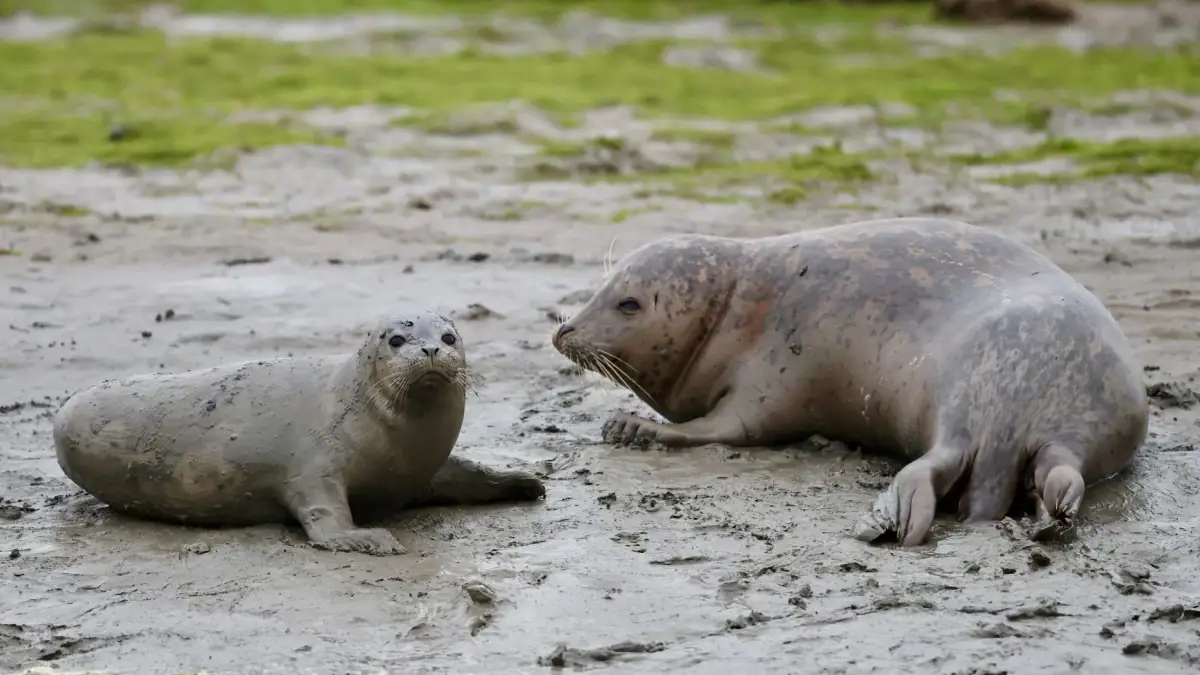
The Bay of Somme is home to one of the finest seal colonies in mainland France. Every day at low tide, dozens of harbor seals and gray seals haul themselves onto the sandbanks to rest, digest and warm up in the sun. The sight is striking: these animals of more than 1.5 m (5 ft), lying in clusters or curved like a “banana” on the sand, offer one of the most memorable scenes in northern France.
This guide explains where to watch seals, when to go, how to choose between watching from the shore, a guided walk and kayaking, and above all how to do it safely and without disturbing the animals.
The seals of the Bay of Somme: what to know

Two species live together in the bay:
- The harbor seal (Phoca vitulina): the most common and easiest to recognize, with a round head, a short muzzle and a spotted coat. It gives birth in summer, directly on the sand at low tide, and the pups can swim very quickly after birth.
- The gray seal (Halichoerus grypus): more massive, with a characteristic long straight muzzle, often described as a “horse head”. It is generally more present in the colder season.
The Bay of Somme is a particularly valuable resting and breeding site. The mudflats rich in fish, crustaceans and mollusks make an ideal pantry, and the vast sandbanks, far from human presence, offer the calm seals need. The number of animals varies with the seasons and years: rather than promising a precise figure, remember that the colony numbers several hundred seals, with spectacular gatherings on favorable days.
One essential point: seals are visible only at low tide. At high tide, the sea covers the sandbanks and the animals leave to fish. Your whole observation plan therefore depends on the tide schedule.
Where to watch seals

From the Pointe du Hourdel
Le Hourdel, a small fishing hamlet at the end of the road from Cayeux-sur-Mer, is the go-to viewpoint from dry land. From the dike and the point, you overlook the sandbanks where seals gather at low tide. The animals are at a good distance, so you need binoculars (or a telephoto lens) to appreciate the show. It is perfect for effortless watching, open to everyone, including families with young children.
Le Hourdel also offers a remarkable panorama over the whole bay, with the silhouette of Saint-Valery-sur-Somme opposite and, further off, that of Le Crotoy when visibility is good. A short walk on the seafront, then a stop at the fish and shellfish stalls, rounds off the outing nicely.
From the north shore: the Pointe de Saint-Quentin
On the Le Crotoy side, the Pointe de Saint-Quentin also lets you glimpse seals, but they are generally further out on the sand. It is a good complement if you are staying in Le Crotoy and want a first approach, but Le Hourdel remains more generous with easy sightings.
From Saint-Valery-sur-Somme
It is sometimes possible to spot seals from the banks of Saint-Valery-sur-Somme, by the channel, when the tide is low and animals move up the estuary. Do not count on it: sightings there are occasional and depend on the day’s conditions.
By boat, on foot or by kayak: guided watching
Only a guided outing lets you get reasonably close to the colony, always respecting the distances set by the guides. Several formats exist, detailed below.
Nature outing in the Bay of Somme
Discover the seals with a guide who knows the tides and the sandbanks.
Tides: the key to any outing in the bay
The Bay of Somme is famous for its tides of very large range. On the rising tide, the sea comes back faster than a walker thinks, and it fills the channels before covering the sandbanks, which can trap walkers on islets of sand. Quicksand, fog and currents complete the picture.
A few essential rules:
- Check the tide times for Saint-Valery-sur-Somme or Le Crotoy before each outing, with the tourist office or an official source.
- Favor high coefficients for large uncovered areas, but stay very careful: the higher the coefficient, the faster the sea comes back.
- Never head out alone on the bay without knowing the place perfectly. For any walk on the sand, go through a professional guide.
- Watch the weather: fog can fall quickly and completely disorient walkers.
- Tell someone your route and planned return time.
To watch seals from Le Hourdel, you do not need to walk on the bay: arrive about an hour before low tide and stay on the dike or on dry land.
Ways to watch
1. Free watching from the coast
Who is it for: everyone, including families and people with reduced mobility (depending on the access chosen). Gear: binoculars, possibly a spotting scope or telephoto lens, warm clothing and a windbreaker.
This is the simplest and free option. Settle in, be patient, and let the seals settle. Calm is your best ally: the more discreet you are, the more animals you will see. Avoid standing in full silhouette at the edge of the dike and do not make unnecessary noise.
2. The accompanied walk in the bay
Several organizations offer guided hikes on the sand, with an interpretation of the landscapes, fauna and flora, sometimes focused on seals. The guide knows the terrain, the dangerous passages and the tide times. It is the right option if you want to walk in the bay without taking risks. Bring shoes that can get wet, warm clothing and something to drink.
3. The kayak outing
Paddling in the estuary and approaching the colony from the water, in silence, is probably the most intense experience. Seals generally tolerate a quiet, distant boat better than an approach on foot. Guides respect safety distances and follow strict rules to limit disturbance. No particular fitness level is generally required, but you must be able to swim and accept being on the water, sometimes in the wind.
4. The boat outing
Some operators offer boat outings to watch the bay and its inhabitants from the water. It is ideal for those who want neither to walk nor to paddle, and a pleasant way to discover the estuary.
Where to stay near the bay
Compare accommodation in Saint-Valery-sur-Somme, Le Crotoy and Cayeux-sur-Mer.
When to go: seasons and times
Through the seasons
- Spring: the days lengthen, the bay takes on clear light. Many migratory birds pass through, so you can combine seals and bird watching.
- Summer: the time of harbor seal births. It is also the high tourist season, so busier sites. Arrive early and book your outings ahead.
- Fall: golden light, fewer people and a stronger presence of the gray seal. One of the best times for photographers.
- Winter: cold and windy, but a very wild atmosphere. Come well equipped.
Through the day
Ideally, plan your arrival about an hour before low tide. Seals haul out gradually on the banks as the water recedes, and return to sea when the tide comes back. Low light at the start or end of the day makes for very nice photos, but you absolutely must cross-check these times with the tides.
Photographing seals without disturbing them
- Bring a telephoto lens (200 mm minimum, more if possible) or use binoculars: the best photos are taken from afar.
- Avoid flash, useless at this distance and disturbing.
- Stay low and still: a standing, agitated human is perceived as a threat.
- Never try to get close for a selfie.
- If a seal raises its head and stares at you, it is worried: back away gently.
The rules to respect
Seals are protected marine mammals. Repeated disturbance can push them to leave the bay, prevent mothers from nursing or separate a pup from its mother. Here are the good practices:
- Keep your distance, well beyond what you think necessary.
- Stay calm and quiet.
- Never feed the animals.
- Keep dogs on a leash or, better, leave them at your accommodation: their smell and barking frighten seals.
- Do not touch an isolated young seal: the mother is often at sea and will come back. If it seems injured to you, contact a local wildlife protection organization or the tourist office.
- Leave no litter at the site.
Combining seals with the rest of the bay
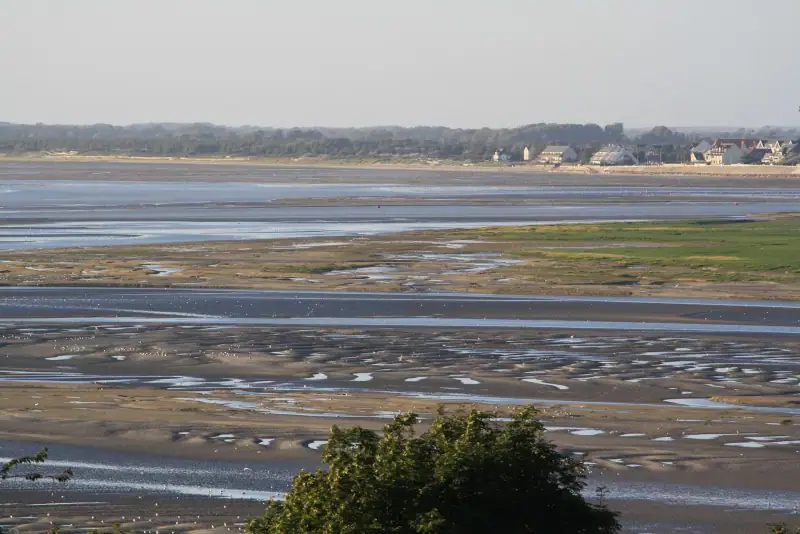
A morning of watching leaves plenty of time to enjoy the rest of the region:
- Cayeux-sur-Mer and its pebbles: the big pebble beach and its bathing huts are next to Le Hourdel.
- Saint-Valery-sur-Somme: the medieval town, its quay, its fortified old town and the famous promenade along the bay.
- Le Crotoy: a family seaside resort facing the bay, with its beach and harbor.
- Marquenterre park: an ornithological reserve to discover to complement the watching of wildlife.
- The Bay of Somme tourist train: a picturesque trip between several stations of the bay, to discover the landscapes effortlessly.
Rather than multiplying trips, group these visits by area: one day on the Le Hourdel and Cayeux side, another on the Saint-Valery and Le Crotoy side, a third around Marquenterre and Fort-Mahon-Plage.
What to put in your bag
- Binoculars: your number-one accessory for enjoying seals without disturbing them.
- Layered clothing and a windbreaker: the bay wind surprises, even in summer.
- Good shoes suited to damp, sandy ground.
- Water, snacks and sunscreen: there is little shade on the dike.
- Camera with a telephoto lens.
- Boots or water shoes for any guided walk in the bay.
Excursions and activities around the bay
Bike, kayak, guided hikes: find the activity that suits you.
Access and practical organization
To reach Le Hourdel, the car remains the simplest means: the hamlet lies at the end of the coastal road after Cayeux-sur-Mer. In summer, parking can be full at peak hours; arrive early. The bike is also an excellent option for reaching the point from Cayeux or Saint-Valery, thanks to the bay’s developed routes, but allow margin against the wind.
If you are staying in Saint-Valery-sur-Somme, Le Crotoy or Cayeux-sur-Mer, the seal outing can easily fit into a full day. Book guided outings early in high season and on big-tide weekends, which are in high demand.
Frequently asked questions about seal watching
The answers to the most common questions are in the FAQ above. In short: go to Le Hourdel at low tide with binoculars for simple watching, use a guide as soon as you want to get closer or walk in the bay, and scrupulously respect the animals. With a little patience and discretion, you will leave with unforgettable memories of one of the finest natural spectacles in the Hauts-de-France.
Frequently asked questions
Where can you see seals in the Bay of Somme?
Seals rest on the sandbanks at low tide, mostly in the western part of the bay, around the Pointe du Hourdel (near Cayeux-sur-Mer) and the Pointe de Saint-Quentin, on the Le Crotoy side. Le Hourdel is the easiest viewpoint from land.
What is the best time to watch seals?
They can be seen all year. Harbor seals give birth in summer, which makes late spring and summer very interesting, while gray seals are more visible in fall and winter. The light is often nicer off season, with fewer people.
Do you need a guide to get close to the seals?
To see the seals up close, a guided outing (on foot or by kayak) is strongly recommended: the bay is dangerous because of fast tides and quicksand. From Le Hourdel, a simple pair of binoculars is enough to watch the colony without taking any risk.
Can you approach and touch the seals?
No. They are protected wild animals. Keep your distance, do not disturb them, do not feed them, keep dogs on a leash or leave them at your accommodation, and never come between a pup and its mother. A disturbed seal that throws itself into the water spends precious energy.
Are seals visible at high tide?
Rarely. At high tide, the sandbanks are covered and the seals are at sea feeding. The best moments are the two to three hours around low tide, when they are hauled out on the sand. Always check the tide times before you leave.
Is this activity suitable for children?
Yes, watching from Le Hourdel or on an accompanied outing suits children well, as long as they stay calm and the walk on the sand is appropriate for their age. For walking in the bay or kayaking, ask the operator about the minimum age.
More Hauts-de-France guides
Keep reading
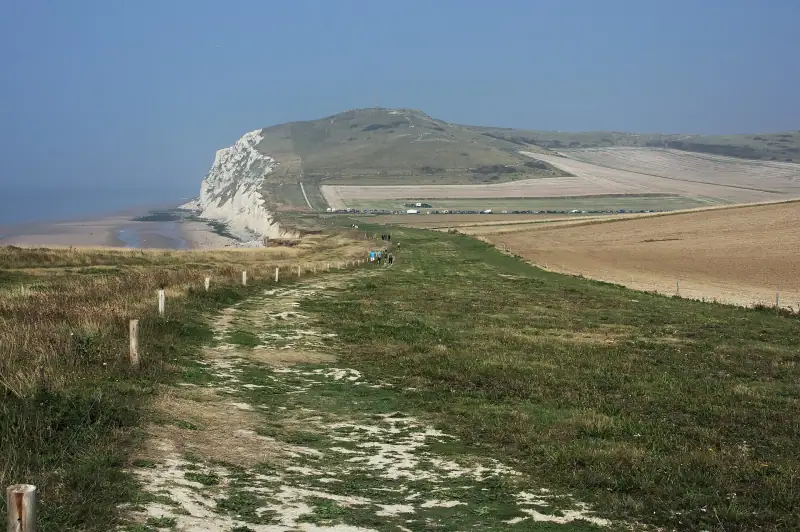
Hiking Cap Blanc-Nez without an agency: loops from Escalles, timing and tides
Hike Cap Blanc-Nez without a guide: a 10 km loop from Haute-Escalles, 1-hour variants, free parking, tides, shoes and safety.

Visiting Marquenterre park: a guide to bird watching
Plan your visit to the Marquenterre ornithological park in the Bay of Somme: species to see, routes, best season, access and tips for families.
When to go to the Bay of Somme: seasons, tides and weather
What is the best time to visit the Bay of Somme? Seasons, big tides, weather, crowds and tips to plan your stay calmly.
Ready-made
Hauts-de-France itineraries

2 days
Weekend in Lille: what to see and do in 2 days
A weekend in Lille in 2 days: Old Lille, Grand'Place, Vieille Bourse, museums, the Citadelle, local dishes and practical tips for planning your stay.
2 days
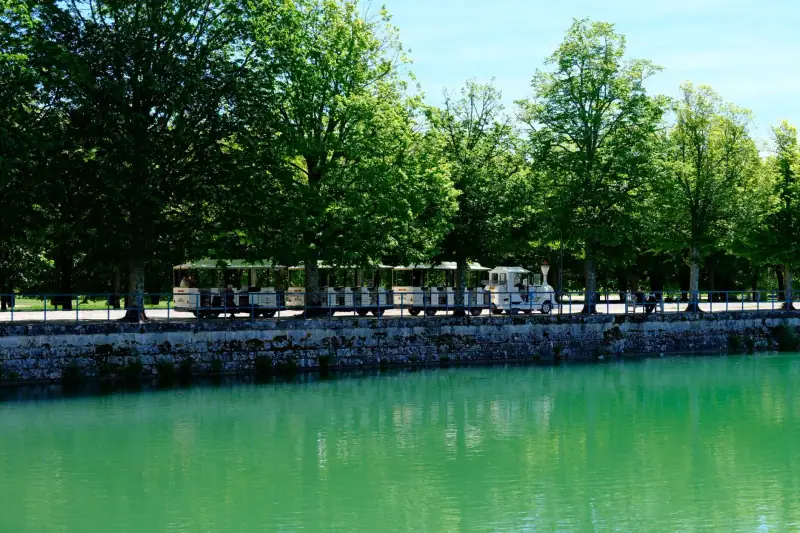
Car-free weekend in the Bay of Somme: train, bike and tourist train
A weekend in the Bay of Somme without a car: arrive by train, stay in Saint-Valery or Le Crotoy, get around by tourist train and bike. Program and tips.

5 days
Hauts-de-France road trip in 5 days: from Lille to the Bay of Somme
CalaisBoulogne-sur-MerLe Touquet-Paris-PlageLe Crotoy
Can be adapted in the planner