Plan your trip
Egypt travel budget: how much a trip costs, item by item (3 profiles)
We may earn a commission when you book through links on this page, at no extra cost to you. We don't visit or try the places we cover: we summarize published sources. How we work
In short
- Excluding the international flight, a week costs about €250-400 (~$290-465) per person on a budget, €700-1,100 (~$810-1,275) mid-range and over €1,800 (~$2,090) high-end.
- Daily life is cheap (street food about $1-2, Cairo metro about 10 EGP), but sites, excursions, cruises and domestic flights are priced at foreigner rates.
- Entry fees: Giza plateau about 700 EGP (plus about 1,500 EGP for the Great Pyramid), Valley of the Kings about 750 EGP, Karnak about 600 EGP.
- Cheaper options: shoulder months (October, early November, April), train instead of domestic flights, shared drivers and group excursions.
Many travelers think Egypt is a country where everything is almost free. That is true for a tea, a street meal or a taxi ride. But as soon as you talk about site entry fees, excursions, a cruise or domestic flights, the bill climbs fast, because these services are charged at the “foreigner” rate. Building an Egypt budget therefore means telling apart the small daily expenses, very low, from the big lines of the trip.
In this guide, we detail the real costs item by item: visa, accommodation, transport, meals, visits and tips. We then offer three costed profiles (budget, comfort, high-end) and our best tips for spending less without giving up the essentials. The prices quoted are orders of magnitude gathered in early October 2026 from public sources; they change regularly, especially entry fees. Check them before you book.
The basics: currency, exchange rate and price logic
The currency is the Egyptian pound (EGP). In 2026, it is weak: about 50 pounds to 1 US dollar according to the sources consulted, so, as a guide, a little under 60 pounds to 1 euro. This weakness benefits travelers paying in foreign currency, but it also leads many providers to display their prices in dollars or euros.
In practice there are three price levels:
- Local prices: metro, microbus, street food, neighborhood cafés. They are tiny.
- Tourist prices in pounds: restaurants near the sites, taxis without a meter, souvenirs. They are negotiable.
- Prices in foreign currency: excursions, cruises, domestic flights, chain hotels and site entry fees. This is where 70% of your budget is decided.
Keep this logic in mind: saving on tea will not change much, whereas choosing your paid visits and your accommodation well will make the difference.
Visa and entry requirements: a fixed cost to plan for
Before you arrive, budget for the visa if one applies to you. Entry rules and fees depend on your passport. Check the official travel advice of your government before you book: travel.state.gov (US), GOV.UK (UK), travel.gc.ca (Canada), Smartraveller (Australia) (checked November 2026). Several sources report touts asking for more for the same visa sticker: go to the official bank counter at the airport or apply online if your passport allows it.
Accommodation: from hostel to palace for a few dozen dollars of difference
Accommodation is where Egypt is most generous. The ranges below are orders of magnitude per room per night, outside the year-end high season.
- Budget: about $10 to $50 depending on the sources. Hostels, small guesthouses and simple hotels often offer breakfast. In Luxor, hotels from about $20 a night are reported.
- Comfort: about $50 to $150. You find good 3 and 4-star hotels, sometimes with a pool, a real asset after a day of sightseeing in full sun.
- High-end: over $150. Historic palaces, Red Sea resorts and hotels with views of the pyramids or the Nile.
Red Sea resorts, like Hurghada or Marsa Alam, are a case apart: all-inclusive packages are frequent there and prices vary strongly with the season. To choose a neighborhood in Cairo, our guide on where to stay in Cairo details the most practical areas.
Compare hotels in Egypt by budget
Filter by price, rating and amenities to find the room that matches your traveler profile.
Transport: very cheap trips, except long-distance flights
In town
The Cairo metro is one of the cheapest means of transport in the world: it costs about 10 pounds for a short trip (up to nine stations) and about 20 pounds for a longer one, under €0.50 (about $0.58). Ride-hailing apps and taxis remain very affordable: a 15 to 20 minute ride in central Cairo comes to about $2.50, and the trip to the airport about $8 according to the readings consulted. Always agree on the price before getting in if the meter is not used.
Between cities
Trains are the cheapest solution for linking the cities of the Nile valley. According to the sources, a first-class Cairo-Alexandria costs $2 to $4, and a first-class Cairo-Luxor about $18. The overnight sleeper train is clearly more expensive, around $80 to $110 for a Cairo-Luxor or Cairo-Aswan, at foreigner rates. A Luxor-Aswan is around $7 to $10.
Flying inflates the bill: a Cairo-Luxor or Cairo-Aswan is reported between $100 and $155 depending on the period. For a short trip, though, it can pay off, since it avoids a night on the train or a lost day.
Private driver
For day trips, a private driver is negotiated at around $40 according to a late-2025 reading. It is an excellent compromise for a small group or a family, since the cost is shared. For tips on linking the stages, see our 10-day itinerary in Egypt.
Compare flights to Cairo
The international ticket is the first item of spending: compare dates and airlines to cut the bill.
Meals and drinks: the easiest item to control
Eating in Egypt is inexpensive, as long as you do not systematically dine in tourist restaurants right next to the major sites.
- Street food and vegetarian dishes: about $1 to $2. A falafel sandwich (ta’meya), a bowl of koshari or fava beans (foul) make a real meal.
- Local restaurant: about $2 to $5 for a full meal at a place frequented by Egyptians.
- Comfortable tourist restaurant: about $5 to $12 per person.
- Hotel or high-end restaurant: much more expensive, with taxes and service added.
In restaurants, a tip of 5 to 10% is common. Alcohol, when served, is clearly more expensive than food: plan a separate budget if you want it. Bottled water is cheap, but buying it every day adds up; some hotels offer water fountains.
To know what to order and avoid tourist traps, read our guide to Egyptian cuisine and dishes to try.
Visits and entry fees: the real heavy item
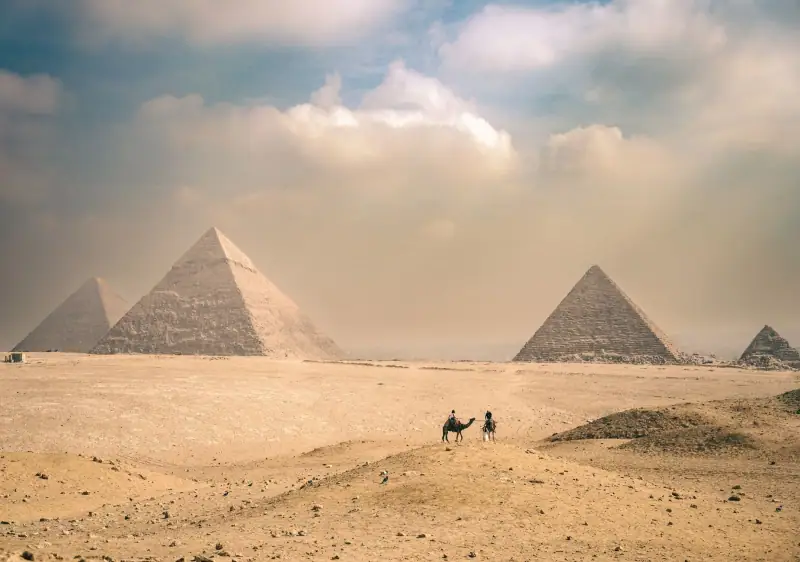
This is where many travelers are surprised. Site entry fees are set by the Ministry of Tourism and Antiquities, with a foreigner rate well above the Egyptian rate. Here are orders of magnitude gathered for 2026:
- Giza plateau: about 700 pounds for general admission (adult rate), plus a supplement of about 1,500 pounds to enter the Great Pyramid.
- Valley of the Kings: about 750 pounds for the basic entry. Some tombs need an additional ticket: about 700 pounds for Tutankhamun’s, more still for others.
- Karnak Temple: about 600 pounds.
- Abu Simbel: about 750 to 820 pounds depending on the official source consulted.
Student rates are generally about half the full rate, on presentation of a valid card. Several sites now require card payment: check that yours works abroad before leaving.
On a 10-day circuit including the major highlights, allow about $100 to $150 of entries per person, without the extra tombs. To better organize your visit of the capital’s main sites, see our article on the Giza pyramids and the Sphinx.
Guided tours and excursions in Egypt
Pyramids, Luxor, Abu Simbel: compare excursions with transfers and a guide, and check what is included.
Nile cruise: a budget of its own

The cruise is often the biggest single expense of a stay. The 2026 readings consulted show very variable prices: some 4-night cruises between Luxor and Aswan start around $500 per person, others exceed $1,000 to $1,800 in the upper category. A three-day option starts, according to one reading, at about $450 per person. Temple outings and entries are not always included: one source estimates the cost of entries over a whole cruise at around $105 per person.
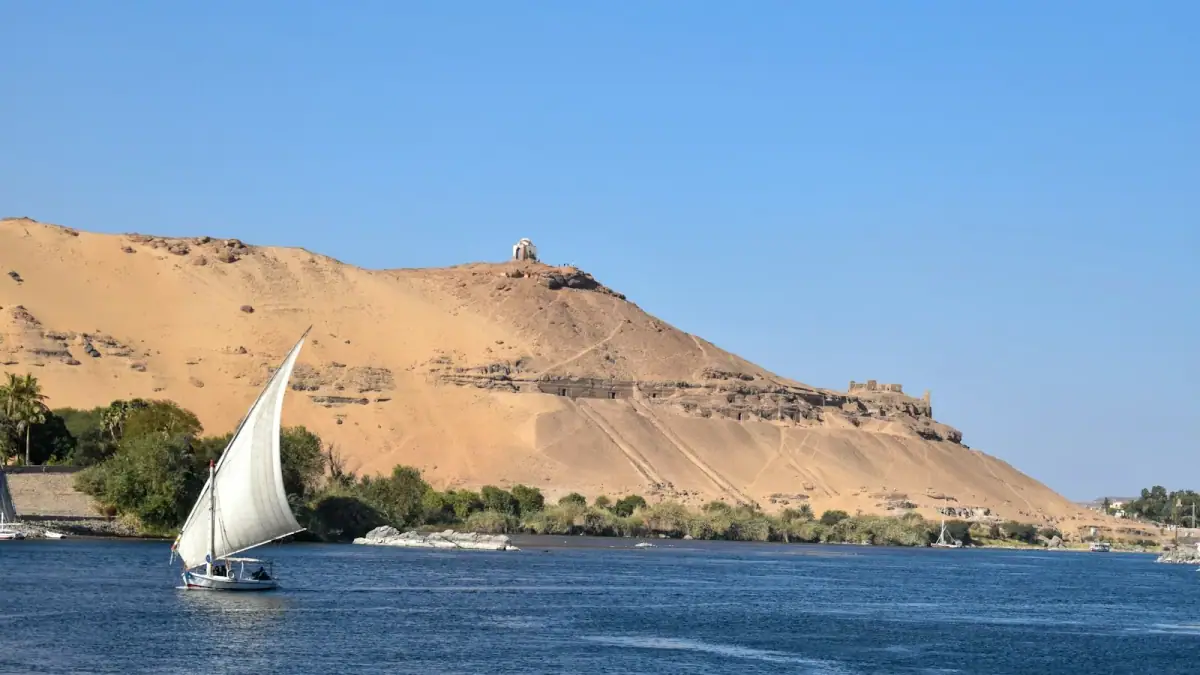
Before booking, check whether meals, excursions, drinks and tips are included. Our guide to the Nile cruise between Luxor and Aswan helps you compare options. For a more economical approach, you can sleep on land in Luxor and Aswan and book a simple felucca ride, clearly cheaper than a multi-night cruise.
Three costed budget profiles
Here are three examples for one week per person, excluding the international flight, with a couple sharing a room. The amounts are estimates calculated from the orders of magnitude above, converted into euros as a guide (with a dollar equivalent).
Profile 1: budget traveler (about €250-400 / ~$290-465 a week)
- Accommodation: hostels and small hotels, about €10-20 (~$12-23) per person per night in a double room.
- Transport: metro, microbus, upper-class train between cities, a few taxis. About €40-70 (~$46-81).
- Meals: street food and local restaurants, about €8-12 (~$9-14) a day.
- Visits: a selection of major sites, about €60-100 (~$70-115).
- Tips and extras: about €20-30 (~$23-35).
This profile suits independent travelers, ready to haggle and use local transport.
Profile 2: comfort (about €700-1,100 / ~$810-1,275 a week)
- Accommodation: 3 and 4-star hotels, about €35-65 (~$41-75) per person per night.
- Transport: sleeper train or domestic flight, ride-hailing, a private driver for a few trips. About €150-250 (~$175-290).
- Meals: a mix of local restaurants and more comfortable places, about €20-30 (~$23-35) a day.
- Visits: entries to the major sites, a few guided excursions, about €150-250 (~$175-290).
- Tips and extras: about €40-60 (~$46-70).
This is the most common profile for a first trip to Egypt with an occasional guide and comfort.
Profile 3: high-end (over €1,800 / ~$2,090 a week)
- Accommodation: 5-star hotels or a higher-category cruise, €100 (~$115) and more per person per night.
- Transport: domestic flights, private transfers.
- Meals: high-end restaurants and full-board packages.
- Visits: private guide and driver, estimated at around $100 per person per day according to a late-2025 reading, extra tombs included.
- Tips: higher, depending on the service.
For a 10-day stay, a late-2025 reading cites about $2,550 per person for a comfort profile, or about $1,800 with simpler trains and hotels, excluding the international flight and souvenirs. These amounts are higher than our estimate: they include organized services and domestic flights. Take them as an upper bound.
Tips to spend less in Egypt
Here are the most effective levers, ranked by impact on the budget:
- Choose the right season. October, early November and April often offer lower prices than Christmas. To compare seasons, see our guide on when to visit Egypt.
- Favor the train over domestic flights on the Nile valley, except for long distances like Abu Simbel.
- Share a driver among four people, which divides the cost of the trip.
- Book a group excursion for distant sites, often more cost-effective than private transport for one person.
- Buy the visa online or at the official counter, if one applies to you, to avoid overcharging.
- Withdraw Egyptian pounds from the ATM and keep small notes for tips and taxis.
- Check what is included in each offer: entries, lunch, transfers, taxes, tips.
- Avoid restaurants right next to the sites: one street farther, prices are often cut in half.
- Negotiate prices before getting into a taxi, renting a felucca or buying a souvenir.
- Choose a hotel with breakfast to cut morning spending.
Extra budget: tips, insurance and the unexpected
The tip (“baksheesh”) is part of the landscape: porters, drivers, guides, site guards, cruise crews. Plan a small daily envelope in small notes. Add a margin for travel insurance (with repatriation), the SIM card or eSIM, souvenirs and any health expenses. A 10% reserve on the total budget avoids bad surprises.
Felucca ride or Nile cruise
Compare outings on the Nile, from a one-hour ride to a multi-day cruise.
Where to put your money?
A trip to Egypt can be very cheap or very expensive depending on your choices. Daily expenses are low, but the big lines (flight, cruise, site entries, domestic flights) concentrate most of the budget. Set your priorities first, for example a cruise or a week of diving, then adjust accommodation and transport accordingly. With a little preparation, a quality stay remains within reach of most budgets.
Sources
- Ministry of Tourism and Antiquities (Egypt): figures checked November 2026
- Ministry of Tourism and Antiquities (Egypt): figures checked November 2026
- Ministry of Tourism and Antiquities (Egypt): figures checked November 2026
- Ministry of Tourism and Antiquities (Egypt): figures checked November 2026
Frequently asked questions
What budget should you plan for a week in Egypt?
Excluding the international flight, allow about €250-400 (~$290-465) per person for budget travel, €700-1,100 (~$810-1,275) mid-range and over €1,800 (~$2,090) high-end with a cruise or private guide. These are orders of magnitude: they depend on the season, the hotel and the number of paid visits.
Is Egypt a cheap country?
Yes for daily life: meals, taxis, public transport and simple accommodation cost little, because the Egyptian pound is weak against the euro and the dollar. However, site entry fees, excursions, cruises and domestic flights weigh heavily, because they are priced at the foreigner rate.
How much does the visa for Egypt cost?
Entry rules and fees depend on your passport. Check the official travel advice of your government before you book: travel.state.gov (US), GOV.UK (UK), travel.gc.ca (Canada), Smartraveller (Australia) (checked November 2026). If a visa applies to you, add its fee to your budget.
Should you pay in cash or by card in Egypt?
Both are useful. Hotels, large restaurants and many tourist sites accept cards, and some sites even require card payment. Keep Egyptian pounds in small notes for taxis, markets, tips and small restaurants. Withdraw from bank ATMs rather than exchanging with touts.
What percentage should you tip?
A tip ("baksheesh") is expected for many services. In restaurants, 5 to 10% of the bill is common, even if service is sometimes already included. For guides, drivers and boat crews, plan a small daily envelope, to include in your budget.
When should you go to pay less?
Low season, summer, is the cheapest, but the heat in Upper Egypt is extreme. Shoulder periods (October, early November, April) offer a good compromise. Avoid Christmas and New Year, when hotels and cruises are at their highest.
Are organized excursions worth it financially?
For distant or poorly served sites (Abu Simbel, White Desert, boat trips), a group excursion is often simpler and sometimes cheaper than organizing it yourself. Always compare what is included: entries, lunch, transfers and tips.
More Egypt guides
Keep reading
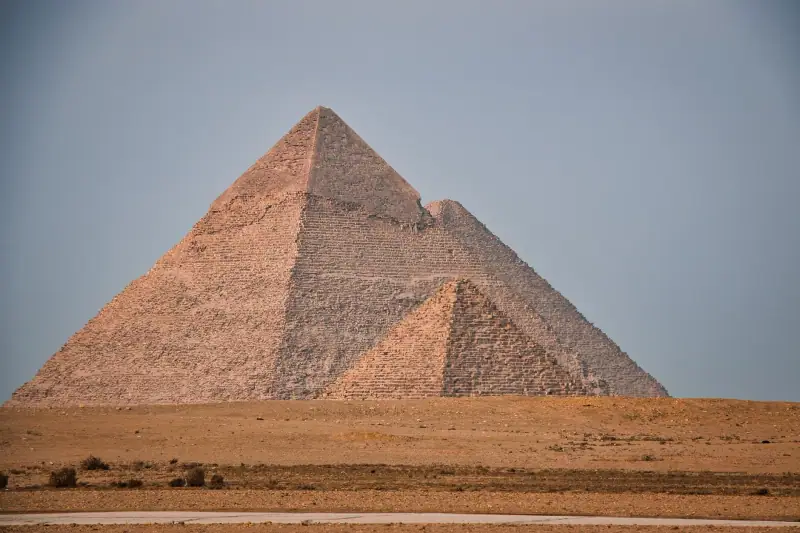
When to visit Egypt: weather, seasons and the best time by region
When to go to Egypt? Climate in Cairo, Luxor, Aswan and the Red Sea, crowds, Ramadan and tips to choose the best time for your trip.
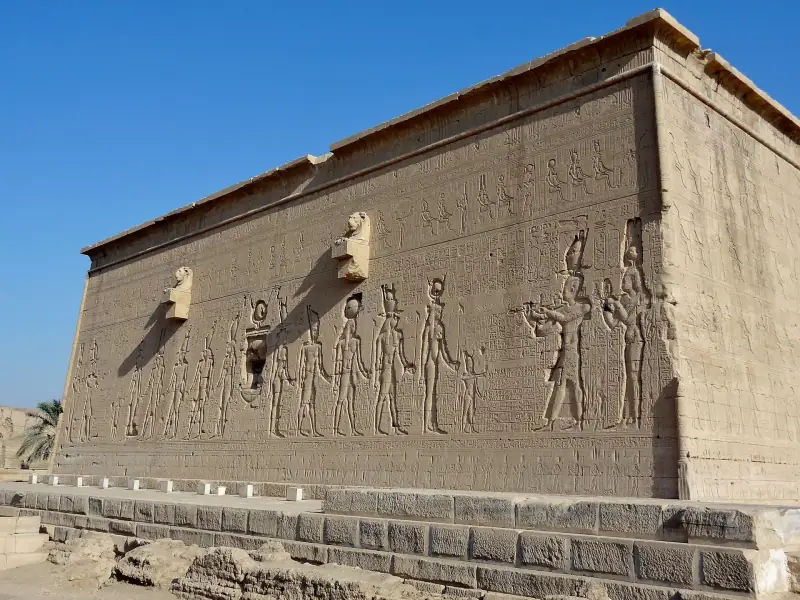
Dendera from Luxor: is the Temple of Hathor worth the detour?
Dendera Temple from Luxor: distance, how to get there, hours, official prices, visit length and what you see (astronomical ceiling, roof, crypts).
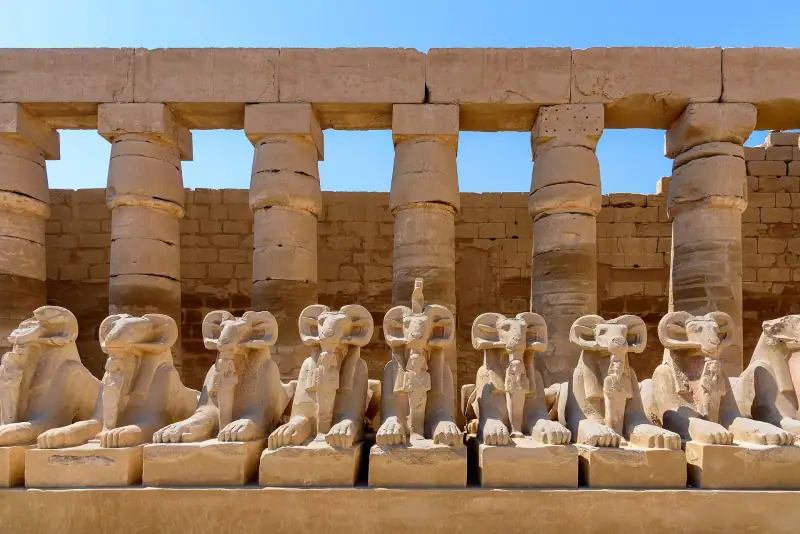
Visiting Luxor: Karnak, the Valley of the Kings and the temples of ancient Thebes
What to see in Luxor? Karnak, Luxor Temple, the Valley of the Kings, Hatshepsut: organizing the two banks, visit length and practical tips.
Ready-made
Egypt itineraries
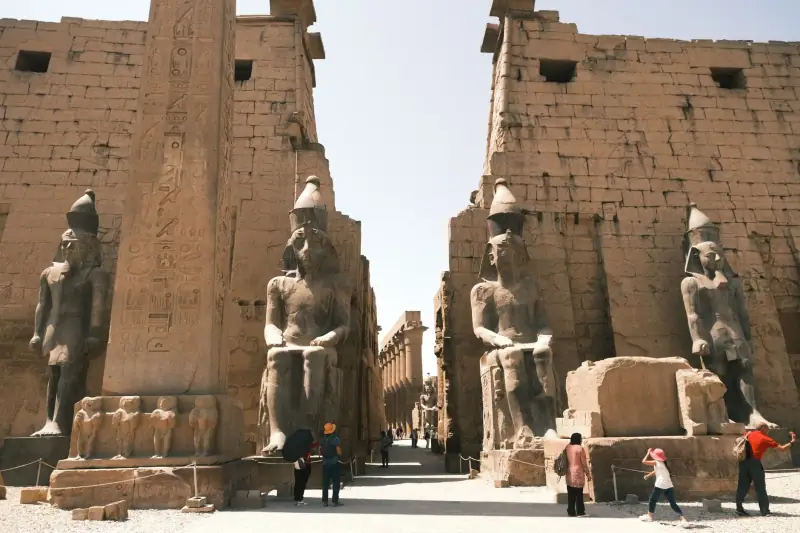
4 days
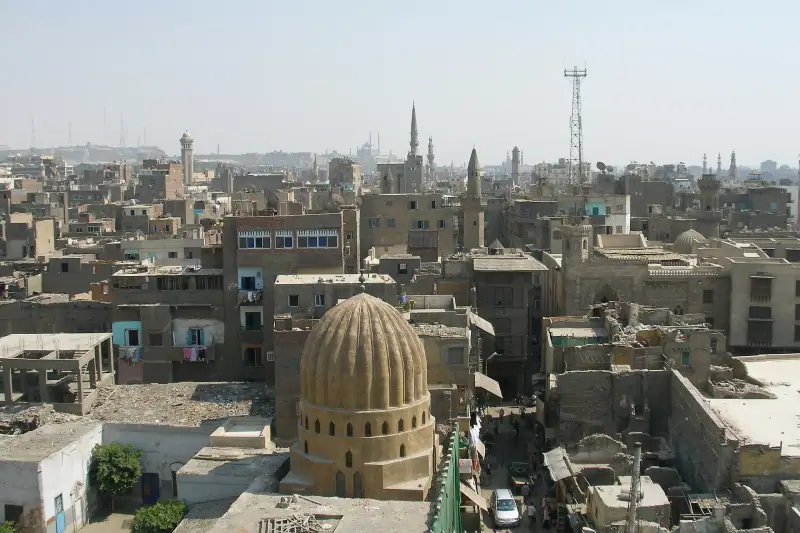
3 days
3 days in Cairo: a day-by-day itinerary from the pyramids to Islamic Cairo
What to do in 3 days in Cairo? Giza pyramids, museums, Coptic and Islamic Cairo, Saqqara: a realistic day-by-day itinerary with practical tips.
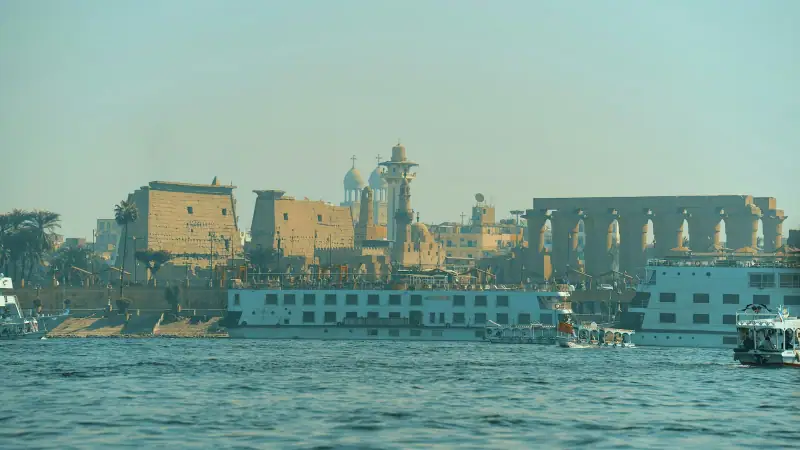
7 days
Egypt 7-day itinerary: Cairo, Luxor and Aswan in one week
CairoLuxorAswan