Things to do
Things to do in Cali: 14 activities and must-see visits
We may earn a commission when you book through links on this page, at no extra cost to you. We don't visit or try the places we cover: we summarize published sources. How we work
In short
- Plan at least 3 days for Cali's historic center, the Cristo Rey, San Antonio and a salsa night; 5 days adds Río Pance and the zoo.
- Salsa classes cost about 20,000 to 40,000 COP for 1 to 2 hours; salsoteca entry is 10,000 to 20,000 COP.
- The MIO bus costs about 3,000 COP a ride; Uber, InDriver and Cabify are recommended over street taxis at night.
- The Feria de Cali runs December 25 to 30: book lodging and flights several months ahead, as prices jump.
Cali is a city to be lived as much as visited. Capital of the Valle del Cauca department, nestled at about 1,000 meters (3,280 ft) of altitude in a fertile valley bordered by green mountains, Colombia’s third city is known around the world above all for one thing: salsa caleña, a dance style at once precise, sensual and frenzied that its residents practice with natural pride and contagious talent. But Cali is also a city of contrasts, between quiet colonial neighborhoods and busy streets, between lush nature and urban art, between tradition and modernity. Here are the 14 best activities to get the most from your stay in Cali.
1. Get introduced to salsa caleña
You cannot leave Cali without having danced, or at least watched, a salsa caleña session. This unique style, born in the 1950s in the city’s working-class neighborhoods, stands out for its fast footwork, upright posture and acrobatic figures. In Cali, salsa is not a tourist show: it is a daily practice, in bars, gardens, family parties and even supermarkets.
How to get started:
- Many dance academies offer beginner classes of 1 to 2 hours (20,000 to 40,000 COP), notably in the Granada and San Antonio neighborhoods. Book ahead because places go fast.
- The salsotecas of Juanchito and the center welcome all levels. The atmosphere is warm and Caleños are generally delighted to invite foreigners to dance.
- During the Feria de Cali (late December), the salsa parades in the streets of the center are a free, unforgettable show.
The best salsotecas: Tin Tin Deo (legendary, Juanchito), Zaperoco (vintage atmosphere, center), Changó (younger, nightlife). Entry between 10,000 and 20,000 COP, with a mandatory drink purchase in some venues.
2. The Cristo Rey: a panorama over the whole valley
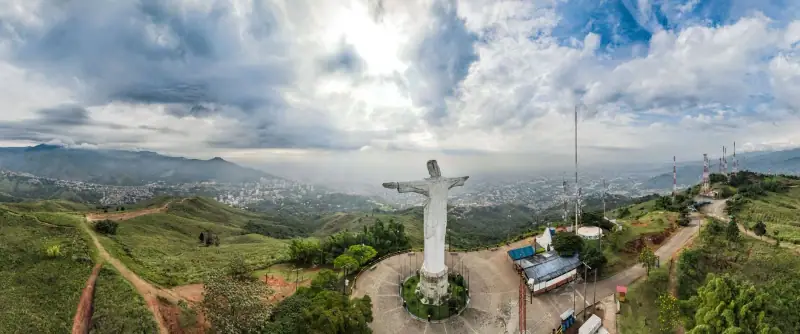
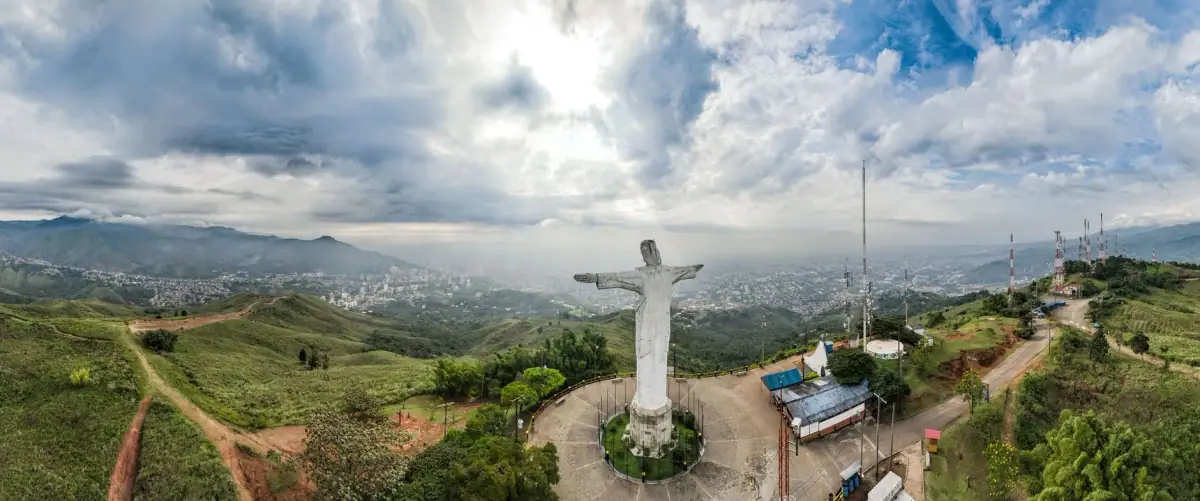
The Cristo Rey statue overlooks Cali from the hill of the same name, at about 1,440 meters (4,725 ft) of altitude. Erected in 1953 to commemorate 50 years of peace after the Thousand Days’ War, this 26-meter (85 ft) concrete statue, similar in spirit to the Cristo Redentor in Rio de Janeiro, offers an exceptional panorama over the whole Cauca valley, Cali’s rooftops and the Andean mountains on the horizon.
Practical information:
- Access by car or taxi (about 15,000-20,000 COP from the center) on a winding road through the forest
- Tourist buses serve the site on some weekends from the Plaza de Caycedo
- Free entry, site open all day
- Best time: early morning (light mist in the valley) or late afternoon for the golden light
The climb is pleasant on foot if you are fit (about 1 h 30 from the San Antonio neighborhood), along a forest path, but returning by taxi is more practical.
Tours and activities in Cali
City tours, salsa classes, excursions in the Cauca valley and much more.
3. The San Antonio neighborhood: Cali’s bohemian soul
San Antonio is Cali’s most charming and most photographed neighborhood. Perched on a hill southwest of the historic center, it keeps its colorful colonial houses, cobbled lanes, bougainvillea overflowing with flowers and a relaxed atmosphere that contrasts with the energy of the rest of the city.
What to do in San Antonio:
- Wander the sloping streets of brightly painted houses
- Visit the Iglesia San Antonio (18th century), whose forecourt offers a nice view over the rooftops
- Explore the many artists’ studios, galleries and designer shops along the lanes
- Have a drink or dinner in one of the café-restaurants with a terrace; the neighborhood is known for its creative tables
- Attend the San Antonio festival if you visit in June (music, art and food)
San Antonio is especially pleasant in the late afternoon and evening, when its bars and restaurants are in full swing.
4. The Zoológico de Cali: one of the best in South America
The Zoológico de Cali is regularly cited among the best zoos in Latin America, and for good reason: its roughly 2,500 animals belonging to more than 233 species (about 85% of them Colombian species) live in spacious, green enclosures along the Río Cali. The focus is on Colombian fauna: Andean tapirs, jaguars, coatis, giant lizards, anacondas and an impressive collection of tropical birds.
Highlights:
- The big cat section (jaguars, pumas, ocelots)
- The freshwater fish aquarium with species from Amazonian rivers and the Cauca
- The open, immersive tropical aviary
- Environmental education programs (guided tours available)
Practical information:
- Open daily from 9 am to 4:30 pm
- Adult fare: about 40,000 COP; child: about 30,000 COP
- Located in the middle of the city, by the river; access by MIO or taxi
5. The Iglesia La Ermita and the historic center
Cali’s historic center is far more pleasant than you might imagine from its surroundings. The Plaza de Caycedo, the former Plaza Mayor, is the city’s living heart, with its giant palms, the full-length statue of Joaquín de Caycedo y Cuero and its Haussmann-style institutional buildings from the 1930s.
A short walk away, the Iglesia La Ermita is Cali’s most photographed church. Neo-Gothic in style, built on the bank of the Río Cali (rebuilt between 1930 and 1948 after the 1925 earthquake that destroyed the original 17th-century building), it has an immaculate white facade contrasting with its colorful stained glass.
Other center highlights:
- The Catedral de San Pedro (18th century, baroque, opposite the Plaza de Caycedo)
- The Palacio Nacional (1933, French neoclassical style, now a courthouse)
- Calle 5 (Avenida Colombia), the main artery along the Río Cali
The center is lively and safe by day until about 6 pm. Avoid late hours and keep your belongings in view in crowds.
6. The Museo La Tertulia: Colombian contemporary art
The Museo de Arte Moderno La Tertulia is Cali’s main art museum. Founded in 1956, it houses a significant permanent collection of modern and contemporary Colombian art, with works by Débora Arango, Lucy Tejada (painter and printmaker), Alejandro Obregón and other major figures of national art.
The museum also stages temporary exhibitions by Latin American artists and has a cinematheque regularly screening arthouse films.
Practical information:
- Open Tue-Sat 10 am-6 pm, Sun 10 am-2 pm, closed Monday
- Entry: about 10,000 COP (adult), free on Sunday morning
- Located by the river, in the El Peñón neighborhood
7. The Gatos de Tejada: the walk of the bronze cats
One of Cali’s most original walks is the search for the Gatos de Tejada, a collection of life-size bronze cat sculptures scattered through the streets of the San Fernando neighborhood and surroundings. These works by the sculptor Hernando Tejada Sáenz (1924-1998), born in Pereira and settled in Cali, have become icons of the city.
The original sculpture, the large reclining black cat, is at Av. 4 Oe. #Oeste-190, barrio Normandía, on the Avenida del Río (north bank of the Río Cali, northwest of the city). From there, several other cats mark a route of a few kilometers through quiet residential neighborhoods. A playful, free and original walk to discover the city off the classic tourist circuits.
Hotels in Cali
Colonial boutique hotels, comfort and budget options in Cali's best neighborhoods.
8. La Buitrera and the Río Pance: natural coolness
On hot Cali days, residents flee to the Río Pance and its surroundings south of the city. This mountain river with clear water, framed by Andean forest, is the ideal place to swim, picnic and cool off. The La Buitrera area is the busiest, with small restaurants serving fresh fruit, chicha and grilled food by the water.
Practical tips:
- Prefer a weekend mid-morning to find a good spot before the crowds
- Access is by shared bus from the center (Pance line, about 2,500 COP) or by taxi/ride-hail
- The road follows the mountain and crosses several residential neighborhoods and gradually wilder natural areas
- Some operators offer rafting excursions on the faster sections of the river (depending on seasonal flow)
9. The Parque del Amor and the Río Cali promenade
The landscaped promenade along the Río Cali is one of the city’s most successful urban rehabilitations. It links several central neighborhoods through gardens, fountains, sculptures and rest areas. The Parque del Amor (Love Park), with its colorful mosaics and romantic statues, is a pleasant stop for a break.
On Sunday mornings, part of these promenades is included in Cali’s Ciclovía, which closes some arteries to cars for cyclists and walkers, a nice way to discover the city at your own pace.
10. The Plaza de Toros Cañaveralejo and the Feria de Cali
The Feria de Cali (December 25 to 30) is the event of the year in the city. These six days of intense festivities mix salsa concerts, chiva rumbera parades (decorated traditional buses turned into mobile dance floors), bullfights at the Plaza Cañaveralejo (one of the largest in South America), craft exhibitions and street parties in every neighborhood.
Note that bullfighting will be banned in Colombia from 2027 (a law set a three-year transition period): check before planning a bullfight. If you visit Cali outside the Feria, the Plaza de Toros Cañaveralejo can be seen from the outside and is a notable architectural landmark. Cultural events (concerts, exhibitions) are sometimes held there outside the bullfighting season.
Tip: If you plan your stay in December, book lodging and flights several months ahead; prices soar during the Feria and rooms go within hours.
11. The Jardín Botánico Juan María Céspedes
Less known than Medellín’s, the Cali Botanical Garden deserves a visit for its collections of tropical and Andean plants from the Valle del Cauca region. It is especially known for its orchids (Colombia is the world’s number one country for orchid biodiversity) and its indigenous medicinal plants.
The garden also offers a peaceful atmosphere, ideal for a break in the day away from urban bustle. Guided tours help you understand the region’s biodiversity better.
Practical information:
- Open on weekdays from 8 am to 5 pm, partially closed on weekends (check before)
- Symbolic entry fee (a few thousand COP)
- Reachable from the El Peñón neighborhood
Car rental in Cali
To explore the Cauca valley, Buenaventura or the coffee villages around Cali.
12. The Granada neighborhood: food and nightlife
Granada is Cali’s trendiest and most cosmopolitan neighborhood, comparable to El Poblado in Medellín. Its 1940s residential streets have gradually been converted into gourmet restaurants, cocktail bars, art galleries and designer shops.
Avenida 9 Norte and its cross streets concentrate most of the good addresses. In the evening, terraces fill with a mixed crowd (well-off residents, expats, travelers) in a relaxed, festive atmosphere.
It is also the neighborhood of choice for finding quality salsa classes in the morning, before the hot afternoon hours. To organize your lodging in this neighborhood or elsewhere in Cali, the guide to the best places to stay in Cali compares all options by neighborhood and budget.
13. Excursion to Buenaventura and the Pacific coast
About 120-124 km (75-77 mi) west of Cali by the Farallones road (1 h 55-2 h 15 by car depending on conditions), Buenaventura is the main port on the Colombian Pacific and the gateway to one of the continent’s wildest and most biodiverse coasts.
The surroundings of Buenaventura offer unforgettable experiences:
- Humpback whale watching from June to November in the Bahía Málaga (reachable by lancha from Buenaventura, ~1 h)
- Diving and snorkeling in water with exceptional visibility
- Visits to the Afro-Colombian communities of the mangroves and their distinctive culinary traditions
Note that Buenaventura is a city with significant social disparities; organized tours from Cali are recommended over an independent visit. See the guide to the Colombian Pacific coast for more information.
14. The El Peñón and Centenario neighborhoods: architecture and cafés
To conclude your exploration of Cali, the El Peñón and Centenario neighborhoods deserve half a day. El Peñón, with its Mediterranean-style houses and flowered gardens around the park of the same name, is the most restful neighborhood in the city, ideal for a Sunday brunch or a quiet afternoon.
Centenario adjoins the zoo and holds the La Tertulia Museum: its shaded streets and literary cafés make it a pleasant cultural neighborhood. The Parque Centenario, laid out in the late 19th century and renovated for the 1910 independence centennial celebrations, is a green space liked by Caleño families.
Practical tips for visiting Cali
Getting around Cali
The MIO (Masivo Integrado de Occidente), Cali’s bus rapid transit system, is the cheapest way to get around (about 3,000 COP a ride). It serves the city’s main axes but can be crowded at rush hour.
For night trips or to less served areas, the Uber, InDriver and Cabify apps are reliable and safer than street taxis. If you take a taxi, always negotiate the price before getting in.
Daily budget in Cali
Cali is slightly cheaper than Bogotá or Medellín for food and lodging:
- Low budget: €35-55 (about $41-64) a day (hostel + neighborhood restaurants + public transport)
- Mid-range: €70-100 (about $81-115) a day (decent hotel + good restaurants + activities)
- Comfort: €130-200 (about $150-230) a day (boutique hotel + fine food + private tours)
To optimize your budget across your whole trip, see the guide to the budget for traveling in Colombia.
When to visit Cali
At 1,000 meters (3,280 ft) of altitude, Cali enjoys a hot but moderate climate (25-30 °C / 77-86 °F by day). The dry seasons (December-March and July-August) are the best periods. The Feria de Cali in late December is the most festive period, but also the busiest and most expensive. The guide to the best time to visit Colombia will help you choose the ideal date for your interests.
Safety in Cali
Cali has a more mixed reputation for safety than Medellín or tourist Bogotá. A few basic rules let you travel without problems:
- Stay in the tourist neighborhoods indicated (Granada, San Antonio, El Peñón, El Centro by day)
- Avoid displaying phones, cameras and jewelry in crowded areas
- Accept no drink from complete strangers (burundanga, an incapacitating drug, is a reality in Cali)
- Ask your lodging about the areas to avoid at the time of your visit
With these precautions, the vast majority of travelers have a stay in Cali without the slightest incident, and leave won over by the energy and warmth of the city.
Cali is a destination that has to be earned and rewards those who take the time to discover it beyond the clichés. From salsa danced until dawn in the salsotecas of Juanchito to the dizzying panoramas of the Cristo Rey, from the colonial charm of San Antonio to the natural richness of the Río Pance, the “Sucursal del Cielo” (Branch of Heaven), as its residents fondly call it, has more than one trick up its sleeve. To plan your stay, start with the complete Cali guide, which covers all the practical information, and see the 7-day Colombia itinerary to fit Cali into a wider circuit.
Frequently asked questions
How many days do you need to visit Cali?
Plan at least 3 days to see the essentials of Cali: the historic center, the Cristo Rey, the San Antonio neighborhood and a salsa evening. With 5 days you can add an excursion to Río Pance and the Zoológico and explore the surroundings of the Cauca valley.
Is Cali safe for tourists?
Cali's tourist neighborhoods (Granada, San Antonio, El Peñón and the historic center by day) are generally safe for vigilant travelers. Stay in these areas in the evening, use ride-hailing apps (Uber, InDriver) rather than street taxis, and ask your hotel for advice on areas to avoid given local news.
Where can you dance salsa in Cali?
Cali's best salsotecas are concentrated in the Juanchito neighborhood (east of the city) and in Granada. Among the best known: Tin Tin Deo (authentic atmosphere, every night), Zaperoco and Changó. Most open from 9 pm and the atmosphere peaks after 11 pm. Entry is between 10,000 and 20,000 COP.
What is the best time to visit Cali?
Cali is pleasant all year thanks to its altitude (1,000 m / 3,280 ft). The dry season (December to March, July to August) is ideal for sightseeing. If you want to attend the Feria de Cali, plan your visit for late December (December 25-30): concerts, salsa parades and an exceptional festive atmosphere.
How do you get around Cali?
The Masivo Integrado de Occidente (MIO), Cali's bus rapid transit, covers most of the city for about 3,000 COP a ride. Ride-hailing apps (Uber, InDriver, Cabify) work well for night trips or to less served neighborhoods. Official taxis exist but always negotiate the price before getting in.
More Colombia guides
Keep reading
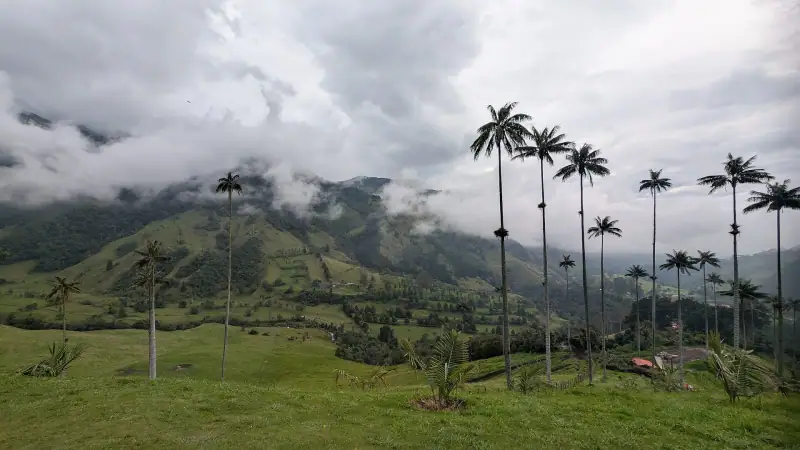
Valle de Cocora without a guide: jeep, prices, loop and difficulty
Hiking the Valle de Cocora without a tour: Willys jeep from Salento, prices, which loop to pick, difficulty and mistakes to avoid. A practical guide.
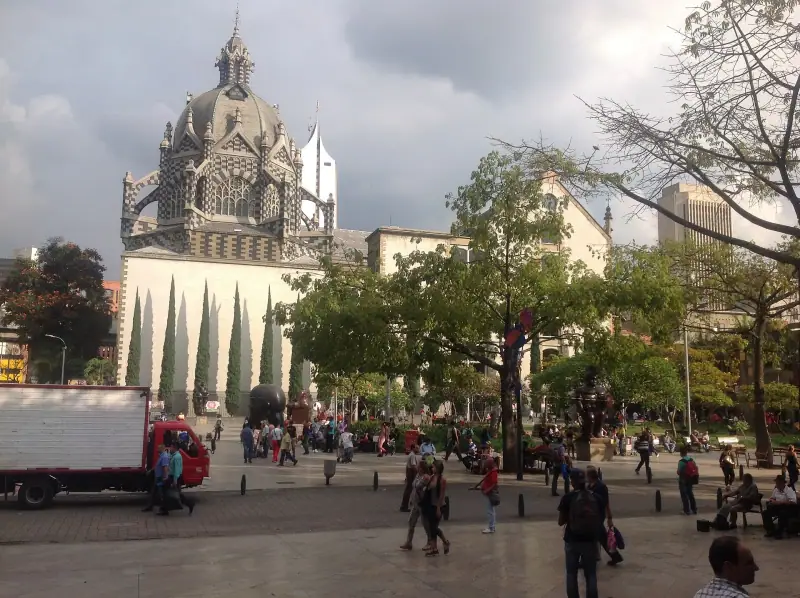
Things to do in Medellín: 15 activities and must-see visits
Top 15 things to do in Medellín: Comuna 13, Parque Arví, Guatapé, Museo de Antioquia. A complete guide to Colombia's most innovative city.
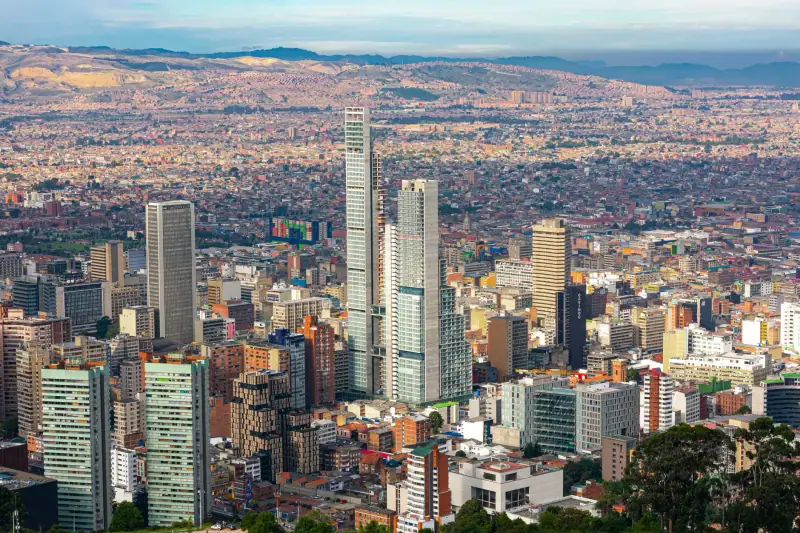
Visiting Bogotá: a complete guide to Colombia's capital
Everything you need to visit Bogotá: La Candelaria, Museo del Oro, Monserrate, Usaquén, budget, transport and practical tips for 2026.
Ready-made
Colombia itineraries

20 days
Colombia road trip: a 3-week itinerary by car
A 3-week Colombia road trip from Bogotá to Cartagena via the Andes, the coffee region and the Caribbean coast. Routes, stops and practical tips.
11 days
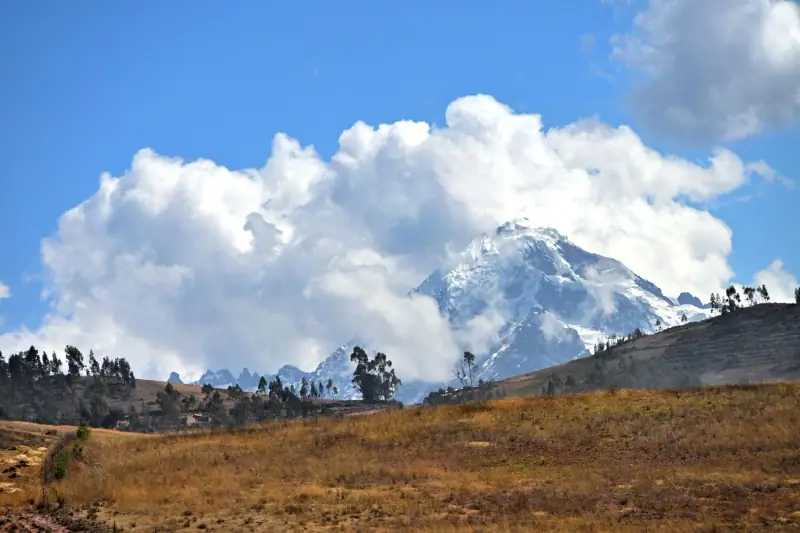
Colombian Andes road trip: mountain ranges, colonial towns and coffee country
The Colombian Andes in 10 to 12 days: Villa de Leyva, Barichara, Medellín and Salento. Stage-by-stage route, practical tips and where to stay.
10 days
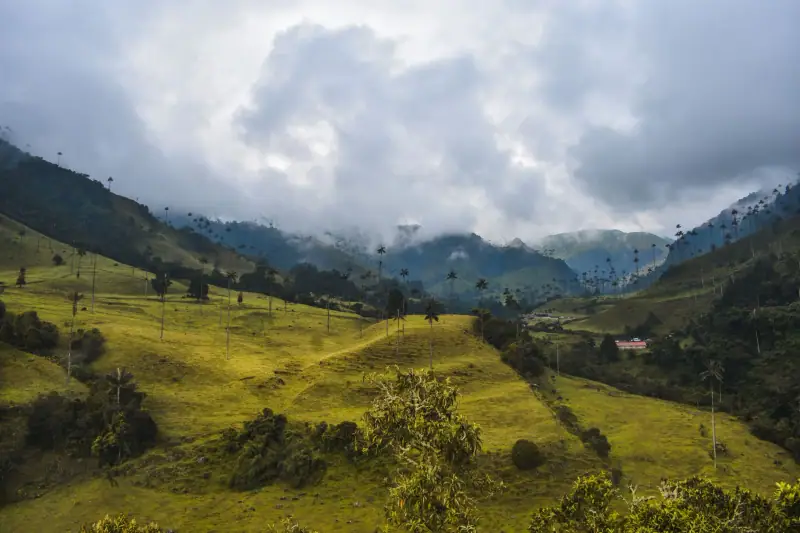
Colombia in 10 days without a car: a realistic itinerary by plane and bus
Colombia in 10 days without renting a car: Bogotá, Medellín, Salento, Cartagena. Stops, distances, travel times, flights and buses, transport budget.