What to see
Visiting Hong Kong: neighborhoods, highlights and tips for a first stay
We may earn a commission when you book through links on this page, at no extra cost to you. We don't visit or try the places we cover: we summarize published sources. How we work
In short
- Three days cover the essentials: Hong Kong Island and the Peak, Kowloon's markets, and a day on Lantau. Four or five days let you add islands, hiking or Macao.
- The Peak, the Star Ferry and a Kowloon market are the classic trio. Go to the Peak early or on a weekday to avoid long waits.
- The MTR metro serves most neighborhoods; a rechargeable Octopus card pays for metro, buses, trams and ferries.
- Autumn, October to December, is generally the most pleasant season. Hong Kong is clearly pricier than the national average, especially for lodging.
Hong Kong is a territory apart: a vertical city squeezed between a bay and forest-covered hills, where glass towers, incense-filled temples, trams from another century and street markets all meet. A former British colony handed back to China in 1997, it is now a special administrative region, with its own entry regime, its own currency and a very strong character.
It is also one of the easiest gateways to China. English is very present in transport and tourist places, everything is well signed, and you can taste Cantonese cuisine, ultra-modern architecture and surprising natural landscapes, all within an hour of the center. This guide presents the neighborhoods to know, the highlights and the practical organization of a first stay. For the rest of the country, start with our guide to preparing your formalities.
Key points:
- Three days are enough for a first look, four or five to breathe
- Sleeping near a metro station matters more than the exact neighborhood
- The Peak, the Star Ferry and a Kowloon market form the classic trio
- Nature is everywhere: islands, trails and beaches are close to the center
Understanding Hong Kong’s geography
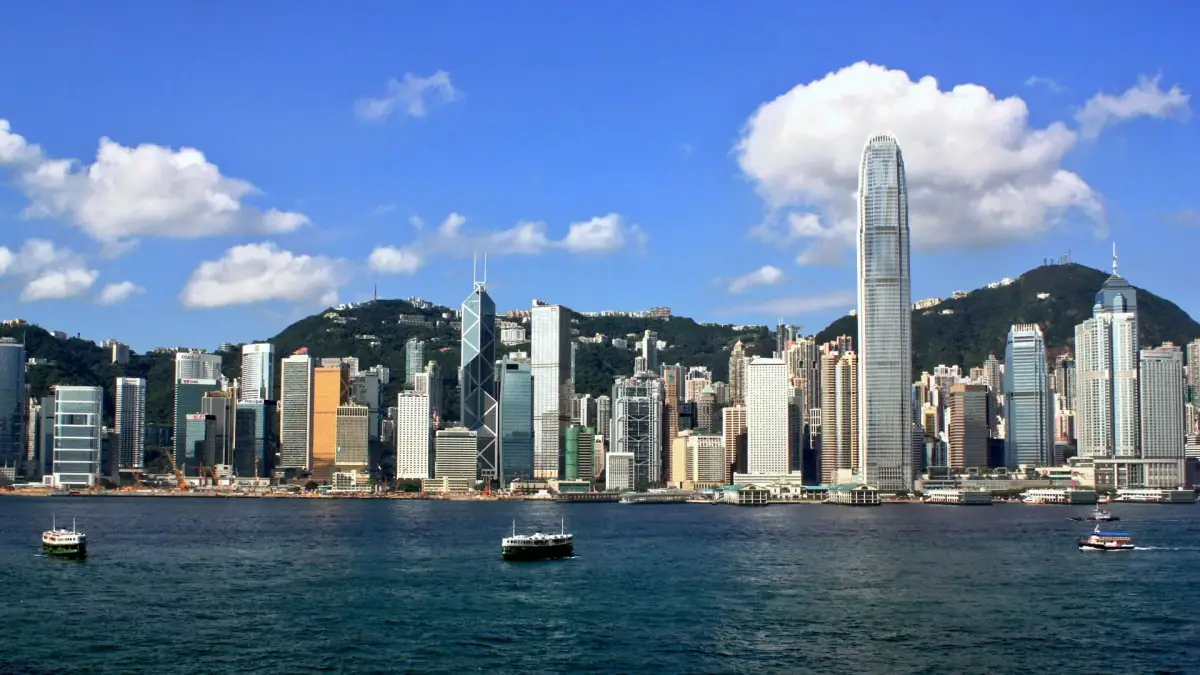
Before planning, it helps to grasp the structure of the territory, which boils down to four main zones. Hong Kong Island, south of Victoria Harbour, is the financial and historic center: Central, Admiralty, Wan Chai and Causeway Bay follow one another along the north coast. Kowloon, on the opposite shore, is a dense, working-class peninsula, with Tsim Sha Tsui at its tip, then Yau Ma Tei and Mong Kok to the north. The New Territories, farther north, mix new towns, countryside and nature parks. Finally, the islands, including Lantau (the largest, which also holds the airport), Lamma and Cheung Chau, offer a clearly calmer atmosphere.
Victoria Harbour separates Hong Kong Island from Kowloon. You cross it in a few minutes by metro under the water, or by ferry, which is far more pleasant. This crossing is, in fact, one of the classics of a stay.
Hong Kong Island: Central, the Peak and the city’s atmosphere
Central is the district of banks and skyscrapers, but it also keeps pieces of the old town. Climbing toward the slopes, you find alleys full of shops, galleries and small hidden spots. A long system of outdoor escalators links the bottom of the district to the higher residential areas: it is a fun way to go up, and a good lookout on daily life.
In the Sheung Wan district, the Man Mo Temple, dedicated to the gods of literature and war, is a fine example of a traditional temple: large spirals of incense hang from the ceiling and the atmosphere is quiet, among the towers. The nearby streets are known for their shops of antiques, teas and dried goods.
The Peak, the classic view
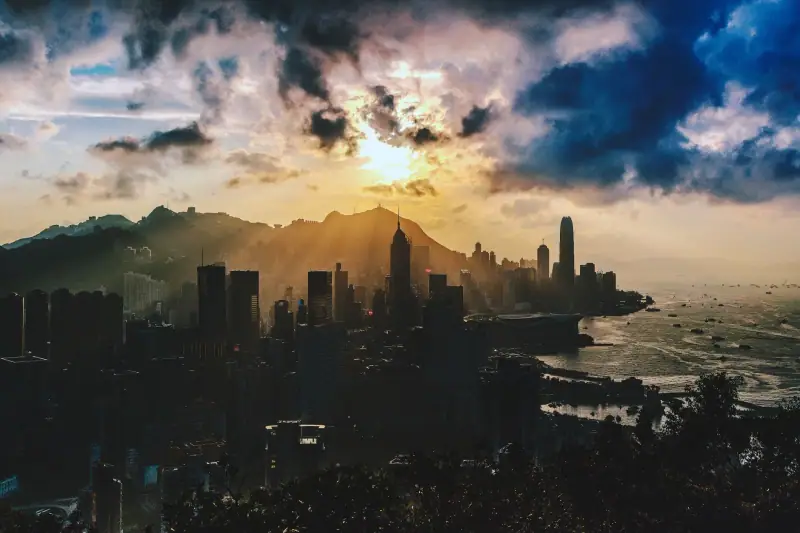
Victoria Peak towers over the island and offers the city’s most famous view: the towers at your feet, the bay and Kowloon in the distance. Traditionally you go up on the Peak Tram, a funicular that has run since the late 19th century, but buses and taxis also lead there. The wait can be long in high season, especially late in the afternoon: come early in the morning or on a weekday if possible.
Choose your moment according to the weather: in clear skies, sunset followed by nightfall makes a remarkable show, but haze or clouds can hide the whole view. If the forecast is bad, postpone the ascent to the next day rather than paying for nothing. A looping walking trail around the hill lets you stretch your legs and get different views.
Where to stay in Hong Kong?
Hotels in Central, Tsim Sha Tsui or Causeway Bay, to compare for your dates and budget.
Wan Chai, Causeway Bay and the trams
East of Central, Wan Chai combines neighborhood markets, bars, restaurants and big convention centers. Causeway Bay is rather the realm of shopping, with its department stores and shopping streets packed with people late in the day. Between the two, the old double-decker trams run along the island’s north shore from west to east. They are slow, cheap and offer a picturesque view of the street from the upper deck: a very simple way to discover the island without stress.
Kowloon: markets, neon and neighborhood life
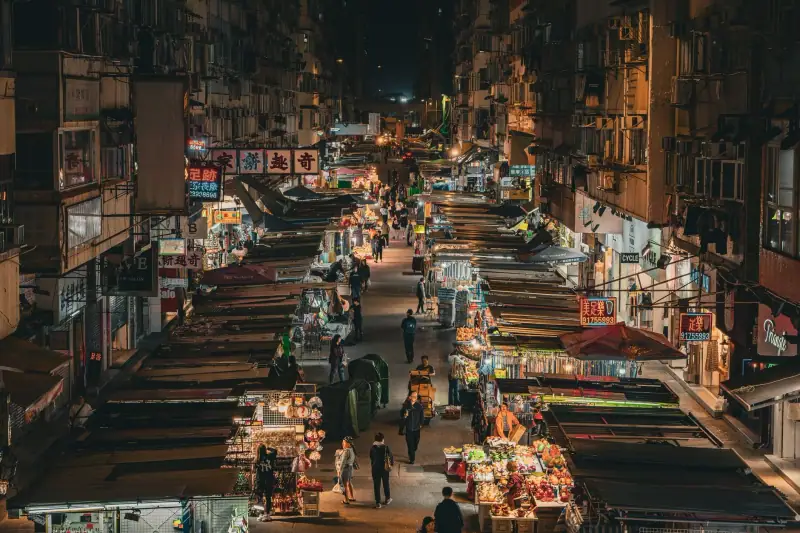
Crossing the harbor to Kowloon means changing atmosphere. Tsim Sha Tsui, right at the tip of the peninsula, is the district of the big museums, hotels and the waterfront promenade, from which you look at the skyscraper facade of the island opposite. In the evening, a sound and light show stages the towers on both sides of the bay: times and programming can change, so check locally.
Farther north, Yau Ma Tei and Mong Kok form one of the densest areas in the world. This is where you find the liveliest markets: the Temple Street night market, the flower market, the bird market, the goldfish market and specialized streets. Neon signs overlap, stalls overflow, and you eat on every corner. It is noisy, intense and very photogenic. Plan to spend the evening there, and have small change at hand.
For urbanism fans, it is striking to see how tall and tightly packed the residential buildings are. Look up: you quickly understand why the city is famous for its verticality.
The Star Ferry, a crossing not to miss
The Star Ferry has linked Kowloon to Hong Kong Island for over a century. The crossing lasts only a few minutes, costs very little, and offers arguably one of the finest urban views in the world for the price. Take it preferably at sunset or nightfall, when the towers light up.
Guided tours in Hong Kong
Neighborhood tours, food walks and guided excursions, to compare and book in advance.
Lantau Island: the Giant Buddha and a fishing village
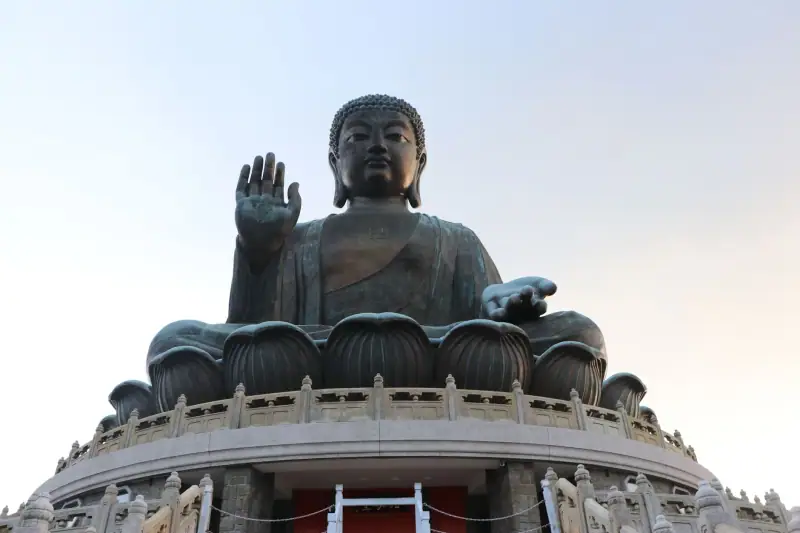
Lantau is the big day trip from the center. The island is home to the Tian Tan Buddha, an immense seated bronze statue, set high up near Po Lin Monastery. You reach it by a staircase of several hundred steps, and the view over the surrounding hills is worth the effort. You can reach the Ngong Ping area by cable car from Tung Chung, or by bus: the cable car offers a superb view of the sea and mountains, but it can be closed in bad weather or for maintenance, so check before you go.
On the coast, the fishing village of Tai O is known for its stilt houses and small shops selling dried goods. Allow time to wander the alleys and, depending on the season, try a boat ride to spot the region’s pink dolphins, with the usual caveats: sightings are never guaranteed.
The international airport is also on Lantau. An express train links the airport to the center in a little under half an hour, which makes arrival particularly simple.
Nature, islands and hikes: the other face of Hong Kong
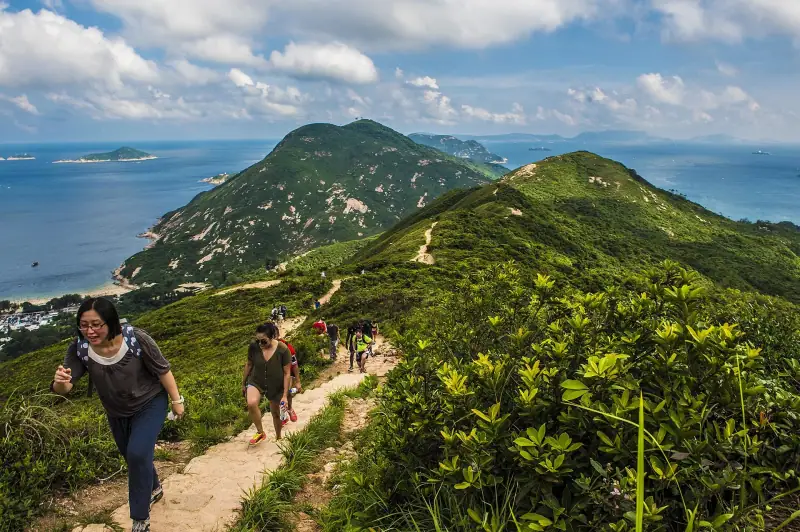
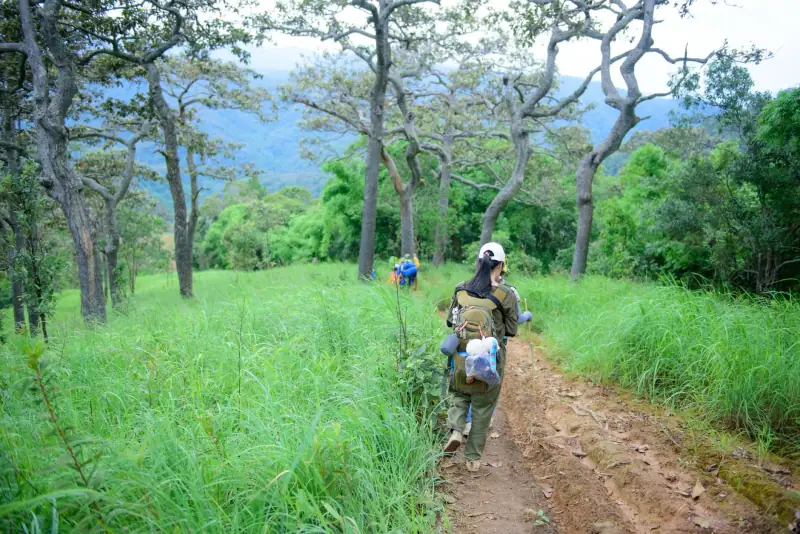
It is often overlooked, but a large part of the territory is made up of nature parks. The well-marked hiking trails offer views of the sea, secluded beaches and vegetation-covered hills. It is one of Hong Kong’s assets: you can spend the morning among towers, and the afternoon on a coastal trail.
Lamma Island, reached by ferry from the center, is a popular destination. There are no cars: you get around on foot, among small villages, trails and waterfront seafood restaurants. Cheung Chau, another island with a very village feel, appeals with its alleys, beaches and old-fashioned seaside resort atmosphere. These escapes are easy to do in a day and are ideal if you are looking for a bit of calm after the bustle of Kowloon.
If you hike, preferably start in the cool hours, bring water and check the weather. In summer, heat and humidity are punishing, and storms or typhoons can disrupt transport. In the cool season, conditions are much more pleasant.
What to eat in Hong Kong: dim sum, roasts and street food
Hong Kong’s cuisine is first of all Cantonese. Dim sum, those small steamed bites (shrimp dumplings, filled buns, rice rolls), is traditionally eaten in the morning and early afternoon, with tea, in big lively halls. You will also find lacquered and roast meats (pork, duck, goose), served over rice or noodles, as well as dumpling and noodle soups.
Hong Kong is also known for its cha chaan teng, popular cafés that mix Cantonese and British influences: milk tea, toast, noodle soup and small lunch dishes. In the street, people snack on fish balls, bubble-shaped waffles and other cheap snacks. For a panorama of cuisines across the country, see our article on regional cuisines of China.
For a first approach, a food walk with a guide helps you find good places to eat and understand the dishes, which is valuable if you do not read Chinese.
Food tour and dim sum tasting
Food walks and cooking classes in Hong Kong, to taste local specialties with a guide.
Organizing your stay: transport, money, entry
The MTR metro is the backbone of getting around. It is fast, air-conditioned and clearly signed in English as well as Chinese. The rechargeable Octopus card pays for the metro, buses, trams and ferry, and also works in many shops. Trams and the Star Ferry remain both practical and pleasant for watching the city.
The currency is the Hong Kong dollar, distinct from the Chinese yuan. Bank cards are widely accepted, but keep some cash for the markets. For a general cost estimate, see our guide to the budget for a trip to China, keeping in mind that Hong Kong is clearly pricier than the national average, especially for lodging.
On entry, Hong Kong has its own regime, and crossing to mainland China is a border with controls. Entry rules depend on your passport. Check the official travel advice of your government before you book: travel.state.gov (US), GOV.UK (UK), travel.gc.ca (Canada), Smartraveller (Australia) (checked November 2026). More in our article on China entry formalities.
Electrical outlets are British-style (three rectangular pins): bring a plug adapter if your devices use a different plug. Pack one before you arrive rather than looking for one after you arrive.
A three-day itinerary to get your bearings
Day 1: Hong Kong Island. Morning in Central and Sheung Wan (Man Mo Temple, alleys, escalators), lunch in a neighborhood restaurant, then up to the Peak in late afternoon for sunset. Dinner in Wan Chai or Causeway Bay.
Day 2: Kowloon. Star Ferry crossing in the morning, waterfront walk in Tsim Sha Tsui, then the Yau Ma Tei and Mong Kok markets in the afternoon. Night market in the evening, with a street food dinner.
Day 3: Lantau. Early start toward Ngong Ping, visit the Buddha and the monastery, then lunch or a stroll in Tai O. Back in town late in the afternoon.
If you have one more day, slip in a day on Lamma Island or a hike in the hills. With more time, Macao can be reached by ferry or by road, and can be a day on its own. Hong Kong is also a good starting point toward the rest of the country: after the south, see for example Shanghai in 3 days to continue your trip.
When to go to Hong Kong
Autumn, from October to December, is generally the best time: the weather is drier, the heat eases and the sky is clearer. Spring can be pleasant, but often misty and humid. Summer is hot, very humid and exposed to typhoons, which can disrupt transport. Winter is mild, with a few cool days. To compare seasons across the country, see our guide to when to go to China.
Tips to enjoy the city
A few habits simplify the stay. Avoid the big rush hours on the metro if possible. Keep a light umbrella: showers are frequent outside the dry season. Schedule outdoor visits early in the morning or late in the day in summer. Finally, accept that you will not see everything: Hong Kong is savored by wandering, and the best moments often happen by chance, in an alley, a small restaurant or a ferry crossing.
Frequently asked questions
Do you need a visa to visit Hong Kong?
Hong Kong is a special administrative region with its own entry rules, separate from those of mainland China. Entry rules depend on your passport. Check the official travel advice of your government before you book: travel.state.gov (US), GOV.UK (UK), travel.gc.ca (Canada), Smartraveller (Australia) (checked November 2026). Crossing into mainland China is governed by separate rules.
How many days do you need to visit Hong Kong?
Three days let you see the essentials: Hong Kong Island and the Peak, Kowloon with its markets, and a trip to Lantau Island. With four or five days, you add the islands, hiking and a day in Macao.
How do you get around Hong Kong?
The MTR metro serves most neighborhoods and is clean, frequent and well signed in English. Complement it with the Star Ferry, Hong Kong Island's trams and buses. A rechargeable card such as the Octopus simplifies all payments.
What is the best time to go to Hong Kong?
Autumn, from October to December, is generally the most pleasant season: drier weather, mild temperatures and often better visibility. Summer is hot, very humid and exposed to typhoons. Our guide to choosing when to go to China details the seasons.
Is Hong Kong expensive?
Lodging is the main expense, with rooms often small for their price. On the other hand, you eat very well cheaply in local restaurants, and transport remains affordable. Our article on the budget for a trip to China gives general landmarks.
Can you pay by card in Hong Kong?
Yes, international cards and mobile payments are widely accepted. Still keep some cash in Hong Kong dollars for small places, markets and some snacks.
More China guides
Keep reading
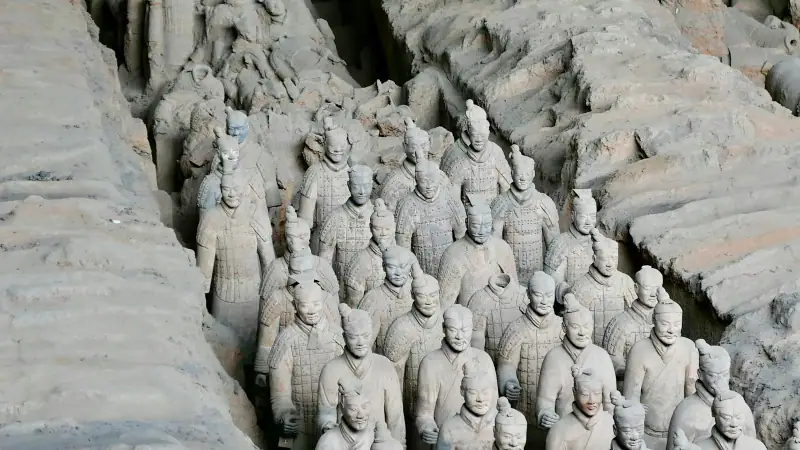
Terracotta Army: hours, prices, booking and getting there from Xi'an
Xi'an Terracotta Army: hours, fares, mandatory booking with passport, bus and metro from the center, and how to avoid the crowds.
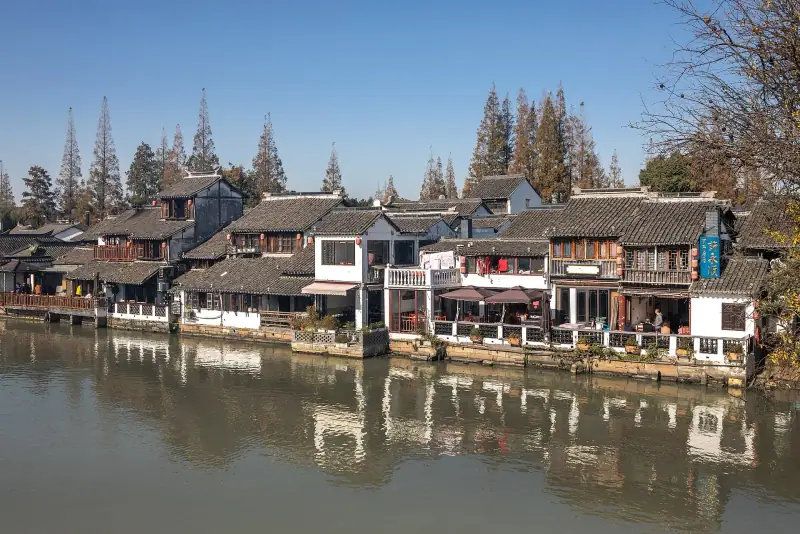
Zhujiajiao from Shanghai: metro, tickets and a half-day visit
Zhujiajiao, a water town near Shanghai: getting there on metro line 17, tickets, walking or boat routes, hours and tips to avoid the crowds.
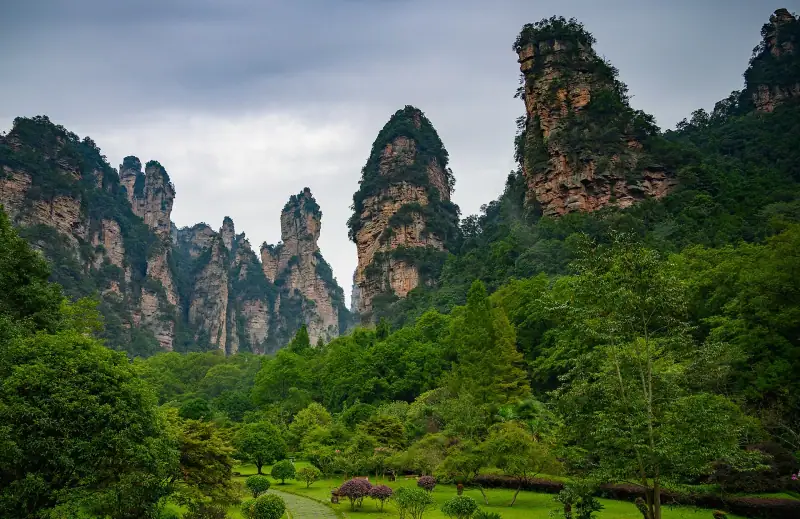
Complete guide to visiting China: regions, cities, highlights and tips
Visiting China: regions, cities, highlights, when to go, how to get around, where to stay and what budget to plan. The pillar guide to prepare your trip.
Ready-made
China itineraries
3 days
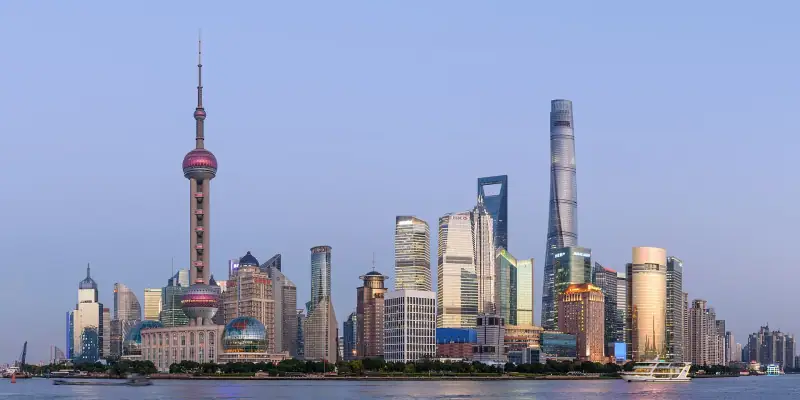
Shanghai in 3 days: the Bund, Pudong, the French Concession and gardens
What to do in Shanghai in 3 days? The Bund, Pudong skyscrapers, Yuyuan Garden, the French Concession and a possible day trip: a clear itinerary with tips.
3 days
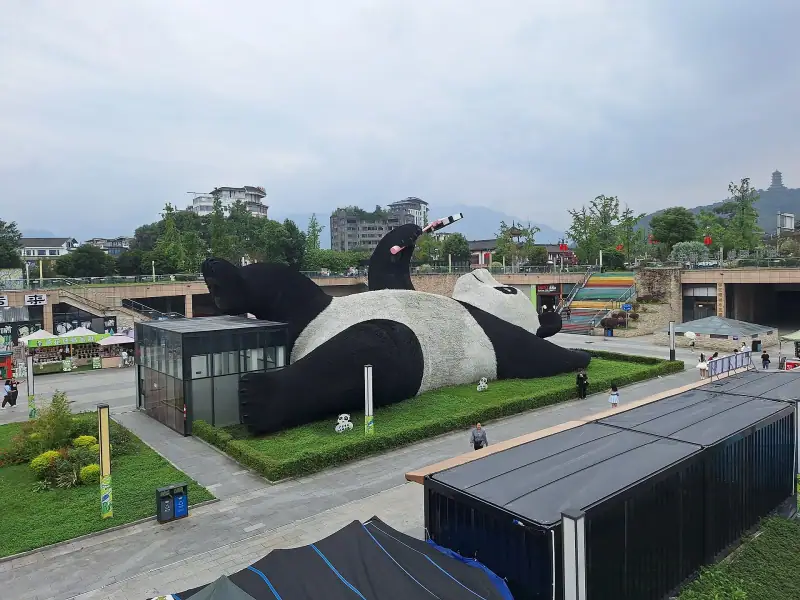
Chengdu in 3 days: pandas, Sichuan food and teahouses
What to do in Chengdu in 3 days? Giant pandas, old alleys, teahouses, Sichuan opera and a day trip to Dujiangyan: a clear, practical itinerary.
4 days
Beijing in 4 days: a complete itinerary and tips
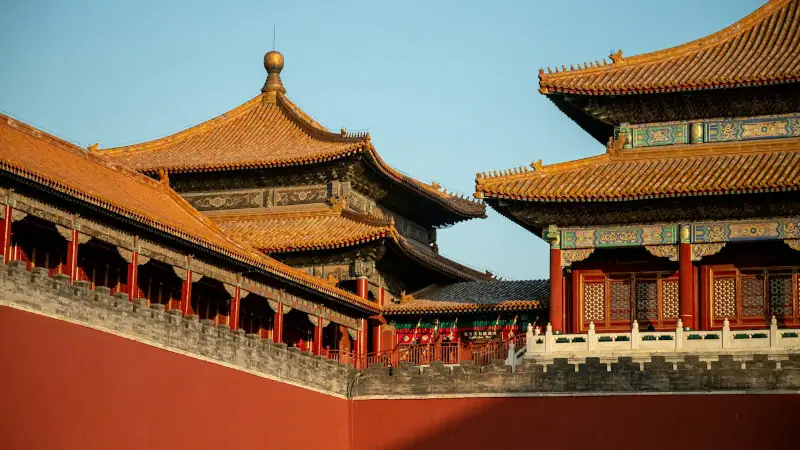
What to see in Beijing in 4 days? Forbidden City, Great Wall, Temple of Heaven, Summer Palace and hutongs: a day-by-day plan with the bookings to make.