What to see
Visiting Formentera: a complete guide to the pearl of the Balearic Islands
We may earn a commission when you book through links on this page, at no extra cost to you. We don't visit or try the places we cover: we summarize published sources. How we work
In short
- Formentera can only be reached by sea, from Ibiza Town to La Savina in 30 to 40 minutes; a one-way ticket is generally €20-35 (about $23-41) per person.
- Highlights: Ses Illetes and Llevant beaches, the Estany Pudent and Estany des Peix salt lagoons, Sant Francesc Xavier and the La Mola plateau with its lighthouse.
- Biking is the best way to get around; entering the island with a vehicle from June 1 to September 30 requires a paid authorization (check formentera.eco).
- Best periods are May-June and September-October; some businesses close between November and April.
There are places where you immediately understand why people come back every year. Formentera is one of them. The smallest inhabited Balearic island, a flat, slender silhouette barely visible from the coast of Ibiza, packs into less than eighty-five square kilometers (33 sq mi) some of the most spectacular beaches in the Mediterranean, salt-flat and pine-grove landscapes worthy of a nature park, and an end-of-the-world atmosphere that mass tourism has not yet entirely swept away. This complete guide tells you everything you need to know to visit Formentera.
How to get to Formentera
Formentera is reached only from Ibiza: the port of Ibiza Town (Eivissa) offers regular crossings to La Savina, Formentera’s main port.
The crossing takes between 30 and 40 minutes depending on the type of vessel. In high season (June to September), several companies run departures practically every half hour from 7 am until the evening. Tickets generally cost between €20 and €35 one way per person (about $23-41; allow double for a round trip). It is advisable to book online ahead in July and August, as some crossings are full the same morning.
Practical information for the crossing
- Departure port: Ibiza Town (Eivissa), ferry area
- Duration: 30-40 minutes
- Frequency: every 30-60 min in high season
- Indicative fare: €20-35 one way per person (about $23-41), depending on operator and season
- Luggage: most operators do not allow cars in summer; bringing a vehicle into Formentera requires a paid authorization from June 1 to September 30: check the rules on formentera.eco before you go
To reach Ibiza and combine the islands, see our guide to flights and ferries to the Balearic Islands.
Ses Illetes: the beach that rivals the Caribbean
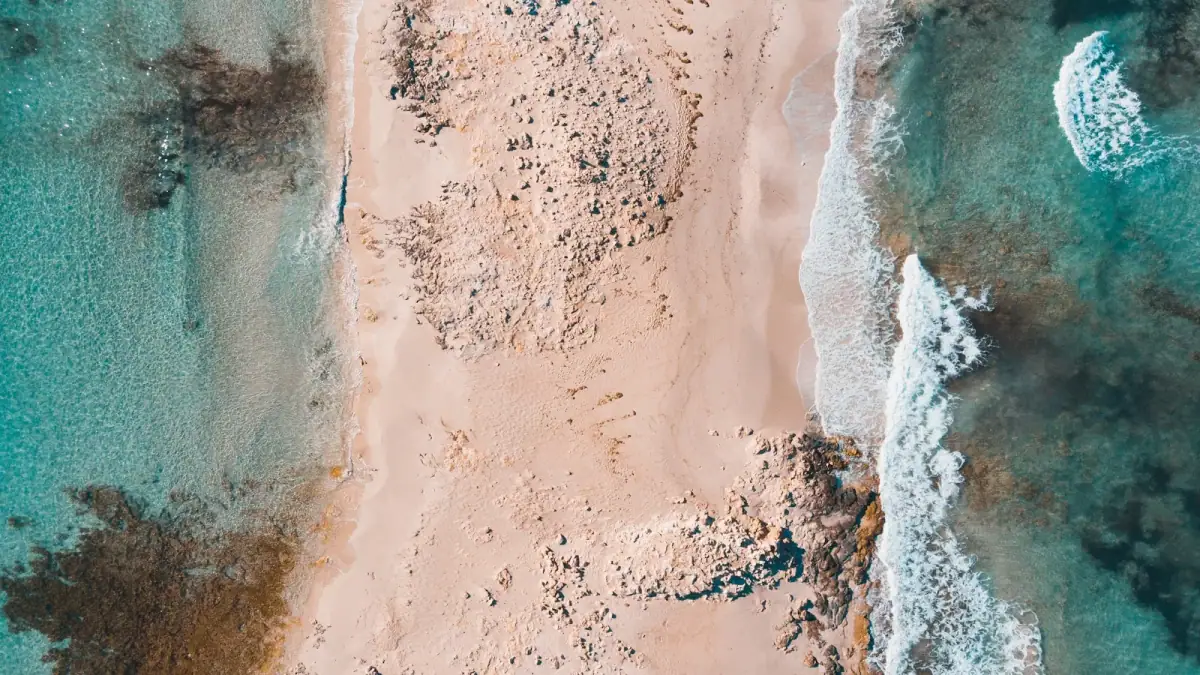
Formentera is known around the world largely thanks to Ses Illetes. This white sand spit of under two kilometers (1.2 mi), lined with turquoise water that would make the Caribbean pale, is regularly ranked among the most beautiful beaches in Europe. It stretches along the Trucadors peninsula, at the northern tip of the island, and owes its supernatural color to the shallow depth of the water and the purity of the posidonia meadows that carpet the bottom.
The Trucadors peninsula is a thin strip of sand that gradually narrows to Punta d’Es Trucadors, Formentera’s northernmost point. On each side, two beaches face each other: Ses Illetes to the west, facing Ibiza, and Llevant to the east, calmer and less busy. Walking to the end of the peninsula (about 20 minutes from the car park), you reach one of the most striking panoramas in the Balearic Islands.
How to get there
In high season, car access is limited or subject to a toll. The most practical way is to go by bike from La Savina (about 3.5 km, or 2.2 mi of easy bike path) or by taxi from Es Pujols. Beach shuttles also run from La Savina in summer.
The salt flats and marshes
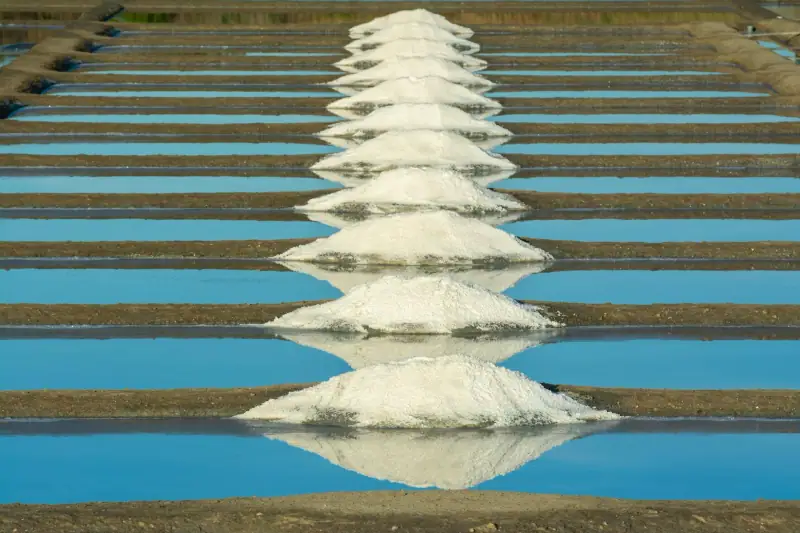
The north interior of Formentera is occupied by two protected natural lagoons: Estany Pudent (literally “the stinking pond”) and Estany des Peix (“the fish pond”). These two wetlands are part of a cross-island natural park with the Ibiza salt flats and are one of the best-preserved lagoon ecosystems in the Balearic Islands.
Estany Pudent is the larger of the two: an almost closed lagoon surrounded by tamarisks and rushes where many migratory bird species winter and pass through. Flamingos are almost guaranteed from fall to spring. A walking trail goes around it (about 10 km, or 6 mi, easily done by bike).
Estany des Peix, smaller and less salty, connects to the sea through a narrow channel. It is an excellent spot for watching seabirds and a soothing stop on the road between La Savina and Es Pujols.
Bike or scooter rental in Formentera
The best way to get around the island at your own pace. Compare the best rental offers on the island.
Sant Francesc Xavier: the relaxed capital
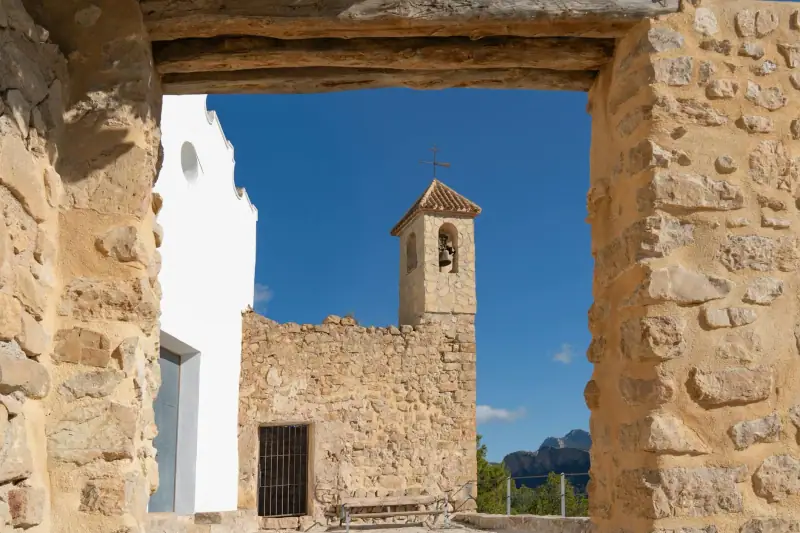
Sant Francesc Xavier (or simply Sant Francesc) is Formentera’s administrative capital and its liveliest village outside the Es Pujols resort area. The historic center is organized around a small square dominated by an 18th-century fortified church with thick walls, originally built to defend against Barbary pirate raids, a striking relic of the island’s turbulent history.
Around the square and in the adjoining lanes you will find the few shops, supermarkets and restaurants that make Sant Francesc the most practical village for stocking up or stopping for lunch. A crafts market is held there regularly in season; ask there for the hours, which vary from year to year.
Near Sant Francesc, the village of Sant Ferran de ses Roques deserves a short visit for its hippie and bohemian atmosphere, inherited from the 1960s when artists and alternative travelers made Formentera their refuge. The atmosphere is still palpable in a few bars and galleries.
The La Mola plateau and its lighthouse
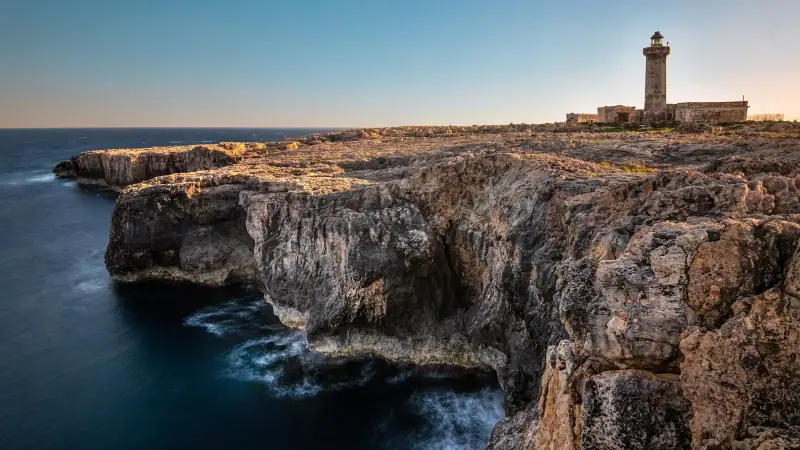
If Formentera is essentially flat, its eastern end hides a surprise: the La Mola plateau, a limestone massif that rises gradually from the center of the island and ends in steep cliffs dropping straight into the sea. This plateau, with a maximum altitude of about 190 meters (623 ft), offers the island’s most spectacular panoramas.
At the end of the plateau, the Far de la Mola (La Mola lighthouse) has watched over the island since 1861. It is associated with Jules Verne, who is said to have mentioned this lighthouse in Hector Servadac (1877). True or not, the place amply justifies the visit: sunset from the cliffs by the lighthouse, with the sea stretching to the horizon, is one of the most memorable experiences in the Balearic Islands.
The climb to La Mola
The La Mola road climbs from El Pilar de la Mola in a series of switchbacks. Brave cyclists can take the Cami de sa Pujada, an old paved mule track that climbs the side of the cliff, a hike of about 2 hours round trip from El Pilar.
At the top of the plateau, the village of El Pilar de la Mola is a pleasant stop: a few restaurants, a crafts market on Wednesday and Sunday in season, and a rural atmosphere far from the bustle of the seafront.
Diving and water activities
Formentera’s waters have exceptional clarity, directly linked to the presence of Posidonia oceanica meadows, a protected marine plant whose underwater prairies extend for kilometers off the coast. These meadows form a remarkable marine ecosystem, listed as UNESCO World Heritage (as part of Ibiza and Formentera’s salt flats), and play an essential role in the clarity of the water.
Scuba diving is especially developed around Formentera. The seabed hosts remarkable biodiversity: groupers, octopuses, moray eels, sunfish and, for experienced divers, sometimes seahorses among the posidonia. Dive centers operate from La Savina and Es Pujols.
Snorkeling is accessible from many beaches, notably Ses Illetes and Migjorn, where shallow and limpid water lets you see the bottom from the surface. Sea kayaking and stand-up paddleboarding (SUP) are also popular for exploring the coves and small inlets not reachable by land.
For water-activity fans, see our guide to the best beaches of the Balearic Islands, which details the spots by activity.
Excursions and activities in Formentera
Snorkeling, kayak, boat tours to secret coves, guided diving: book your activities ahead.
Food in Formentera
Formentera’s cooking is part of the Balearic tradition while reflecting the self-sufficient island culture that long characterized Formentera. Seafood naturally has a central place.
Specialties to try
- Bullit de peix: fish stew in the manner of local fishermen, served with rice cooked in the fish broth (arròs a banda). One of the best introductions to Balearic cooking.
- Sobrasada and botifarró: Balearic paprika cured meats, to enjoy as pa amb oli (bread with olive oil and rubbed tomatoes).
- Grilled lobster: lobster (llagosta) is considered the flagship product of Formentera’s sea. Seaside restaurants generally offer it in summer, at a high price justified by the quality.
- Fresh Formentera cheese: a craft cheese made from sheep and goat milk, mild and slightly tangy, produced by a few local producers.
- Hierbas ibicencas: a herbal liqueur typical of Ibiza and Formentera, served as a digestif.
Where to eat in Formentera
The seaside restaurants around the Trucadors peninsula are the most in demand, and the priciest. For a more authentic experience and more reasonable prices, the inland villages (Sant Francesc, El Pilar) hold places frequented by locals all year. In both cases, booking a table for the evening is strongly recommended in July-August.
Where to stay in Formentera
Formentera has deliberately chosen to limit its tourist development. There are no large hotel complexes on the island, which protects it from mass tourism but makes accommodation scarce and expensive in high season. Three areas hold most of the options:
- Es Pujols: the liveliest tourist village, near the north beaches, ideal for young travelers and active stays
- Migjorn beach: a long south coast with apartments and small hotels in the pine groves, a calmer and more family atmosphere
- La Savina / Ses Illetes: right next to the port and the best beaches, practical for short stays
For travelers who sleep in Ibiza and visit Formentera as a day trip, our guide to where to stay in Ibiza lists the best options by budget.
Hotels in Formentera
From a seaside guesthouse to a small boutique hotel in the pine groves: all the island's options in one click.
Sample itinerary: 3 days in Formentera
To make the most of the island, three days is a good length. For a day-by-day plan, see our complete 3-day Formentera itinerary. Here are the outlines:
Day 1: The northern beaches: arrive on the morning ferry at La Savina. Rent a bike right by the ferry dock. Head to the Trucadors peninsula for a full day between Ses Illetes and Llevant. Late afternoon at Es Pujols.
Day 2: The interior and La Mola: bike ride around the salt flats (Estany Pudent), lunch in Sant Francesc Xavier, climb the La Mola plateau in the afternoon. Sunset from the lighthouse, unforgettable.
Day 3: The south coast: explore Migjorn beach and the wild east coast. Snorkeling in the clear water of the coves between Ses Platgetes and Es Caló. Ferry back in the late afternoon.
When to visit Formentera
| Period | Highlights | Good to know |
|---|---|---|
| May-June | Mild (22-27 °C, or 72-81 °F), sea already pleasant, few people | Best period |
| July-August | Warm water (26 °C, or 79 °F), lively summer life | Very busy, peak prices |
| September-October | Beautiful light, sea still warm, groups leaving | Ideal for diving |
| November-April | Off-season, many businesses closed | Not recommended |
To choose the right time for your priorities (beach, hiking, budget), read our guide to the best time to visit the Balearic Islands.
Practical tips for visiting Formentera
Getting around the island:
- Bike: the most pleasant and best-suited way. Marked bike paths cover almost the whole island.
- Scooter: ideal for longer distances (La Mola, south coast). Rental from La Savina.
- Car: useful for families, but access to some beaches is restricted in summer. Book ahead.
- Bus: regular lines link La Savina, Es Pujols, Sant Francesc and El Pilar in summer.
Indicative budget:
- Ibiza-Formentera ferry: €20-35 one way per person (about $23-41; roughly double for a round trip)
- Bike rental: €10-15 a day (about $12-17)
- Restaurant lunch: €15-30 per person (about $17-35; without seafood specialties)
- Hotel night: €80-200 (about $93-232; more in July-August, when prices can triple)
Money: ATMs are rare, a few in La Savina and Sant Francesc. Have cash for small shops and markets.
Phone: 4G coverage is good on almost the whole island, except in the most isolated parts of La Mola.
For an overview of the archipelago, our guide to the Balearic island-hopping tour explains how to combine Formentera with Ibiza, Mallorca and Menorca in a single trip.
Frequently asked questions
How do you get to Formentera from Ibiza?
The only way to reach Formentera is by sea. Regular ferries and catamarans link the port of Ibiza (Ibiza Town) to the port of La Savina in Formentera in 30 to 40 minutes depending on the type of boat. In high season (June-September), several companies run crossings about every half hour, starting at 7 am. A ticket generally costs between €20 and €35 one way per person (about $23-41; allow double for a round trip), depending on the operator and the season.
Do you need to rent a car in Formentera?
It is not essential. Formentera is the ideal destination for cycling: the island is relatively flat (except the La Mola plateau) and many bike paths link the villages and beaches. Bikes and scooters are available to rent right by the ferry dock at La Savina. If you want to visit La Mola or get around quickly, a rental car is still practical, especially for families.
What is the best beach in Formentera?
Ses Illetes beach, on the Trucadors peninsula in the north of the island, is regularly ranked among the most beautiful in Europe. Its crystal blue-green water and white sand always end up convincing you to stay longer than planned. Migjorn beach, in the south, is longer (over 4 km, or 2.5 mi) and less busy, ideal for those who want space and peace.
When should you go to Formentera?
The best period is May-June and September-October. In July-August, the island is very busy (especially on weekends) and prices peak. Spring and fall offer a still pleasant sea, fewer people and more affordable rates. The island is little developed off-season and some businesses close between November and April.
Can you visit Formentera as a day trip from Ibiza?
Yes, it is quite doable. The ferry takes 30 to 40 minutes from Ibiza Town, and one day is enough to see Ses Illetes, swim and stop in Sant Francesc for lunch. However, to really appreciate Formentera, with its slow pace, its sunsets from La Mola and its secret bays, it is better to plan at least two or three nights on the island.
Are there activities in Formentera besides the beach?
Absolutely. The La Mola plateau and its lighthouse (Far de la Mola) offer hikes with spectacular views. The salt flats and marshes (Estany Pudent, Estany des Peix) host flamingos and many migrating birds. Scuba diving in the protected posidonia meadows is among the best in the Balearic Islands. Cyclists will enjoy the marked paths crossing the island from end to end.
Where should you stay in Formentera?
Accommodation is concentrated around Es Pujols (the main tourist village), Migjorn beach (south coast) and La Savina (the port). There are no big hotel complexes: the island has deliberately limited its tourist capacity, which protects it from overtourism. Book several months ahead for summer, as availability runs out very quickly.
More Balearic Islands guides
Keep reading
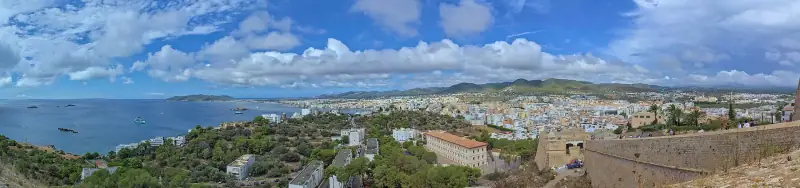
Visiting Ibiza: a complete guide to the White Isle of the Balearics
Complete Ibiza guide: UNESCO Dalt Vila, wild beaches, nightlife, the authentic north, food and practical tips for your stay on the White Isle.
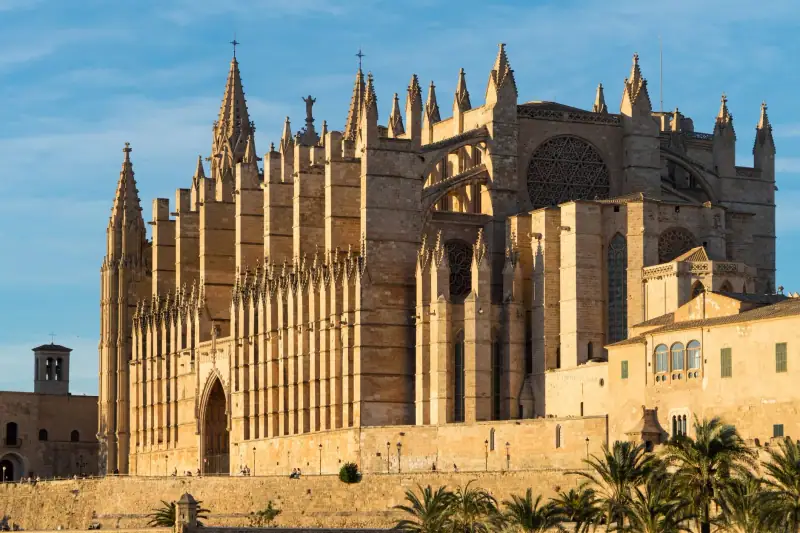
Palma de Mallorca's top sights: what to see and do
What to see in Palma de Mallorca? La Seu cathedral, old quarters, museums, restaurants and markets. A guide to the capital of the Balearic Islands.
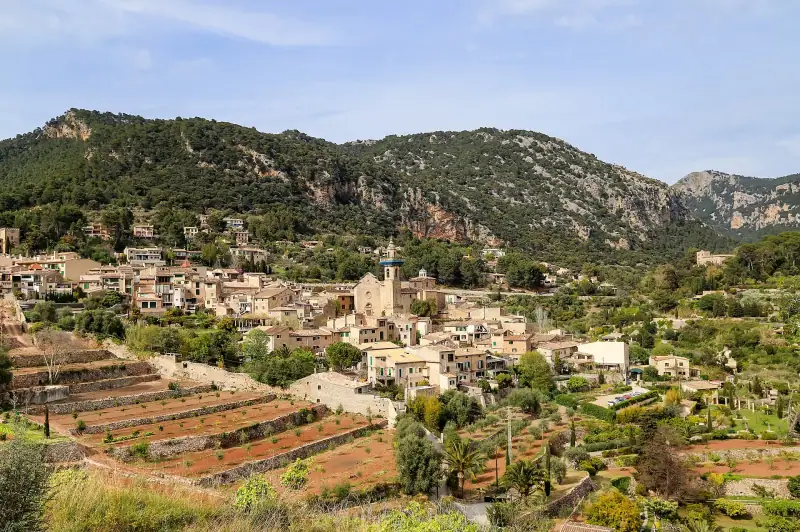
Valldemossa without a car: bus from Palma, the Carthusian monastery and what to see in half a day
Getting to Valldemossa without a car: bus 203 from Palma, Chopin's monastery, village lanes and a treat stop. A half-day plan and pitfalls to avoid.
Ready-made
Balearic Islands itineraries
5 days
3 days
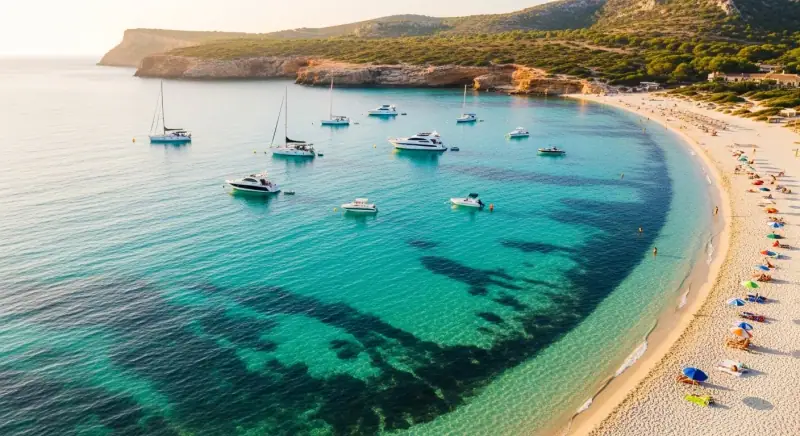
Formentera in 3 days: a complete itinerary, beaches and practical tips
Discover Formentera in 3 days: the best beaches, Illetes, La Mola, the salt lagoons. Day-by-day itinerary, transport and places to stay.
7 days
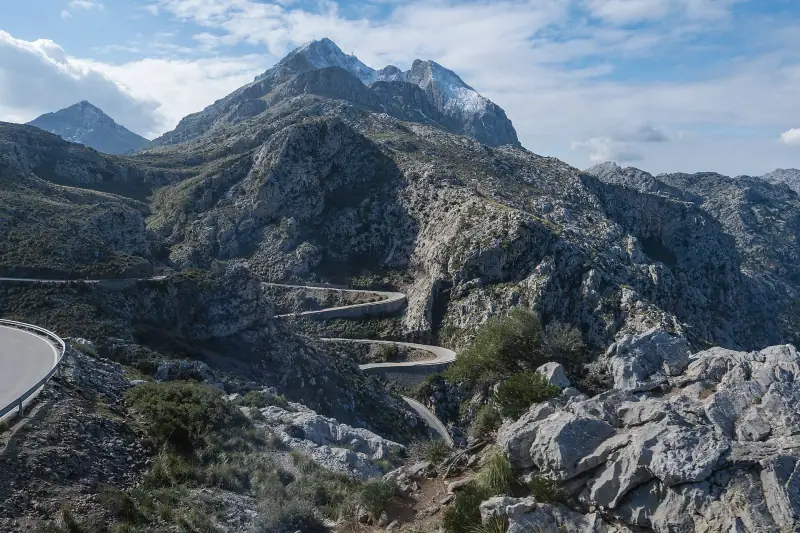
Mallorca in 7 days: a complete itinerary to discover the island
7-day Mallorca itinerary: Palma, Serra de Tramuntana, wild coves, picturesque villages. A practical day-by-day guide for a perfect road trip.