What to see
Visiting Ibiza: a complete guide to the White Isle of the Balearics
We may earn a commission when you book through links on this page, at no extra cost to you. We don't visit or try the places we cover: we summarize published sources. How we work
In short
- Five to seven days cover Ibiza Town and Dalt Vila (1-2 days), the wild north beaches (1-2 days), Sant Antoni and the west coast (1 day) and Formentera (1 day).
- A car is strongly recommended for the north and the secluded coves; book ahead in July-August.
- May, June and September are the best months: 22-27 °C (72-81 °F), sea at 22-24 °C (72-75 °F), moderate crowds and more reasonable prices.
- Club entry costs €30-80 (about $35-93) and cocktails €15-25 (about $17-29); a mid-range budget of €120-160 a day per person (about $139-186) is realistic in June or September.
Ibiza. The word alone evokes contrasting images: the strobe lights of the world’s most famous nightclubs, but also the otherworldly turquoise water of Ses Salines, the white lanes of Dalt Vila at dusk, or the rosemary and lavender fields that perfume the wild north. This island of 572 km² (221 sq mi), fourth of the Balearics by area, is one of the most polarizing destinations in the Mediterranean: adored and loathed, mythologized and misunderstood. The truth is more nuanced, and far more interesting.
Yes, Ibiza is the world capital of electronic music and partying. But it is also an island listed as a UNESCO World Heritage site (Dalt Vila and the posidonia meadows), a land where fragrant pine massifs plunge toward absolutely pristine wild coves, and a land of Catalan country cooking inherited from centuries of Phoenician, Roman and Moorish history. This complete guide accompanies you in discovering the two souls of Ibiza.
Dalt Vila: the UNESCO-listed citadel
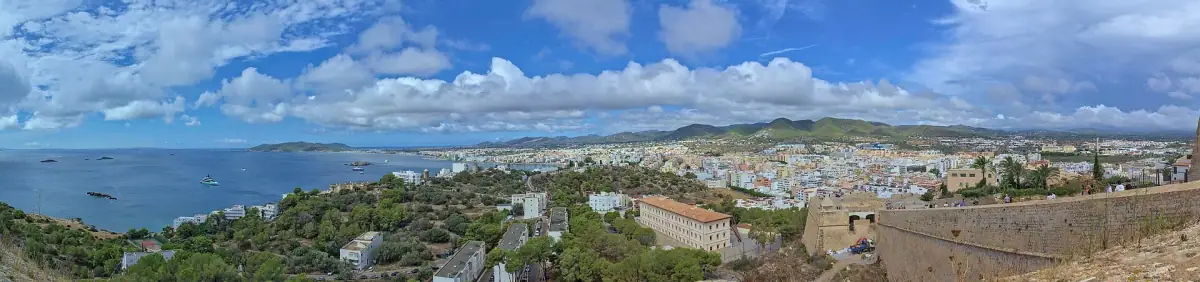
Perched on a rocky promontory above the port of Ibiza Town, Dalt Vila (the “upper town” in Ibizan Catalan) is the historic heart of the island. Listed as a UNESCO World Heritage site since 1999, along with the Puig des Molins necropolis and the marine posidonia meadows, this fortified citadel is one of the best-preserved examples of Renaissance military architecture in the Mediterranean.
The Renaissance walls (16th century), built under Charles V to resist artillery, wrap the whole promontory over a perimeter of two kilometers (1.2 mi). Their seven bastions offer spectacular panoramic views over the sea, the marina and the neighboring islands. Access to the walls is free.
At the top of Dalt Vila, the cathedral of Santa Maria d’Eivissa (13th-18th century) stands on the site of the old mosque of Yebisah. Its bell tower can be seen from the whole bay. The Baroque interior holds a 17th-century altarpiece and a diocesan museum (entry: €3, about $3.50).
The climb from the Porta de ses Taules (the monumental main gate decorated with royal coats of arms) toward the top of the citadel crosses sloped lanes lined with whitewashed houses, art galleries and terrace restaurants. The climb on foot is pleasant in the morning or late afternoon, when the light is golden and the heat less intense.
The Archaeological Museum of Ibiza and Formentera (MAEF), housed in the former governor’s palace in Dalt Vila, shows the Phoenician, Punic and Roman treasures found on the island, notably exceptional pieces from the Puig des Molins necropolis. Entry: €2.40 (about $2.80).
The Puig des Molins necropolis
A few hundred meters from Dalt Vila, the Puig des Molins necropolis is one of the most important archaeological sites in the Mediterranean. Occupied almost continuously from the 7th century BC to the 7th century AD, it holds more than 3,000 hypogea (tombs cut into the rock), several of which are still visible on the site. The adjoining museum shows ceramics, terracotta figurines (including the famous Tanit, Phoenician goddess of fertility) and jewelry that testify to a civilization of Phoenician navigators and merchants settled in Ibiza around 654 BC. Entry: €2.40 (about $2.80). Closed on Monday.
Guided tours in Ibiza
Discover Dalt Vila and the Puig des Molins necropolis with a guide. Boat excursions, night tours and cultural activities available to book.
Ibiza’s beaches: from the wildest to the liveliest
Ibiza has more than 50 beaches and coves of very varied character. From the long lively beaches of the west coast to the wild coves of the north reachable only on foot, there is something for every taste.
Ses Salines (south) is the island’s most famous beach, and one of the most beautiful in the Mediterranean. Its shallow, intense blue-green water, protected dunes and cosmopolitan atmosphere make it a highlight. The beach stretches about 800 meters (2,625 ft). Several chiringuitos and beach clubs dot the beach. Paid parking 700 meters (2,300 ft) away.
Ses Illetes (southwest coast, facing Formentera) is a narrow spit of white sand with crystal-clear water over a posidonia bottom. The place is less lively than Ses Salines and the water is even clearer. Access by car then on foot (about 15 minutes from the car park).
Cala Bassa (west coast) is a pine-framed beach with well-sheltered turquoise water. It has sunbeds, restaurants and can be reached by boat from Sant Antoni. Ideal for families.
Cala d’Hort (southwest) has a commanding view of the two mysterious rocks of Es Vedrà (382 m, or 1,253 ft) and Es Vedranell, limestone outcrops with many legends (some identify them as the rock of the Sirens in Ulysses’ story). The beach is small and often busy, but the panorama is unforgettable at sunset. For access, parking and boat trips, see our guide to Es Vedrà and Cala d’Hort at sunset.
Cala Xarraca and Cala Benirràs (north) are the emblematic beaches of the wild north. Cala Benirràs is famous for its drum gatherings at sunset, a bohemian tradition that keeps alive the island’s hippie spirit.
Cala Mastella (northeast) can only be reached on foot (15 minutes from a car park) and remains one of the island’s best-preserved coves: a small pebble beach in a pine-lined inlet, with limpid water. Authentic and quiet.
The wild north: Ibiza’s secret soul
While Ibiza’s south and west are dominated by mass tourism and partying, the north of the island is of a completely different character. Here, narrow roads wind between hills covered in pines, scrub and fig trees. Old stone hamlets doze in the summer heat, practically unchanged for decades.
Sant Joan de Labritja is the northernmost village of the island, a quiet town around a beautiful white 18th-century church. The Sunday morning market brings together local producers, craftspeople and an international hippie community settled on the island since the 1960s-70s.
Sant Carles de Peralta is home to another emblematic market, Las Dalias (Saturdays year-round, plus night markets in summer), one of the most famous hippie markets in the Mediterranean. Crafts, live music, bohemian clothing and jewelry rub shoulders in a festive, relaxed atmosphere.
Portinatx (far north) is the north’s main seaside resort, with several accessible beaches, family hotels and a far calmer atmosphere than Sant Antoni. The Cova de Can Marçà, a spectacular karst cave with stalactites and a sound-and-light show, can be visited 800 meters (2,625 ft) from the village. Entry: about €12 (about $14).
Sant Miquel de Balansat is another typical northern village, with a fortified 14th-century church and, nearby, Cala de Sant Miquel, a large sheltered cove very busy in summer but of great beauty with its limestone cliffs.
Rental car in Ibiza
Essential for exploring the wild north and the secluded coves. Book early in high season, availability runs out fast.
Nightlife: myth and reality

Ibiza has been inseparable from global electronic music since the 1980s. Clubs like Amnesia (Sant Rafel de sa Creu, 6 km, or 4 mi from Ibiza Town), Pacha (port of Ibiza Town) and Ushuaïa (Playa d’en Bossa) host the planet’s biggest DJs each season. The nightlife season runs from late May to early October.
To get into these clubs, allow between €30 and €80 (about $35-93) for entry depending on the night and the DJ. Drinks inside (cocktails, beers) are priced between €15 and €30 (about $17-35). For die-hard electronic music fans the investment is worth it; for others, a night in the bars of the marina or Ibiza Town offers a festive atmosphere at a far more reasonable cost.
Playa d’en Bossa (east coast, south of Ibiza Town) is the main area of beach clubs and daytime nightlife. Venues like Ushuaïa Beach Hotel hold afternoon pool parties that run into the evening.
Sant Antoni de Portmany (west coast) is the island’s second town, with the famous Café del Mar on the seafront, founded in 1980, which institutionalized the chill-out music sunset ritual from 1991 thanks to resident DJ José Padilla. The atmosphere is more affordable than in Ibiza Town, with more accessible bars and clubs.
Our dedicated guide to Ibiza nightlife details all the options, from legendary clubs to bohemian bars in the old quarter.
Ibizan food
Ibizan cooking is part of the great Catalan Mediterranean tradition, enriched by centuries of Phoenician, Arab and continental influences. It is both simple and generous, based on the products of land and sea.
Bullit de peix is the island’s emblematic dish: a broth of fish and seafood (red mullet, crab, shrimp, squid) served in two stages, first the saffron-scented broth with rice, then the whole fish with an allioli sauce (Ibizan-style aioli). A festive meal found in the fish restaurants of the fishing harbors.
Sofrit pagès is the big stew of traditional Ibizan feasts: pork, chicken, potatoes, vegetables and aromatic herbs from the scrub. Rustic and tasty, it is mostly made at village festivals.
Orxata d’ametlla is a refreshing drink made from crushed local almonds, very popular in summer. Ibizan almonds (mandules) have a particularly fine flavor due to the island’s limestone terroir.
Hierbas ibicencas is the local liqueur: an infusion of aromatic herbs from the scrub (rosemary, thyme, lavender, fennel…) in an anise spirit. Served chilled as a digestif, it inevitably accompanies every traditional meal.
For fresh seafood, the best restaurants are in the fishing harbors of Santa Eulària des Riu (the island’s second town, east coast) and Portinatx in the north, away from the busiest tourist routes.
Hotels in Ibiza
From an isolated finca in the north to a seafront palace, compare offers with free cancellation to find the best value.
Day trip to Formentera: the neighboring jewel
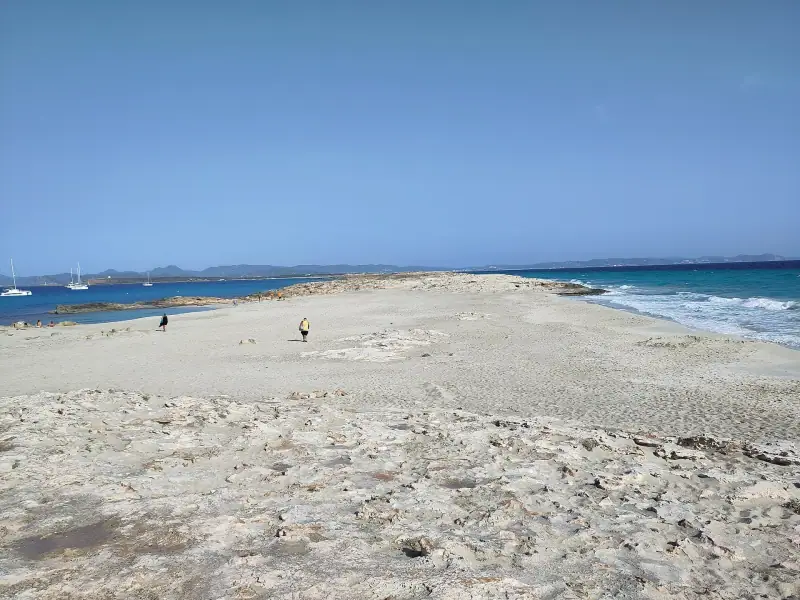
The excursion to Formentera from Ibiza is one of the most popular in the Balearic Islands, and one of the most justified. Linked by ferry in 30 minutes from the port of Ibiza Town, the small island (83 km², or 32 sq mi) unfolds lagoon beaches with unreal blue water, Illetes, Llevant, Migjorn, that rival the world’s finest tropical beaches.
Formentera is largely car-free for most visitors (ferries from Ibiza generally do not accept rental vehicles in high season). A bike or scooter rented there (€20-35 a day, about $23-41) is the ideal way to explore the island in a few hours.
To plan: ferries in high season (July-August) are often full several hours ahead. Book your tickets online the day before. The round-trip ferry generally costs between €25 and €40 (about $29-46) depending on the company.
Our guides to visiting Formentera and where to stay in Formentera give you all the information to extend your stay on the small island.
Getting around Ibiza
The airport of Ibiza (IBZ) is 7 kilometers (4 mi) south of Ibiza Town. Bus no. 10 links the airport to the port of Ibiza Town in 30 minutes for about €4 (about $5). Taxis charge about €15-20 (about $17-23) for the same trip. At night, taxis are often the only option.
A rental car is the most practical way to explore the island, especially the north and the secluded coves. The road network is well maintained and distances are short (the whole island is 45 km, or 28 mi long). Be sure to book ahead in July-August.
Buses (Autocares San Antonio) serve the main tourist areas from Ibiza Town: Sant Antoni, Playa d’en Bossa, the southern beaches (Ses Salines), Santa Eulària, Portinatx and Sant Miquel. Frequency is satisfactory in high season (every 30-60 minutes on the main lines), but nonexistent at night (except shuttles to the clubs).
Water taxis link the main beaches and the Ibiza Town marina in summer. A pleasant way to get between Ses Salines, Playa d’en Bossa, Cala Bassa and Sant Antoni without depending on a car.
An electric bike is an excellent option for a tour of the coastal island or for discovering the inland villages. Rental shops offer e-bikes for €25-40 a day (about $29-46) from Ibiza Town and Sant Antoni.
When to go to Ibiza
| Period | Pros | Cons |
|---|---|---|
| April - May | Green landscapes, few people, low prices | Cool sea (18-20 °C, or 64-68 °F), nightlife still reduced |
| June | Pleasant sea (22 °C, or 72 °F), before the rush, clubs open | Start of price rises |
| July - August | Nightlife at its peak, warm sea, festive atmosphere | Intense crowds, heat wave (35 °C+, or 95 °F+), peak prices |
| September - October | Sea still warm, beautiful light, best atmosphere | Clubs start closing, a few storms in October |
| November - March | Very low prices, authenticity, no tourists | Many hotels and restaurants closed, nightlife almost nonexistent |
Recommendation: June or September offer the best balance of atmosphere, comfort and price. Nightlife is in full swing, the sea is at 22-24 °C (72-75 °F) and beaches are accessible without waiting an hour to park.
Where to stay in Ibiza
Ibiza Town suits anyone who wants to be in the middle of the action: Dalt Vila on foot, a lively marina, easy access to ferries for Formentera and to the clubs. The hotels and apartments in the old quarter are charming but often expensive. Book 2 to 3 months ahead in high season.
Playa d’en Bossa (east coast) is the area of the big beach clubs and the most intense partying. Ideal if nightlife is your priority. There are many hotels, including places with a pool right on the seafront.
Sant Antoni de Portmany (west coast) is more affordable than Ibiza Town, with many mid-range options. Ideal for families and to enjoy the sunsets and the more relaxed atmosphere of Café del Mar.
Santa Eulària des Riu (east coast) is the most family-friendly of Ibiza’s tourist areas: a lively village, a charming marina, a fine-sand beach and quality restaurants at more reasonable prices.
The north (Sant Joan, Portinatx) offers family hotels and isolated fincas for those looking for calm and nature away from the clubs. Prices there are generally more affordable.
Our guide to where to stay in Ibiza details the best areas and hotels by budget and traveler profile.
Ibiza in practice
Currency: Euro (€). ATMs and card payments are universally accepted in tourist areas. In village markets, bring some cash.
Language: Spanish (Castilian) and Ibizan (the local Catalan dialect) are the official languages. English is very well understood across the tourist island.
Health: Ask your doctor or a travel clinic, and see the official travel health pages (CDC in the US, TravelHealthPro in the UK). Travel insurance is recommended. In high season, the emergency room of Can Misses hospital (Ibiza Town) can be busy; pharmacies are well equipped and pharmacists readily give advice.
Electricity: 220 V, plug types C and F (European standard). Check whether your devices need an adapter.
Time zone: Central European Time (CET/CEST).
Internet and phone: 4G/5G coverage is excellent in all tourist areas. Check your carrier’s international plan or use a travel eSIM. Wi-Fi is available in all hotels and nearly all restaurants.
Respect for natural sites: Ibiza Town, the posidonia meadows and several natural sites (Ses Salines, Es Vedrà) benefit from strict environmental protection. Anchoring is forbidden in protected posidonia areas. On protected beaches like Ses Salines, fires, camping and collecting plants are forbidden.
Frequently asked questions
How many days do you need to visit Ibiza?
Five to seven days let you discover Ibiza in its different facets: Ibiza Town and Dalt Vila (1-2 days), the beaches of the wild north (1-2 days), Sant Antoni and the west coast (1 day) and excursions to Formentera (1 day). A week is ideal if you want to skip nothing.
Is Ibiza only a party destination?
No, not at all. While Ibiza is known worldwide for its clubs and nightlife, the island also offers remarkable wild landscapes in the north (Portinatx, Sant Joan de Labritja), archaeological sites (UNESCO-listed Dalt Vila, the Puig des Molins necropolis), authentic food and secluded beaches far from tourist routes. The north and the interior of the island remain very well preserved.
What is the best time to visit Ibiza?
May, June and September are the best months: pleasant temperatures (22-27 °C, or 72-81 °F), sea at 22-24 °C (72-75 °F), moderate crowds and more reasonable prices. July and August are the liveliest months (nightlife at its peak) but also the priciest and busiest. April and October suit cultural tourism and hiking, but many hotels and beaches close in November-March.
Do you need to rent a car in Ibiza?
Yes, a car is strongly recommended to explore the wild north, the secluded coves and the interior of the island. Buses serve the main tourist areas, but the most beautiful coves in the north can only be reached by car or on foot. In high season (July-August), be sure to book ahead, as cars go quickly.
How do you get to Ibiza?
Ibiza Airport (IBZ) is 7 km (4 mi) south of Ibiza Town; bus no. 10 links the airport to the port of Ibiza Town in 30 minutes for about €4 (about $5), and taxis charge about €15-20 (about $17-23). Ibiza can also be reached by ferry from Barcelona (about 8-9 h, Baleària Ferries) or from Valencia (about 5-6 h).
Is Ibiza expensive?
Ibiza can be very expensive in high season, especially for nightlife (club entry: €30-80, about $35-93; cocktail: €15-25, about $17-29). But you can visit the island on a reasonable budget by avoiding clubs, choosing local restaurants and staying outside the ultra-touristy areas. A mid-range budget of €120-160 a day per person (about $139-186; 3-star hotel, car, meals) is realistic in June or September.
Can you visit Formentera from Ibiza?
Yes, and it is even one of the best excursions on the island. Fast ferries (about 30 minutes) link the port of Ibiza Town to Formentera throughout the day in high season. Allow about €20-35 one way (about $23-41). Book ahead in July-August, as boats are often full.
More Balearic Islands guides
Keep reading
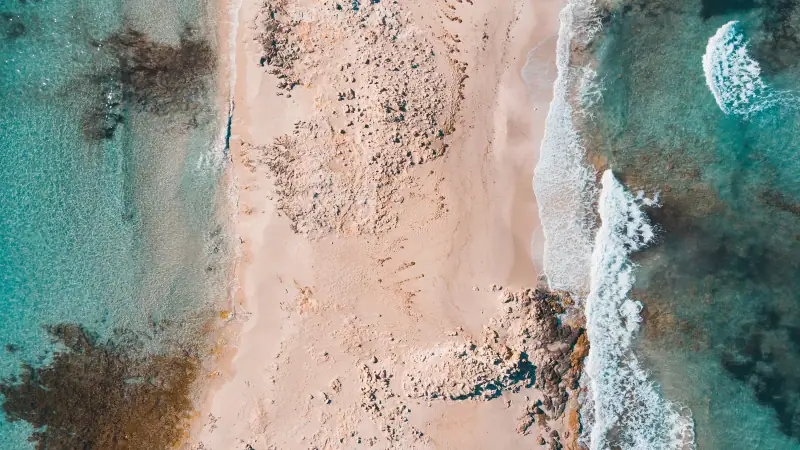
Visiting Formentera: a complete guide to the pearl of the Balearic Islands
Formentera, the smallest Balearic island: Ses Illetes beaches, La Mola plateau, salt flats, Sant Francesc village. A complete guide.
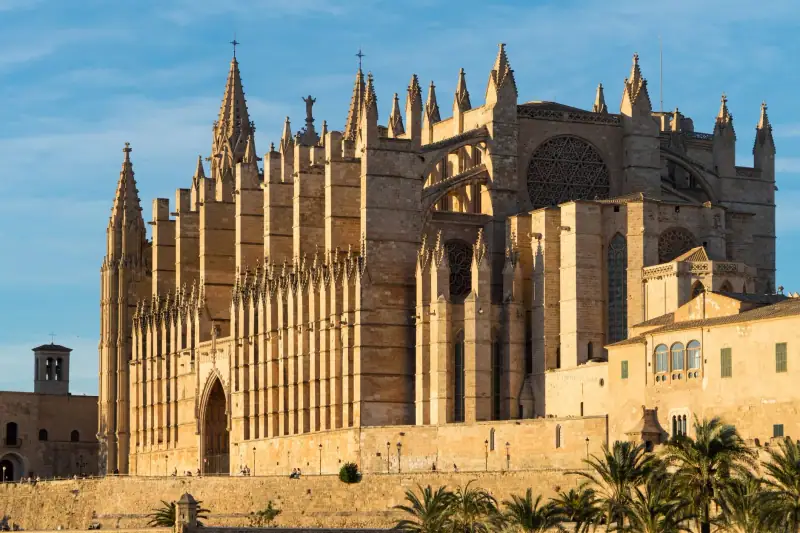
Palma de Mallorca's top sights: what to see and do
What to see in Palma de Mallorca? La Seu cathedral, old quarters, museums, restaurants and markets. A guide to the capital of the Balearic Islands.
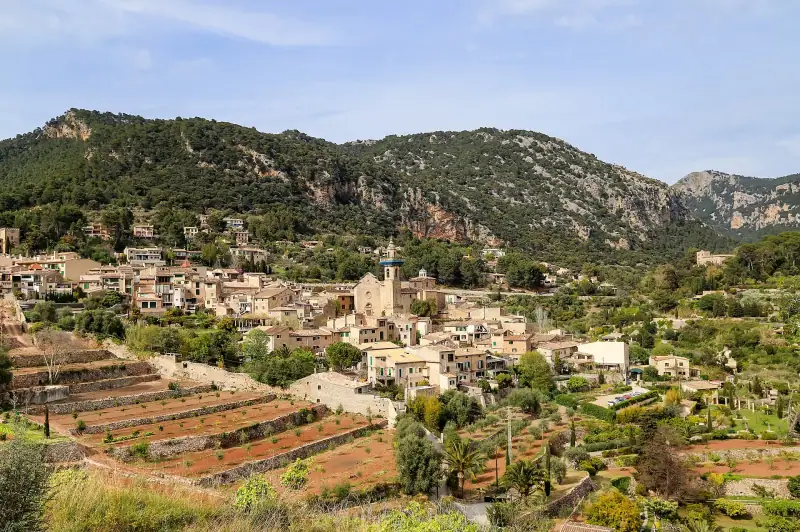
Valldemossa without a car: bus from Palma, the Carthusian monastery and what to see in half a day
Getting to Valldemossa without a car: bus 203 from Palma, Chopin's monastery, village lanes and a treat stop. A half-day plan and pitfalls to avoid.
Ready-made
Balearic Islands itineraries
5 days
3 days
Formentera in 3 days: a complete itinerary, beaches and practical tips
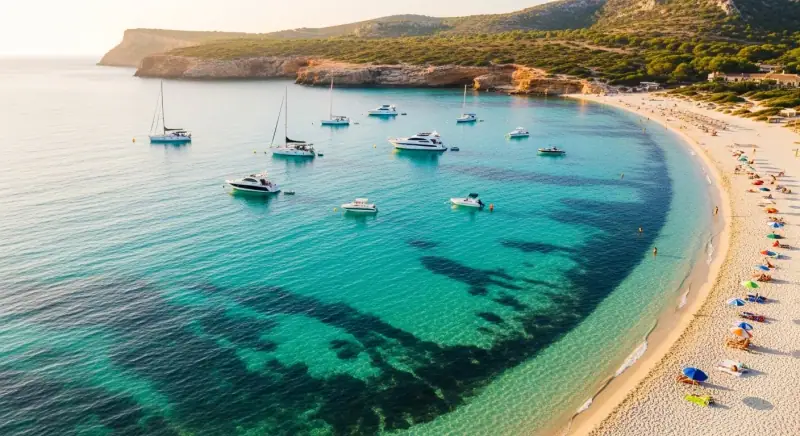
Discover Formentera in 3 days: the best beaches, Illetes, La Mola, the salt lagoons. Day-by-day itinerary, transport and places to stay.
7 days
Mallorca in 7 days: a complete itinerary to discover the island
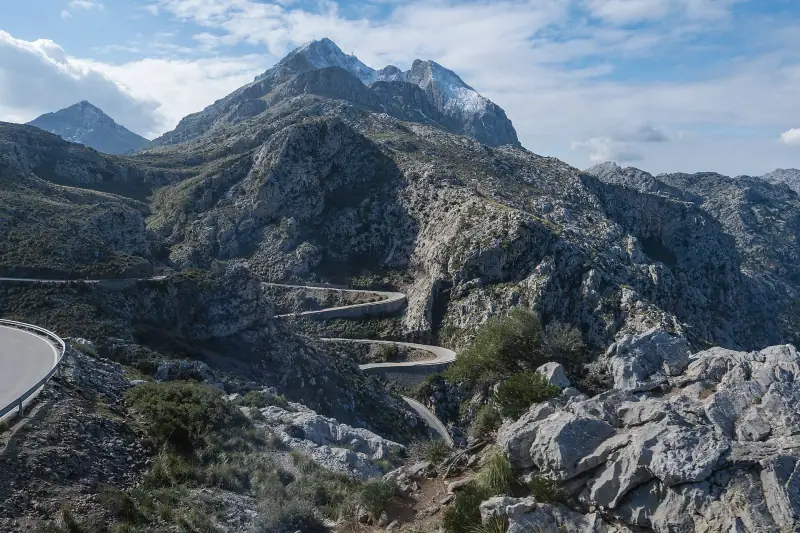
7-day Mallorca itinerary: Palma, Serra de Tramuntana, wild coves, picturesque villages. A practical day-by-day guide for a perfect road trip.