Where to stay
Where to stay in Salta and the Quebrada de Humahuaca: neighborhoods, villages and tips
We may earn a commission when you book through links on this page, at no extra cost to you. We don't visit or try the places we cover: we summarize published sources. How we work
In short
- Salta (about 1,200 m / 3,940 ft) is the best logistics base; the quebrada villages have the best atmosphere.
- Altitudes: Cafayate about 1,700 m, Purmamarca 2,200 m, Tilcara 2,500 m, Humahuaca about 3,000 m (5,580 / 7,220 / 8,200 / 9,840 ft).
- Always check heating between May and September: nights are cold at altitude.
- Book ahead in high season, especially in the small villages.
Northwest Argentina is not a single city: you move between the provincial capital of Salta, the adobe villages of the Quebrada de Humahuaca and the vineyards of Cafayate. Each stop has its own style of lodging, strengths and pitfalls, from the boutique hotel in a colonial house to the room in a local home at the foot of a colorful mountain. This guide helps you choose where to stay, depending on your route and budget.
In short:
- Salta is the best logistics base, the quebrada villages have the best atmosphere
- Altitude rises quickly toward the north: Humahuaca is at around 3,000 m (9,840 ft)
- Always check heating between May and September: nights are cold
- Book ahead in high season, especially in the small villages
How to choose your base in the northwest
Before comparing places, decide how many bases you want. There are two opposing approaches. The first is to sleep in Salta for the whole stay and do day excursions: one bag to unpack, a wide choice of restaurants and flights, but long driving days to reach the quebrada or Cafayate. The second is to move from village to village, with one night in Purmamarca, one in Tilcara or Humahuaca, then one in Cafayate: more time there and landscapes without crowds, but more luggage handling and less choice.
For a stay of five to seven days, a compromise works well: two nights in Salta at the beginning and at the end, and two or three nights spread across the quebrada. Our guide to Salta and the Quebrada de Humahuaca details what to see in each area; this one focuses on where to put your bags. To set the calendar, also see when to go to Argentina.
Where to stay in Salta
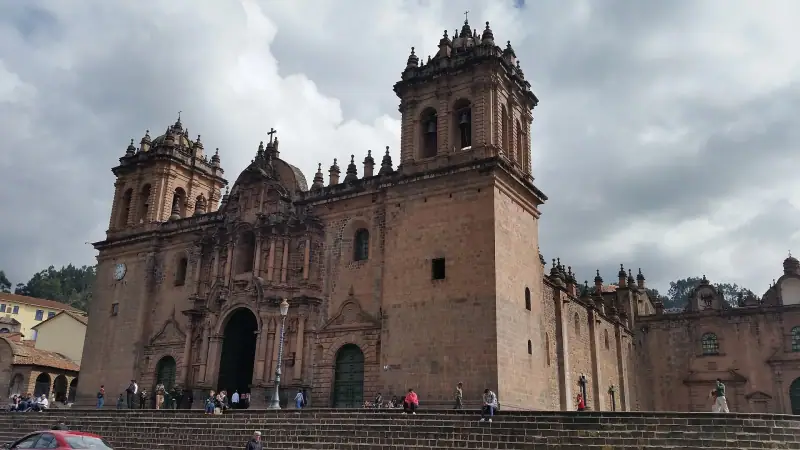
Salta, nicknamed “la Linda” (the beautiful), is a city of moderate altitude, about 1,200 m (3,940 ft), with a milder climate than the villages. Its center preserves many colonial buildings around Plaza 9 de Julio, with the cathedral, the Cabildo and several museums. Most excursions start from here.
The historic center
This is the best area for a first stay. Everything is on foot: museums, cafés, restaurants and peñas, the venues where you listen to folk music over dinner. Boutique hotels in old houses sit alongside hostels and apartments. The downside is noise: some streets are lively late into the evening, especially on weekends. Ask for a room at the back or facing a patio.
Streets a few blocks from the square are generally quieter and cheaper than places directly on the square, while still being ten or fifteen minutes on foot from everything. The San Bernardo Hill cable car, which offers a fine view of the city, is easy to reach from this area.
Residential neighborhoods and surroundings
If you travel by car, lodging a little away from the center can work: a guesthouse with a garden, a hotel with parking or a small estate on the green outskirts. You gain calm and space, but lose the chance to walk to dinner without a taxi. Always check that parking is included: it is sometimes hard to find in the center.
Staying in Salta?
Compare boutique hotels, hostels and apartments in the historic center.
Budget and type of lodging
Salta covers the whole range: hostels with dorms and private rooms, family hotels, boutique hotels in old mansions, upscale properties with pools, and wine estates at the city’s gates. Prices change with the season, exchange rates and local inflation: check them when you book rather than relying on an old figure. For an overview of your spending, our guide to the budget in Argentina gives benchmarks and advice on payment methods.
Where to stay in the Quebrada de Humahuaca
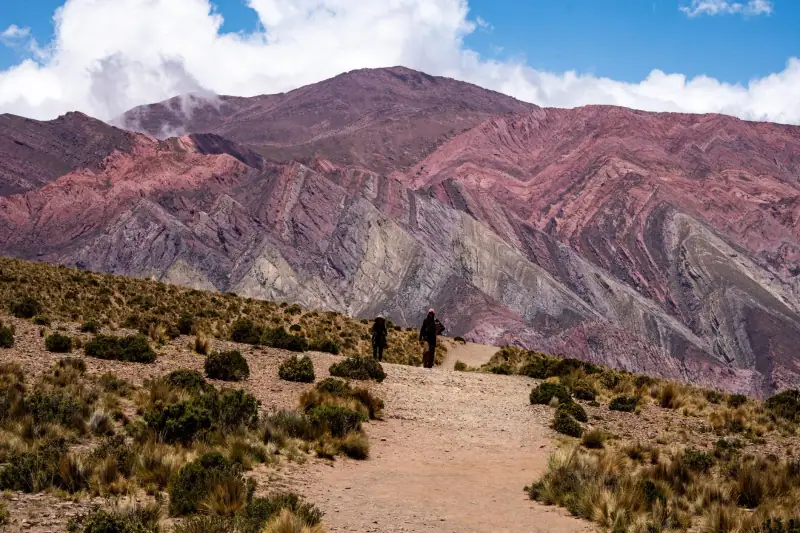
The quebrada is a long, narrow valley stretching north of Salta, with villages getting higher as you go up. Supply is more modest than in Salta, but it gains in authenticity: adobe guesthouses, small family hotels, campsites and a few remote lodges.
Purmamarca, the best first stop
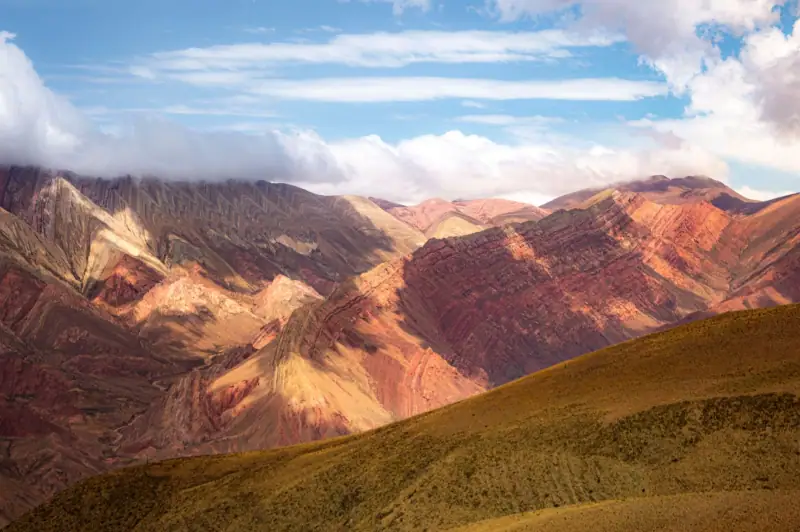
Purmamarca sits at the foot of the Hill of Seven Colors, the mountain with colored layers that has become the emblematic image of the region. The village, at about 2,200 m (7,220 ft), is the lowest of the quebrada stops. You find small hotels, guesthouses and rooms in local homes, often with a view of the mountain. Sleeping here lets you see the morning or evening light on the colors, when the day excursions have left.
The village is small, the craft market is held around the square, and you can reach the Seven Colors loop on foot. The downside is the crowds in the daytime and in high season: book early and choose a place a little away from the square for a quiet night.
Tilcara, the most complete village
Tilcara, at around 2,500 m (8,200 ft), combines a former pre-Hispanic site, the pucará, with museums, restaurants and a modest nightlife. It is the quebrada village with the most choice in lodging: hostels, campsites, cottages, boutique hotels and more upscale lodges. The atmosphere is more relaxed and younger than in Purmamarca, with more long-term travelers.
For hikers, it is a popular base: several walks start from the village or its surroundings. Keep the altitude in mind: even an easy walk is more tiring than at low altitude.
Humahuaca, higher and rougher
Humahuaca is at around 3,000 m (9,840 ft). Its center, with cobbled lanes and a church, is pleasant to walk in the late afternoon, when the groups have left. Lodging is less developed and simpler: family hotels, hospedajes and a few guesthouses. The big plus is the quiet evening and the chance to visit the surroundings before the excursions arrive.
Staying in Purmamarca?
Guesthouses and small hotels at the foot of the Hill of Seven Colors.
Where to stay in Cafayate and the Calchaquí Valleys
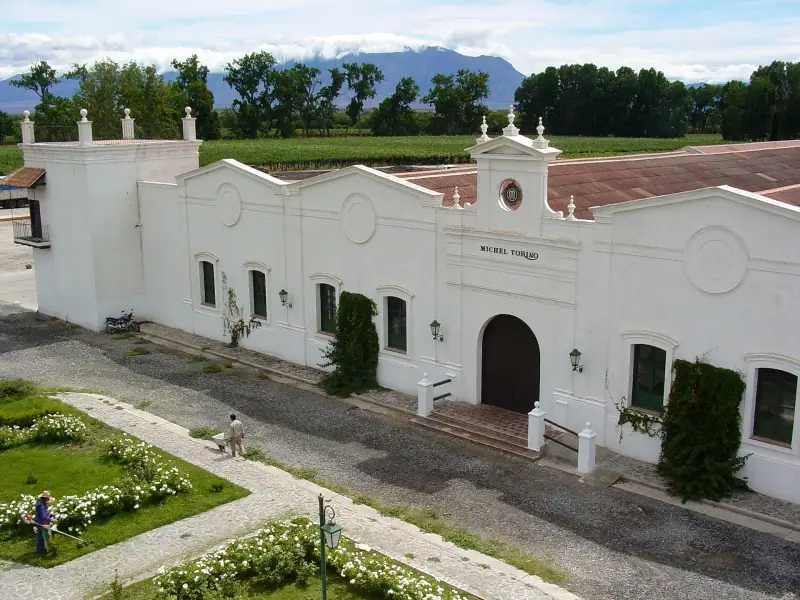
South of Salta, Cafayate is the capital of torrontés, the aromatic white grape emblematic of the region, and one of the most pleasant stops in the northwest. The village, at around 1,700 m (5,580 ft), is lower and milder than those of the quebrada. It suits more relaxed stays: bike rides between the wineries, tastings, restaurants around the main square.
You find downtown hotels, guesthouses and wine lodges set among the vines. The latter, more expensive, offer a memorable setting but need a car or a transfer to dine elsewhere. To understand what you will taste, read our guide to Argentine wines: malbec, torrontés and regions.
Farther north, in the Calchaquí Valleys, Cachi offers simpler lodging in a setting of mountains and cacti. The village is popular with travelers doing the loop by car. As in the quebrada, supply is limited: book ahead for weekends and holidays.
Excursions from Salta
Quebrada de Humahuaca, Cafayate, tastings: compare day trips.
Types of lodging in the northwest
Boutique hotels and guesthouses
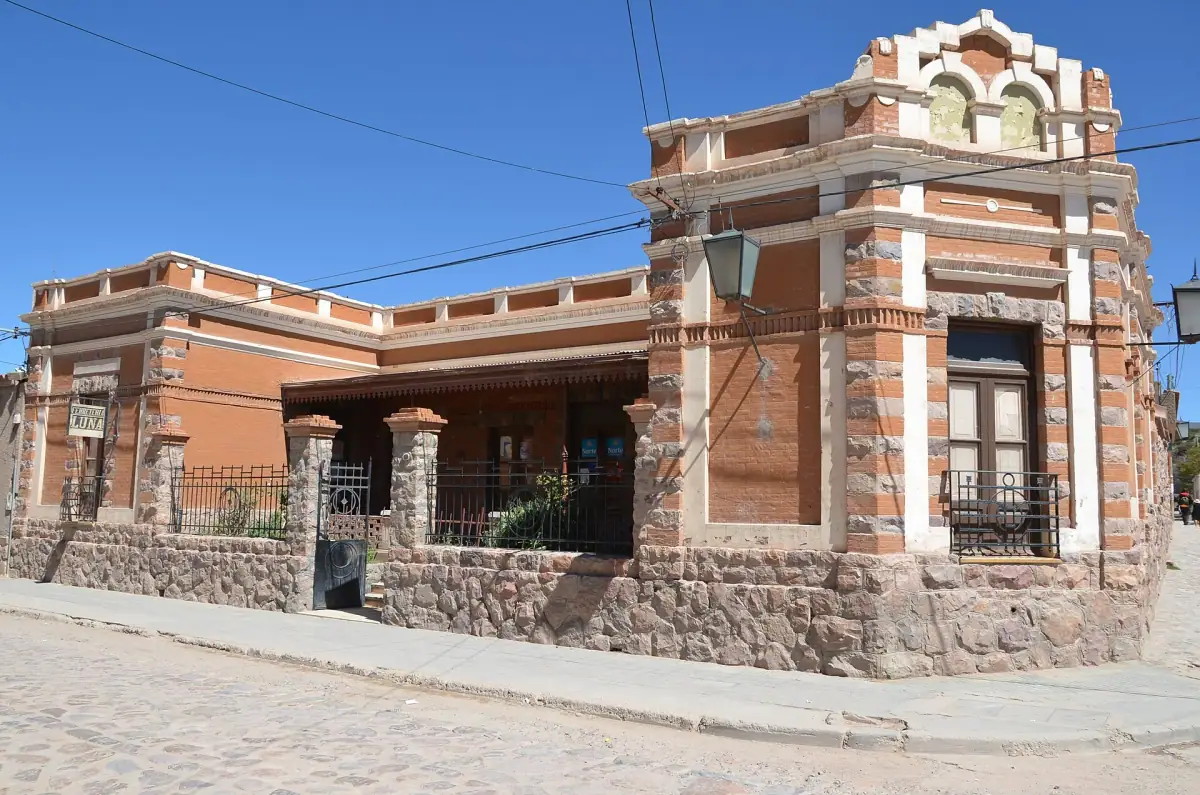
In the villages, they are often built of adobe, with thick walls that insulate well against cold and heat. Small places have few rooms: breakfast is shared, with regional specialties, and the staff know the surroundings well. This is the recommended choice for most travelers.
Hostels and campsites
Salta and Tilcara have sociable hostels, with dorms and private rooms, shared kitchens and excursion boards. Campsites are found in some villages; nights at altitude are very cold, even in summer, which calls for a suitable sleeping bag. If you travel with a tent, check where camping is permitted.
Lodges and upscale estates
A few remote lodges, in the quebrada as around Cafayate, offer high-level comfort with views, dining and activities. They are often far from the villages: the experience is unique, but a car is essential and meals are taken at the lodge.
Heating and hot water
This is the point to check before booking. Between May and September, nights are very cold at altitude and a poorly heated lodging spoils the stay. Read recent traveler reviews, ask about the heating and check that hot water is available. In the austral summer, air conditioning is more useful in Salta than in the villages.
Altitude, seasons and booking
Altitude is the most specific criterion for this region. Salta is around 1,200 m (3,940 ft), Cafayate around 1,700 m (5,580 ft), Purmamarca around 2,200 m (7,220 ft), Tilcara around 2,500 m (8,200 ft) and Humahuaca around 3,000 m (9,840 ft). These values are approximate, but they give the order of magnitude. Ask your doctor or a travel clinic about high altitude, and see the official travel health pages (CDC in the US, TravelHealthPro in the UK).
As for seasons, the dry period from autumn to the end of the austral winter brings clear skies but freezing nights at altitude. The austral summer is hotter and rainier, with storms late in the day. Argentine school vacations, notably in July and January-February, and long weekends are when supply fills up: book several weeks ahead then. Outside these periods, you can stay more flexible.
For payments, check whether the property accepts foreign cards and plan some cash in the villages, where card terminals are less common. Keep in mind that some small lodgings only answer by messaging and prefer a short, clear message with your dates.
Choosing lodging by means of transport
Your way of getting around directly affects the choice. Without a car, choose lodging near the bus terminal or the center in each village, as local transfers are limited. By bus, the quebrada villages are linked to Salta and Jujuy by regular services, with trips of a few hours.
By car, you can choose isolated lodgings, wine estates or lodges. Check the parking, drive by day as mountain roads have blind bends, and plan short stages.
A stop in Cafayate?
Village hotels and guesthouses surrounded by vines.
Sample plan for 6 nights
Here is a simple split for a first stay, to adapt to your dates:
- 2 nights in Salta: arrival, rest, discovery of the historic center and a peña.
- 1 night in Purmamarca: the Seven Colors loop.
- 1 night in Tilcara or Humahuaca: pucará, village and high-altitude landscapes.
- 1 night in Cafayate: Quebrada de las Conchas road and a torrontés tasting.
- 1 night in Salta: back before the flight.
This plan limits driving. It fits into a wider trip: see our 2-week Argentina itinerary. If you are also looking for places in the country’s most famous wine region, see where to stay in Mendoza.
Tips for booking well
- Read recent reviews: small properties change management quickly.
- Check heating, hot water and Wi-Fi: at altitude, they cannot be taken for granted.
- Choose free cancellation when possible: roads can be cut by summer rains.
- Tell them your arrival time: small guesthouses do not always have a permanent reception.
- Keep a plan B: if you travel in high season, note two or three alternatives before leaving.
Frequently asked questions
Where should you stay in Salta for a first visit?
The historic center, around Plaza 9 de Julio, is the simplest choice: museums, restaurants, peñas and excursion departures are all within walking distance. Quiet streets a few minutes from the square often offer better value than those directly around it.
Is it better to stay in Salta or in the Quebrada de Humahuaca?
Salta is the best base for day excursions, but the drives are long. If you want to enjoy the villages in the quiet hours, at sunrise and sunset, one or two nights in Purmamarca or Tilcara change the experience a lot.
What should you know about altitude when staying in Humahuaca?
Humahuaca is at around 3,000 m (9,840 ft). Altitude affects people differently: ask your doctor or a travel clinic, and see the official travel health pages (CDC in the US, TravelHealthPro in the UK).
Is lodging in the northwest heated?
It varies a lot. Austral winter nights are very cold at altitude and some simple lodgings are heated only by a small radiator. Check the heating and whether extra blankets are provided before booking between May and September.
Do you need to book ahead in the quebrada villages?
Yes in high season, during Argentine school vacations and long weekends. Supply is more limited than in Salta and the best places fill up fast. Off season, booking a few days ahead is generally enough.
Where should you stay to visit Cafayate and its vineyards?
Stay in Cafayate itself: the village is small, and the main square and nearby wineries can be reached on foot or by bike. Some wine estates also offer rooms among the vines, to book early.
More Argentina guides
Keep reading
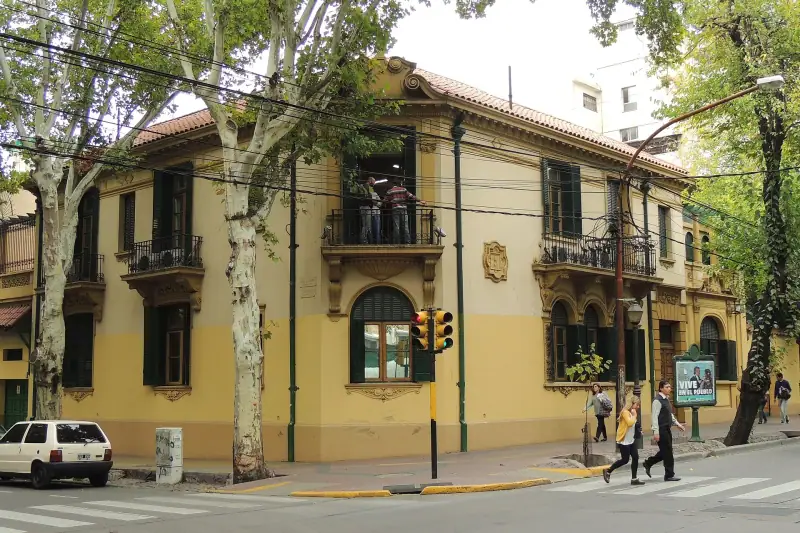
Where to stay in Mendoza: downtown, Luján de Cuyo or the Uco Valley?
Downtown, Chacras de Coria, Luján de Cuyo, Uco Valley or Potrerillos: compare the areas to stay in Mendoza by budget, pace and wine country wishes.
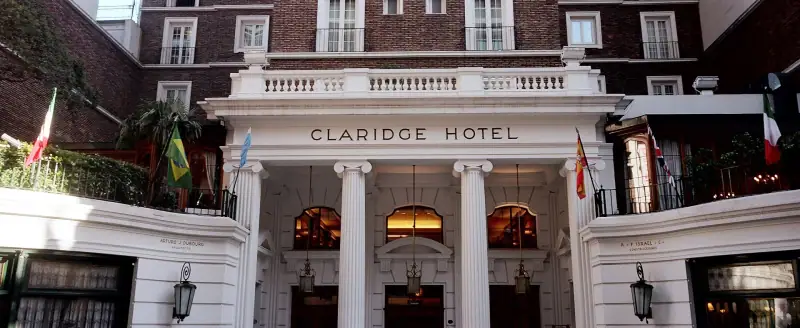
Where to stay in Buenos Aires: which neighborhood to choose for your trip
Palermo, Recoleta, San Telmo, Puerto Madero or Retiro: compare Buenos Aires neighborhoods to choose where to stay by budget, tastes and safety.
Argentina budget: real costs by item and 3 travel profiles
What budget for Argentina? Real costs by item (lodging, transport, meals, activities), three profiles priced per day and tips to spend less.
Ready-made
Argentina itineraries
14 days
Argentina in 2 weeks: Buenos Aires, Iguazú, Salta and Mendoza
Buenos AiresPuerto IguazúSaltaMendoza
22 days
Argentina in 3 weeks: Buenos Aires, Iguazú, Northwest, Mendoza, Córdoba and Valdés
Buenos AiresPuerto IguazúSalta and the NorthwestMendozaCórdobaPuerto MadrynBuenos Aires
8 days
Northwest Argentina road trip: Salta, Cafayate, Cachi and Humahuaca in 8 days
SaltaCafayateCachiSaltaPurmamarcaTilcara